

“The Touch,” a cult horror straight from the 90s, has been re-released in wide theatrical distribution. What continues to frighten audiences in this film more than 30 years later? We explore in our article.
One of the cult Russian horror films of the 90s, “The Touch”, has unexpectedly been given a second life: the film has been digitized in 4K and released in a limited but still wide theatrical run starting March 12. It became a cult classic, of course, much later than its official release in 1992, already in the era of flourishing blogs and video hosting, when information about it spread at cosmic speed and the film was watched by far more people than in the first decade after its appearance. The film was directed by Albert Mkrtchyan, and for domestic horror it was a clear example of how impressive results could be achieved with minimal means. Back then, in the nineties, it seemed like an experiment; today, it is already an artifact.
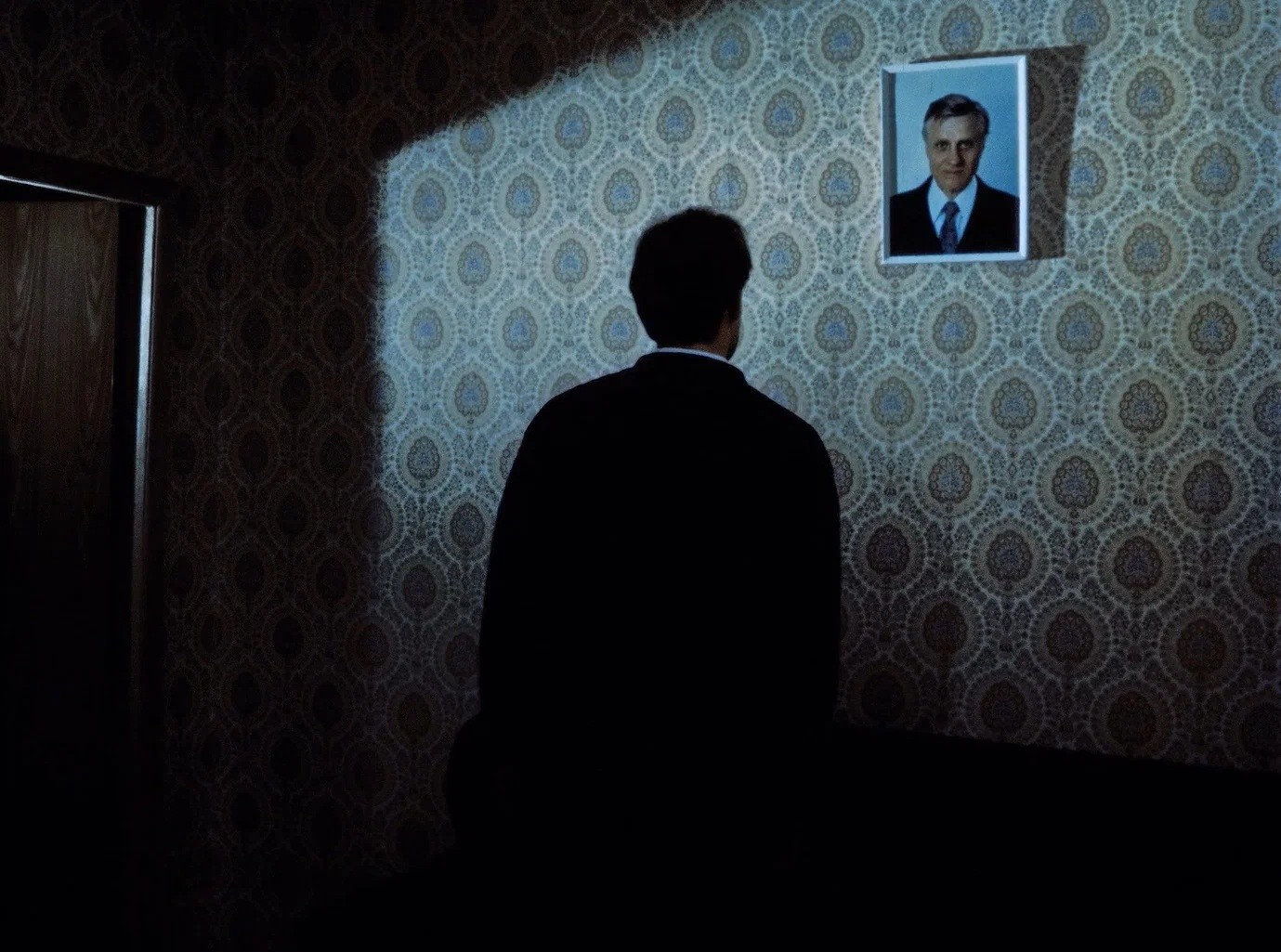
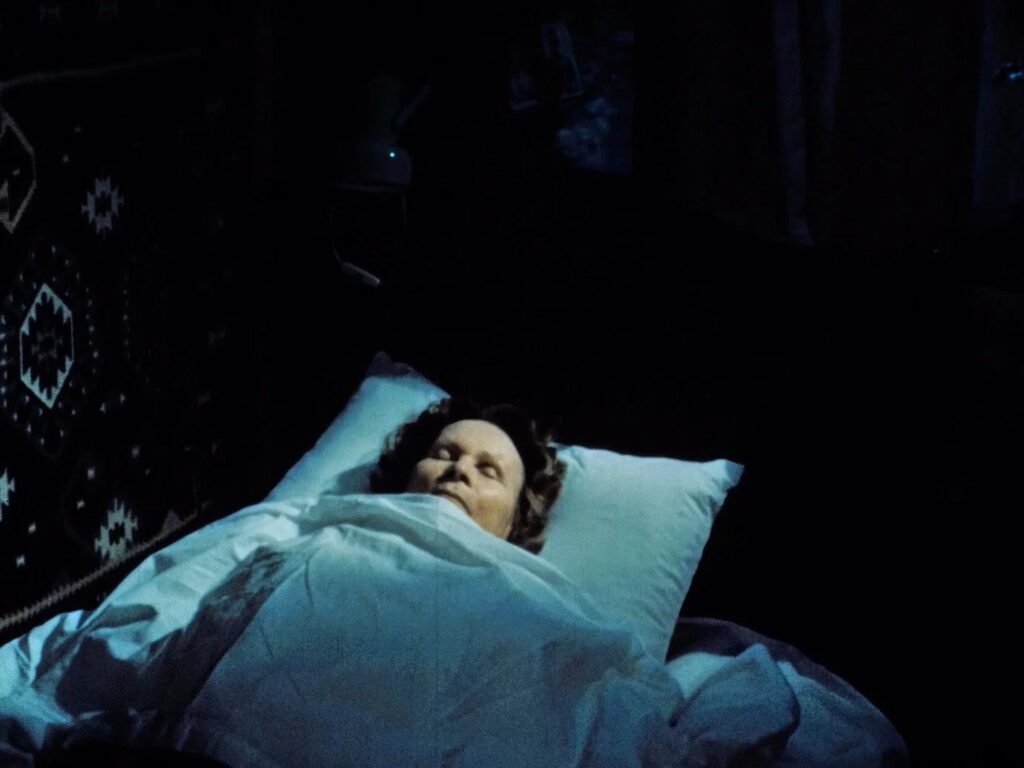
The plot of “The Touch” at first glance resembles a typical 90s detective story: MUR operative Andrei Krutitsky (Alexander Zuev) investigates the mysterious death of a young woman (Marina Polteva) and her little son. In the process of searching for evidence, he falls in love with her sister and encounters mystical forces—namely, the long-dead father of the deceased (Andrei Dudarenko), who periodically stares at him from a portrait with terrifying eyes. Which, you must agree, is unexpected for a police drama even by today’s standards.
In Mkrtchyan’s career, there had been no hint of horror before this. He had many films to his credit, among which the charming “The Guardian” with Georgy Vitsin and Alexander Zbruev, the monumental “The Land of Sannikov” with Vladislav Dvorzhetsky and Oleg Dal, and the detective film typical of that time “Medicine Against Fear” based on the novel by the Weiner brothers stand out. From the latter, however, everything that might have seemed ideologically alien and incomprehensible to the Soviet viewer was removed.
“The Touch” is the director’s first experience with the genre, which he entered literally on soft paws, perhaps not fully realizing what exactly to scare the viewer with. And he drew inspiration rather from Soviet horror films of the late 80s. Therefore, “The Touch” stands alongside “The Designer” and “The Family of Vurdalak” — also, by the way, quite cult. Next to them, Mkrtchyan’s film looks organic: the same viscous atmosphere, the same attempts to speak about the supernatural in the language of everyday drama.
A kitchen sink, whose realism is unexpectedly displaced by mysticism.
What is it about “The Touch” that is so frightening? Well, first of all, the atmosphere. The low budget did not allow for high-quality special effects and shooting on good film, but paradoxically this had a rather positive effect on the film: dim light, graininess, frightening camera movements shooting from the first person. The strange and terrifying man from the cursed portrait, who makes absolutely no movements, not even with his eyes, but scares you to hiccups. This brings to mind Japanese horror of the 2000s with its meditative viscosity and love for natural makeup.
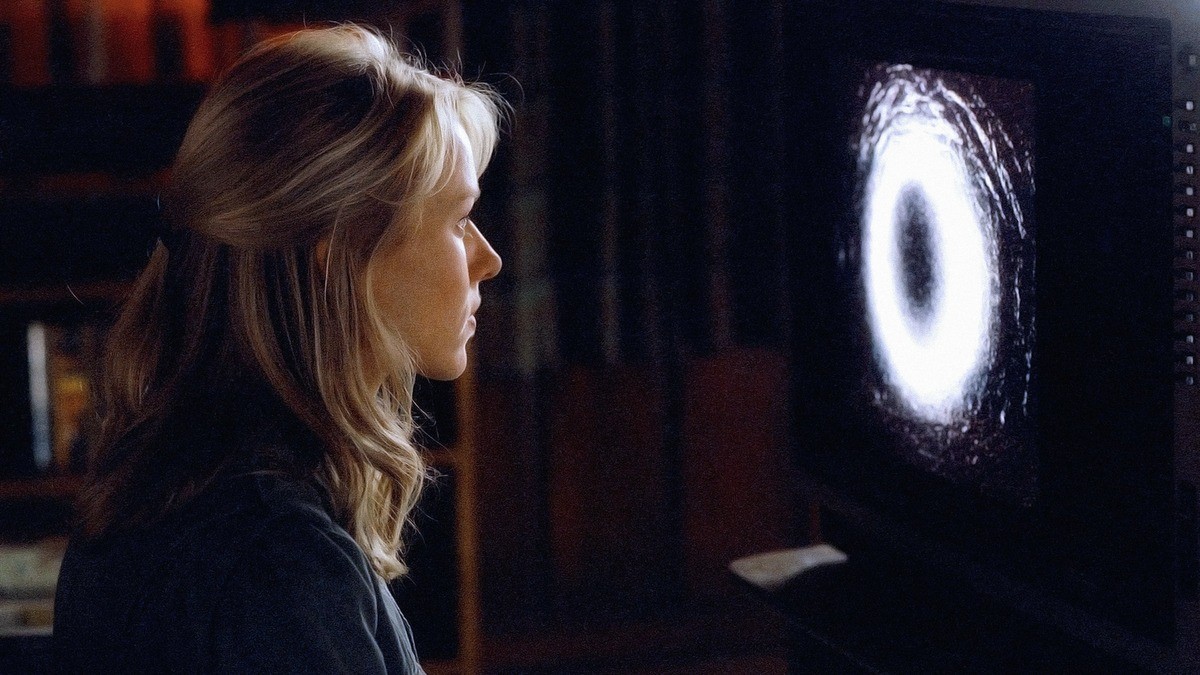
The editorial team’s favorite films about ghosts – of consciousness, the past, old mansions, and new technologies.
Open material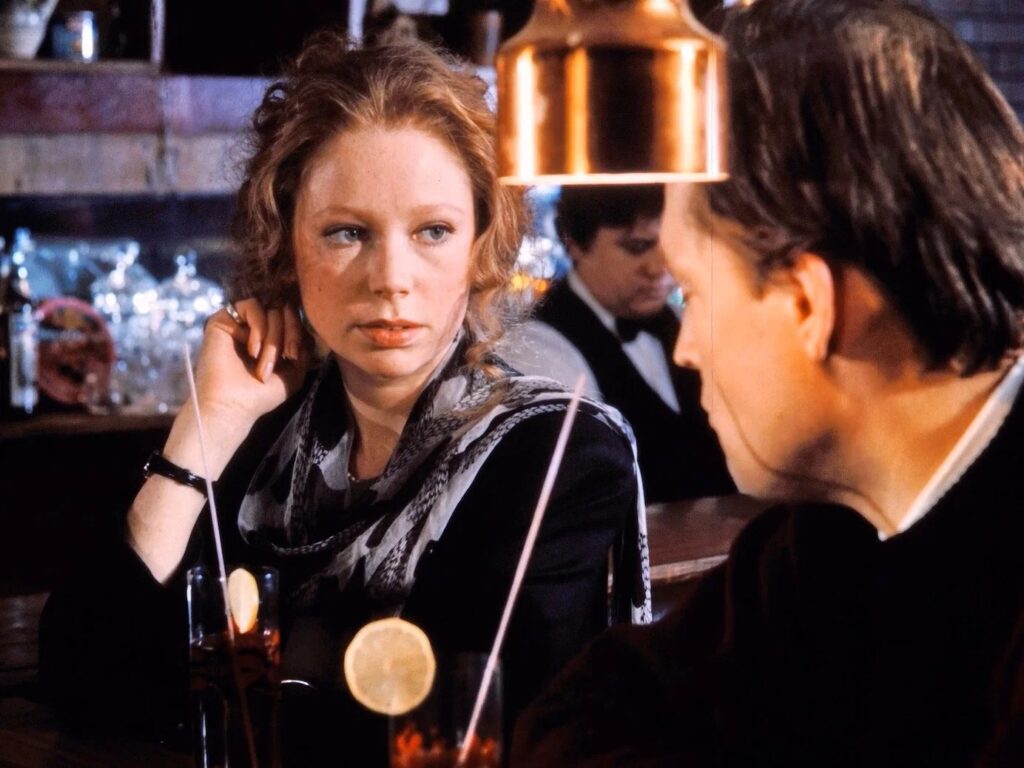
Secondly, two precise hits into mythology. While outwardly following the Hollywood standard (operative, investigation, clues), the film firmly stands on the territory of exclusively local folklore and urban legends, which often appeared on the pages of tabloid press in the 90s and were instantly recognizable. In the era of no internet, such notes were scarier to read than any (if you, of course, have a vivid imagination).
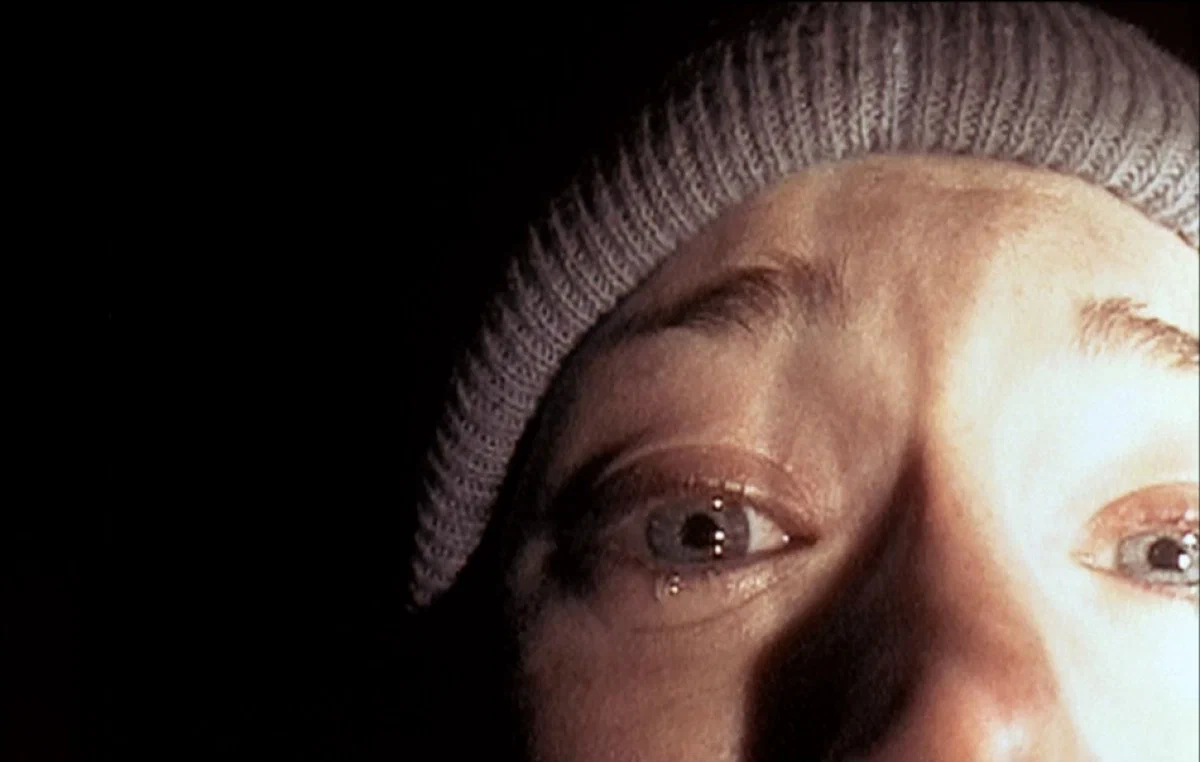
Documentary cinema laid the foundation for the development of cinematography, and then receded into the background. In this article, we analyze how the essences of fiction and documentary cinema coexist together.
Open materialAnd thirdly, a number of truly creepy scenes. To be honest, there are only about two such scenes in the film (including the central episode of the investigator’s conversation with the portrait at the cemetery), but they are conceived with a rare inventiveness for domestic cinema of that time. And when Albert Mkrtchyan focused on the nature of fear, he was ruthless and hit right in the gut. These moments still work today. Which, you must agree, is an achievement for the genre.
“The Touch” — for the most part, of course, is not an attempt to touch something great. One should not be too deluded: as a whole, especially from 2026, the film looks naive, especially when it comes to toy special effects. But if you consider the film as a document of a cinematic era, reminding us that for real fear sometimes just bad film and the right portrait are enough, it is flawless.
Comments
0No comments yet.