

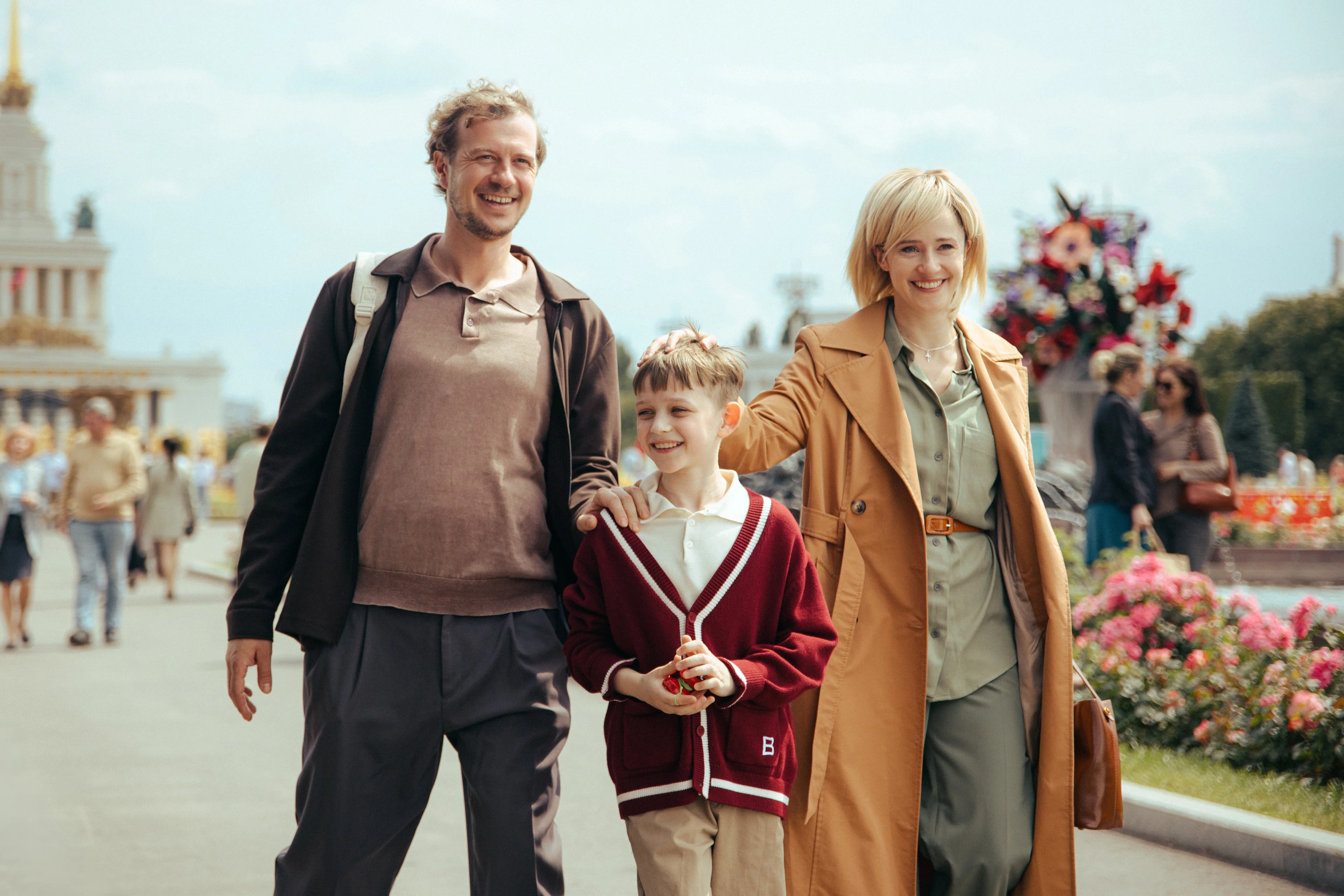
We tell about one of the brightest new releases of spring on domestic streaming services – the series 'Time of the Happy' from Okko.
The series 'Time of the Happy' tells the story of one family over three decades: the 1980s, 1990s, and 2010s. The main characters are Ivan and Marina. They meet in the optimistic 80s, have triplets, and get an apartment. Then the 90s arrive: Ivan, a PhD, loses his job and immerses himself in household chores and tutoring, while Marina goes to sell goods at the market. Their relationship falls apart, and the characters separate. In 2012, their children are adults, old grievances have accumulated, and one of the three has died.
The plot is non-linear: scenes from 1985, 1999, and 2012 are interwoven. At first, this requires getting used to, but gradually the editing stops being distracting and even starts to work—the reasons for the characters' actions are revealed retroactively, without intrusive explanations. The story is built not on external events, but on domestic and family conflicts. Infidelity, financial difficulties, mismatched expectations, the loss of a child—we go through all of this with our characters.
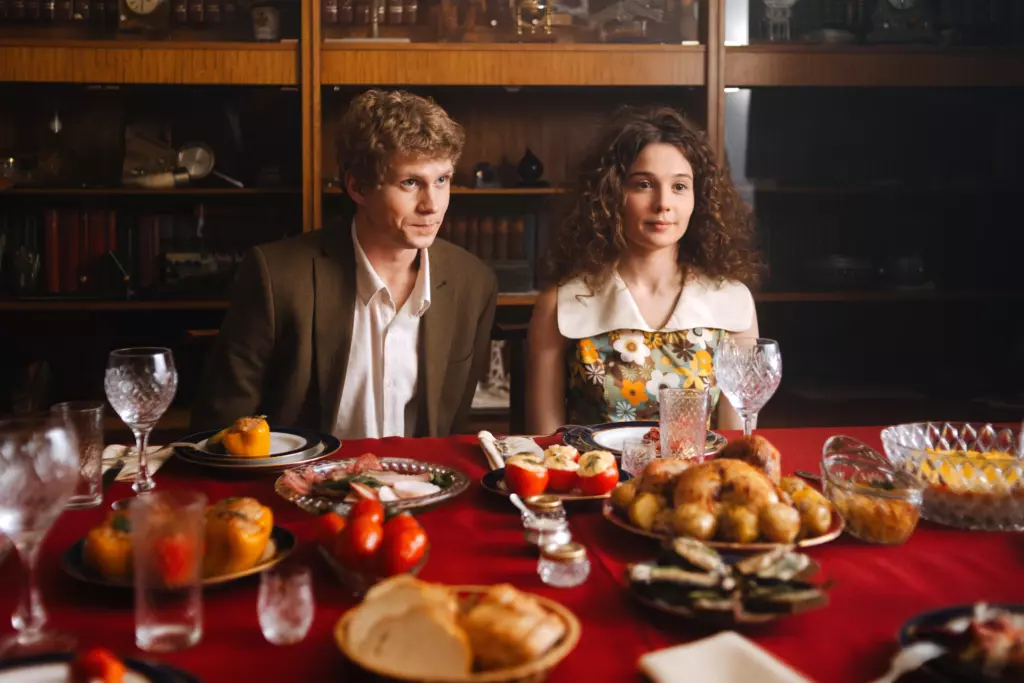
There are no good or bad characters in the story. Ivan is smart, educated, but indecisive, prone to running away from problems. Marina is practical, patient, taking responsibility for the family, but not without her own harshness. Interestingly, the most vivid storyline seems to be that of Inga (the daughter of the woman Ivan had a relationship with)—her motivation and pain are written more clearly than those of the central characters of the entire series.
It is worth paying attention to how the visuals are constructed in the series. The eighties are recognizable by the furniture, clothing, and dishes. The nineties are shown through markets, confusion, and everyday hardships, but without caricatured gangster romanticism. The 2010s look more neutral, almost like our current reality.
Each era has its own color and light. The musical accompaniment matches each era and does not overpower the dialogue. The non-linear editing here is not an end in itself, although at first it seems like a bold technique: it helps compress three decades without losing logic, although there are not many scenes with direct 'then and now' comparisons, and the series does not overuse them. The transition between eras becomes tiresome by the middle of the series, and by the end it fades away entirely. And that is understandable, because the past is no longer as important as the present.

Different actors play the characters at different stages of their lives, and they are chosen for their physical and behavioral resemblance. It is worth noting that the younger versions of the characters differ noticeably from the older ones in terms of plasticity, voice, zest for life, and joy, but this seems justified—people really do change a lot over 20–30 years.
The main surprise of 'Time of the Happy' is that beneath the shell of a family saga lies a fully independent detective storyline. The disappearance of one of the three children and the death of a neighbor remain at the center of the narrative throughout, but the details of what happened are revealed gradually and non-linearly. The viewer, like the characters, does not know whether it was an accident or someone's intent—and different characters give different versions of the same event. The flashbacks from the 90s do not so much explain the characters as they provide new clues that contradict previous testimonies.
At the same time, the series does not turn into a classic detective story with interrogations and chases: the investigation is woven into everyday life, and key conversations take place in kitchens, cars, or at funeral dinners. Thanks to this technique, even domestic scenes do not lose tension—every detail or dropped phrase can be important for understanding what really happened.
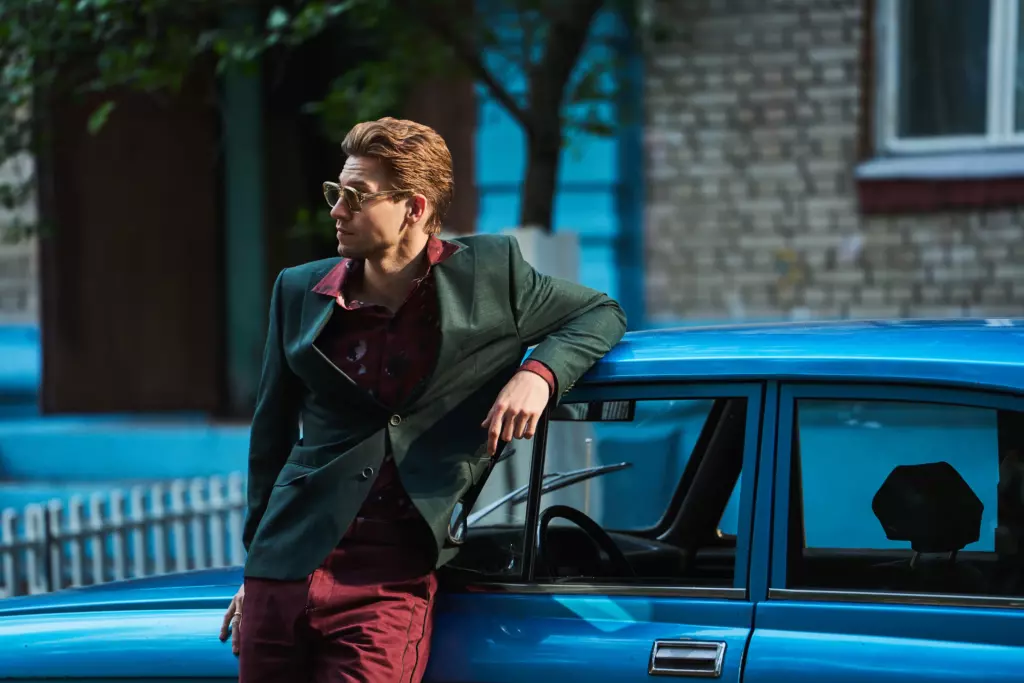
The series has several shortcomings. The finale feels too smooth and predictable for the drama that unfolded in the middle of the season, and conflicts are resolved faster and more simply than they were built up. The rhythm in episodes five through eight noticeably sags: some scenes could have been shortened or combined without losing meaning. Additionally, one or two secondary storylines are cut off without clear resolution, which seems like editing issues.
Overall, 'Time of the Happy' is a solid family drama that holds attention through its honest depiction of everyday life and difficult human choices. The series does not aim to revolutionize consciousness or set new genre standards, but it is executed without serious script or directorial errors, which sets it apart from other works. It may be especially interesting to those who lived through the eighties and nineties: the everyday details will provide an additional reason for nostalgia.
Comments
0No comments yet.
Sign in to join the discussion.