
I've been observing discussions for the second day in the Telegram channels of Alexey Sinelnikov (Wine and People) and Dmitry Tsitronovich Tsyurupinsky about restaurant prices.
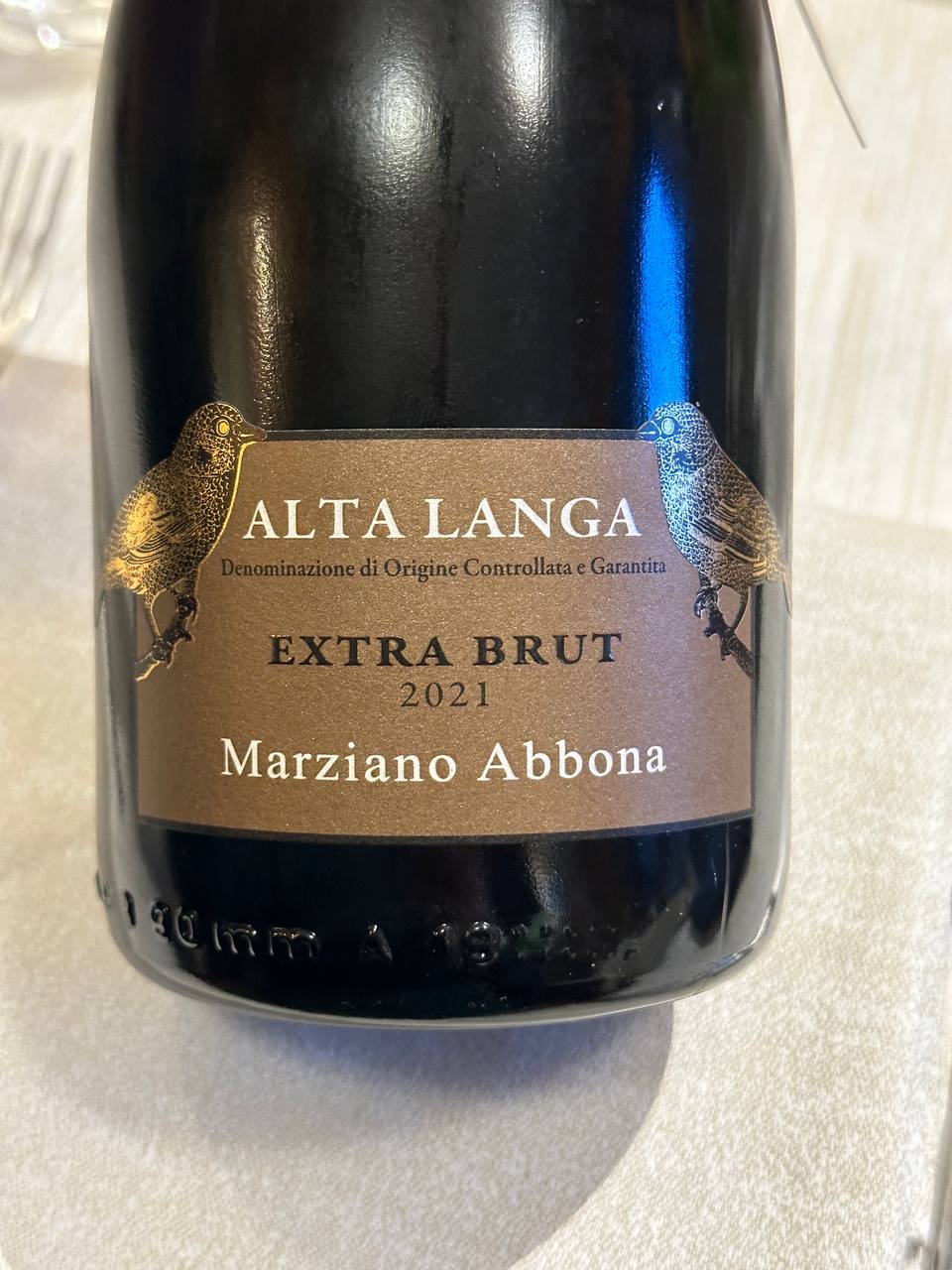
Yesterday we had dinner at a restaurant in Barolo and were just tired of Nebbiolo drank Alta Langa from Marziano Abbona, a quite decent producer, 4 years of aging, bottle price in retail - from 25 to 29 euros, price on the restaurant menu - 32 euros.
In general, 95% of the menu items are no more than 70-80 euros, the remaining 5% are iconic wines from producers like Gaja.
First I tried to remember what we can order for 2800 rubles (nothing), then I estimated how much a wine of this level would cost in our wine lists and calculated that round-trip tickets could be recouped on 4 bottles of wine (there could have been a nice integration from Aviasales here).
We will never have any wine culture as long as part of the market lives in a pink world of pricing where the cost of a glass of wine equals the purchase price of a bottle (this, by the way, is taught in some sommelier schools).
1000-1300 rubles for a glass of prosecco is not normal.
1500-1800 rubles for a glass of cava is also not great.
Putting some fierce Crimean négociant with crooked wines à la natural style for 800-900 rubles on the menu is a wild compromise with one's conscience, bordering on insulting guests.
Moreover, in the case of Dmitry's post about the Biblioteka restaurant, this is still considered a good option; there are positions where it's "only" 2.5-3 times the retail price.
And overall, there's a decent selection there.
Returning to wine culture, if restaurants want people to drink wine rather than just look at it, they'd better do something instead of complaining about poor sales even on gender holidays (and not drawing conclusions).
Perhaps we need to apply the "decaying Western" model and morality of the restaurant business, where it is considered simply indecent to earn "multiples" on wine, because the restaurant only participates in storage and service (serving) of wine, unlike food, where the kitchen and other "magic" are involved.
That is, 3-6 times markup for storage and serving is considered even immoral.
I'm talking about 99.99% of all existing wines, not about those allocated 6-30 bottles a year for which people fly business class/private jet halfway around the world to beautifully drink with a view of Manhattan.
Well, you can also check the transparency and qualification of purchasing, because all sorts of things happen.
Comments
0No comments yet.
Sign in to join the discussion.