
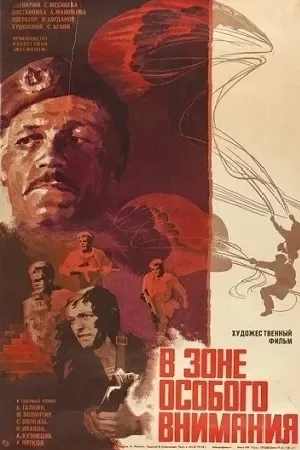
The film became a real event in Soviet cinema not only because of its gripping plot about paratroopers, but also due to the unprecedented support from the commander of the USSR Airborne Forces, General Vasily Margelov. It was he who insisted on creating this film, personally supervised the filming process, and ensured the authenticity of every detail, down to how the characters were dressed. When young director Andrei Malyukov suggested dressing the paratroopers in caps, Margelov exploded: "I'll shoot you! Only in blue berets and nothing else!" he shouted. Although, in essence, the director was right: in real combat conditions, paratroopers did not wear berets to avoid revealing their position. But for the image and recognizability of the heroes in the film, there could be no compromise. Filming took place in Lithuania, at the Airborne Forces training center in Gaizhunai and its surroundings. Actor Boris Galkin, who played the lead role, arrived almost a month before filming began. He lived in the unit according to army routine, participated in training, forced marches, and learned military life alongside the soldiers. At first, the soldiers treated him with distrust — "Moscow fancy boy," as they called him. But Galkin quickly proved his endurance and skill in hand-to-hand combat, earning respect. The only thing the actors were not allowed to do was parachute jumping. The director feared injuries that could disrupt the filming schedule. The film became a real hit: in 1978, it ranked 9th in Soviet box office, attracting 35.4 million viewers. A real sensation was the surge of interest in the Airborne Forces — the competition for the Ryazan Airborne School soared to 20 people per spot. However, the close attention of the military also played a negative role. During editing, a significant portion of scenes was cut due to secrecy, although, according to the director, these were the most spectacular and powerful episodes.
Filming Locations:
Headquarters
In the Film
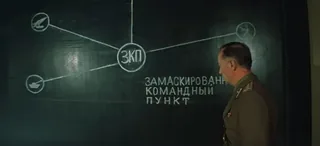
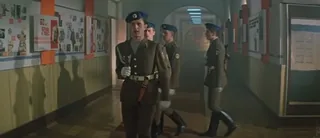
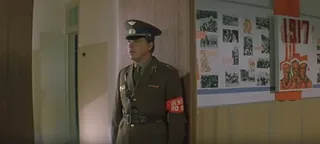
The scene where during military exercises, the headquarters of the Guards Parachute Regiment, representing the "Southern" side, develops an offensive plan. According to intelligence, they know the approximate location of the camouflaged command post of the conditional enemy — the "Northerners."
In Reality
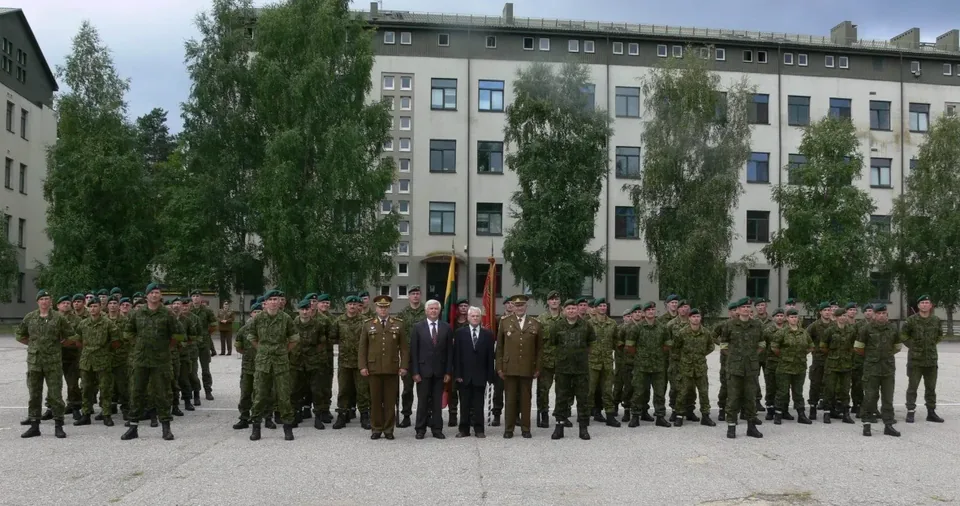
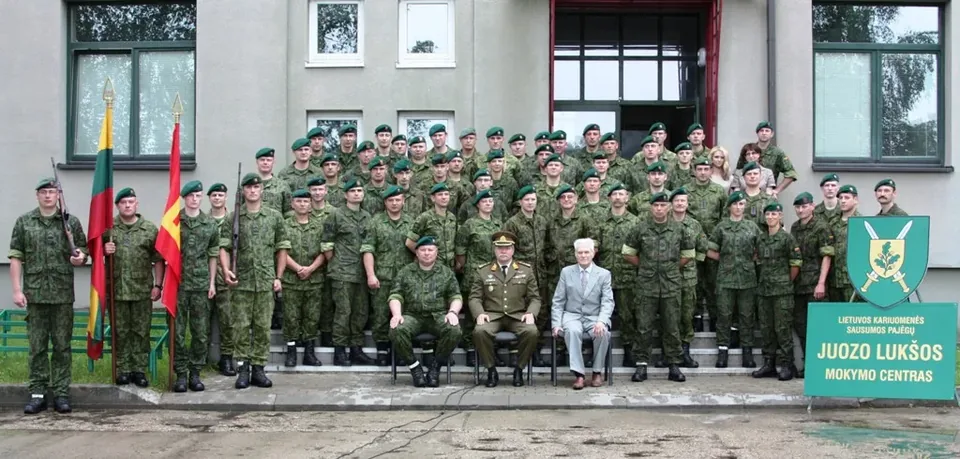
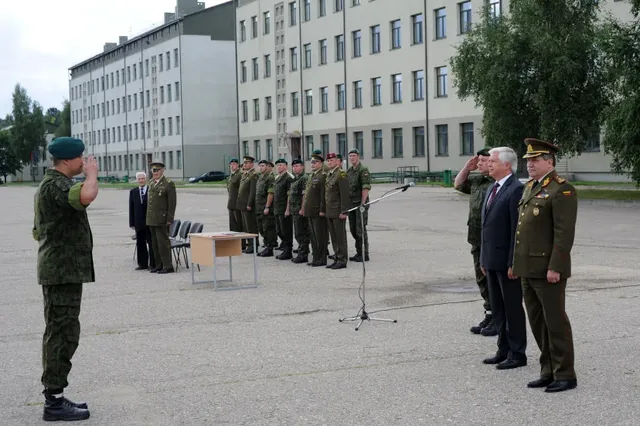
The scene was filmed on the territory of the 242nd Training Center of the USSR Airborne Forces, located in the city of Gaizhunai (Lithuanian SSR, now Lithuania). This center was a key training ground for the Airborne Forces, where future paratrooper officers were trained.
Bridge
In the Film
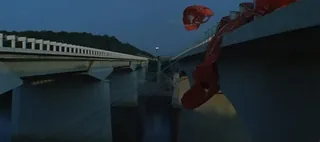
The scene where as part of preparations for an offensive operation, three reconnaissance and sabotage groups are sent behind the lines of the conditional enemy — the "Northerners." Their task is to carry out demolition actions on key objects to divert the enemy's attention, and then within two days to locate the camouflaged command post. All actions are performed under conditions as close to real combat as possible. The group under the command of Lieutenant Tarasov parachutes into the area of a strategic bridge, from where they begin their mission.
In Reality
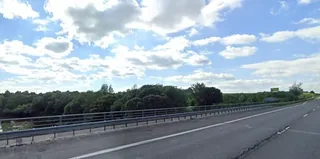
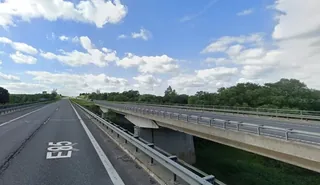
The scene was filmed on a bridge over the Nevėžis River, located on the Kaunas–Klaipėda highway, near the village of Babtai in the Lithuanian SSR (now Lithuania). This section of the highway passes through picturesque countryside: fields, sparse groves, and small hills stretch around. The bridge itself is a massive concrete structure of Soviet type, typical of 1970s transport infrastructure, with simple railings and an open view of the river and surrounding landscapes.
Mock Command Post
In the Film
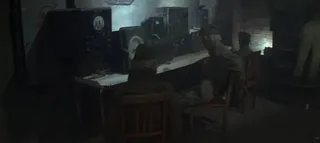
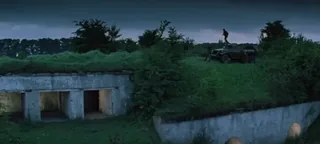
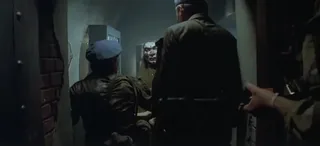
The scene where the "Northerners" detachment surrounds Tarasov's group, but the scouts manage to get through the swamps and reach the ruins of an old fortress. There they find a command post, which turns out to be just a prop.
In Reality
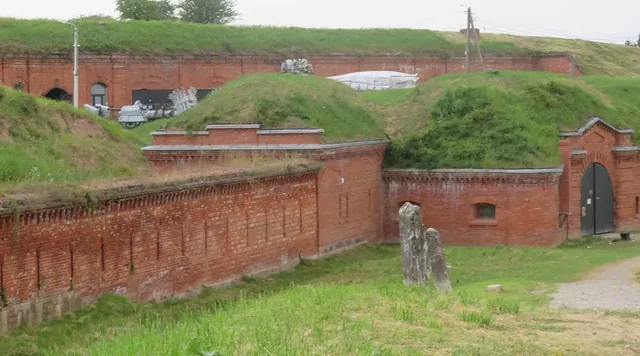
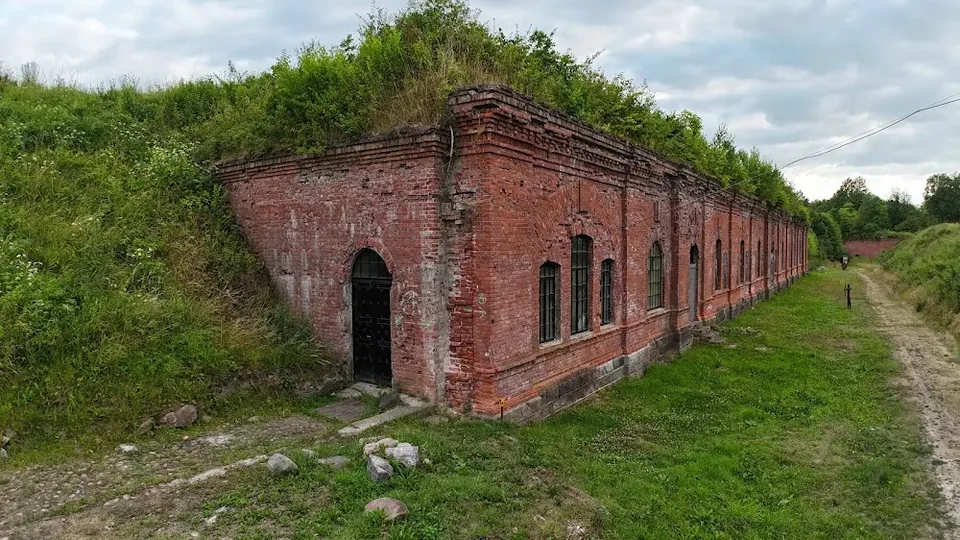
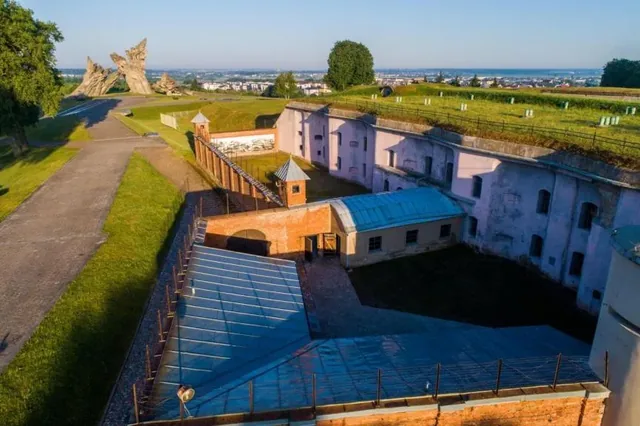
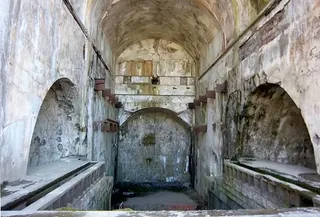
The scene was filmed at the Old Fort No. IV in Kaunas — one of the defensive structures of the Kaunas Fortress, built at the end of the 19th century by the Russian Empire. The fort is a powerful concrete-earth fortification with underground tunnels, artillery positions, and protective ramparts. During World War I and World War II, it was used for its intended purpose, and later as a warehouse and prison.
Comments
0No comments yet.
Sign in to join the discussion.