
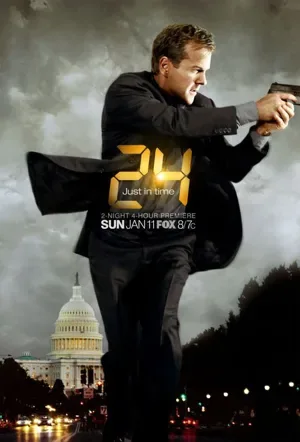
The film was shot in Los Angeles, using a variety of urban locations and studio sets. Filming took place both on specially equipped soundstages and on the real streets of the metropolis, which helped convey the atmosphere of dynamic events. Directors and cinematographers carefully selected filming locations to emphasize the character and energy of the modern city.
Filming Locations:
Millennium Biltmore Hotel
In the Movie
In Reality
The scene was filmed at The grand Biltmore Hotel in Los Angeles opened in 1923 as the largest hotel west of the Mississippi. The hotel was designed by Schultze & Weaver in a mix of Mediterranean styles. The lavish interior includes frescoes by artist Giovanni Smeraldi, who also painted works for the Vatican and the White House. In addition to being featured in hundreds of films and TV shows over the years, it was also the venue where the Academy Awards were planned in 1927 and hosted the ceremony eight times over the years.
Los Angeles Memorial Coliseum (Exposition Park)
In the Movie
In Reality
The scene was filmed at The Coliseum was built in 1923 as a memorial to World War I veterans for just under $1 million and seated over 75,000 people. In 1930, the stadium was expanded to add another 25,000 seats for the 1932 Olympics. The stadium is home to the USC Trojans football team and was the temporary home for the Los Angeles Rams until the completion of their new stadium.
Long Beach Airport (LGB)
In the Movie
In Reality
The scene was filmed at Long Beach Airport, which began its life in 1923 as Daugherty Field, is a public airport consisting of three runways. Due to strict noise restrictions and proximity to LAX, the airport handles a limited number of commercial flights but is very busy with cargo, charter, private aviation, and similar flights. The airport also houses a Boeing plant servicing military aircraft.
Union Station in Los Angeles
In the Movie
In Reality
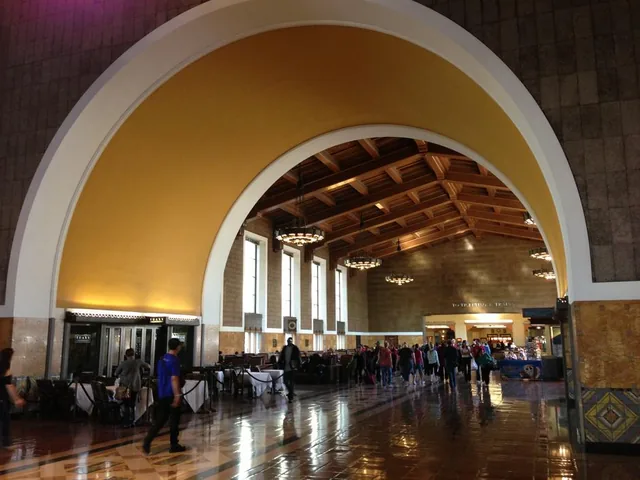
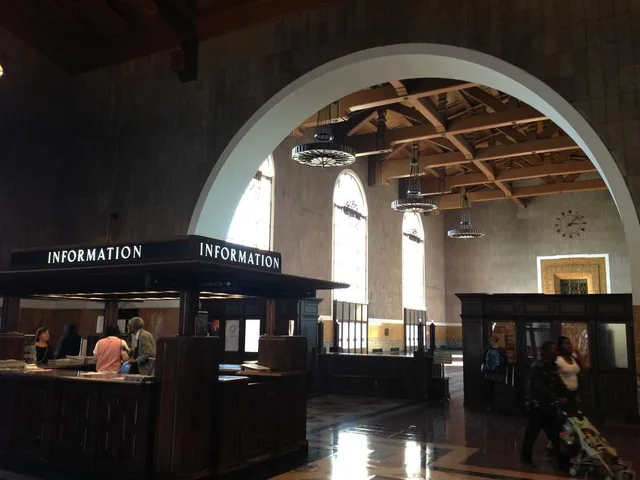
The scene was filmed at Built in the 1930s to consolidate several different railway services, this grand terminal was erected on the ruins of the city's original Chinatown at a cost of $11 million. The station was designed primarily by John and Donald Parkinson in a mix of various styles. Across the tracks, connected by an underground tunnel, is the Patsaouras Transit Plaza, designed by Ehrenkrantz & Eckstut, which serves several bus lines and also houses the Metro offices.
Comments
0No comments yet.
Sign in to join the discussion.