

The film "Wonder Woman" was filmed in London, UK, in Matera, Italy, and also in Paris, France.
Filming Locations:
Louvre (Exterior)
In the Movie
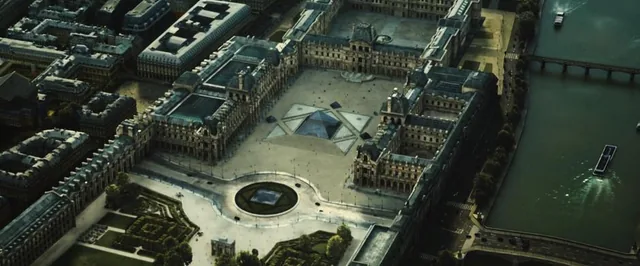
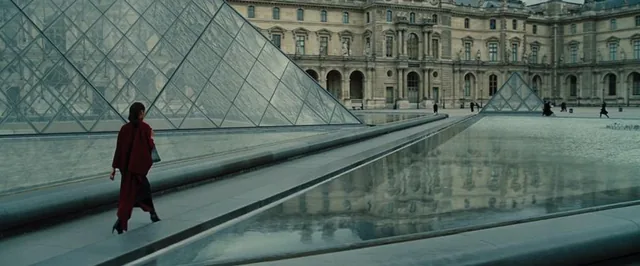
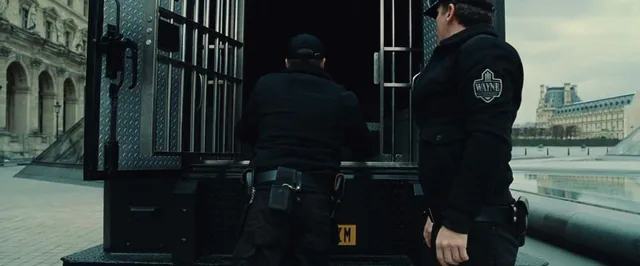
Scene where Diana goes to work when a package is delivered in an armored Wayne Enterprises vehicle.
In Reality
Louvre (Interior)
In the Movie
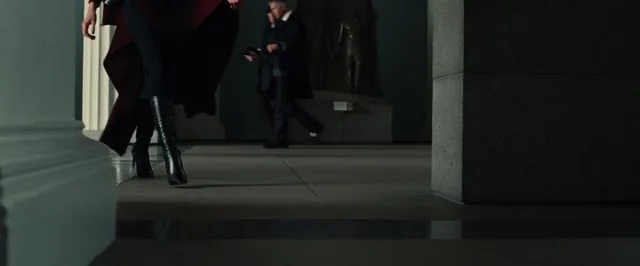
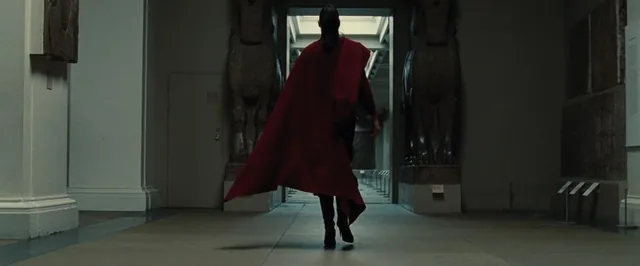
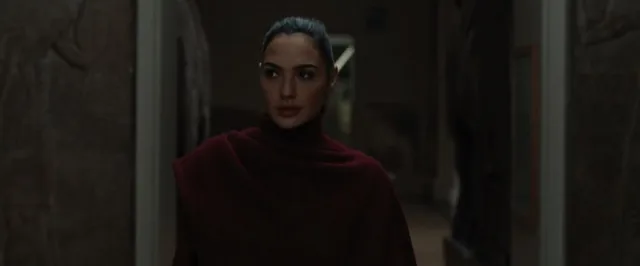
Scene where Diana walks through the museum to her office.
In Reality
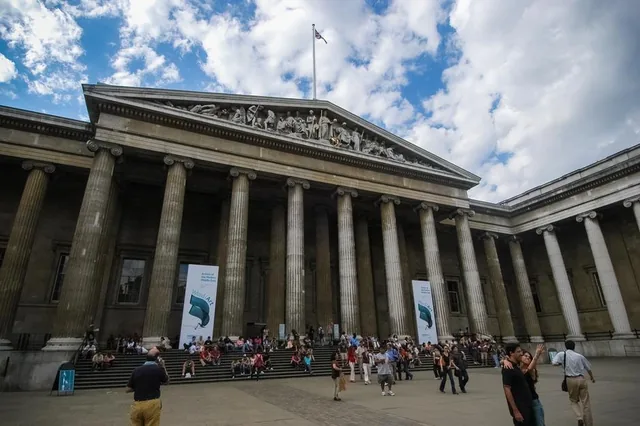
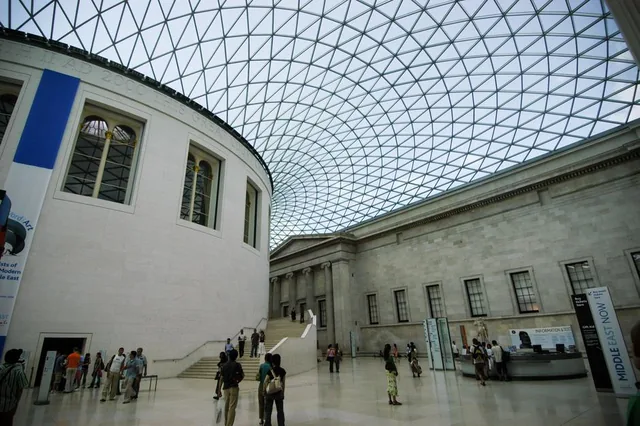
Themyscira Square
In the Movie
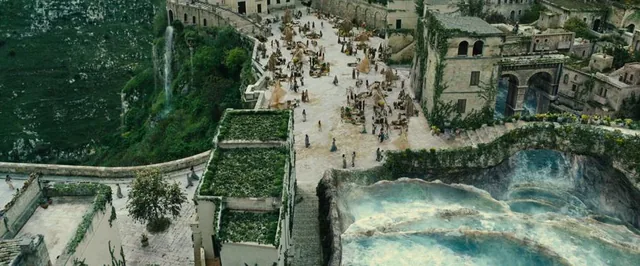
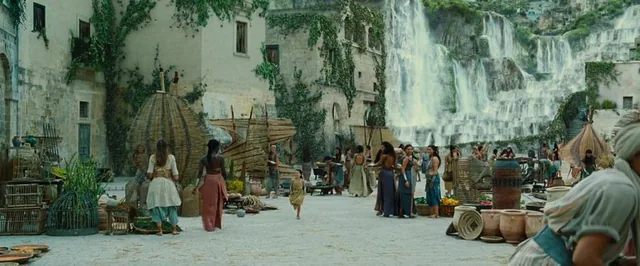
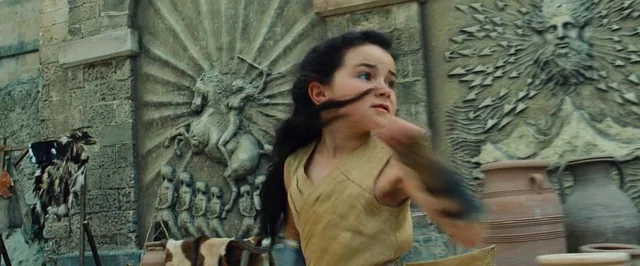
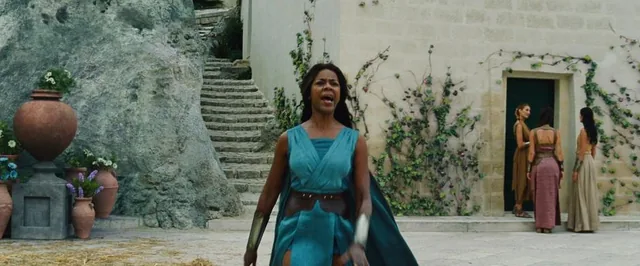
Scene where Diana runs through the market, chased by an Amazon assigned to watch her.
In Reality
Themyscira Tower (Exterior)
In the Movie
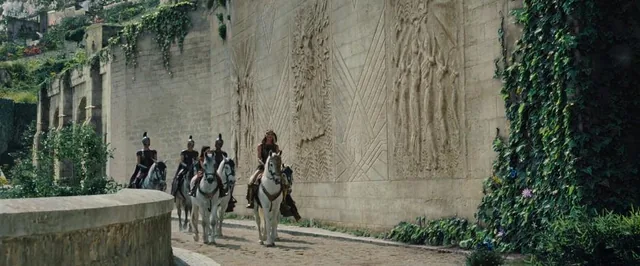
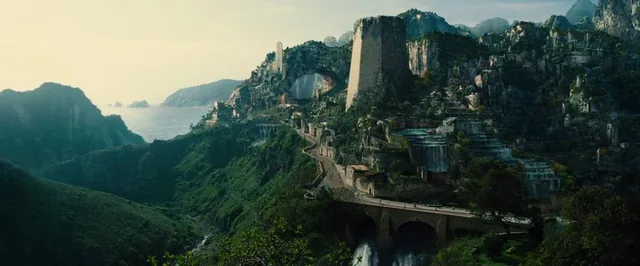
Scene where Hippolyta leads Diana to the tower to show her the Amazon artifacts.
In Reality
Themyscira Training Ground
In the Movie
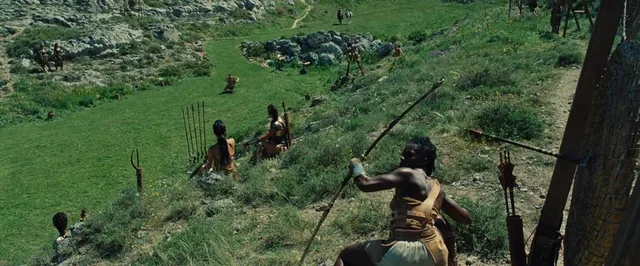
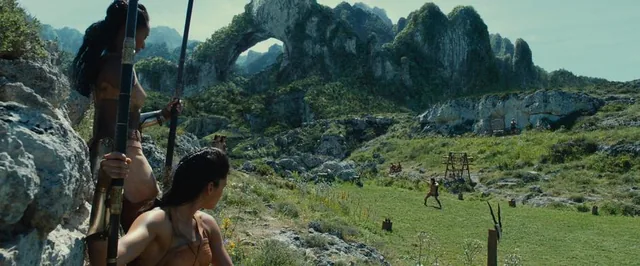
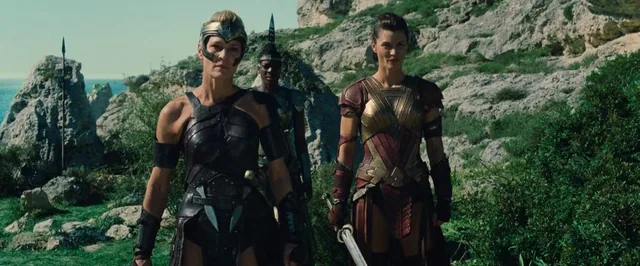
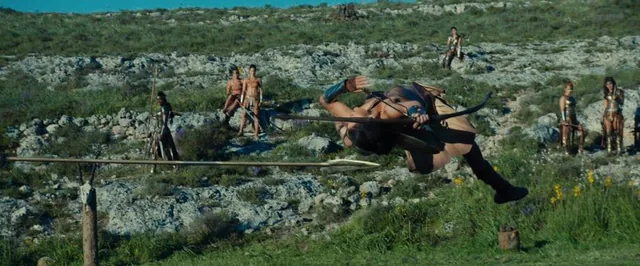
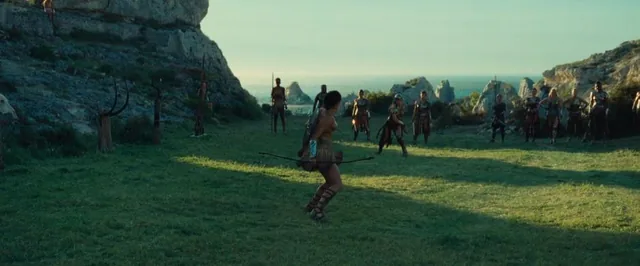
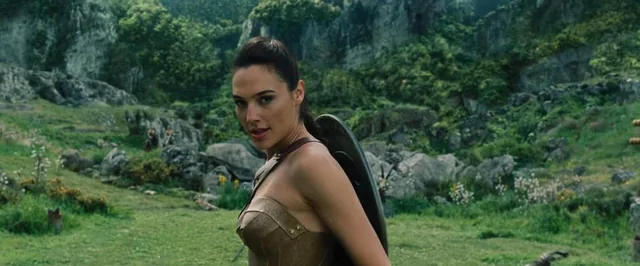
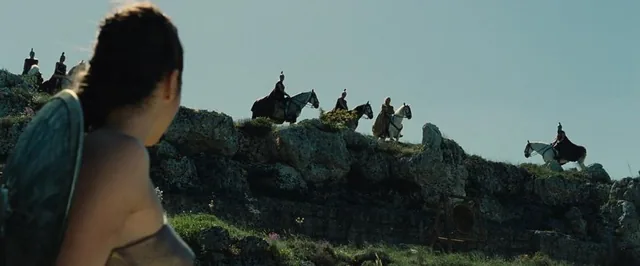
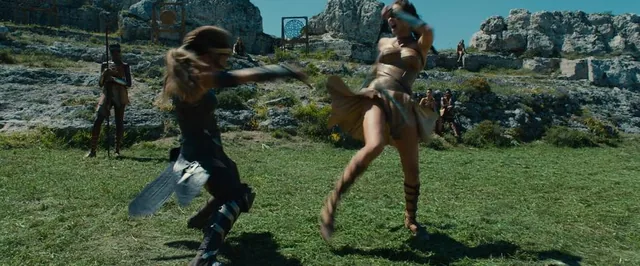
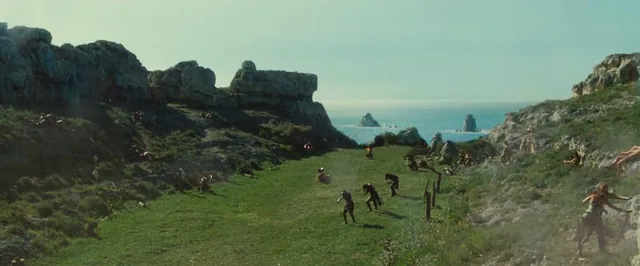
Scene where Diana fights and defeats several Amazons in a trial and eventually uses her powers to defeat Antiope.
In Reality
Weapons Factory
In the Movie
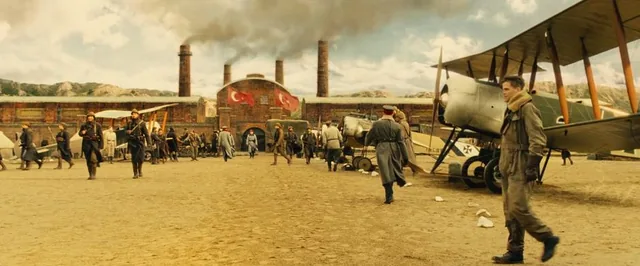
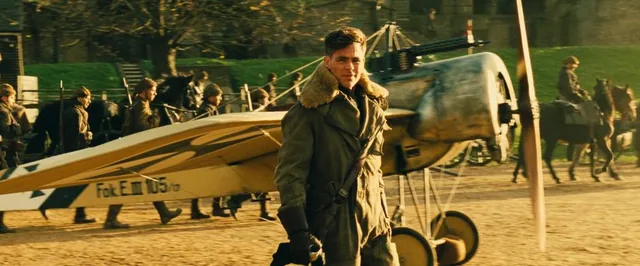
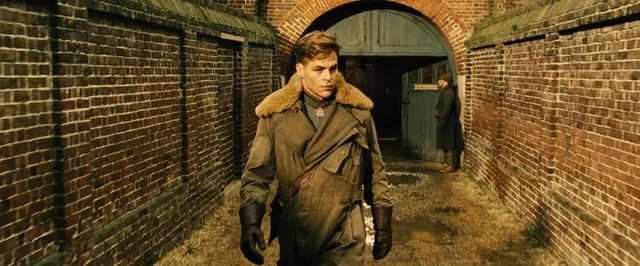
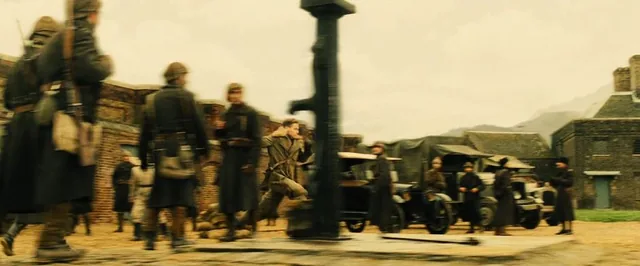
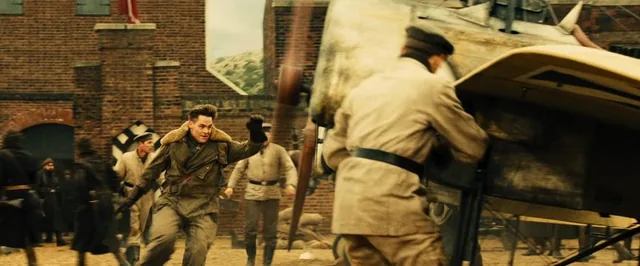
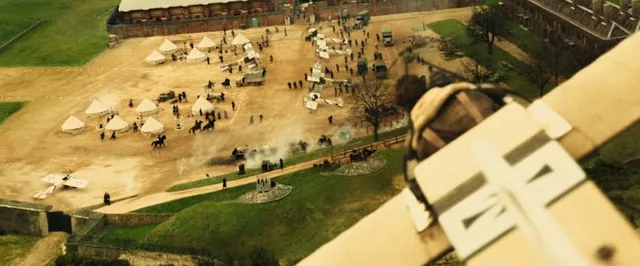
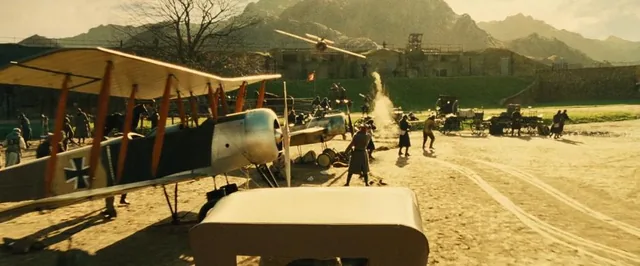
Scene where Steve tells the story of infiltrating a German weapons facility and his narrow escape.
In Reality
Road Near the Docks
In the Movie
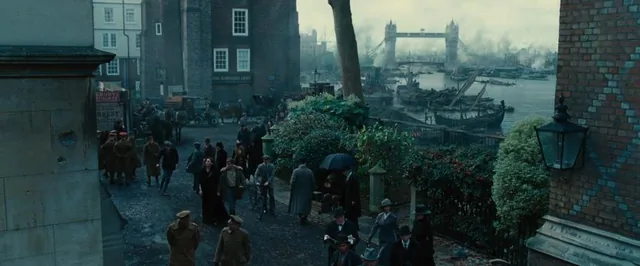
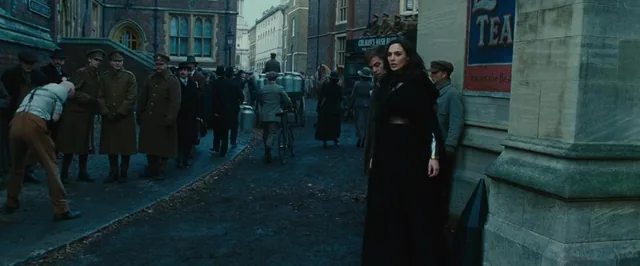
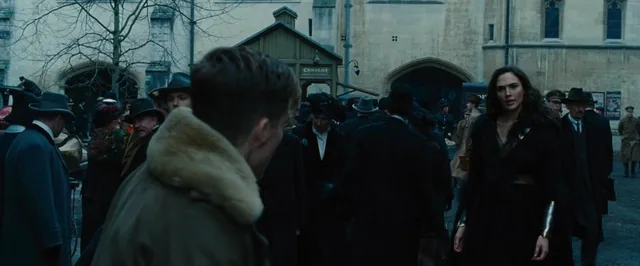
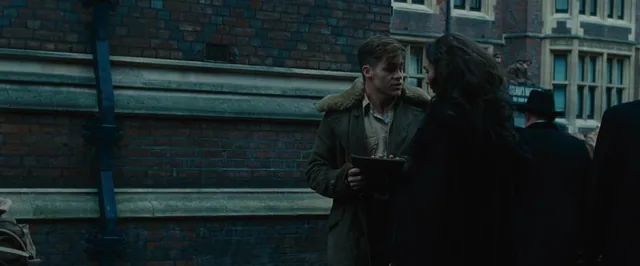
Scene where Steve walks with Diana through the streets of London and explains that he needs to report to his commanders before they can go to the front.
In Reality
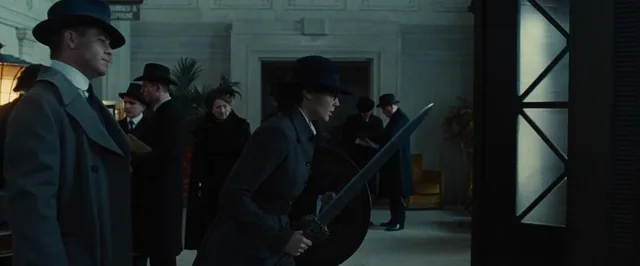
Selfridges & Co (Interior)
In the Movie
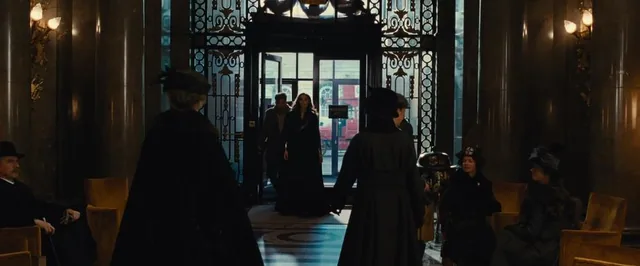
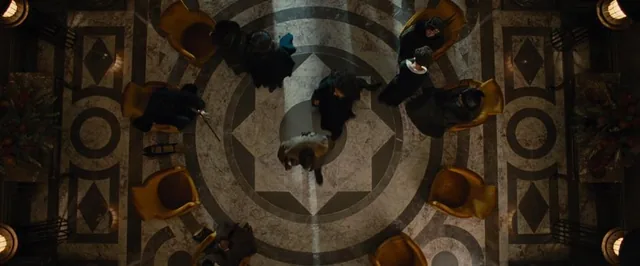
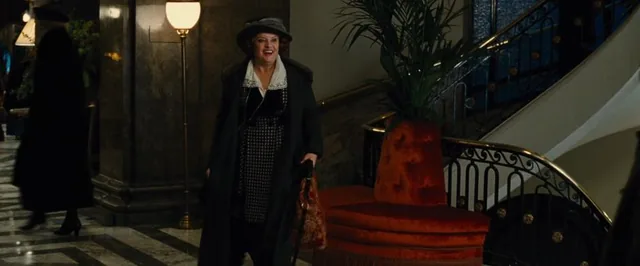
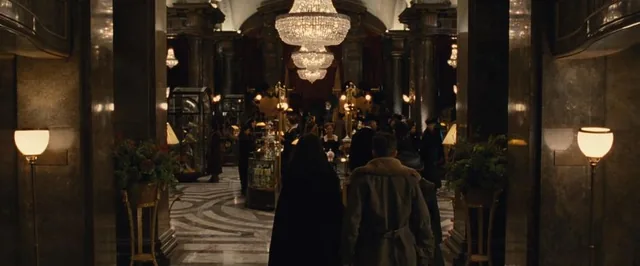
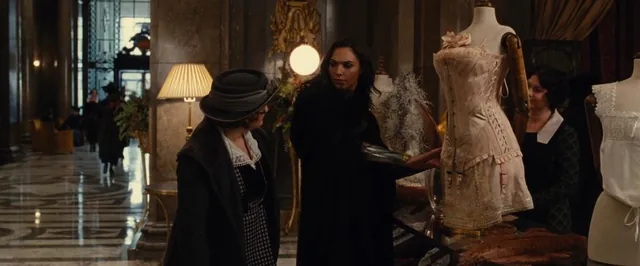
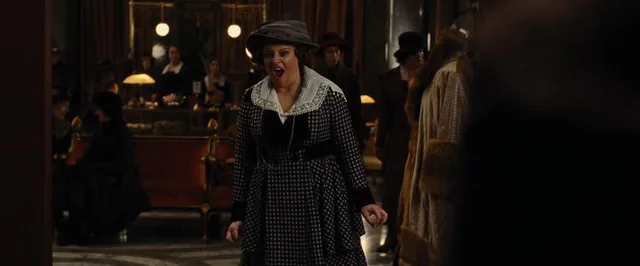
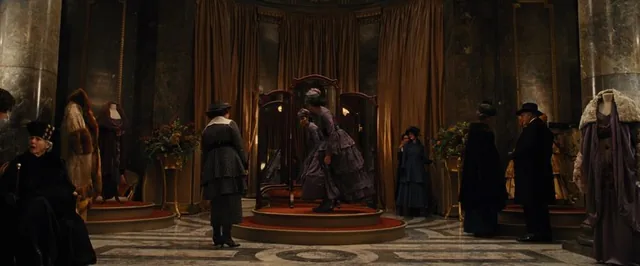
Scene where Steve and Etta take Diana to the store for suitable clothing.
In Reality
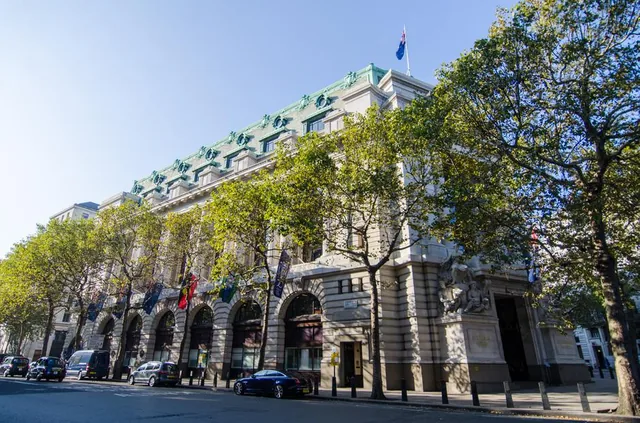
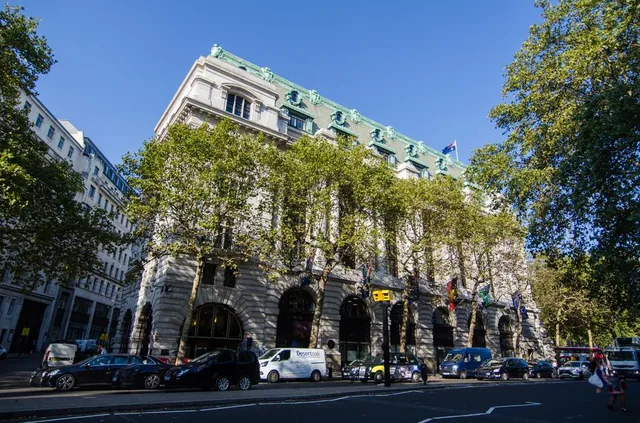
The scene was filmed at Australia House, the longest continuously occupied diplomatic mission in the country, opened in 1918 after a multi-year delay due to World War I. The building was designed by Alexander Marshall Mackenzie and Alexander George Robertson Mackenzie and built largely from materials brought from Australia.
Selfridges & Co (Exterior)
In the Movie
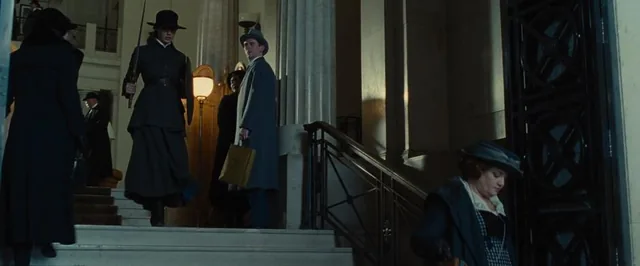
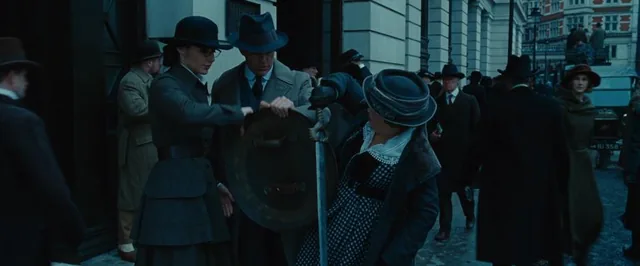
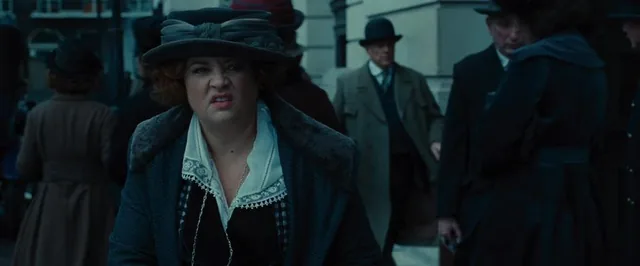
Scene where Diana tries to go through the revolving door with her sword and shield before handing them to Etta.
In Reality
Shopping Street
In the Movie
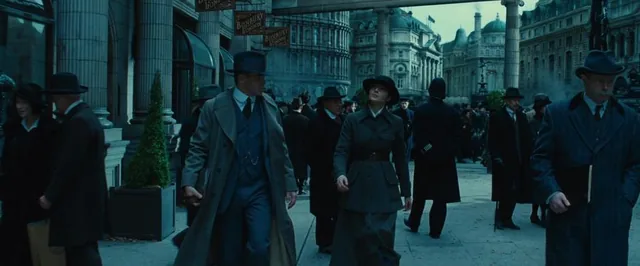
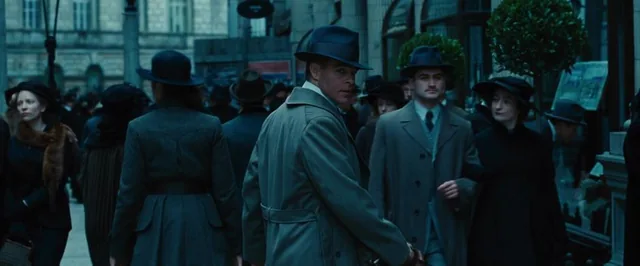
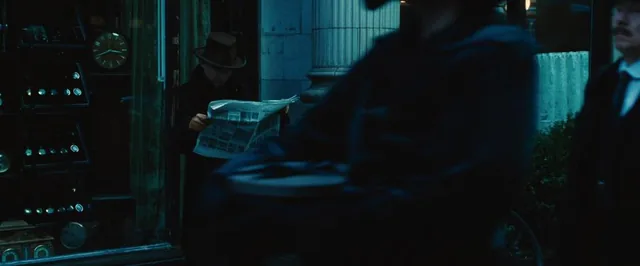
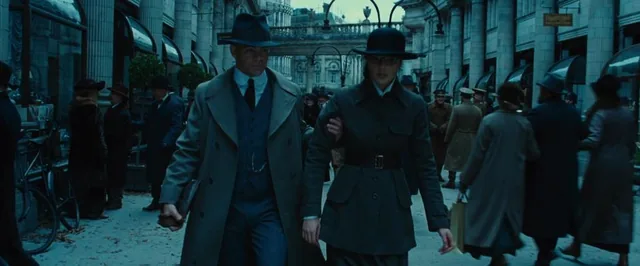
Scene where Steve and Diana walk down the street after shopping when Steve notices they are being followed.
In Reality
Supreme War Council
In the Movie
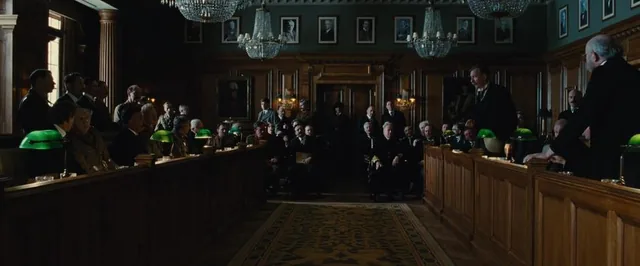
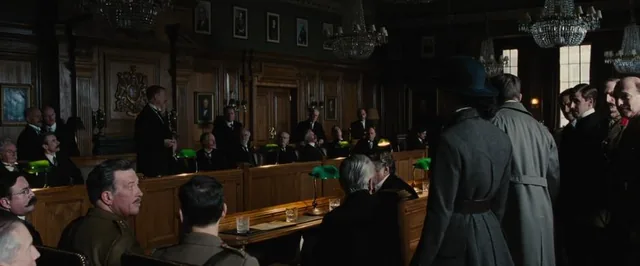
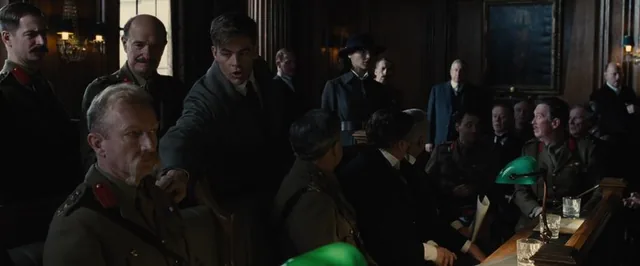
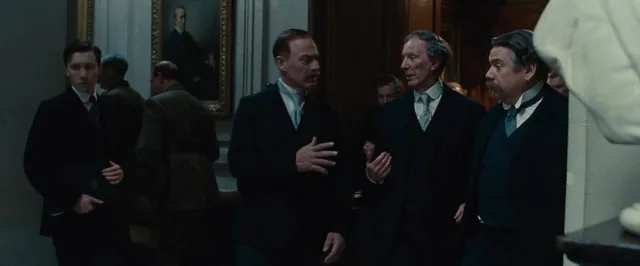
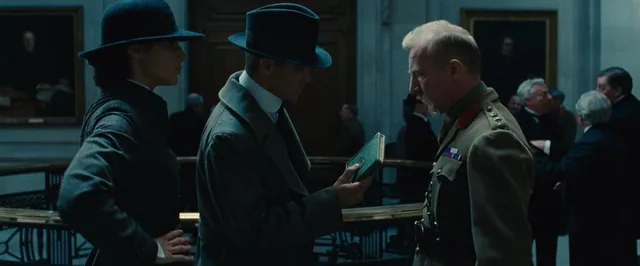
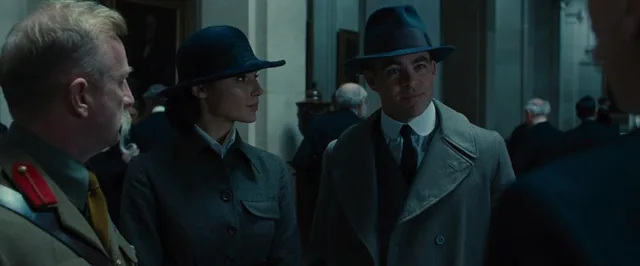
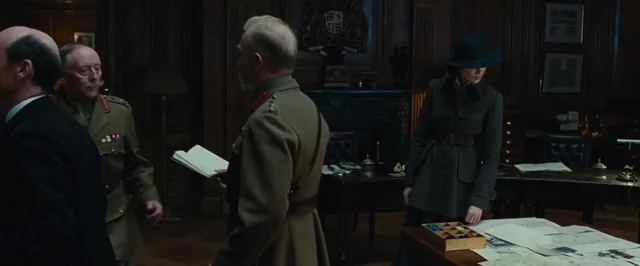
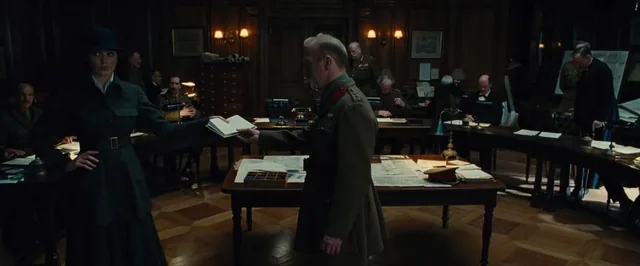
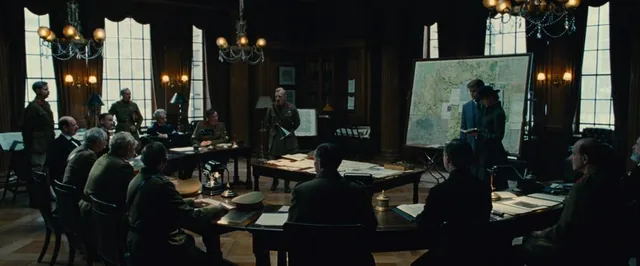
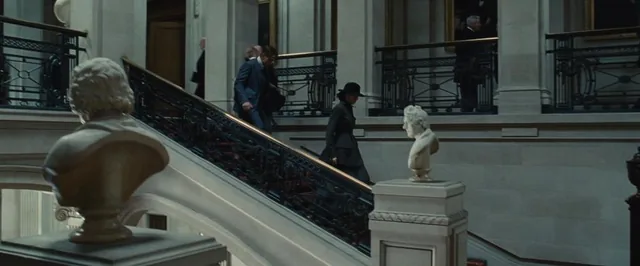
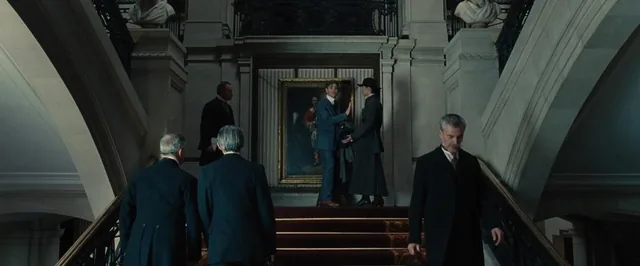
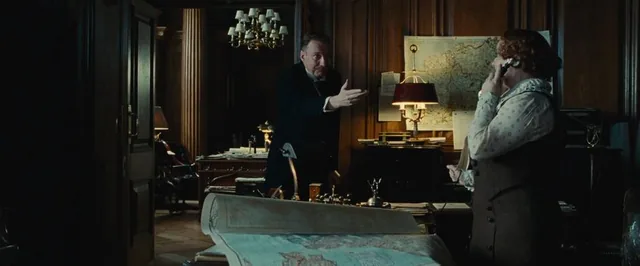
Scene where Steve takes Diana to a council meeting to deliver the notebook to his superiors.
In Reality
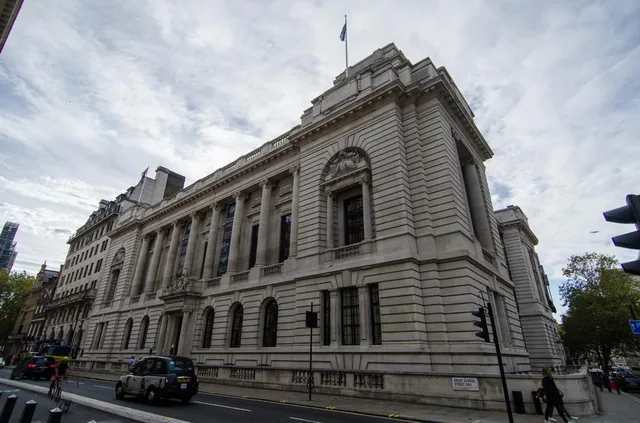
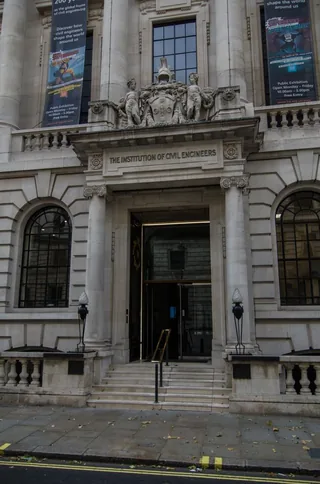
The scene was filmed at One Great George Street, designed by architect James Miller in the neoclassical style and one of the earliest steel-framed buildings in England. It was built as the new headquarters of the Institution of Civil Engineers in 1913 and remains their headquarters, though since 1989 it has been available for public events.
King's Cross Station
In the Movie
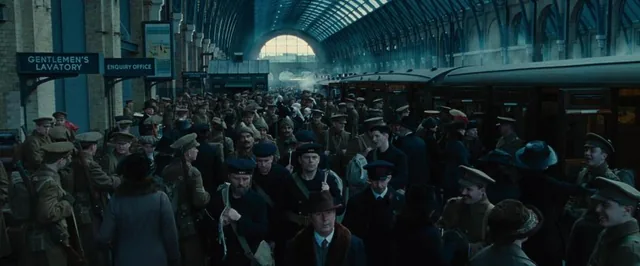
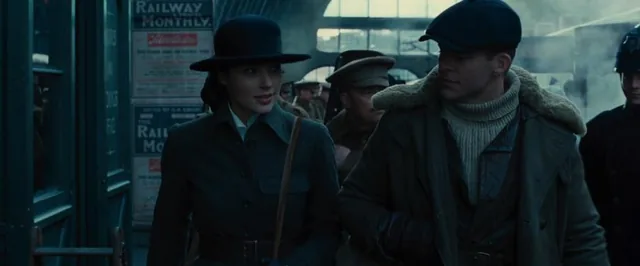
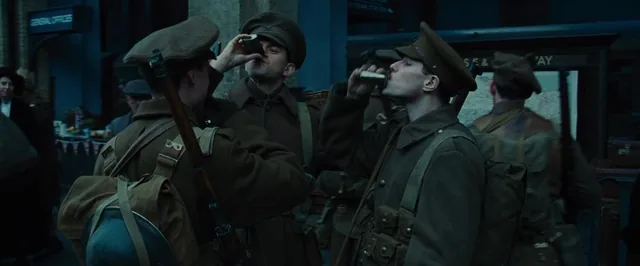
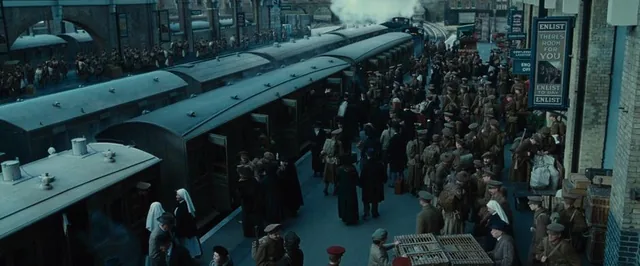
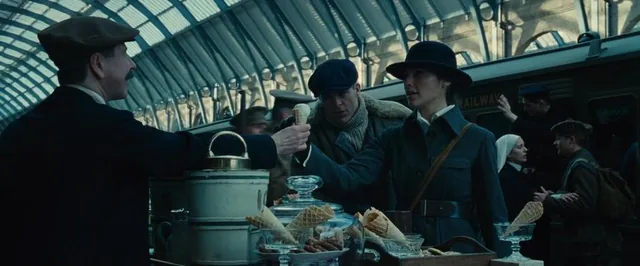
Scene where Diana and Steve board a train to the coast to head to the front.
In Reality
The scene was filmed at A major railway station in central London, King's Cross, opened in 1852, is the terminus for several main railway lines across the UK. In 2005, the station underwent a major renovation, including the construction of a new arched departure concourse.
English Port
In the Movie
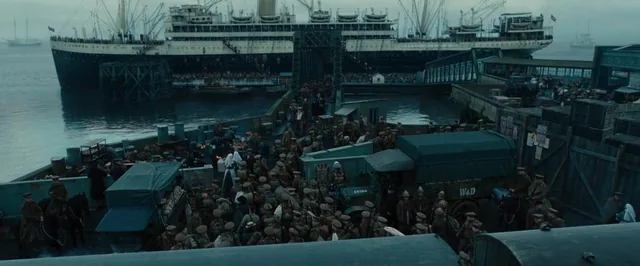
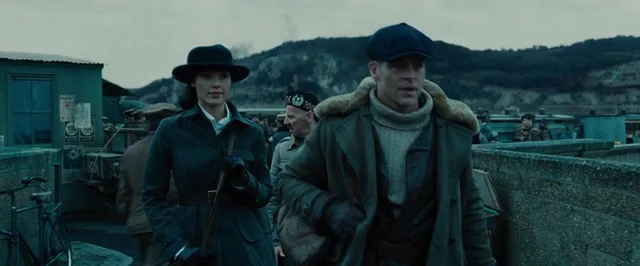
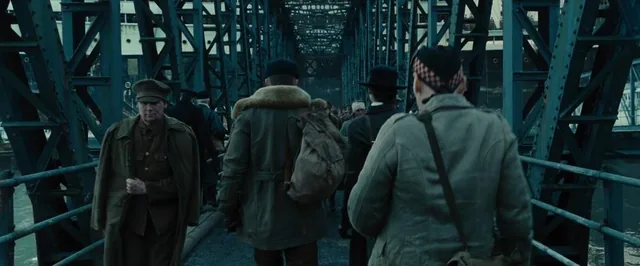
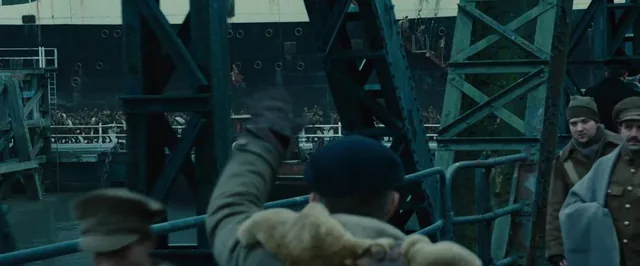
Scene where Steve, Diana, and Charlie sail on a ship from England to Belgium.
In Reality
Belgian Forest
In the Movie
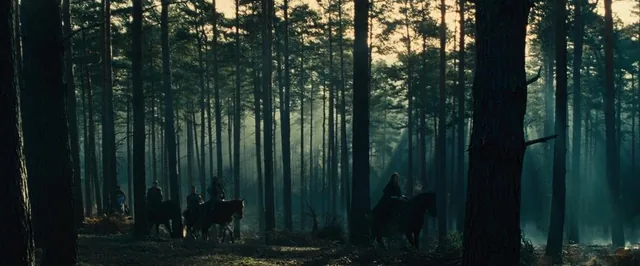
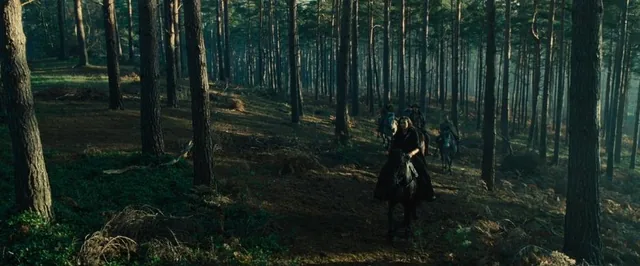
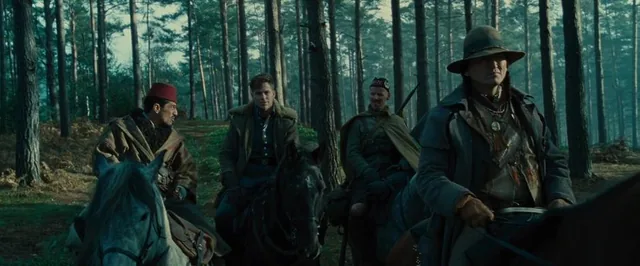
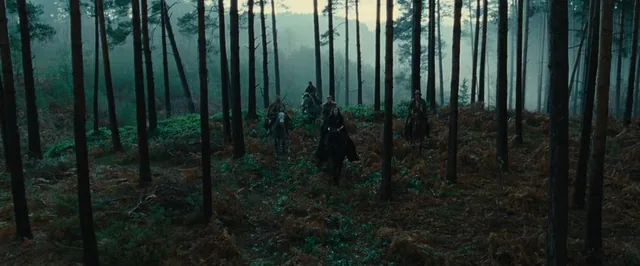
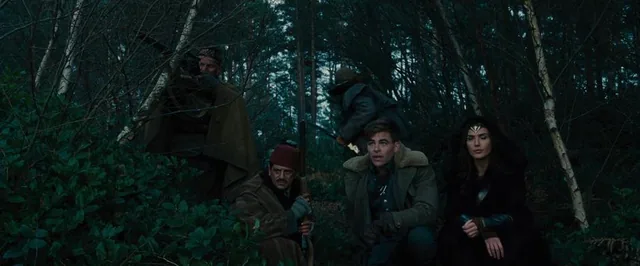
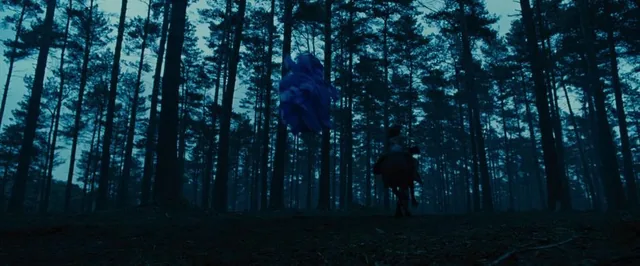
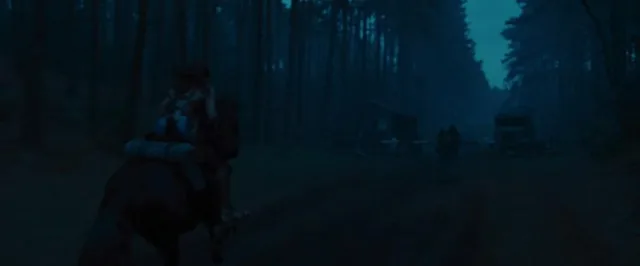
Scene where The team rides through the forest on horseback on their way to the German High Command.
In Reality
The scene was filmed at Throughout the 20th century, Bourne Woods was used as a conifer plantation by the Forestry Commission. The forest gained popularity as a filming location for the movie 'Gladiator' in 1999 and is still used for many shoots, despite filming restrictions from the local council.
German High Command (Interior)
In the Movie
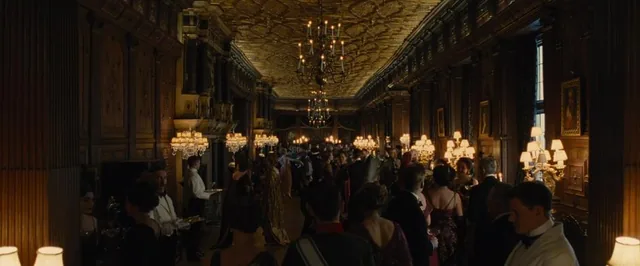
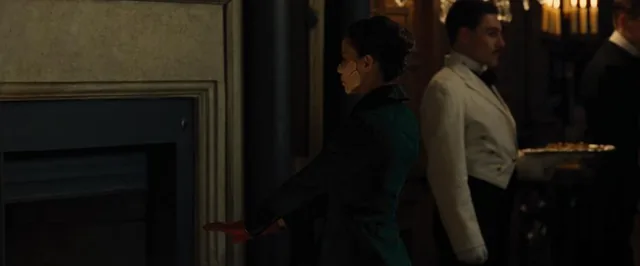
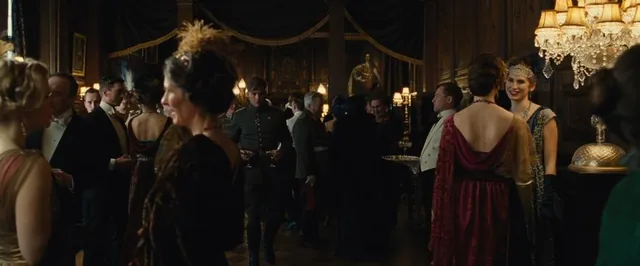
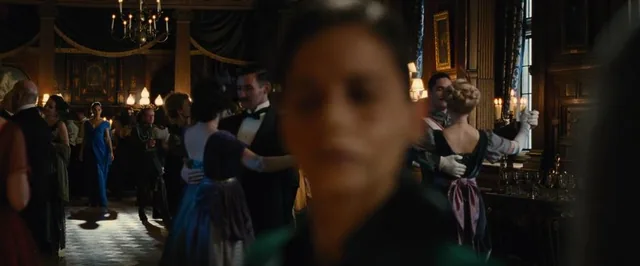
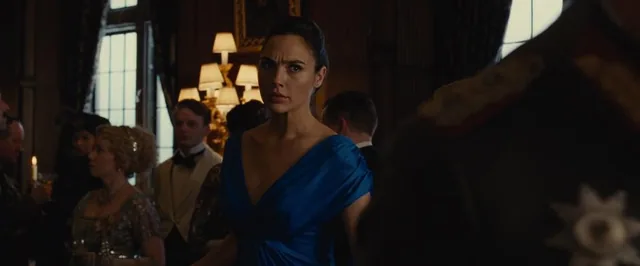
Scene where Steve infiltrates a German gala to speak with Isabel Maru and sees Diana arrive on her own to kill Ludendorff.
In Reality
The scene was filmed at Hatfield House was built in 1611 for Robert Cecil and has remained in the Cecil family ever since. The house was built from bricks of the former royal palace of Hatfield, which was largely demolished for its construction. The house is an example of Jacobean architecture and is surrounded by extensive gardens.
Trafalgar Square
In the Movie
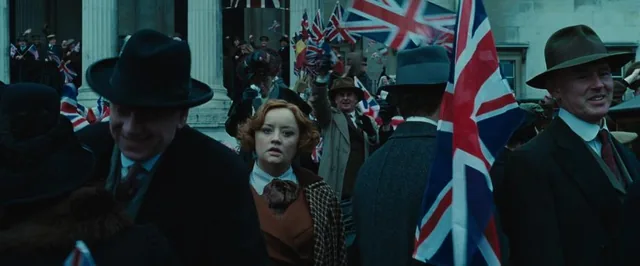
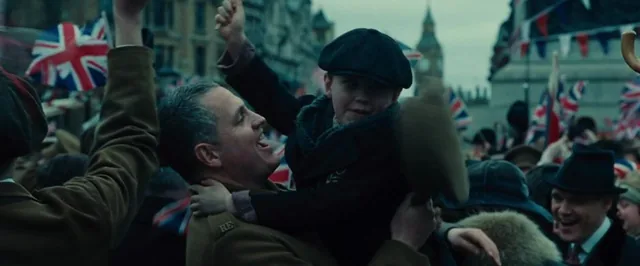
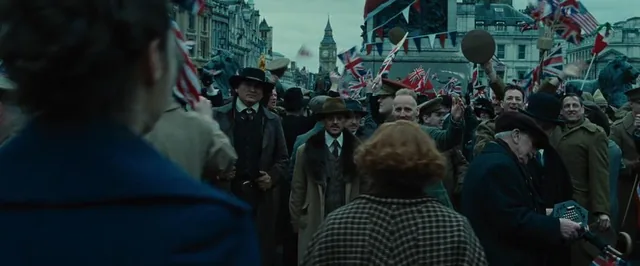
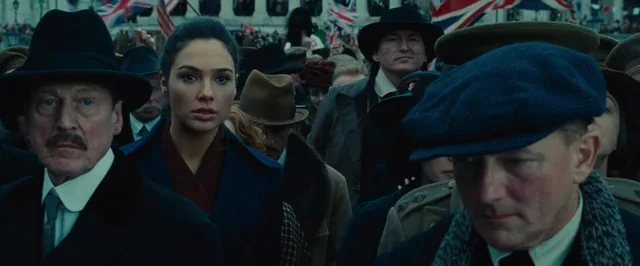
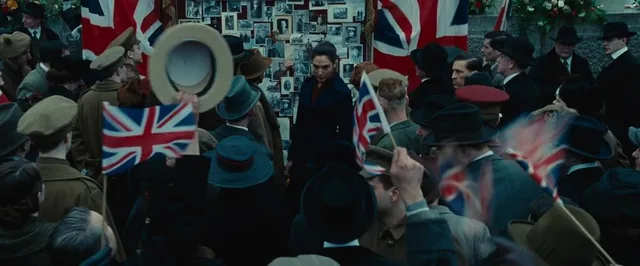
Scene where Diana and the team attend the victory celebration in the square and mourn the loss of Steve.
In Reality
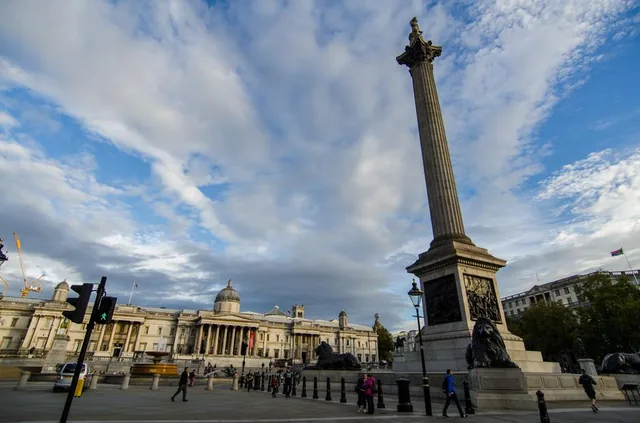
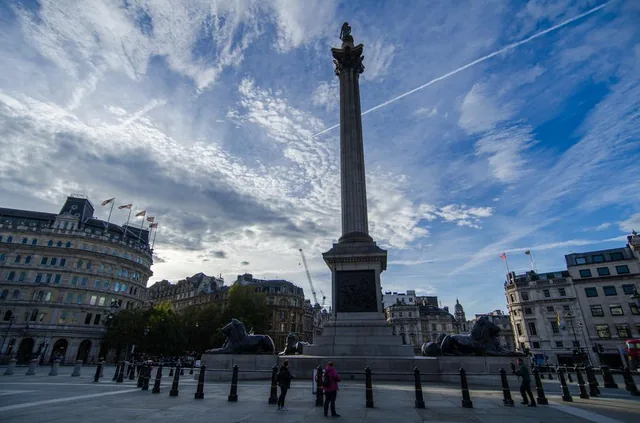
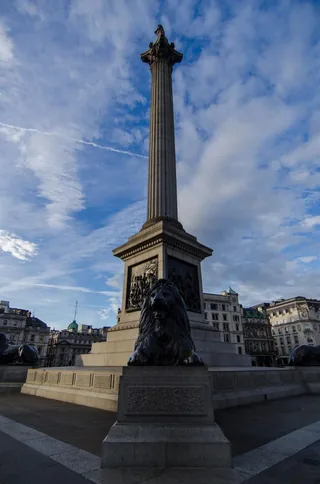
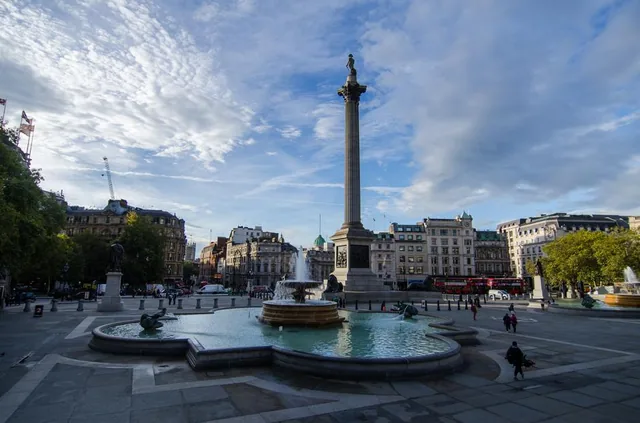
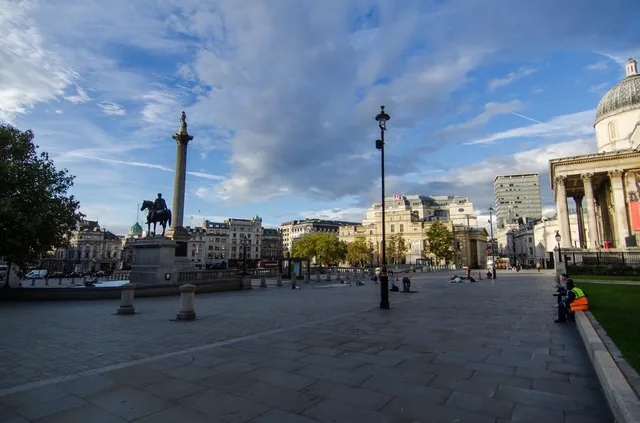
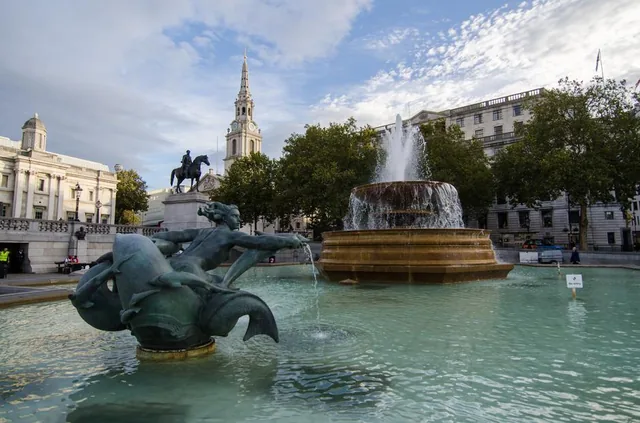
The scene was filmed at Trafalgar Square is a major public square opened in 1844 after nearly twenty years of construction designed by architect John Nash. The square is named after the British naval victory at the Battle of Trafalgar, featuring a 218-foot Nelson's Column in memory of the admiral who died in the battle. At the north end of the square is the National Gallery, and beneath it is Charing Cross tube station.
Comments
0No comments yet.
Sign in to join the discussion.