
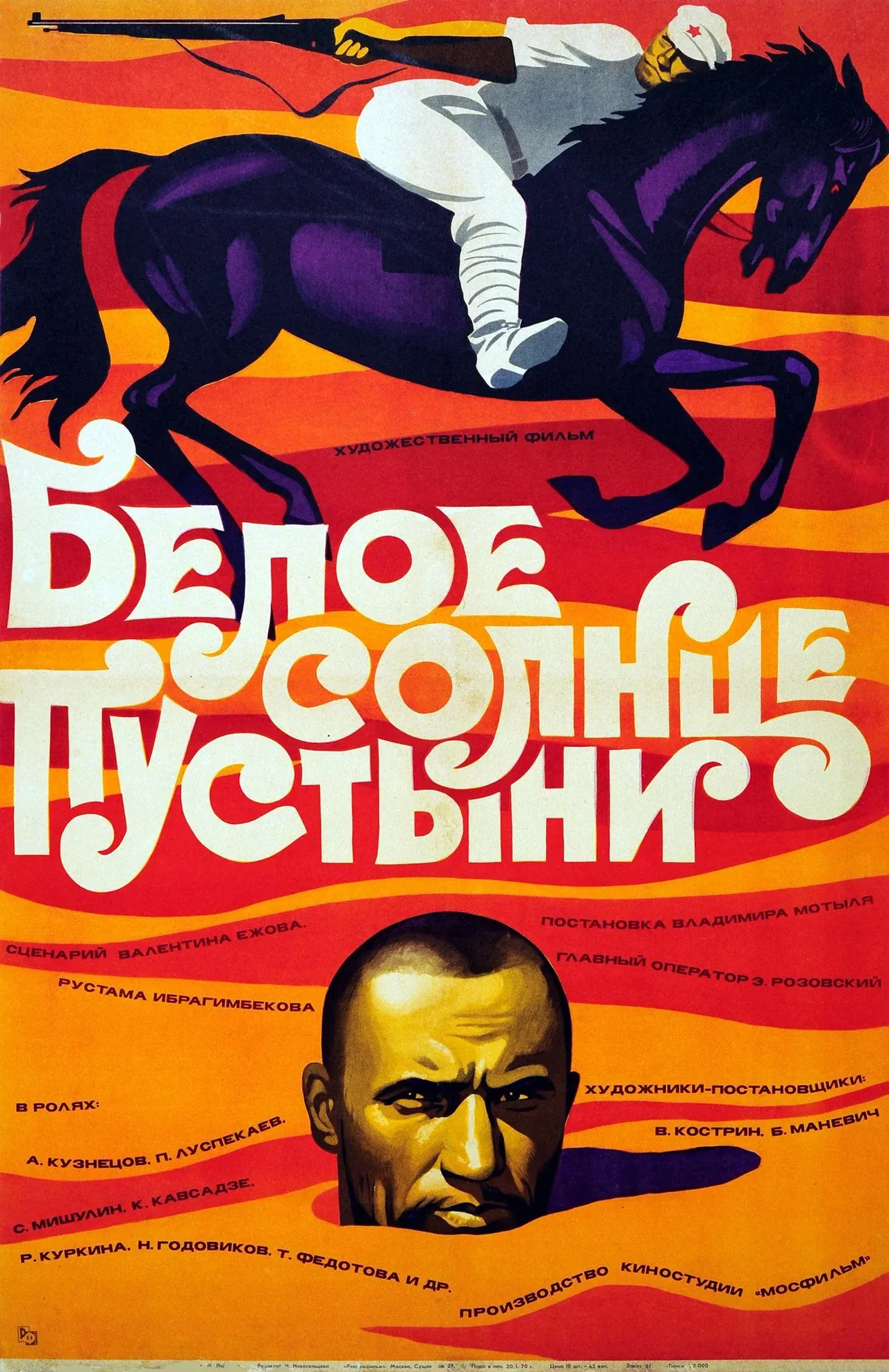
The film was shot in several locations, including the Karakum Desert in Turkmenistan and the Caspian Sea coast near Makhachkala. The Karakum Desert was chosen for its harsh and picturesque landscapes, ideal for creating the atmosphere of an Eastern adventure. The Caspian Sea coast adds realism to the scenes with Vereshchagin's boat, emphasizing the isolation and danger faced by the characters. These locations not only enhance the visual perception of the film but also help convey the spirit of the time and place where the action unfolds.
Filming Locations:
Sukhov's Home in Memories
In the Film
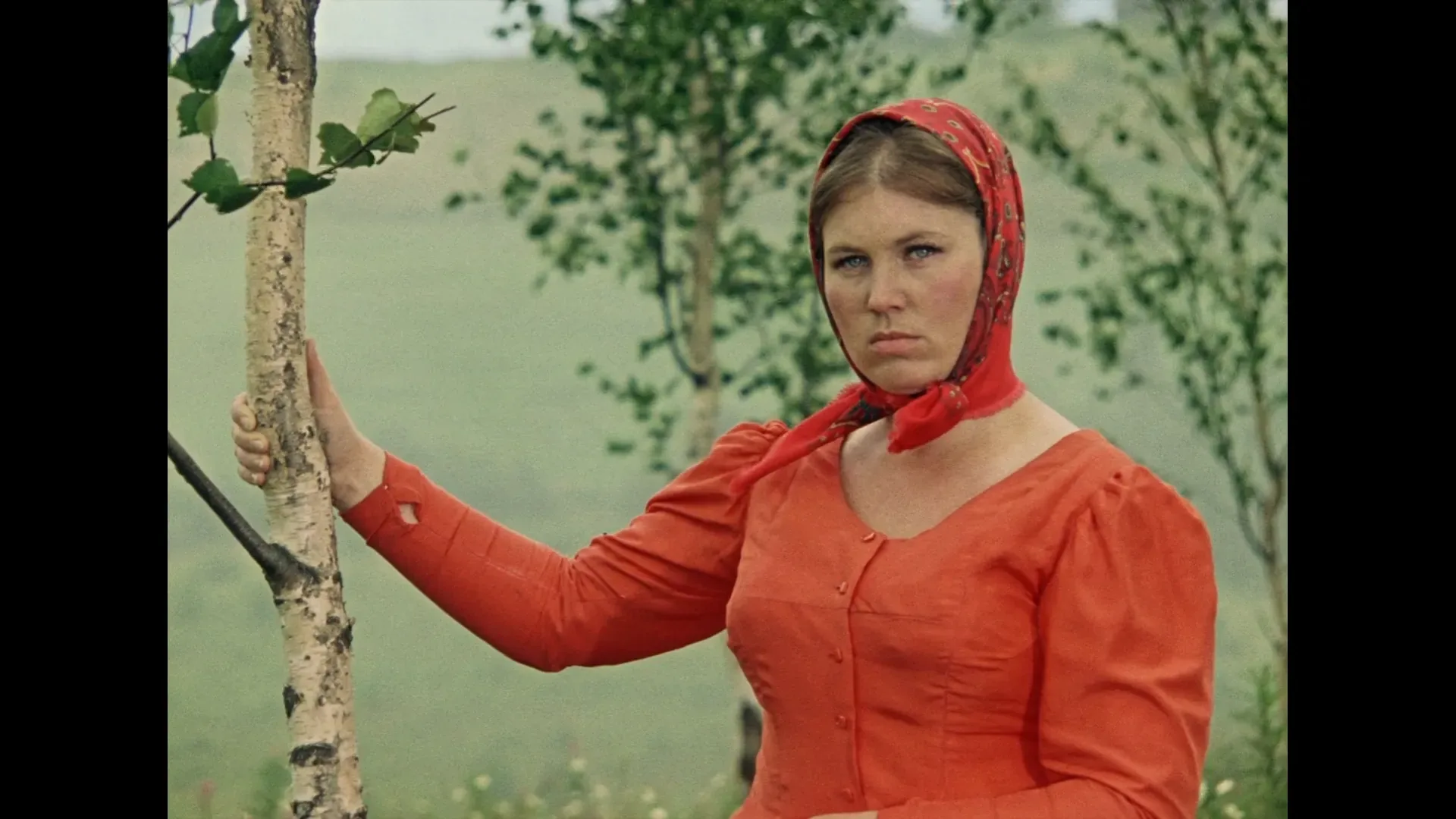
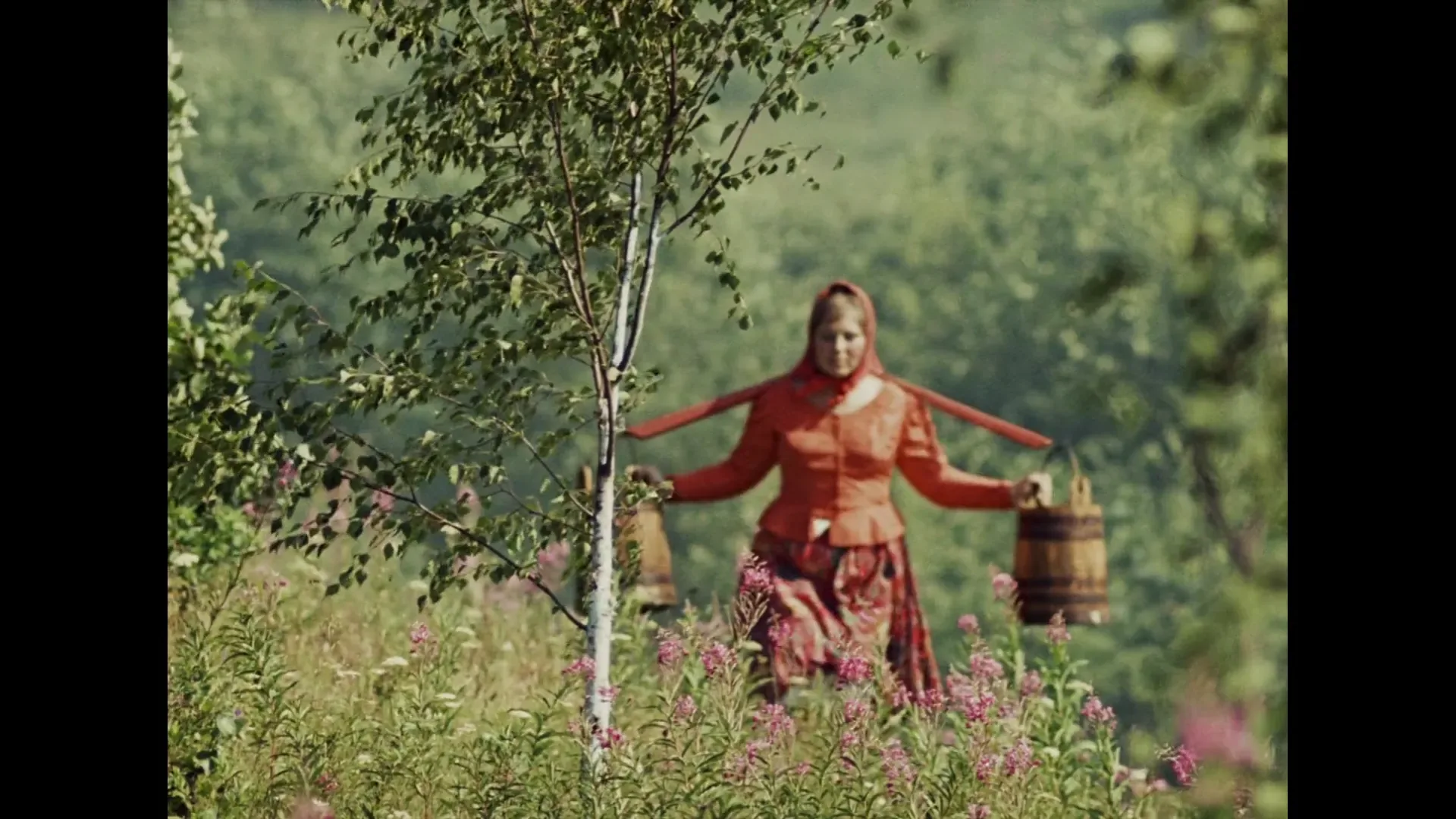
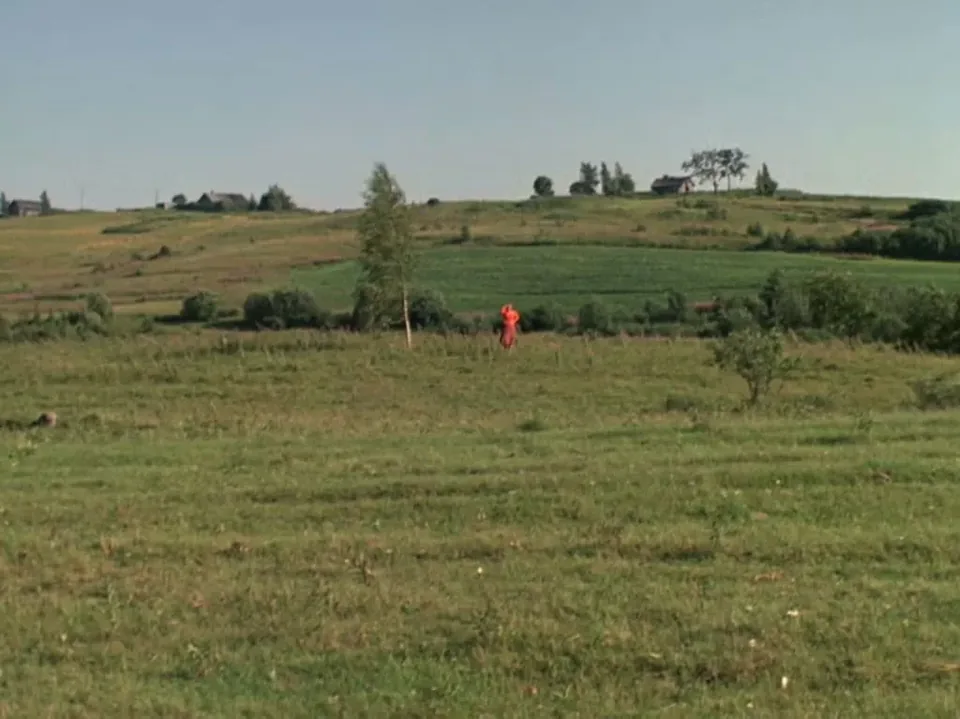
The scene where Sukhov sleeps and dreams of his abandoned home and his beloved Ekaterina Matveevna. In this dream, he sees her in their native green village. Ekaterina Matveevna looks at him with her blue eyes. Sukhov feels warmth and tranquility, remembering these moments. However, he suddenly wakes up and realizes he is in the harsh desert. Around him, only sand and the scorching sun. This scene emphasizes his longing for home and his beloved.
In Reality
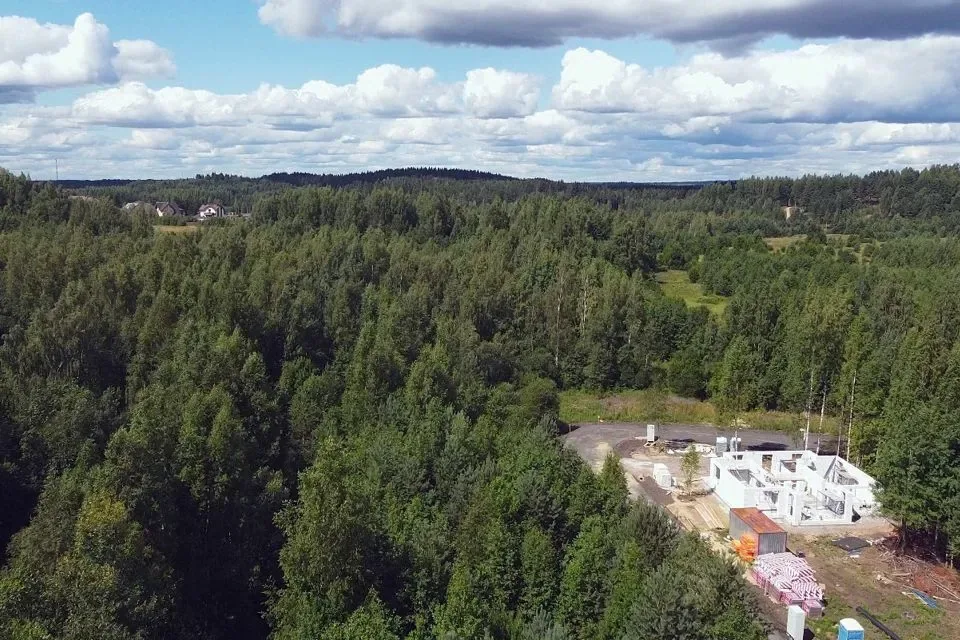
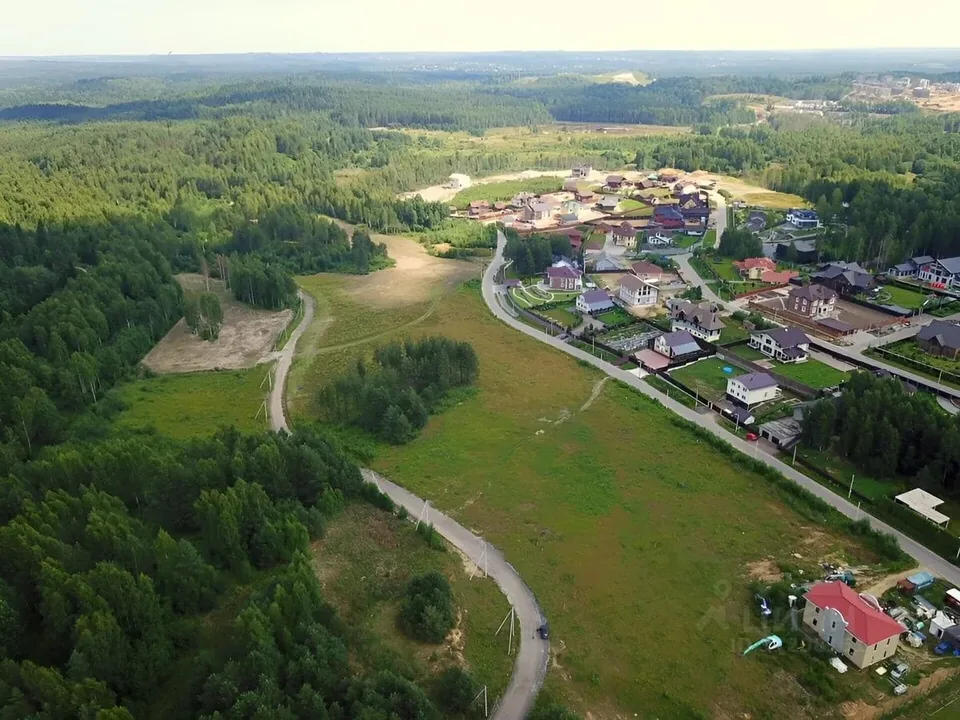
The scene was filmed in the village of Mistolovo, located in the Leningrad Region, which played an important role in the filming of "White Sun of the Desert." In 1968, when filming began, Mistolovo was a quiet and picturesque place surrounded by forests and fields. Here was the dacha of composer Isaac Schwartz, who wrote the music for the film. Director Vladimir Motyl, visiting these places, decided that they were ideal for filming the dream scene of Comrade Sukhov. Mistolovo was chosen for its seclusion and natural beauty, which allowed creating an atmosphere of peace and dreaminess necessary for the dream scene. These places also provided convenient conditions for the film crew, as they were located not far from Leningrad (now St. Petersburg), where the Lenfilm studio was located. Today, Mistolovo has changed significantly. This place has become popular among residents of St. Petersburg and its surroundings due to its proximity to the city and picturesque nature. Modern cottage settlements and dachas have been built here, and infrastructure for recreation and living has been developed.
The Desert
In the Film
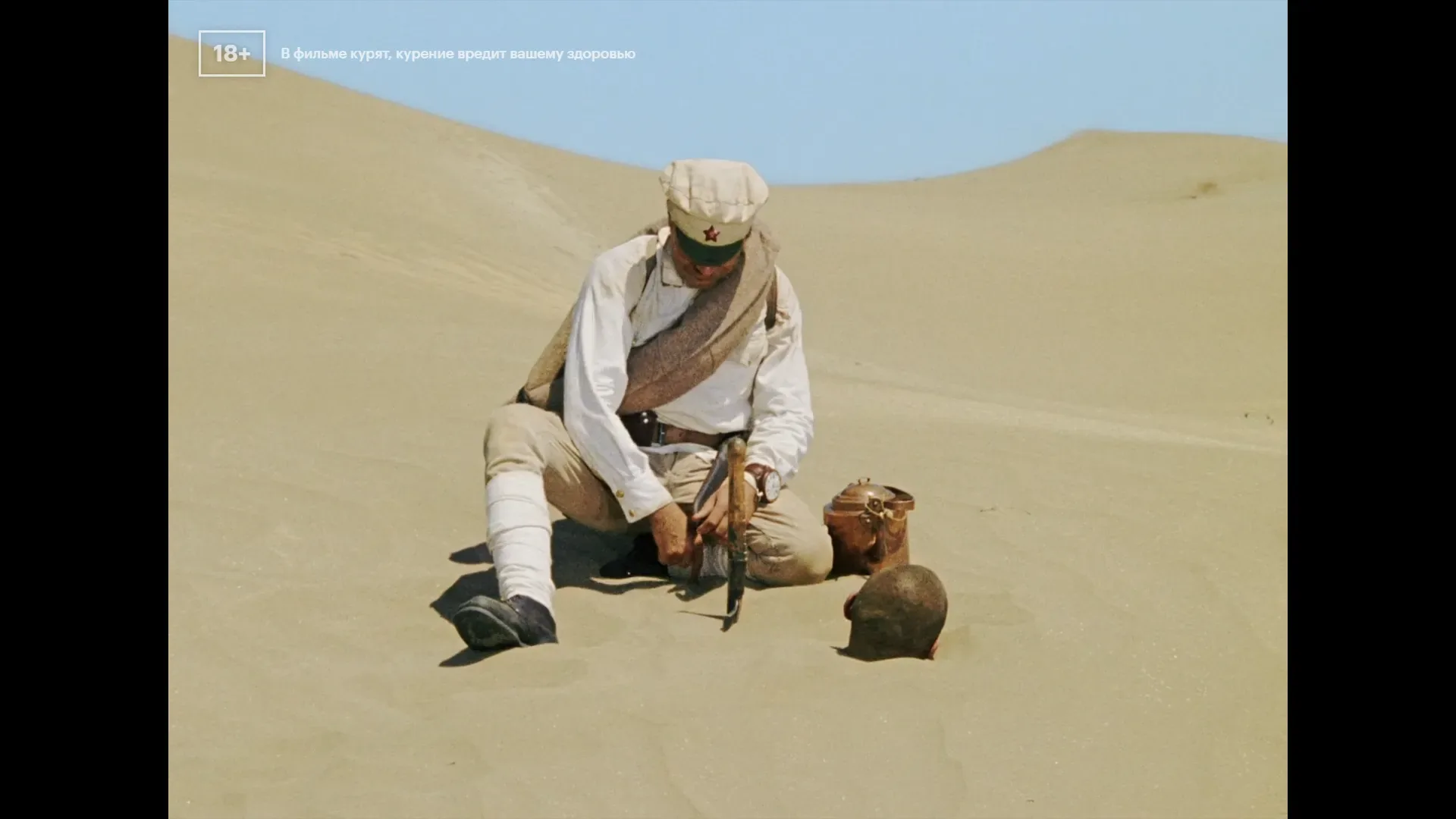
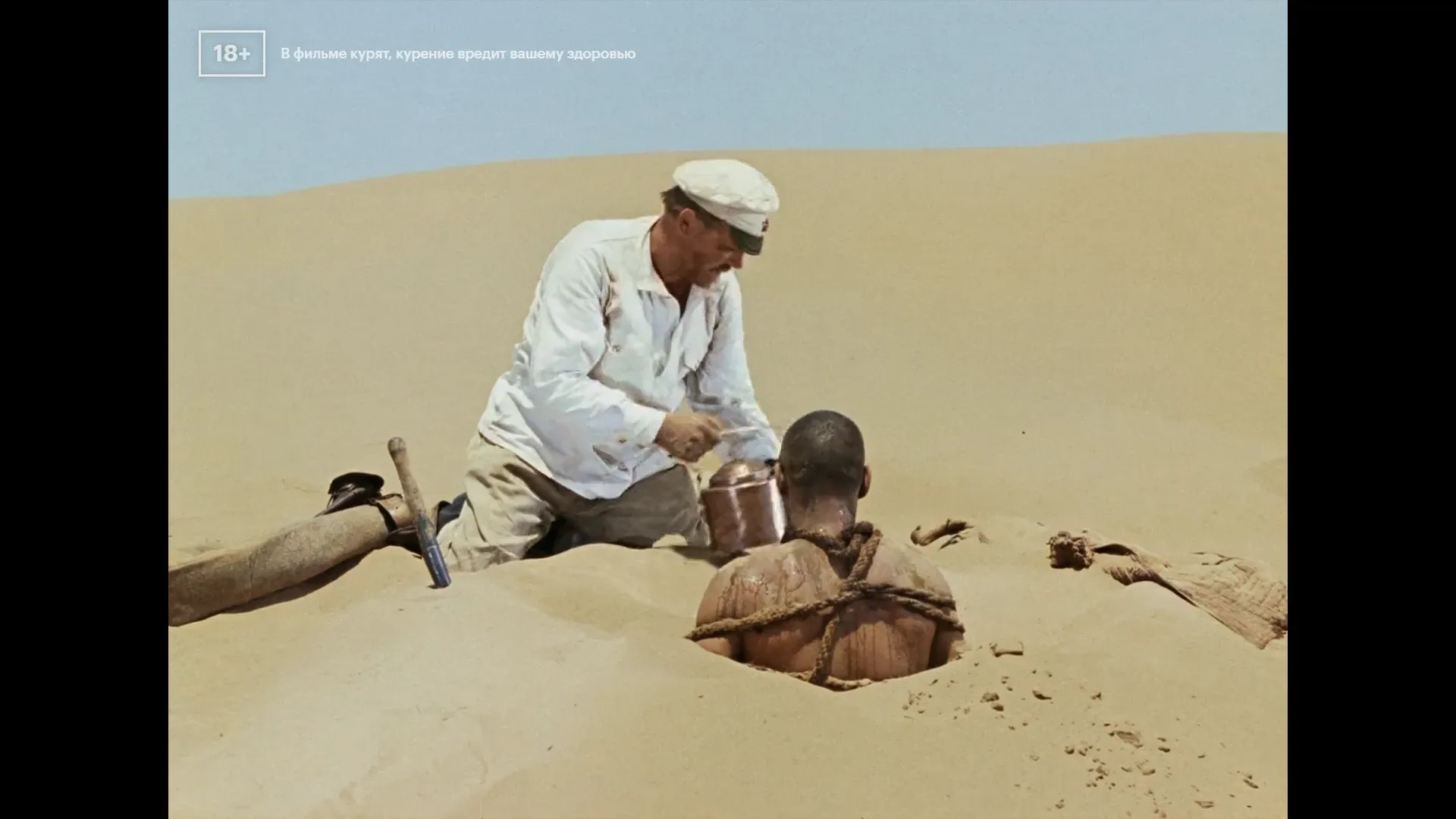
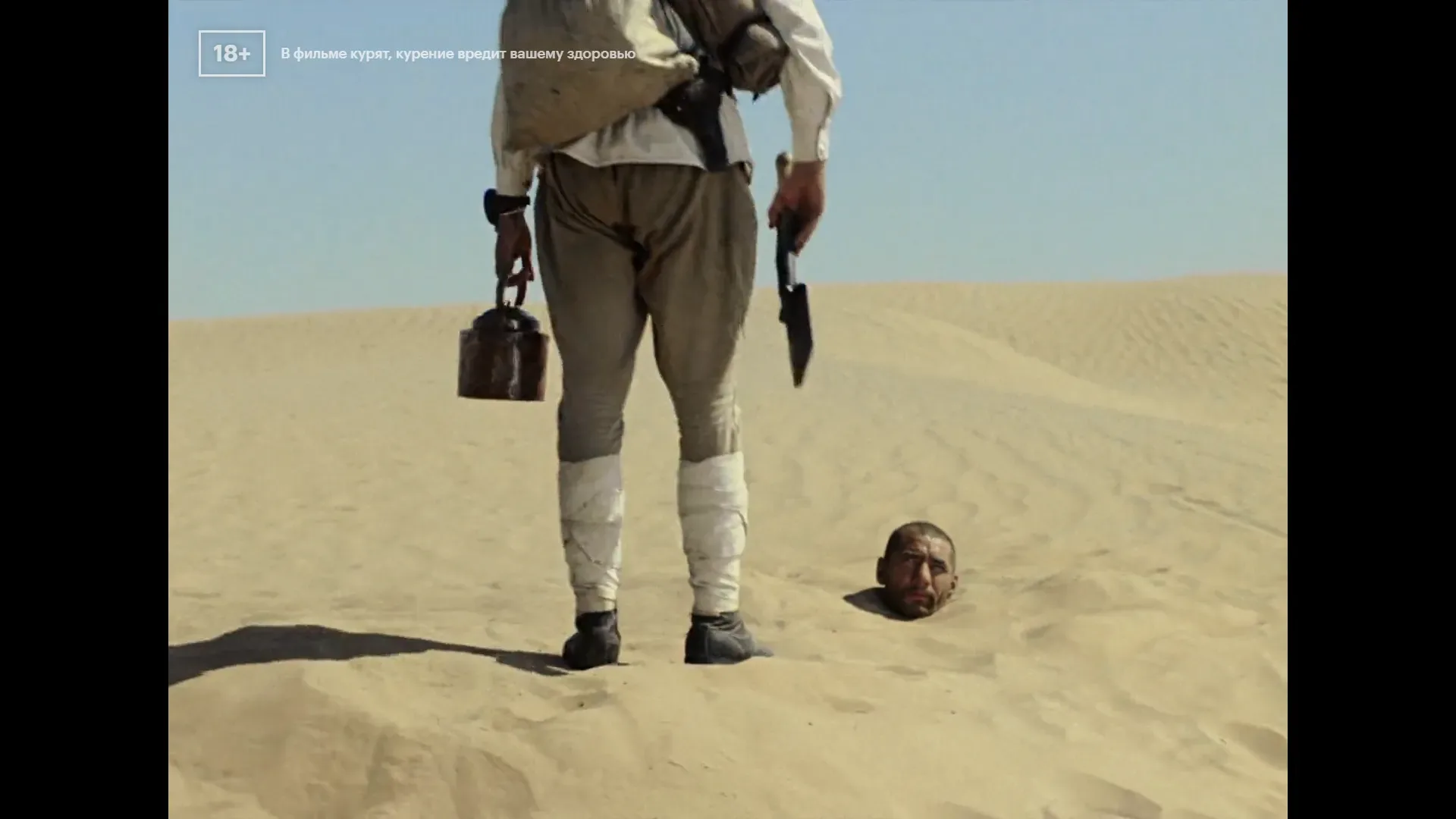
The scene where the main character, Red Army soldier Fyodor Sukhov, heads home after his stay in Central Asia. Along the way, he comes across a man named Said buried up to his head in the sand, whom he decides to help and digs out by nightfall. After digging him out, Sukhov drags him to the nearest settlement, the town of Pejent.
In Reality
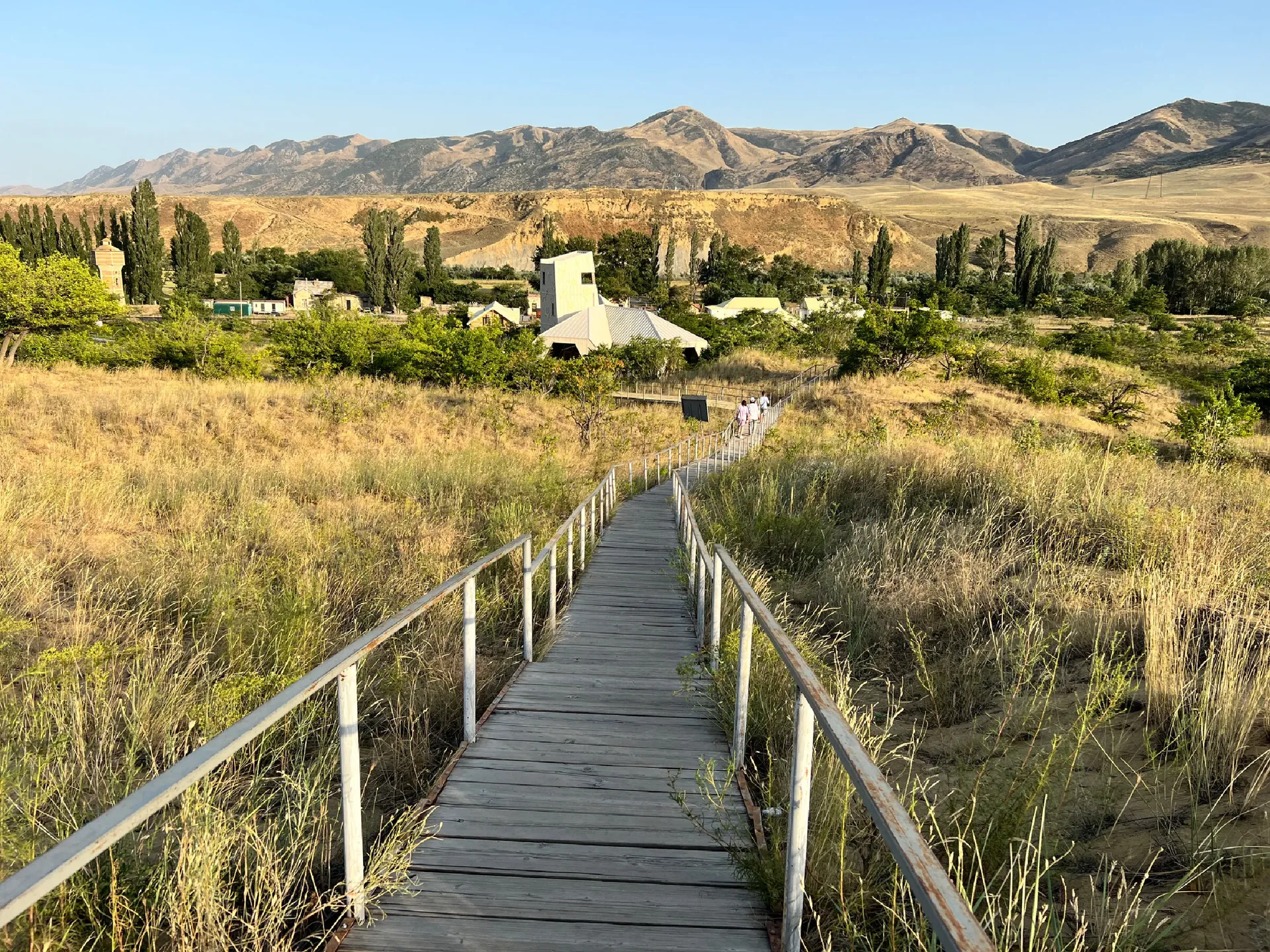
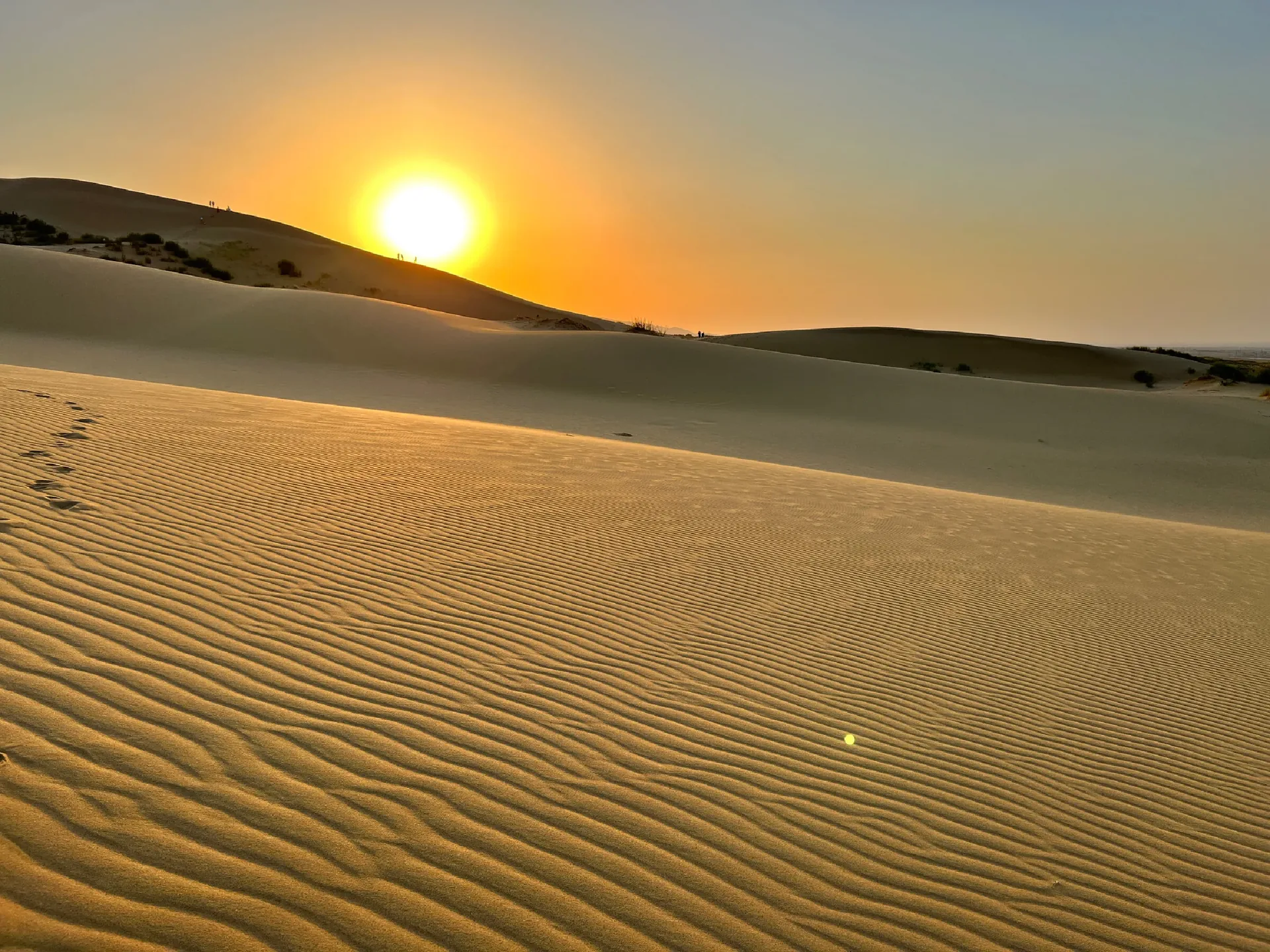
The scene was filmed in the sands of the Sarykum dune. They filmed the iconic scene for Soviet cinema where Sukhov finds Said buried in the sand and digs him out. The Sarykum dune in Dagestan became an ideal location as it offered diverse views: from endless desert expanses to picturesque sand dunes.
Pejent
In the Film
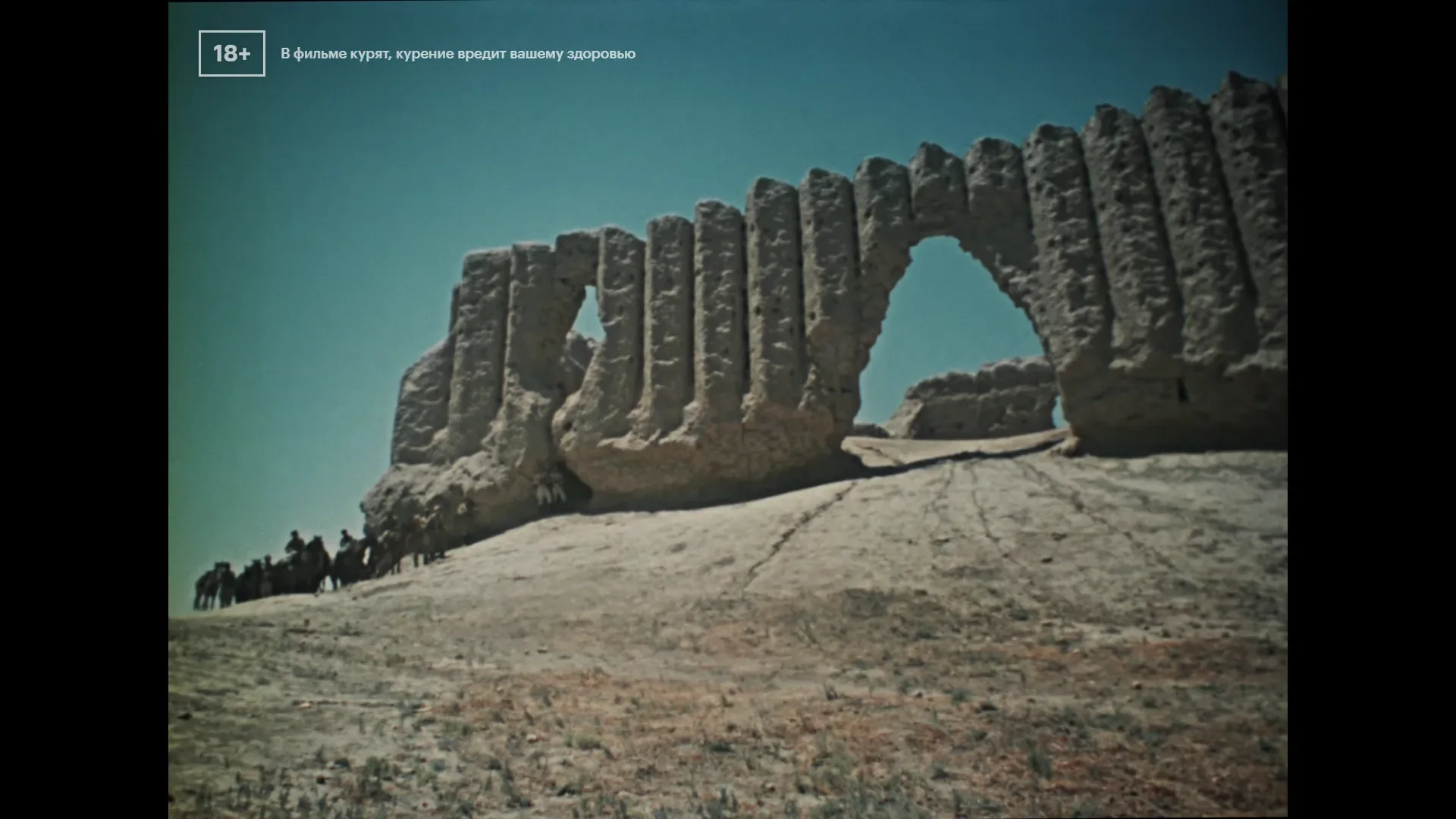
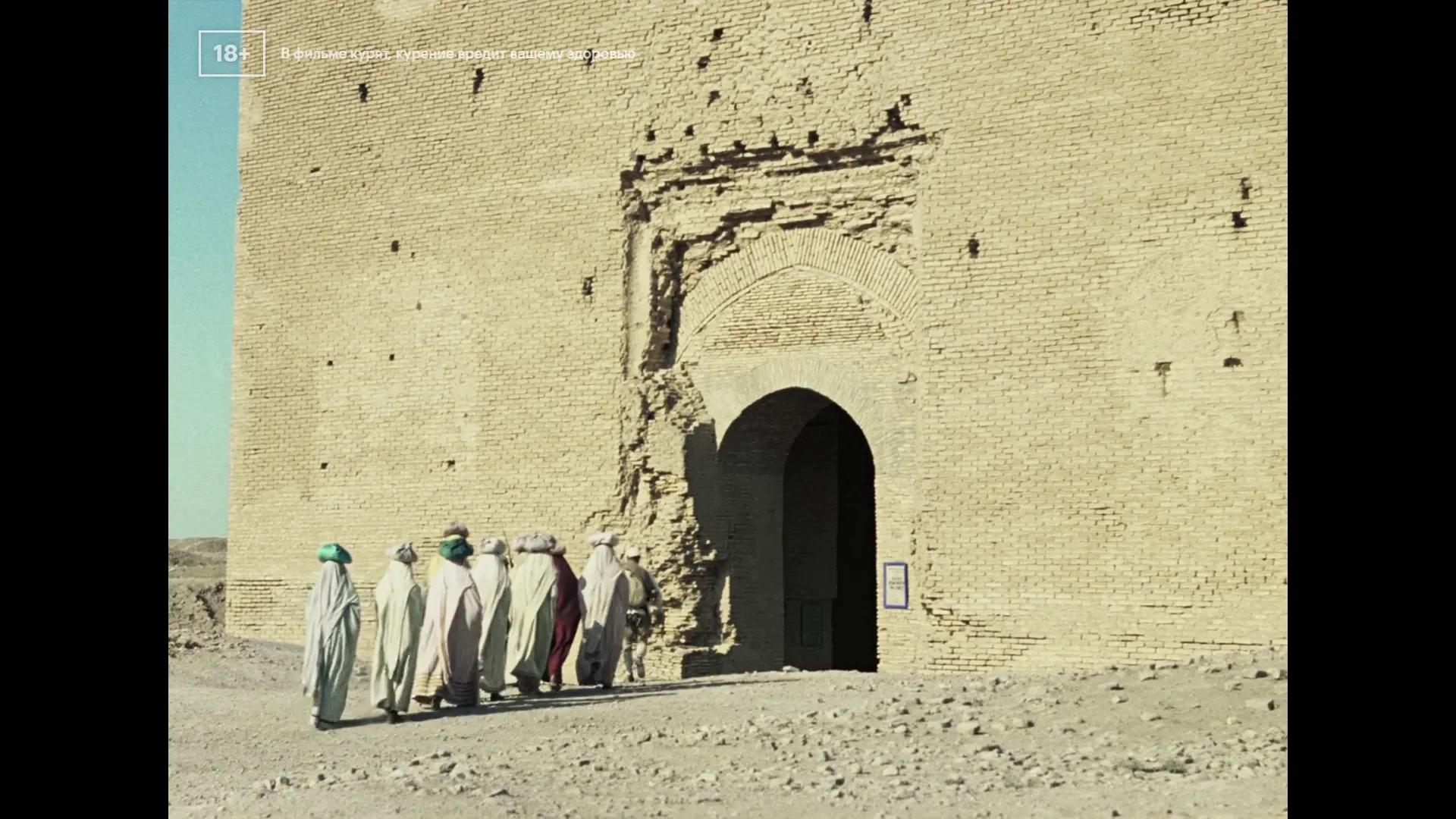
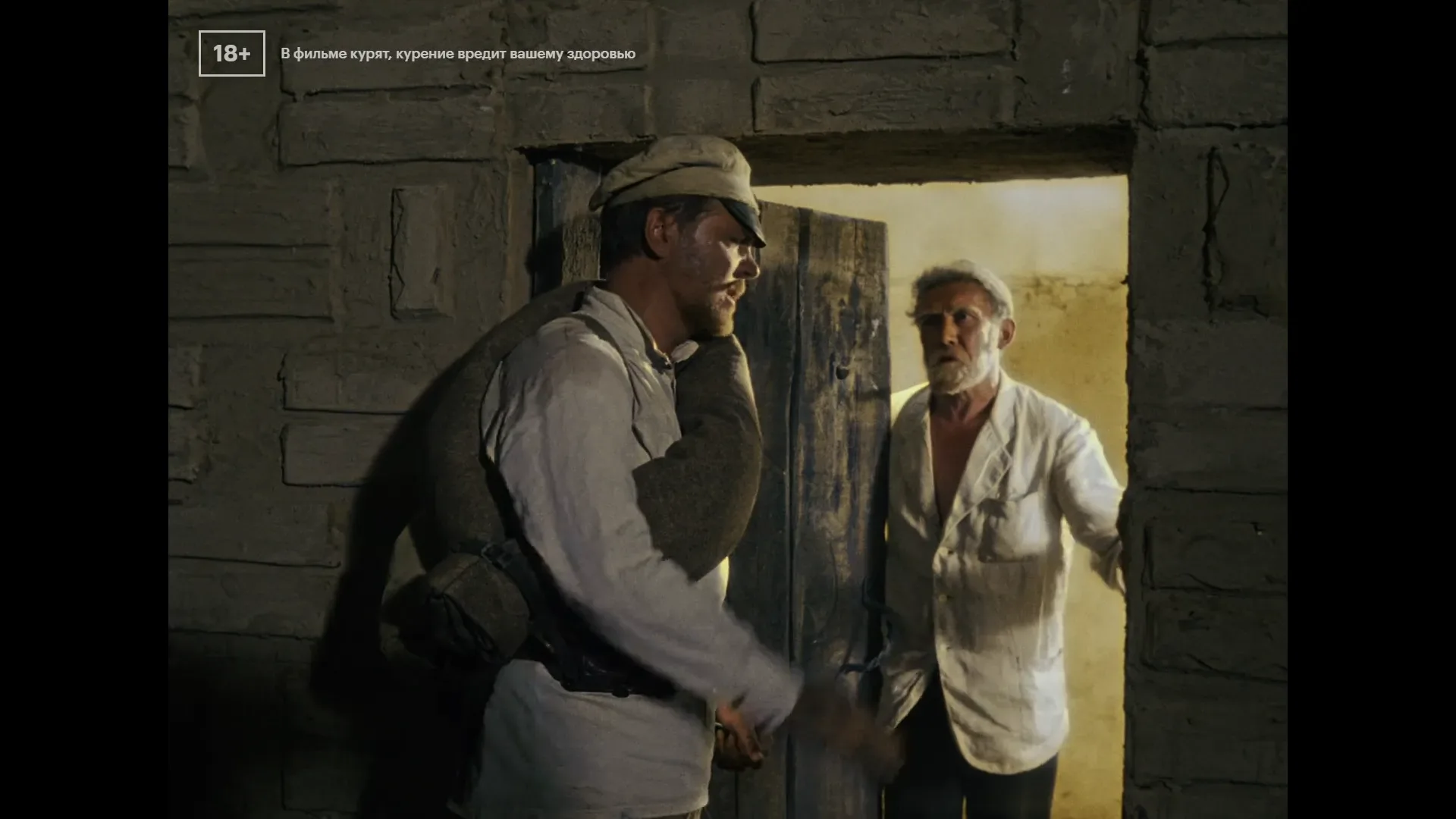
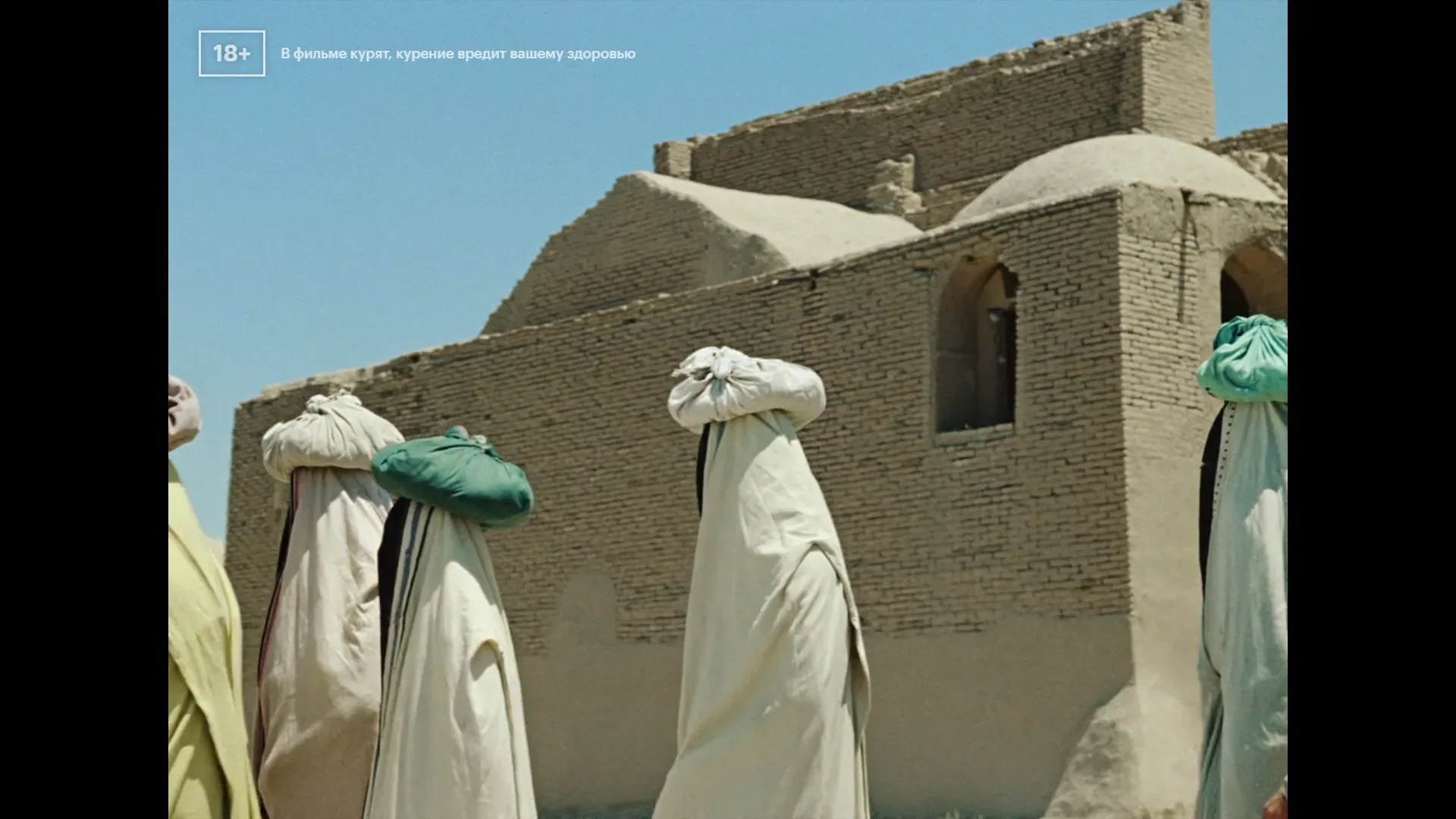
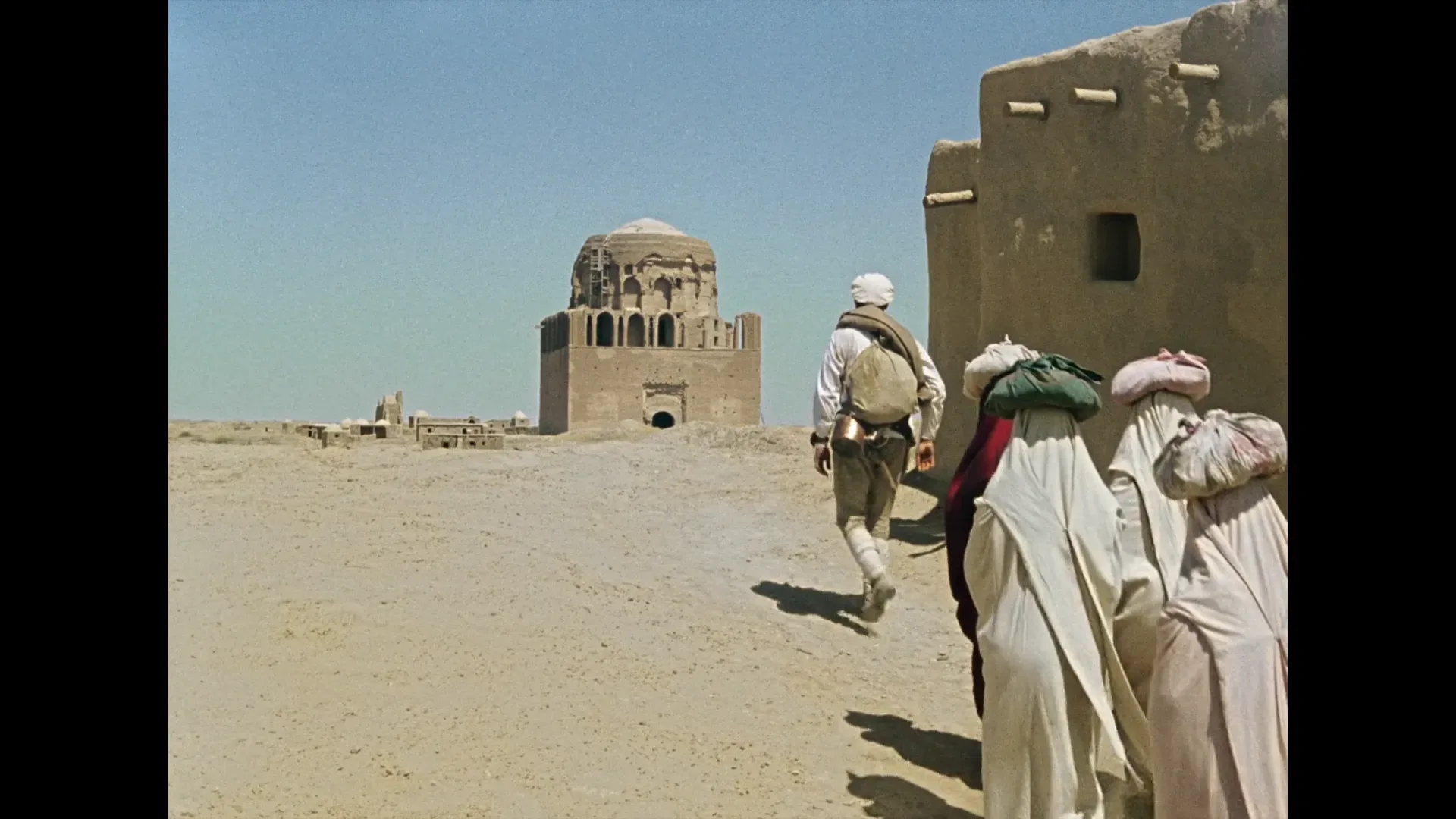
The scene where Sukhov, together with Said and nine freed women, arrives in Pejent. He knocks on a door, and an old man named Lebedev opens it, introducing himself as the museum keeper. Sukhov asks where the entire population is, to which he receives the answer that they are hiding and asks him to remove his harem from here. Sukhov, in response, says that the freed women will hide with him and no is not accepted.
In Reality
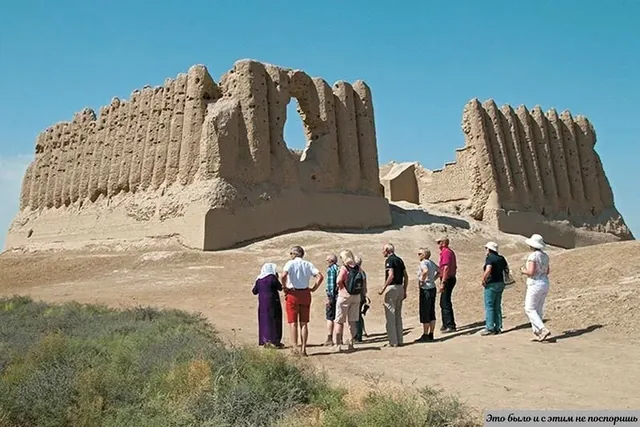
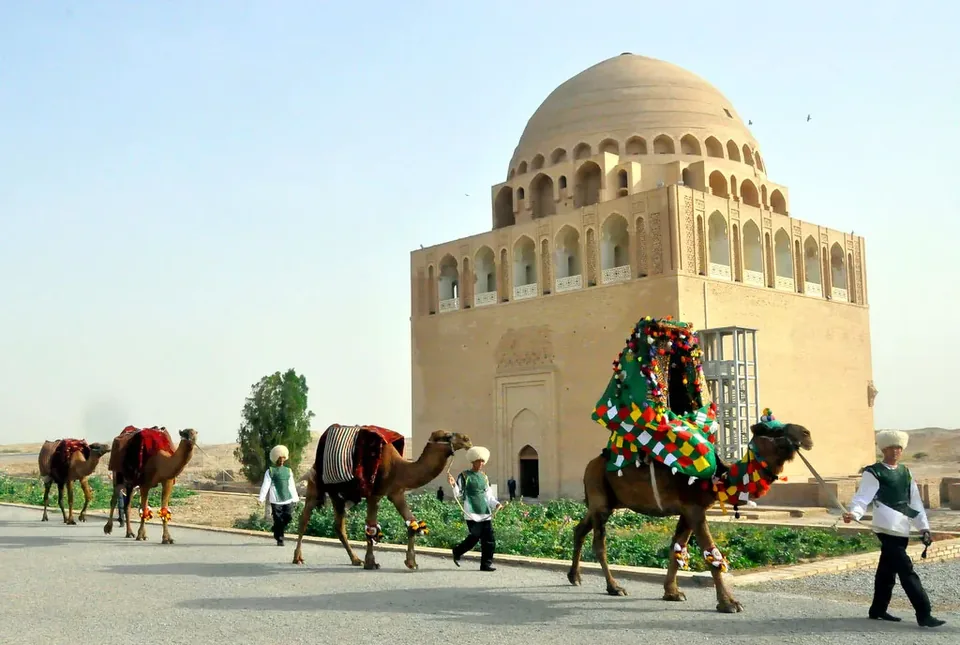
The scene was filmed in the vicinity of the city of Bayramaly (Mary Region of Turkmenistan). The city of Pejent in the film "White Sun of the Desert" is a composite image of Eastern cities. It features elements of Central Asian architecture and culture. Director Vladimir Motyl aimed to create a vivid and memorable image of the city, which would become one of the key elements of the film. Initially, the scenes in the city of Pejent were filmed in Dagestan, near Makhachkala on the Caspian Sea coast. However, later it was decided to reshoot most of the scenes in another location—the city of Bayramaly, Mary Region of Turkmenistan. This allowed creating more authentic images of the Eastern city and its inhabitants.
Comments
0No comments yet.
Sign in to join the discussion.