

The film "Revolutionary Road" was shot in the USA, in the states of Connecticut and New York. These locations were chosen to create an authentic atmosphere of suburban America in the 1950s, which was important for conveying the spirit of the time and place described in Richard Yates' novel. To depict typical American life of that era, many scenes were filmed in the suburbs of Connecticut. This state is known for its picturesque suburbs and historic architecture, which perfectly suited the desired atmosphere. Filming also took place in New York.
Filming Locations:
Train Station
In the Movie
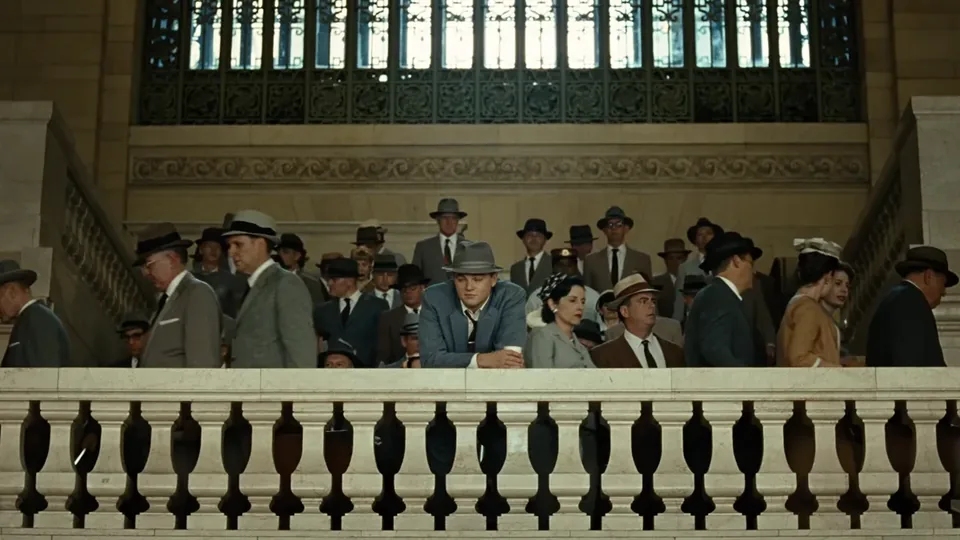
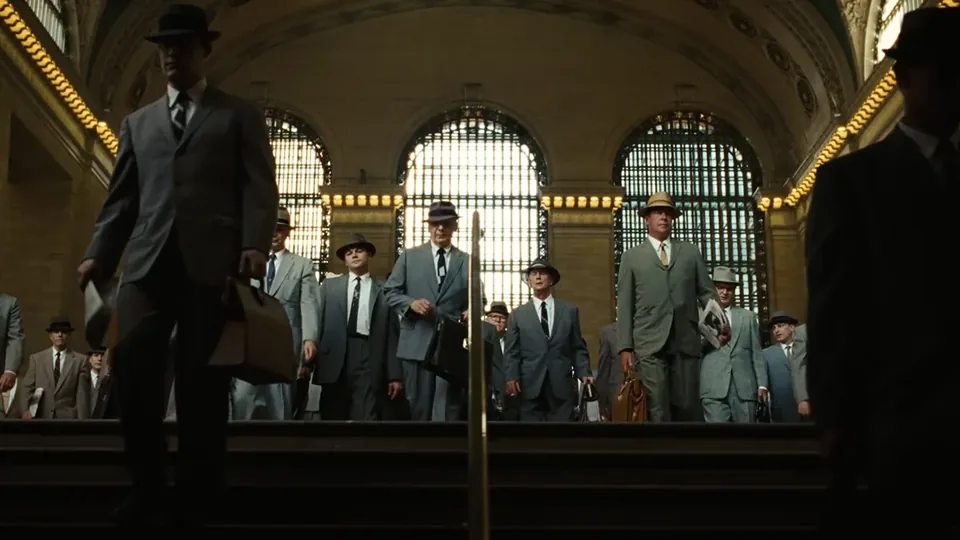
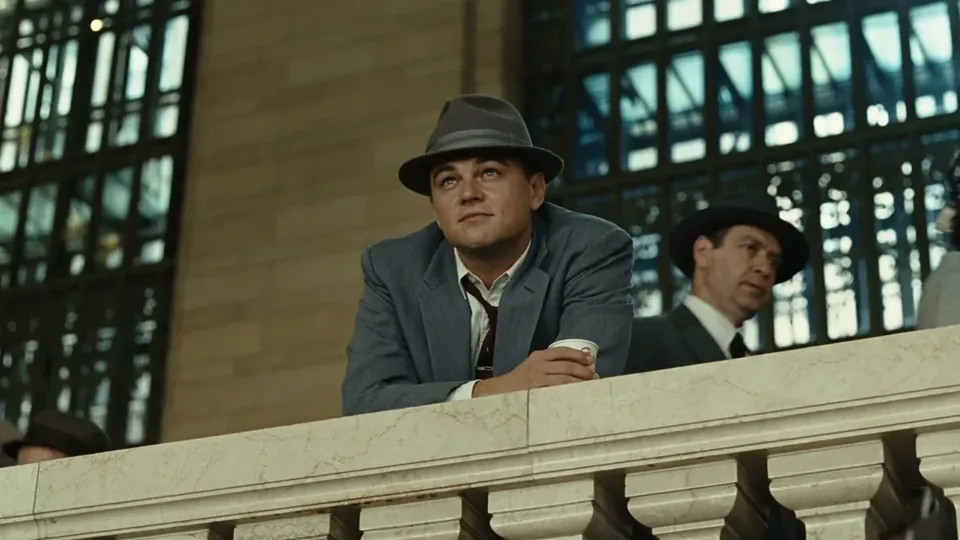
The scene where Frank Wheeler goes to work in the city every day, repeating the same journey. This scene is repeated several times, showing his routine existence and the monotony of life. He arrives at the station, where he boards a train with other men to get to his office in New York. These scenes emphasize the sense of stagnation and dissatisfaction that Frank feels and serve as an important element for understanding his internal conflict and desire for change. Visually, they also help convey the atmosphere of the 1950s and show the contrast between the characters' dreams and their real lives.
In Reality
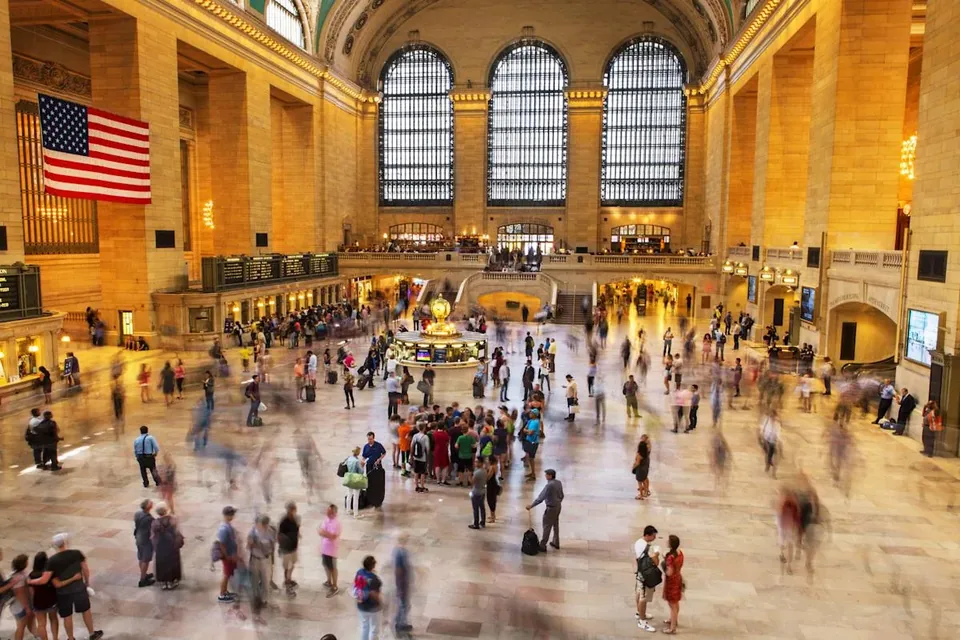
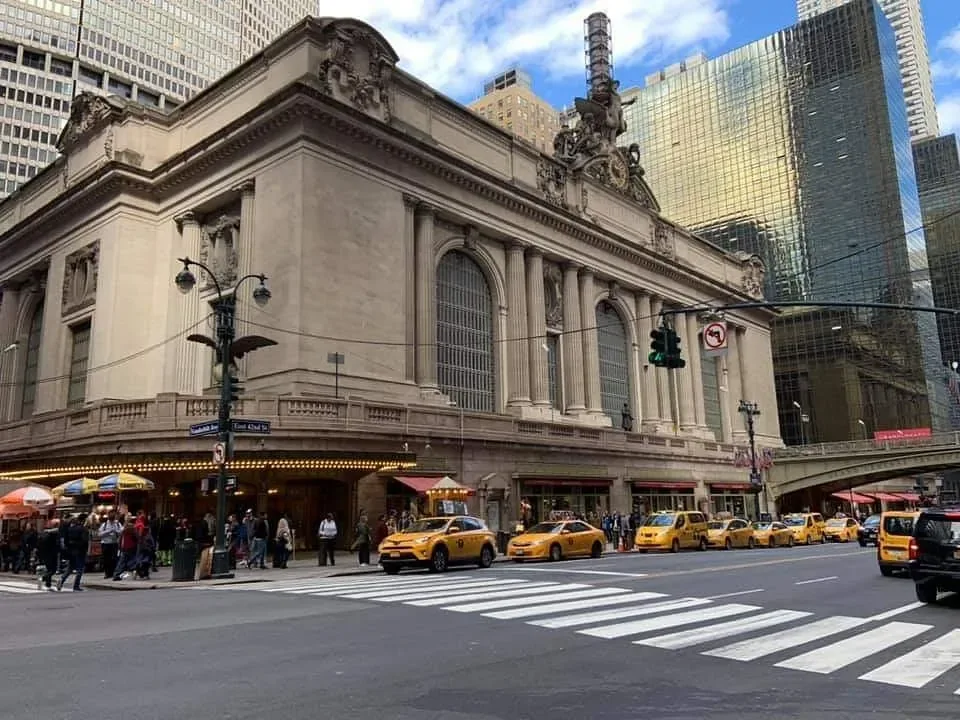
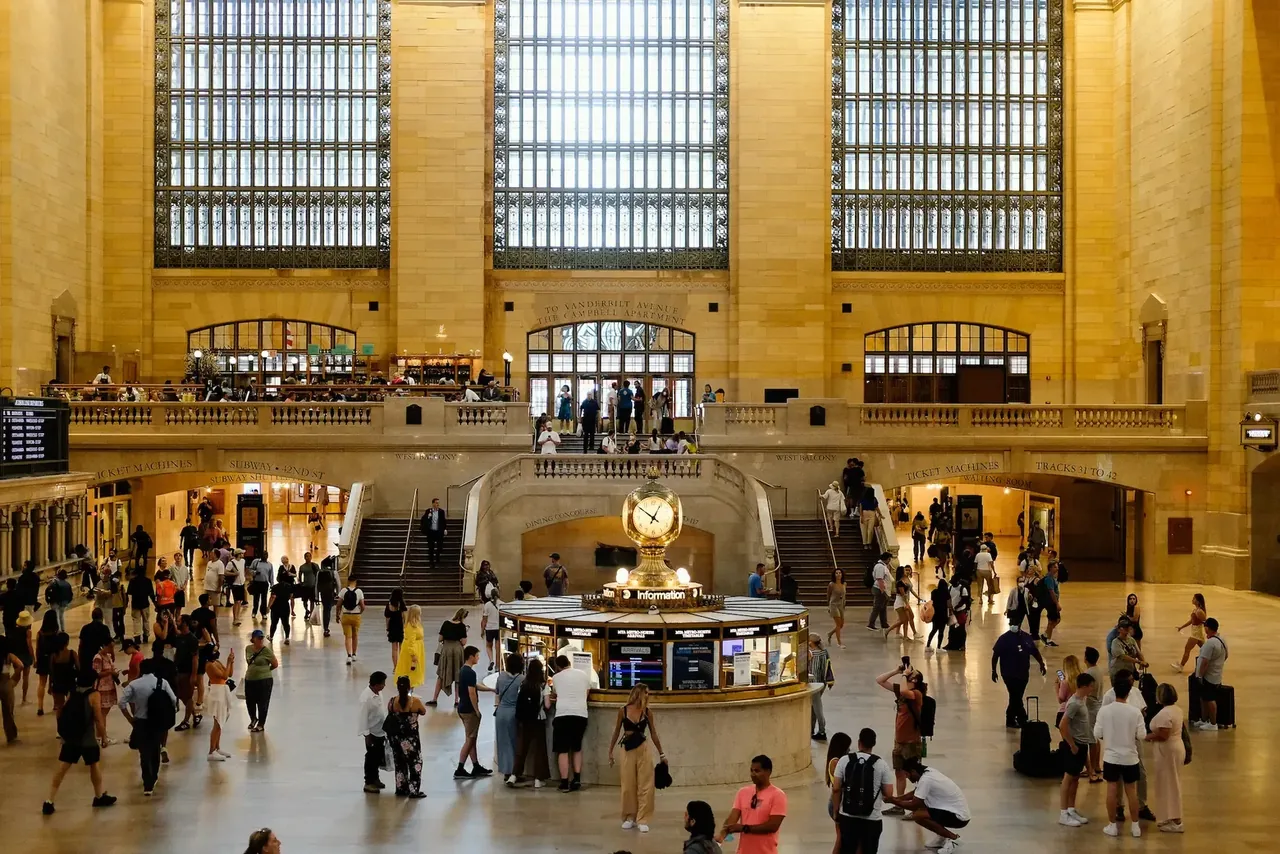
The scene was filmed at Grand Central Terminal in New York. It is one of the most famous and busiest railway stations in the world, located in Manhattan. Opened in 1913, it is an architectural masterpiece in the Beaux-Arts style, with majestic halls, marble columns, and the famous astronomical ceiling in the main concourse. Grand Central Terminal perfectly conveys the atmosphere of mid-20th century New York. Its architecture and interiors create a sense of grandeur and importance, which highlights the contrast between Frank's dreams and his routine life. The station also symbolizes movement and change, reflecting Frank's internal conflict and his desire for a better life. The repeated scenes of commuting emphasize the monotony of his existence and enhance the dramatic effect.
Street
In the Movie
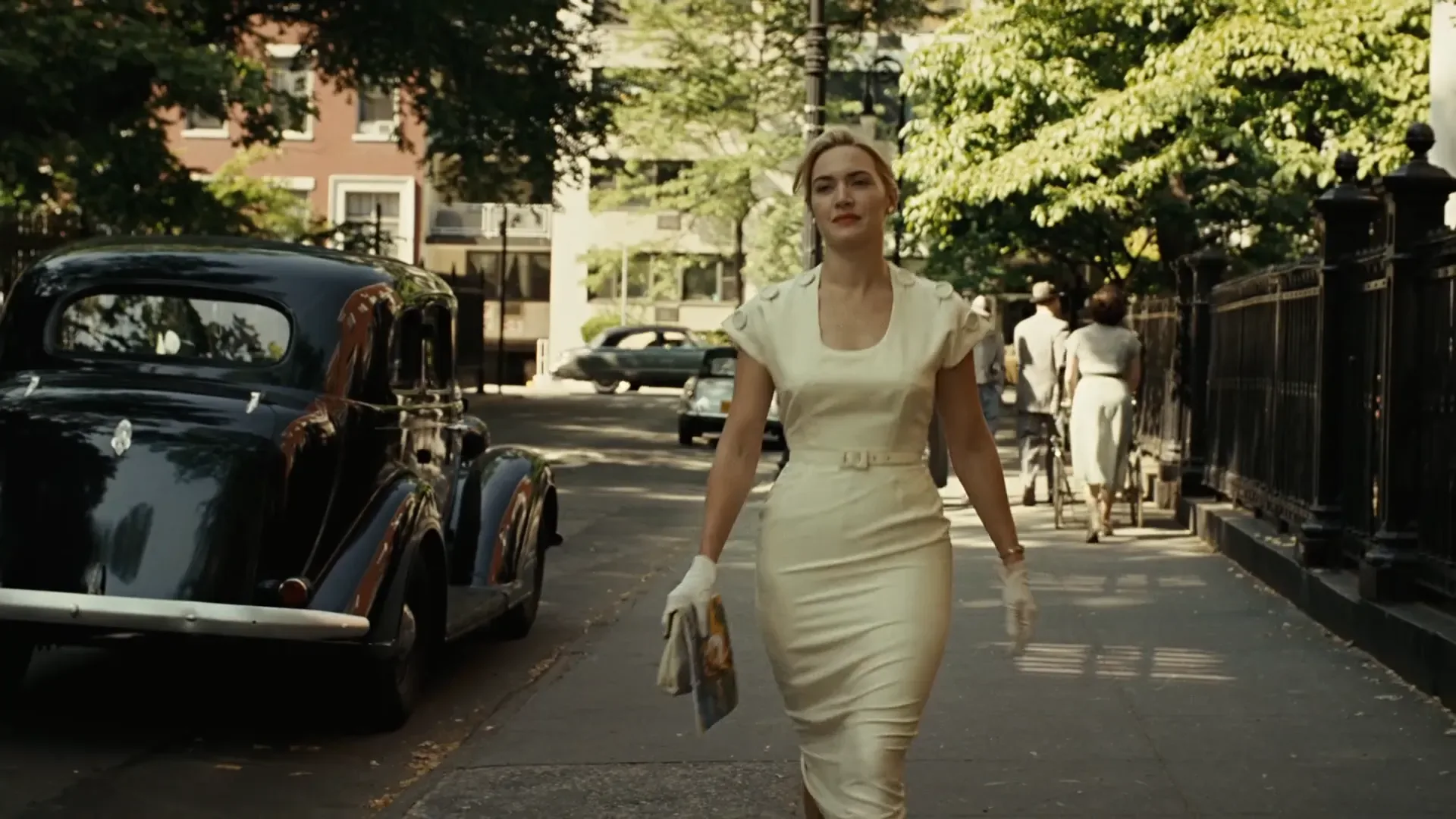

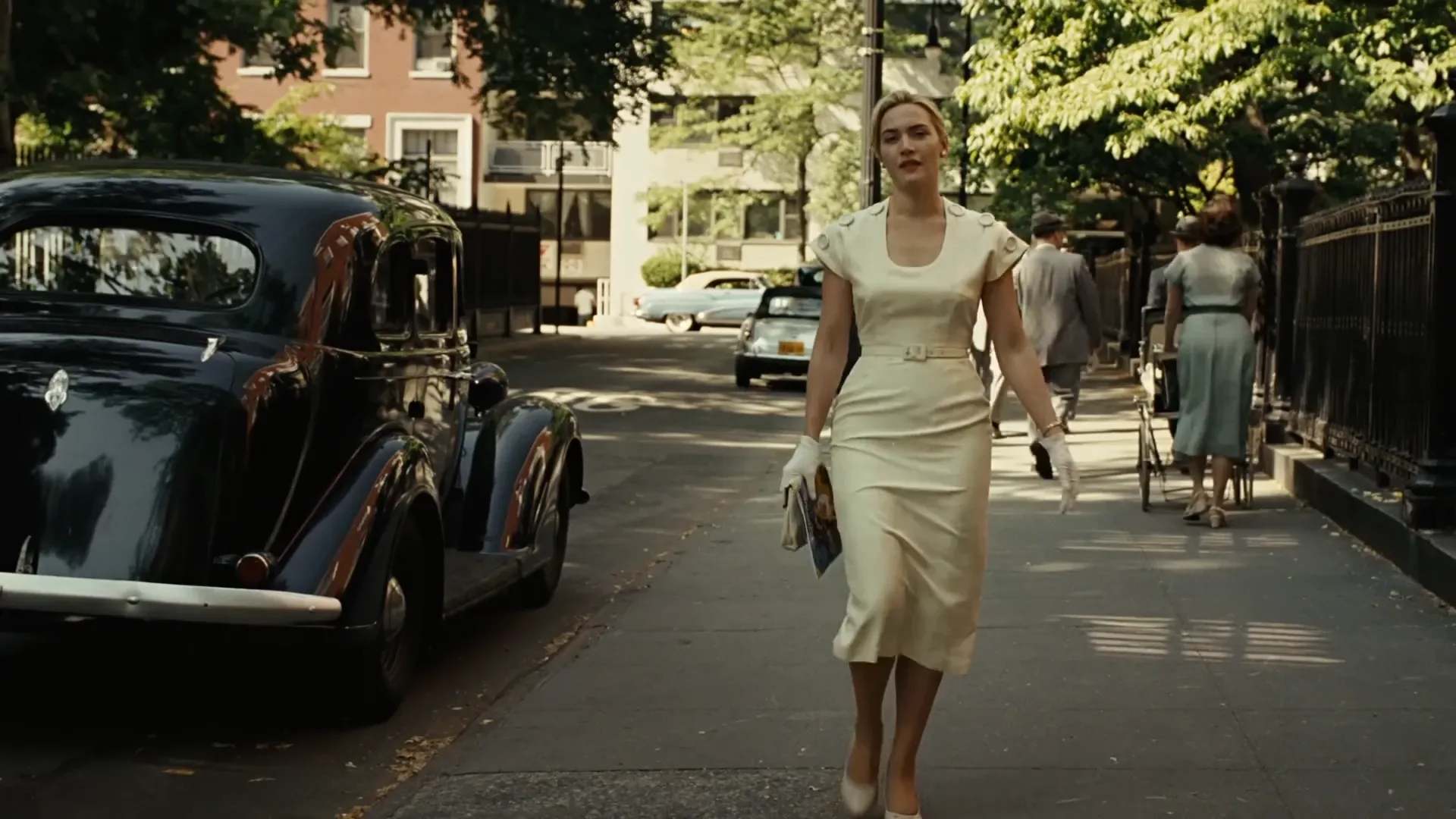
The scene where April returns home after visiting the travel agency and buying tickets to Paris, and at the same time, her husband Frank returns from work for the last time. They meet at home, both filled with joy and hope for the future. This scene highlights their anticipation of change and the new life they plan to start in Paris.
In Reality
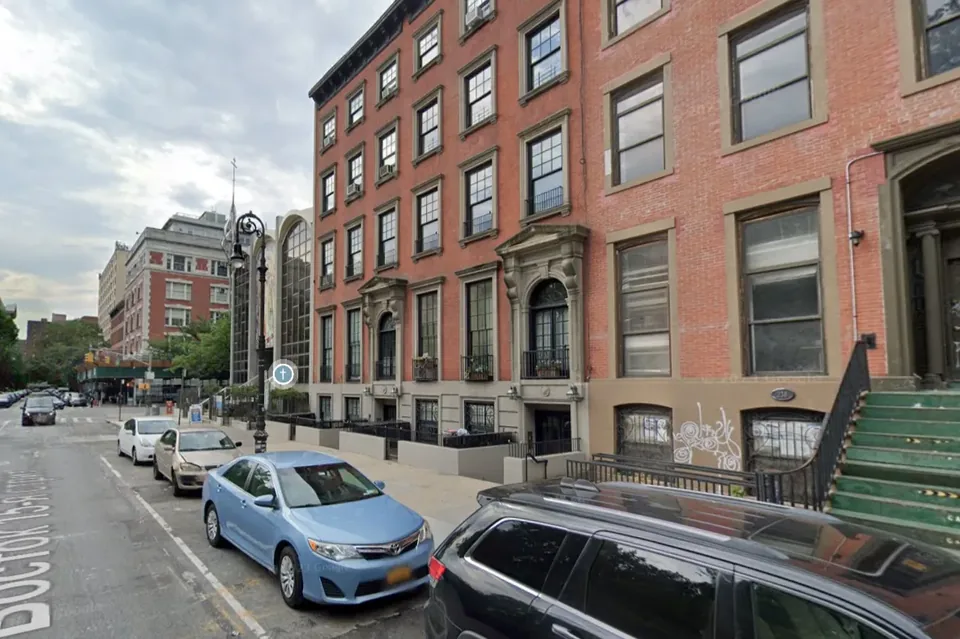
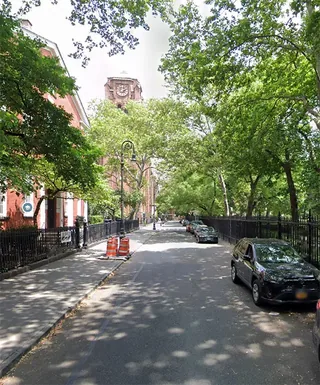
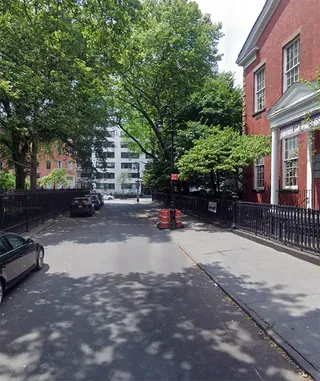
The scene was filmed on Rutherford Place, at the intersection with East 15th Street in the Stuyvesant Square area of Manhattan. This location is in the Gramercy Park neighborhood, known for its historic architecture and cozy atmosphere. It is a street adjacent to Stuyvesant Square, a historic park that adds greenery and tranquility to the urban landscape. The area features several significant buildings, including the Friends Meeting House and Friends Seminary, built in the mid-19th century in the Greek Revival style. The historic architecture and atmosphere of the area perfectly convey the spirit of the 1950s, which is important for creating a believable setting in the film, and Rutherford Place adds aesthetic appeal and visual depth to the scene, making it more memorable.
Travel Agency
In the Movie



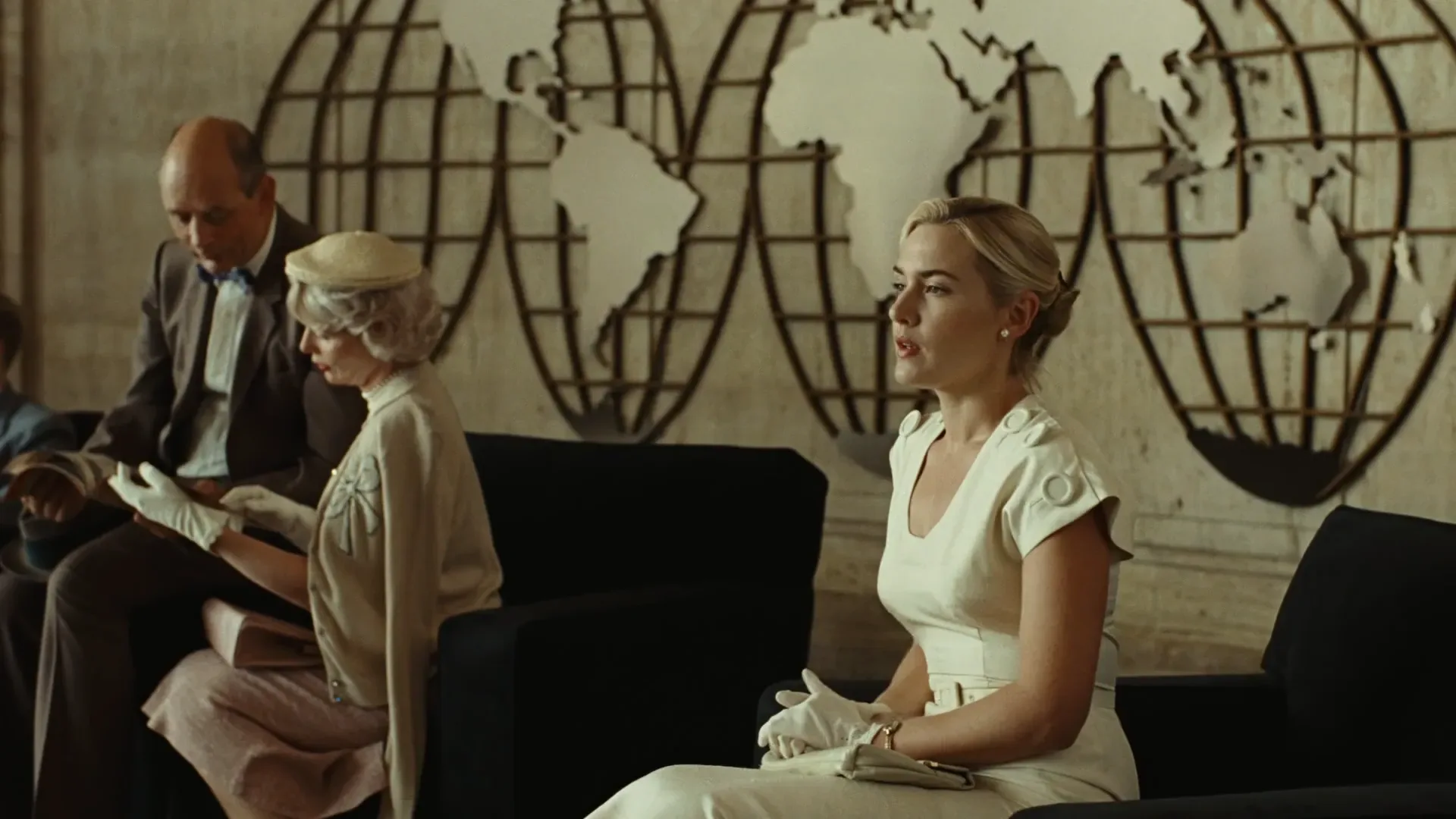
The scene where April Wheeler goes to a travel agency to buy tickets for their move to Paris. We see April sitting and waiting, nervously looking around. At one point, an agency employee approaches her, smiling and holding documents: he hands April traveler's checks, ferry tickets, and maps of Paris's attractions. This scene is an important part of the plot, as it symbolizes April's hope for a new life and the salvation of their marriage.
In Reality
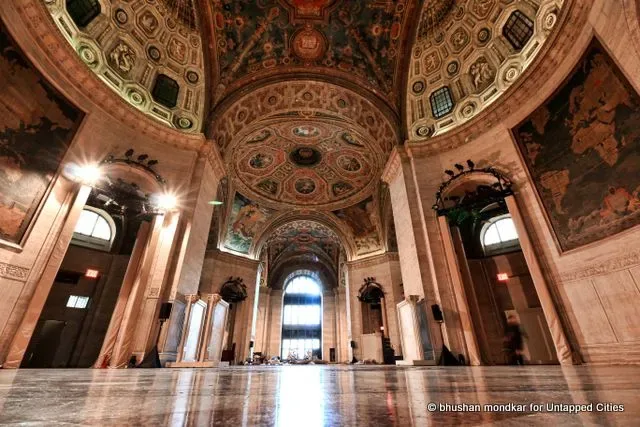
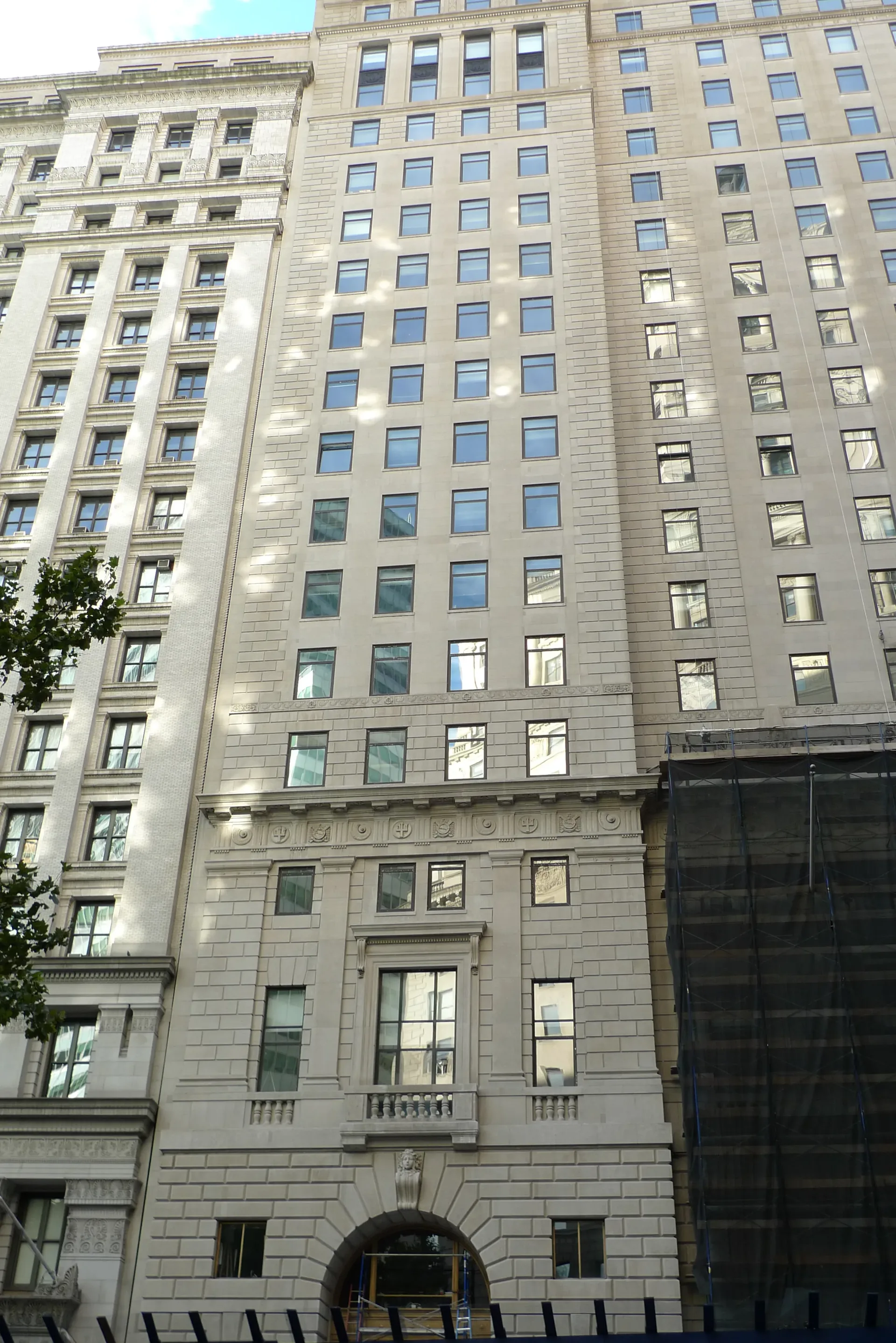
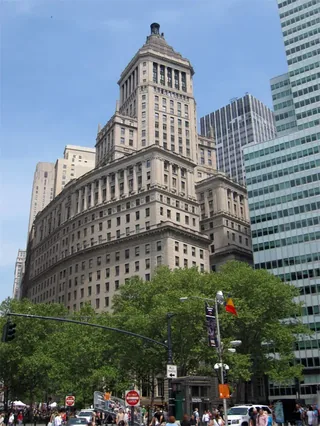
The scene was filmed in the Cunard Building at 25 Broadway, one of the greatest classical buildings in New York architecture, which since its opening in 1919 has been an ode to the power of travel dreams. The building, associated with travel, is perfect for the scene where April buys tickets for the move to Paris. It underscores her desire for change and hope for a new life. Thus, this location helps convey important aspects of the plot and the emotional state of the character, making the scene more significant and impressive. The historical and architectural significance of the Cunard Building also helps create a believable 1950s atmosphere, which is important for immersing the viewer in the era.
Comments
0No comments yet.
Sign in to join the discussion.