
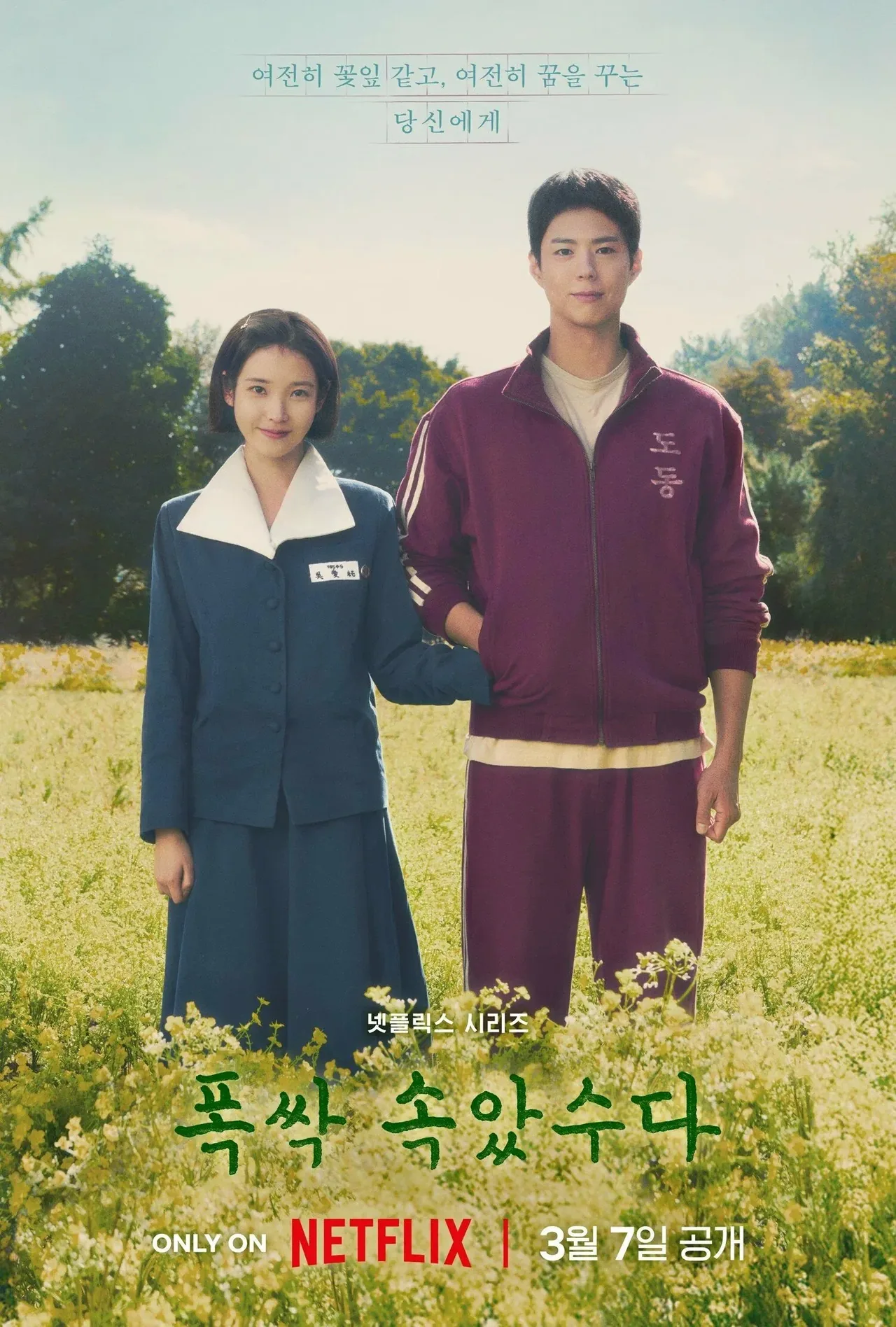
The drama, set in the 1950s on the picturesque Jeju Island, was filmed in several regions of South Korea to accurately convey the atmosphere of that era and the beauty of the local nature. Filming took place on Jeju Island, known for its unique landscapes: from tangerine fields to rocky shores and scenic beaches. Although the drama's action is set on Jeju, the production team used the city of Andong to recreate the atmosphere of a Korean village from that era. This city, with its rich history and traditional architecture, allowed capturing the spirit of the time and creating an authentic urban setting for scenes not related to Jeju's natural beauty. Thus, Jeju mainly served for filming natural scenes, highlighting the island's beauty and uniqueness, while Andong was used to recreate rural life and the atmosphere of mid-20th century South Korea.
Filming Locations:
Village on Jeju Island
In the Drama
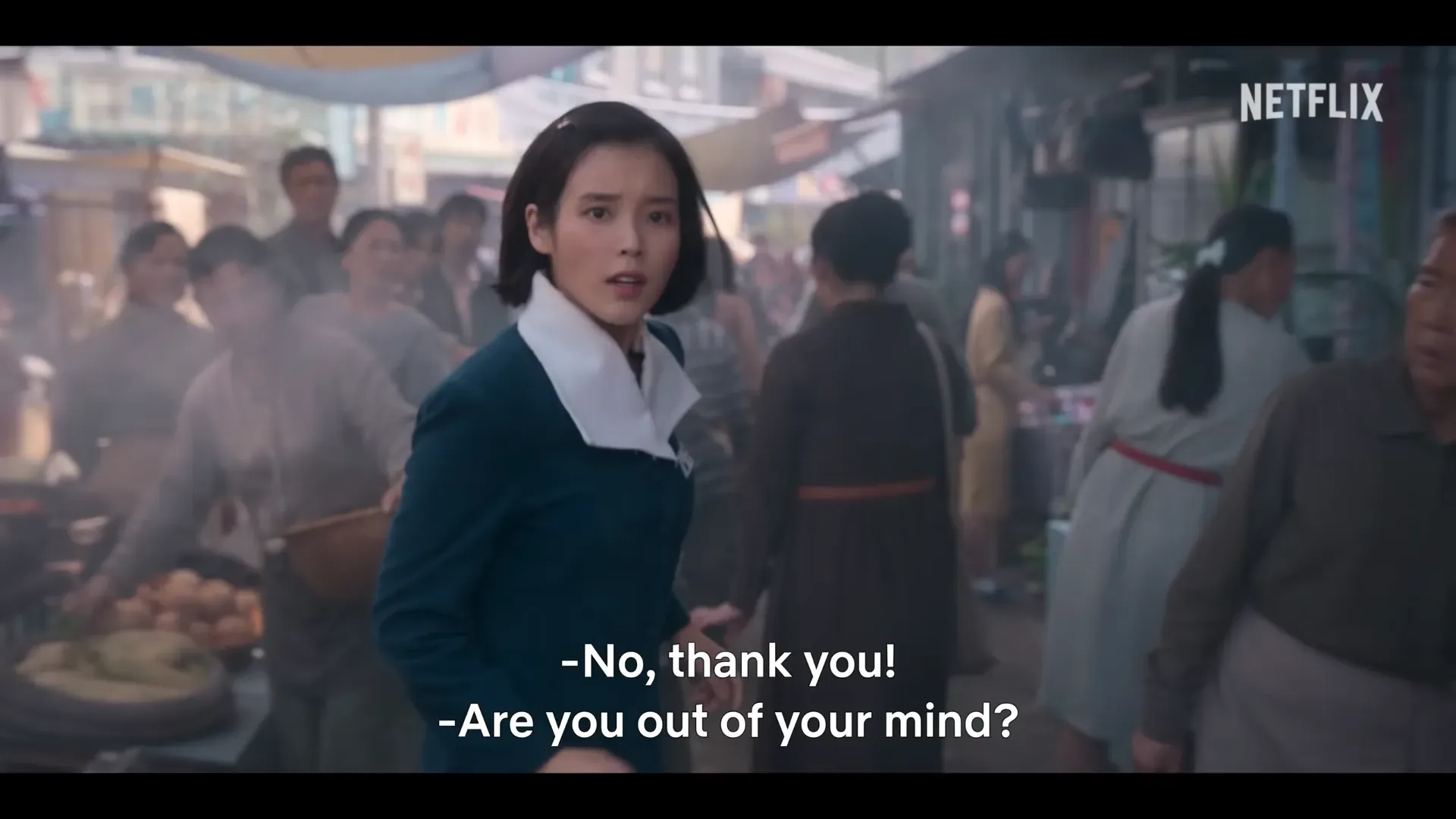
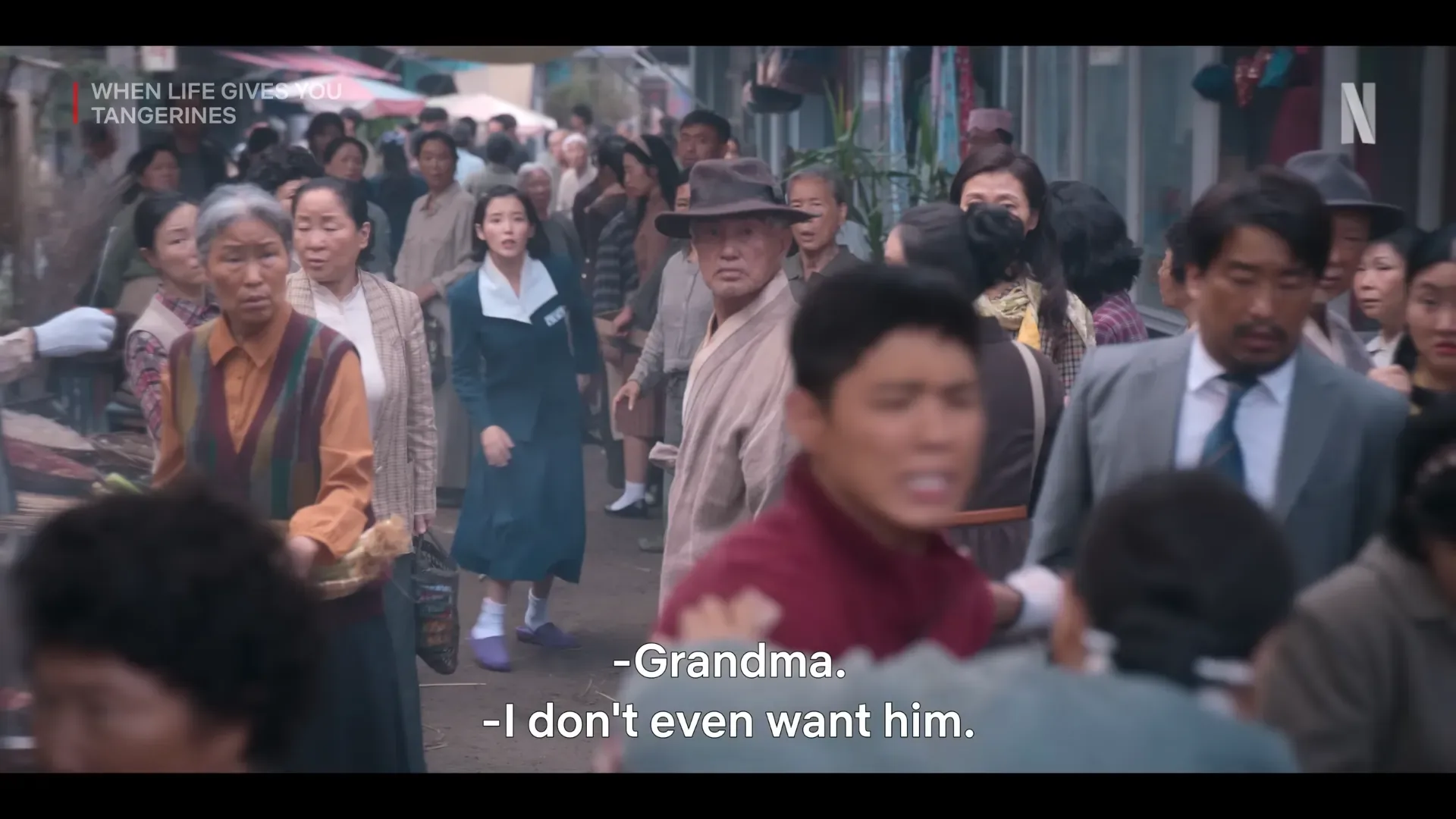

Scene where Ae-sun runs away from her grandmother and Gwang-sik. Ae-sun is a brave and independent girl striving to break free from her native island and achieve more in life. She dreams of the big city and a better fate than what her family has in store for her on Jeju. She is not ready to marry Gwang-sik, a quiet, modest guy who has been in love with her since childhood. Viewers will witness their growth, search for themselves and their place in life, as well as encounters with the difficulties and joys that fate has prepared for them.
In Reality
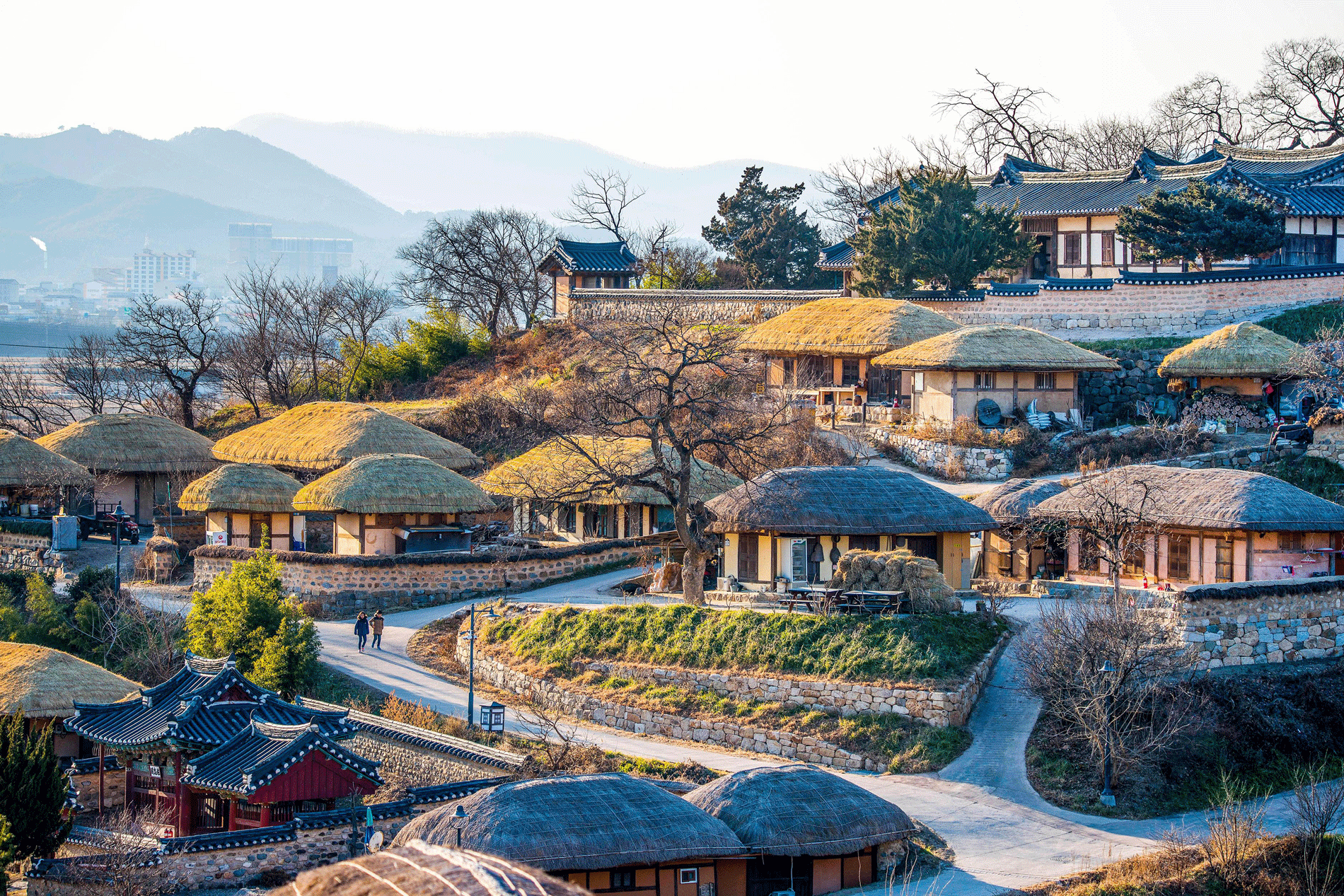
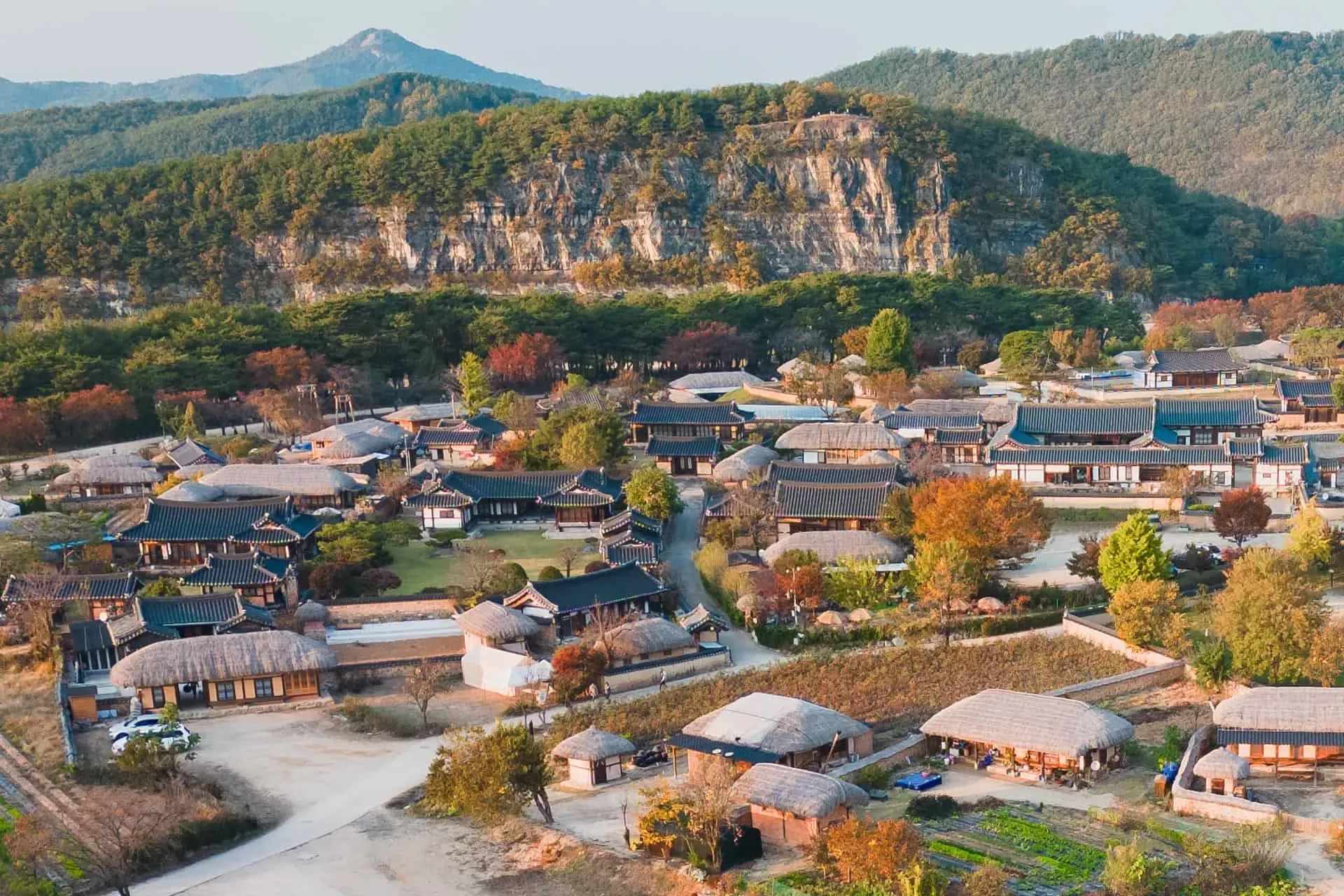
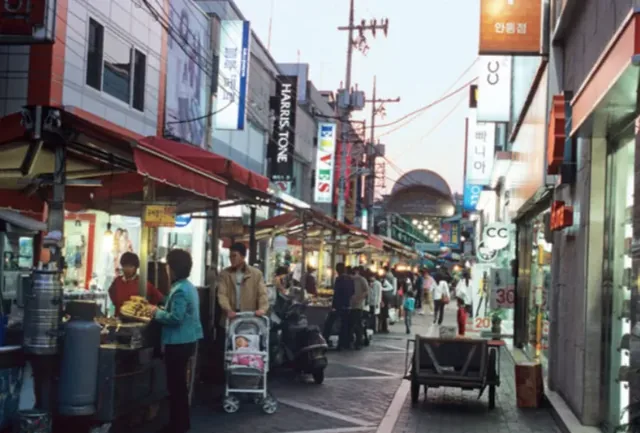
The scene was filmed in the city of Andong, South Korea. Although the drama's action takes place on the picturesque Jeju Island, part of the filming took place in Andong. It was chosen as a location to recreate the atmosphere of a Korean village and historical sites of the 1950s, which was necessary for a realistic depiction of the era in which the main characters live. Located on the Nakdong River, Andong is a major cultural center where ancient traditions are preserved. The city was founded in the 1st century AD and played an important role in Korean history, especially during the Joseon Dynasty, when it became a center of Confucianism. It is home to many historical landmarks, including Hahoe Village and the Folk Museum, where one can learn about the life and customs of the Korean people.
Jeju Island
In the Drama
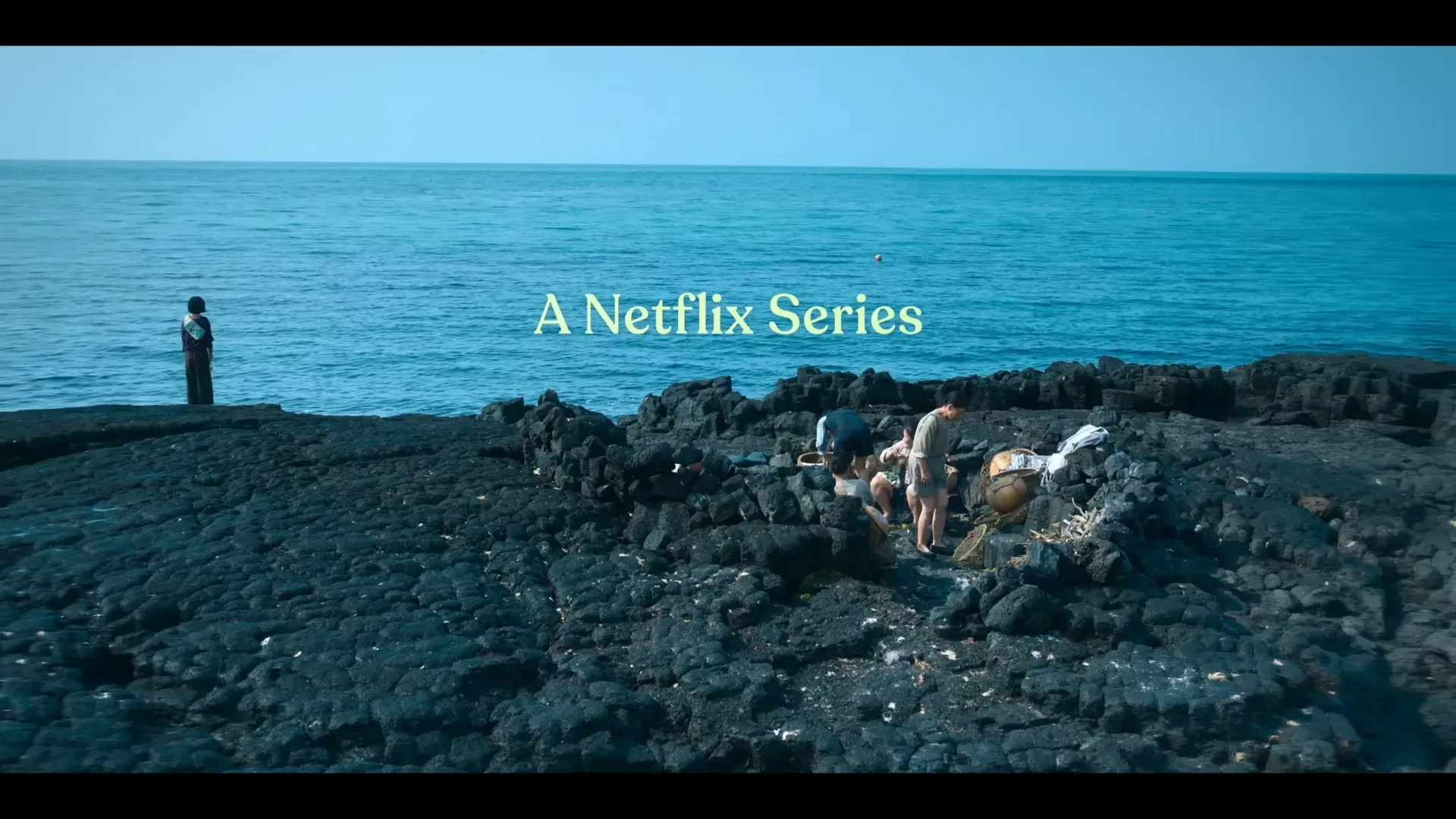
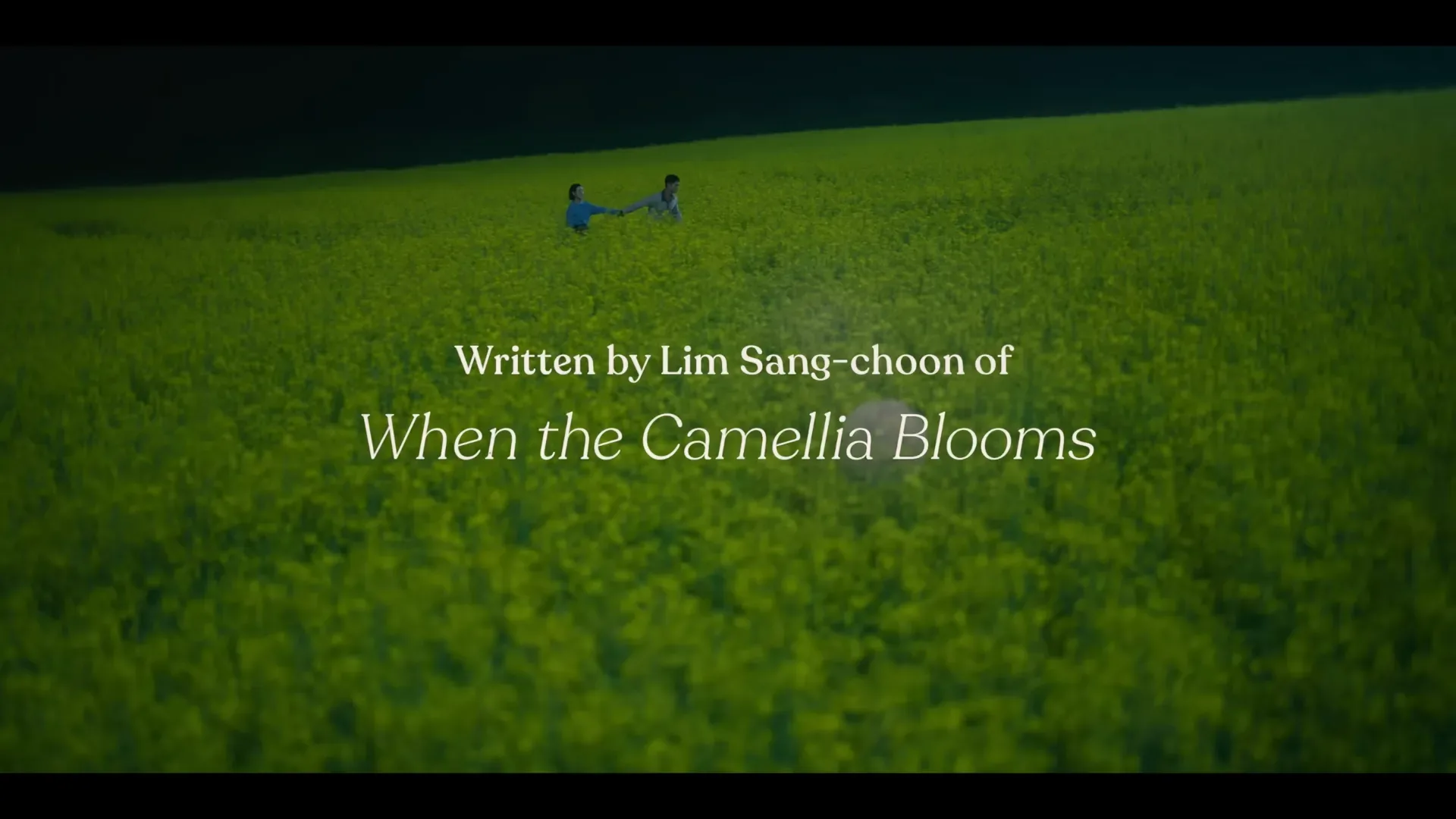

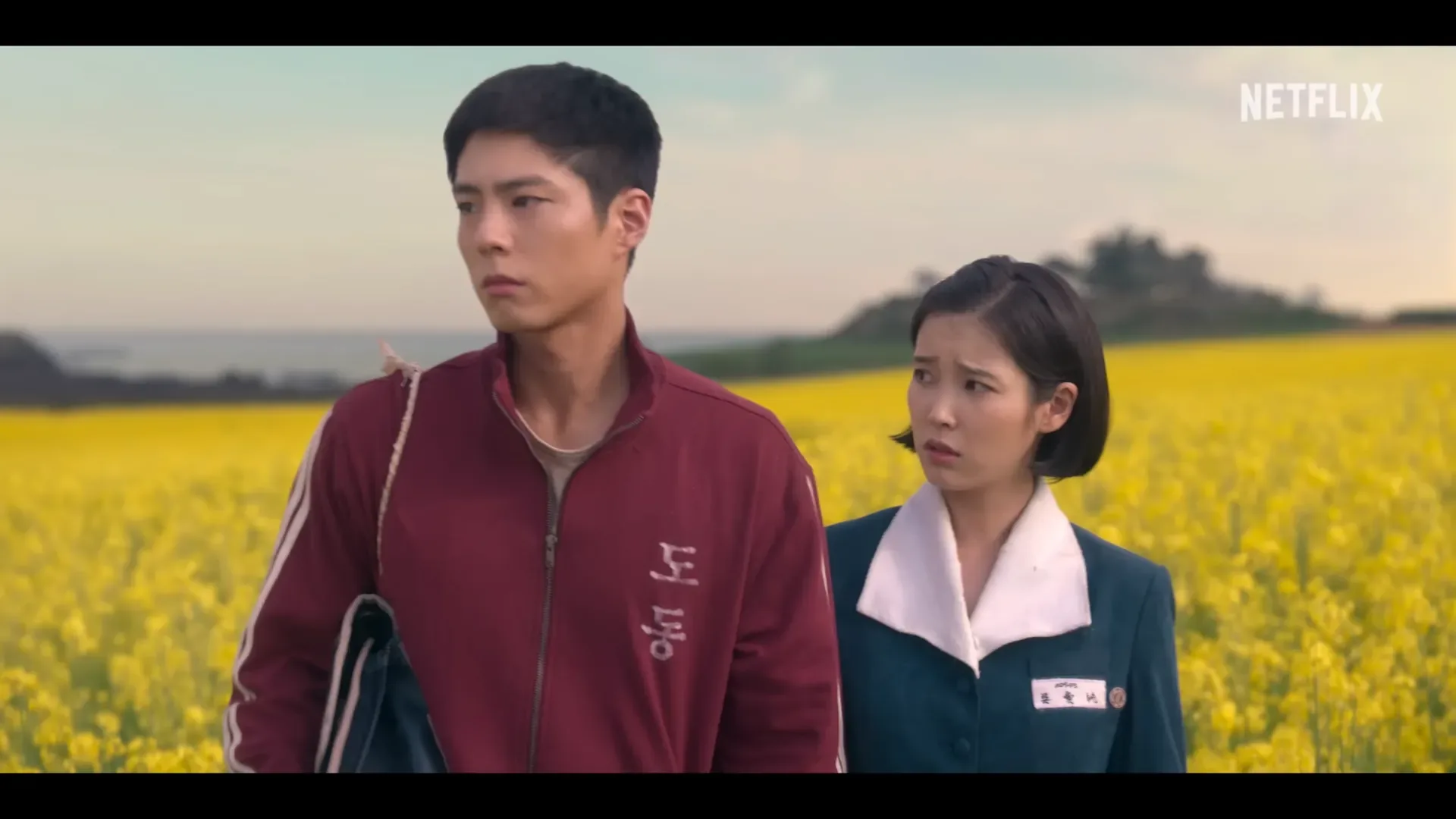
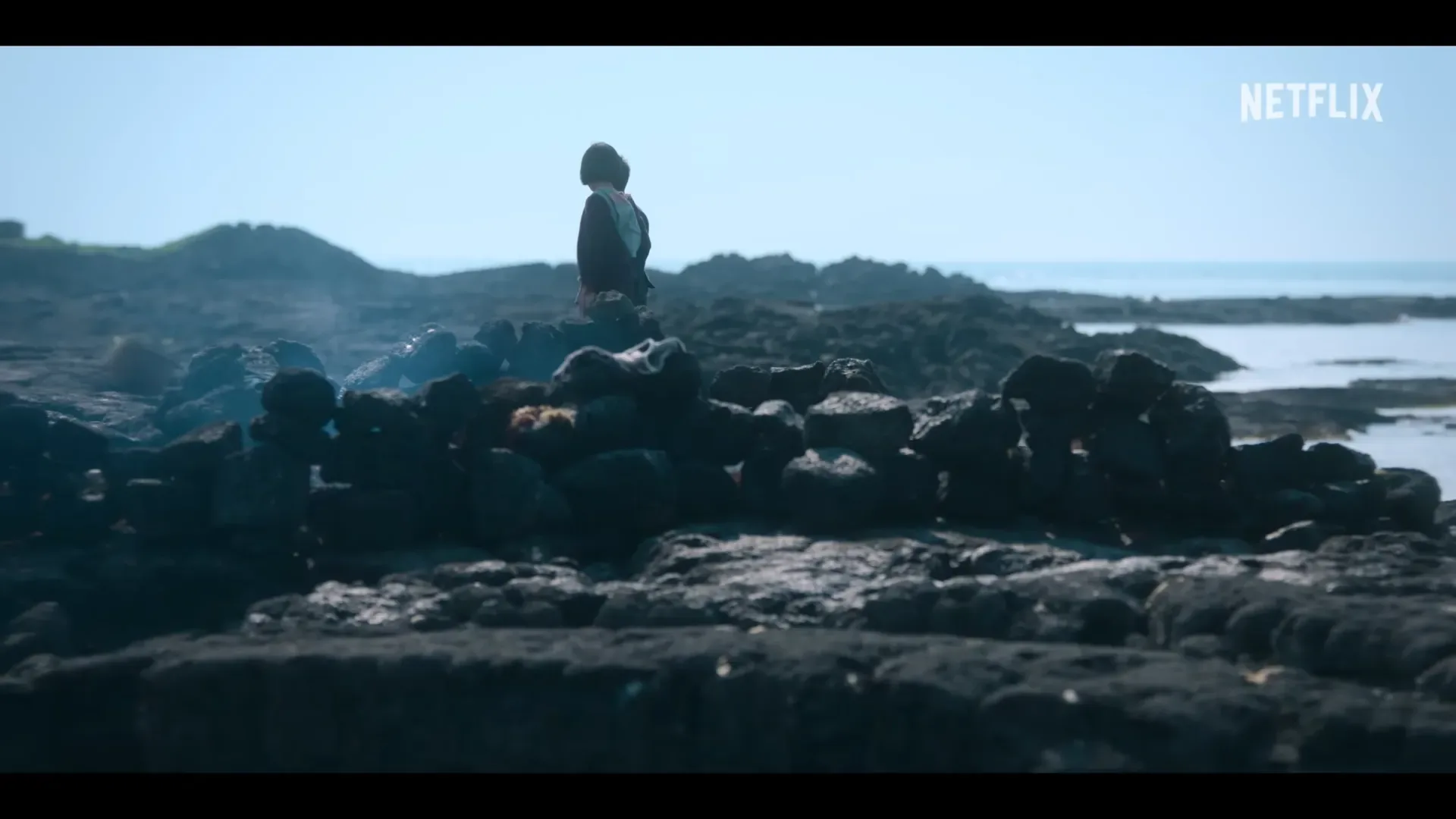
Scene where it shows how Ae-sun and Gwang-sik grew up together on the island. Ae-sun and Gwang-sik have lived their entire lives on the small island of Jeju: interacting from a young age, they grew up and matured together. The characters' lives unfold against a backdrop of picturesque landscapes: endless fields covered with bright flowers, volcanic rocks, azure sea, and tangerine orchards. The island is lush with greenery. It is here that the characters have grown up and are now searching for their place in life. Ae-sun dreams of leaving the island; she is ambitious and strives for more than her home island can offer, while Gwang-sik, on the contrary, loves his home. He has been in love with Ae-sun since childhood, always by her side and supporting her. Their relationship is filled with youthful spontaneity, quarrels, and tender feelings.
In Reality
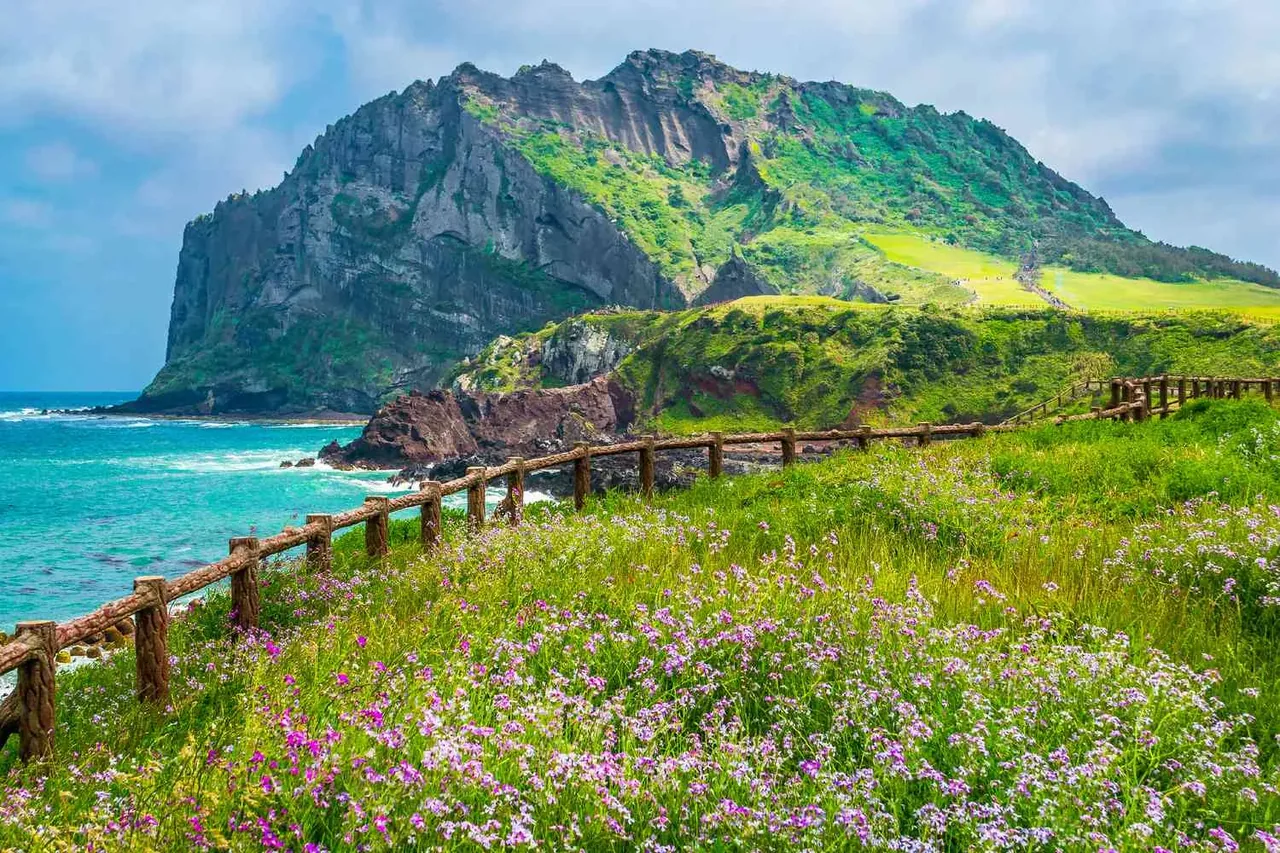
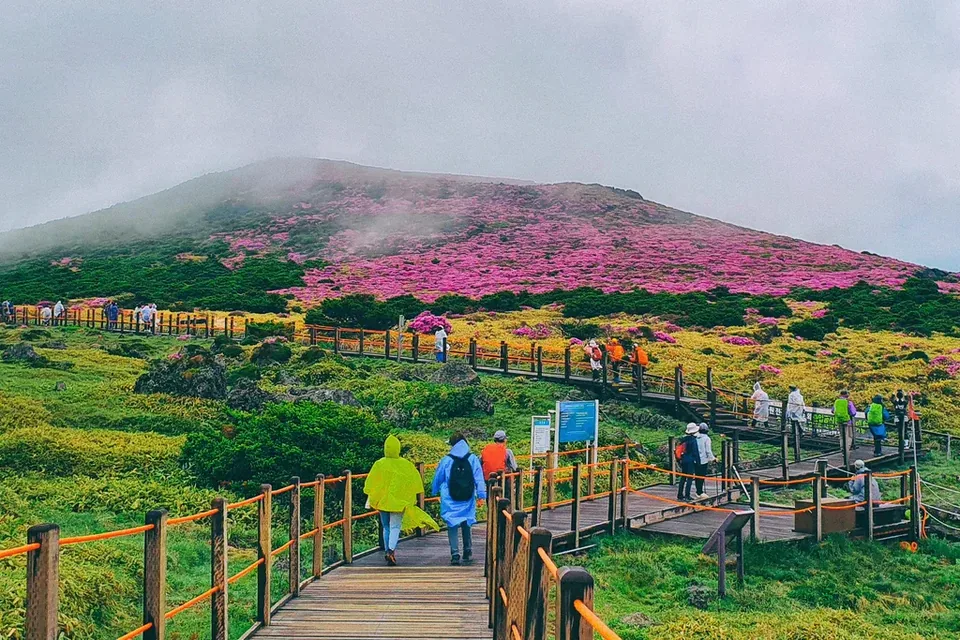
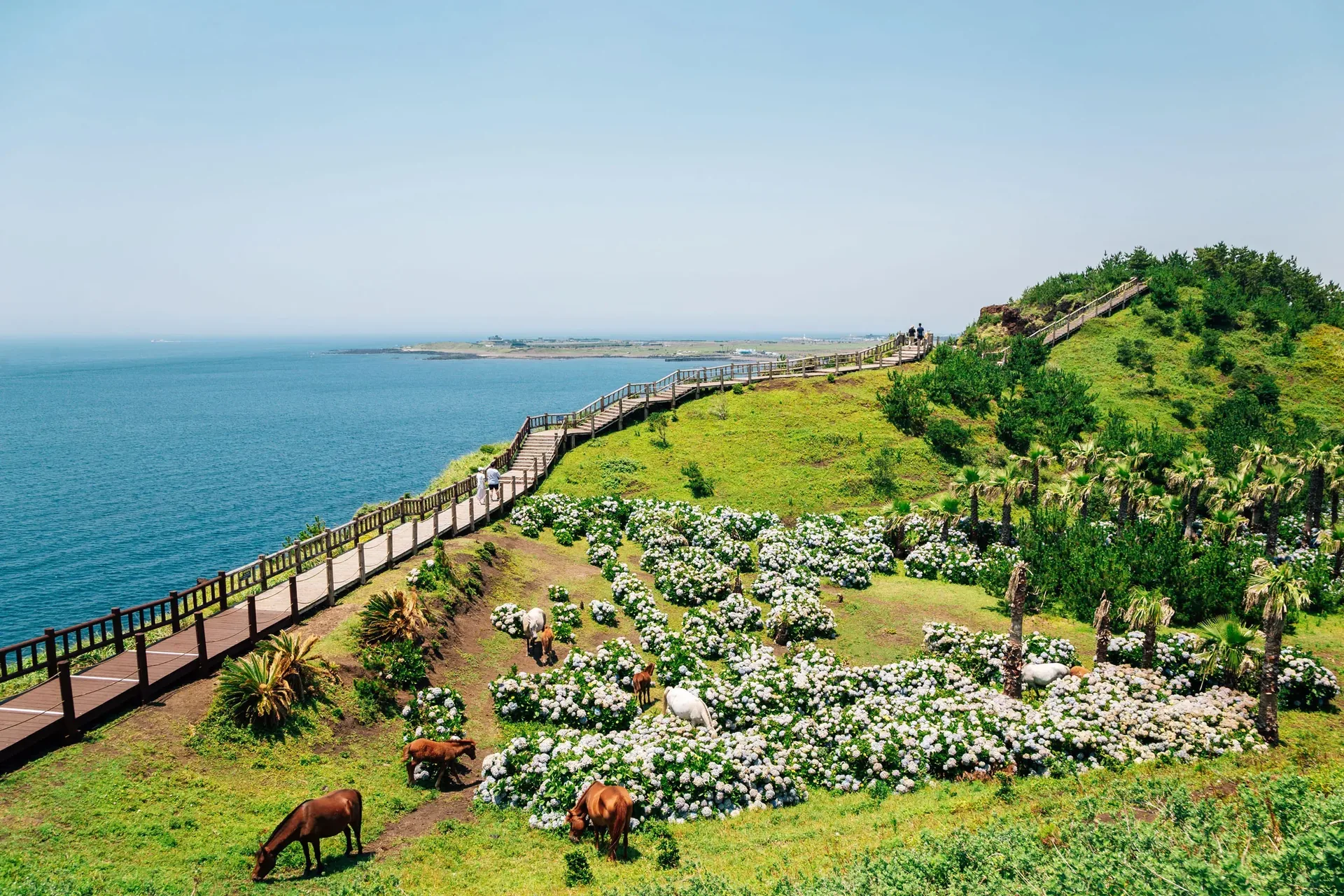
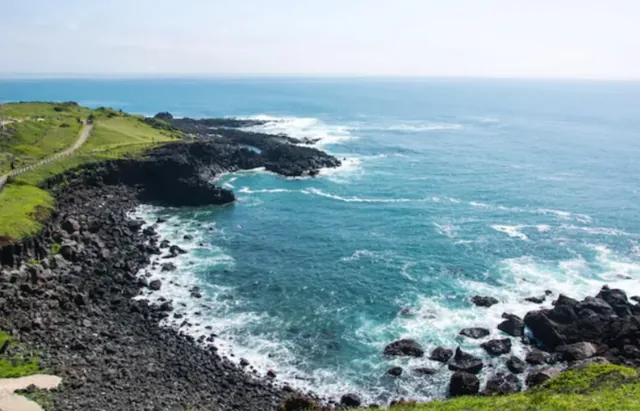
The scene was filmed on Jeju Island in South Korea. Jeju is a true treasure trove of scenic spots and is known for its diverse landscapes, which played an important role in creating the visual backdrop for the main characters' story. The series' narrative spans four seasons, which reflect not only the passage of time but also the different stages of growth and changes in the main characters' fates. Summer brings a riot of greenery to the island, hinting at a period of flourishing and carefreeness, as seen in shots with young Ae-sun and Gwang-sik. In spring, the island is transformed by fields of bright yellow rapeseed flowers, creating unforgettable panoramic views symbolizing hope and new beginnings. Against this backdrop, we see the grown-up characters acknowledging their feelings for each other. In autumn, the tangerine groves ripen, which may symbolize maturity and fruitfulness, and in winter, Jeju displays its serene beauty, replacing bright colors with calmer tones. The diversity of the island's landscapes, changing with the seasons, allows for the creation of various cinematic scenes reflecting both dramatic and romantic moments in the characters' lives. The seasons become a metaphor for their feelings and experiences, making the story even deeper and more emotional.
Comments
0No comments yet.
Sign in to join the discussion.