
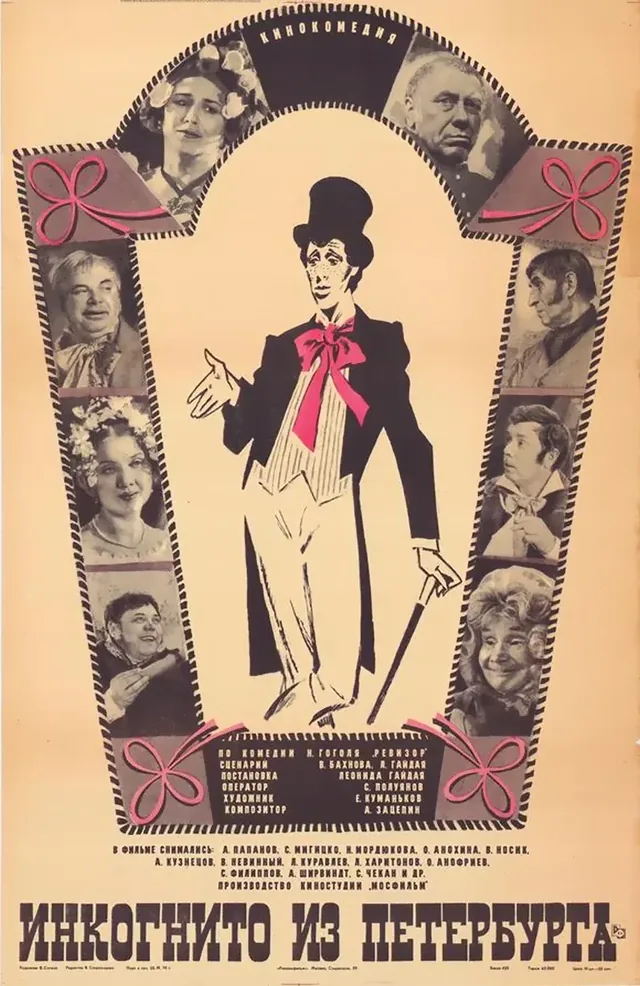
The filming of "Inkognito iz Peterburga" took place in Kasimov, where the city served as the setting for an interpretation of Gogol's "The Government Inspector." The main locations included the central streets, where scenes with carriages and an artificial puddle were shot, as well as the post station building. In early June 1977, the key episode of Khlestakov's hasty departure was filmed, lasting only 17 seconds but requiring five hours of shooting. The landscapes and architecture of Kasimov gave the film the atmosphere of a provincial town. Filming in Kasimov ended on June 24, 1977, after which the crew returned to Moscow for studio work.
Filming Locations:
Khlestakov Arrives in the Town Square
In the Film
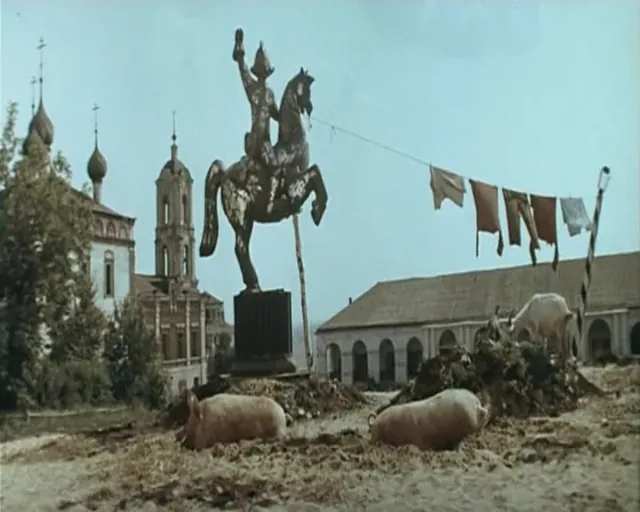
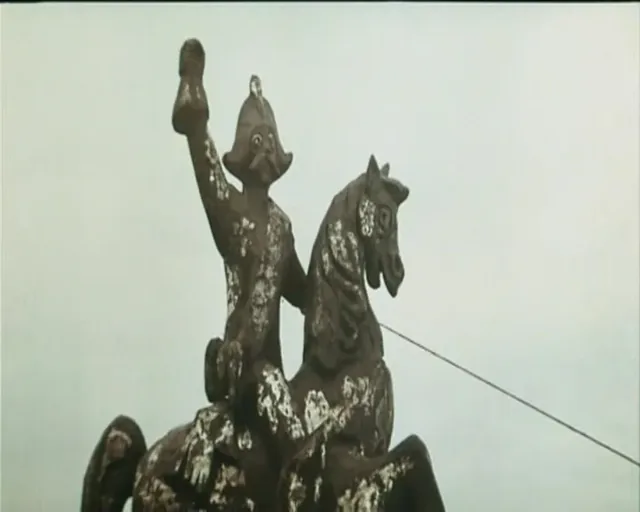
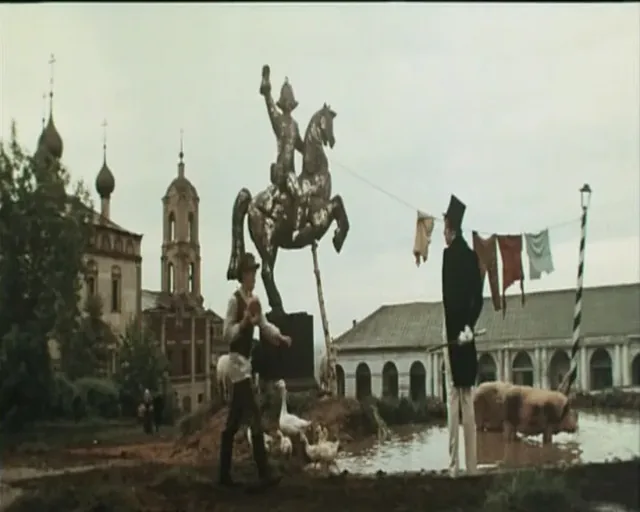
Scene where The main character, Ivan Khlestakov, arrives at the town square, which depicts a typical provincial market of the mid-19th century. The square is bustling with trade: people actively sell food and vegetables, and pigs walk in the mud near the stalls. This scene creates the atmosphere of a lively and somewhat neglected provincial town, consistent with Gogol's satire.
In Reality
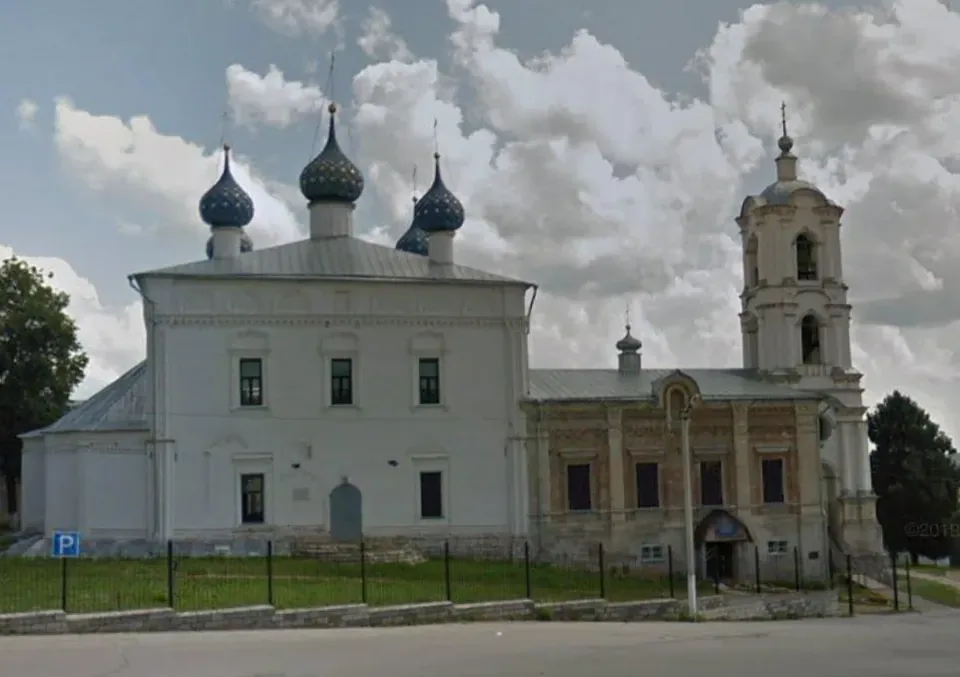
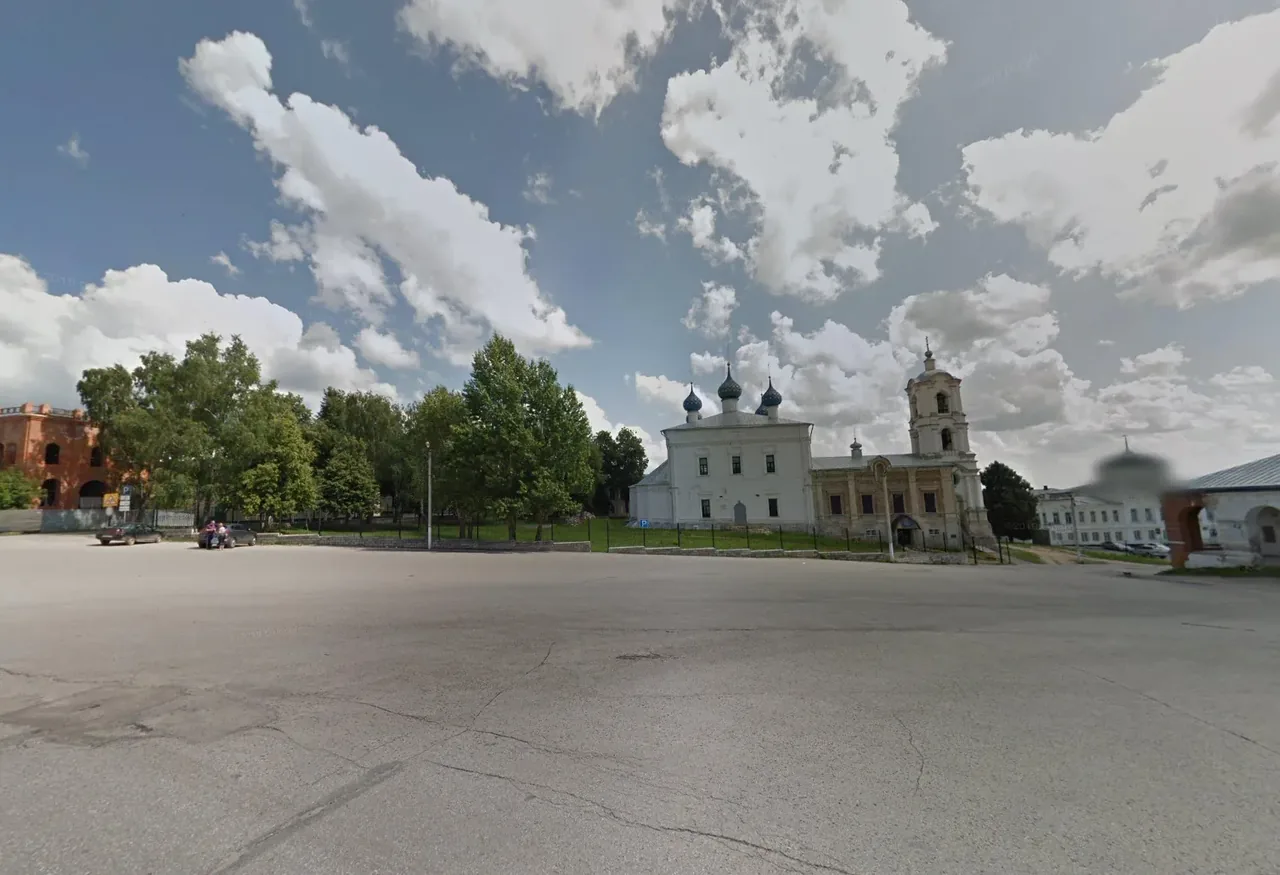
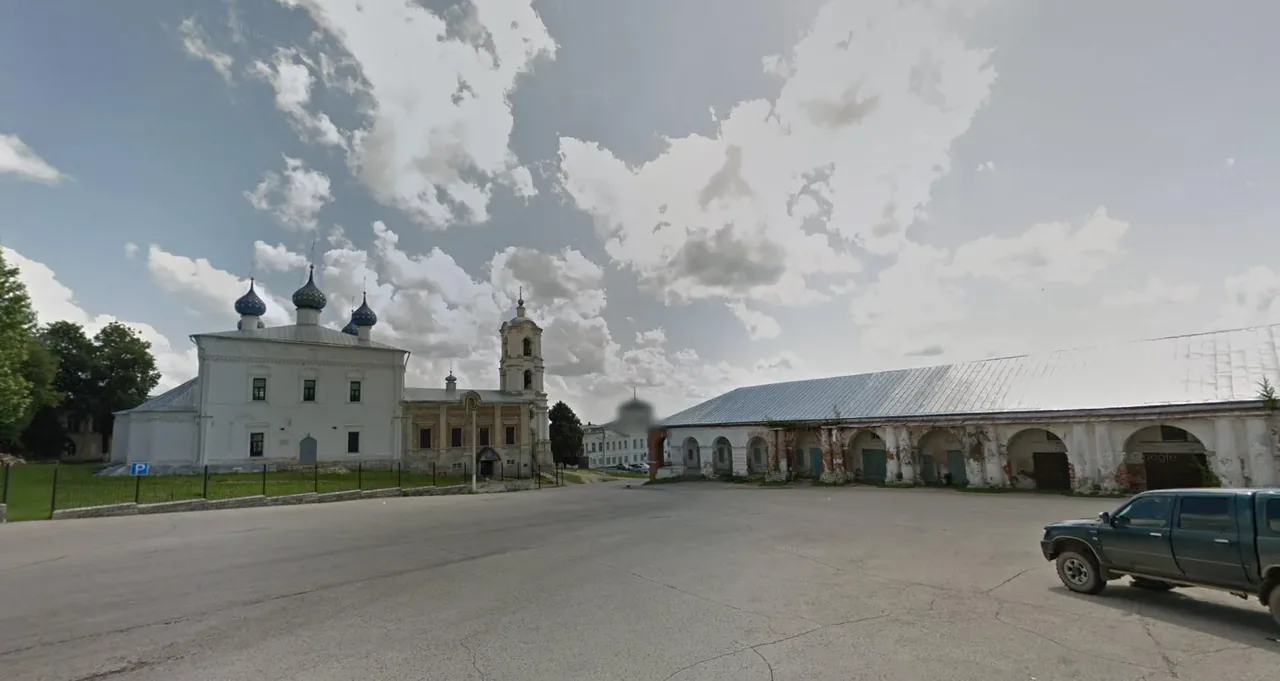
The scene was filmed at "The square in Kasimov, where the filming of the movie ""Inkognito iz Peterburga"" took place, was chosen for its unique historical and architectural significance. Cathedral Square is the center of urban life and represents a ""stone fairy tale"" with merchant mansions, shopping arcades, and administrative buildings, which perfectly matched director Leonid Gaidai's idea of recreating the atmosphere of a 19th-century provincial town. The setting serves as a backdrop for the plot development, where Khlestakov, mistaken for an inspector, becomes a key figure in the comedy. The square also showcases the city's historical buildings, including the Trading Rows and other architectural monuments, adding authenticity and historical depth to the film."
Trading Rows
In the Film
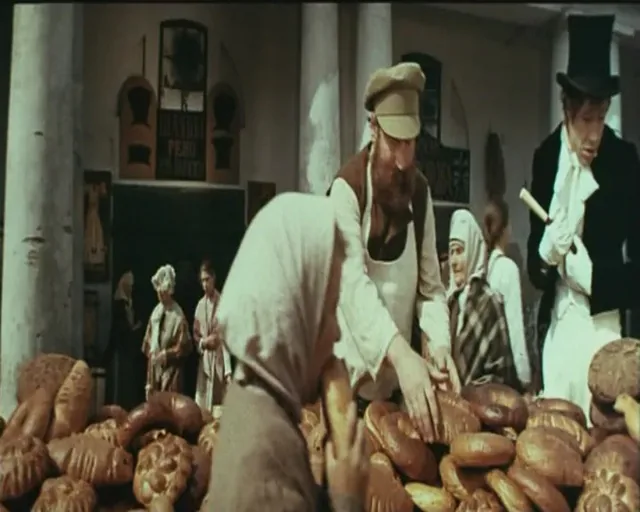
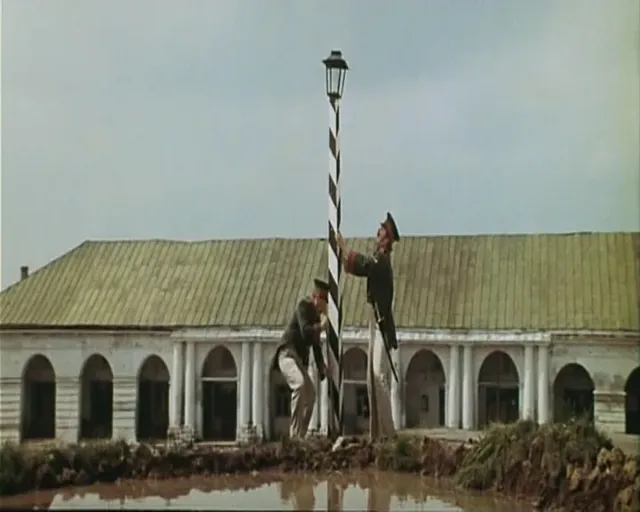
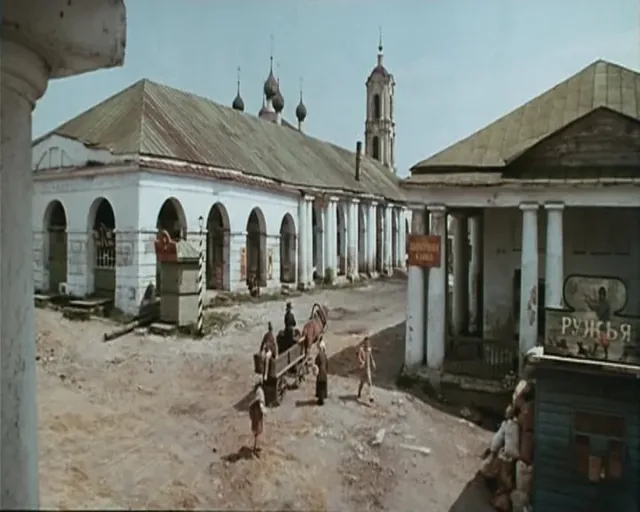
Scene where After leaving the square, Khlestakov continues to explore the town, heading towards the trading rows. He observes everything around him with interest, even noticing a cat walking down the street. This scene highlights his curiosity and naivety, as he perceives everything with fresh eyes. At the trading rows, Khlestakov stops at a vendor offering dried bread and tea from a samovar, and makes a remark to him, adding comedic effect.
In Reality
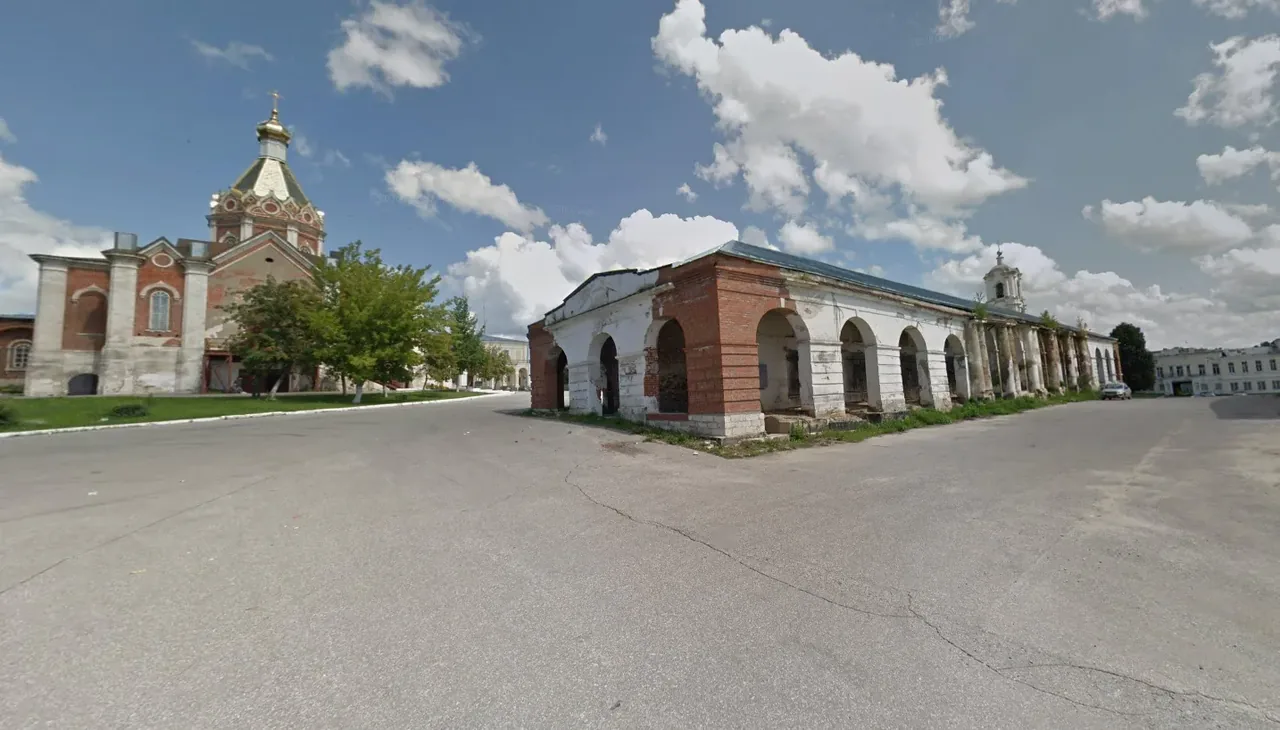
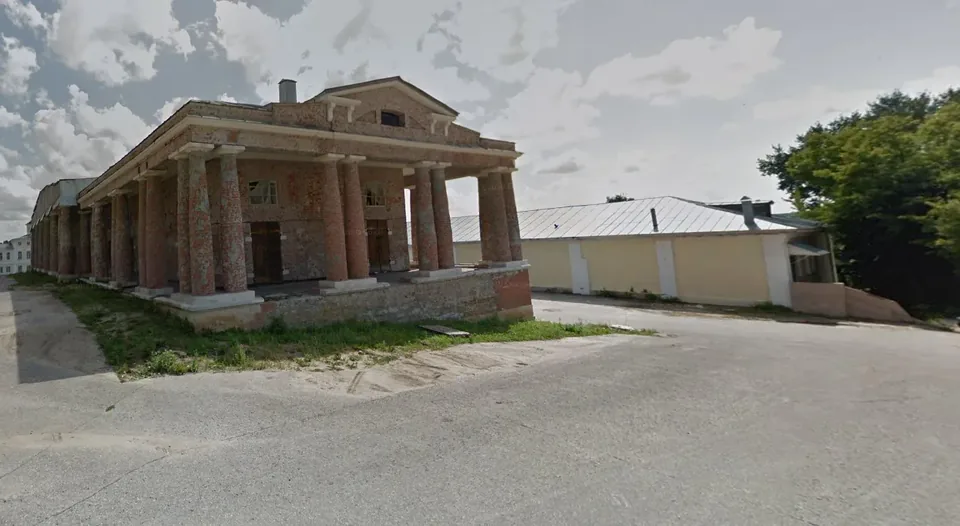
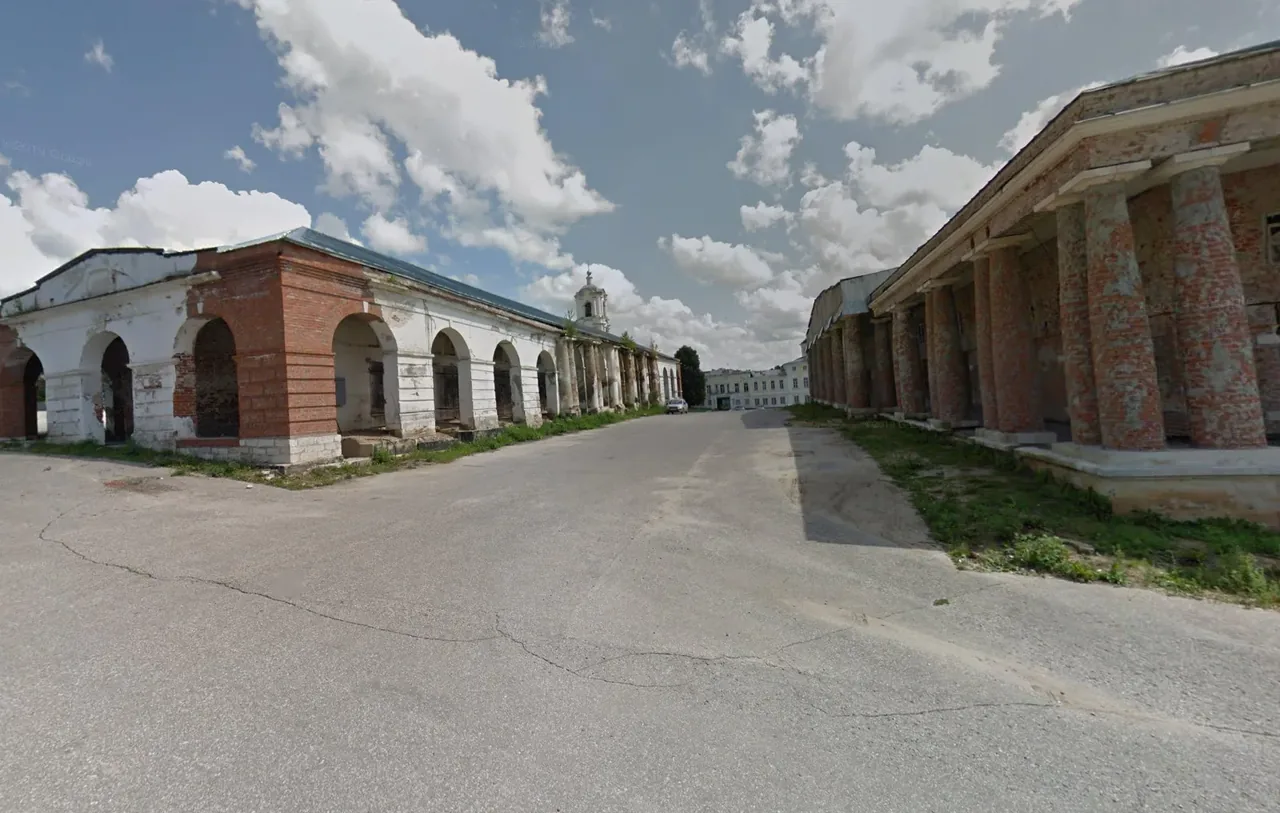
The scene was filmed at "The Trading Rows, built in the early 19th century, are one of the most impressive examples of merchant architecture in Russia, perfectly matching director Leonid Gaidai's idea of recreating the atmosphere of a provincial town of that time. As Khlestakov carefully examines the trading rows, locals begin to notice him, though they do not yet realize he might be the inspector. This scene emphasizes Khlestakov's curiosity and naivety, as well as the growing attention from the townspeople. The Trading Rows serve as a backdrop for the plot development, where Khlestakov begins to influence urban life without even realizing it. The choice of this location allowed for a realistic setting for the scene where Khlestakov, almost involuntarily, starts playing the role of an important official, adding comedy to the film."
The Mayor's House
In the Film
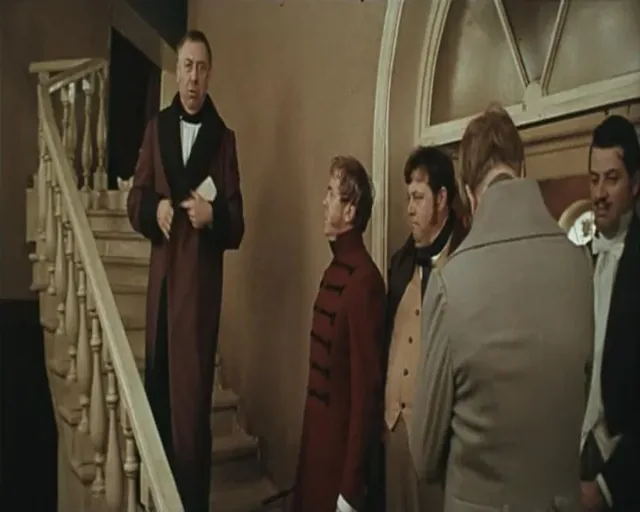
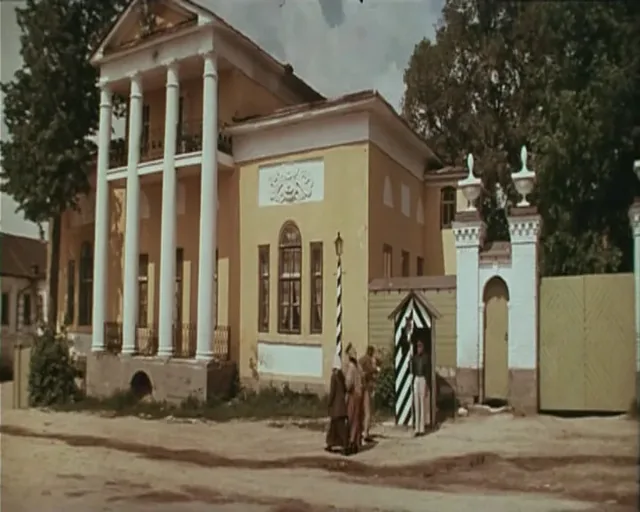
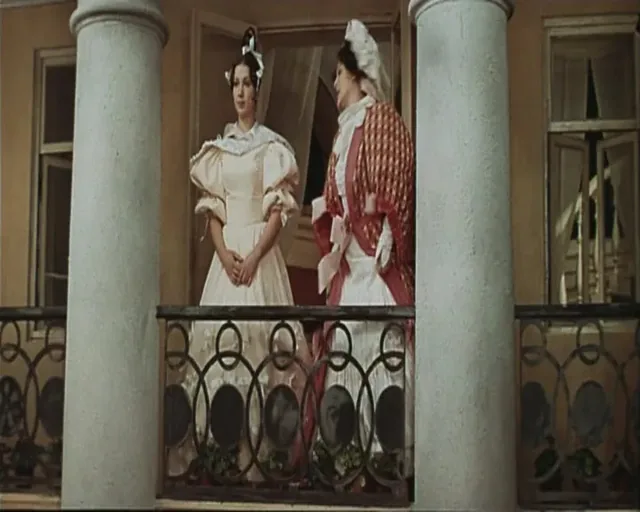
Scene where The mayor, Anton Antonovich Skvoznik-Dmukhanovsky, learns of the inspector's arrival and hurries to meet him. In the mayor's house, his colleagues and subordinates are all worried and discussing the news of the inspector's arrival. When the mayor decides to go by carriage to meet him, he becomes the center of attention. At that moment, the mayor's wife and daughter stand on the balcony of the house, shouting after him, asking where he is going so quickly.
In Reality
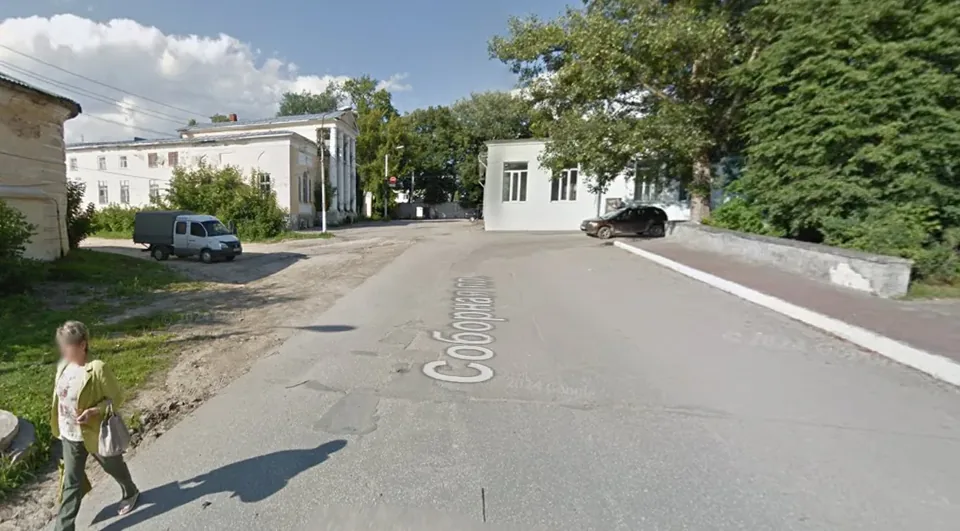
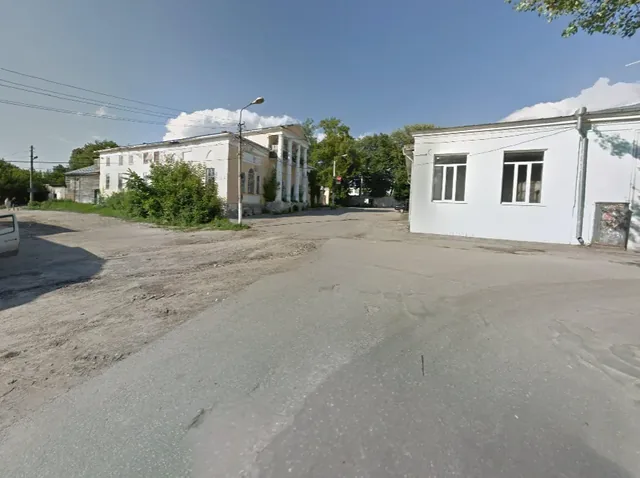
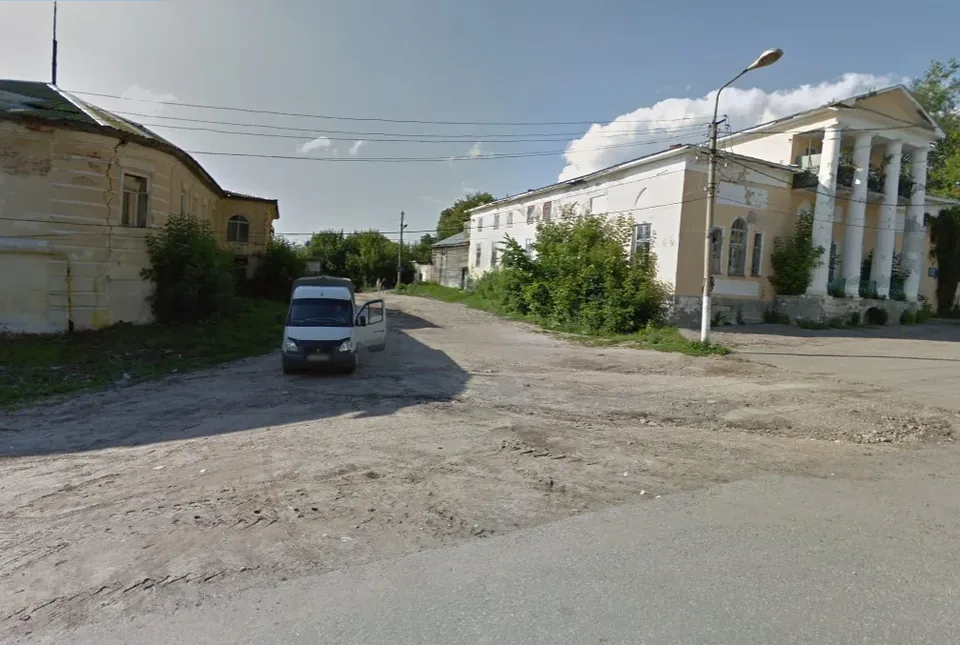
The scene was filmed at "The Nastavina Estate, built in 1813 on Cathedral Square in Kasimov, was chosen for the filming of ""Inkognito iz Peterburga"" due to its unique architecture and historical significance. This mansion, a federal heritage site, perfectly fit director Leonid Gaidai's idea of recreating the atmosphere of a 19th-century provincial town with few wealthy houses. The use of the Nastavina Estate allowed for a realistic setting for the mayor's house, emphasizing his status and position in society. The estate, with its rich history and architectural beauty, reflects the mayor's standard of living and influence, which is important for the plot development. In the film, the estate serves as a backdrop for interior scenes where the mayor makes important decisions and interacts with other characters, adding authenticity and historical depth to the film. The choice of this estate was also due to its location on Cathedral Square, which is the center of urban life and includes other historical buildings and architectural monuments."
Kommentare
0Noch keine Kommentare.
Melde dich an, um mitzudiskutieren.