
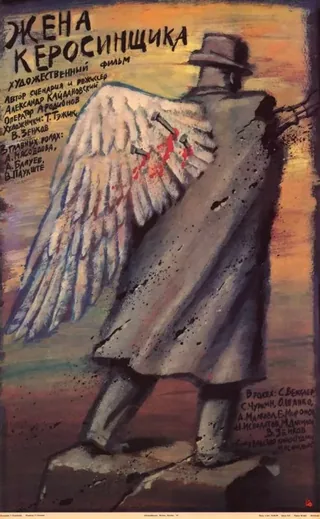
Kaidanovsky created his film using various locations in the Kaliningrad region. In total, filming took place in nine settlements of the region, from which the director formed a collective image of a city in 1953. Absurdist and grotesque scenes, imbued with an atmosphere of mysticism, were shot in Kaliningrad, which in the film received the fictional name Bonyavsk. The Kaliningrad locations in the film emphasize its unusual and mysterious atmosphere. The characters appear at the grave of philosopher Immanuel Kant and the ruins of the Cathedral on the island of Kneiphof, which was in disrepair in those years. A significant part of the filming took place in the city of Gvardeysk, where the Tapiau Castle stands out — a picturesque and majestic building that appears in key episodes of the film. However, the central location was the city of Polessk, which was used more often than others. Scenes shot in Polessk occupy most of the screen time and are filled with vivid details. Each location plays an important role in creating the fictional world of Bonyavsk, intertwining real historical places with artistic fiction.
Filming Locations:
City Executive Committee Building
In the Film
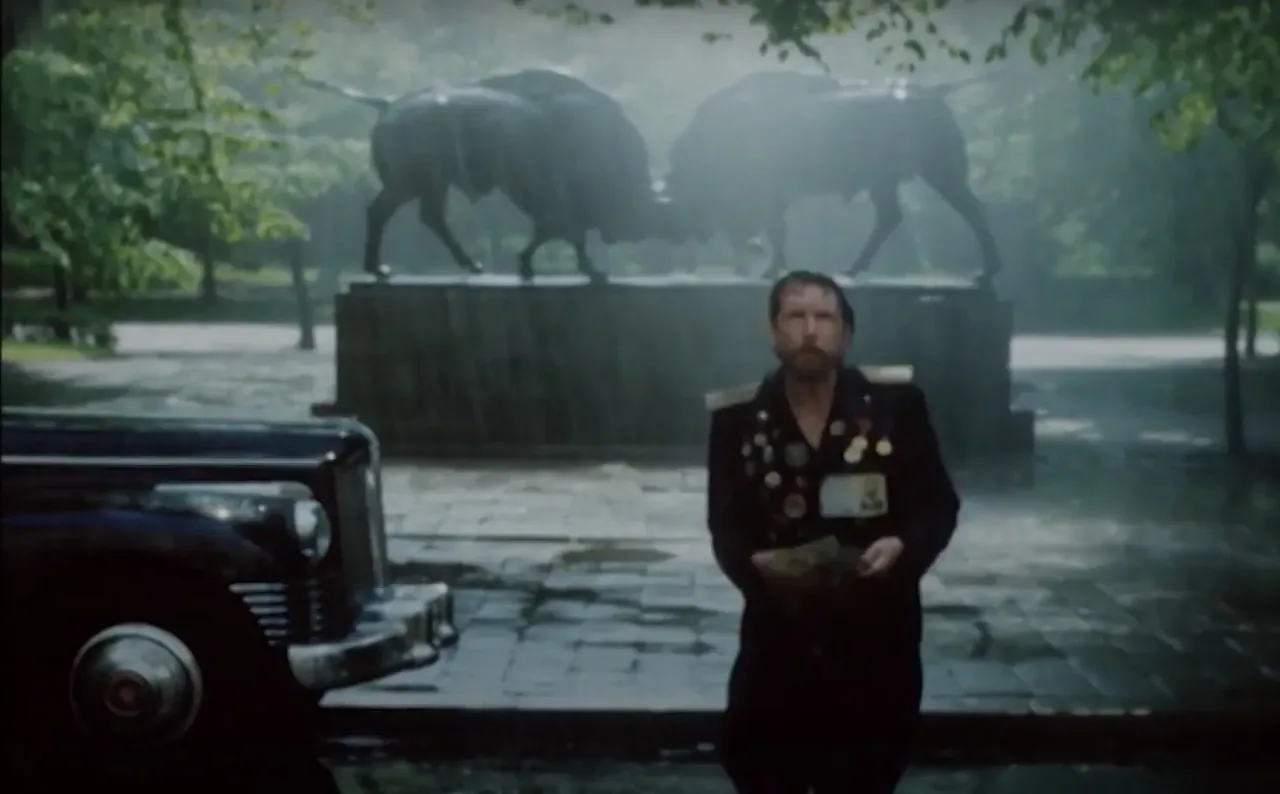
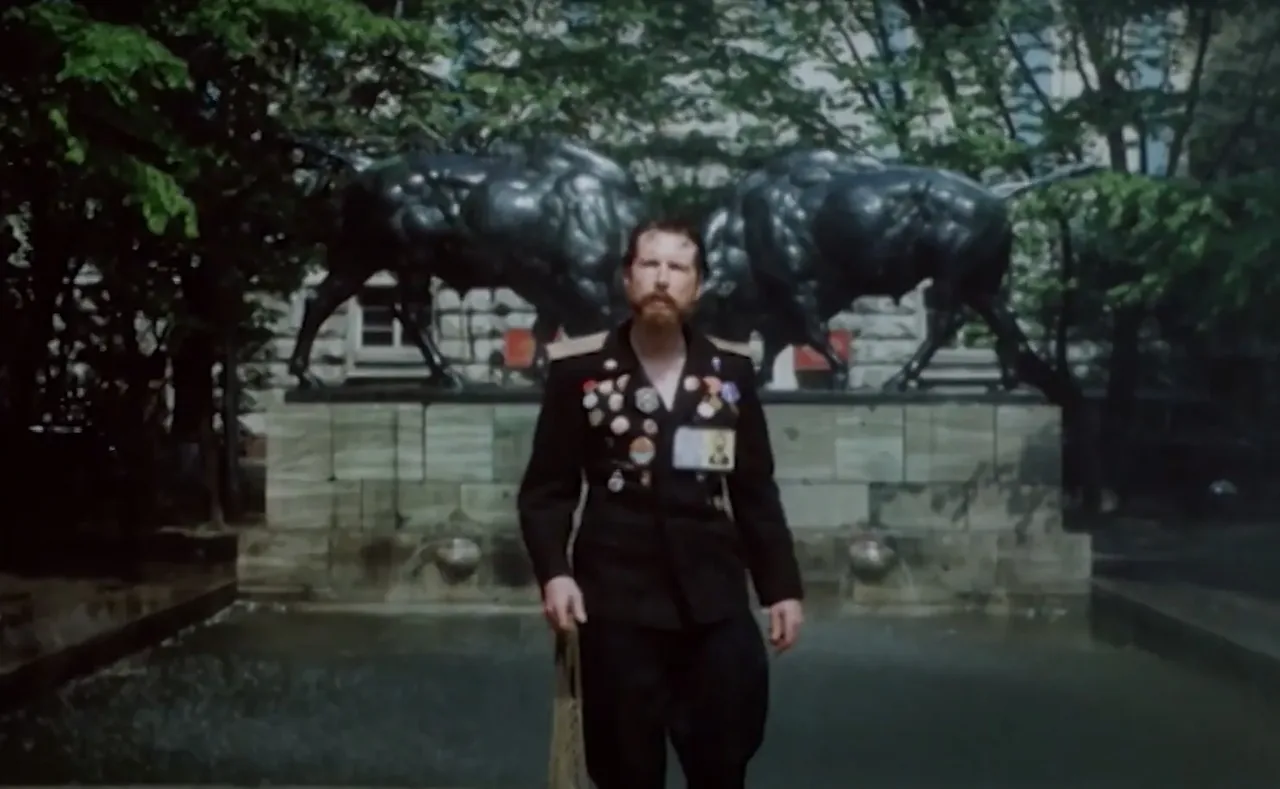
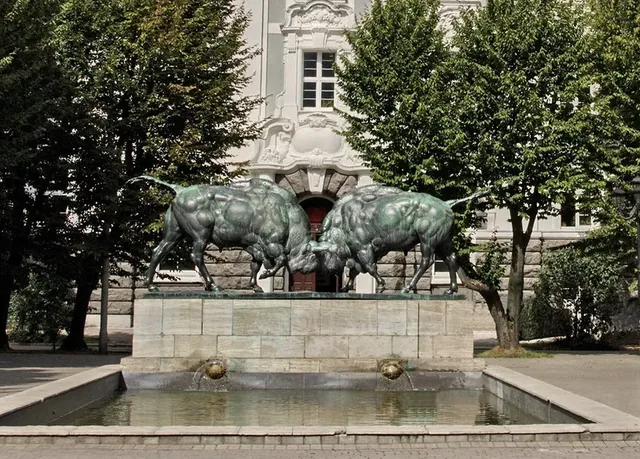
The scene where the old partisan Vasily Petrovich Dobrynin stands under a torrential rain and clearly plots something. In his eyes, determination and pain are read. Passing through a fountain, he reaches the city executive committee building and smashes the institution's window with a stone.
In Reality
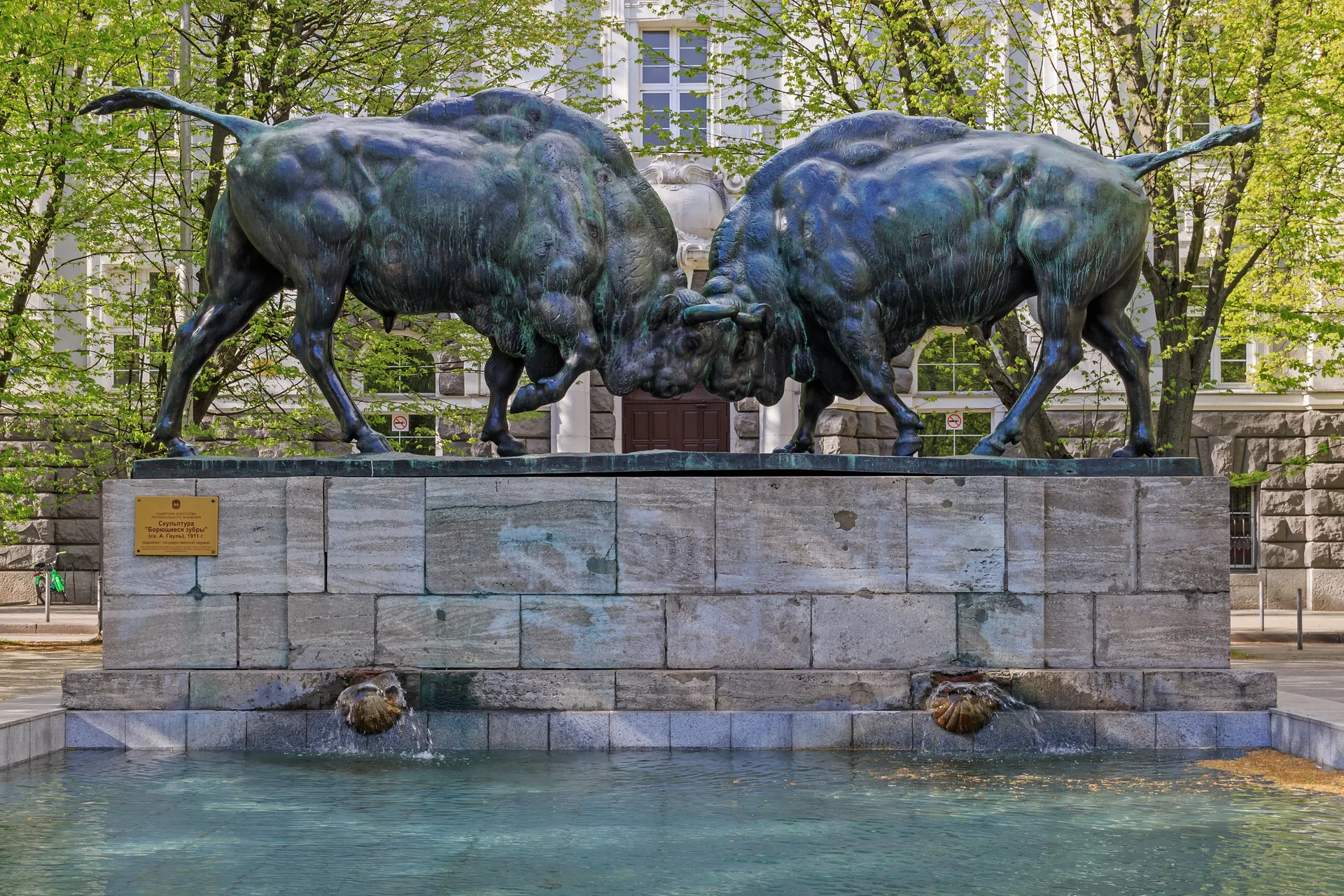
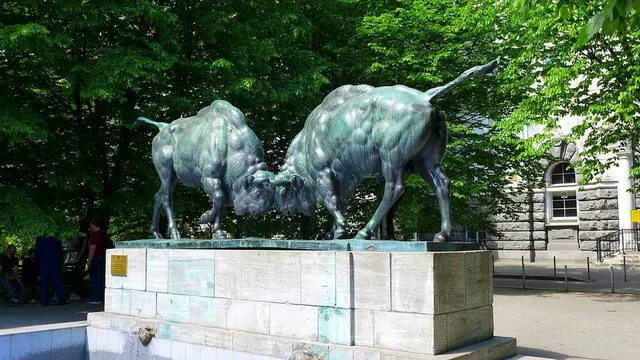
The scene was filmed in Kaliningrad, in the square on Mira Avenue, next to the modern building of the Kaliningrad State Technical University. The central element of the scene was the famous work of animal sculptor August Gaul, which locals call "the bulls." This composition symbolizes the eternal struggle of kindred beings — close in spirit and nature. The sculpture seems to set the tone for the entire film, filling it with deep philosophical subtext.
Gypsy Camp
In the Film
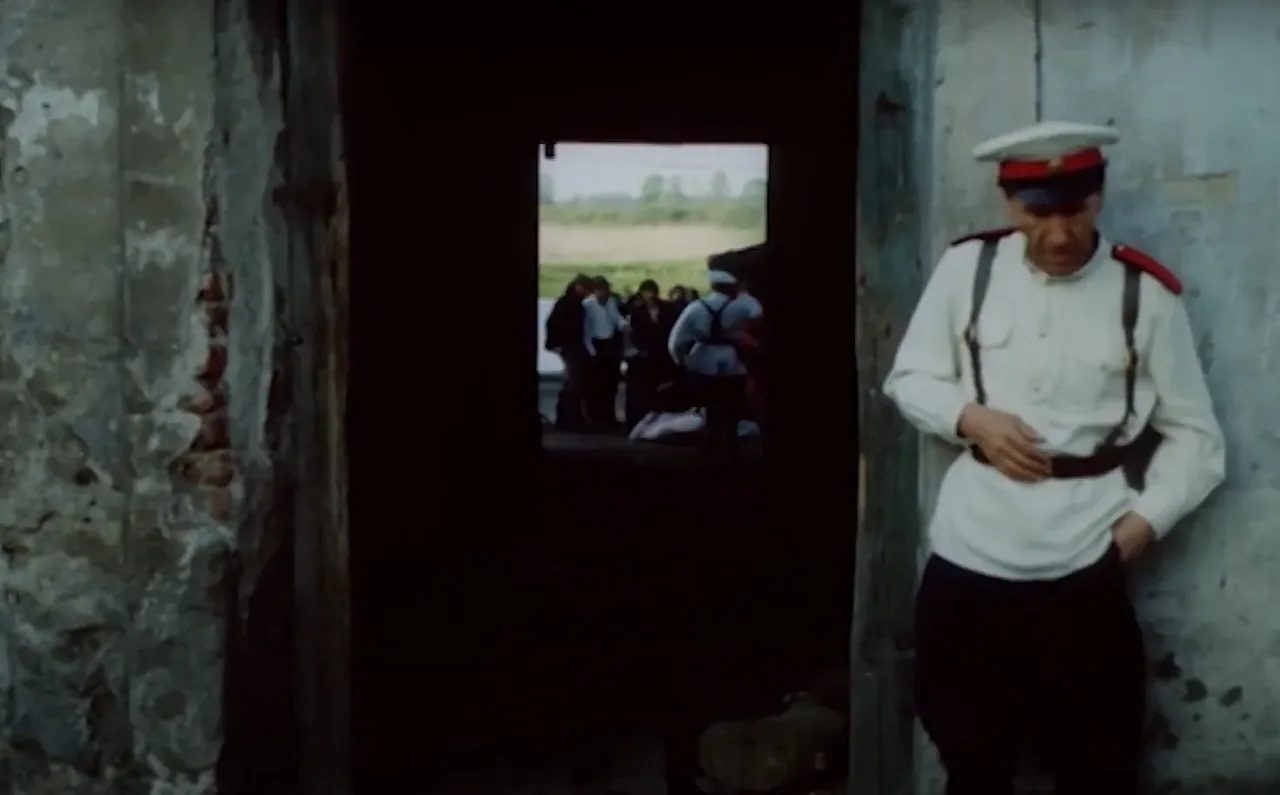
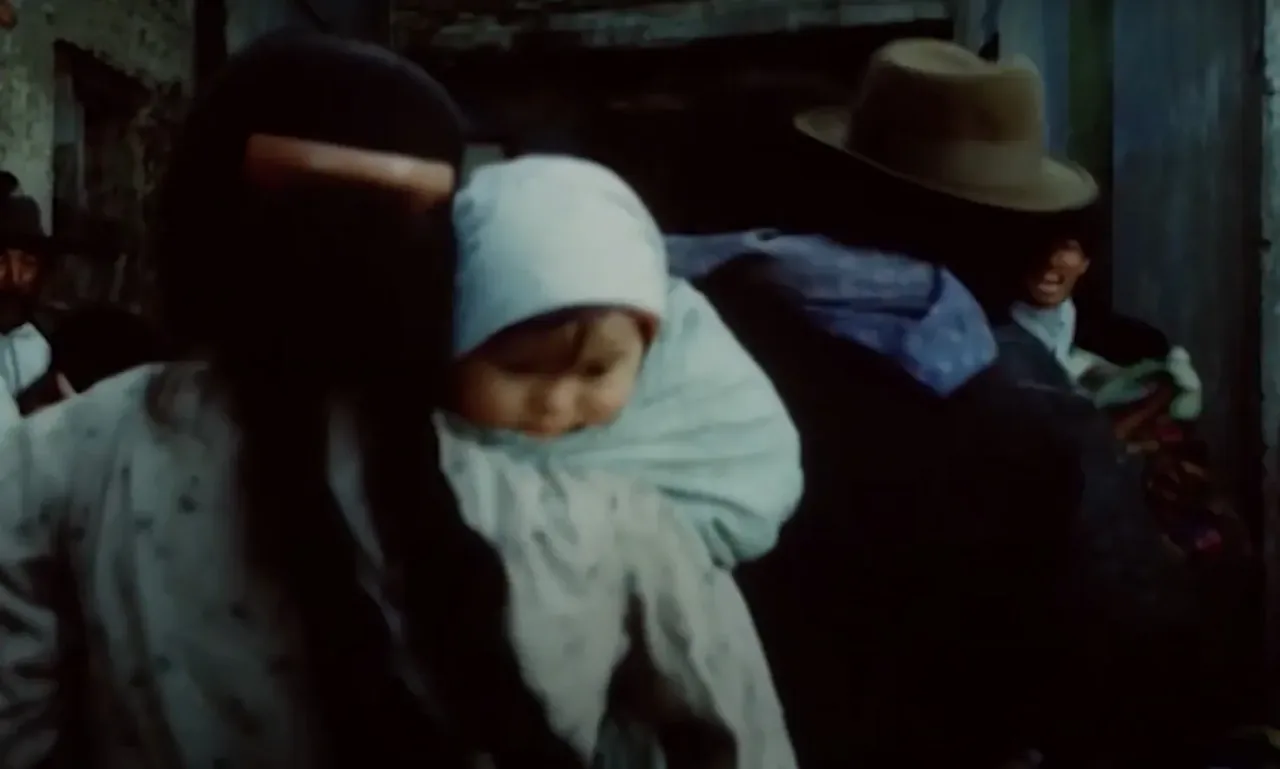
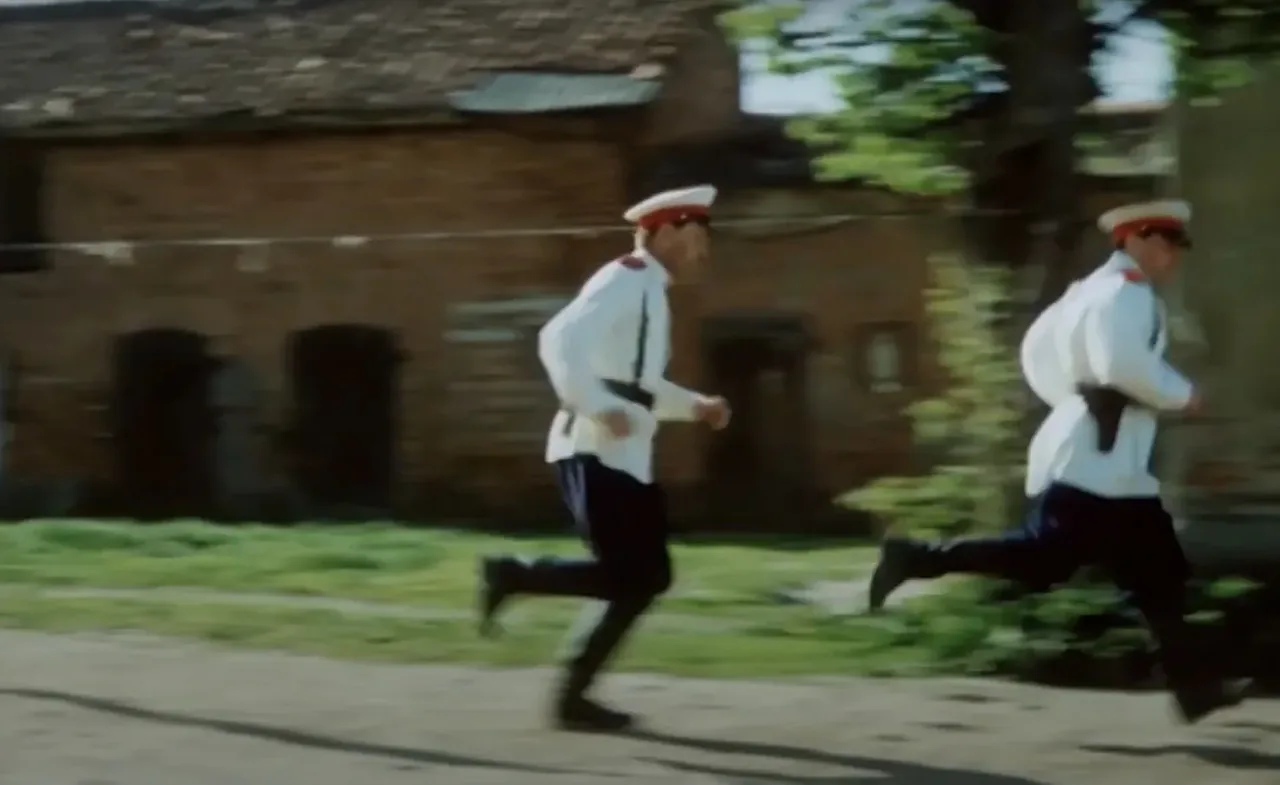
The scene where a group of guards in snow-white uniforms disperses the local gypsies. The gypsies, noisily protesting, scatter in different directions. Cries in different languages are heard, mixed with angry reproaches and pleas. Women press children to themselves, men wave their arms as if trying to protect their families.
In Reality
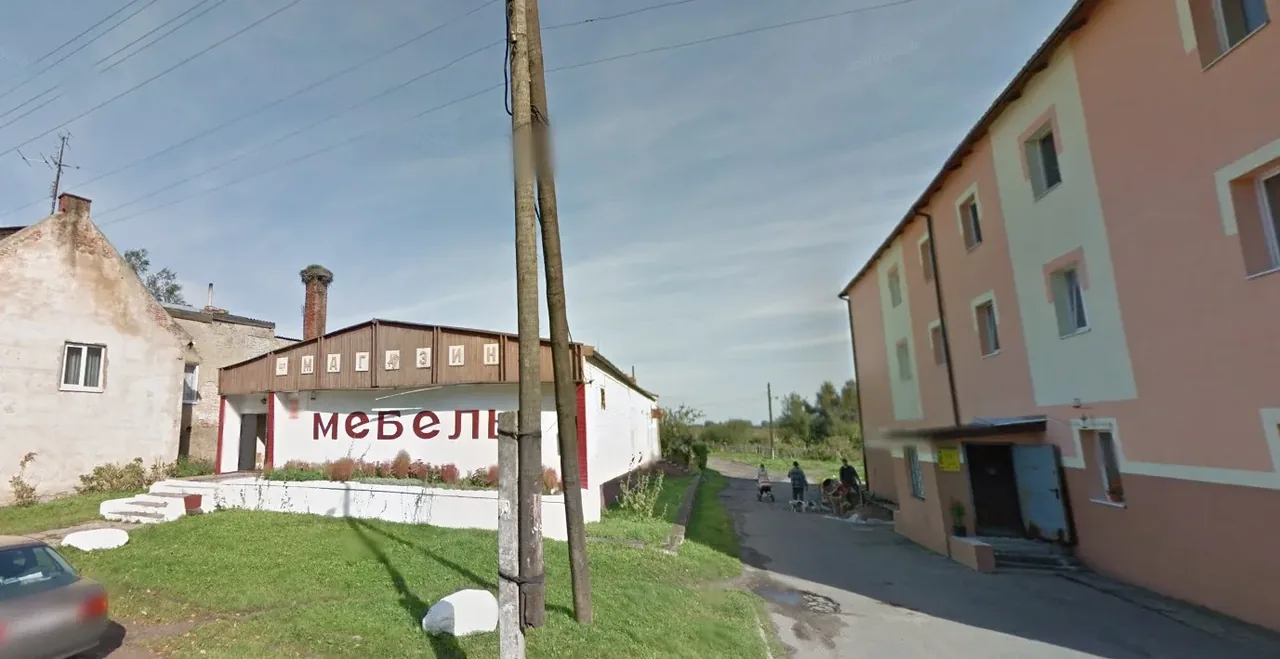
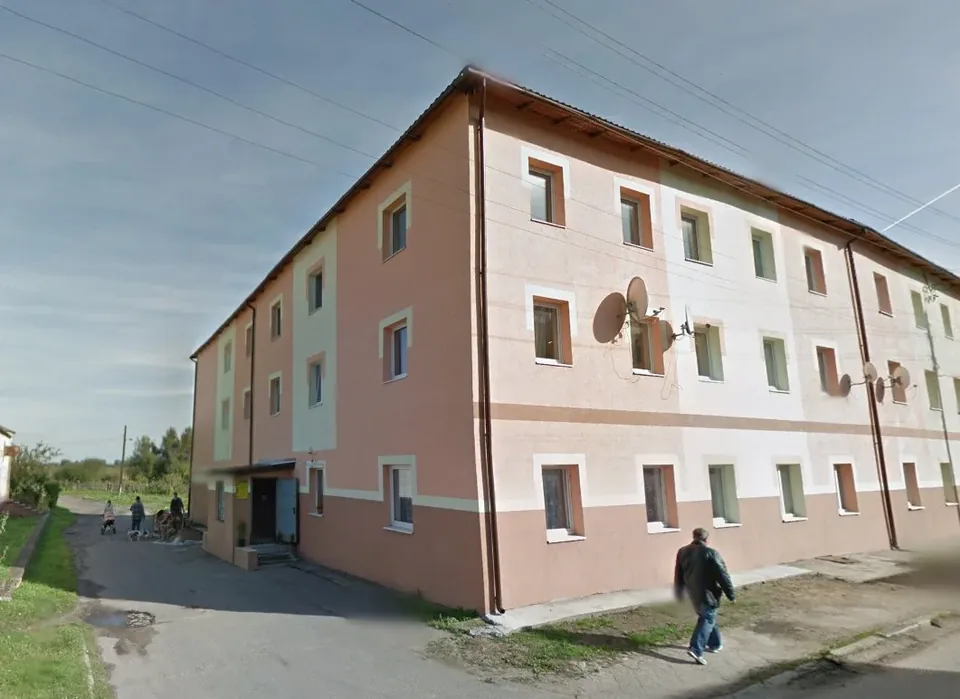
The scene was filmed on Naberezhnaya Street in the city of Polessk, Kaliningrad region. For greater authenticity, local gypsies participated in the crowd scenes. However, the buildings that served as the backdrop for these scenes have not survived to this day — they were demolished almost immediately after the filming process was completed.
Ruins
In the Film
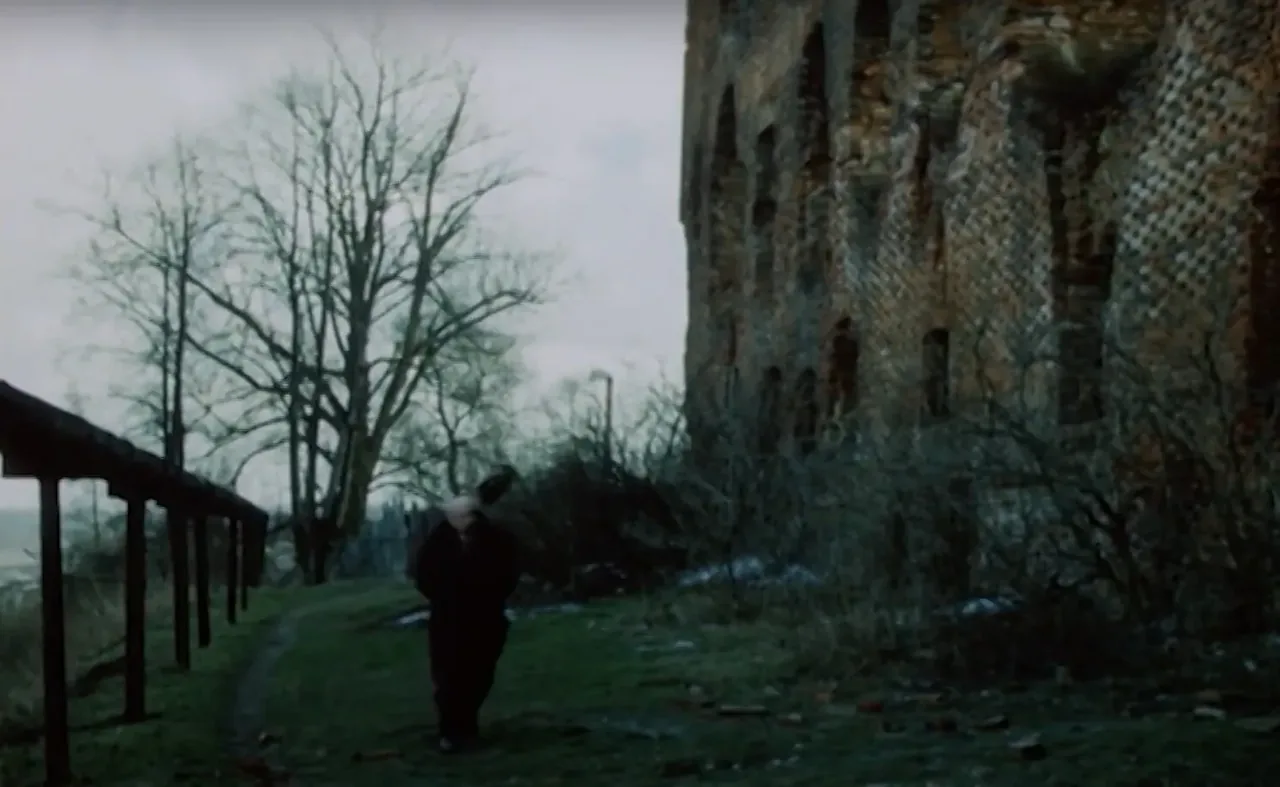
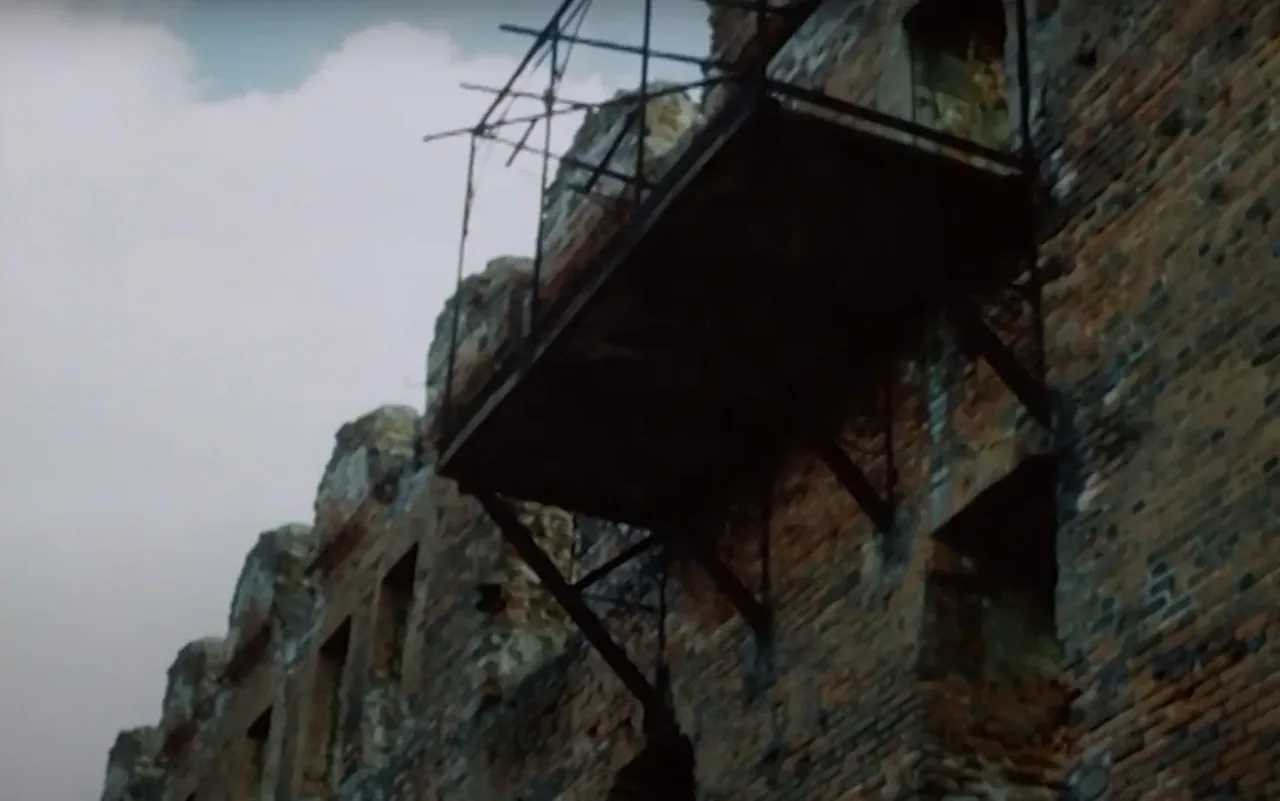
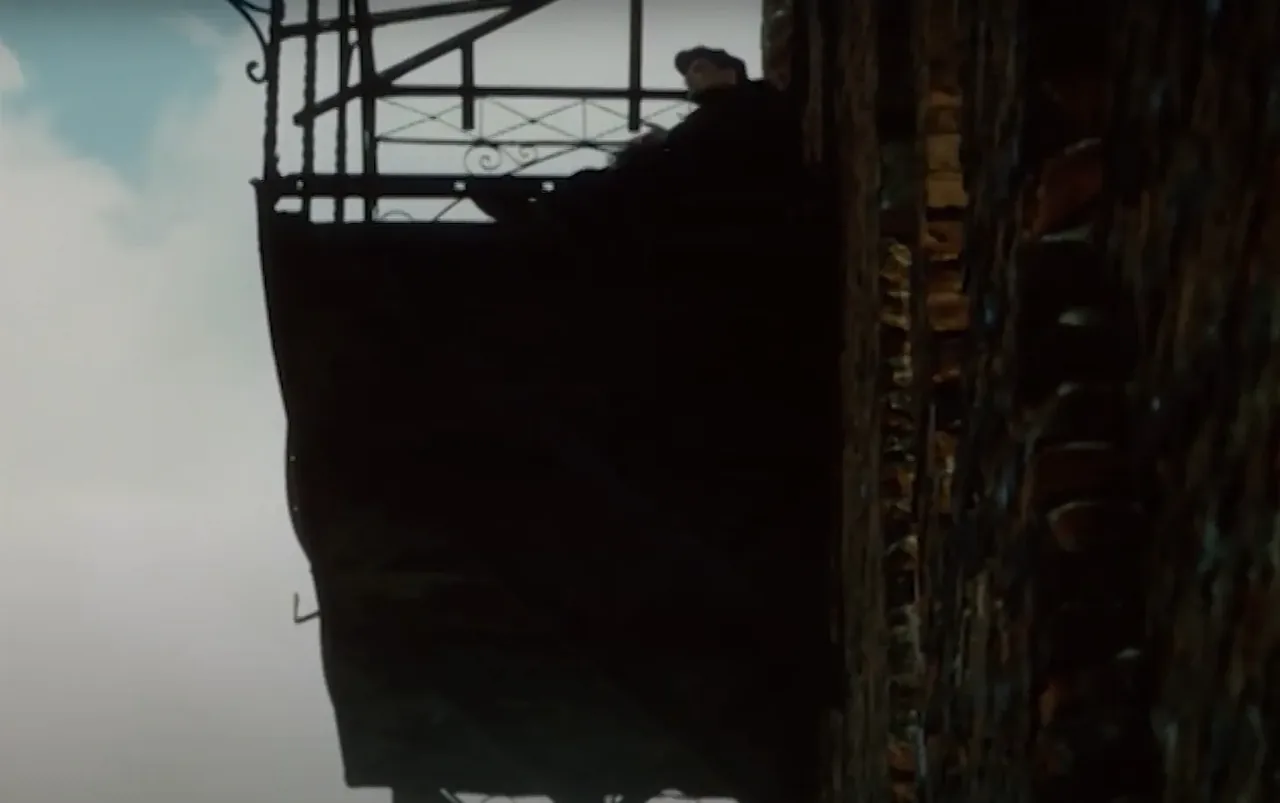
The scene where a thief, sitting on the balcony of an abandoned building, conducts a rather interesting type of fishing — he hooks the hats of passing city residents with a hook. This time his victim was an investigator. Not the most successful target for hunting, because the investigator has the grit to find such crooks.
In Reality
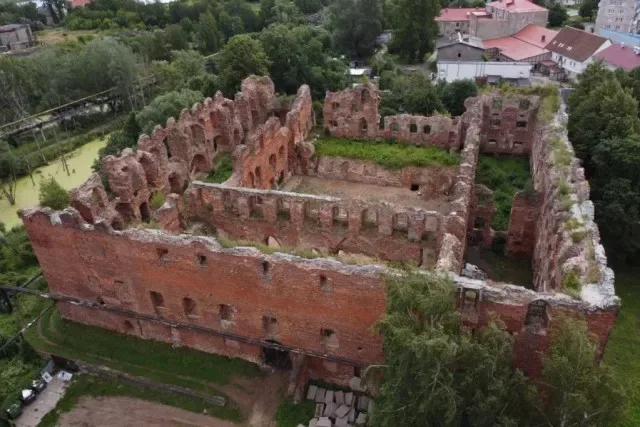
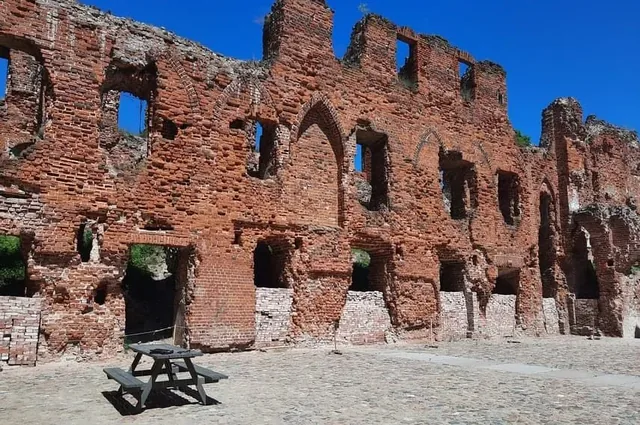
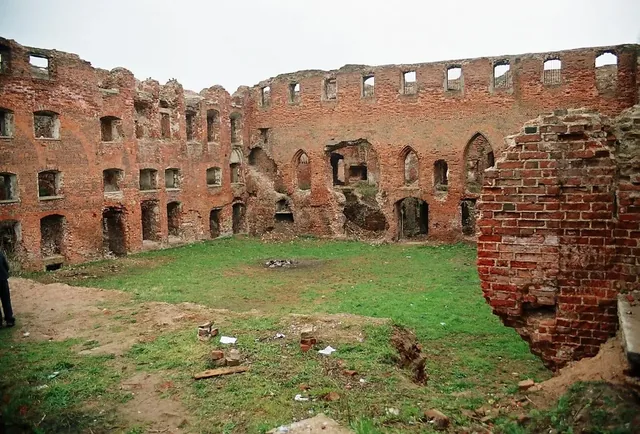
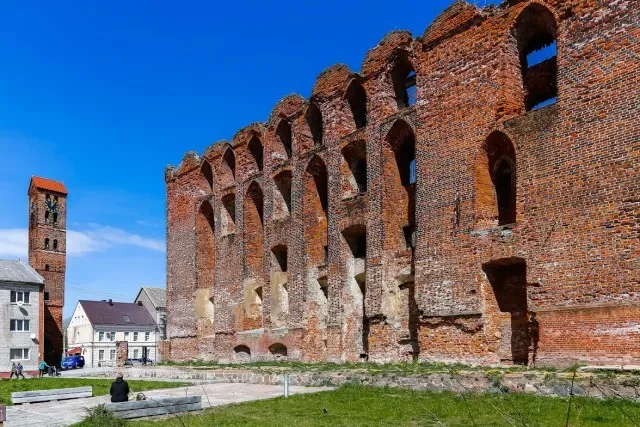
The scene was filmed on the ruins of the East Prussian prison Ragnit, destroyed during World War II, in the city of Neman. These massive brick walls, overgrown with moss and grass, preserve the memory of their history. Today, these ruins remain a reminder of the past, attracting historians, travelers, and filmmakers seeking unique locations.
Comments
0No comments yet.
Sign in to join the discussion.