
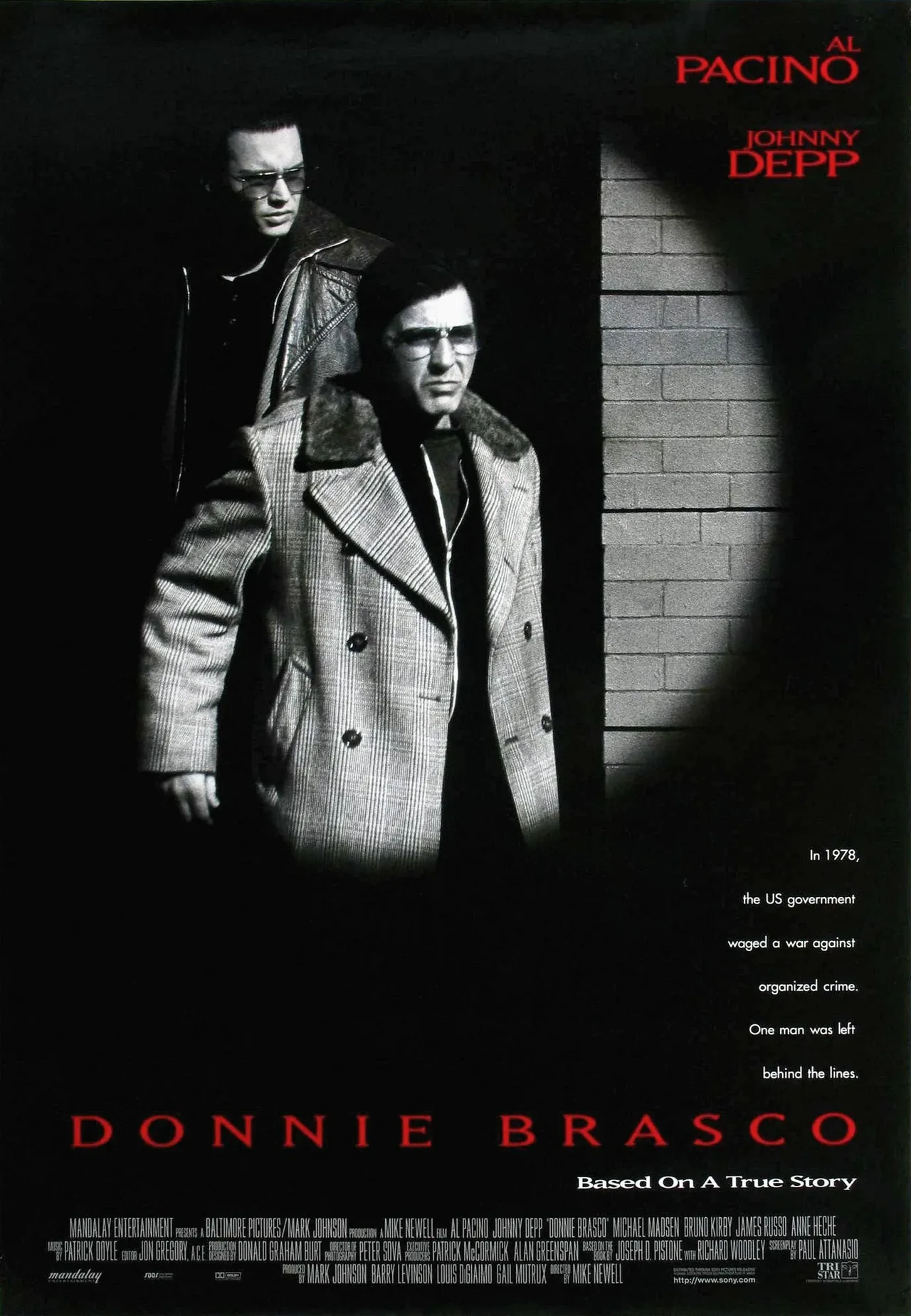
The cult American crime drama, based on the real-life story of FBI agent Joseph Pistone, was filmed in the United States. Principal photography took place in New York and New Jersey, particularly in the Brooklyn area where the mafia operated. Filming occurred on Mulberry Street, Broome Street, and Kenmare Street in the heart of Little Italy, New York. The film features both major landmarks like the Queensboro Bridge and more local spots known mainly to residents, such as Katz's Delicatessen. Additionally, filming took place in Florida, specifically in Miami, where according to the plot, Donnie suggests to Dominick Napolitano that the mafia expand its operations.
Filming Locations:
The Bar Where Lefty Meets Donnie
In the Movie
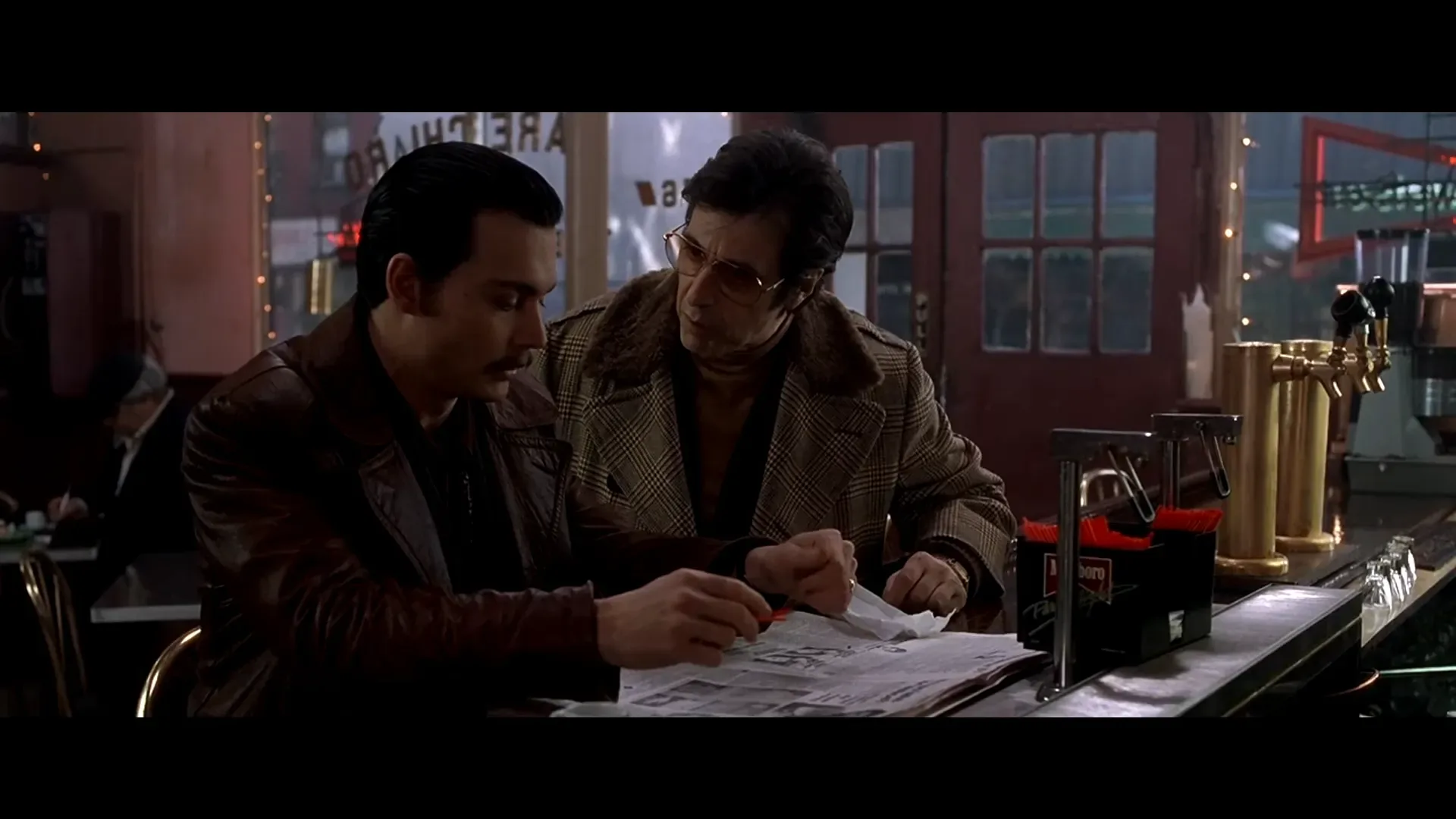
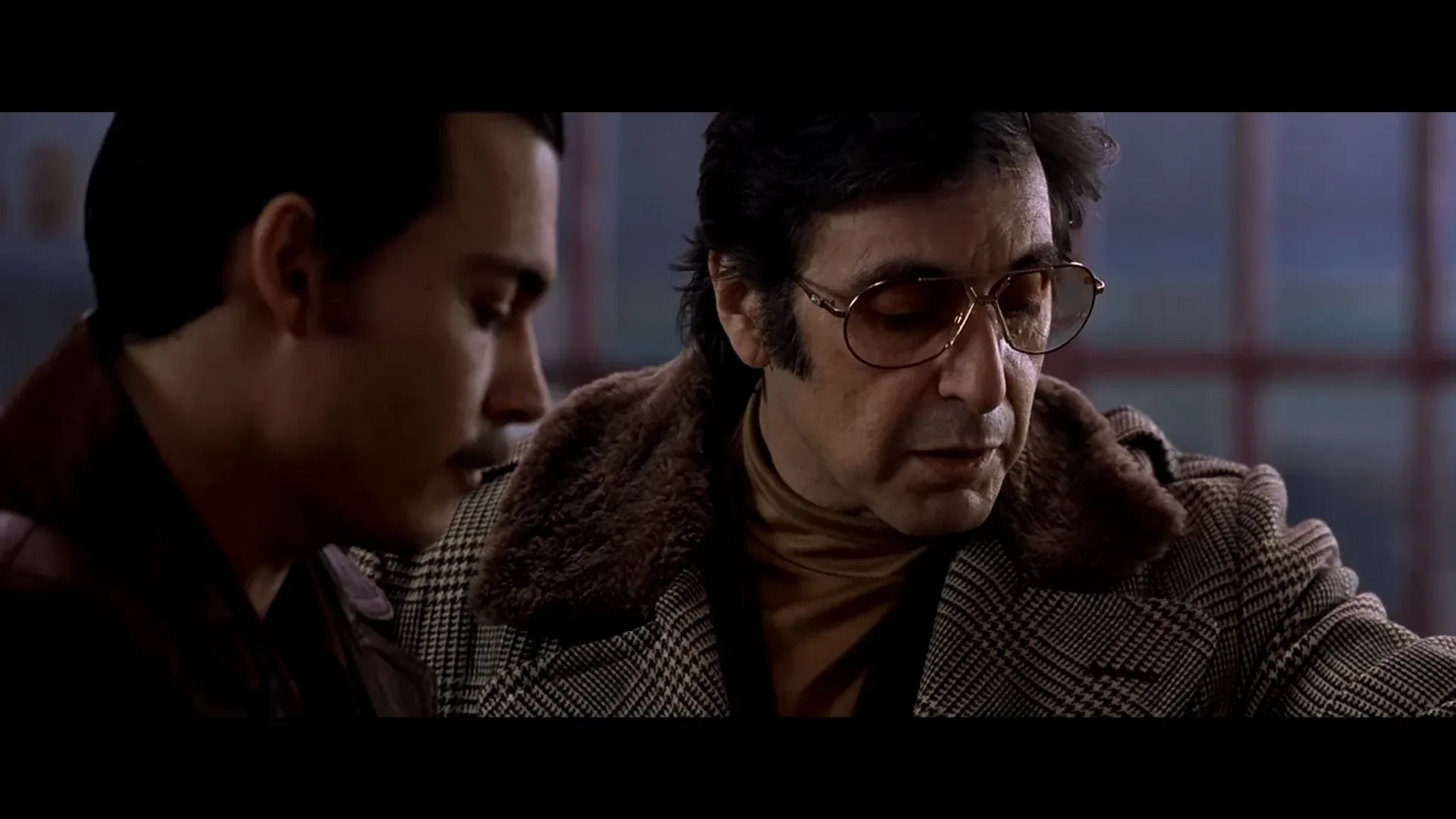
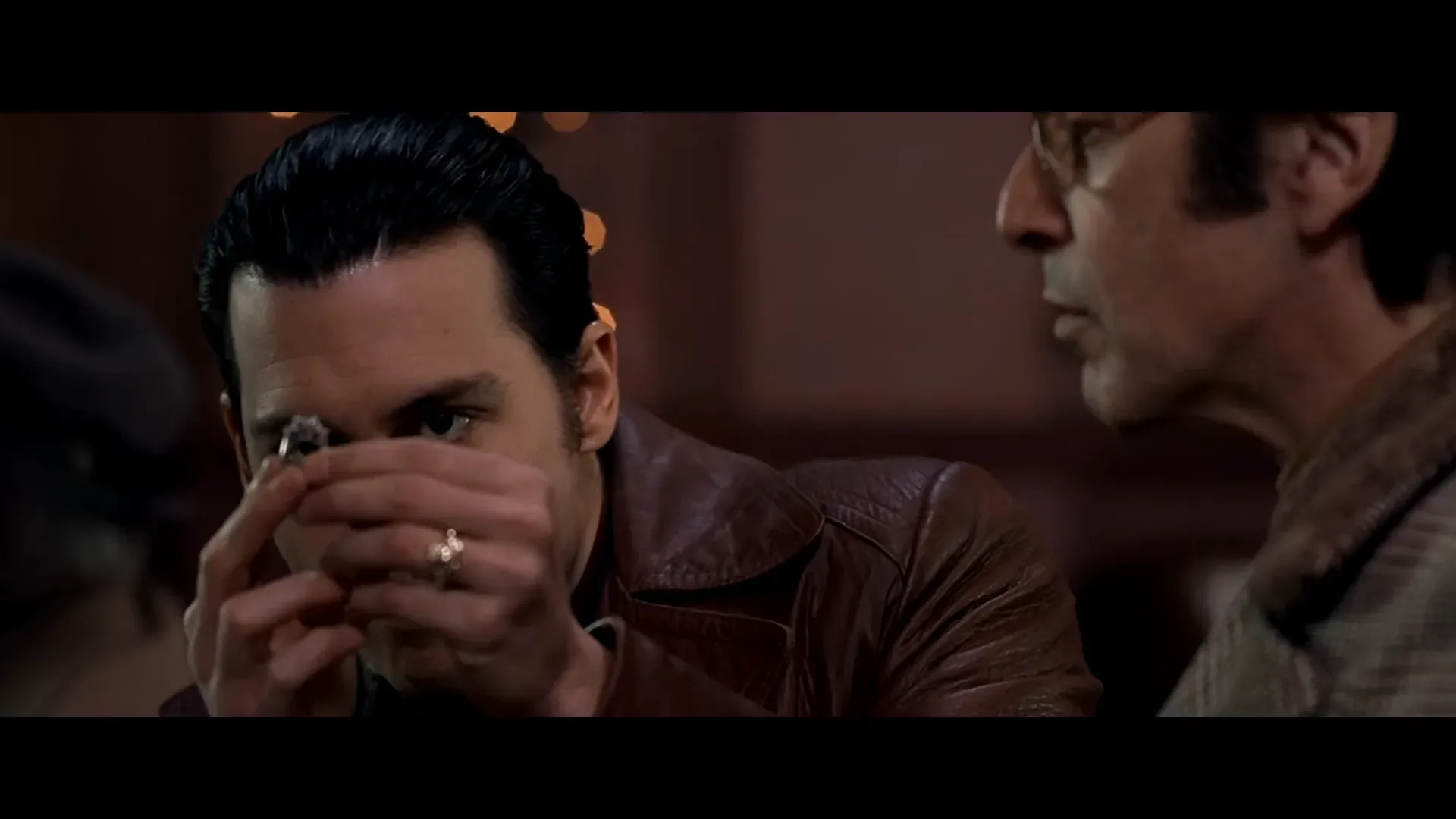
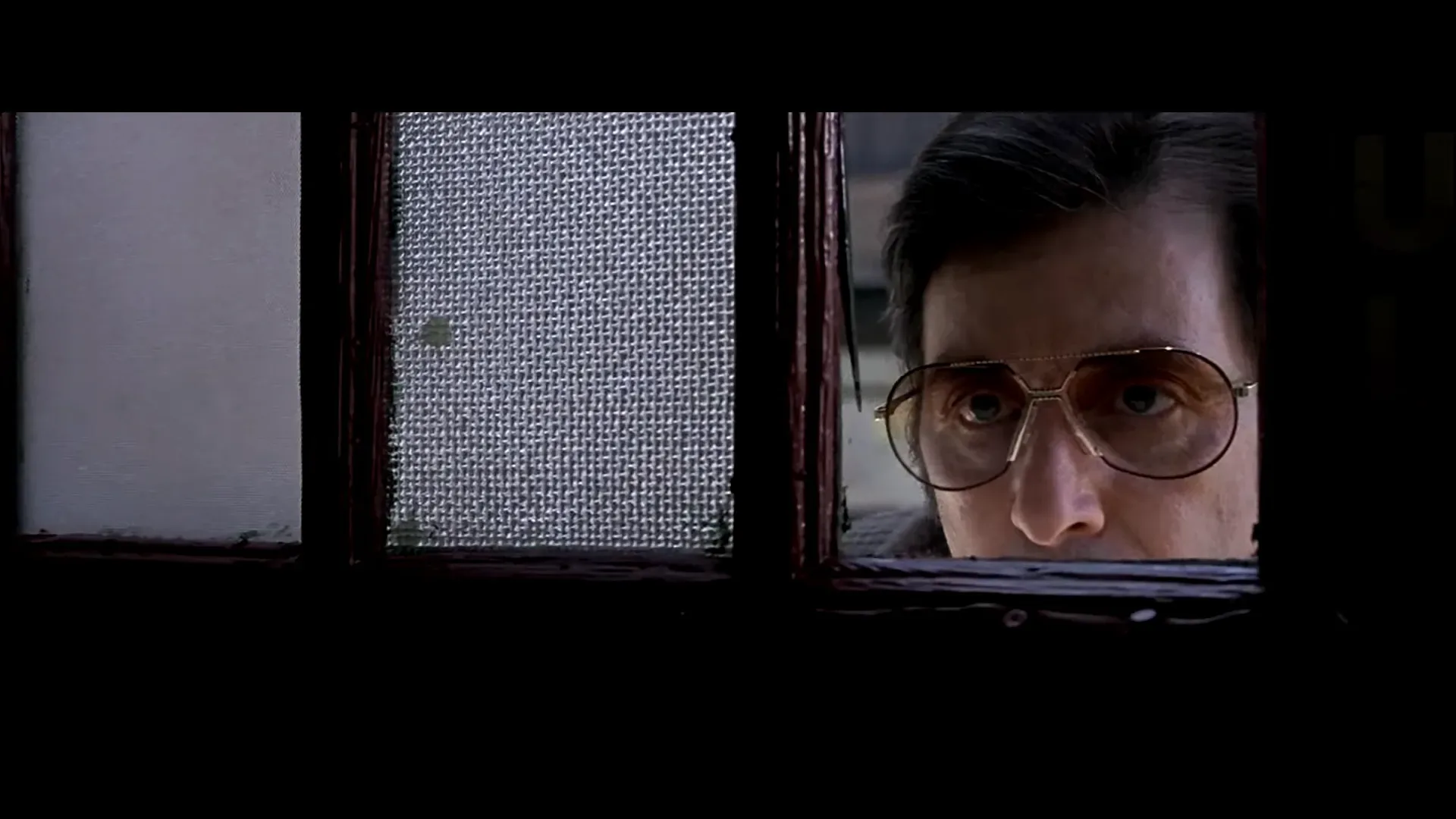
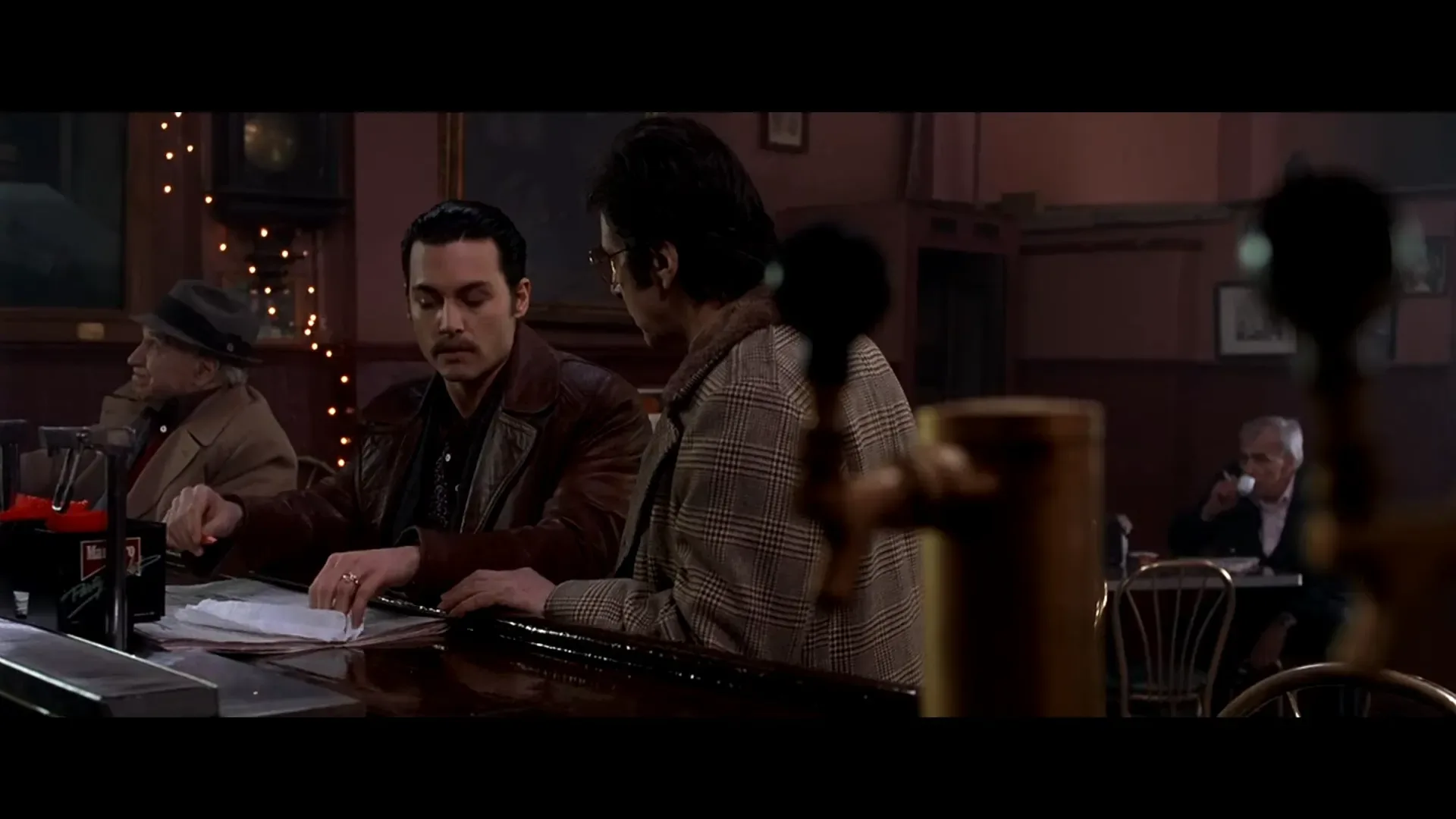
The scene where Lefty comes to the bar to see Donnie, asking him to appraise a ring and help sell it. Donnie Brasco, an undercover FBI agent, has been associating with criminals linked to the Bonanno family and poses as a "jewelry expert," earning him the nickname "Donnie the Jeweler." The scene shows the introduction of Donnie and Benjamin "Lefty" Ruggiero: Lefty approaches Donnie to appraise the ring and assist in its sale, but is told it is a fake.
In Reality
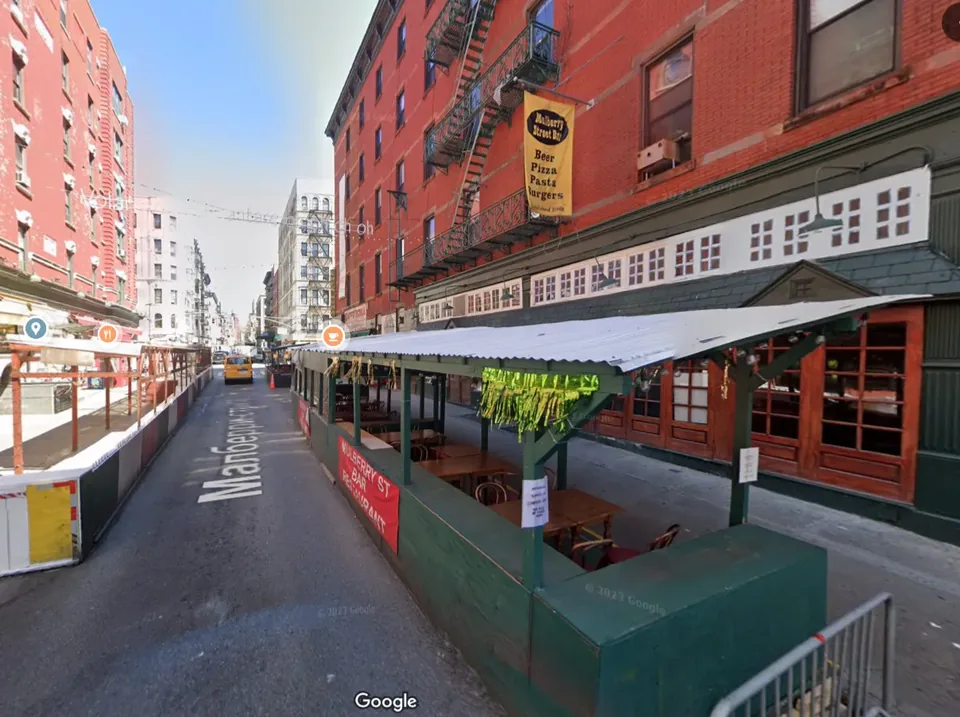
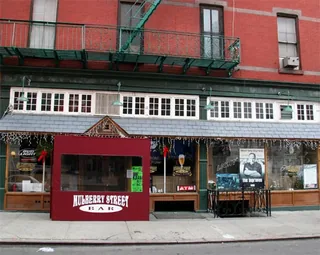
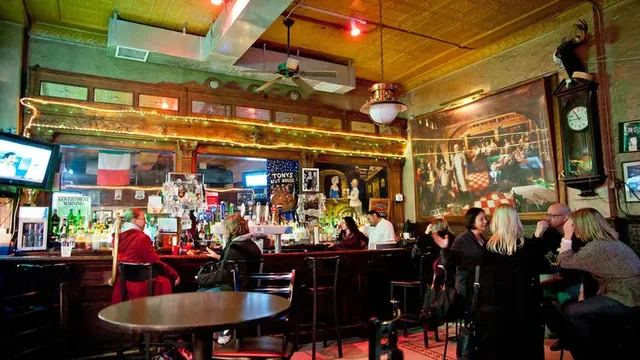
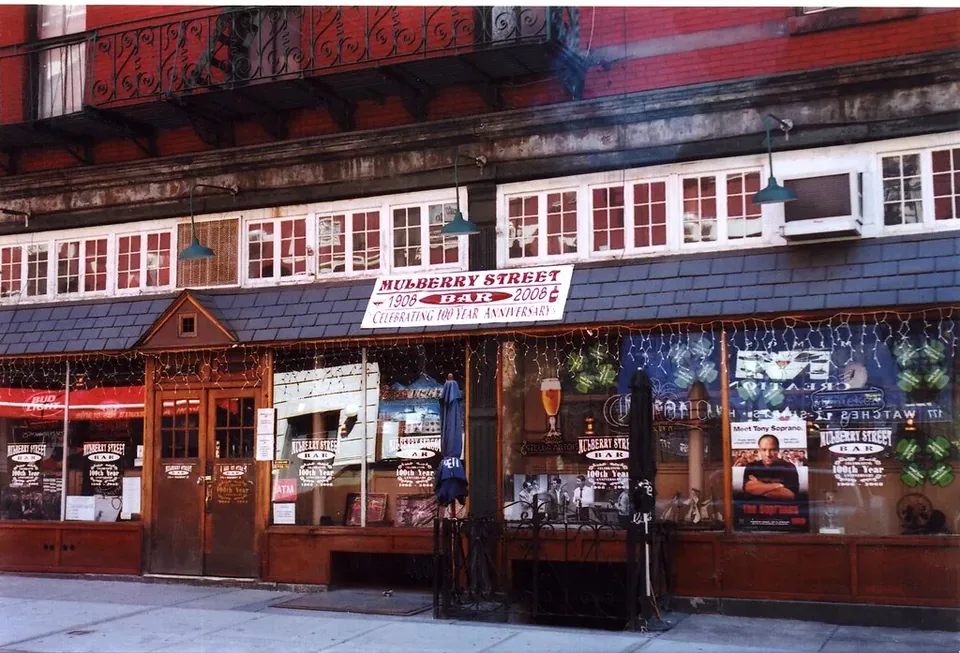
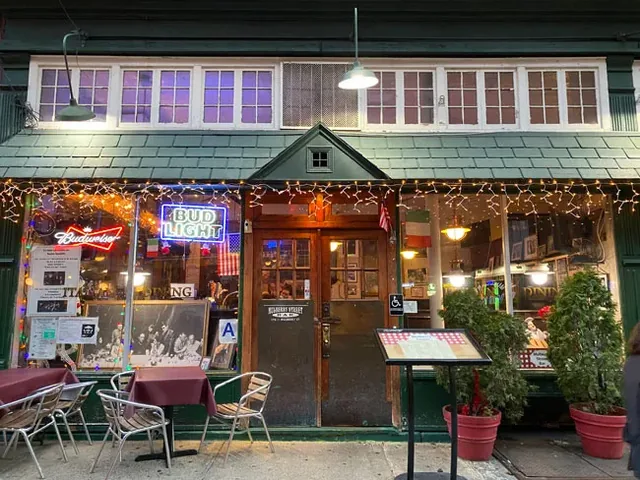
The scene was filmed at Mulberry Street Bar, located in the Little Italy neighborhood of New York City. This bar, opened in 1908 under the name Mare Chiaro, is one of the oldest bars not only in this Italian district but in the entire city. The area was nicknamed Little Italy because since the early 20th century it was a center of Italian immigration and the mafia, and the intersection of Mulberry and Kenmare Streets was known as the "Liquor Exchange" where bootleggers met during Prohibition. Thus, Mulberry Street Bar perfectly suited the film's plot due to its historical and cultural background; the bar's location in a historic district where the mafia was part of everyday life added realism to the film and helped create a convincing storyline.
The Road to the Boss
In the Movie
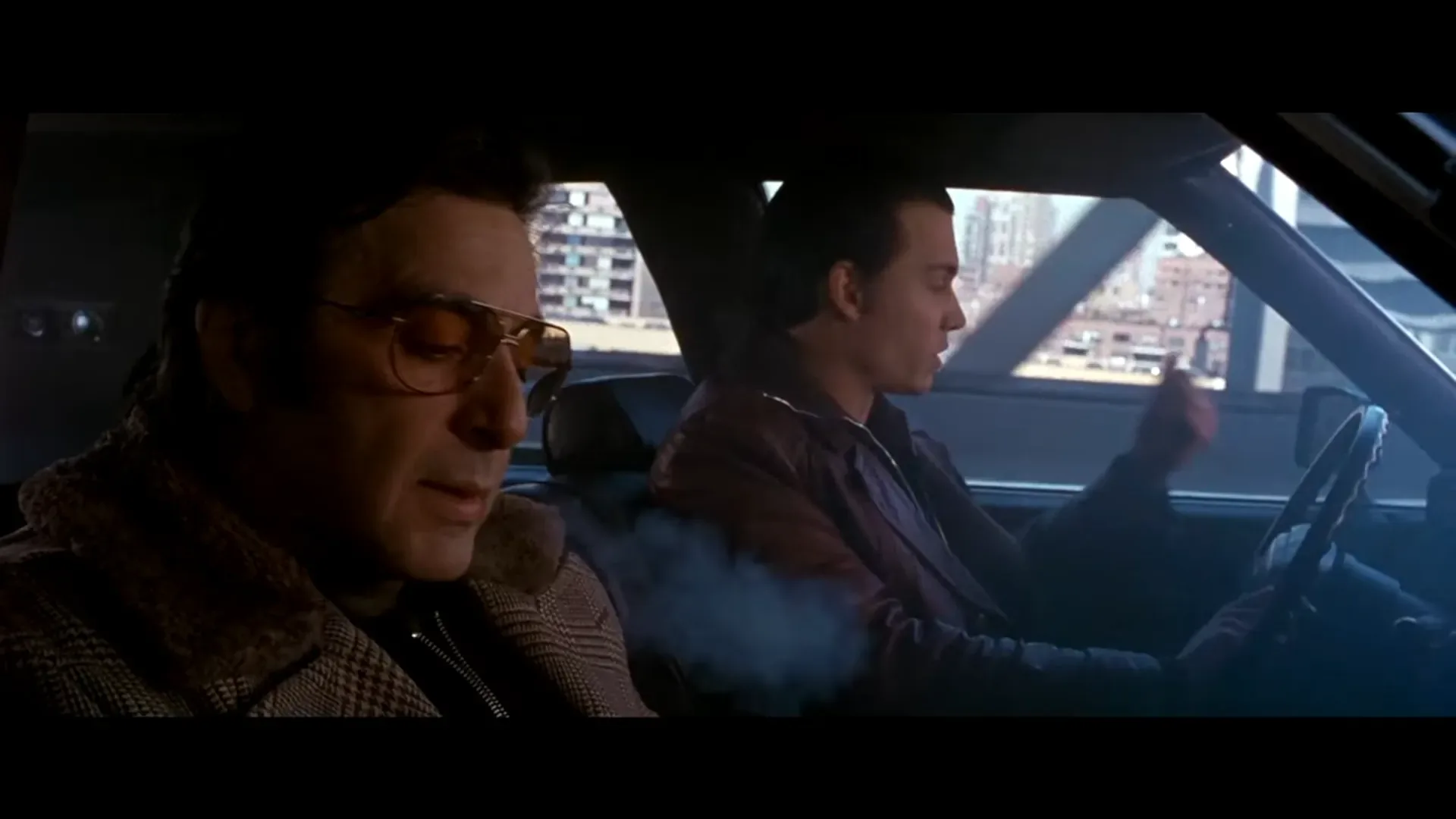
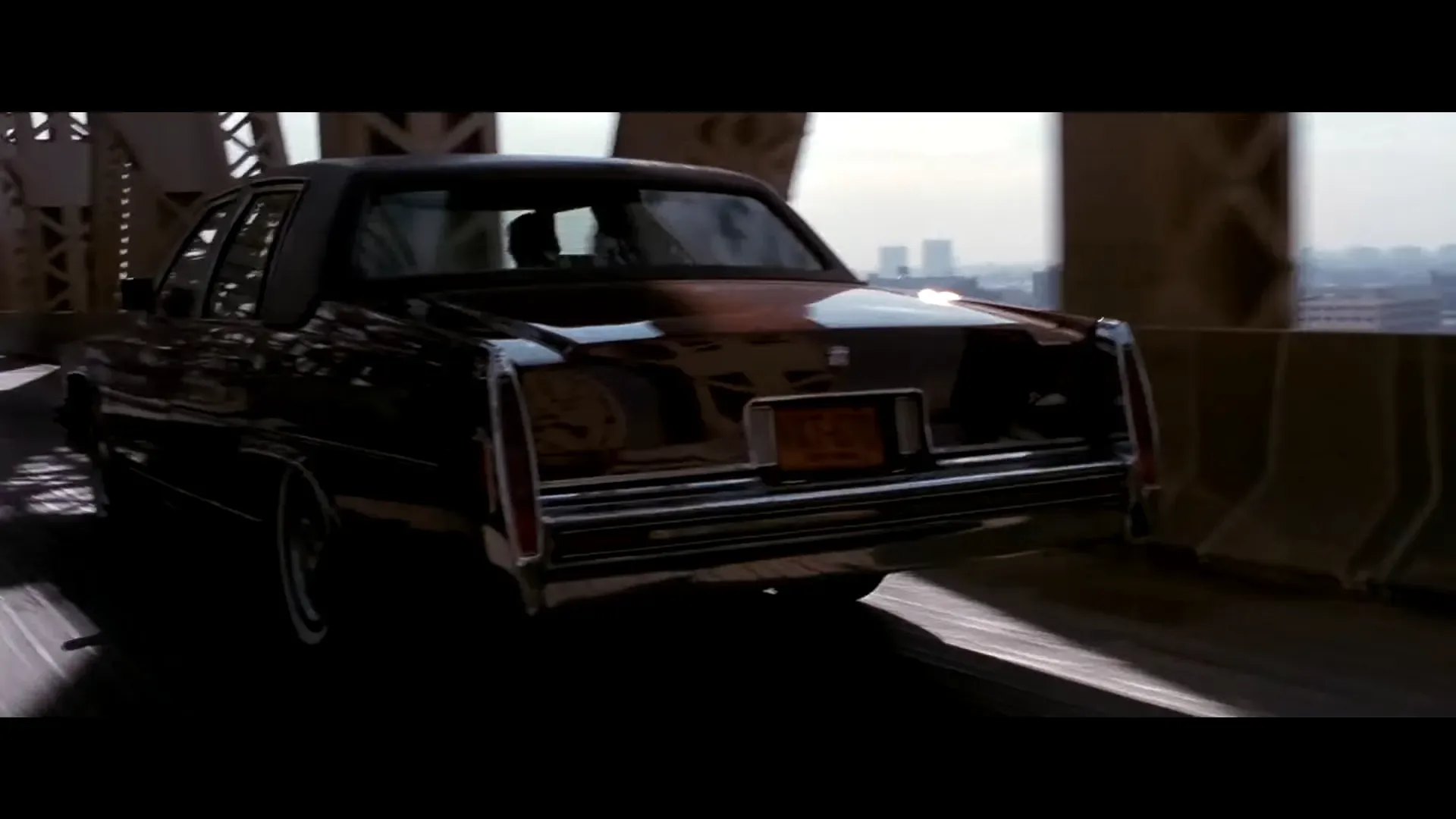
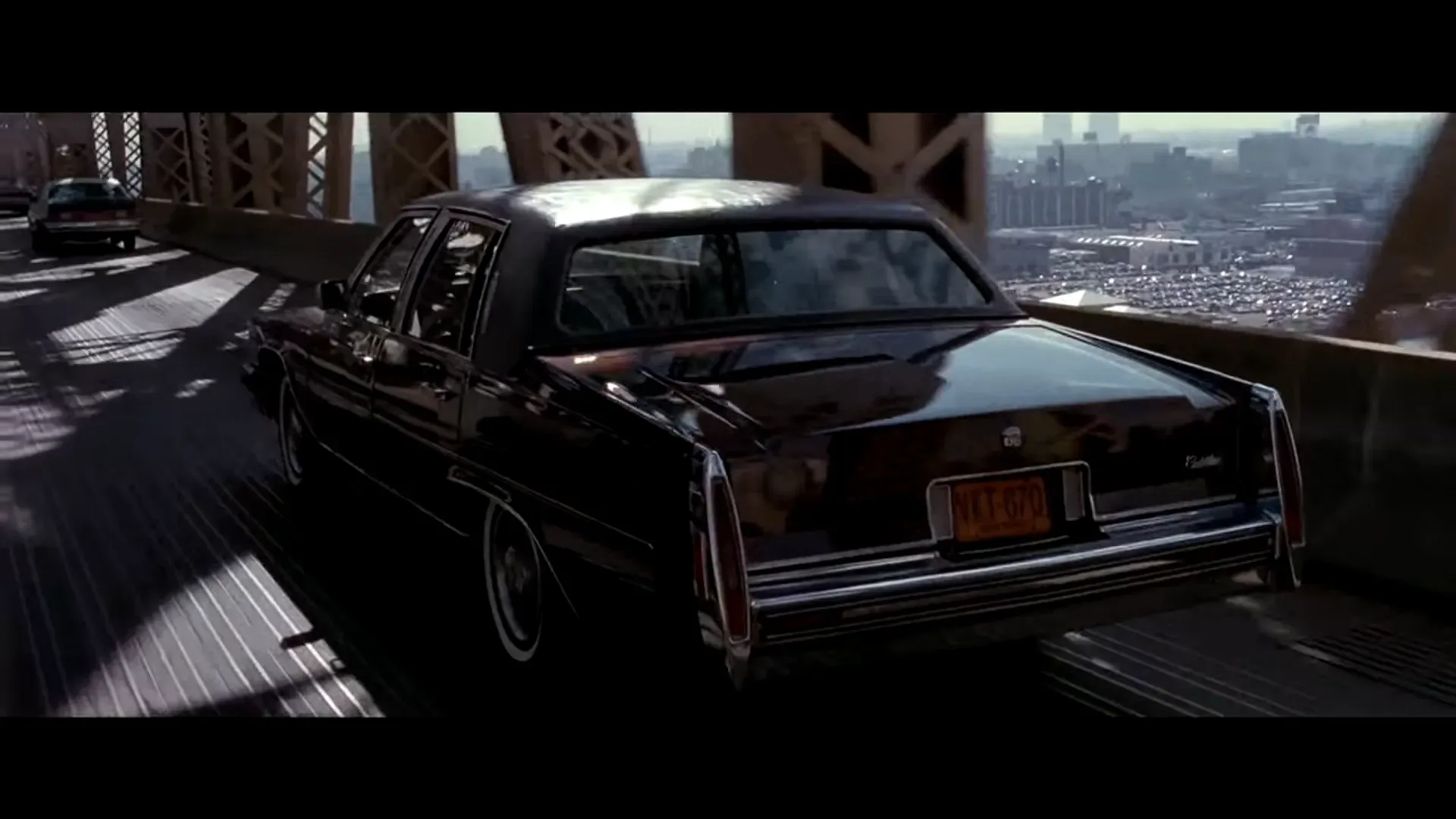
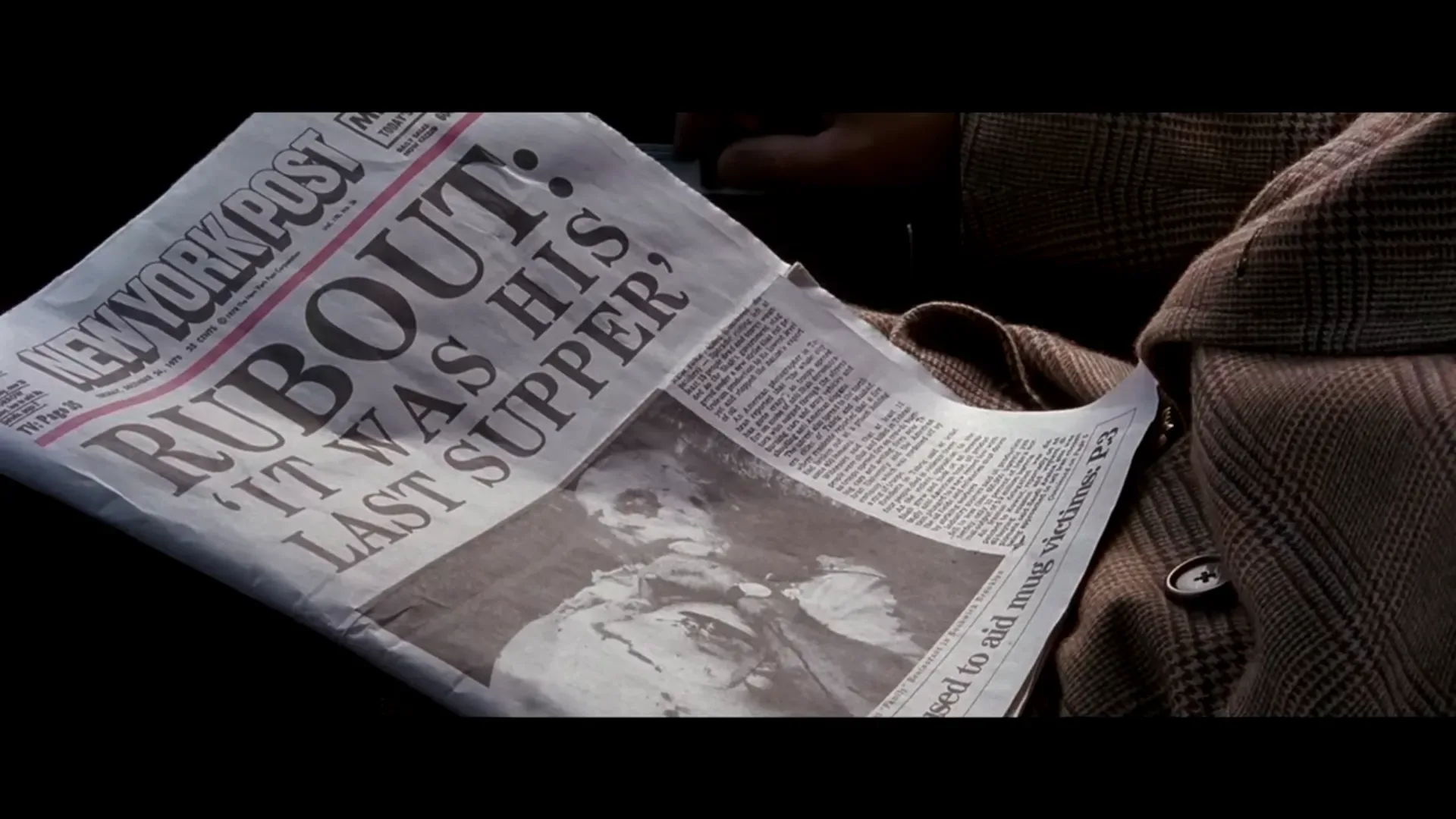
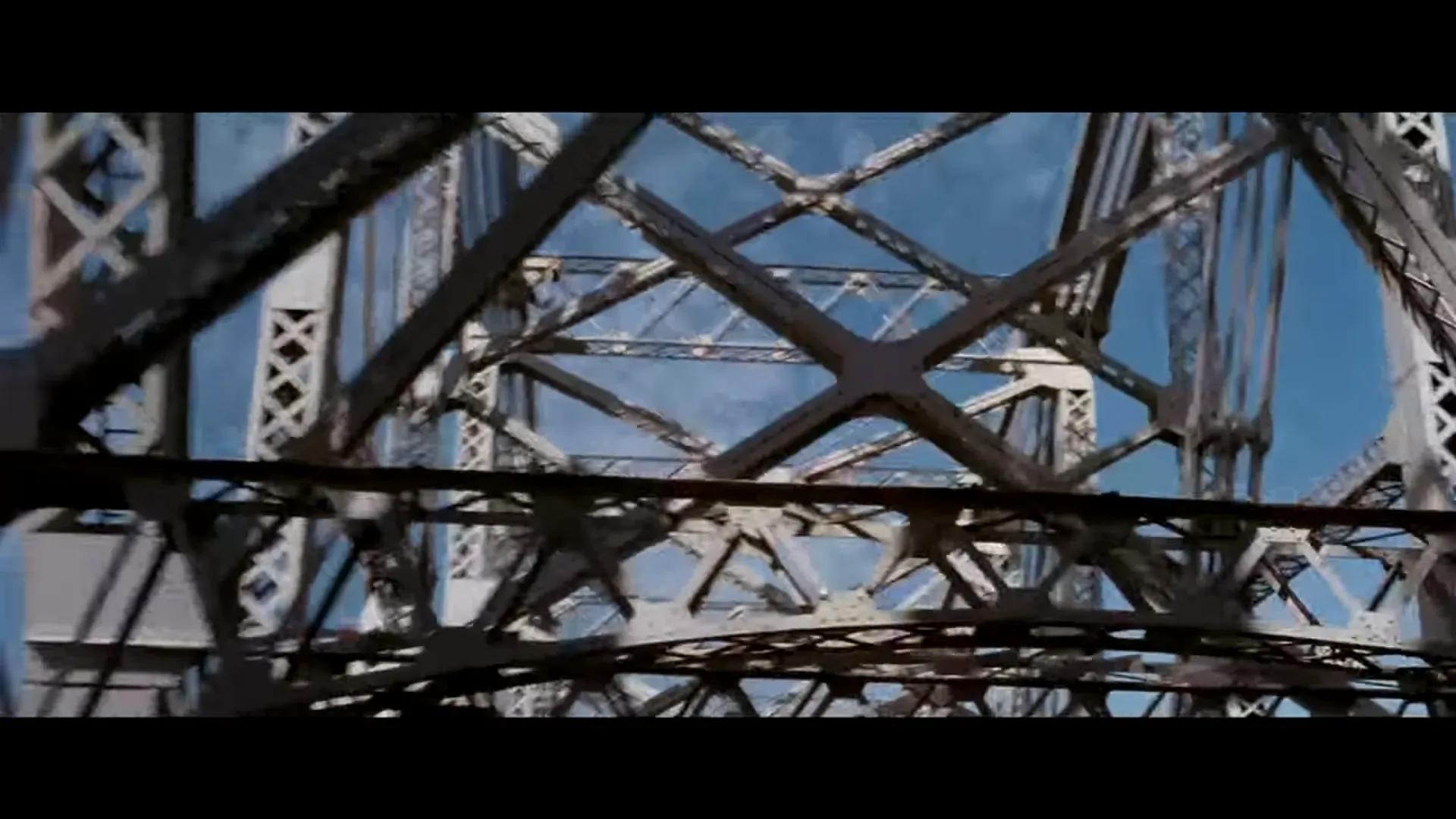
The scene where Donnie and Lefty drive to meet Black Sonny. Lefty is summoned by Dominick "Black Sonny" Napolitano because of the murder of a mafia boss. On the way, Lefty and Donnie discuss the event: Lefty flips through a front-page newspaper article about it and says that mafia members know nothing about the bosses and only learn something when news of their murder appears. Lefty complains that this state of affairs is very stressful for him. This scene demonstrates the tension and uncertainty within the mafia after the boss's death, and also shows the complex relationships within the gang.
In Reality
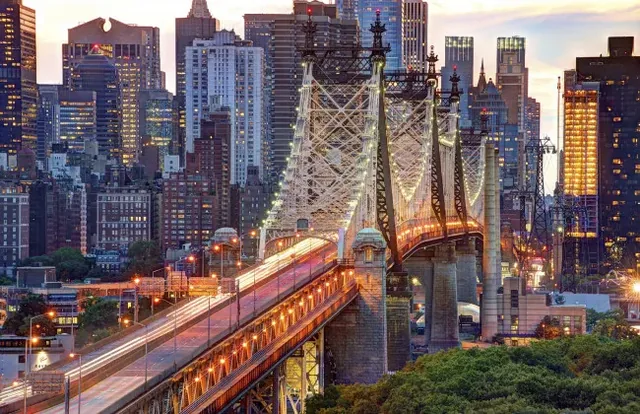
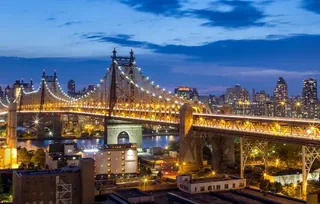
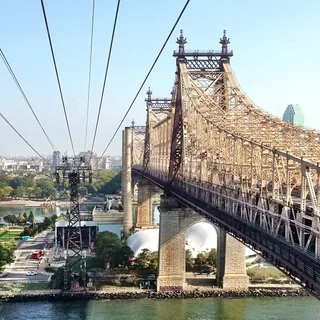
The scene was filmed on the Queensboro Bridge in New York City. The Queensboro Bridge, also known as the 59th Street Bridge or the Ed Koch Bridge, was built in 1909 and is one of the largest cantilever bridges in the world. It has a unique architecture and offers stunning views of the city, especially the Manhattan skyline. Its location allowed the film's director to shoot scenes of characters moving between Manhattan and Queens, which fits the plot where Donnie and Lefty constantly interact with the mafia in different parts of the city.
The Delicatessen
In the Movie
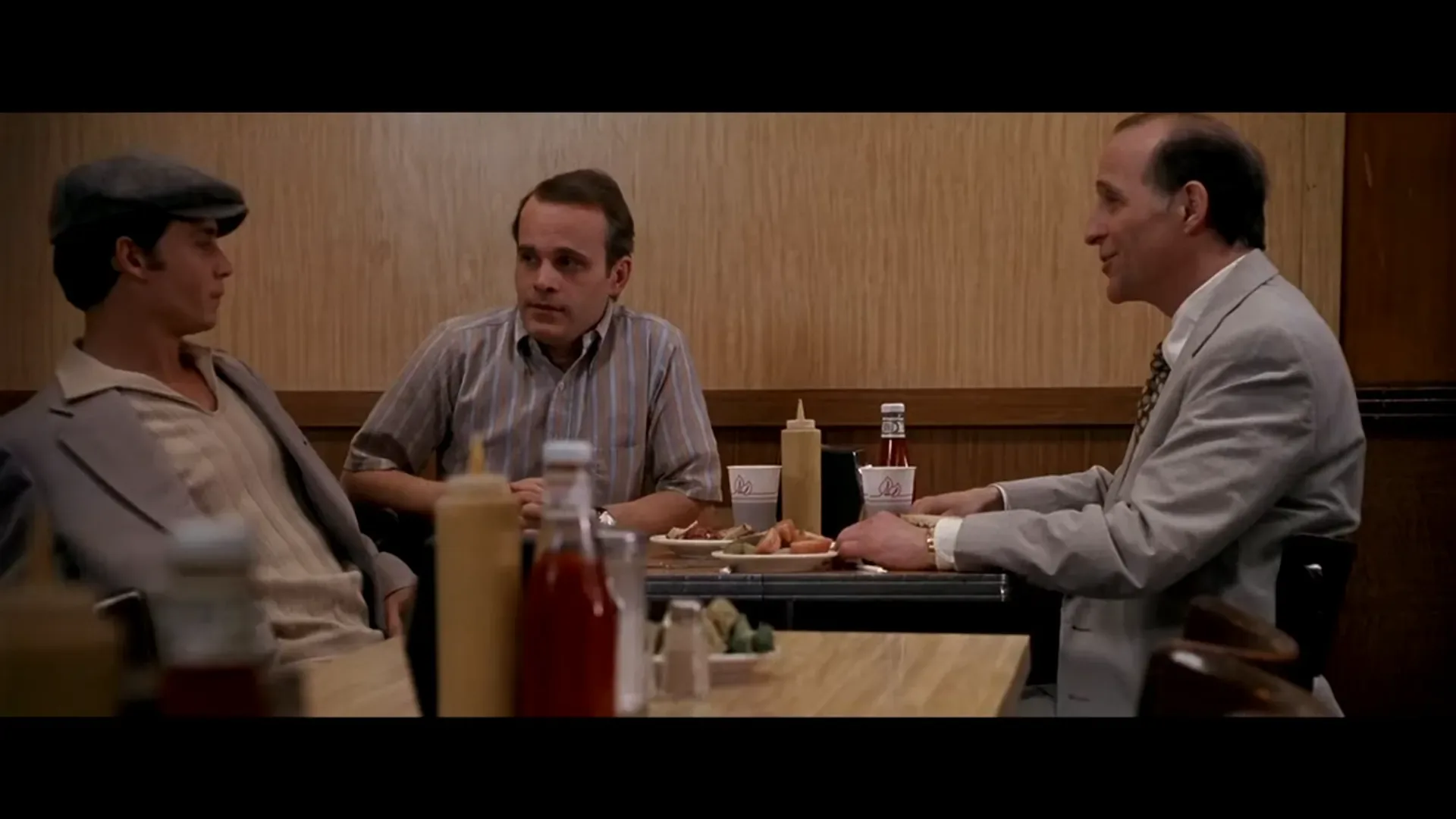
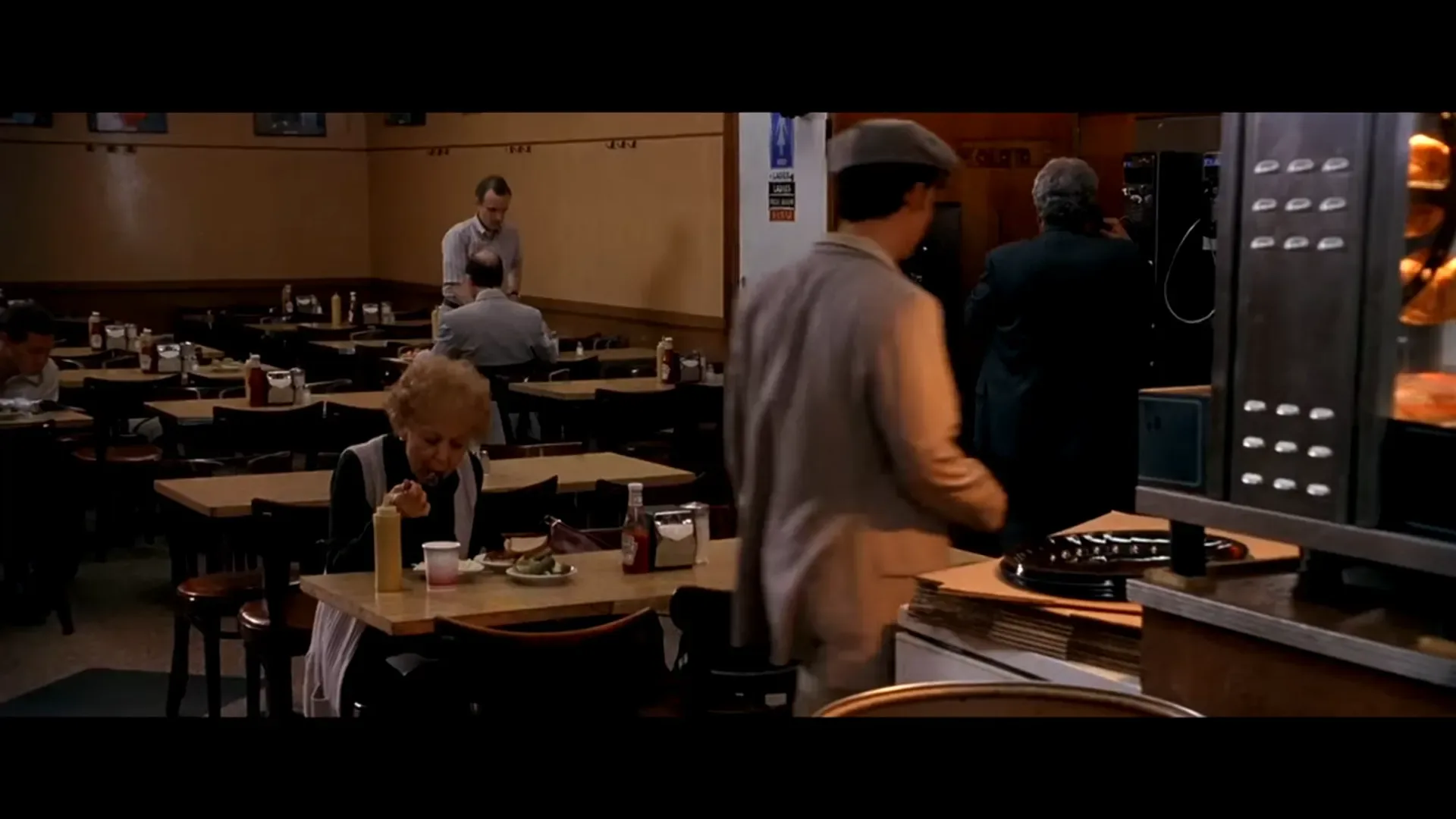
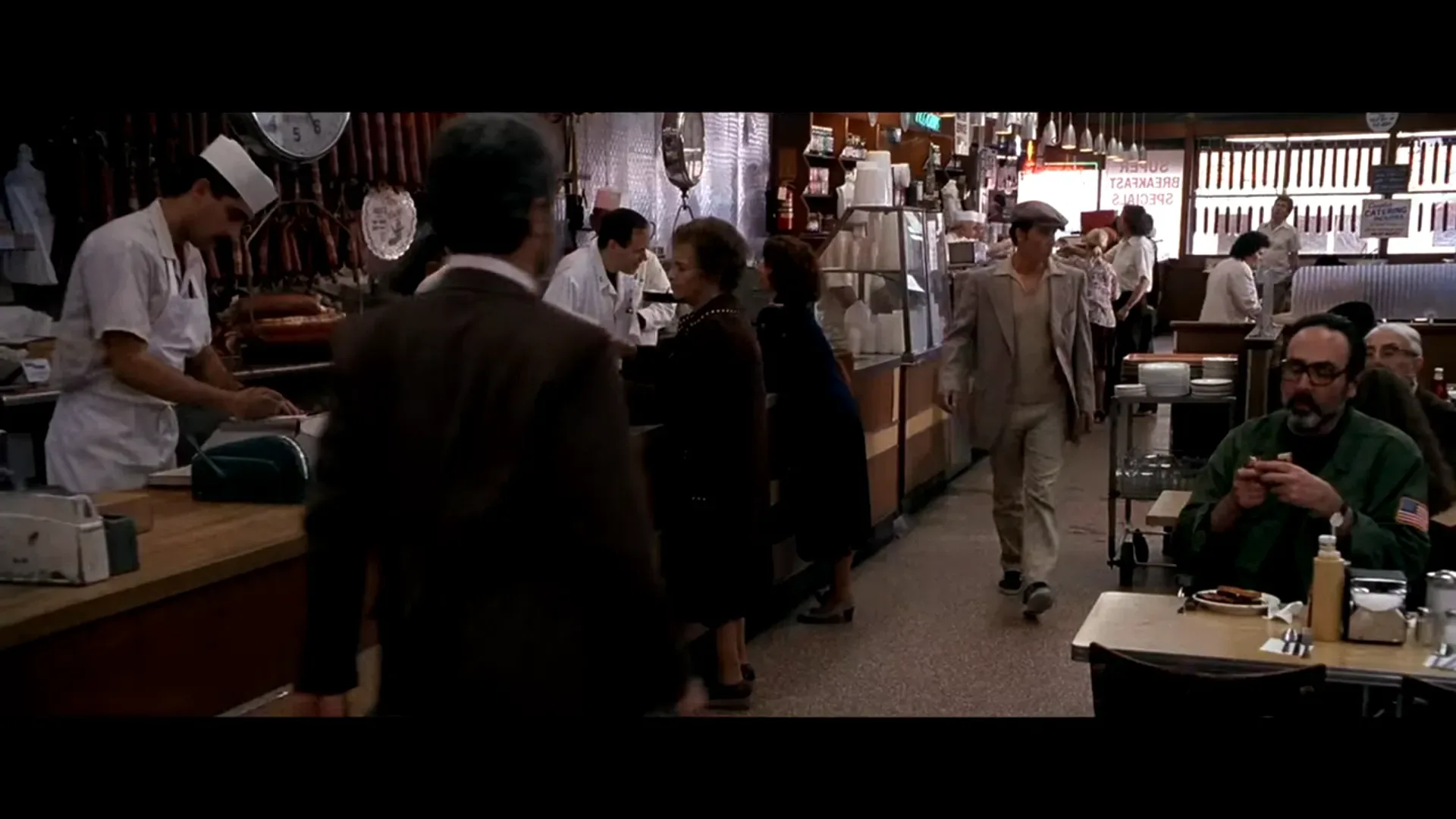
The scene where Donnie meets with his FBI handler. At the meeting, he is told that he now has two handlers and is introduced to an FBI agent from Washington named Dean Blandford, who joins the operation from that point. Blandford informs Donnie that he needs to get the mafia to focus on Florida and move there—this will help cover their agent in Miami who is on the verge of being exposed. Donnie is forced to agree. Eventually, he follows instructions and convinces Dominick "Black Sonny" Napolitano to expand operations into Florida.
In Reality
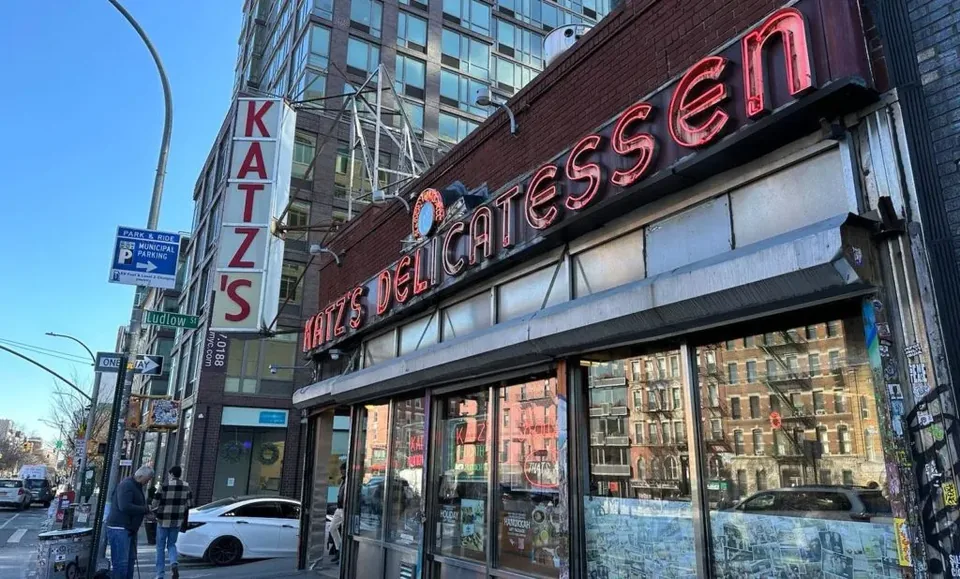
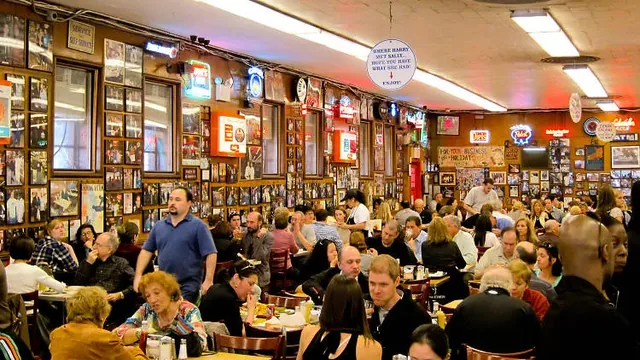
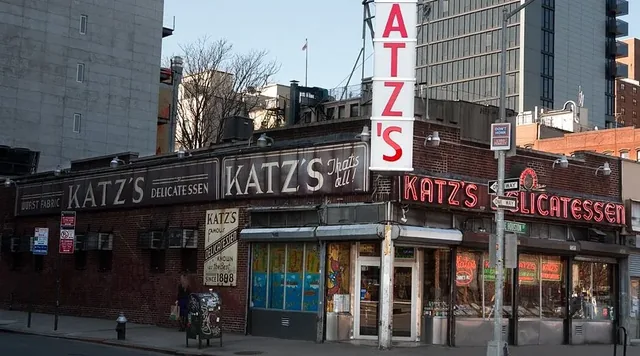
The scene was filmed at Katz's Delicatessen in New York City. This famous, oldest Jewish deli in New York was founded in 1888 by the Iceland brothers. The Lower East Side neighborhood, where the establishment is located, was historically the center of the Jewish community in New York: in the early 20th century, it became home to many Jewish immigrants from Eastern Europe. For this reason, the deli became a popular spot among immigrants and artists, especially during the heyday of Yiddish theater on Second Avenue. Among tourists and locals, Katz's Delicatessen is renowned for its traditional Jewish cuisine, including famous pastrami and corned beef sandwiches. The location adds realism and cultural depth to the film: Donnie meets his handler on the "safe" territory of the Jewish community, where it is unlikely to encounter anyone from the Italian criminal organization.
Comments
0No comments yet.
Sign in to join the discussion.