

The filming of the series, based on Laura Esquivel's novel, took place in several picturesque locations in Mexico and the United States. The main part of the production was carried out in Mexico City, where both modern and historical locations were used. Filming took place at haciendas in the state of Tlaxcala, which perfectly convey rural Mexican life at the beginning of the 20th century and add depth and realism to the depiction of Mexican culture and traditions. An important location was Ciudad Acuña, a city in the Mexican state of Coahuila, located on the banks of the Rio Grande. Additionally, some scenes were filmed in Piedras Negras, another Mexican city in the state of Coahuila, known for its historical significance and proximity to the border. On the American side, filming was conducted in Del Rio and Eagle Pass, Texas. These cities, located near the border with Mexico, added realism to the series due to their unique location and cultural characteristics.
Filming Locations:
The de la Garza Family Hacienda
In the Film
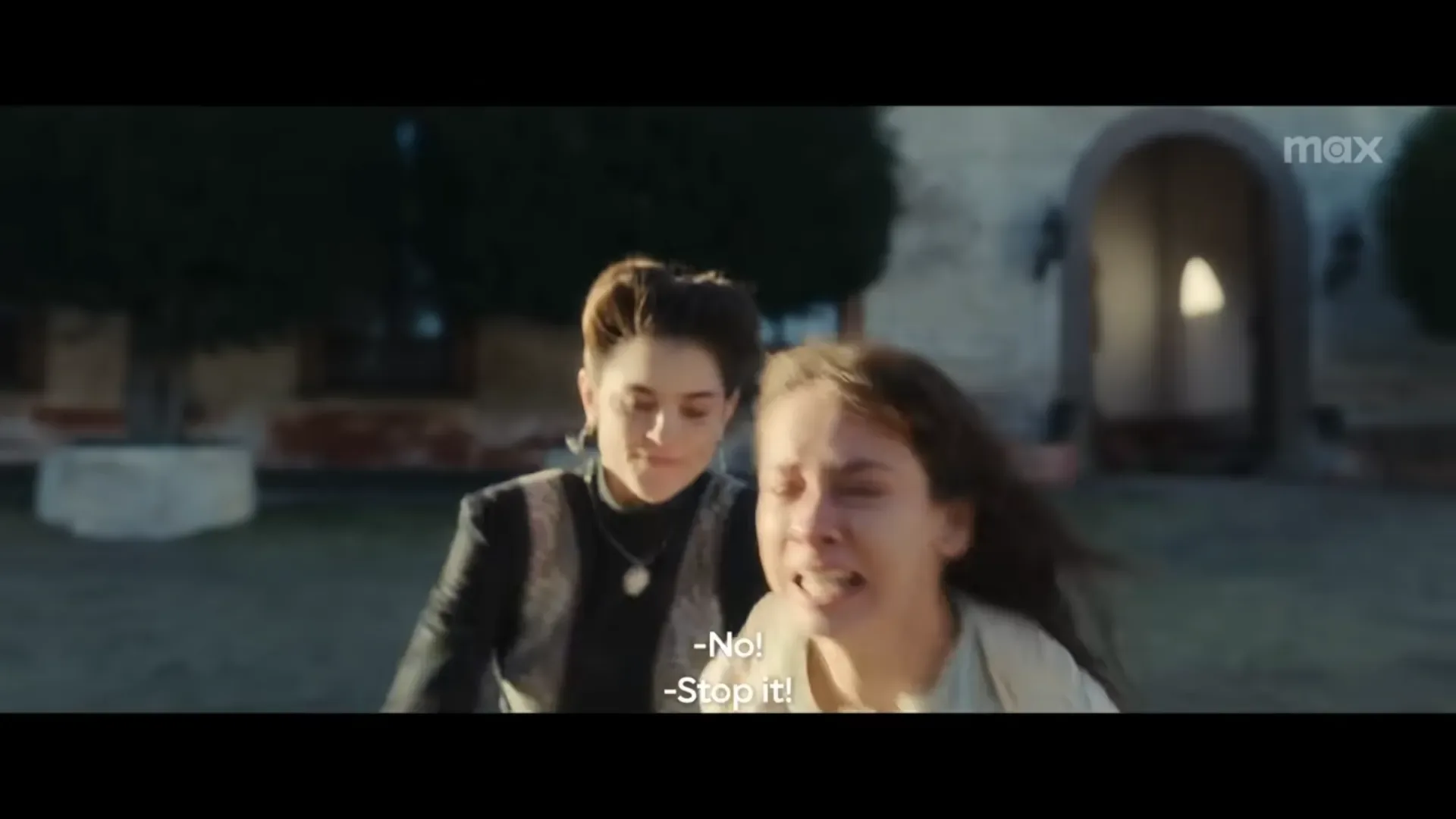
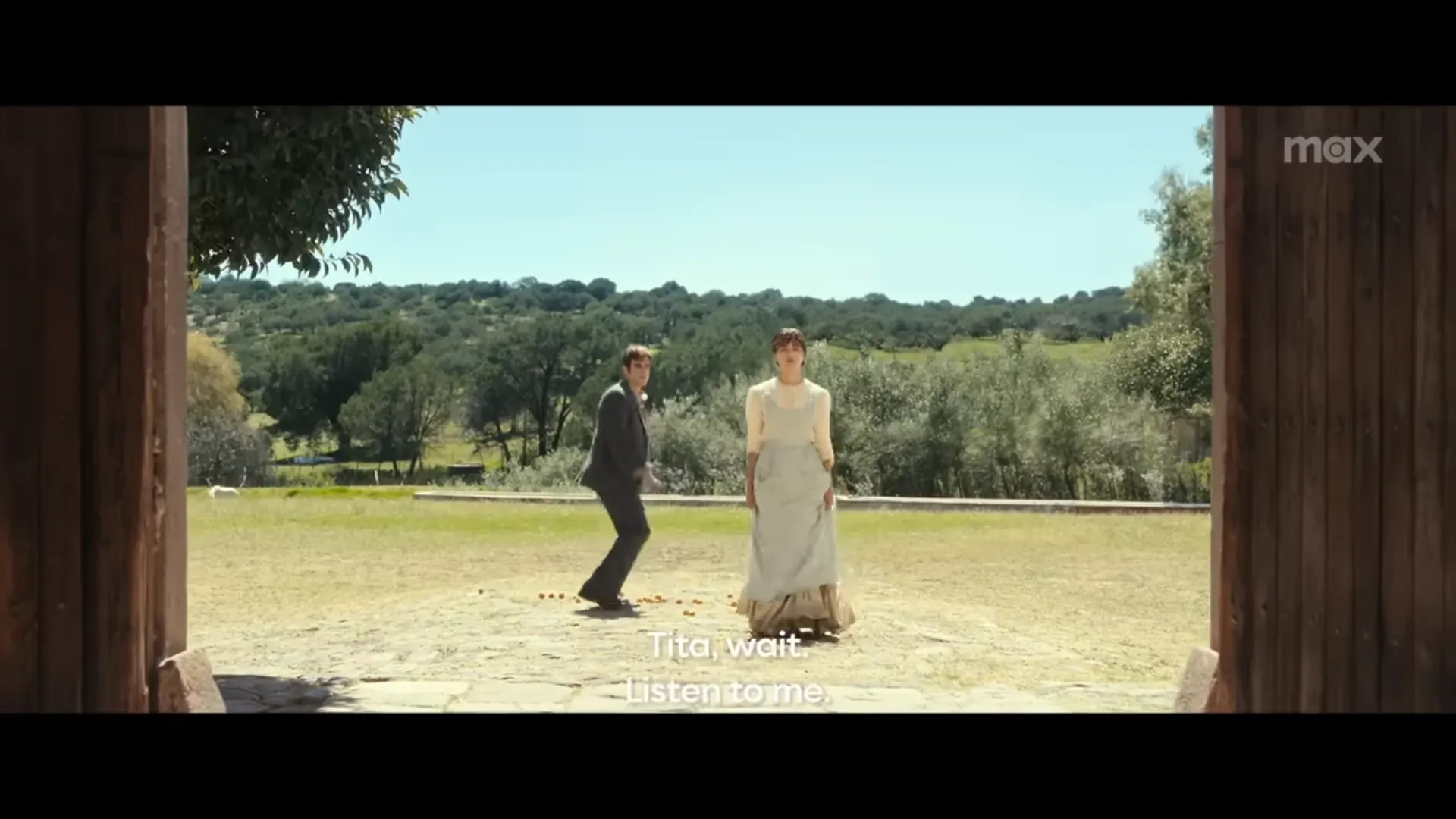
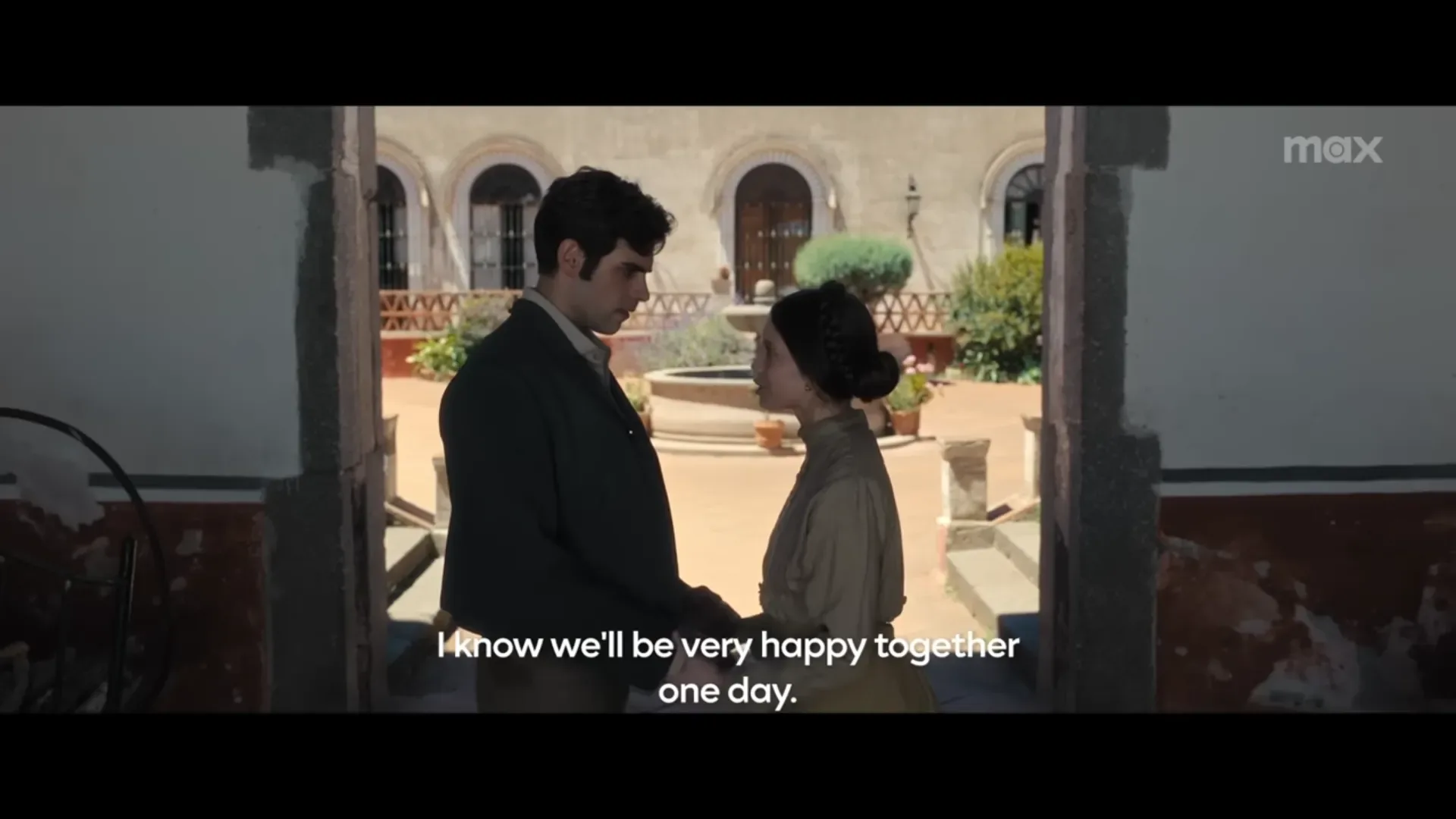
The scene where Rosaura is married off to Tita's beloved. Tita de la Garza's family lives under strict traditions set by her mother, Doña Elena. According to these traditions, the youngest daughter must stay home and care for her mother until her death. Since childhood, Tita has been mutually in love with her neighbor Pedro Múzquiz, but their love is threatened by this family tradition. When Pedro asks for Tita's hand, Elena forbids him to marry her and offers him her older sister, Rosaura. Pedro agrees to this marriage in order to stay close to Tita. Tita's mother tries to protect her from the suffering associated with love and marriage, believing that marriage would impair Tita's ability to care for her in old age. However, this decision leads to tragic consequences: the wedding of Rosaura and Pedro becomes a source of grief for everyone involved. Tita cries while preparing the wedding cake, and her tears affect the guests, causing them to feel longing and discomfort while eating the cake; the guests eat and cry.
In Reality
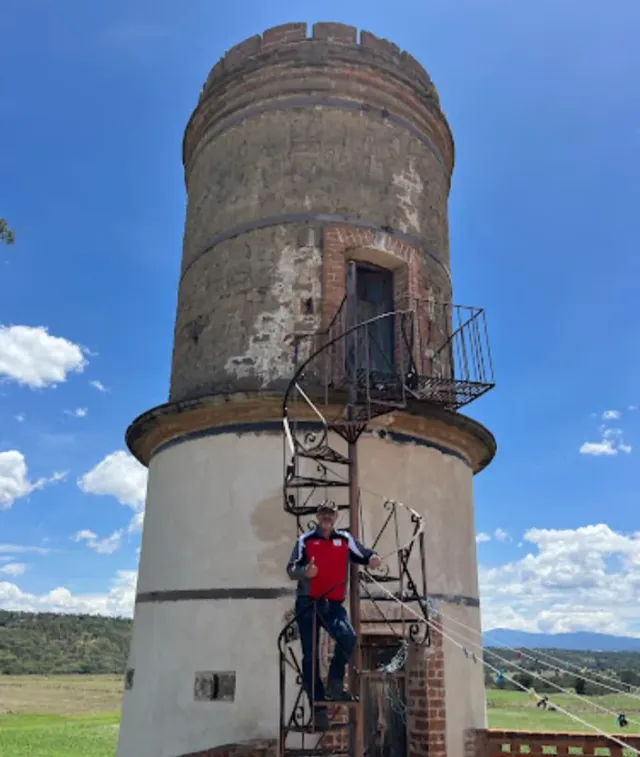
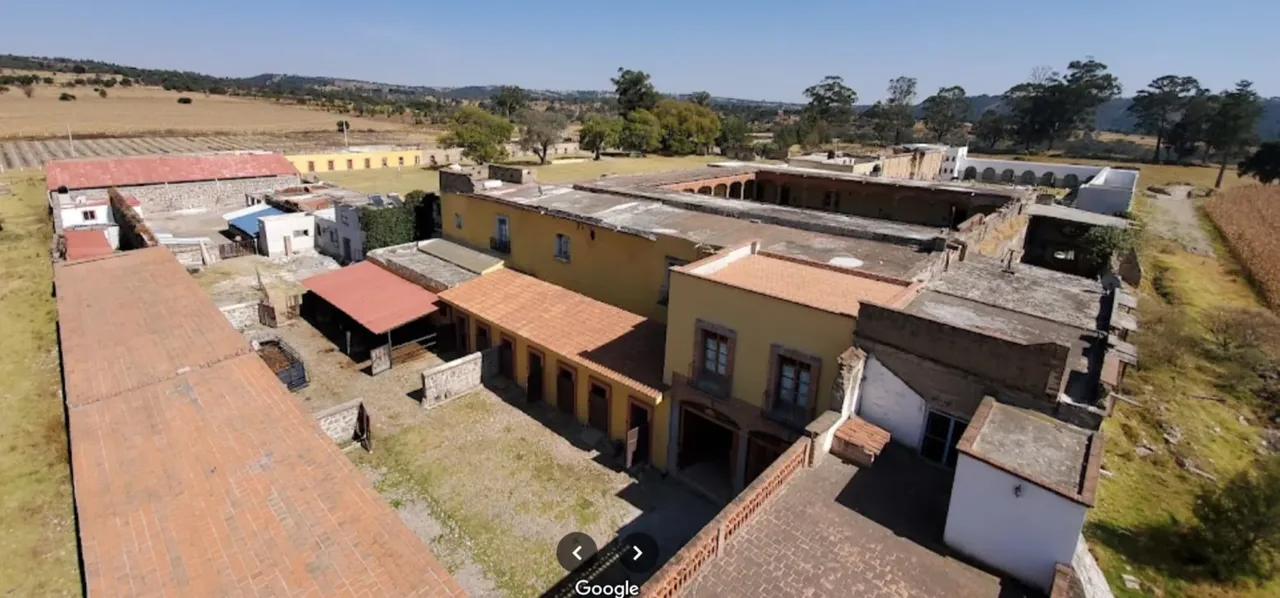
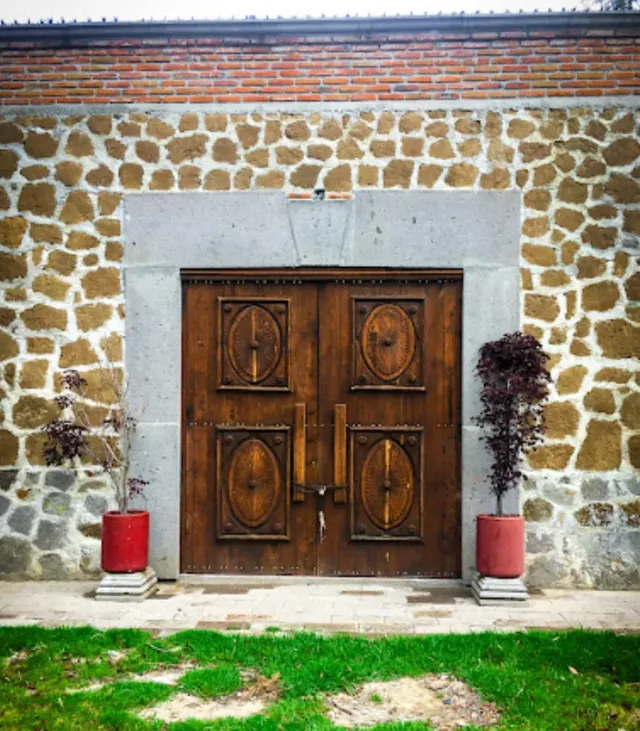
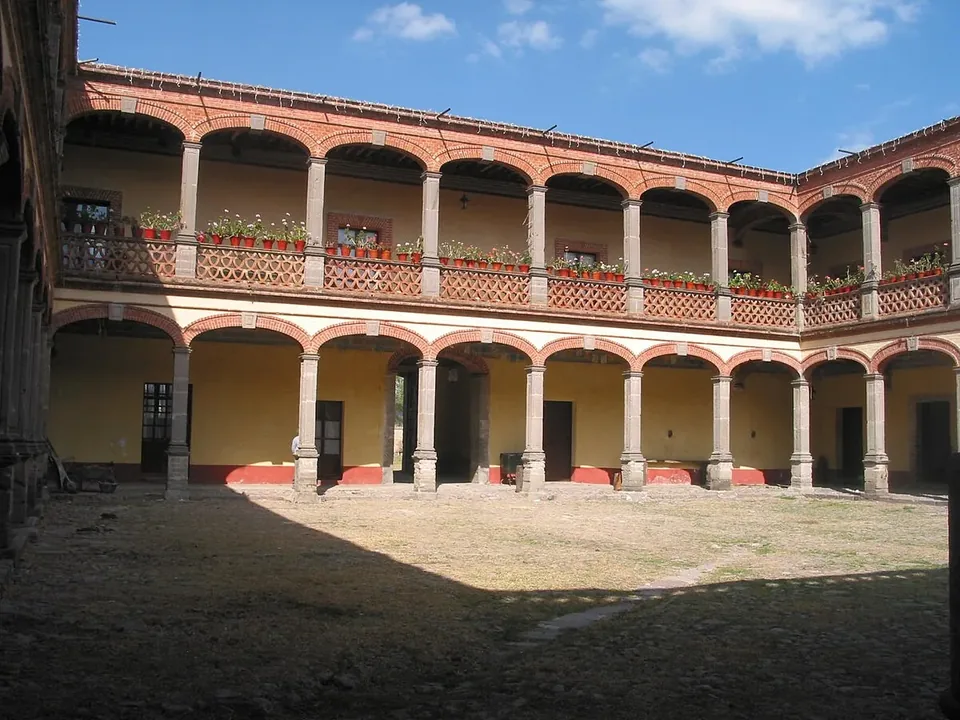
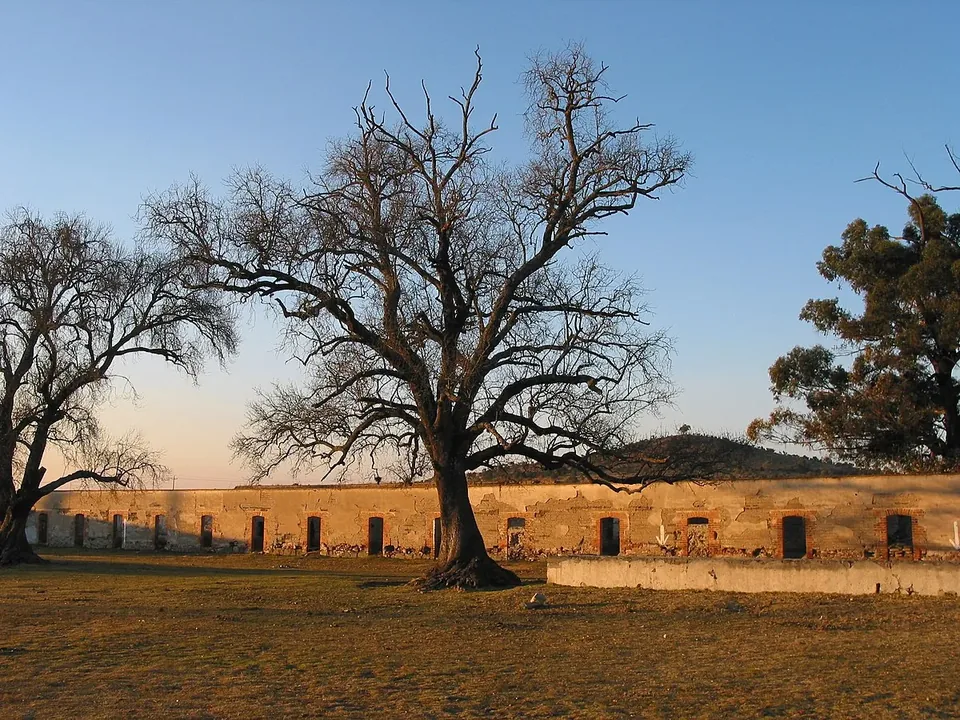
The scene was filmed at the Hacienda San Miguel Tepalca. This is a historic hacienda in Tlaxcala, which serves as an excellent example of traditional Mexican architecture and culture and perfectly conveys rural Mexican life at the beginning of the 20th century. It is also known for its picturesque landscapes and atmosphere, making it a popular location for filming and hosting various events, including weddings. Haciendas served as centers of social and economic life, reflecting family traditions and class differences, themes that are raised in the series: in the plot, the hacienda acts not only as the family's residence but also as a symbol of the traditions and limitations faced by the main character. The real hacienda not only adds visual appeal to the series but also enhances the emotional weight of the plot, allowing viewers to better understand the cultural roots and family traditions of the characters. Moreover, the action unfolds against the backdrop of the Mexican Revolution, and the use of real historical locations helps create a deeper understanding of the time and circumstances in which the characters live.
Mexican Village
In the Film
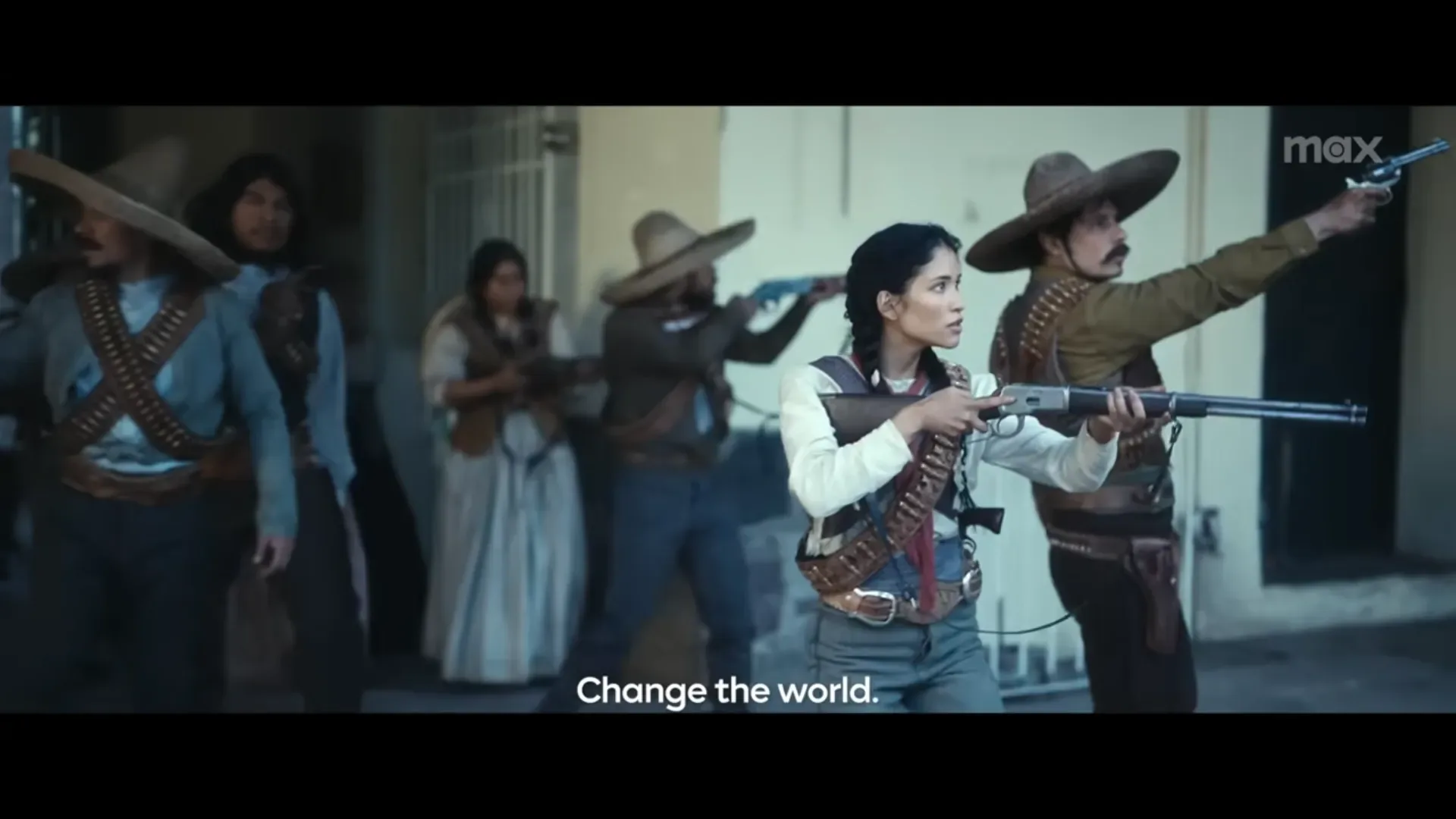
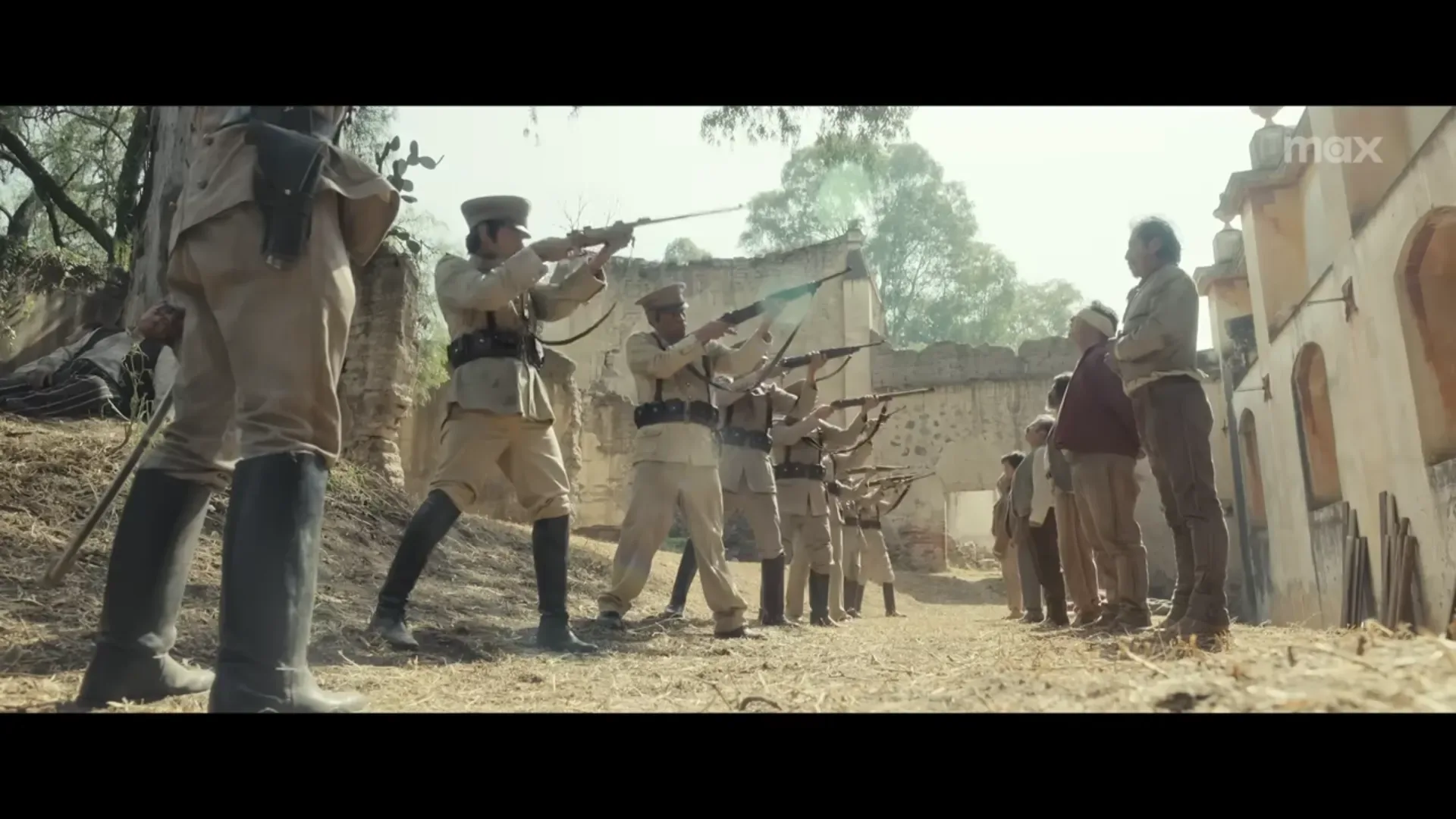
The scene where Gertrudis, with Juan and his fellow revolutionaries, enters one of the local Mexican villages with weapons in hand. Gertrudis, one of Tita's sisters, runs away with the soldier Juan Alejandrez in the midst of the revolution. Together with Juan, she joins the rebels and begins to participate in actions against government forces. Juan and his fellow revolutionaries attack small towns and villages, seeking to free the Mexican people from oppression and injustice. As a result, Gertrudis finds herself involved in difficult life circumstances and ends up in a brothel, becoming one of the sex workers.
In Reality
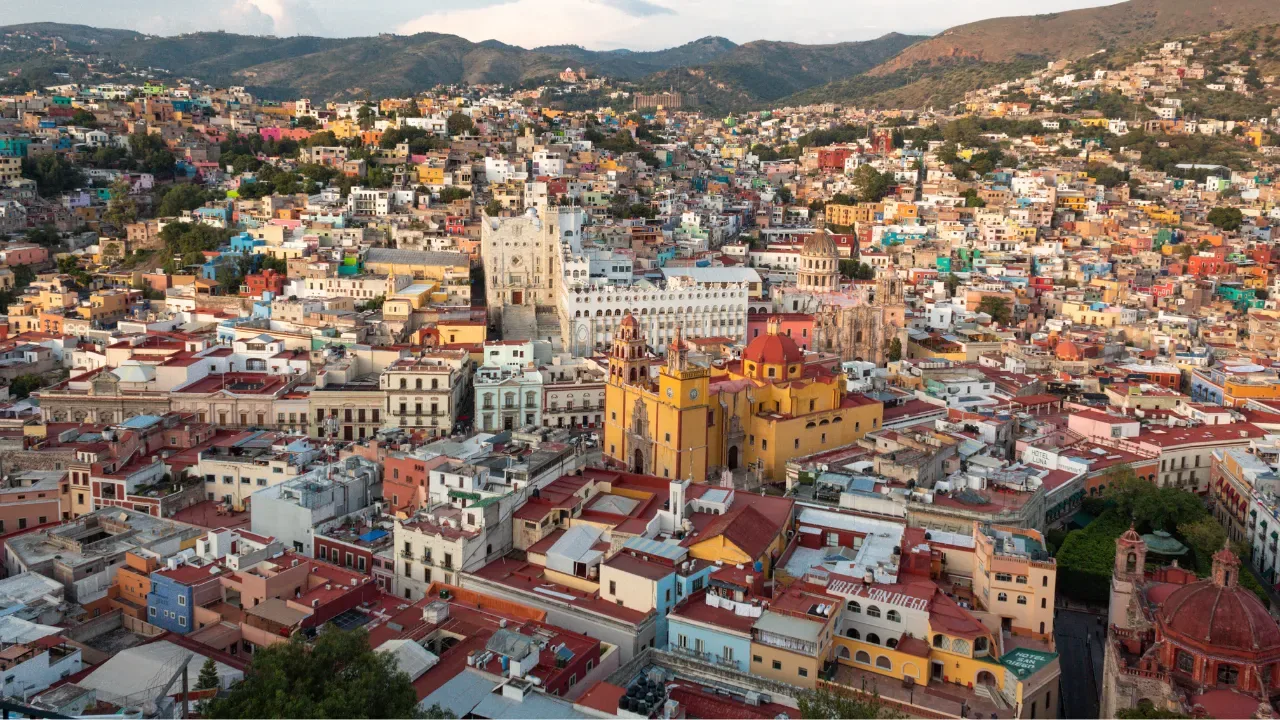
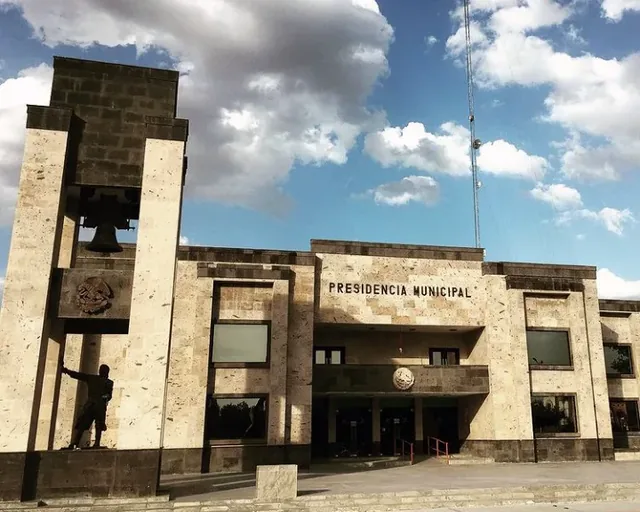
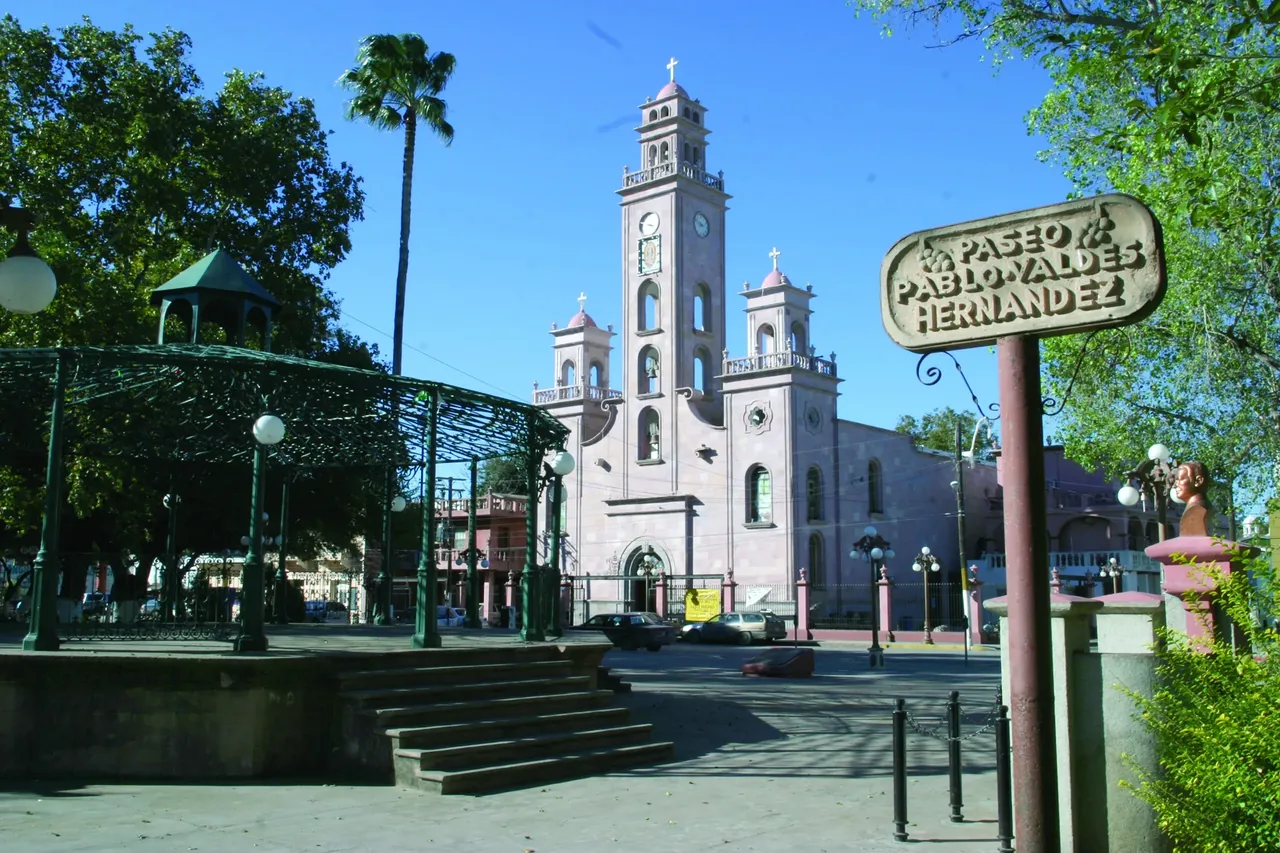
The scene was filmed in Piedras Negras, a Mexican city in the state of Coahuila. Piedras Negras is located on the border with the United States and has a rich history related to the Mexican Revolution, making it a suitable place to recreate events of that time. Also, Piedras Negras has preserved elements of traditional Mexican architecture, which allowed recreating the atmosphere for scenes depicting the course of the revolution and the rebel movement in Mexico.
Comments
0No comments yet.
Sign in to join the discussion.