
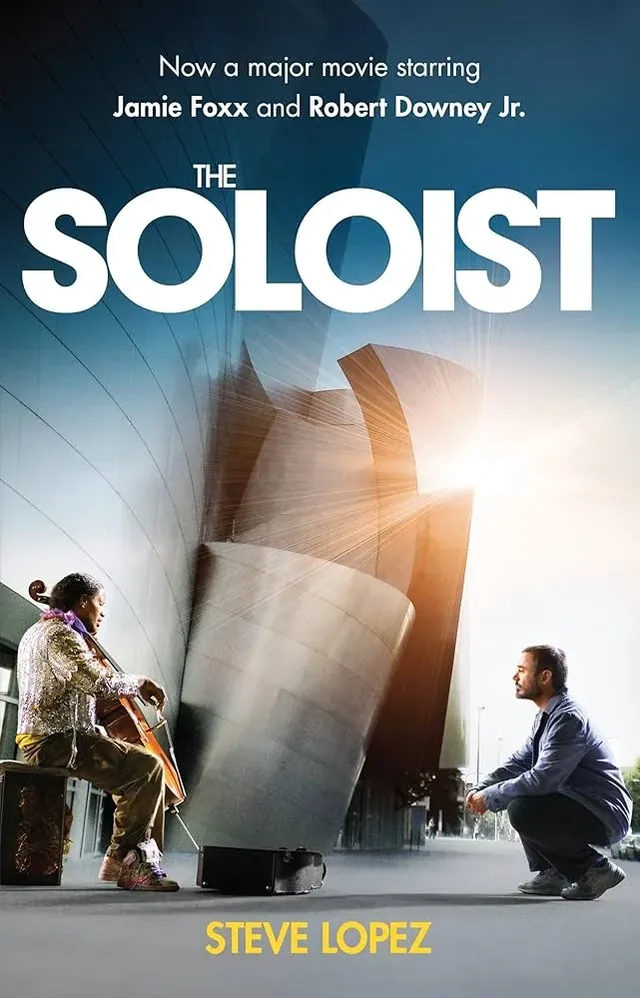
The film is based on the true story of Nathaniel Ayers, a talented musician who developed schizophrenia and ended up on the streets. The film's budget was $60 million — twice that of Wright's previous work 'Atonement'. Filming began in January 2008 and took place primarily in Los Angeles, with some scenes shot in Cleveland. As location manager Kokayi Ampa noted, 'the dance between the day and night reality of life on the streets of downtown Los Angeles resembles a complex ballet.' While exploring locations in downtown Los Angeles that could serve as a visual substitute for the 'Skid Row' area, Kokayi noted an important detail: as shop owners remove their metal security shutters and leave, the homeless begin to occupy these spaces, forming their own market.
Filming Locations:
Square
In the Movie
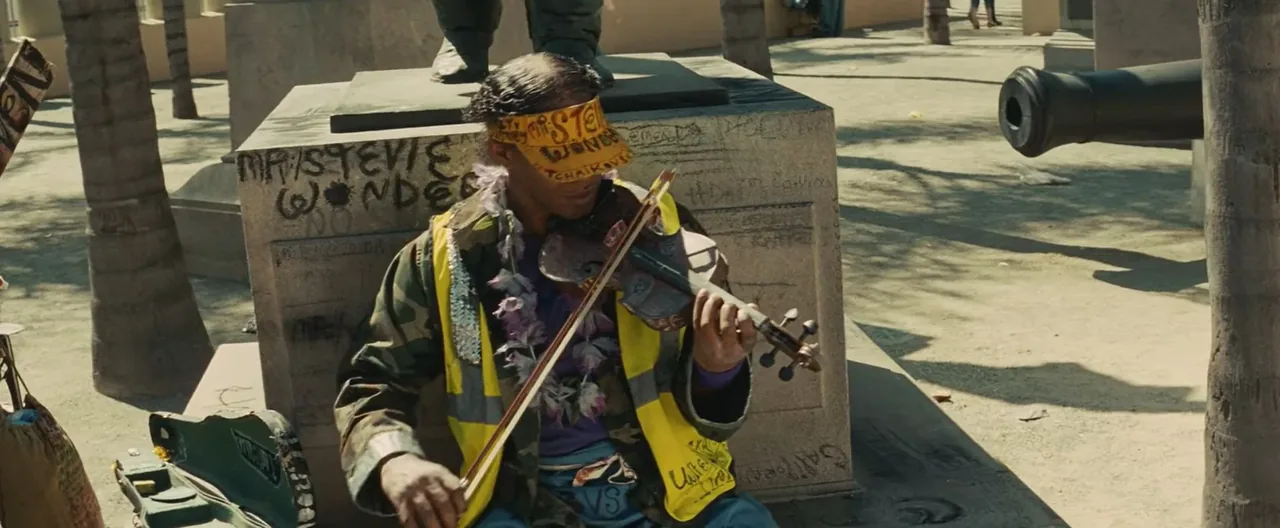
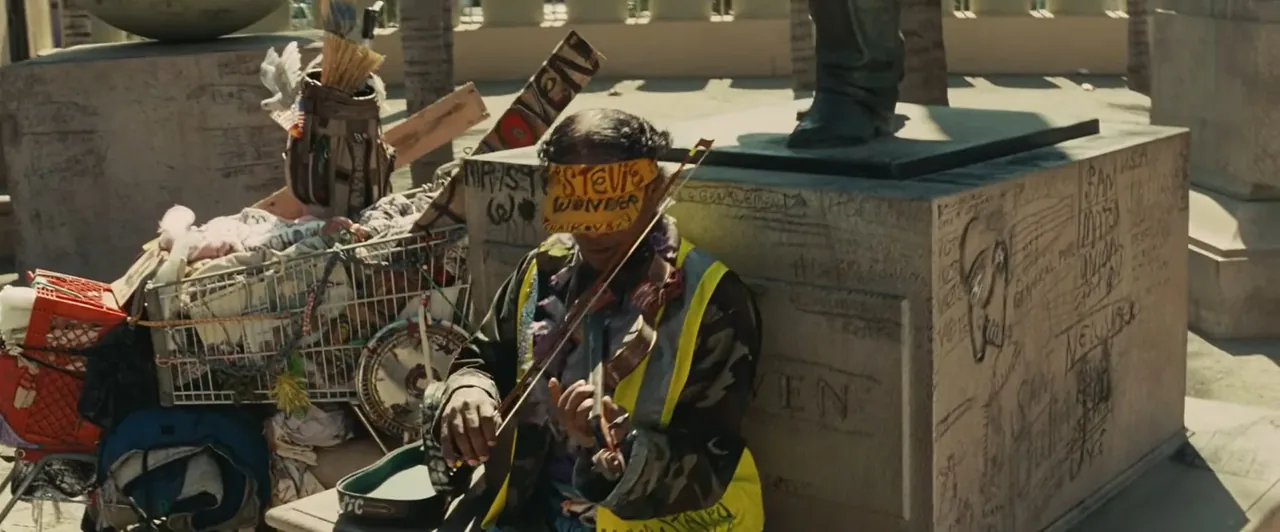
Scene where 'Los Angeles Times' journalist Steve Lopez hears an amazingly beautiful violin performance in one of the city squares. Approaching, he meets the street musician — Nathaniel Ayers, a homeless man suffering from schizophrenia.
In Reality
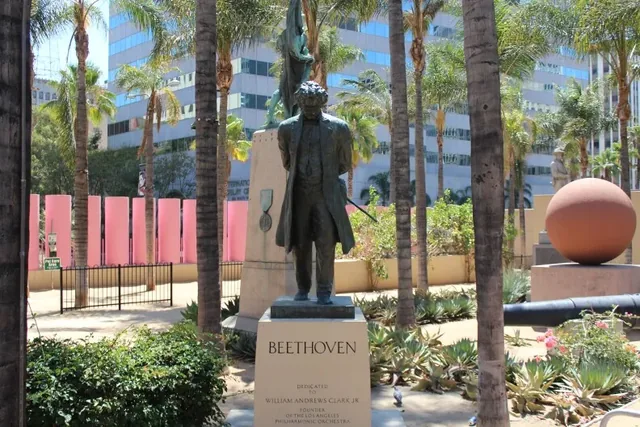
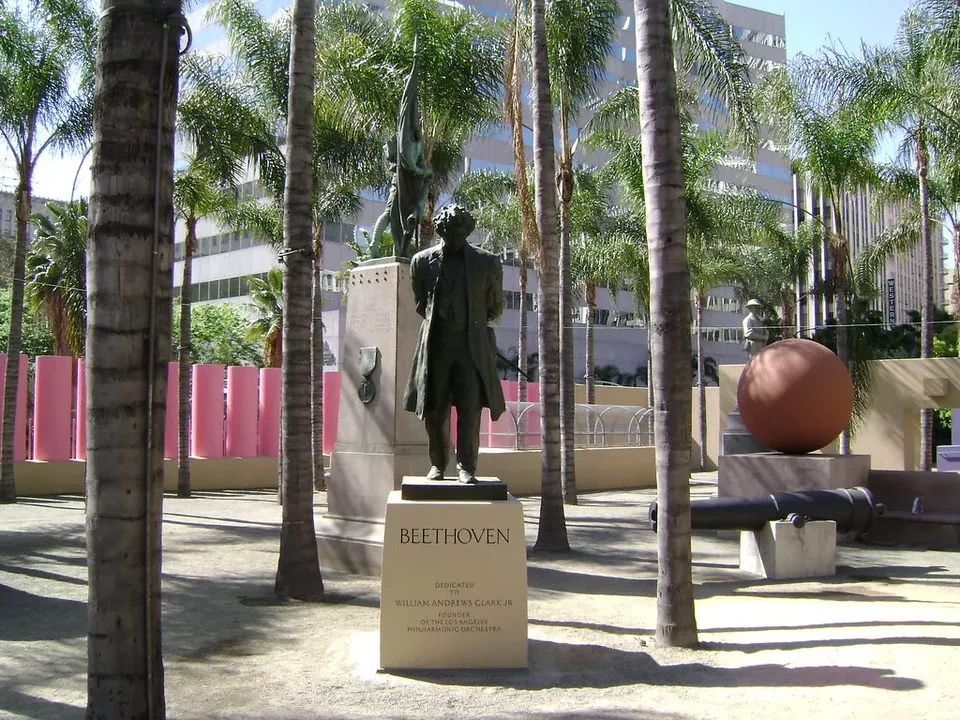
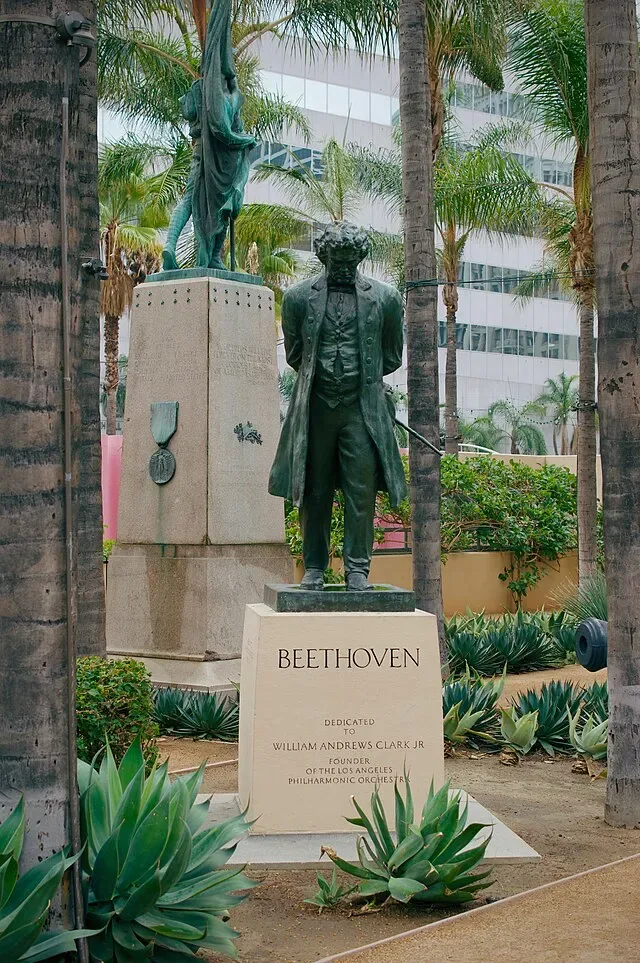
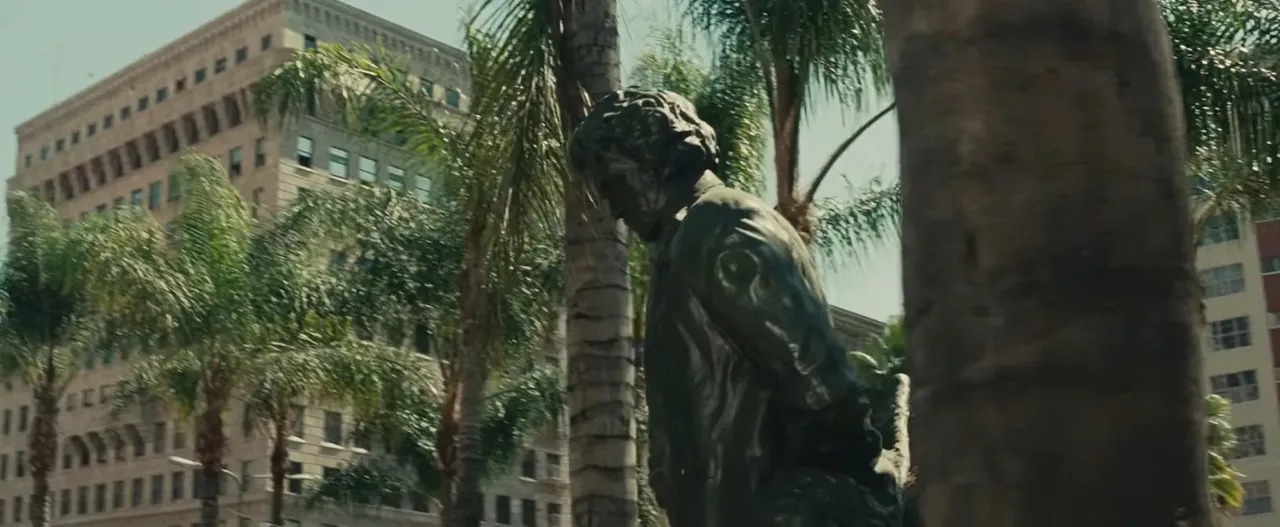
The scene was filmed at Pershing Square in downtown Los Angeles — one of the oldest city squares, surrounded by modern buildings, restaurants, and a metro station right across the street. On the Hill Street side, there is a bronze monument to Ludwig van Beethoven. The sculpture is slightly larger than life: the composer is depicted in a characteristic manner — disheveled hair, a carelessly worn vest, one button missing. His gaze is directed toward the corner of 5th and Olive streets, but his eyes are downcast, as if he is deep in thought or even worried.
Highway
In the Movie
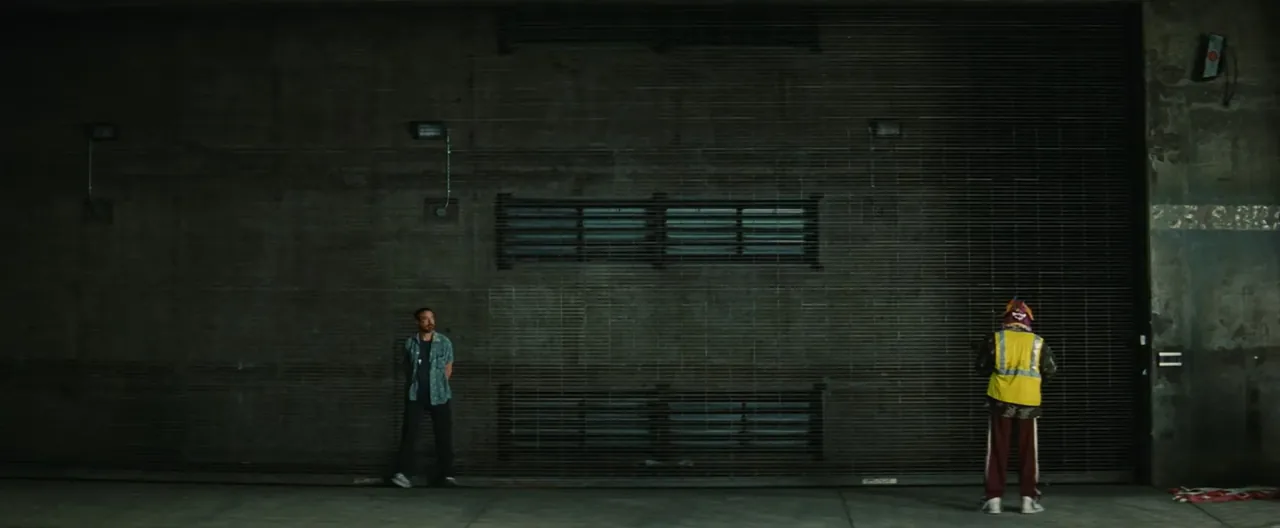
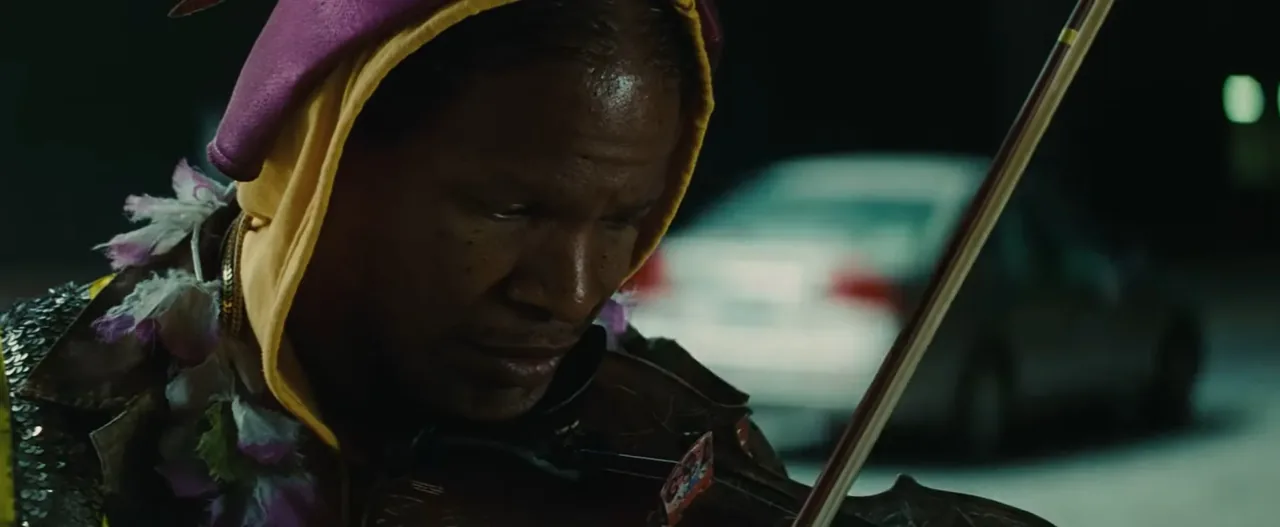
Scene where Steve Lopez finds Nathaniel Ayers by the side of the highway, where he is again playing the violin, trying to capture the sound of elusive Beethoven notes. Lopez tries to talk to him and explain that he would like to write an article about him, but the conversation doesn't work out — Ayers refuses to communicate, absorbed in music and his thoughts.
In Reality
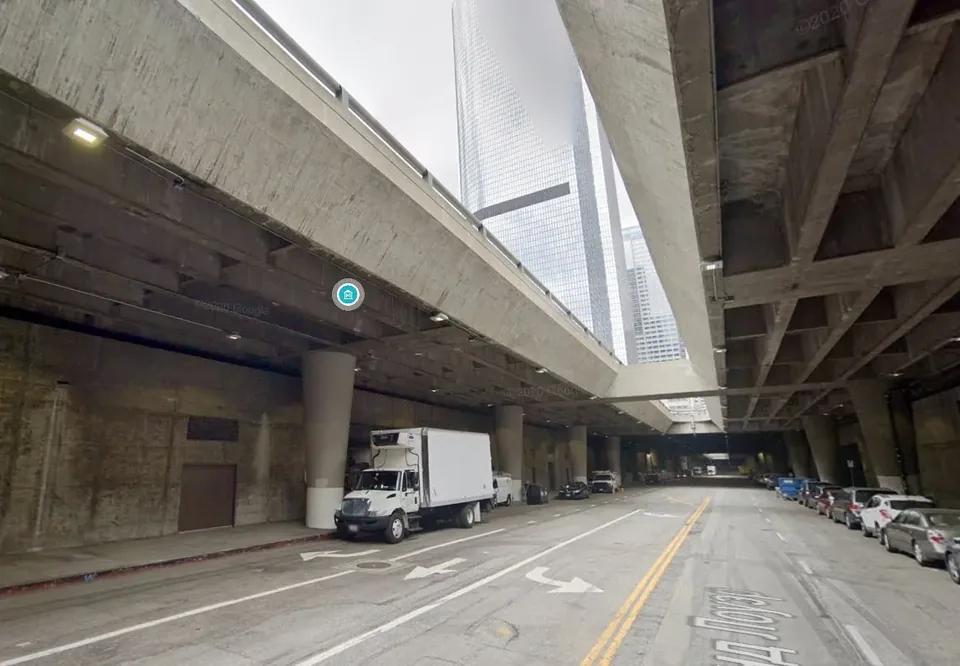
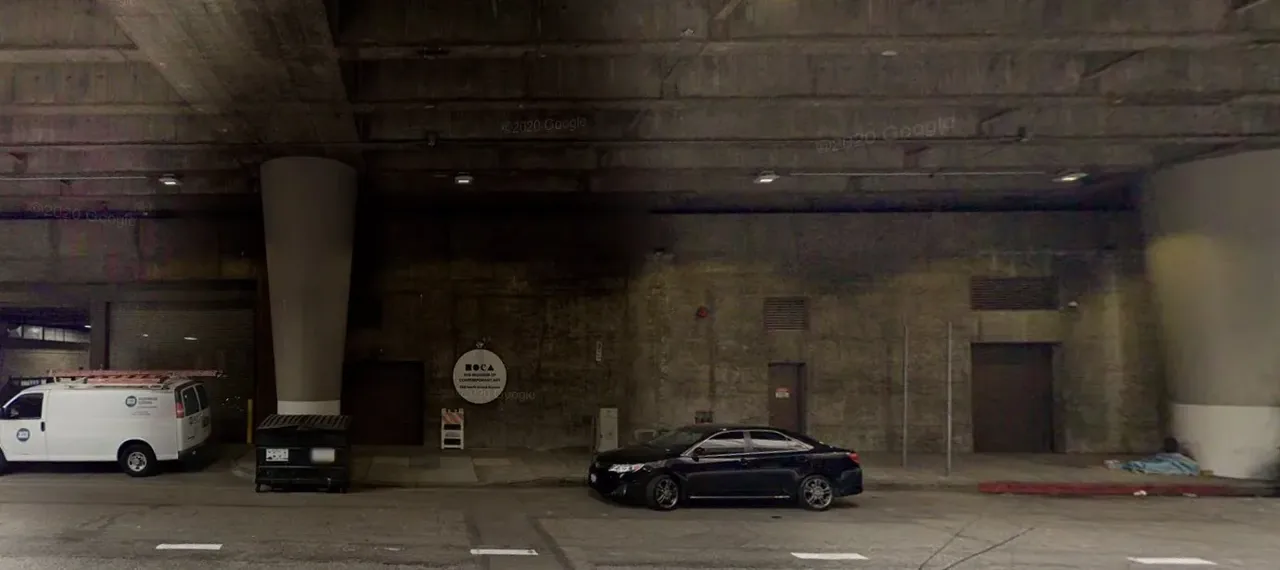
The scene was filmed on Grand Lower Street in Los Angeles. It is one of the multi-level streets in the city center, located below the main level of Grand Avenue. It runs under major traffic arteries and is known for its industrial atmosphere: concrete walls, massive columns, dim lighting, and the resonant sound of passing cars create a gloomy, urban mood.
Concert Hall
In the Movie
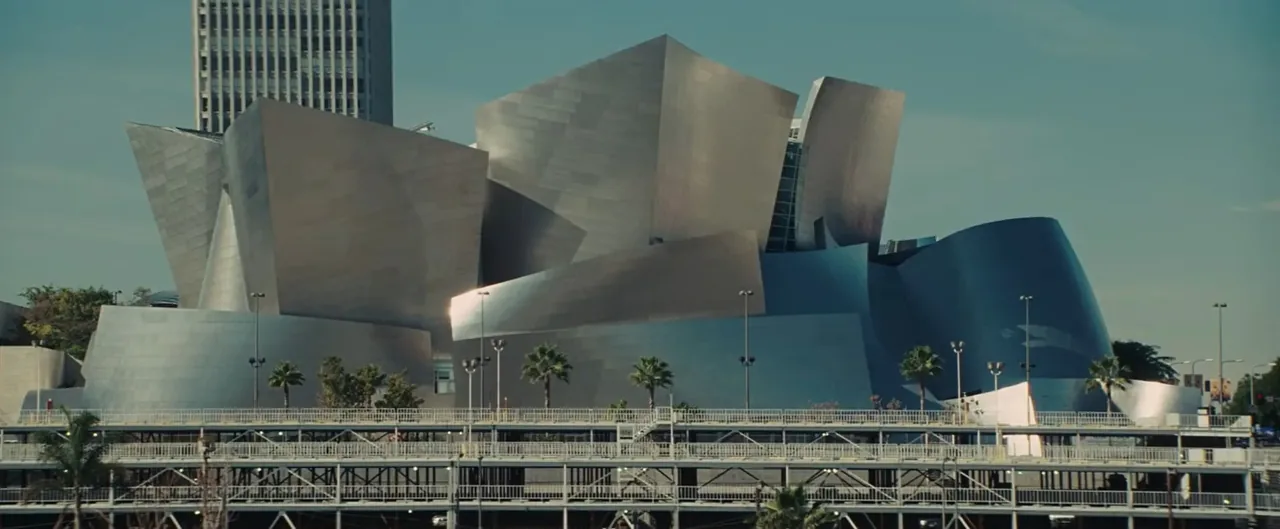
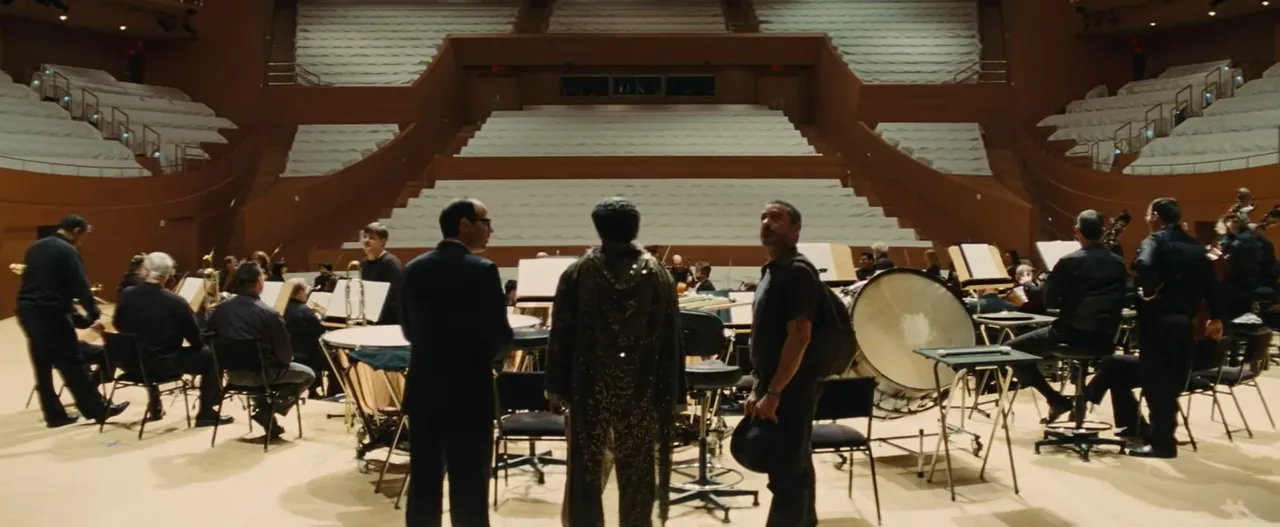
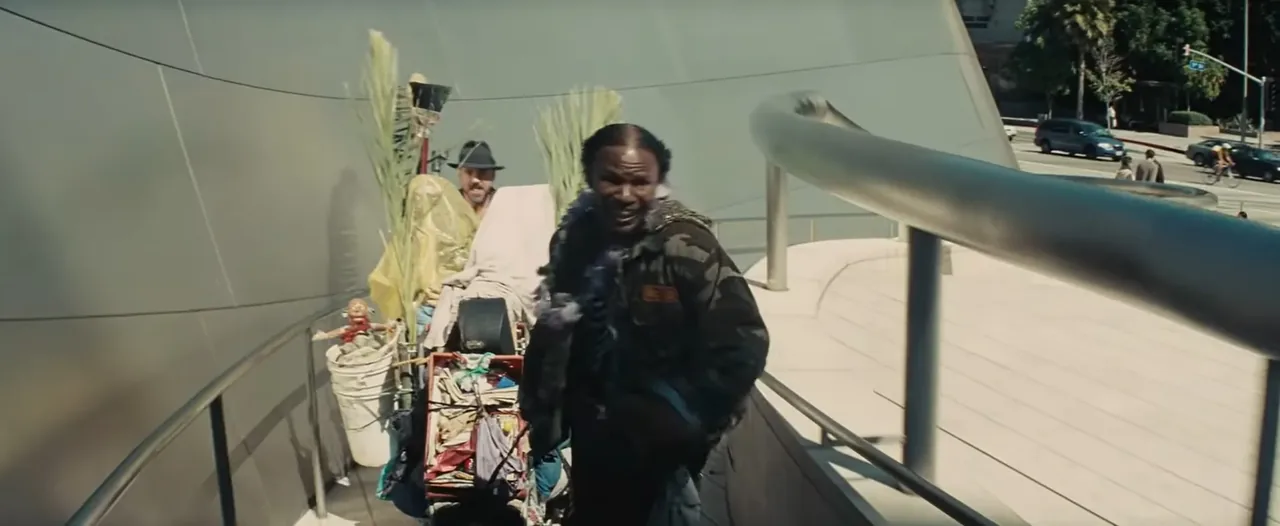
Scene where Steve and Nathaniel rush to the concert hall, pushing a cart piled high with belongings. Among the old and seemingly useless items are several musical instruments. Out of breath, they enter and freeze for a moment, struck by the grandeur of the hall, its scale and acoustics.
In Reality
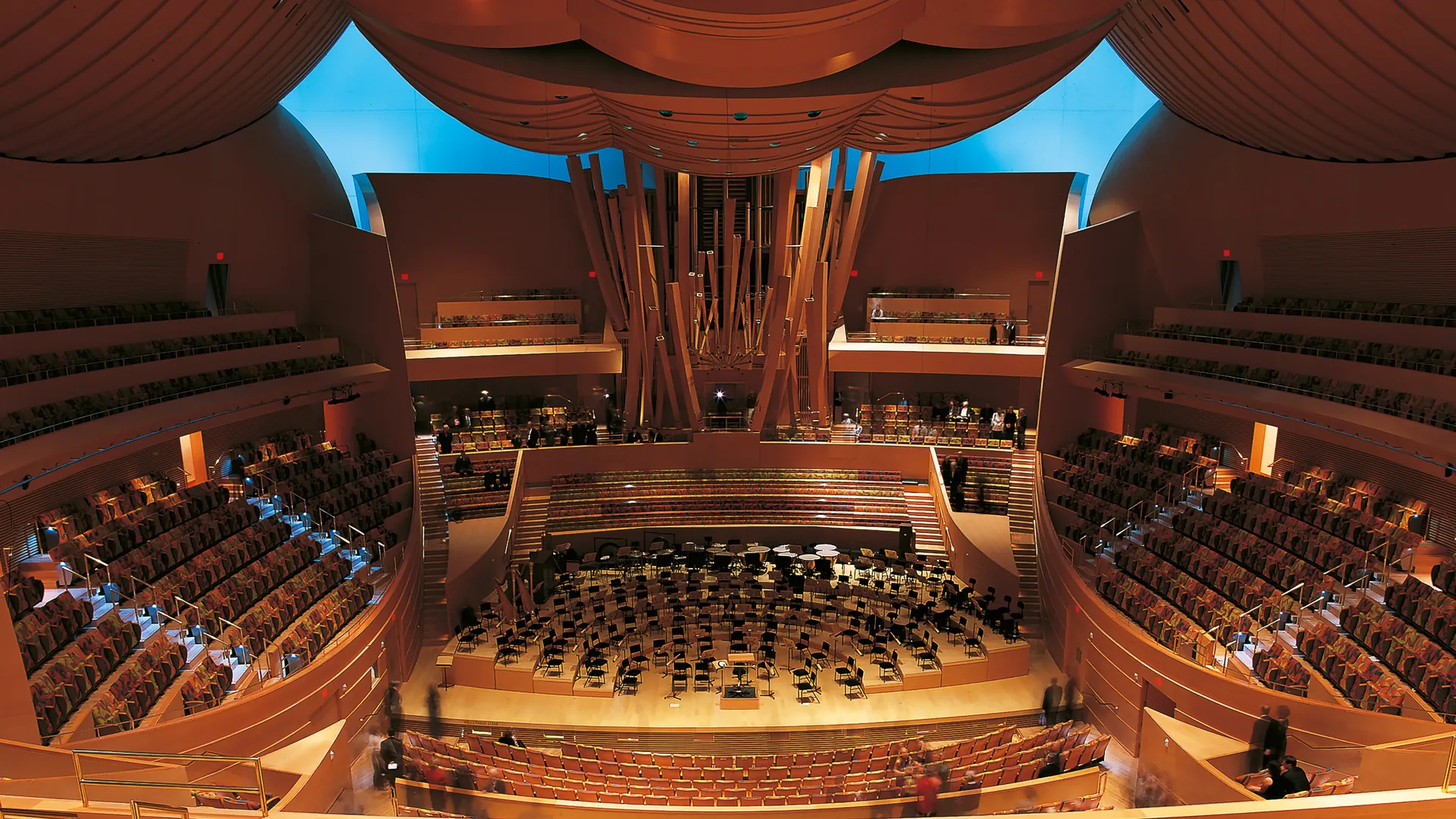
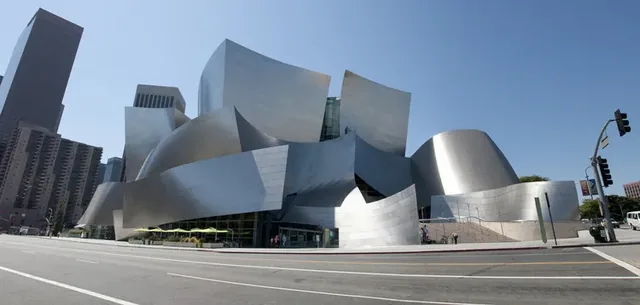
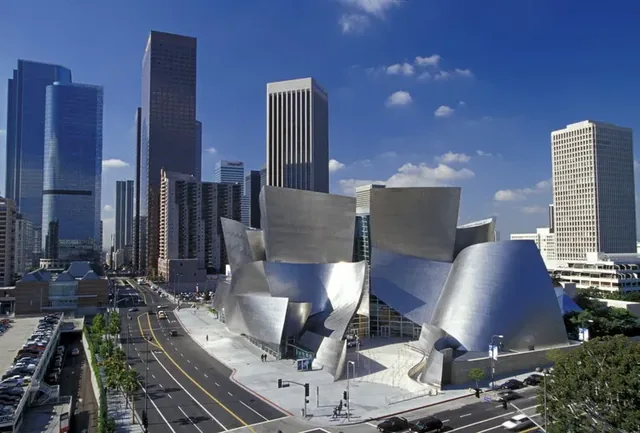
The scene was filmed at the Walt Disney Concert Hall — one of the most recognizable architectural structures in Los Angeles, located in the very center of the city. This building is home to the Los Angeles Philharmonic. The project was created by the famous architect Frank Gehry, known for his futuristic forms. The building stands out for its expressive stainless steel cladding and unique acoustics, developed in collaboration with Japanese sound engineer Yasuhisa Toyota. The interior space of the hall seats over 2,000 spectators while creating a feeling of intimacy and closeness to the stage. Thanks to its architecture and cultural significance, the Disney Concert Hall has become not only an important music venue but also a popular location for filming movies and TV projects.
Newspaper Office
In the Movie
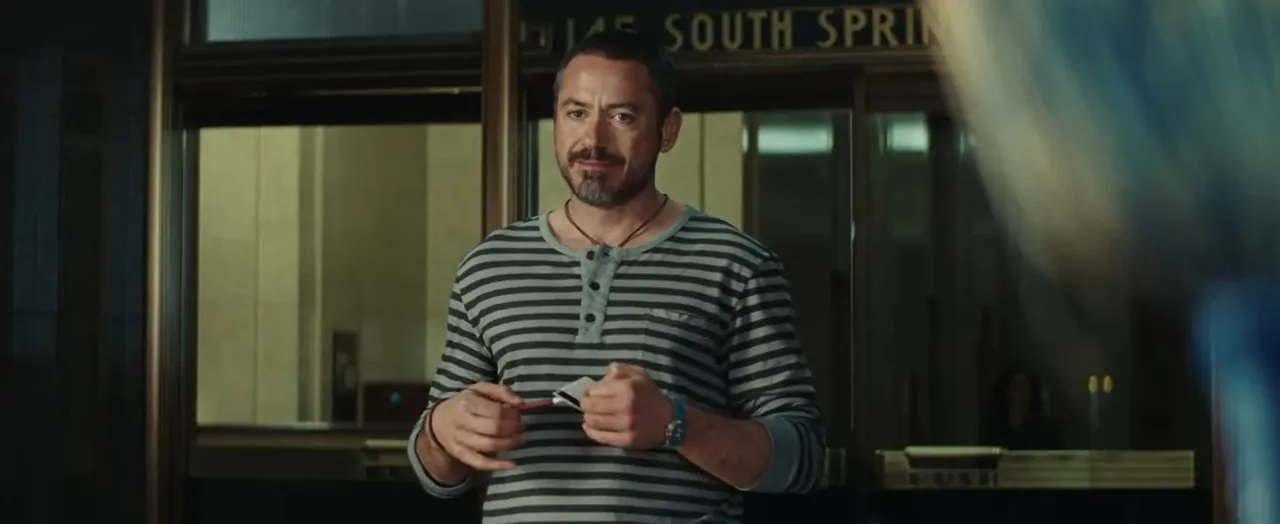
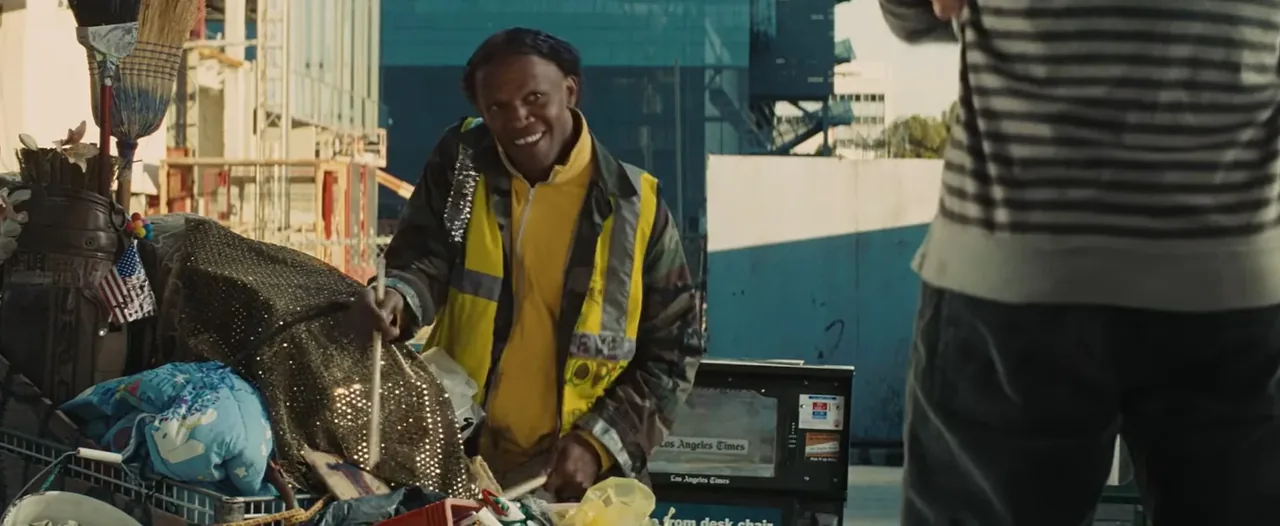
Scene where Steve meets Nathaniel near the newspaper office building. He asks if he needs anything. In response, Nathaniel says with a smile that a person actually needs very little — he has everything with him. To prove it, he shows a water gun.
In Reality
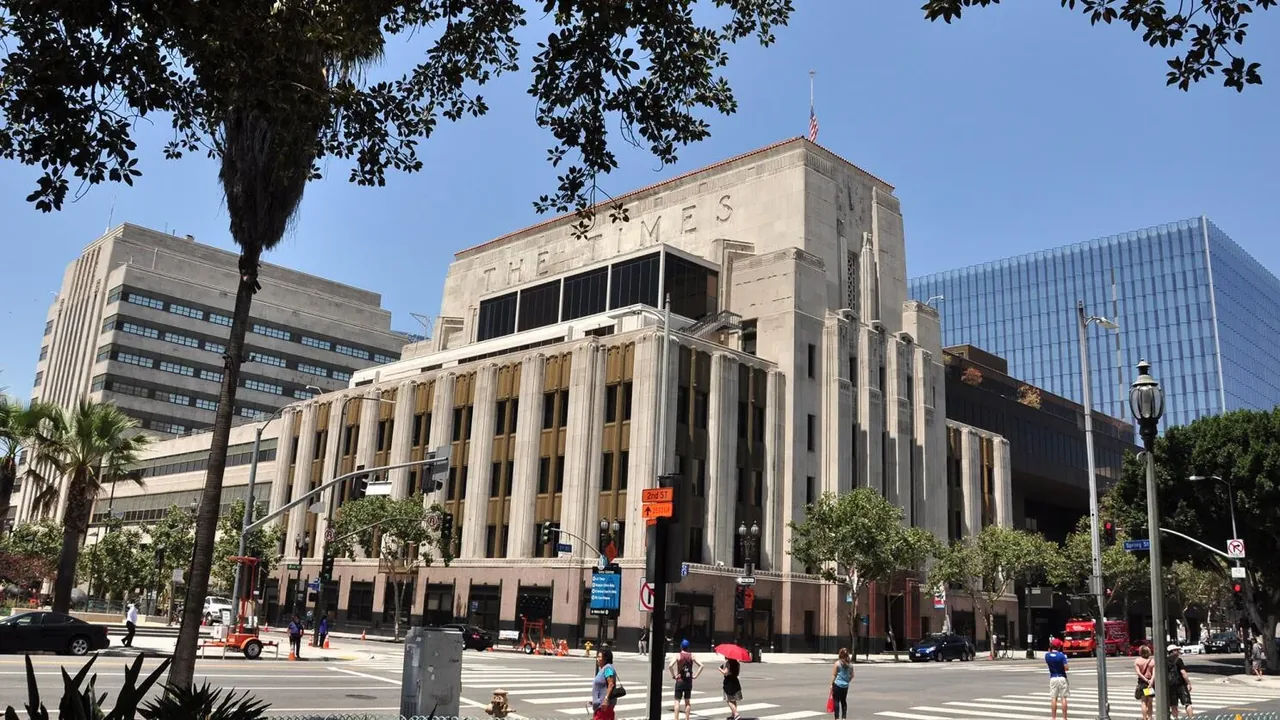
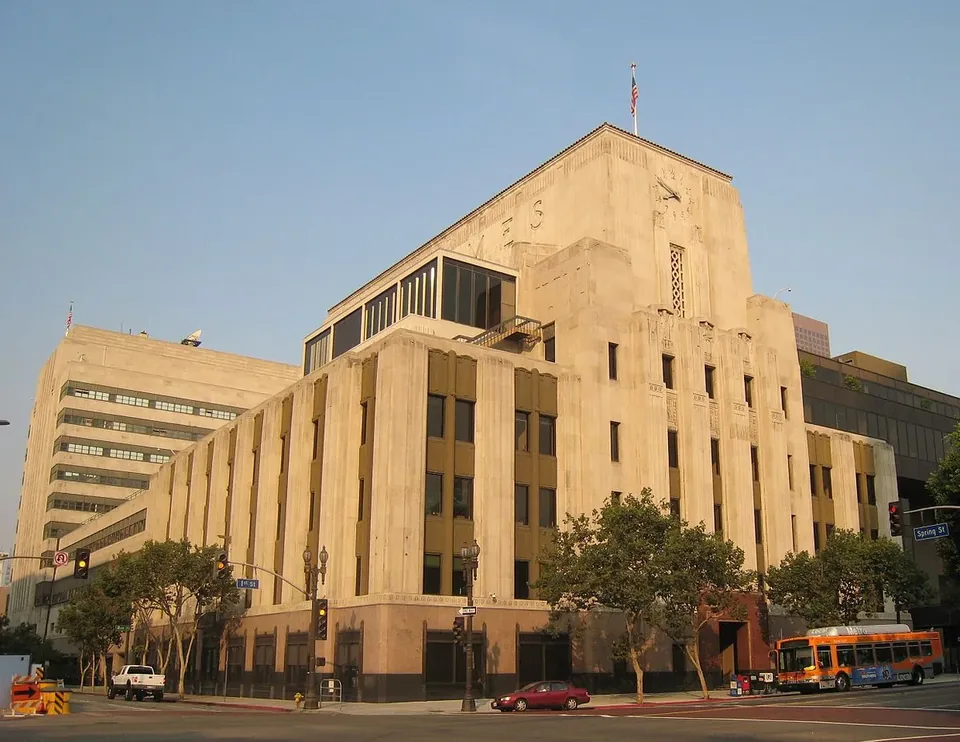
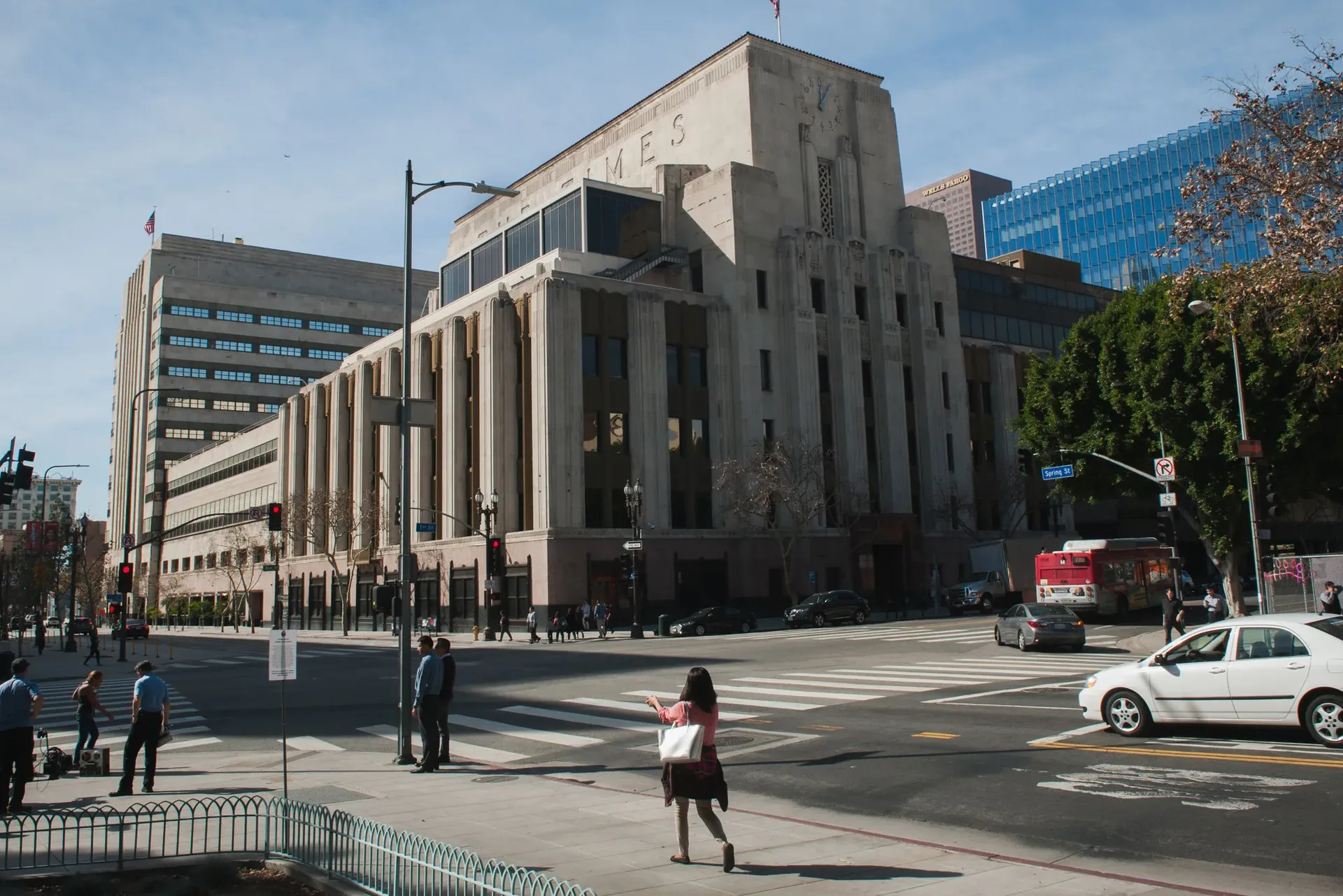
The scene was filmed at the 'Los Angeles Times' building. This is a historic office complex located in downtown Los Angeles at 202 West First Street. It occupies an entire block between Broadway and Spring streets. The building is known for its Art Deco architecture, designed by architect Gordon Kaufmann. Its facade is adorned with bas-reliefs and sculptural elements reflecting themes of progress, technology, and printing. Since its opening in 1935, the building has served as the main office of the 'Los Angeles Times' newspaper.
Comments
0No comments yet.