
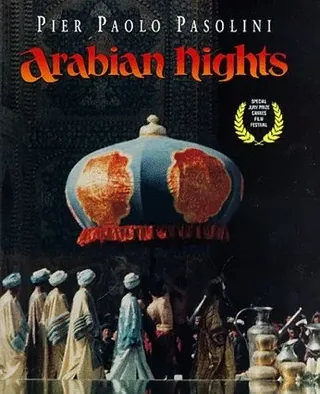
The 1974 Italian adventure film was directed by Pier Paolo Pasolini. It is the final part of his 'Trilogy of Life', which also includes 'The Decameron' and 'The Canterbury Tales'. The film is a loose adaptation of several stories from the ancient Arabic collection 'One Thousand and One Nights', with the plotlines presented without the traditional framing story of Shahryar and Scheherazade. The main character is a young man named Nur-ud-Din (played by Franco Merli), who falls in love with the beautiful slave girl Zumurrud (Ines Pellegrini). She chooses him as her master, but after he naively makes a mistake, the girl is kidnapped. Nur-ud-Din embarks on a long and adventurous journey to reclaim his beloved. In addition to the main storyline, other stories from the original collection are interwoven. The filming took place in picturesque and exotic locations: in Iran, northern and southern Yemen, the deserts of Eritrea and Ethiopia, and also in Nepal. Some episodes, including interior scenes, were filmed at the Cinecittà studios in Rome. The story of Prince Siym, which Zumurrud reads, was filmed in Ethiopia with local non-professional actors. In one of the love scenes, the young actress Barbara Grandi, who was only 13 at the time, was replaced by an adult body double to ensure ethical and legal standards.
Filming Locations:
City Gate
In the Film
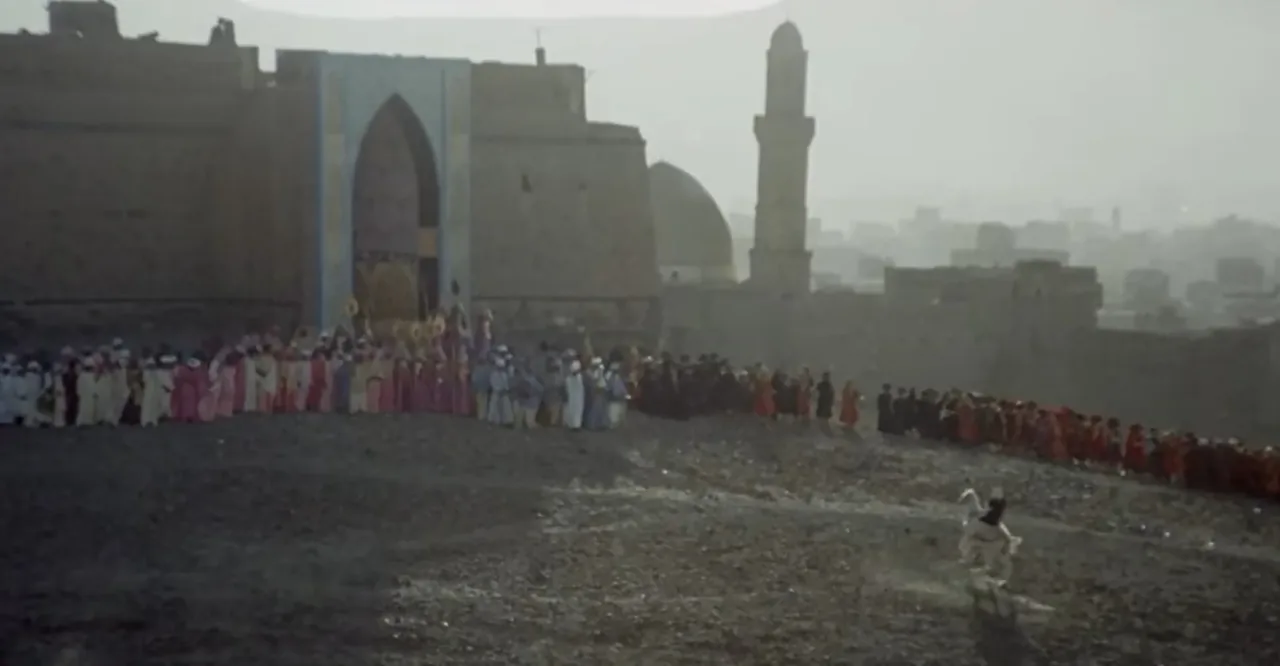
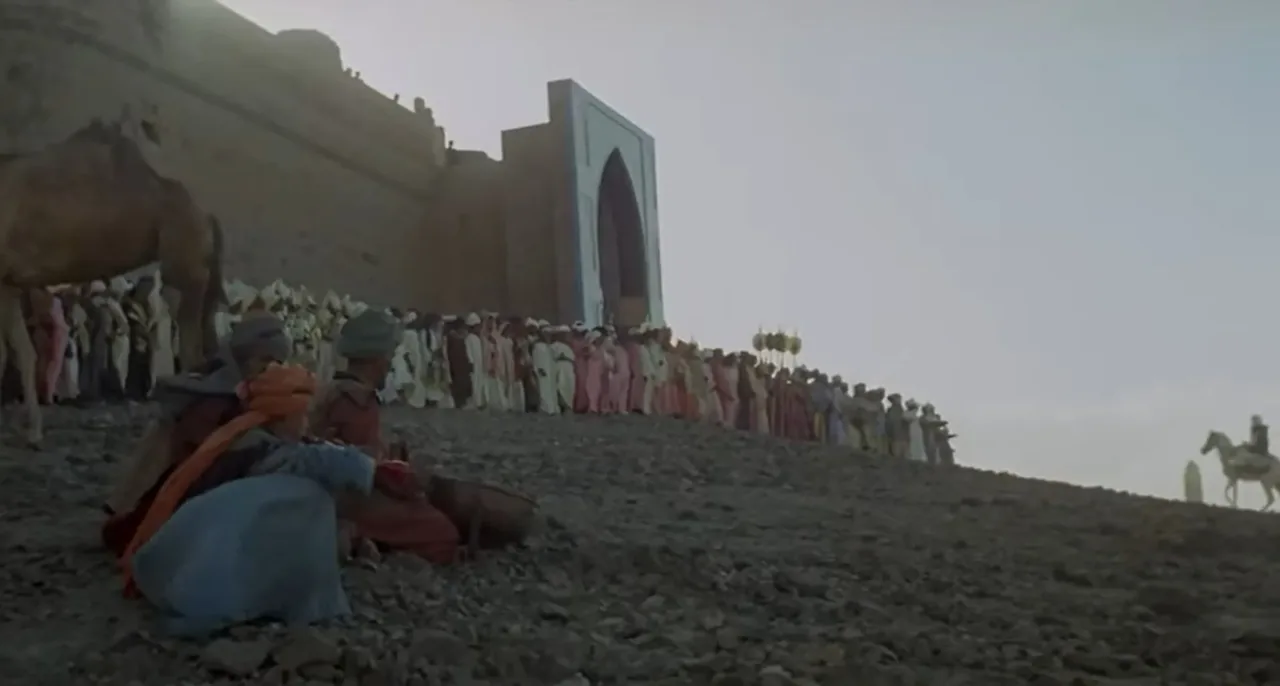
Scene where Zumurrud crosses the desert and arrives at the gates of a city guarded by soldiers. Posing as a soldier named Vardan, she successfully passes herself off as a man. Upon learning this, the townspeople inform her that, by tradition, if a king dies without leaving an heir, the first traveler to arrive in the city will ascend the throne. Believing in her disguise, they proclaim Zumurrud the new ruler.
In Reality
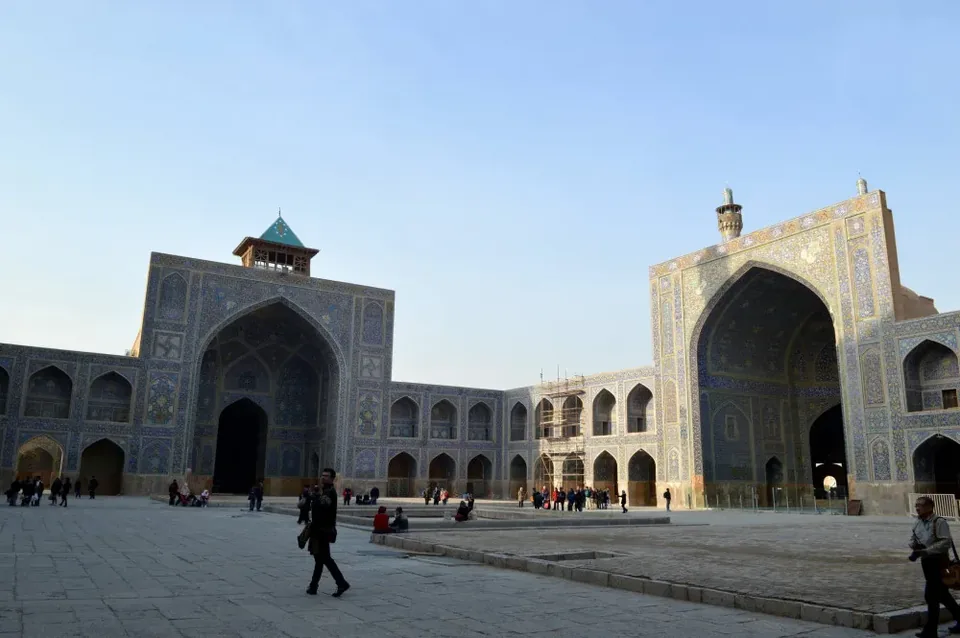
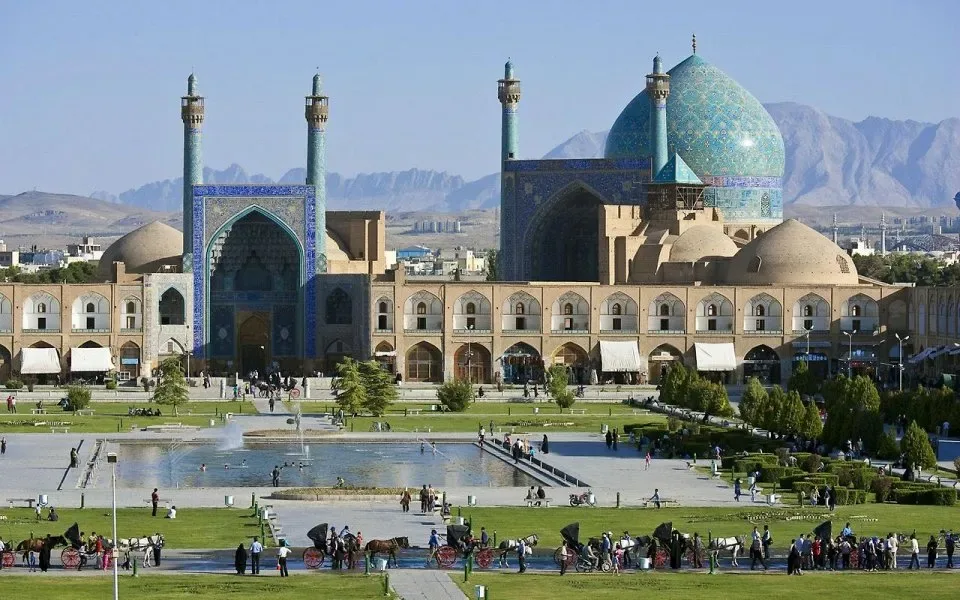
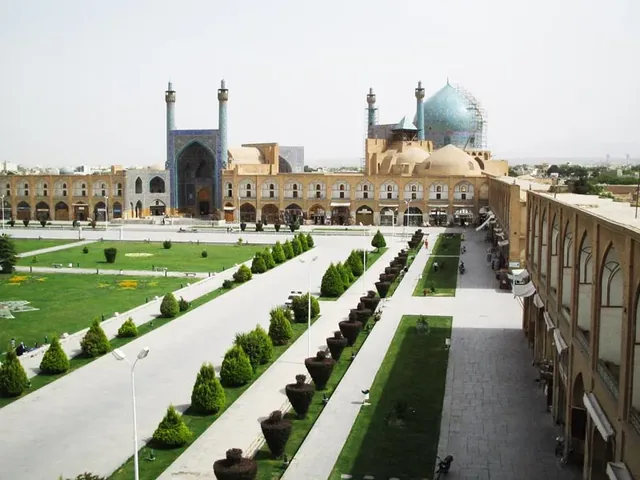
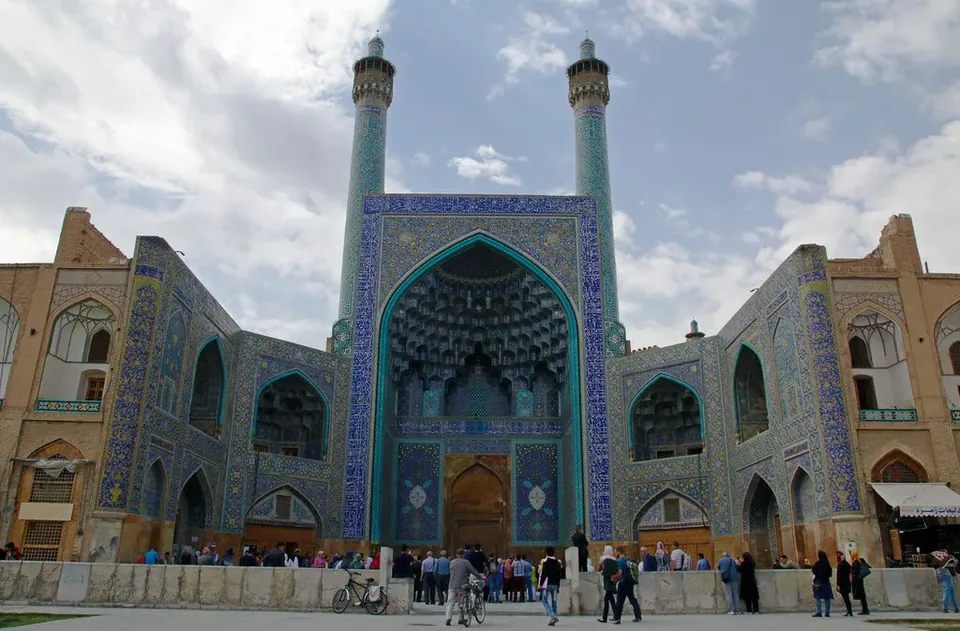
The scene was filmed at the Masjed-e Shah (Imam Mosque) — one of the greatest mosques in Isfahan, Iran. This architectural masterpiece of the Safavid period, built in the early 17th century, is located on the south side of Naqsh-e Jahan Square and serves as an outstanding example of Islamic architecture with magnificent blue tiles, tall minarets, and a monumental iwan.
Street
In the Film
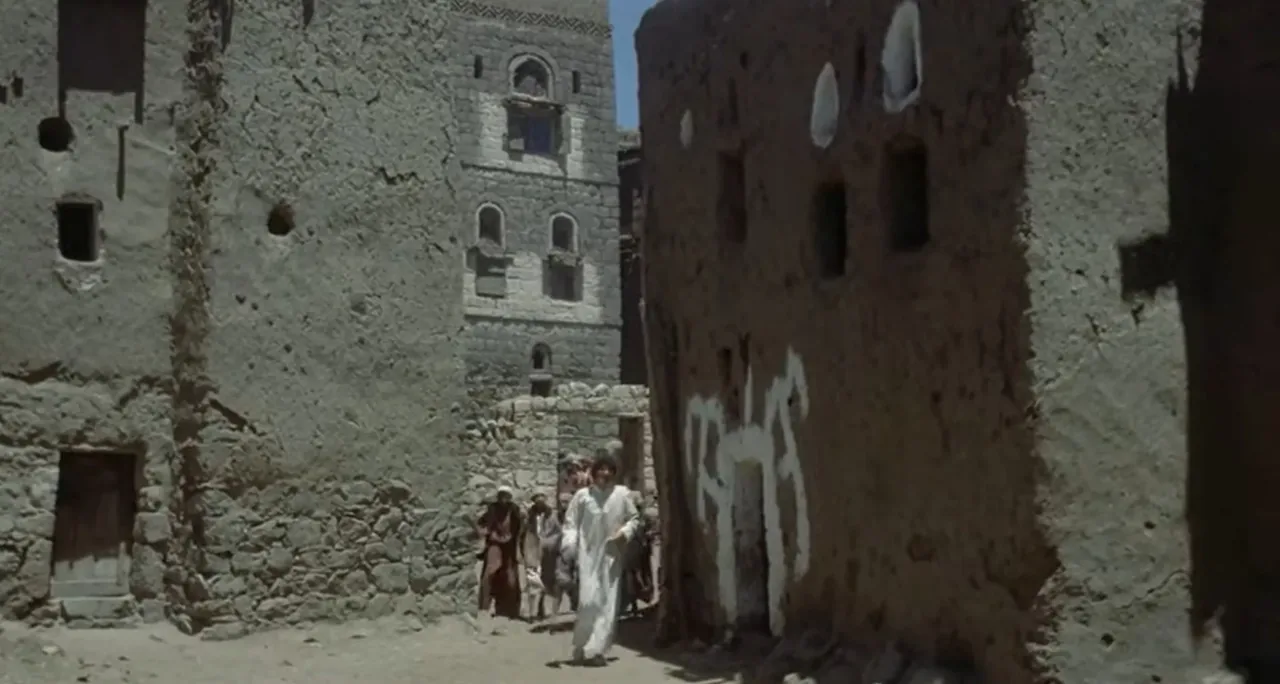
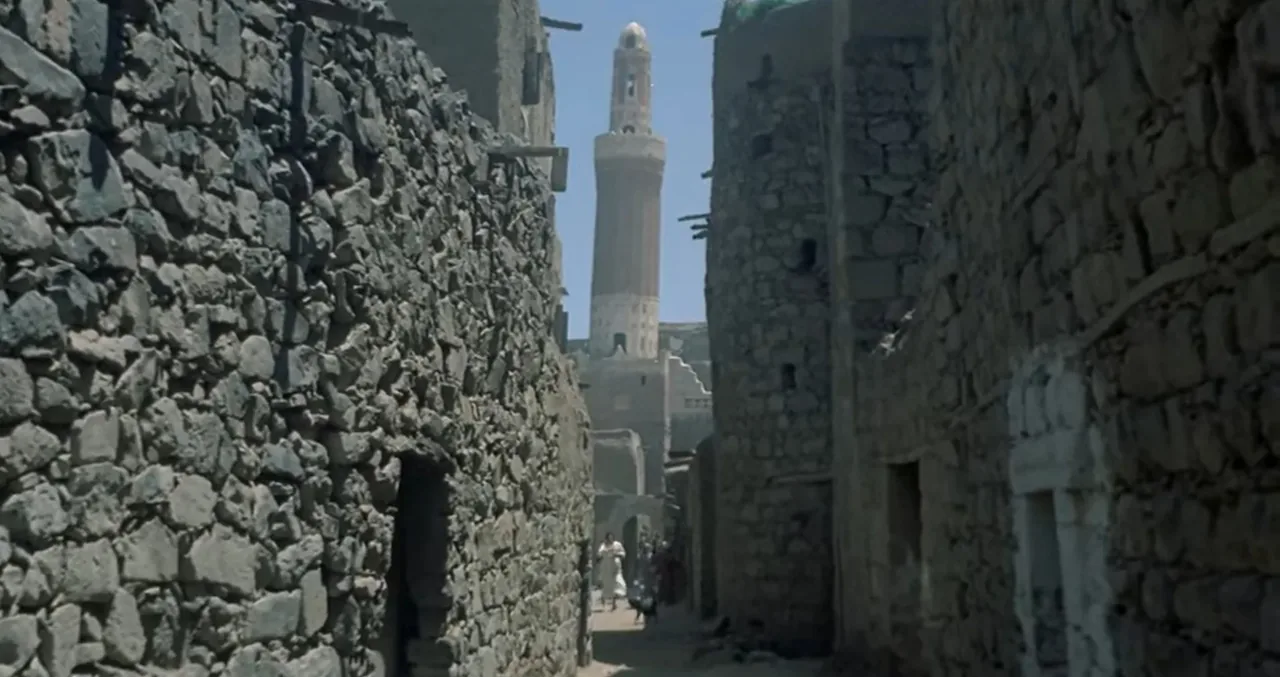
Scene where the hero named Aziz was supposed to marry his cousin Aziza, but on the wedding day he accidentally meets a mysterious woman while sitting under her window. The woman silently gives him signs, and he becomes deeply enchanted by her. Not knowing what to do, he turns to Aziza for advice. She, despite her own feelings, helps him: she deciphers the stranger's gestures, suggests how to respond, and what verses to recite to express his sympathy.
In Reality
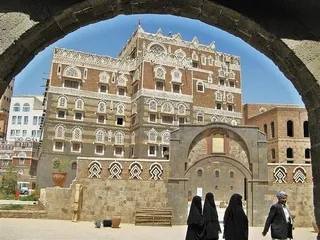
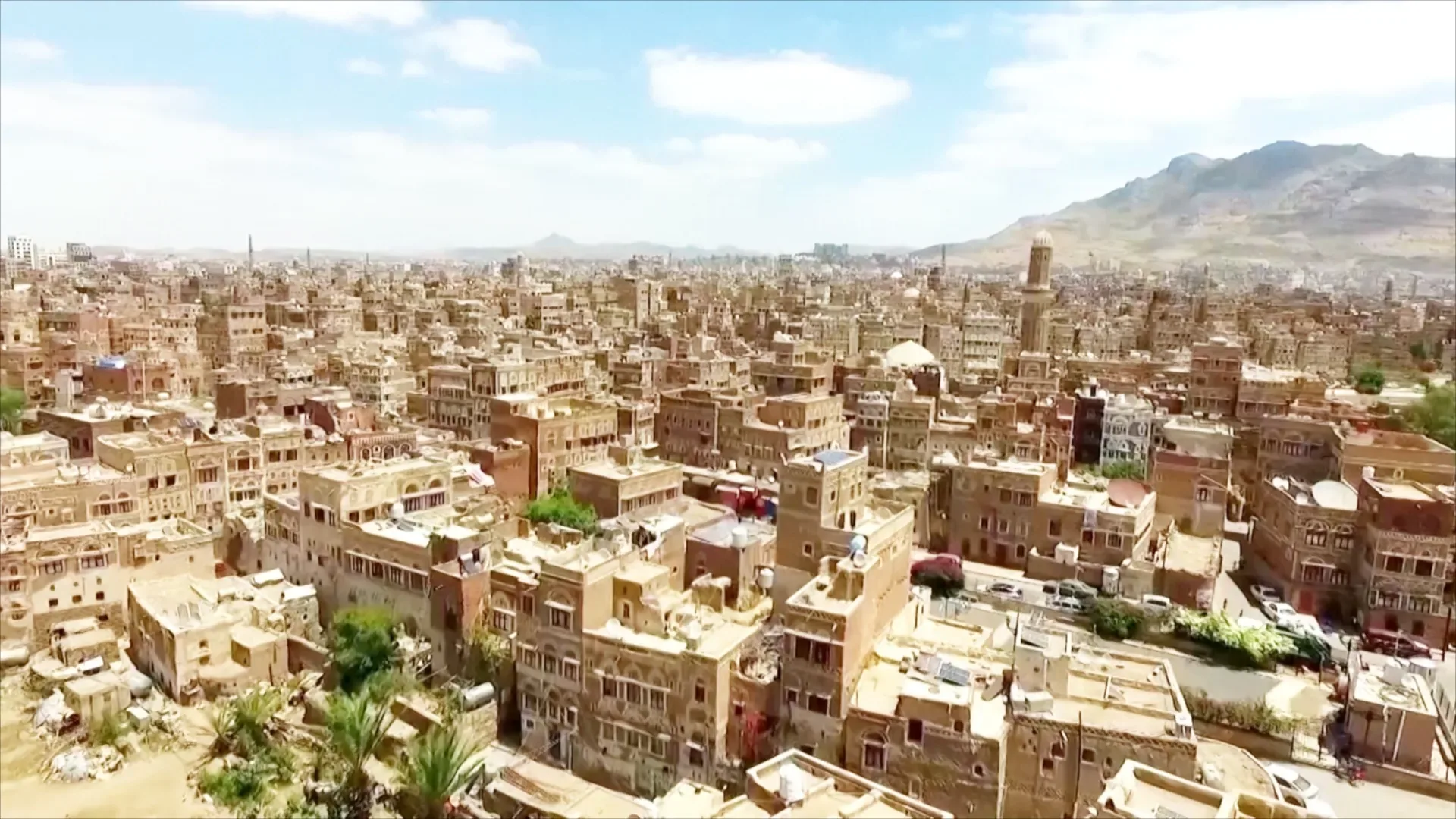
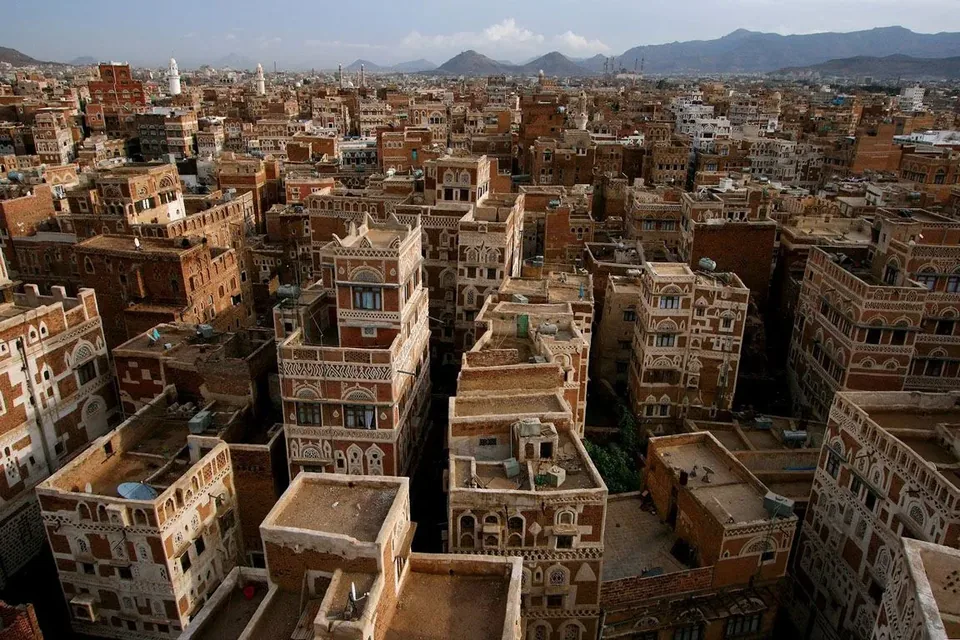
The scene was filmed in the city of Sana'a, the capital of Yemen, in the unique historic part of the city — Old Sana'a, which is a UNESCO World Heritage site. This area is famous for its dense urban fabric with characteristic multi-story mudbrick houses decorated with white lime patterns, narrow streets, towers and minarets, as well as traditional markets and architecture preserved since medieval times.
Desert
In the Film
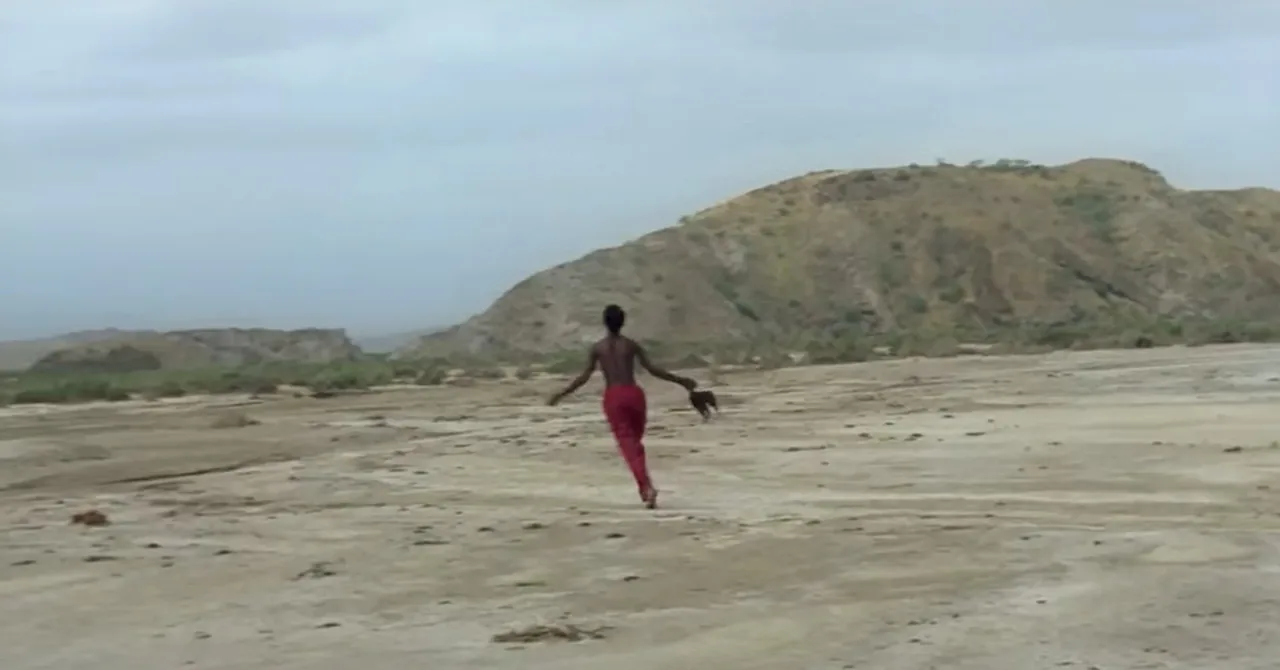
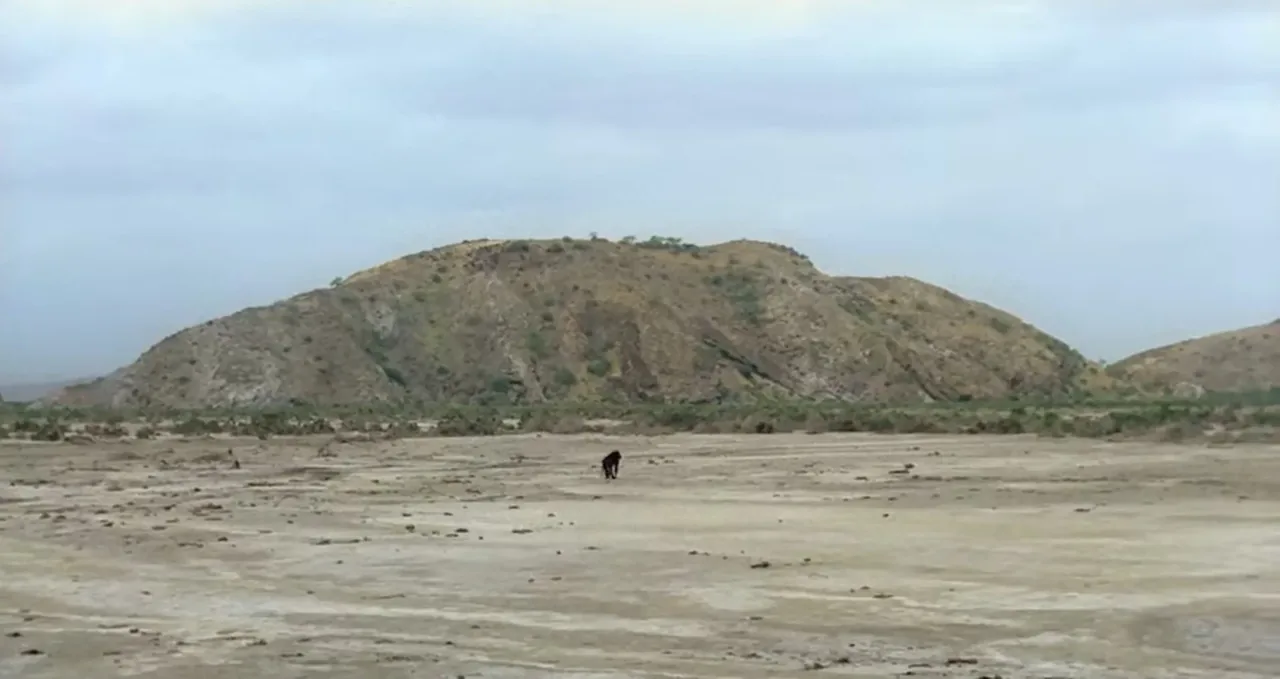
Scene where a genie declares to Prince Shahzaman that he will not kill him but will impose a severe curse — turn him into a monkey for his deeds. The transformed prince is picked up by travelers on a ship, unaware that before them was once a man. Their astonishment grows when the monkey unexpectedly takes paper and brush and begins to write elegant verses in calligraphy.
In Reality
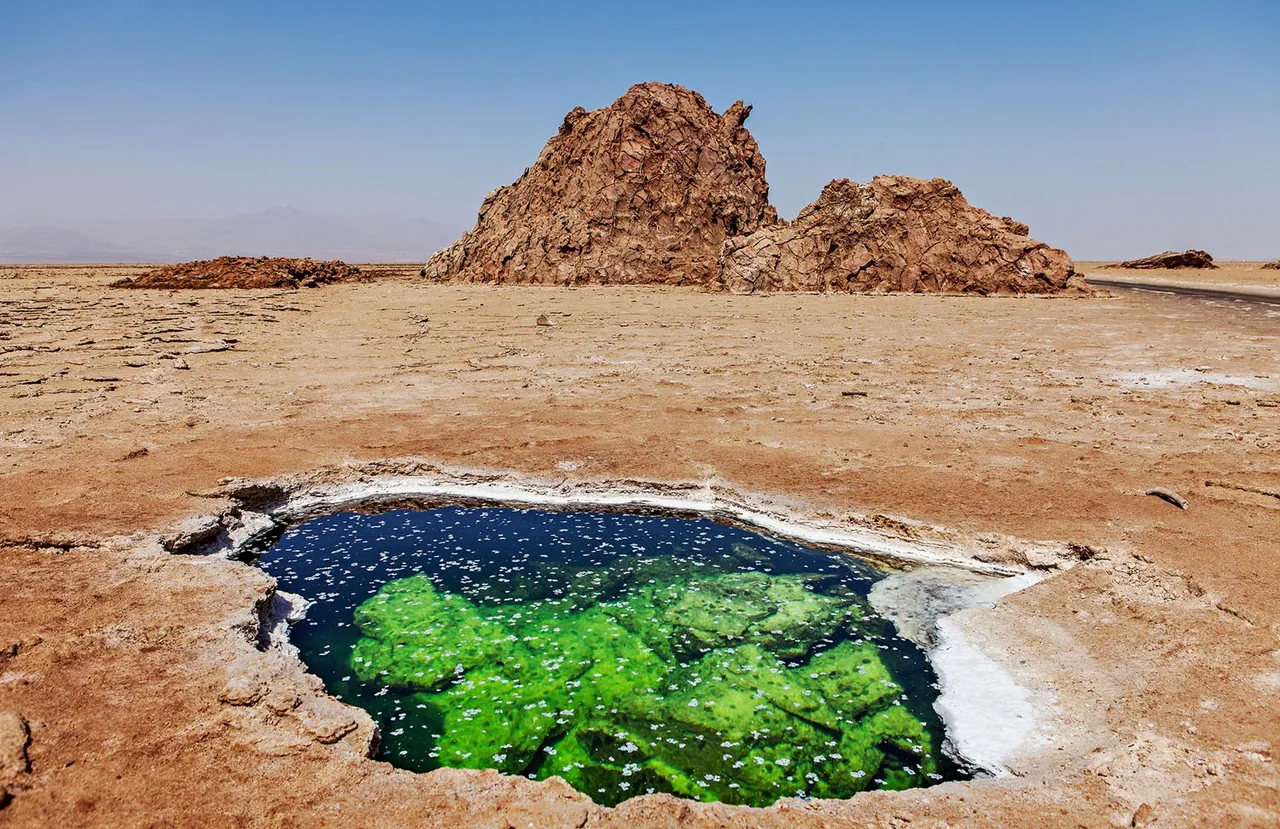
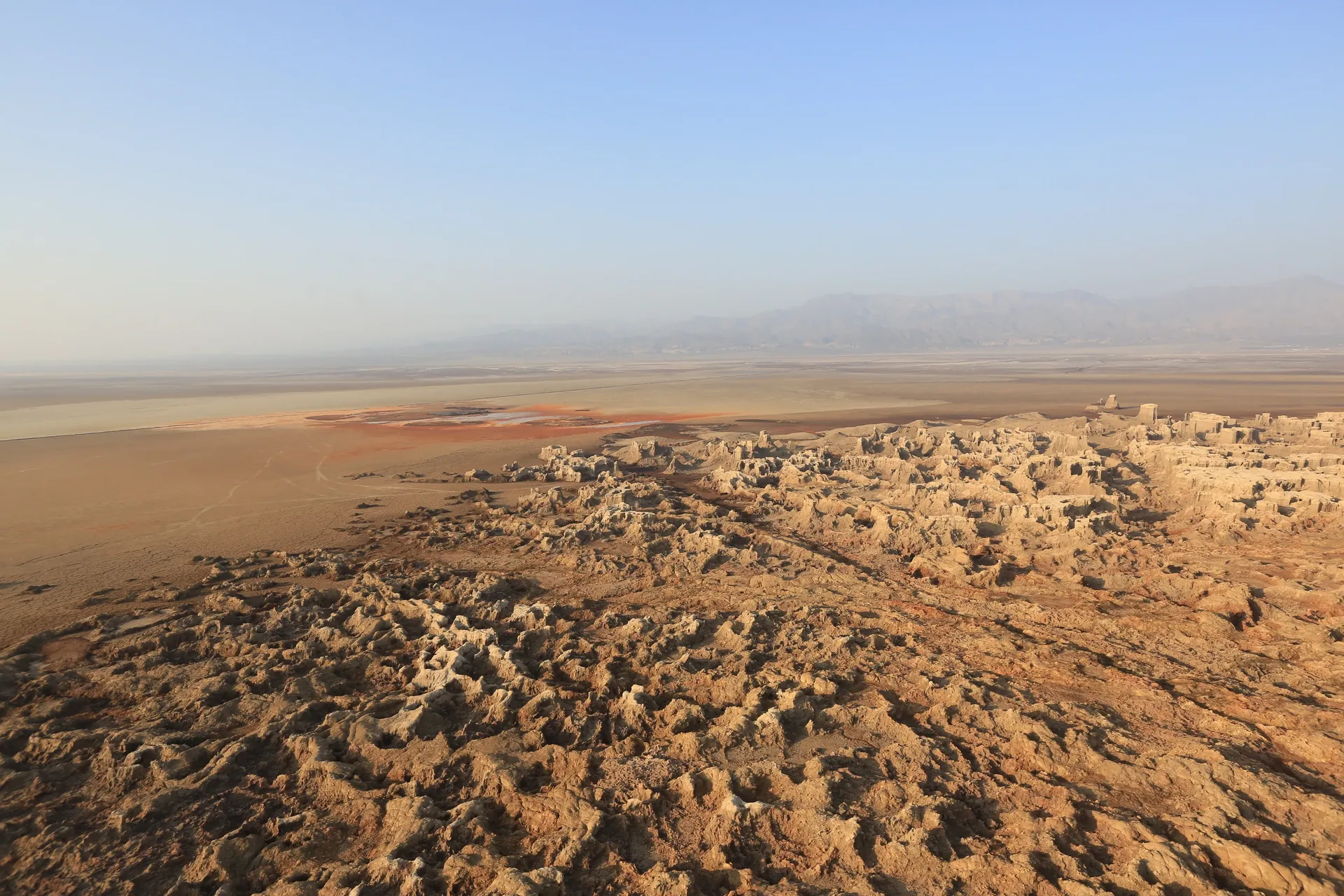
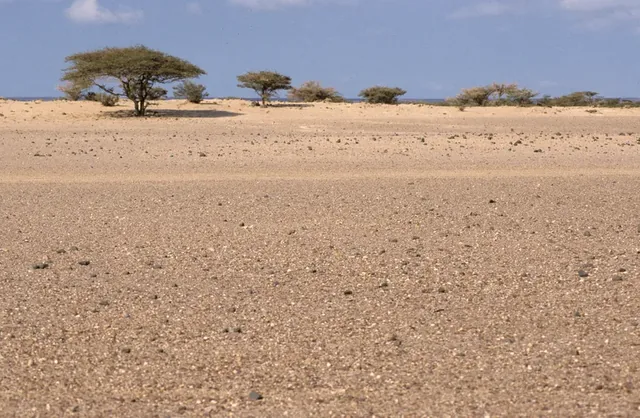
The scene was filmed in the desert of Ethiopia — a region with a rich history and diverse geography, ideally suited for adapting oriental tales. The Ethiopian deserts, especially the Afar and Danakil regions, represent some of the harshest and most ancient landscapes on the planet. These are lands where volcanic activity, tectonic rifts, and centuries of erosion have created an almost alien landscape: lava fields, salt flats, fissures, and rocky plateaus. These spaces were part of great trade routes from ancient times, connecting East Africa, Arabia, and India. Along these roads, not only goods but also stories spread for centuries — exactly those that formed the basis of 'One Thousand and One Nights'.
Comments
0No comments yet.
Sign in to join the discussion.