
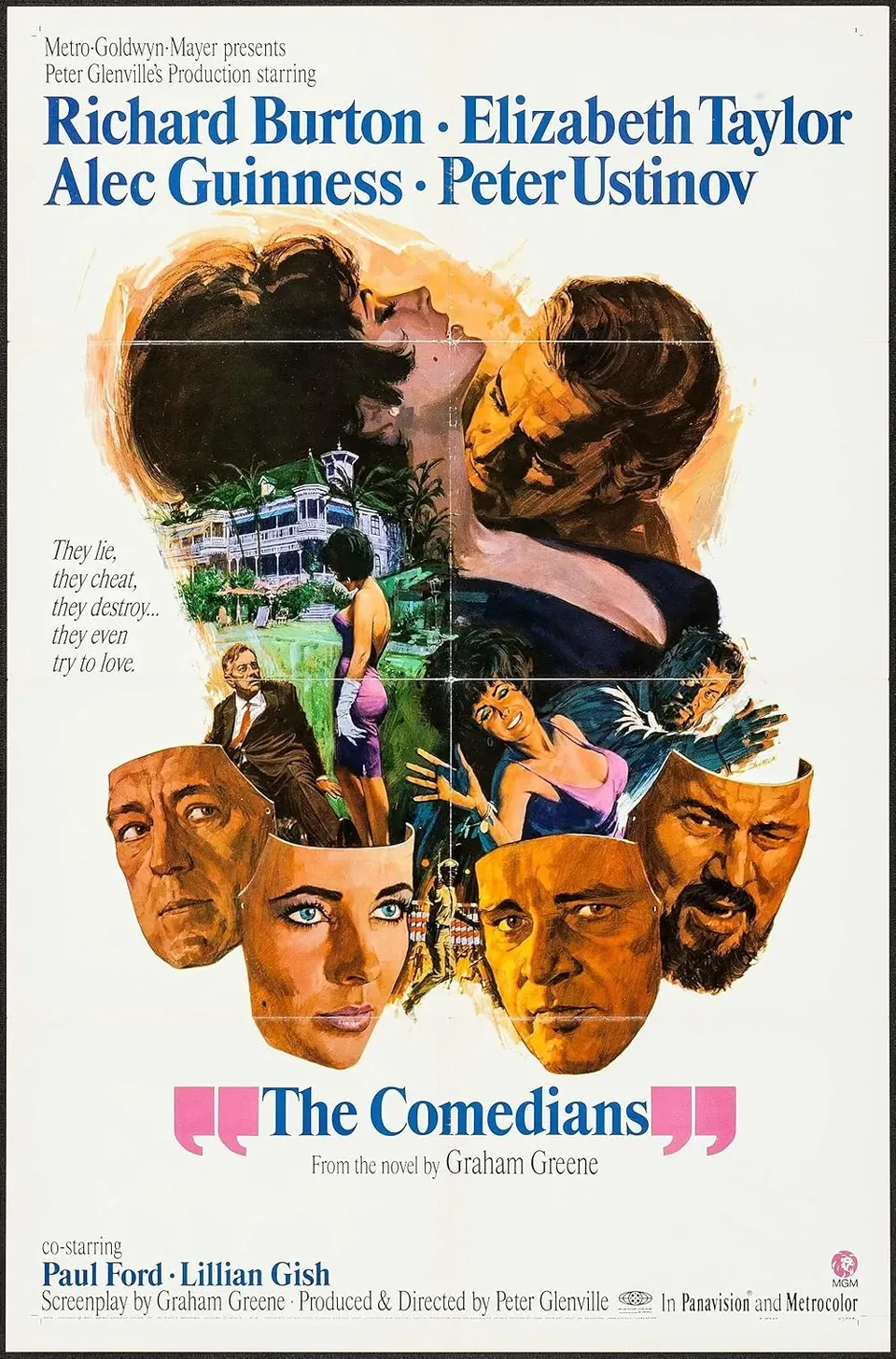
An American political drama film from 1967, directed and produced by British filmmaker Peter Glenville. The film is based on the 1966 novel of the same name by Graham Greene, who also wrote the screenplay. The story depicts life in Haiti during the dictatorship of François Duvalier, known as Papa Doc. The plot centers on a British hotel owner who watches with grim sarcasm as the country sinks deeper into chaos, brutality, and poverty. The main roles were played by Richard Burton, Elizabeth Taylor, Peter Ustinov, and Alec Guinness. Due to the unstable political situation in Haiti, filming on location was impossible. Instead, exterior scenes were shot in Dahomey (now the Republic of Benin) and on the French Riviera. In 1967, a short documentary titled 'The Comedians in Africa' was released, focusing on the difficulties faced by the film crew during production. The film also featured African American actors who later became iconic figures in 1970s American cinema: Raymond St. Jacques, James Earl Jones, and Cicely Tyson. Both Jones and Tyson were later nominated for Academy Awards for other roles.
Filming Locations:
Port-au-Prince
In the Film
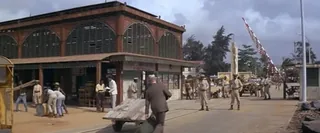
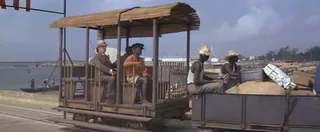
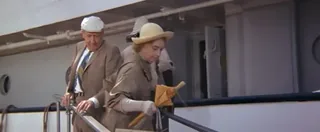
The scene where the ship arrives in Port-au-Prince, Haiti. Among the passengers disembarking are Major H. O. Jones (Alec Guinness), a British businessman with a letter of invitation to conduct business with the local government; Mr. and Mrs. Smith (Paul Ford and Lillian Gish), an elderly American couple eager to open a vegetarian complex for teaching and feeding locals; and the protagonist, a cynical and worn-out hotel owner named Brown, played by Richard Burton.
In Reality
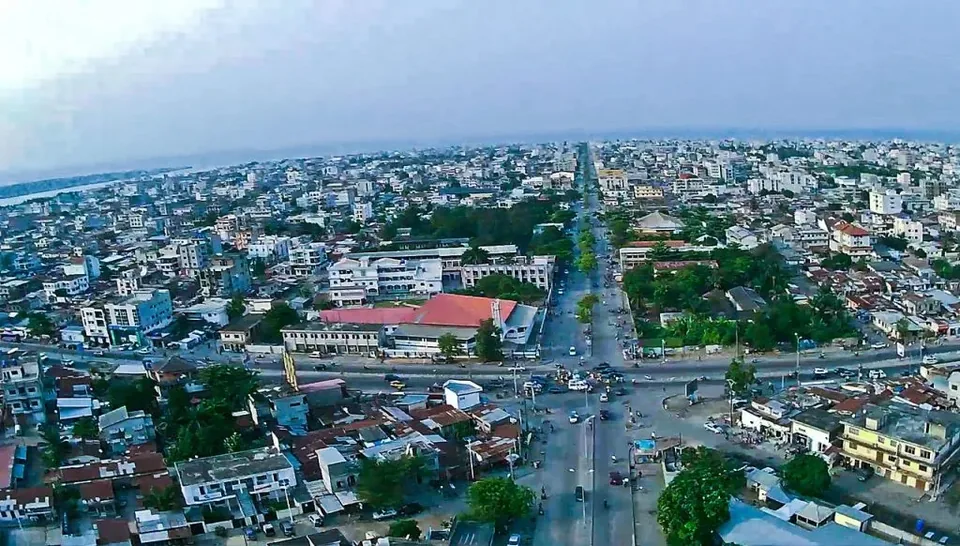
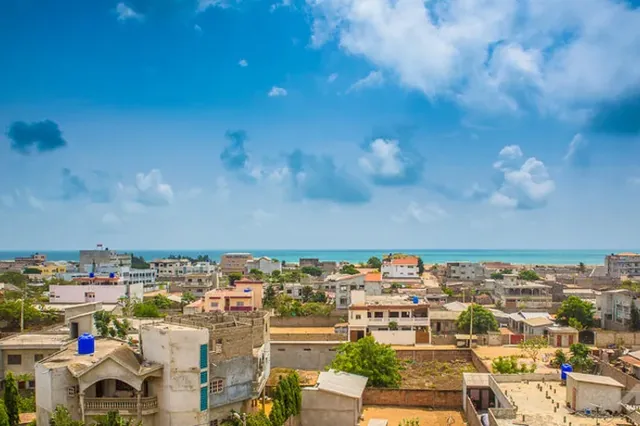
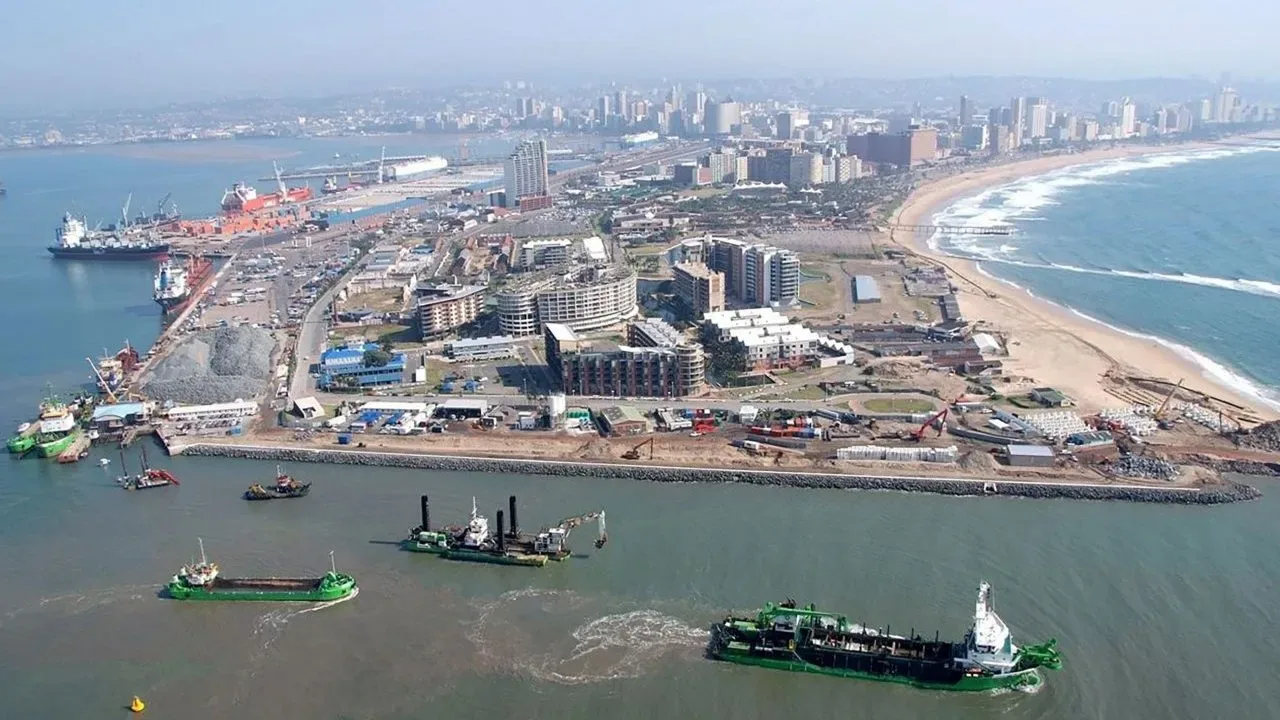
The scene was filmed in Cotonou, the largest city and economic center of Benin, located on the coast of the Gulf of Guinea. Cotonou was founded in the early 19th century and became an important trading center due to its strategic location. The city was established as a trading post and gradually became one of the most important ports in the region, contributing to its growth and development. During colonial times, Cotonou was a key port of French West Africa, where various goods were traded. Today, the Port of Cotonou remains the largest and busiest port in Benin, playing a vital role in the country's international trade.
Prison
In the Film
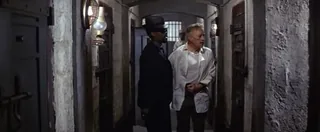
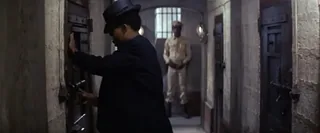
The scene where upon arrival, Major Jones presents his credentials to Captain Concasseur, a law enforcement officer. Concasseur informs him that the official who invited Jones has been removed from office and imprisoned. Then the captain and his men brutally beat Jones and throw him in prison.
In Reality
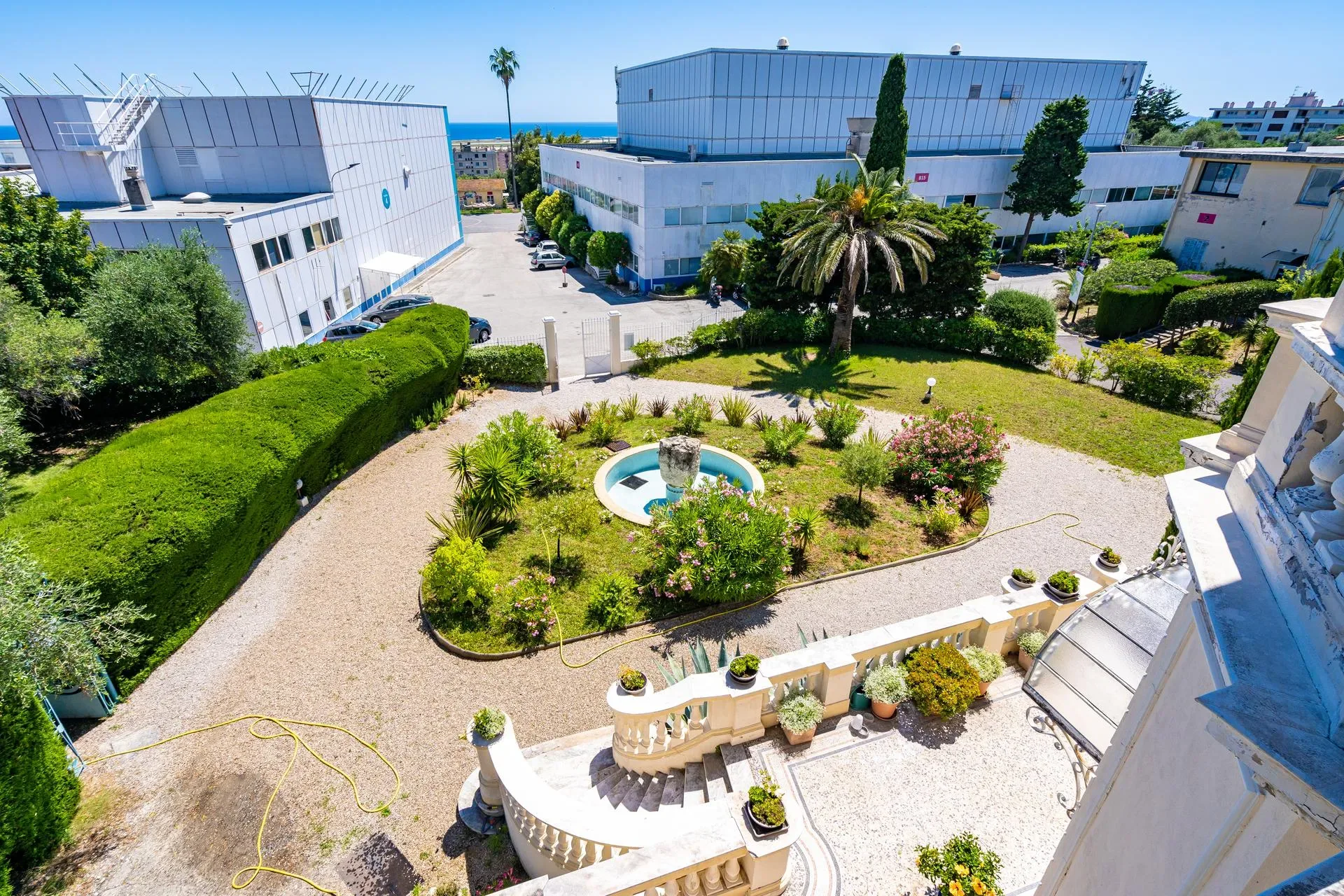
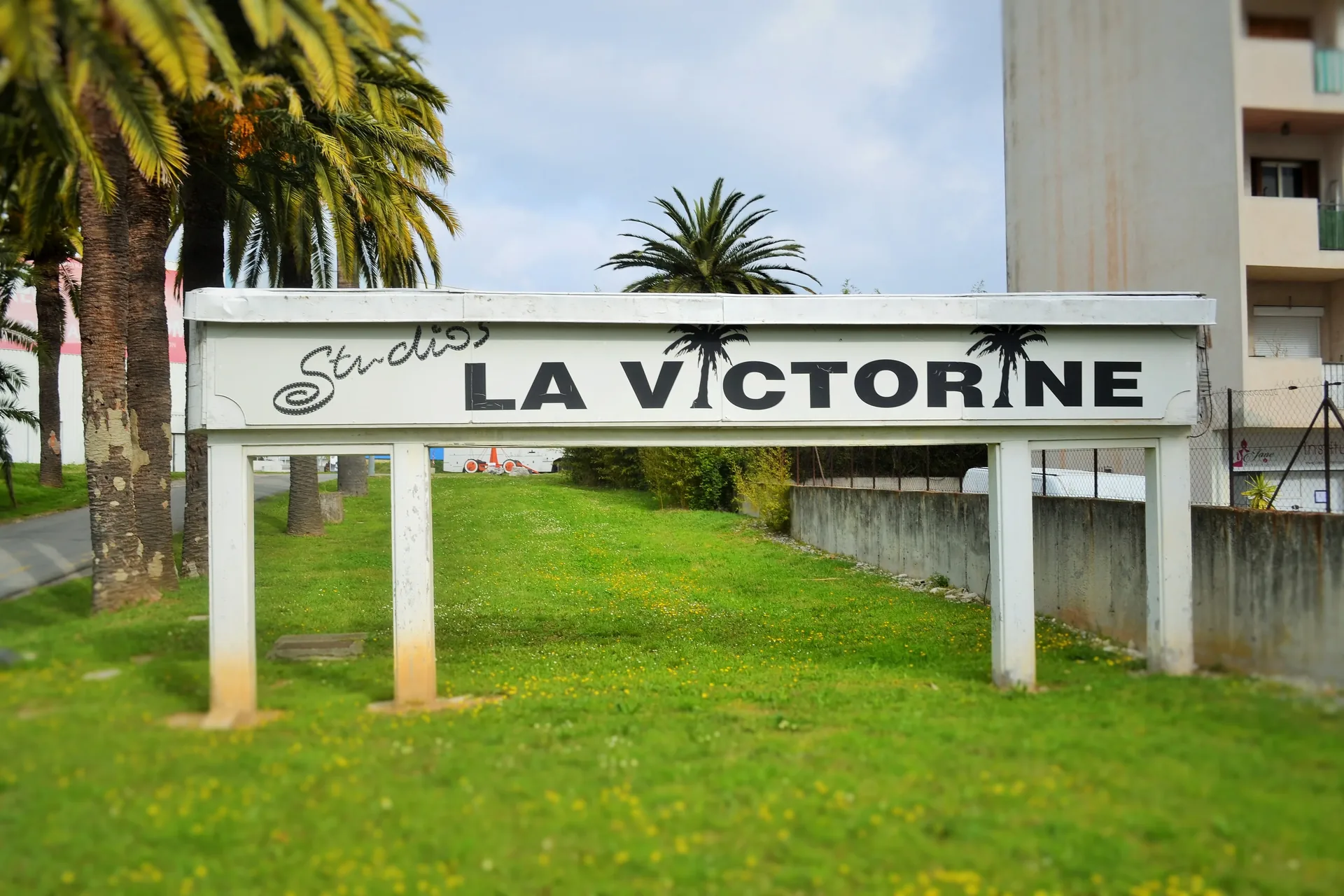
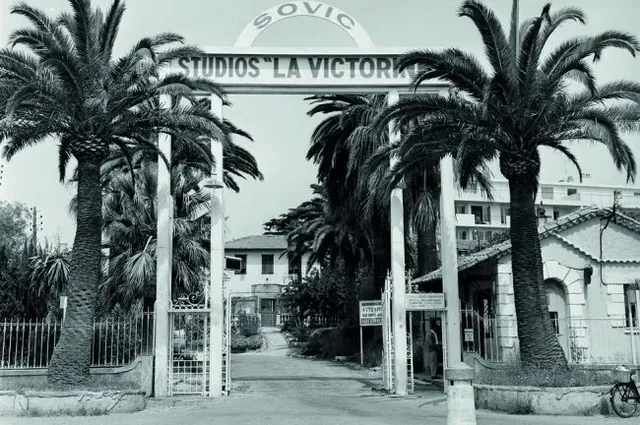
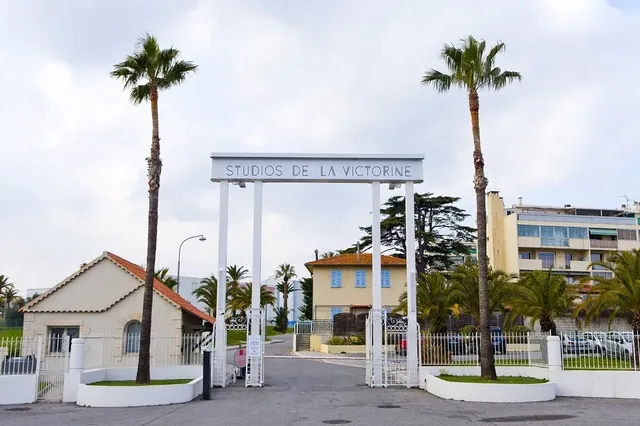
The scene was filmed at the Victorine Studios, located at 16 Avenue Édouard Grinda, Nice, France. This historic film studio was founded in 1919 by producers Louis Nalpas and Serge Sandberg with the aim of creating a French equivalent of Hollywood on the French Riviera.
Villa
In the Film
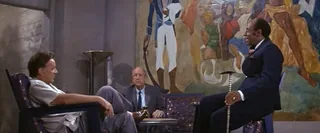
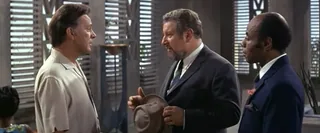
The scene where Jones manages to gain the trust of the new regime, which is interested in arms supplies. The authorities pay him an advance, and he claims the shipment is already in a warehouse in Miami. However, it remains unclear whether the weapons actually exist—perhaps it is a deception devised by Jones himself. Until the government receives confirmation that the delivery is real, he is forbidden to leave the island.
In Reality
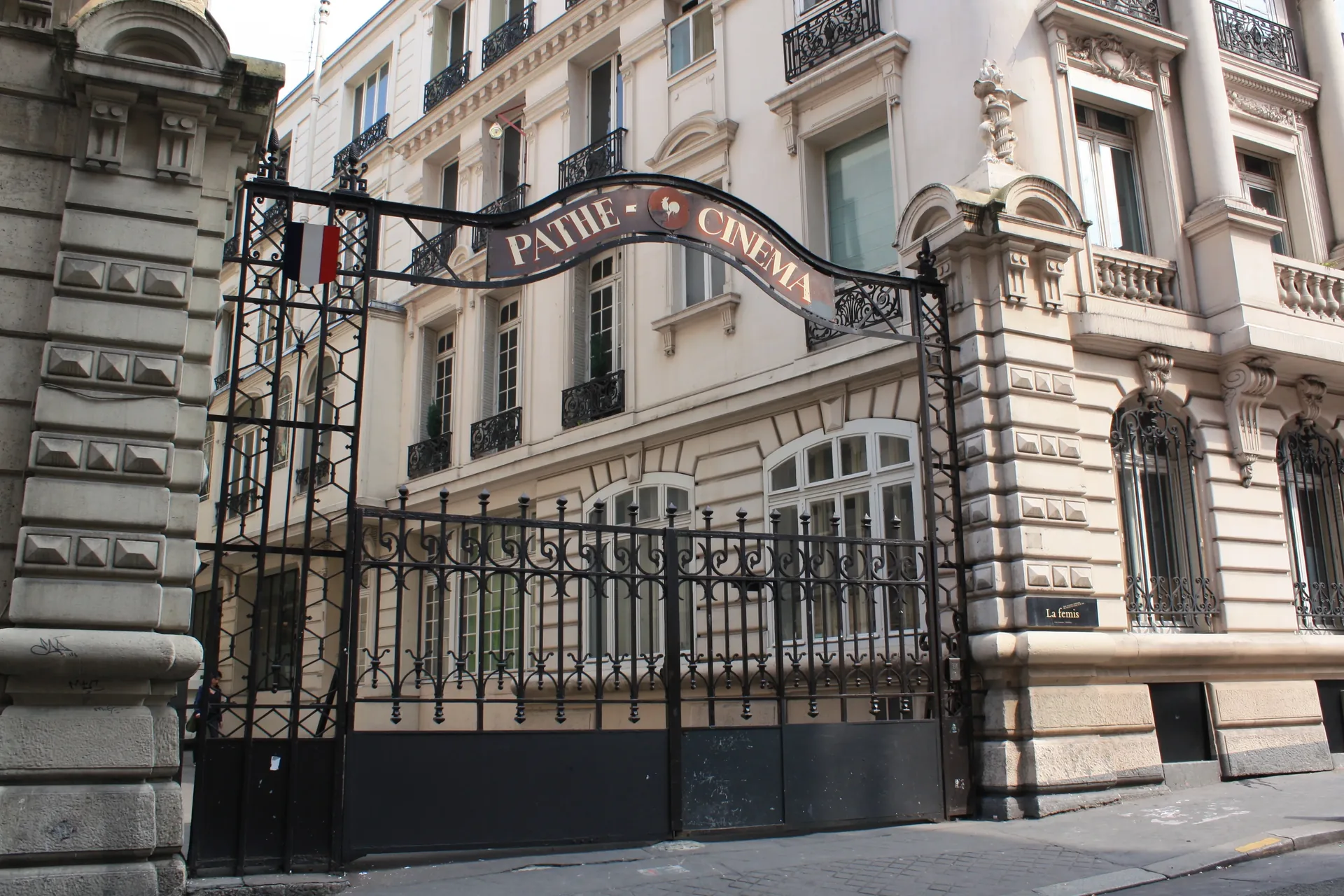
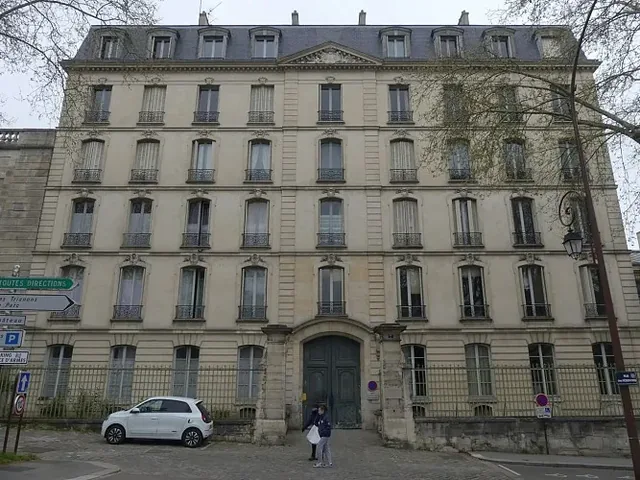
The scene was filmed at the Franstudio studios, located in the commune of Saint-Maurice, Val-de-Marne department, France. This studio was part of a large film studio complex created in 1947 by the companies Gaumont and Société Nouvelle Pathé Cinéma. The complex combined several studios and became an important center of film production in France in the mid-20th century. However, in 1971, the studio ceased operations after a fire, and the site was redeveloped into the residential and office complex Panoramis.
Comments
0No comments yet.
Sign in to join the discussion.