

The film "Three Colors: White" was shot in Paris, France.
Filming Locations:
Church of Saint-Vincent-de-Paul
In the Film
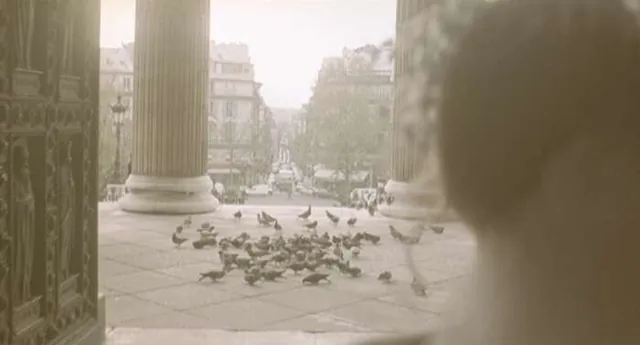
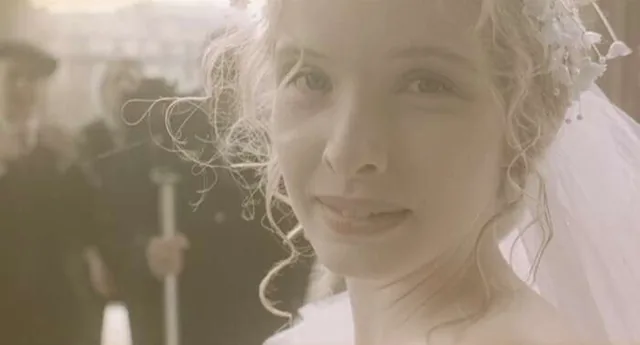
Scene where Pole Karol marries Frenchwoman Dominique in Paris.
In Reality
The scene was filmed at The Church of Saint-Vincent-de-Paul is a church in the 10th arrondissement of Paris. The church is dedicated to Saint Vincent de Paul, a French Catholic priest who devoted himself to serving the poor. He was born on April 24, 1581, and died on September 23, 1660. The church was built between 1824 and 1844 on the site of the former Saint-Lazare prison complex. The design and initial construction phases were entrusted to the French architect Jean-Baptiste Lepère.
Place de Clichy
In the Film
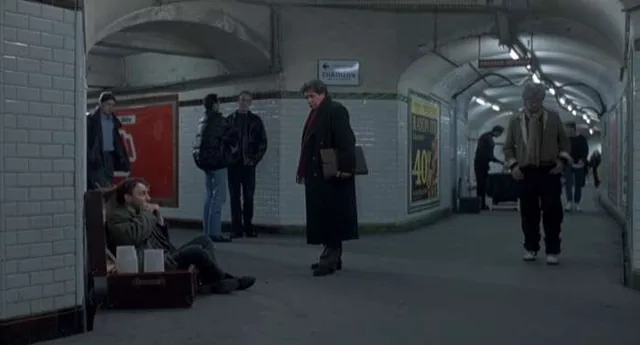
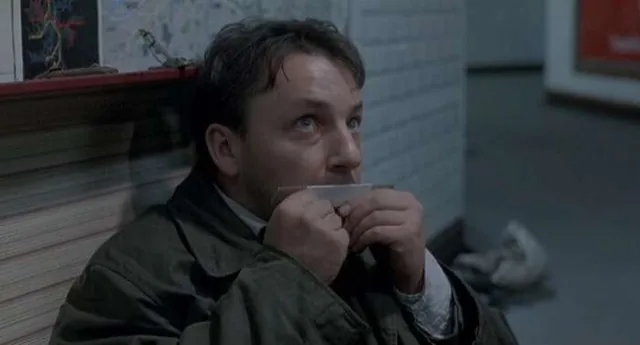
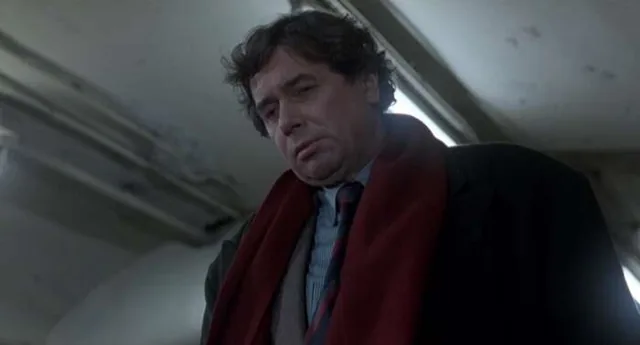
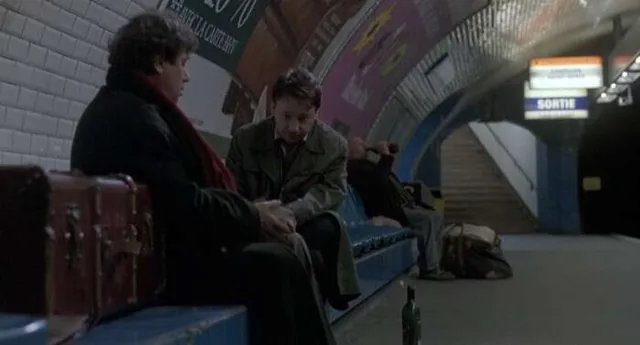

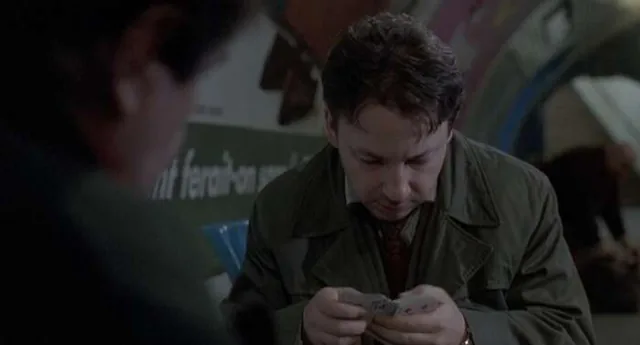

Scene where Karol and Mikolaj meet at the metro station. Karol plays a Polish song that Mikolaj recognizes. They spend some time together.
In Reality
The scene was filmed at Place de Clichy is a station of the Paris Métro, serving lines 2 and 13 of the Paris Métro. The station opened on October 7, 1902. The square was named after the Barrière de Clichy, a gate built on the road leading to the village of Clichy. The gate itself was built between 1784 and 1788 and demolished in the 19th century. The station has three entrances: on Place de Clichy, and on Rue de la BLO and Rue Caulaincourt.
Palais de Justice de Paris
In the Film
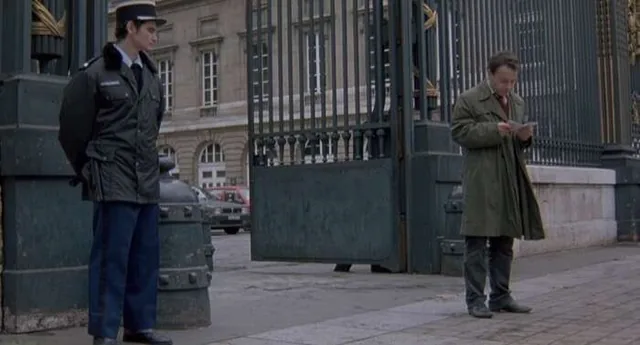
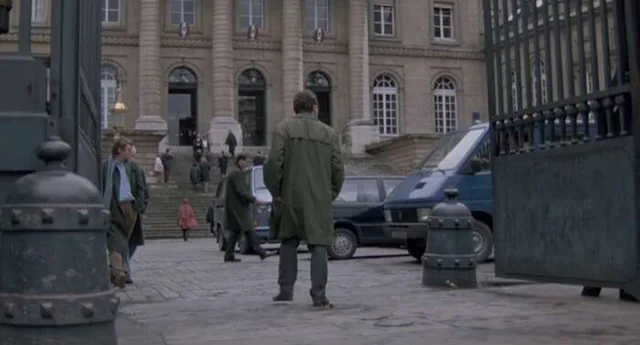
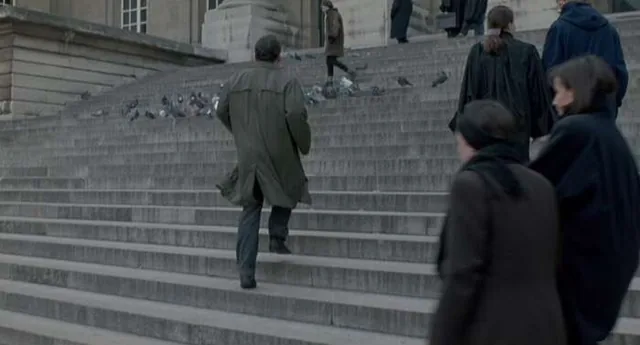
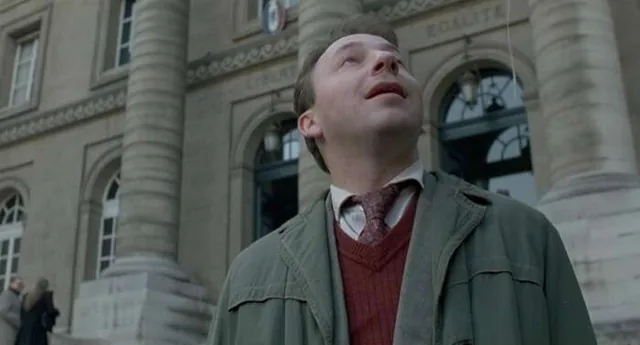
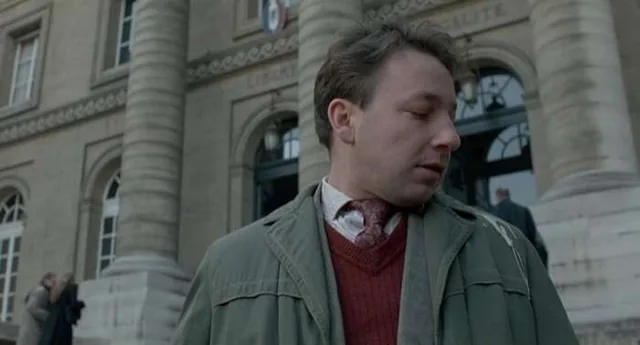
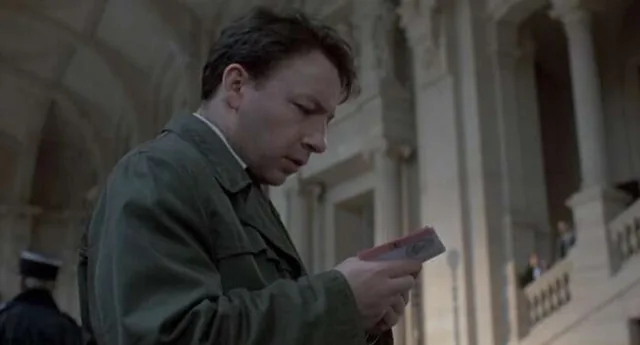
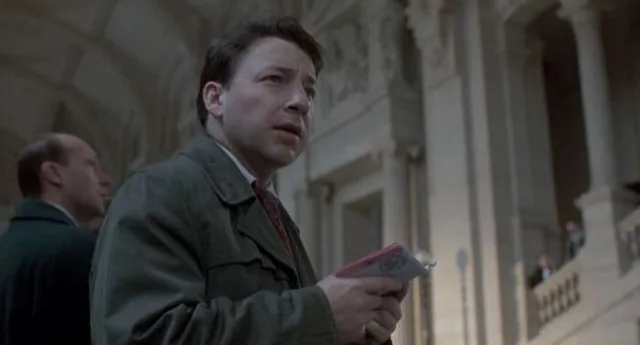
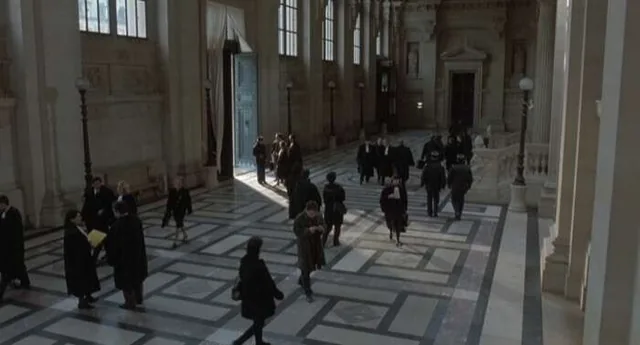
Scene where Karol looks for the court he must appear in because his wife wants a divorce. A bird poops on his shoulder as he enters the building.
In Reality
The scene was filmed at The Palais de Justice, formerly the Palais de la Cité, is a courthouse in Paris. It houses the Paris Court of Appeal, the busiest appellate court in France, and the highest court in France for ordinary cases, the Court of Cassation. Among the oldest surviving buildings of the City Palace are the Sainte-Chapelle (built around 1240, during the reign of Louis IX) and the Conciergerie, a former prison now a museum, where Marie Antoinette was imprisoned before her execution by guillotine. From the 16th century until the French Revolution, it housed the Parliament of Paris.
Comments
0No comments yet.