
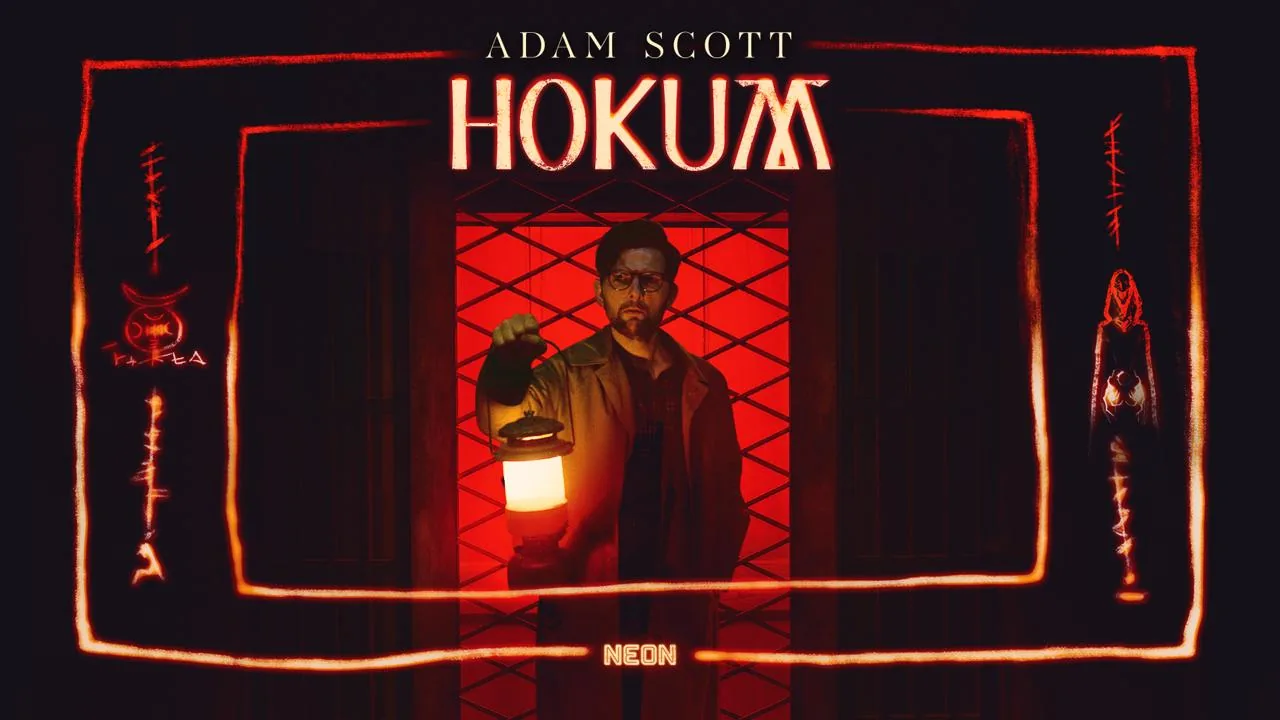
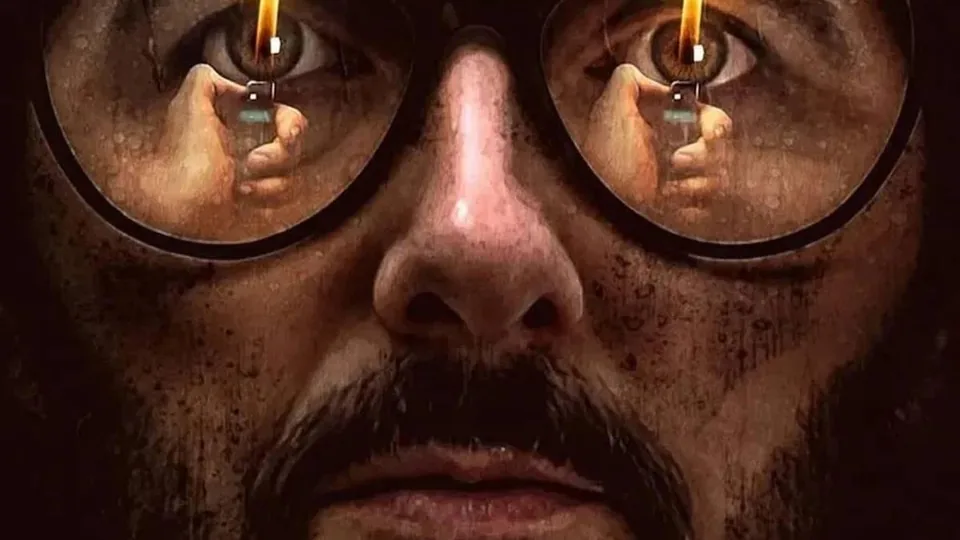
Damian McCarthy is an Irish director who, without fanfare or big budgets, is assembling one of the most interesting horror filmographies of the decade. First Caveat, then Oddity (no, I won't write that wretched "Insidious: The Medium" here), and now Hokum: his first film for Neon studio—which is practically the new A24.
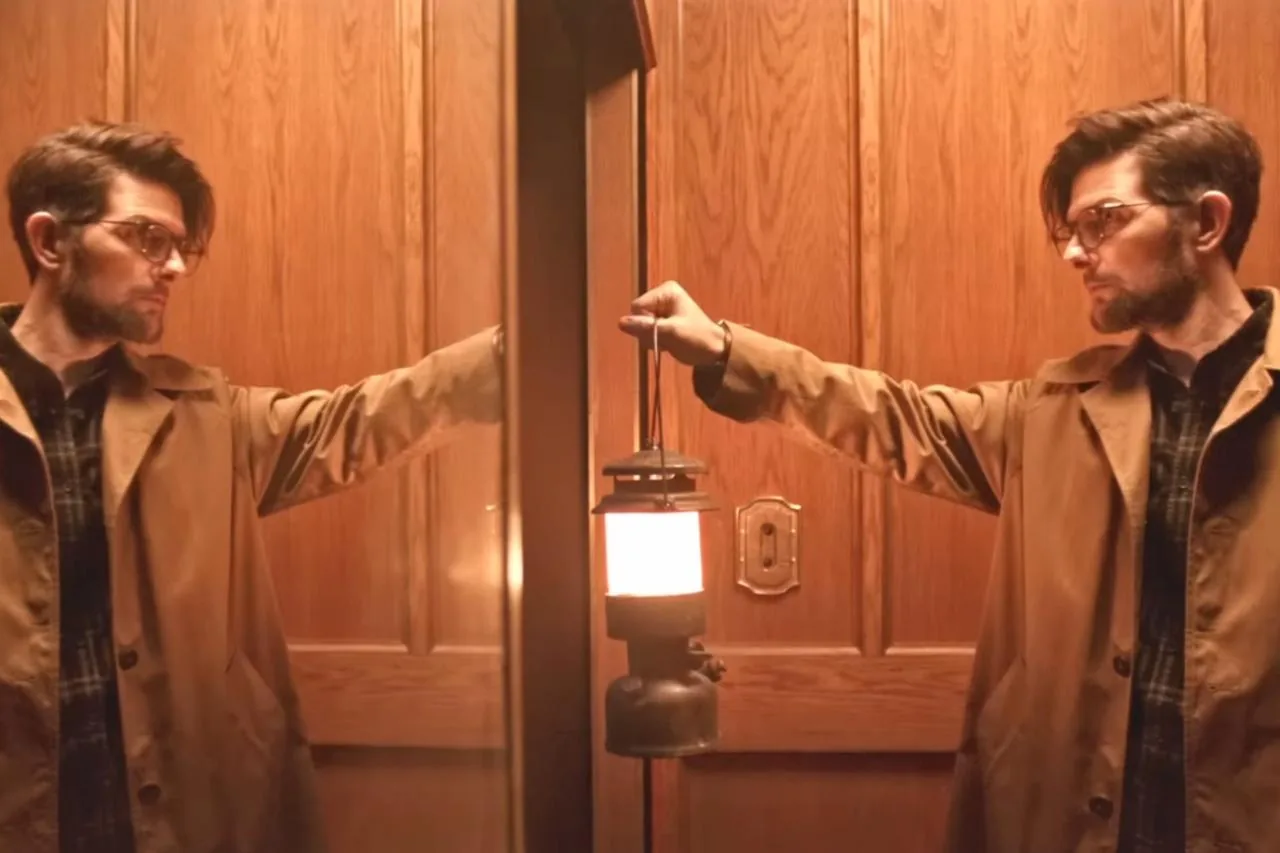
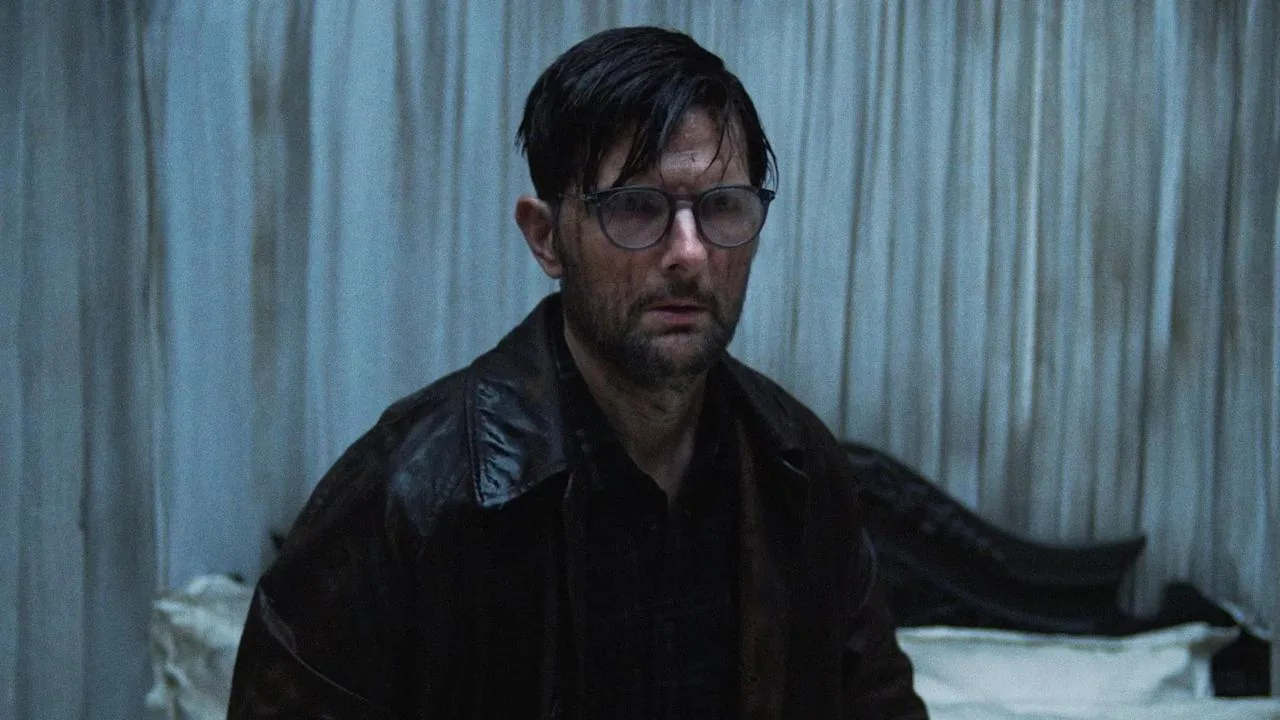
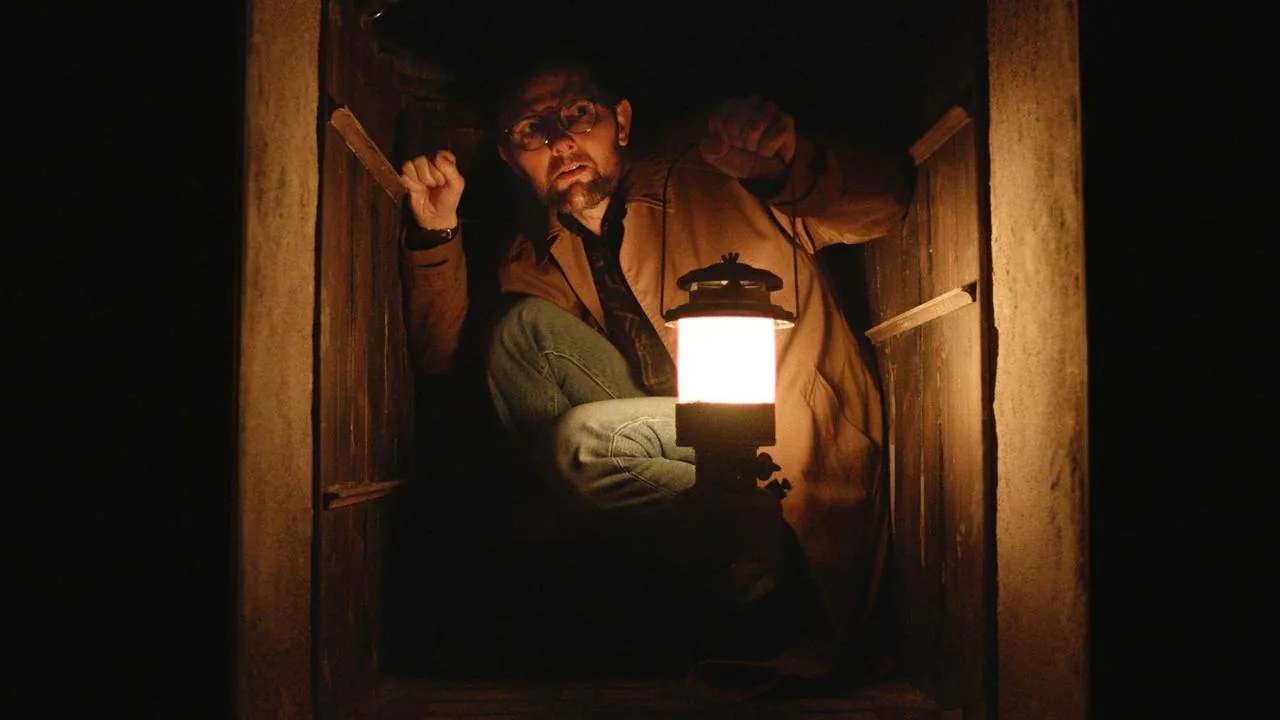
"Severance" star Adam Scott here plays Omar Bauman, a writer with a bad temper and a clear kinship if not with Stephen King, then at least with a legion of his alter egos from novels. Bauman (almost Bachman—hit like if you get it) arrives at a remote Irish inn to scatter his parents' ashes and falls under the spell of a local tale about an ancient witch supposedly inhabiting the honeymoon suite. Then come visions, disappearances, and a slow descent into the darkest corners of his own mind. Not another word about the plot: the less you know, the better it works.
Let's talk about Adam Scott instead, because he deserves it. After the second season of "Severance," he risked getting a reputation as a "one-expression actor"—but here Scott steps outside his usual range. Bauman is a full-fledged tragic character: a nasty, bilious, arrogant type you despise but can't help empathizing with. He's layered like an onion, and he also makes people cry.
The film itself is structured similarly: it starts as a gothic drama, mutates into folk horror, then into a psychological thriller, and then changes its aggregate state several more times. In this, it resembles "Barbarian," and not by chance: the same studio Spooky Pictures is in the credits. But if "Barbarian" expanded mostly horizontally—through shifts in perspective, characters, and time layers—"Hokum" works vertically. And here there are direct nods to Hitchcock, where the floors of the Bates Motel were a literal map of the human psyche (too long to explain, Žižek can help you). McCarthy loads his locations with the same metaphorical weight: each floor of the inn is a separate layer of memory, guilt, and repression.
But my personal trigger went off in one specific scene: when the camera took a close-up of the floor plan with the note "You are here," Silent Hill 2 instantly materialized in my head. And it didn't let go until the very end. Because "Hokum" in its internal mechanics is literally survival horror transferred to cinema. The same hotel as not just a refuge for ghosts, but a machine of guilt that gradually grinds down the hero. The same fluidity of reality, where you don't understand if it's happening outside or only in Bauman's head. And even the same game mechanics: audio recordings as clues, locked rooms, keys, puzzles. I don't know if this is a conscious reference or if McCarthy just breathes the same air, but it's a perfect hit.
Let's end there. The "official" SH2 adaptation was ultimate crap—form in place, content lost somewhere in the fog. Well, here's the unofficial one. An excellent, exemplary horror that doesn't try to "elevate the genre" with trendy artistic techniques, but simply tells a very scary story very well. Like at a campfire at night—only you don't know who lit the fire, and the shadows fall in directions they shouldn't.
So far, the best horror of the year. Check in.
#watched_a_movie
Comments
0No comments yet.
Sign in to join the discussion.