
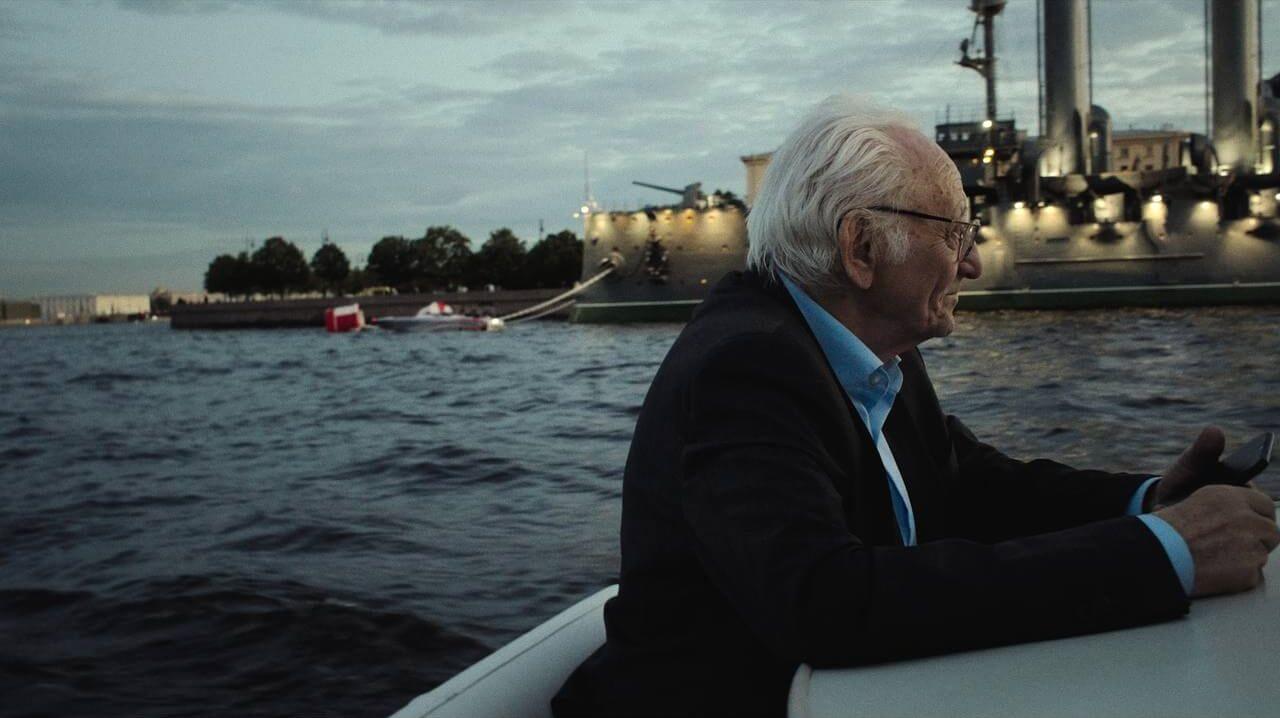
Naum Kleiman saved the Museum of Cinema, was friends with Tarkovsky, and was acquainted with Godard. And that's just a small part of his achievements. Director Andrey Natotsinsky assembles a portrait of the legendary film scholar from fragments of me...
Those who know even a little about the figure of Naum Ikhilyevich Kleiman understand with what reverence one should mention him. It is the same as trying to retell a century-long history of cinema in a modest video essay. It is simply impossible to cover the chronology, list all the changes and stages of development. This would require a series of lectures, volumes of memoirs, and an unlimited amount of free time, which we all, unfortunately, lack. Naum Ikhilyevich is a man who headed the Museum of Cinema for forty years, fighting for it with officials; he knew Tarkovsky, Shukshin, and Shpalikov; he was publicly admired by Jean-Luc Godard. Just realizing this series of facts, it is pleasant to think that Naum Kleiman can be met in the gardens of Peterhof or on Moscow streets, to shake his hand or take a photo for memory.
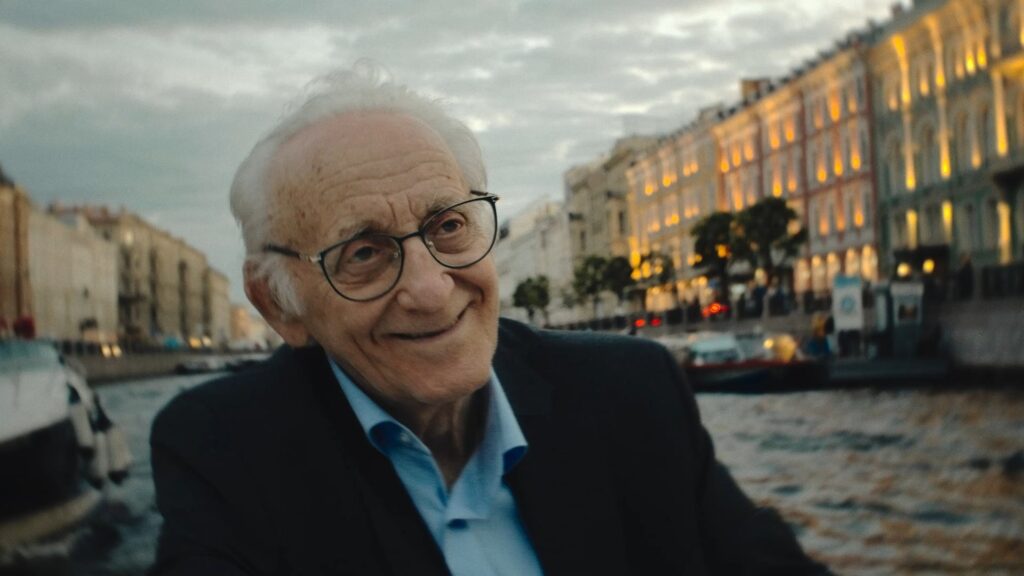
Director Andrey Natotsinsky does not try to fit the magnitude of the hero's figure into an hour-and-a-half runtime. 'Naum. Premonitions' plays with the viewer through form, and this is its main success and main risk. The key to the editing style lies in the film itself, in Naum Ikhilyevich's reflections on how Sergei Eisenstein edited and Alexander Pushkin wrote poetry. First of all, it is about homonymous structures and polyphony of meanings, terms that Kleiman himself pronounces throughout the film. A trained eye will catch frames from 'October' and 'Russian Ark', 'The Passion of Joan of Arc', 'Seven Samurai', 'Late Spring', and a dozen other films. Some may consider this vulgarity, cinephile graphomania, cheap recognition. However, the fragments are woven in not for the joy of recognition, or at least not only for that. It is pleasant to think that you, a well-watched viewer, saw that very reference that no one else noticed. The fragments carry those very multiple meanings that the hero talks about. Here, cinema speaks for itself, becoming not an illustration but a co-author. Such polyphony of meanings is not new. Viewers have observed similar techniques in 'The Hundred and One Nights of Simon Cinema', a film dedicated to the centenary of cinema under the careful direction of the grandmother of the French New Wave, Agnes Varda. From more popular films in the modern viewer's consciousness, one can pull out Bernardo Bertolucci. 'Naum. Premonitions' is difficult to insert into this logical series, since fiction cinema is always antagonistic to non-fiction. However, all these films become a love letter to the world of cinema, which viewers have been fascinated by for over a century.
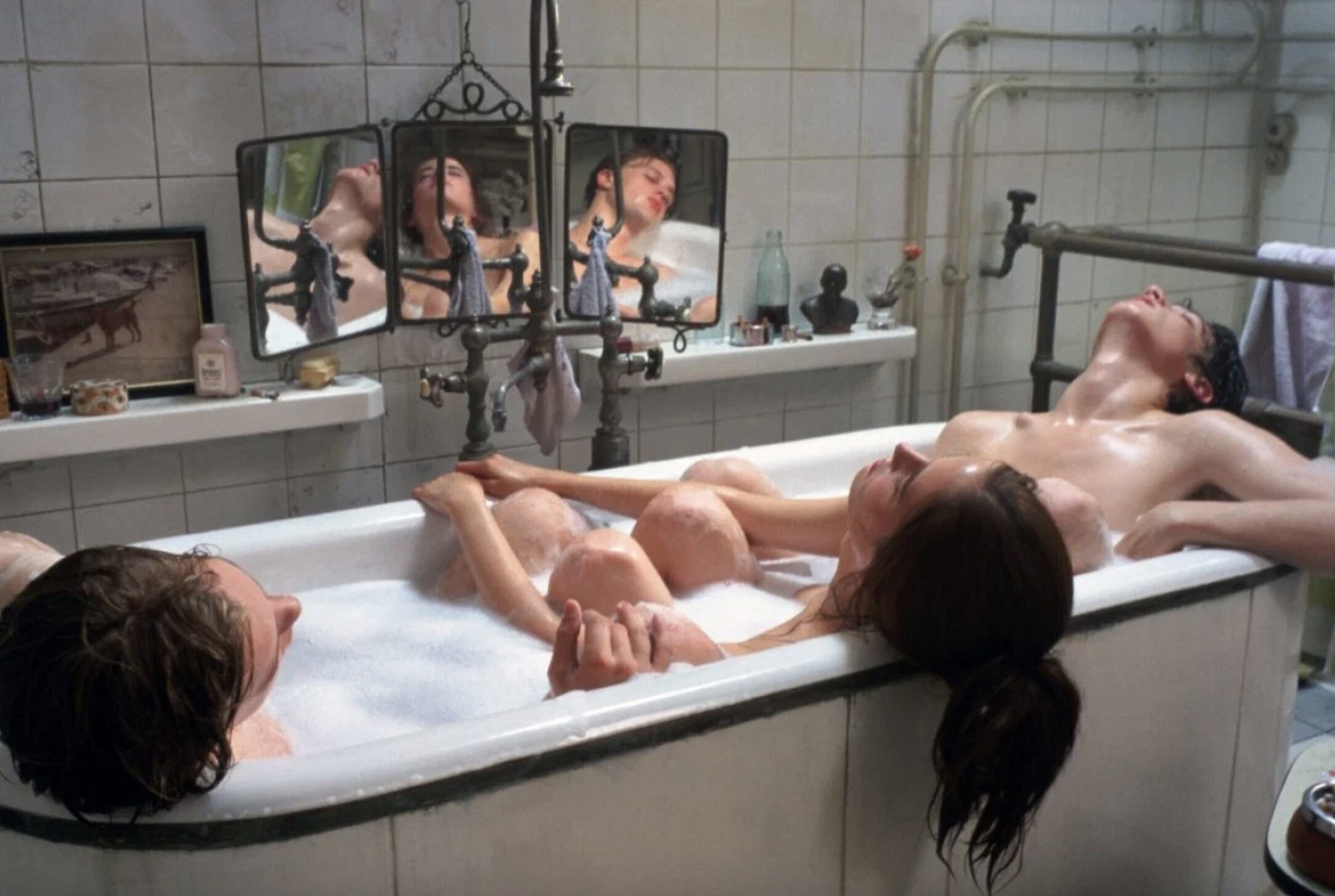
'The Last Emperor' by Bernardo Bertolucci is in theaters. On this occasion, we recall five more films by one of the most famous Italian filmmakers.
Open material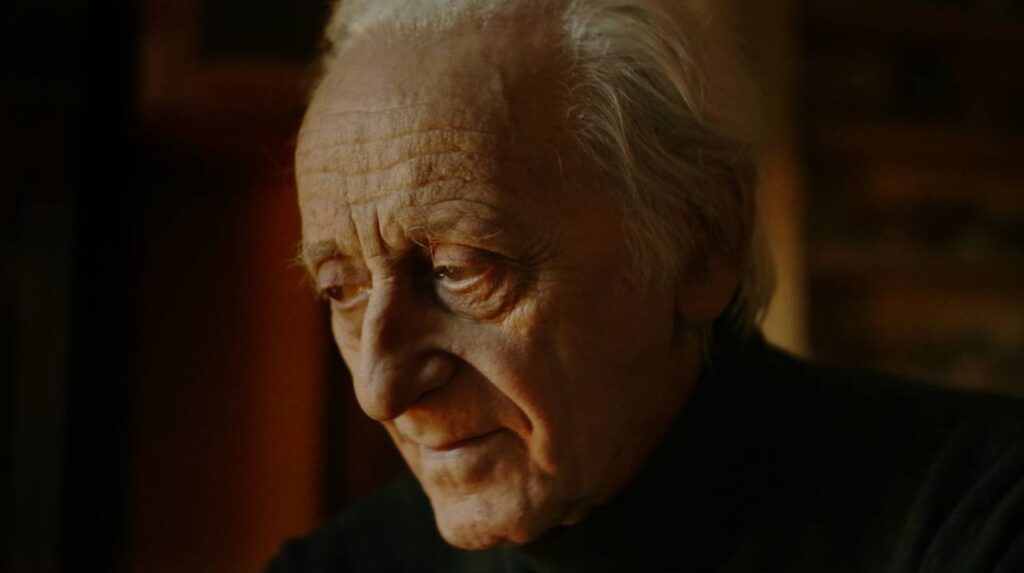
Some reproach 'Naum. Premonitions' for excessive monumentality. Natotsinsky, however, set himself a single task — to catch life by the tail, to bring it to the viewer in his palms as the most sincere, almost childlike discovery. The film feels like an endlessly alive and light presence. Andrey Natotsinsky strives, first of all, to speak to the viewer in the language of expression, which is already risky within a genre accustomed to chronicles and eyewitness accounts.
The cinematography here stands out with the effect of the Petzval lens, which focuses on the hero, blurring the edges of the frame and creating the illusion of film. 'Naum. Premonitions' remains a pure cinema experience, a sentimental encounter with a person who let the viewer into his memory.
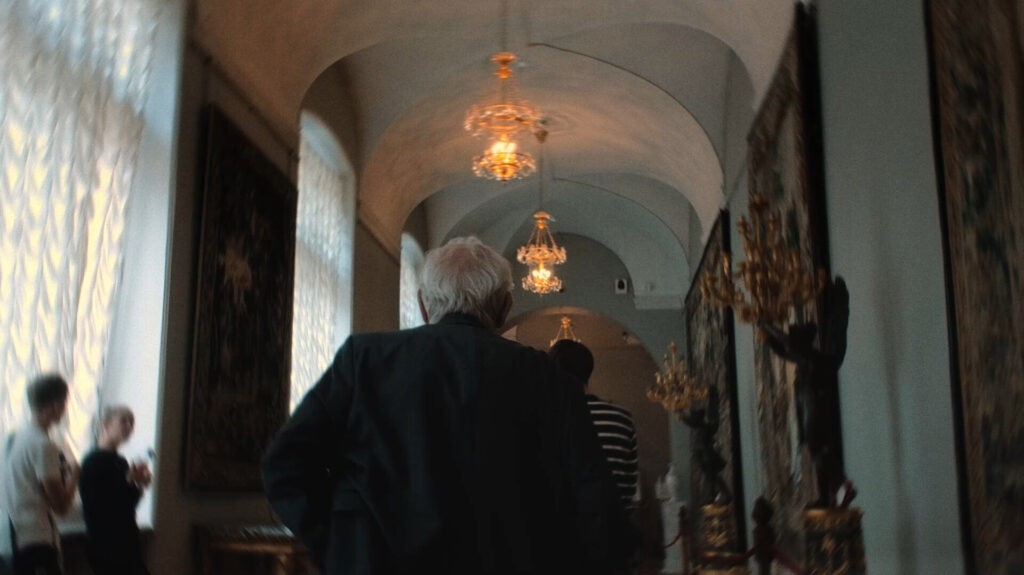
Closer to what in fiction cinema would be called the denouement (does a denouement exist in non-fiction cinema, where life continues even after the credits?), Naum Ikhilyevich watches fireworks. In this scene, Kleiman is monumental, like the icons he speaks of. His portrait expresses a silent authorial statement about the grandeur of the figure. The salvos intermittently illuminate the pensive calm on his face, and from the cinema speakers comes a child's whisper from Fellini's '8½': 'Asa Nisi Masa'.
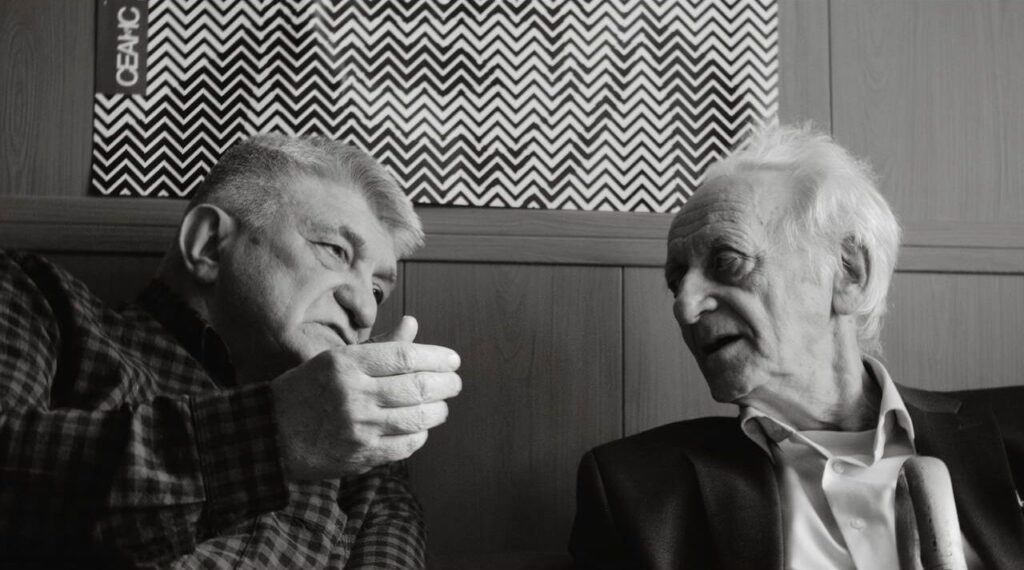
Synchronizing the film's ending with one of the main stories about rethinking life, about magic and mystery hidden in a children's counting rhyme, is at least virtuosic. This is the key to perception. Natotsinsky's film is also an incantation, an attempt to summon the spirit of the past century, to hold it for a while, allowing one to feel its presence. And in the contrast between the visible and the premonition lies the main substance of the film. Natotsinsky did not make a film about Kleiman; he created a visual confession of his deep, almost religious love for the very nature of cinema, where Naum Ikhilyevich becomes a bridge between the legendary past and the trembling present. Are there reflections on the future in the film? Of course. They lie in the discussion of Alexander Sokurov and Naum Kleiman by film studies students. Even if the viewer does not belong to this social category, they can feel the film's influence as a slight heaviness in the chest. In realizing the nature of mortality, people have no choice but to try to preserve the legacy of cinema.
We are lucky to live in the same time as Naum Ikhilyevich, to know that he, like us, looks at the sunrise, flips through books, rewatches films. Natotsinsky's cinema materializes collective gratitude. The film is a must-watch for those who are passionate about cinema and have basic visual literacy. In that case, the director's editing will regularly pierce you with polyphony of meanings. Also for those who doubt. Hearing from a figure of such magnitude admissions of constant doubts, the hardships of choice, is at least useful. For those who think that there are chosen ones to whom everything comes easily and who never doubt their own exclusivity, this is proof of the opposite. The industry is built by romantics and dreamers and will be sustained by them.
The film is in distribution thanks to K24, look for special screenings in Moscow and St. Petersburg.
Asa Nisi Masa.
Comments
0No comments yet.
Sign in to join the discussion.