
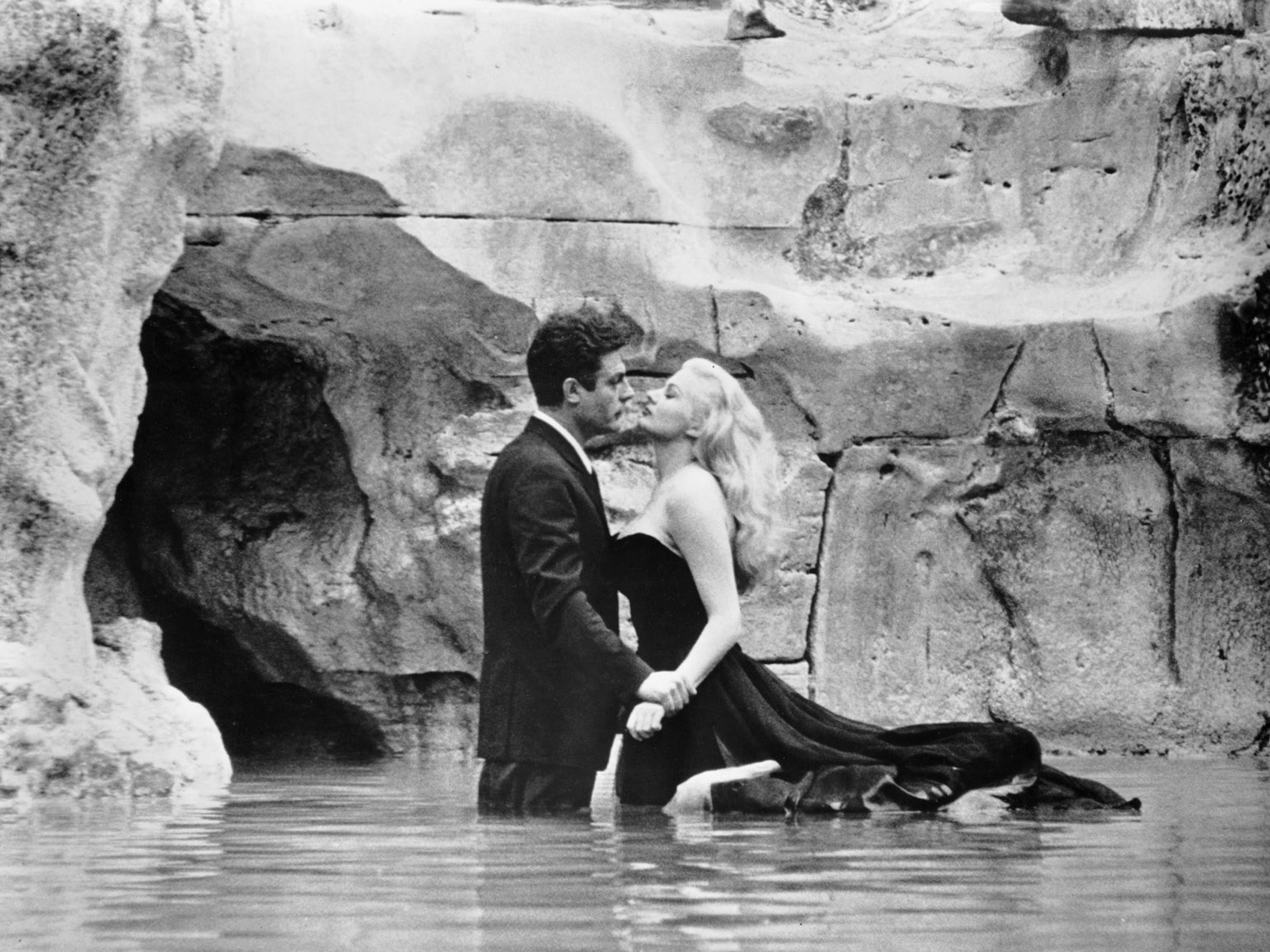
From March 5, cinemas will be showing two Italian masterpieces at once, without which cinema as an art would not have become what we know it. Along with Michelangelo Antonioni's "L'Avventura," Federico Fellini's "La Dolce Vita" has been re-released....
Popular journalist Marcello (Marcello Mastroianni) has long settled into the false-golden ornament of the brilliant Italian elite of the late 1950s. He knows all the right people by sight—from editors to waiters. His food is the sensation of glamorous life, which he will spill into the light as soon as his head stops pounding from a hangover. Marcello's work is not separated from leisure: daytime sleep, nighttime wanderings around the city, affairs framed by the rhythm of the continuous chaotic dance of other reporters. He has many women, many friends, much money, champagne, the gloss of the Roman night, baroque curls of social life, an eternal holiday, vacation, rest. Only there is no soul.
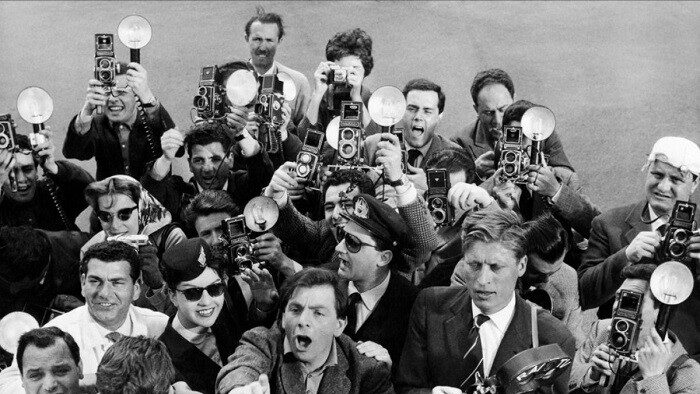
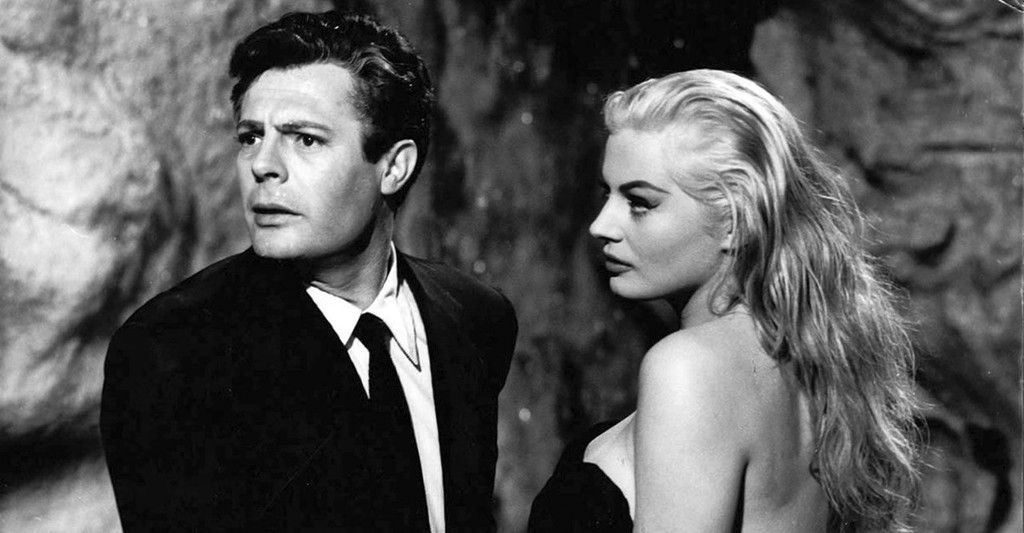
Over three hours and countless crazy night parties, he meets many people: the empty but beautiful parody of a femme fatale in the person of film star Sylvia (Anita Ekberg); intellectual Steiner (Alain Cuny), locked in the frame of an exemplary family man; predator Paparazzo (Walter Santesso), never letting go of his camera in an animal hunt for sensation; the angelic girl Paola (Valeria Ciangottini), falling out of the greasy shine of social life. Marcello is an observer, he is passive and his actions have no consequences. Federico Fellini breaks the character structure, making him a static guide into the world of wax figures of the elite.
An ironic play with the film's characters is also traced in the image of Maddalena (Anouk Aimée). The consonance of her name with the biblical myrrh-bearer is deceptive: the girl seems sincere and capable of loving even such an empty person as Marcello. But this innocence also turns out to be a mask, which outside the journalist's field of vision she is free to take off and put back on. At one of the parties, she offers to marry him, giggling in the arms of another.
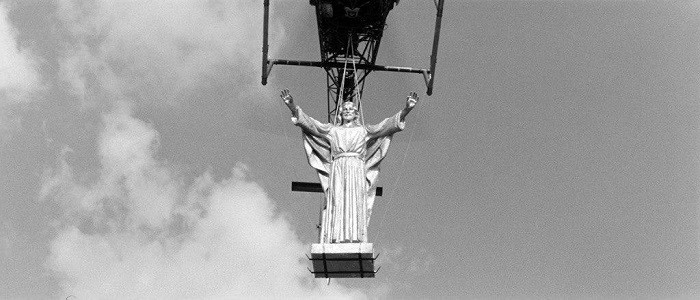
A catalog of types and images of high society, stupefied by money and idleness, replaces the story. "La Dolce Vita" is conventionally divided into seven chapters, but this relic of structuralism cannot be applied to the plotless aesthetic wandering through nocturnal Rome.
After its release and victory at Cannes, many viewers and critics split into two camps: moralists who condemned the film for the moral decay of the individual into drunkenness and dirty games, and a squad led by Pasolini, who saw in "La Dolce Vita" an ode to Catholicism. But today, knowing how much the film turned around the understanding of plot, character, and issues, one can see in it only a masterpiece of formalism that divides eras. There is no meaning—it is not needed.
"La Dolce Vita" was released in 1960—the height of the "Italian economic miracle." The post-war affect had subsided, and with it neorealism, prevalent in the cinema of those years (Roberto Rossellini, Vittorio De Sica, Luchino Visconti)—the scarcity of technical equipment multiplied by documentary precision as the main aesthetic device. The new cloyingly satiated life gave birth to even worse problems. Modernism of the 60s.
When food and shelter ceased to be the main problem, authors began to be attracted by the lacy shadows of existentialism. Therefore, "La Dolce Vita" dissects soullessness, turning into a kaleidoscope of moral decay. By the third hour, you will start to feel nauseated from the eternal champagne, crazy parties, and terrible crimes that the characters commit, driven into the frame of drunken leisure, not knowing what to do with themselves. Degradation is also traced in the vicious Virgil—by the end of the film, Marcello no longer rushes between journalism and literature. Having renounced any inclination toward art, he devotes himself to advertising.
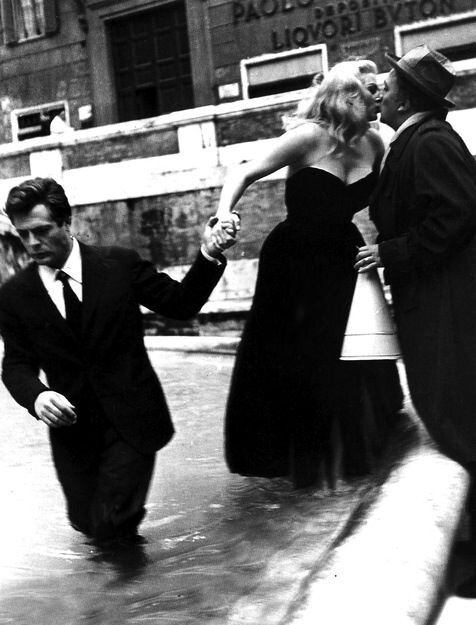
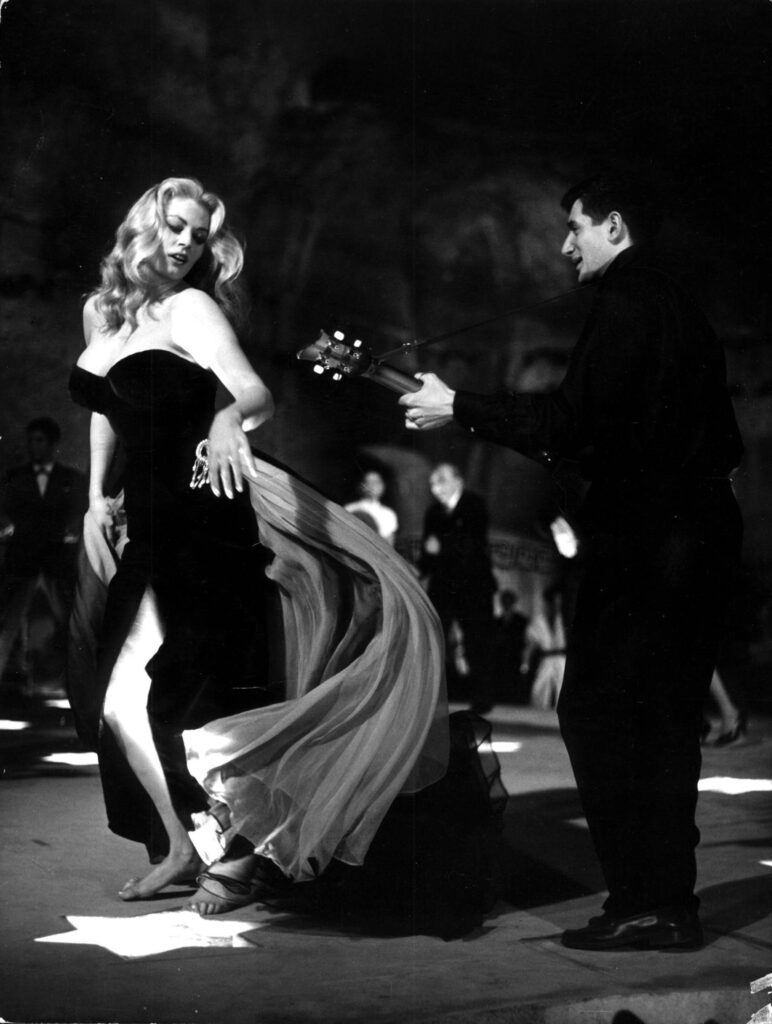
Formalism in conjunction with spiritual quests gave rise to a whole wave that influenced all cinema afterward. Following "La Dolce Vita," the "trilogy of alienation" by Michelangelo Antonioni would be released, exploring moral decay and the impossibility of intimacy in an urban nocturnal odyssey. Ten years later, the world would see a hyperbolized version of elite decadence—"La Grande Bouffe" by Marco Ferreri and "The Discreet Charm of the Bourgeoisie" by Luis Buñuel. The series of nocturnal encounters is recognizable in the comedy "After Hours" by Martin Scorsese and the hypnotic drama "Eyes Wide Shut" by Stanley Kubrick. Glamour on the outside and emptiness inside would be brought to the big screen by Paolo Sorrentino, Luca Guadagnino, and Baz Luhrmann.
The episodic structure and baroque visuality are easily recognizable in the direct, almost blood heir of "La Dolce Vita"—"The Great Beauty" by Paolo Sorrentino. Even after fifty years, the eternal, beautiful Rome has not changed—in the decorations of art, the elite still wallows in parties and self-decomposition. And social satire still loses to form.
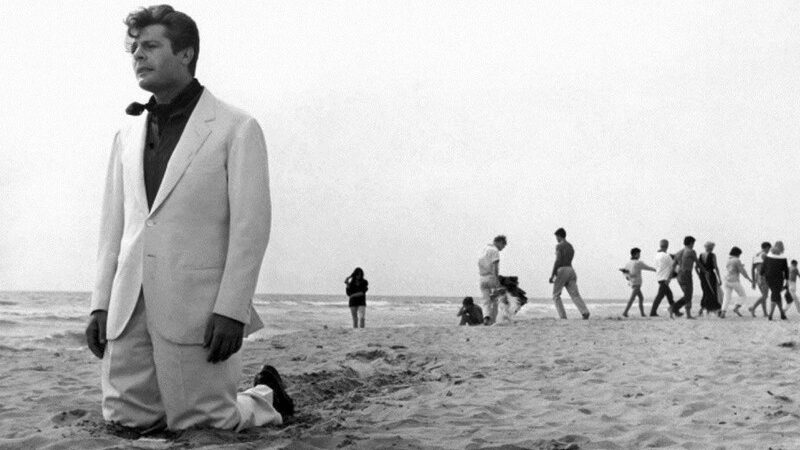
"La Dolce Vita" is a cloying continuous dance of the new time, in which there is no place for the material, and the spiritual and aesthetic come to the fore. The signature rhythm of carnival and nocturnal revelations sets the tempo and mood for all cinema of alienation afterward. Be it the bored moralist Travis Bickle or the observer-intellectual Jep Gambardella.
Comments
0No comments yet.
Sign in to join the discussion.