
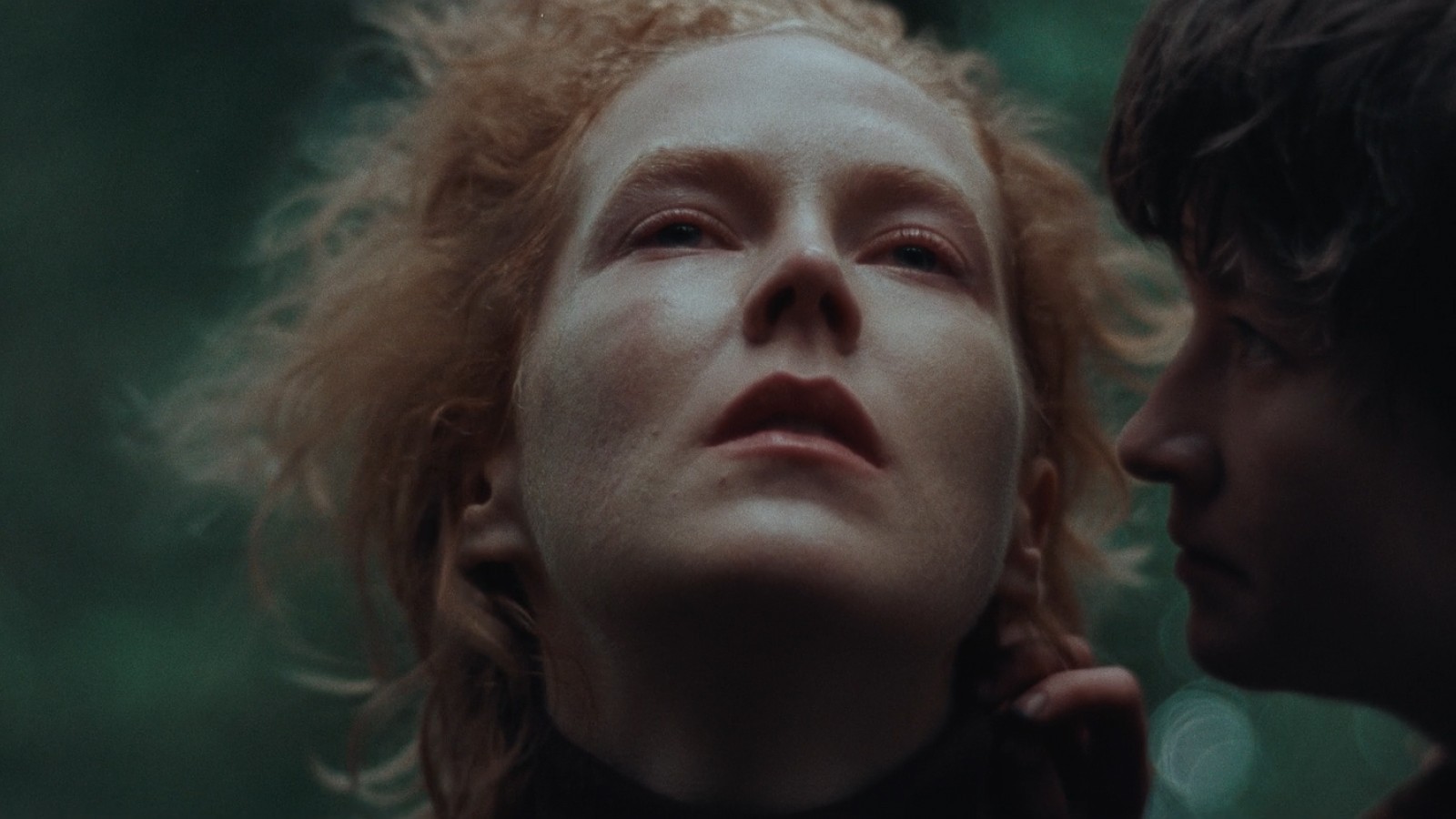
Dev Patel, Welsh forests, and a sinister teenager in Bryn Chainey's debut horror. 'Rabbit Trap' promised atmospheric folk horror but got tangled in its own ambitions. Beautiful visuals don't save a muddled script.
The debut of British director Bryn Chainey's 'Rabbit Trap' is one of those cases where you want to pat the author on the head for effort and gently advise him to spend a couple more years on short films. The film about a musician couple, Welsh mythology, and a sinister teenager promises an atmospheric folk horror, but ends up resembling a student project where the director honestly tried to cram all his favorite themes into an hour and a half, but somewhere in the middle of the script forgot what it was all for.
Daphne and Darcy Davenport (Rosy McEwen and Dev Patel) flee London to a secluded Welsh cottage – she composes avant-garde music, he records field sounds with a portable microphone. Everything goes according to the creative retreat plan until Darcy falls into some magical circle in the forest and records a mystical sound that the human ear supposedly has never heard. Then a local teenager (Jade Croot) appears on the doorstep, gradually gains their trust, tells them about ancient spirits, and then begins to tear the couple away from reality.
On paper, it sounds intriguing. On screen, it's like watching three different films at once that never agreed on which one is the main one.
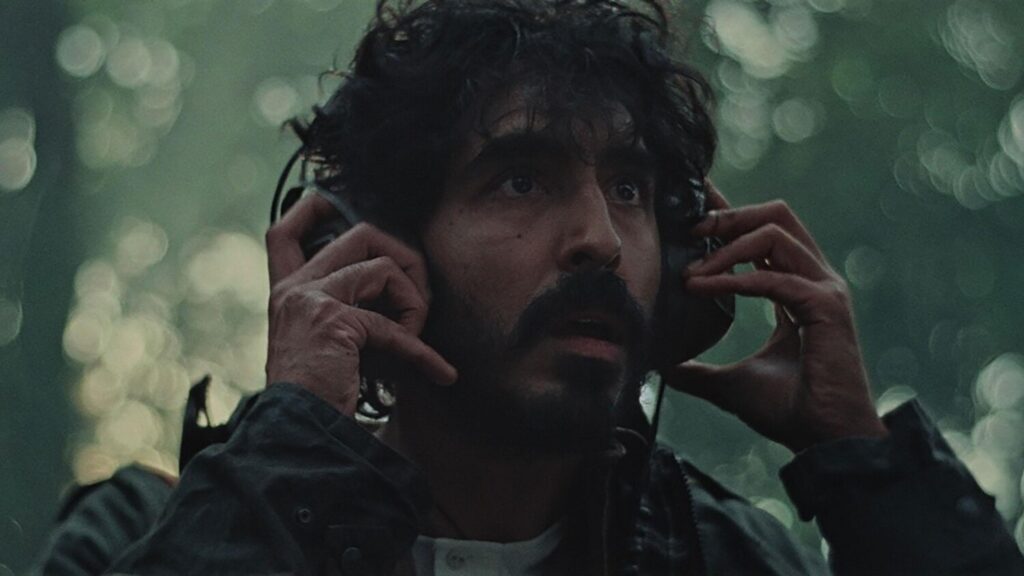
Chainey was clearly inspired by the classics of British folk horror – there are melancholic landscapes, an atmosphere of pagan dread, and excellent sound work (sound designer Graham Reznick deserves a separate round of applause). Cinematographer Andreas Johannessen shot the Welsh forests so that you want to go there and at the same time never set foot there. But here's the trouble: a beautiful wrapper doesn't save you when the inside is mush (or slime, to use the film's language).
The director clearly wanted to tell about childhood trauma, how creative people lose touch with reality, the ancient magic of nature, and what happens when you invade that nature. The problem is that he didn't properly develop any of these themes. Welsh mythology is mentioned in passing, through the teenager's monologues that sound like exposition from Wikipedia (you won't understand anything about the local myths without preparation). Darcy's psychological trauma exists as a background but remains a blurry spot somewhere in the background. And the horror component relies more on atmosphere than on real frightening moments – which in itself is not bad, but when the viewer halfway through the film has a legitimate question 'what is actually happening?', that's already a problem.
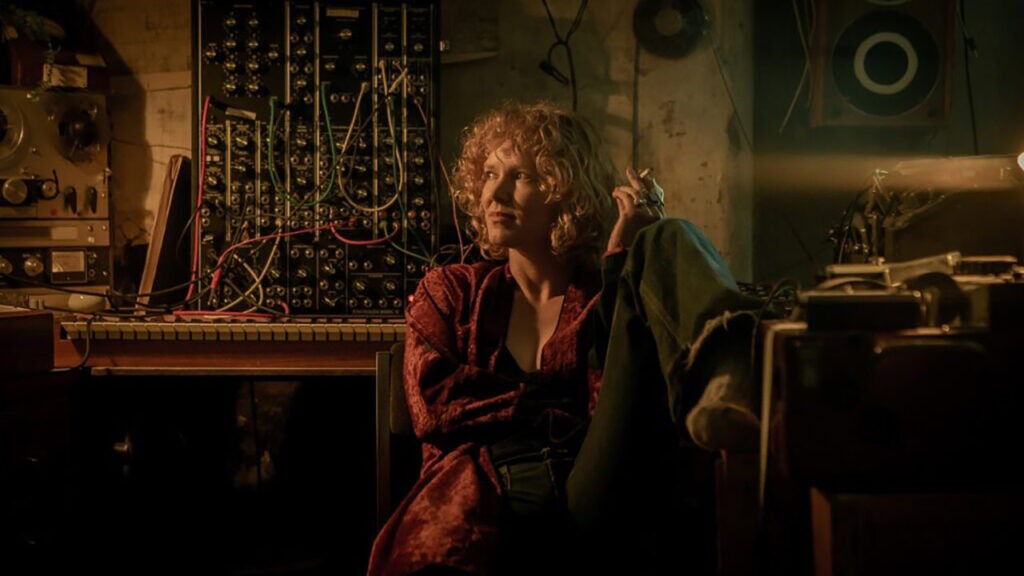
A particular pain point is the cast. Dev Patel seems to be on vacation here: he wanders through the forest with a microphone, looks concerned, and occasionally delivers dialogues that even he finds uninteresting. Rosy McEwen tries to portray a descent into creative madness, but the script gives her so little material that her character remains a pale shadow of what she could have been.
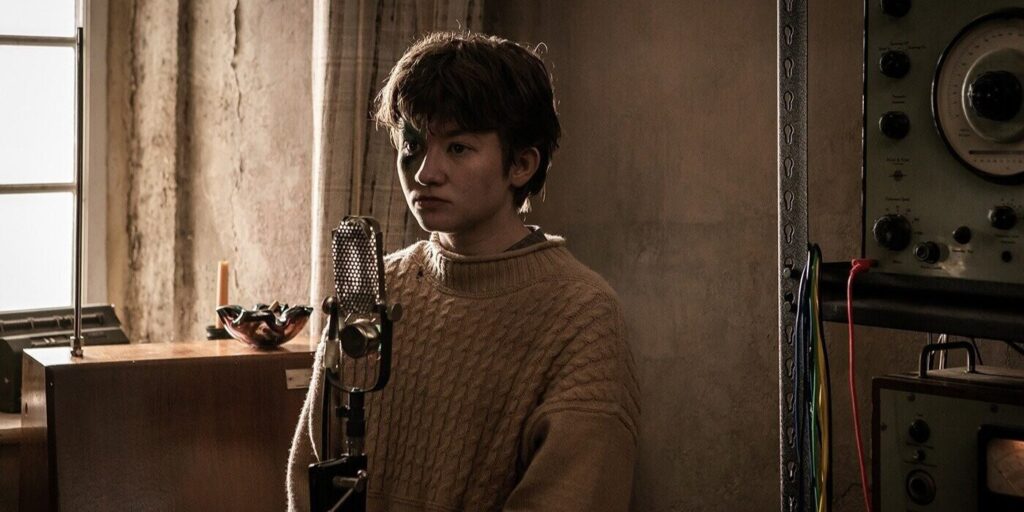
However, Jade Croot, who plays the mysterious child, is truly cool. The young actress (who, by the way, is 27 years old) plays a teenager with the same eerie energy as Barry Keoghan in 'The Killing of a Sacred Deer' (and even resembles him physically). The character balances between an object of sympathy and a harbinger of horror, and it is this duality that keeps interest alive where the script stalls. It's just a pity that Croot's appearance coincides with the moment when the dialogues slide into outright absurdity and the film finally loses focus.
'Rabbit Trap' is a film you want to love for its intentions, but impossible to love for its execution. Chainey demonstrates potential: he knows how to create mood, work with space, use practical effects instead of cheap CGI. But a feature film requires not only visual flair but also dramaturgical skills, which are catastrophically lacking here.
In the end, it's a passable film with ambitions for something greater. It can be watched – if only for the forest landscapes and Jade Croot's performance. But after the final credits, what remains is not admiration, but a slight bewilderment: what was that all about? And why did the director decide that the viewer would be satisfied with atmosphere and vague hints instead of a full-fledged story?
Comments
0No comments yet.
Sign in to join the discussion.