

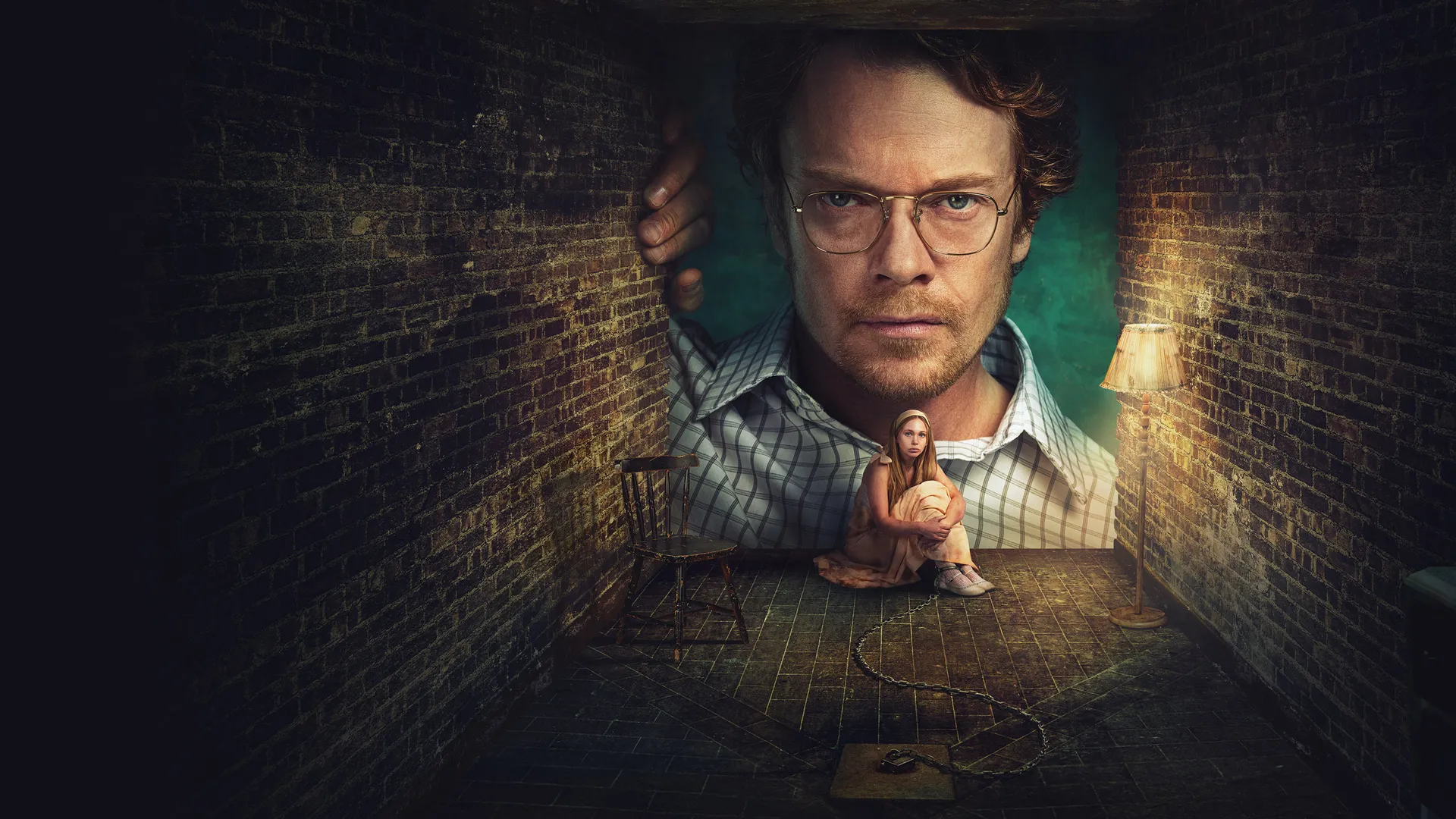
“Girl Taken” is not a detective story but a painfully honest tale about how rescuing a kidnapping victim is only the beginning of a real nightmare for the whole family. We analyze the psychological thriller with Alfie Allen in an unusual role.
Crime thrillers love the moment of hostage release. The camera captures tears, hugs, credits — and that's it, curtain. But what comes next? That question is rarely asked. The British mini-series “Girl Taken” tackles it head-on: it shows how the family and the victim herself try to piece together the fragments after the main nightmare is supposedly over. Spoiler: it doesn't go well.
Lily Riser (Tallulah Evans) returns home after nearly 5 years of captivity at the hands of a maniac. Her family — mother and sister — has been living on the edge of a nervous breakdown all this time, trying to find any trace. Now the girl is home, the kidnapper is caught, they can breathe a sigh of relief. But instead of relief, another horror sets in: Lily is not the same as before, and no one in the family knows how to deal with it. The mother walks on eggshells, the sister feels left out, and the heroine herself balances between attempts to return to normalcy and panic attacks triggered by the slightest trigger. Meanwhile, the trial of the kidnapper unfolds, turning into a separate psychological ordeal for everyone involved.
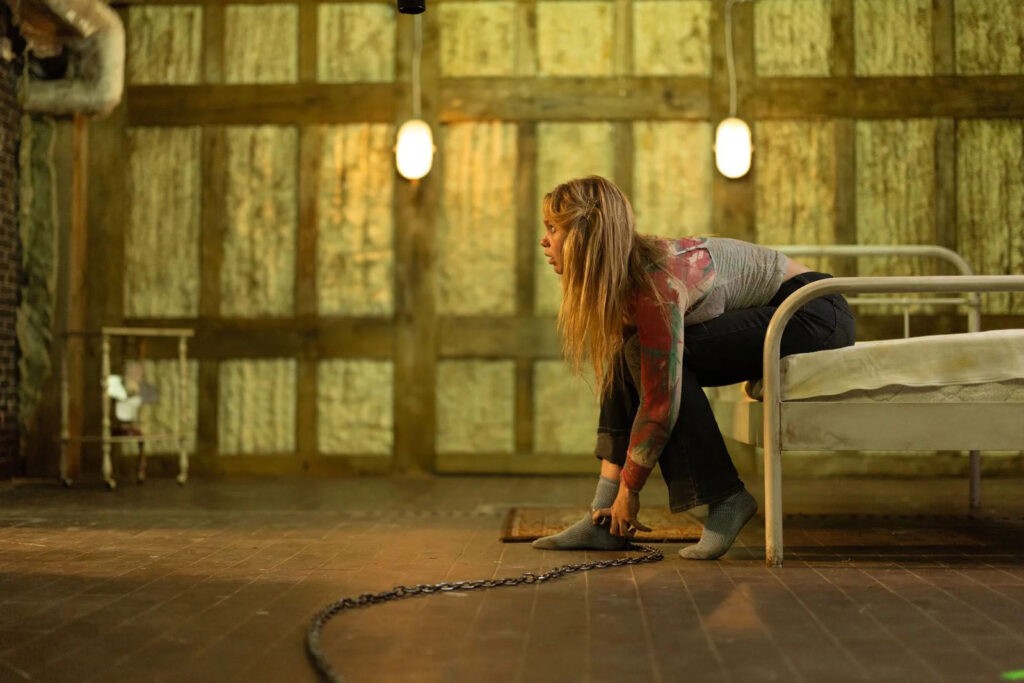
The series does not work as a detective story — there is no intrigue like “who is to blame” or “what really happened.” The perpetrator is known from the first minutes, the circumstances of the kidnapping are also clear. The entire drama is built around how violence continues to cripple people even after the formal end of the nightmare. Lily, played by Tallulah Evans, looks like a person stuck between two worlds: she is physically here, but emotionally still in that basement. A detached gaze, hysterics from an accidental touch, inability to simply leave the house — the writers are not shy about showing this ugly, uncomfortable truth about PTSD.
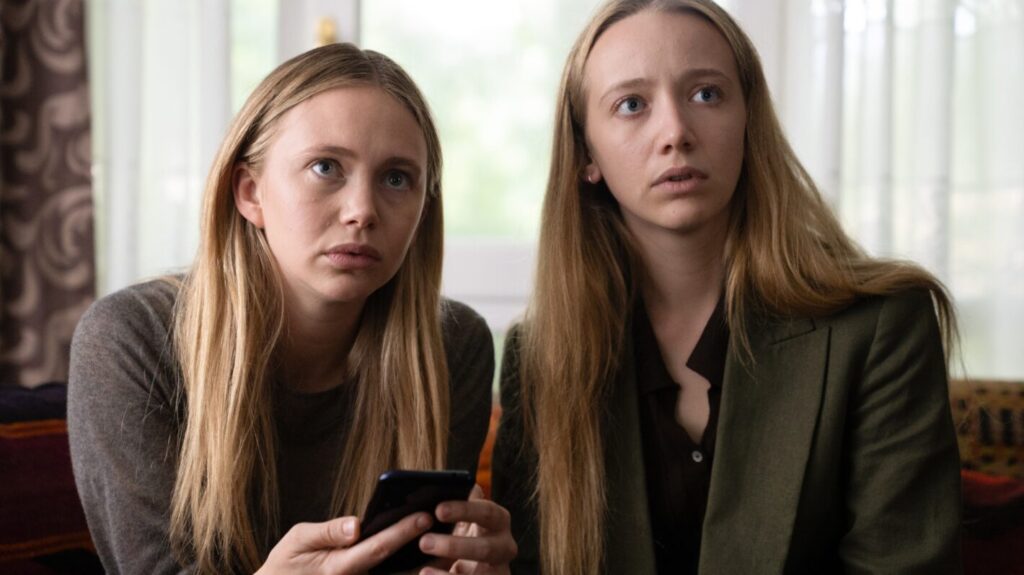
But what is especially valuable — the series does not forget about the family. The mother (played by Jill Halfpenny) is torn between the desire to help and the fear of making things worse. And Lily's sister, played by Tallulah Evans' real sister Delfi Evans, ends up in the most toxic position. For nearly 5 years, she was “the one who stayed,” living in the shadow of the tragedy, and now she feels guilty for sometimes wanting to be noticed too. The decision to cast real sisters is not just a casting gimmick: their on-screen chemistry provides an authenticity that cannot be faked at the director's command.
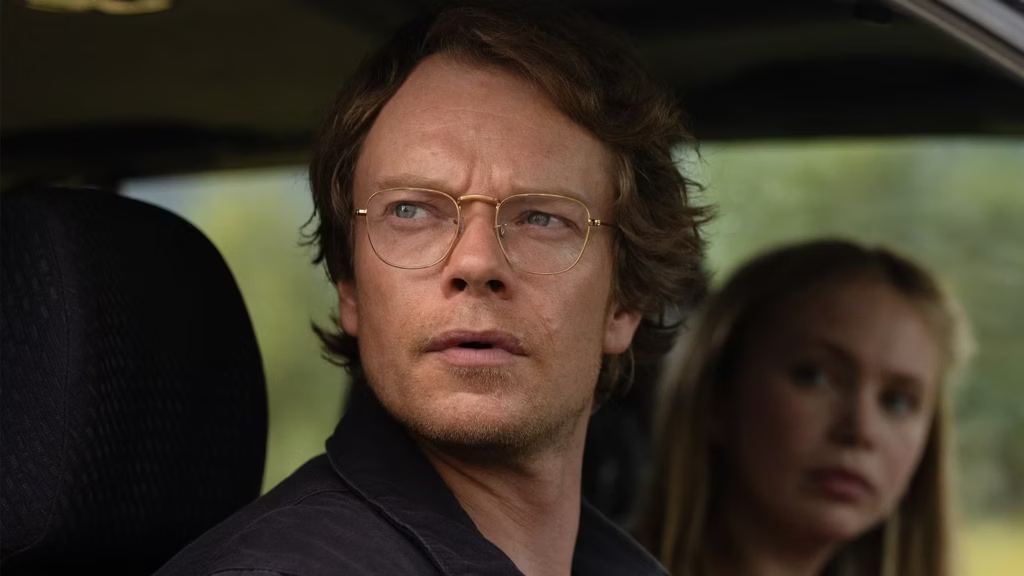
Special mention goes to Alfie Allen in the role of the kidnapper. There is a certain irony of fate here: the actor who became famous as Theon Greyjoy — a character who went through monstrous torture and psychological abuse in “Game of Thrones” — now plays a maniac himself. And he does it frighteningly convincingly, without theatricality or grotesqueness.
His character is an ordinary-looking man with cold eyes, who feigns remorse in court and even blames Lily for the whole kidnapping story being her fabrication because he refused to be with her. The interrogation and trial scenes are constructed so that the viewer physically feels how each of his words is another blow to Lily, especially when they meet face to face.
For all its merits, the series is not perfect. The pacing sometimes drags — a couple of episodes could have been shortened without losing meaning. Some storylines (for example, the sister's romantic interest) feel underdeveloped and rather distract than add depth.
“Girl Taken” is a heavy, uncomfortable story about how some wounds do not heal, but only change shape. The series reminds us that rescue is not an endpoint but the beginning of a long journey where no one guarantees a happy ending. If you are drawn to psychological dramas like “Room,” if you are ready for a slow immersion into someone else's trauma without flashy plot twists — go ahead and watch.
Comments
0No comments yet.
Sign in to join the discussion.