

We talk about the creative path of Yorgos Lanthimos and why his films are not nonsense, but social criticism and harsh satire.
Yorgos Lanthimos has become one of the most recognizable voices of contemporary art-house cinema. His films are a blend of absurdity, satire, and ancient tragedy. They shock, captivate, and linger. We decided to break down his signature techniques so that your introduction to the director doesn't become an impenetrable quest.
Lanthimos was born in Greece and educated at the Stavrakos School of Film and Television in Athens. From the start of his career, he experimented with different genres and formats. He directed commercials, short films, and even worked on the creative team for the opening and closing ceremonies of the 2004 Olympic Games. There he met Athina Rachel Tsangari.
In 2008, Greece was hit by an economic crisis. People lost jobs and property, and the state resorted to austerity measures. The situation did not spare creative people either. The crisis gave rise to the "Greek Weird Wave" in cinema, characterized by absurdism and alienated acting.
The leading figures of the wave were Yorgos Lanthimos and Athina Rachel Tsangari. Together they worked on "Kinetta," "Alps," and "Dogtooth." Their names were constantly mentioned together. The duo split when Lanthimos felt constrained in his native Greece. He went to the US to shoot "The Lobster." Tsangari said that if the director had stayed in his homeland, the film about lonely people might never have been made. There were no resources to shoot the film in Greece.
Myths of Ancient Greece
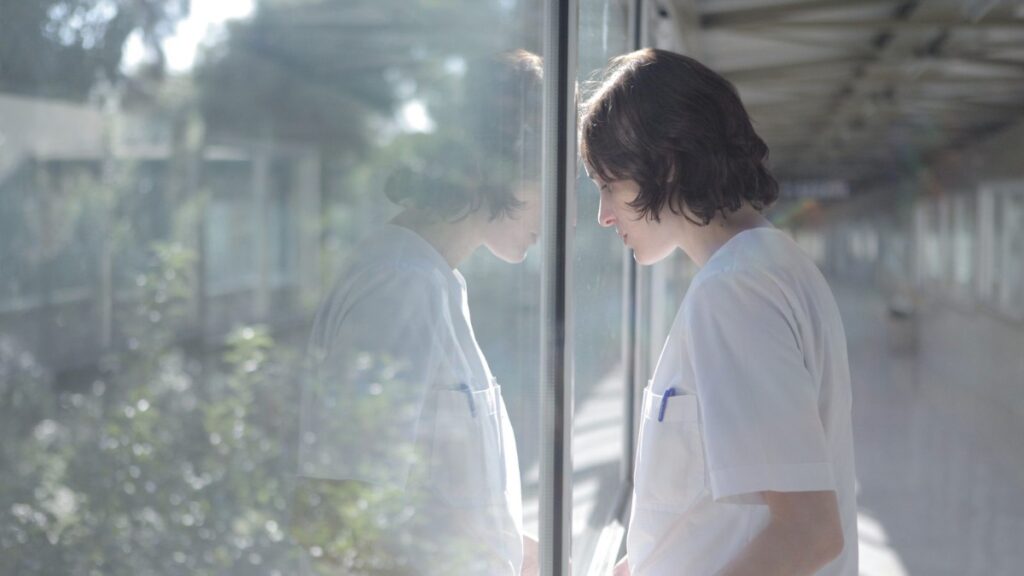
Lanthimos is a Greek director. Therefore, his works feature ancient tragedies placed in a modern setting. In "The Killing of a Sacred Deer," cardiac surgeon Steven Murphy (Colin Farrell) lives in a sterile world with a model family. The idyll shatters when teenager Martin (Barry Keoghan) intrudes. He infects the children with a strange illness that will lead to death. Murphy must choose: either kill one of his children himself, or Martin will kill the entire family. The conditions are archaic revenge on the principle of "an eye for an eye." In the past, the doctor made a mistake, the price of which is retribution.
"The Killing of a Sacred Deer" is a loose retelling of Euripides' tragedy "Iphigenia in Aulis." In the original, Agamemnon offends Artemis by shooting a sacred deer. To gain the gods' forgiveness, the king must sacrifice his daughter. In Lanthimos' interpretation, the story is harsher than the original. Martin gives the doctor a choice where one option is worse than the other.
Ancient motifs are also present in later works. They resemble the legend of Pygmalion with elements of "Frankenstein." In mythology, Pygmalion is a sculptor who created a statue he fell in love with. In Lanthimos, Bella (Emma Stone) also becomes a beautiful creation. Doctor Godwin Baxter (Willem Dafoe) transplants a child's brain into her body to save her. Bella learns to walk again, behave in society, and experiences all the delights of puberty.
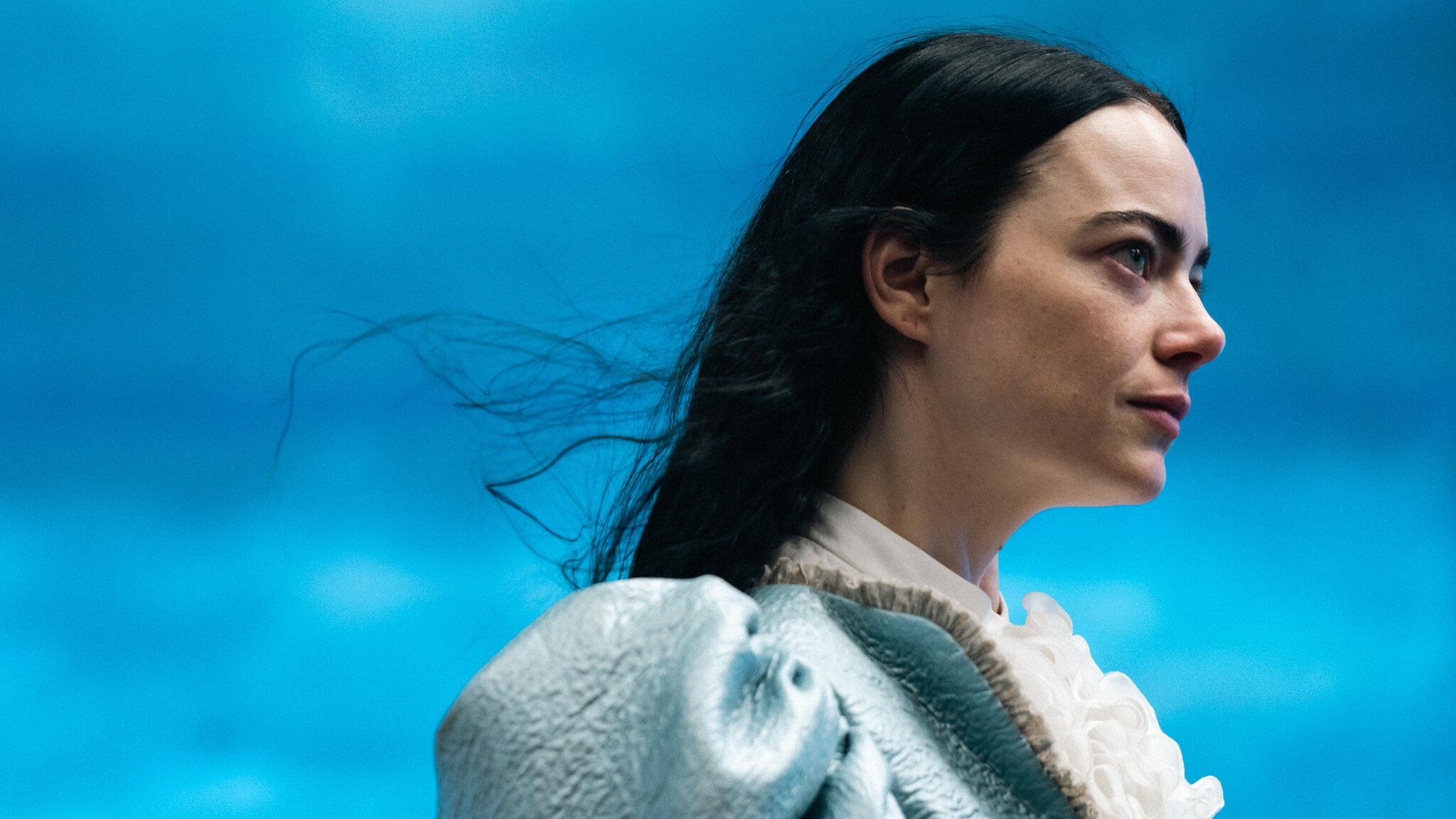
On February 27, one of the main favorites of the Oscar race, "Poor Things" by Greek director Yorgos Lanthimos, reached digital screens. The film is being praised by almost everyone.
Open material"Bugonia" also did not escape ancient references. In ancient Greece, this was the name of a ritual. Its essence was the sacrifice of a cow, in whose carcass bees were supposed to appear. A description of bugonia can be found in Mediterranean texts, including Virgil's poem "Georgics." The film's title is a metaphor for rebirth. New life can arise from the corrupted. According to screenwriter Will Tracy, bugonia appealed not only for its metaphor but also for its complexity. The audience's ignorance of the meaning gave the film a special power.
I think we also liked the ambiguity of the title. It sounds like the name of an insect, a flower, an alien creature, but at the same time like the name of a place that could be on Earth. It could also sound like the name of a disease that someone might have. So, I think its non-specificity was also attractive.
Will Tracy in an interview with The Independent
Absurdity and Power
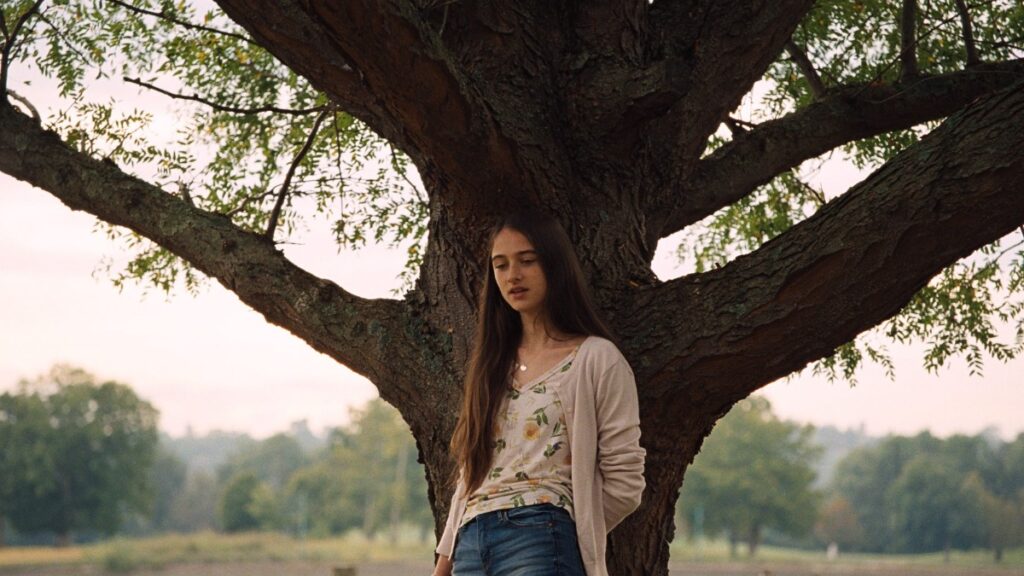
The first association when mentioning Lanthimos is absurdity. The director uses it not for fun (though that is also present). Through strangeness, he expresses a position, ironizes society and power. Lanthimos takes familiar situations and asks: "What if?" Nowadays, people often meet online. What if a world emerged where the meaning of life boiled down to finding a partner? Managed to fall in love—pride of society; didn't manage—welcome to the zoo. "The Lobster" is a cruel Lanthimosian Tinder. Here there is criticism of absurd laws and the impossibility of escape. Even though characters understand the absurdity of what is happening, they continue to play by these rules.
The early "Dogtooth" shows a sealed-off family where children are isolated from the outside world. They think airplanes are toys, the sea is a chair, etc. Parents do not raise but program their daughters. Leaving the father's house is possible only after the loss of a canine tooth, i.e., never. Lanthimos shows the horror of dictatorship. He does the same in "The Killing of a Sacred Deer," where a teenager is appointed ruler. Imagine a typical teenager appears in your life who loves milkshakes, wants to ask Stacy to the school disco, and boasts about his first stubble. Only he wants you dead. Life ends up in the hands of a teenager who just started smoking a week ago.
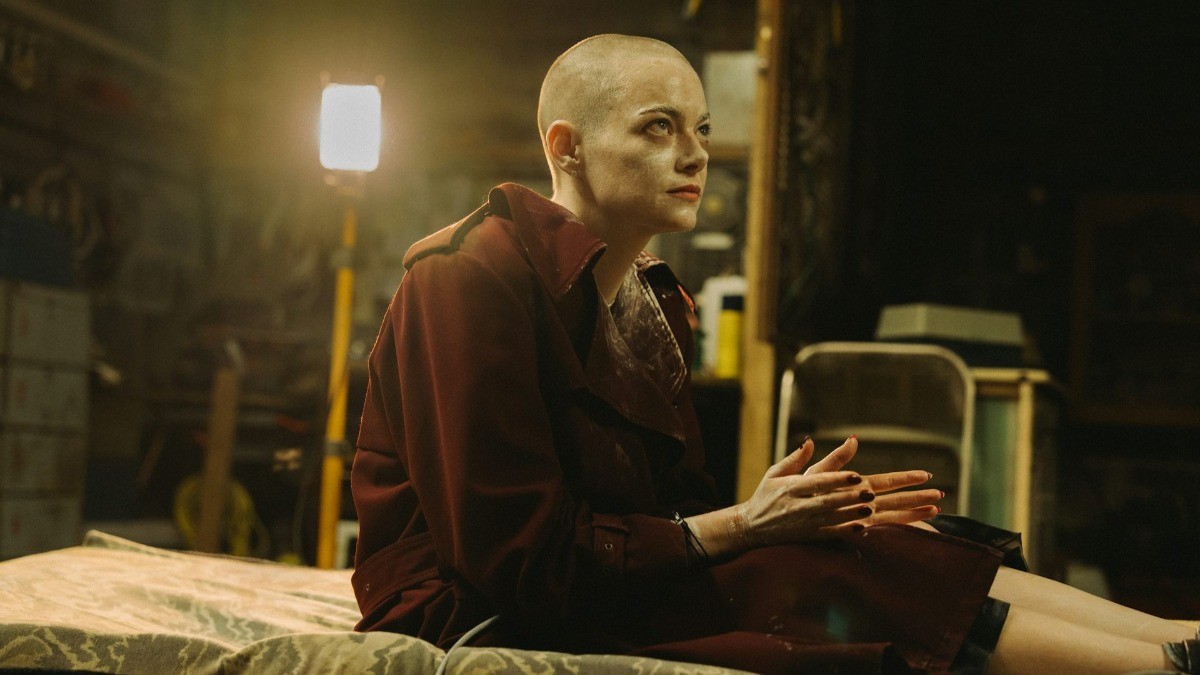
Or maybe it's better to force two sociopaths to kidnap a businesswoman? Keep her in the basement and demand she contact aliens. Lanthimos develops this idea in "Bugonia," where Michelle Fuller (Emma Stone) has to live by the laws of men who clearly have watched too much "Men in Black." In their basement, she is not a rich and famous lady but a bald and humiliated woman. Michelle is forced to be in the power of those who once bowed before her. A hostage of a hive that lives by its own rules.

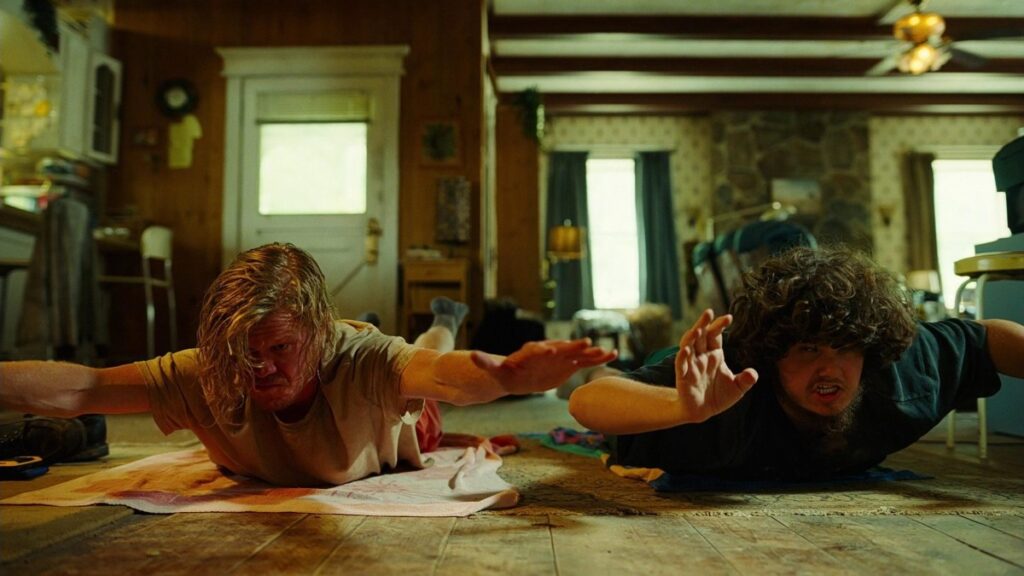
Absolute superiority appears in the first novella. Raymond (Willem Dafoe) is a despotic boss who dictates absurd rules of life to his subordinate Robert Fletcher (Jesse Plemons). No children, only healthy food, live by a schedule. And also kill a person. Here power is blind faith. Robert, like the biblical Abraham, is ready to sacrifice just to prove his loyalty to the boss-deity. As soon as Raymond rejects Robert, the subordinate sees no life without him. He is ready to fall to his knees just to get a second chance. The absence of a despotic God does not become liberation.
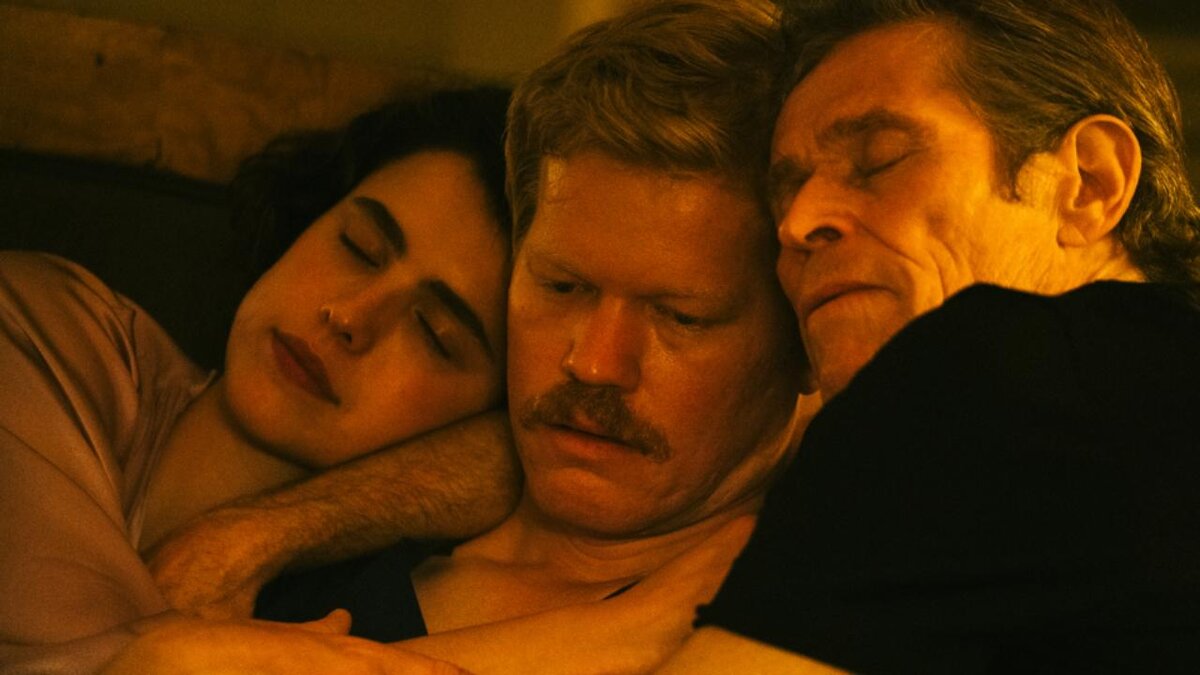
On August 27, the digital premiere of Yorgos Lanthimos' absurdist comedy "Kinds of Kindness" took place. The anthology film stood out at Cannes and received the Best Actor award, which...
Open materialIn "Alps," the characters are hostages of their own created organization. Their goal is to play the deceased relatives of clients. Because of this "work," the heroes lose their "I," the boundaries of reality blur. Helping others becomes a personal disaster. On one hand, Lanthimos says: "You cannot help everyone without harming yourself." On the other hand, he shows what despotic orders lead to. Even if they are established in a cause with good intentions.
Absurdity and satire are the foundation of Yorgos Lanthimos' films. Behind them lie real pressing issues. Ridiculous power and its abuse. Social degradation or environmental problems. To understand the director, you don't need to crank the situation to the maximum, but return to basic settings.
Death and Alienation
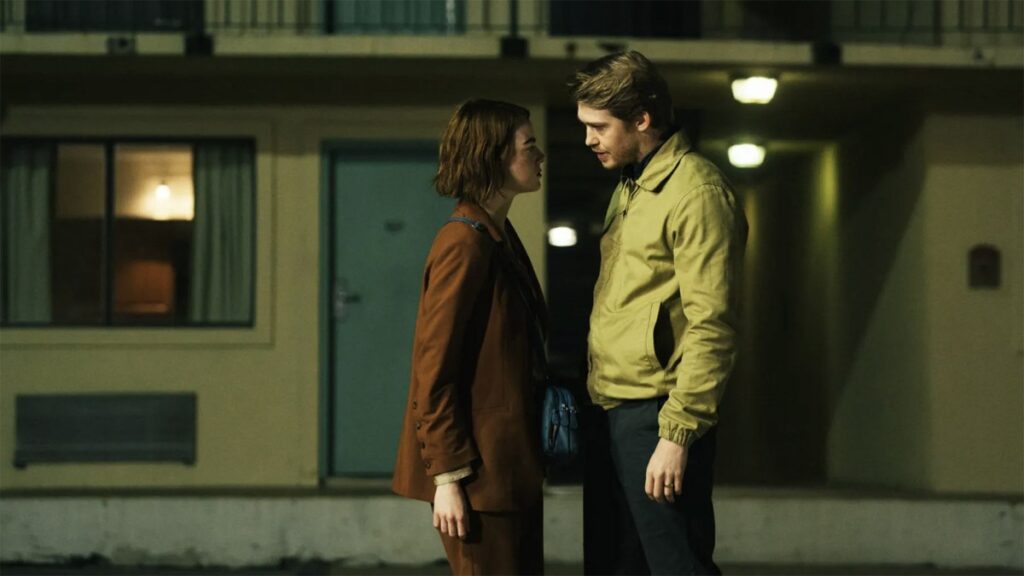
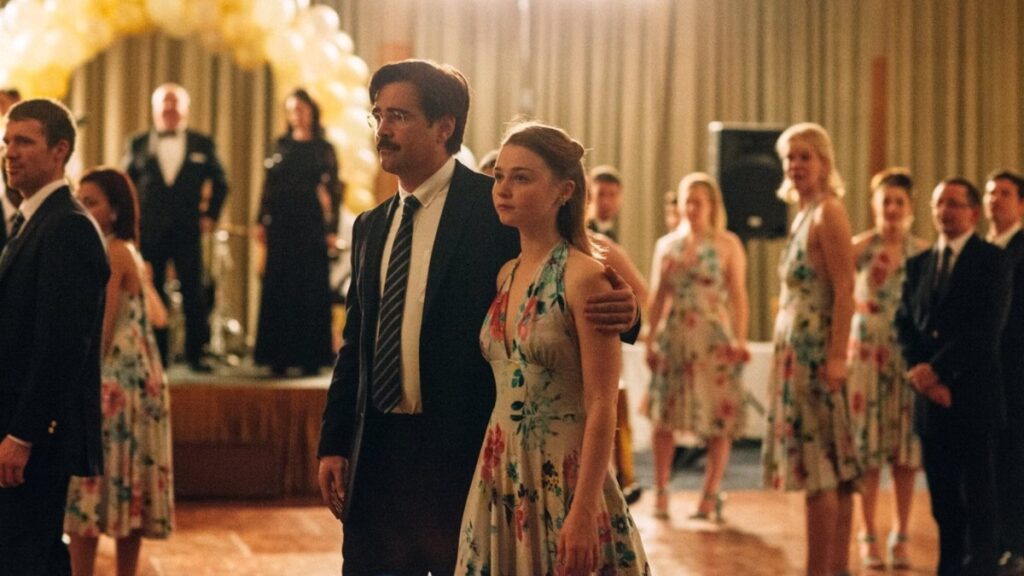
Lanthimos constantly flirts with death. For him, it is not only a tool of drama. Often, it is a myth he wants to learn more about. In early works, the director makes characters play with it. In later ones, death becomes a symbol of purification, rebirth, or an evil fate. The motif of death is linked to loneliness. Characters, whether actors reenacting murders in "Kinetta" or hotel residents in "The Lobster," speak in rehearsed, emotionless phrases, as if writing a letter to someone named John in English class.
Hello everyone. My mother was left alone when my father fell in love with a woman who was better at math. I think she had a master's degree, while my mother only had a bachelor's. I was nineteen then. My mother went into a hotel but never came out—she was turned into a wolf. I missed her very much. I found out she was moved to a zoo. I often went to see her. I fed her raw meat. I knew wolves like raw meat, but I couldn't tell which one was my mother, so I gave a little to each. One day I decided to go into the enclosure. I missed her so much and wanted to hug her.
The Lobster (2015)
Death is associated with pain and terror. In "Dogtooth," the father's physical and moral violence is the cause of the family's disintegration. In "The Killing of a Sacred Deer," death is a tool of revenge. But through pain and violence, heroes can improve or start anew. Bella from "Poor Things" gets a new life at the whim of a mad scientist who found her after a suicide attempt. Physical death becomes the beginning of a new, artificial existence. After suffering, she transforms thanks to the consciousness of her own child.
Characters have also been "reborn" in Lanthimos' "Kinds of Kindness." In the second novella, cult members locked people in a "bathhouse." Loss of consciousness from high heat is purification from filth. Turning into an animal in "The Lobster" is also a form of ending. Only it becomes a metaphor for degradation. In his works, the director tries to understand what death means. Each time he experiments with symbolism and comes to new conclusions.
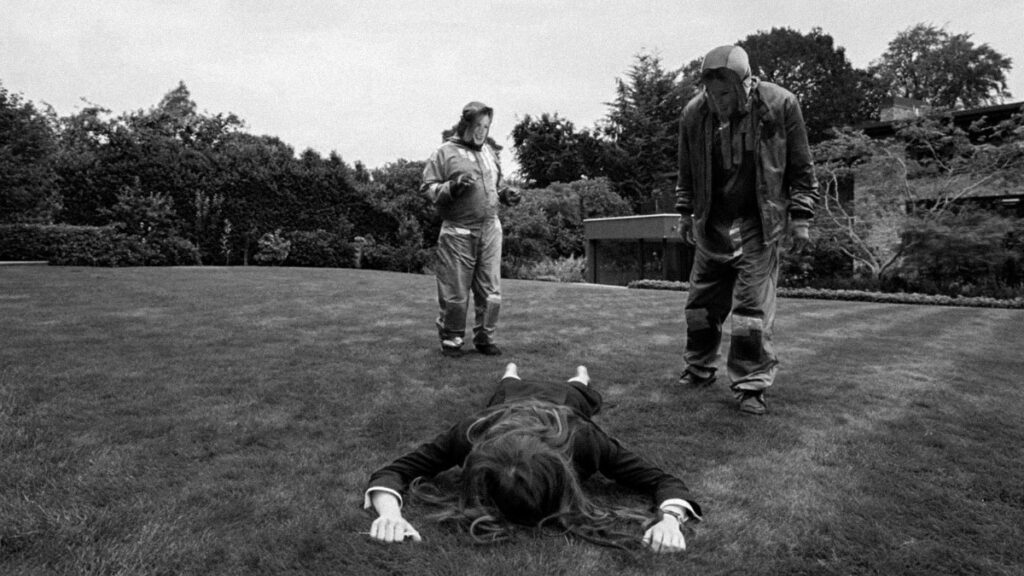
— Where did my hair go?
— Your hair has been destroyed.
— Did you shave my head?
— Yes, we shaved your head.
— Why did you shave my head?
— So you couldn't contact your ship.
— My ship?
— Your ship.
— What ship?
— Your mother ship.
Bugonia (2025)
Animals
Animals are everywhere in Lanthimos, even in the titles: "The Killing of a Sacred Deer," "Dogtooth," "The Lobster." Beasts are an element of mythology. For example, Zeus turned into a bull, a swan, a cuckoo, etc. Similarly, the hotel guests in "The Lobster" ceased to be human. Only not of their own will and without purpose. The Greek gods also had sacred animals: Artemis's deer, Poseidon's and Ares' horses, Hera's peacocks, etc. Only in Lanthimos, animals are not a faithful guide but an evil fate. Whether it's the "deer" for doctor Murphy ("The Killing of a Sacred Deer"), the bees for Teddy and Don ("Bugonia"), any creature for the hotel guests ("The Lobster"), or the rabbits for the queen ("The Favourite"), the number of which corresponds to the number of her deceased children.
Animals feel like innocence and purity. But at the same time, they become a metaphor for the decline of society or punishment. The director disavows meanings associated with them. He doesn't even notice how many animals are in his films.
— What is your relationship with animals?
Lanthimos: What do you mean by "relationship"?
— They play a very important role in many of your films.
Lanthimos: I don't know. Everyone asks me about it, but do I have more animals than other people? I am fascinated by how we humanize them and treat them well. It seems strange to me that sometimes we worry about them more than about other people. I like playing with that idea.
Yorgos Lanthimos in an interview with Variety
Phantom Liberty
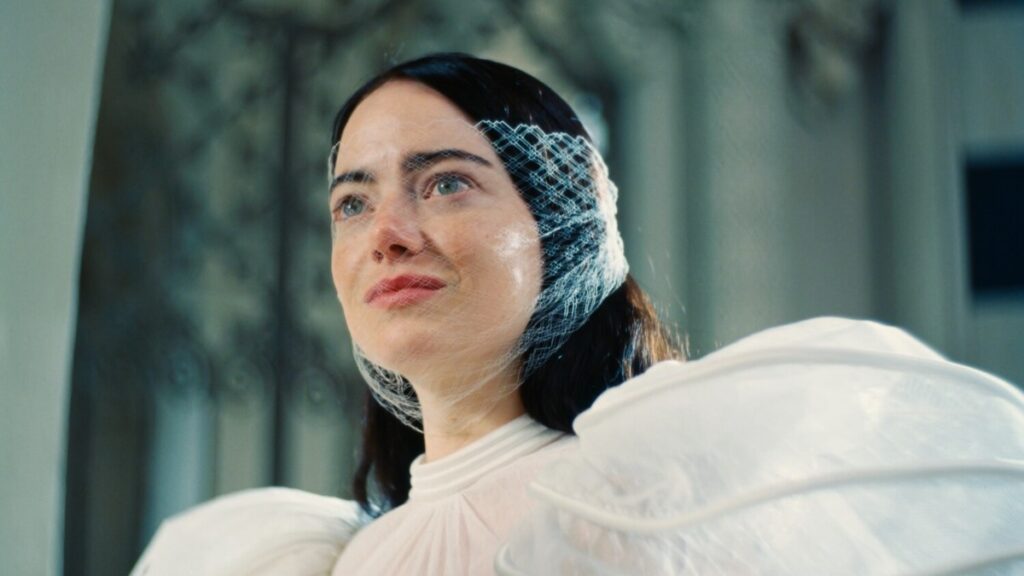
Lanthimos' characters also love to dance. For them, dance is freedom. But is it real, or fleeting and imagined? The dinner scene in "Poor Things" is torture for Bella. Do this, don't say too much, don't behave shamefully. But music starts playing, and the girl discovers dance. While couples slowly waltz, she jumps and twitches. Having been under the yoke of her beloved God all her life, running away from home is a way of learning. But even Duncan (Mark Ruffalo), who took Bella away and promised freedom, turns out to be a dictator. Therefore, the dinner scene for her is not only a protest against God but also against society.
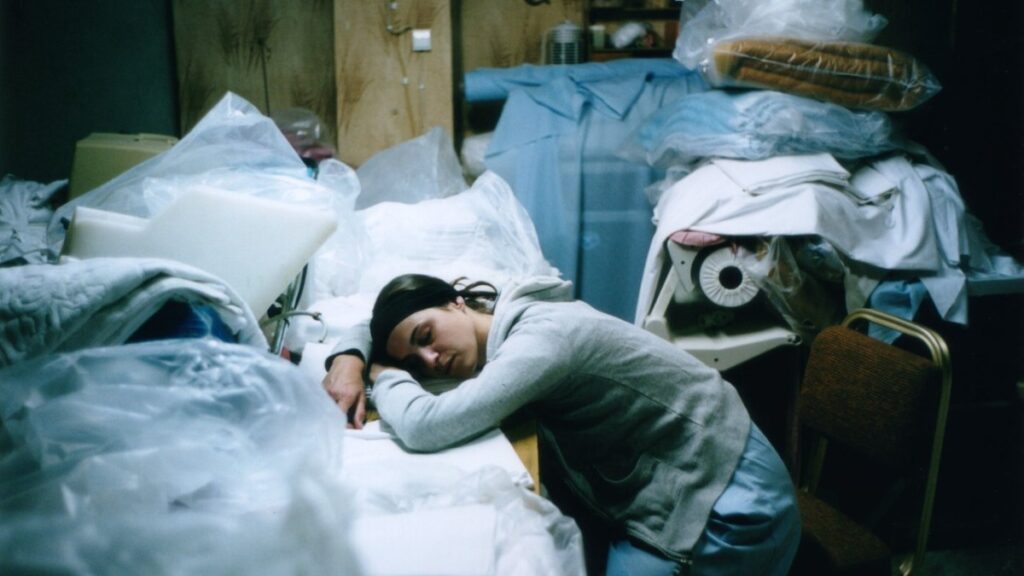
In "Dogtooth," the sisters lived under family tyranny. The scene where the girls perform for their parents is indicative. All their lives they were told what to do, and when forbidden cassettes with films appeared in their hands, the children realized it was time to change. At first, their movements are mechanical and ideal for the father. Then one breaks down and starts dancing chaotically. The daughters' lives spiral out of control. They have bitten the forbidden fruit, and the old dictatorship cannot be restored. A disturbing scene that wordlessly shows the family drama. Characters from "The Lobster" also escape from such tyranny. When David runs away from the hotel, he sees loners dancing in the forest.
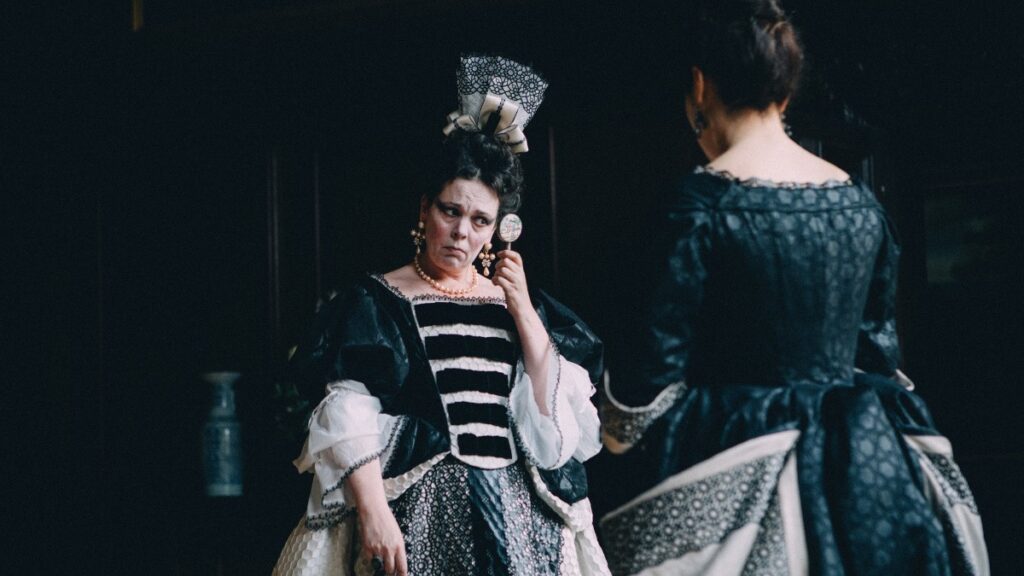
In "The Favourite," the Duchess of Marlborough waltzes with the Earl of Oxford. But their "performance" does not fit the situation. The couple mixes aristocratic movements with modern elements. The scene is not about the ball; it is about authoritarianism. The Duchess seems to point a finger at the queen and say: "Look, I can do this, but you can't." In "The Favourite," dance is not liberation. It is proof of incapacity and a way to show superiority over others.
Lanthimos frees characters from living by orders. To follow norms, not to have the opportunity to express one's "I." He does this through movement. "Alps" begins and ends with a gymnast's performance. At the start of the film, she dances to classical music because the tyrant coach does not allow her to choose other music. In the finale, the girl gets her way. We see her in tandem with a modern song. In "Kinds of Kindness," Emma Stone's character celebrates victory this way. She escaped the cult and stole the "mission." Only for her, the dance is an omen. In the end, the girl loses her salvation.
I think there are many unexplored things that you can touch if you just leave everything open and don't forbid anything. Then you allow yourself to create what is created by freedom, spontaneity, and flexibility. That's why I avoid limiting the actors' and characters' performances.
Yorgos Lanthimos
Watching Lanthimos' films is like solving a complex puzzle. Everything is unclear and exaggerated. But at the core are themes familiar to everyone. From everyday misunderstandings to global problems of ecology or power. If you want to immerse yourself in beautiful, strange stories and find answers yourself, then Lanthimos' works are a suitable option. Even if what is happening may be uncomfortable. He is currently one of the leading directors who popularizes art-house. And isn't that a reason to dive into a genre that doesn't often appear among mass audiences?
Comments
0No comments yet.
Sign in to join the discussion.