
In parallel release — a new chapter of James Cameron's sci-fi long-term project 'Avatar: Fire and Ash'. About how the third film, despite losing its former wow effect and a sea of script flaws, still manages to impress by the mere fact of its existen...
According to the plot of 'Avatar: Fire and Ash', Jake Sully (Sam Worthington) and Neytiri (Zoe Saldana) are deeply grieving the loss of their firstborn, who died during the battle with the RDA corporation. Realizing that Colonel Miles Quaritch (Stephen Lang), or rather his recombinant clone with imported memories, will not stop until he finds his son (Jack Champion), they, despite their own children's objections, decide to move the young man to a safe place, with the help of the wind traders. On the way, the caravan is attacked by the Mangkwan clan, led by a ruthless matriarch named Varang (Oona Chaplin).
If you think about it, the history of the 'Avatar' franchise looks too extraordinary by the standards of the Hollywood corporate model. After the first film, which marked a qualitative breakthrough in computer graphics and filmmaking in general, as well as a quantitative one in terms of box office, James Cameron received an unimaginable carte blanche. The director was allocated a substantial budget (over a billion dollars) to create four sequels at once, and he, in turn, without changing his own ambition, decided on an even riskier step — to shoot them almost simultaneously.
It was not possible to start implementing this plan immediately due to the lack of necessary equipment, but even after the official start of work, no one was sure that the new parts would not sink during production and eventually make it to the big screens. As the filming process of 'Avatar' and news about it turned into endless background noise, tectonic shifts occurred in the industry during this time — the acquisition of 20th Century Fox by Disney, the rise and fall of superhero movies, the pandemic crisis, the growing influence of streaming platforms, etc. And so many were happy to return to Pandora at the end of 2022, which explains the phenomenal success of the sequel, despite predictions of waning interest in the franchise.
In the sequel, Cameron did not reinvent the exoskeleton, duplicating the main conflict of the original. He replaced the rare mineral unobtanium, for which the Tree of Souls had to be cut down, with amrita — a super-valuable liquid extracted from the brains of local whales. Although the protagonist has matured between films and started a large family (I wonder if the Na'vi have benefits for this?), and the universe's mythology has been enriched by the underwater biome, this does not negate the fact that it was a colossal self-repetition in form. In the third part, James seems to have decided to deviate from the formula he tested twice, but only by half a step.
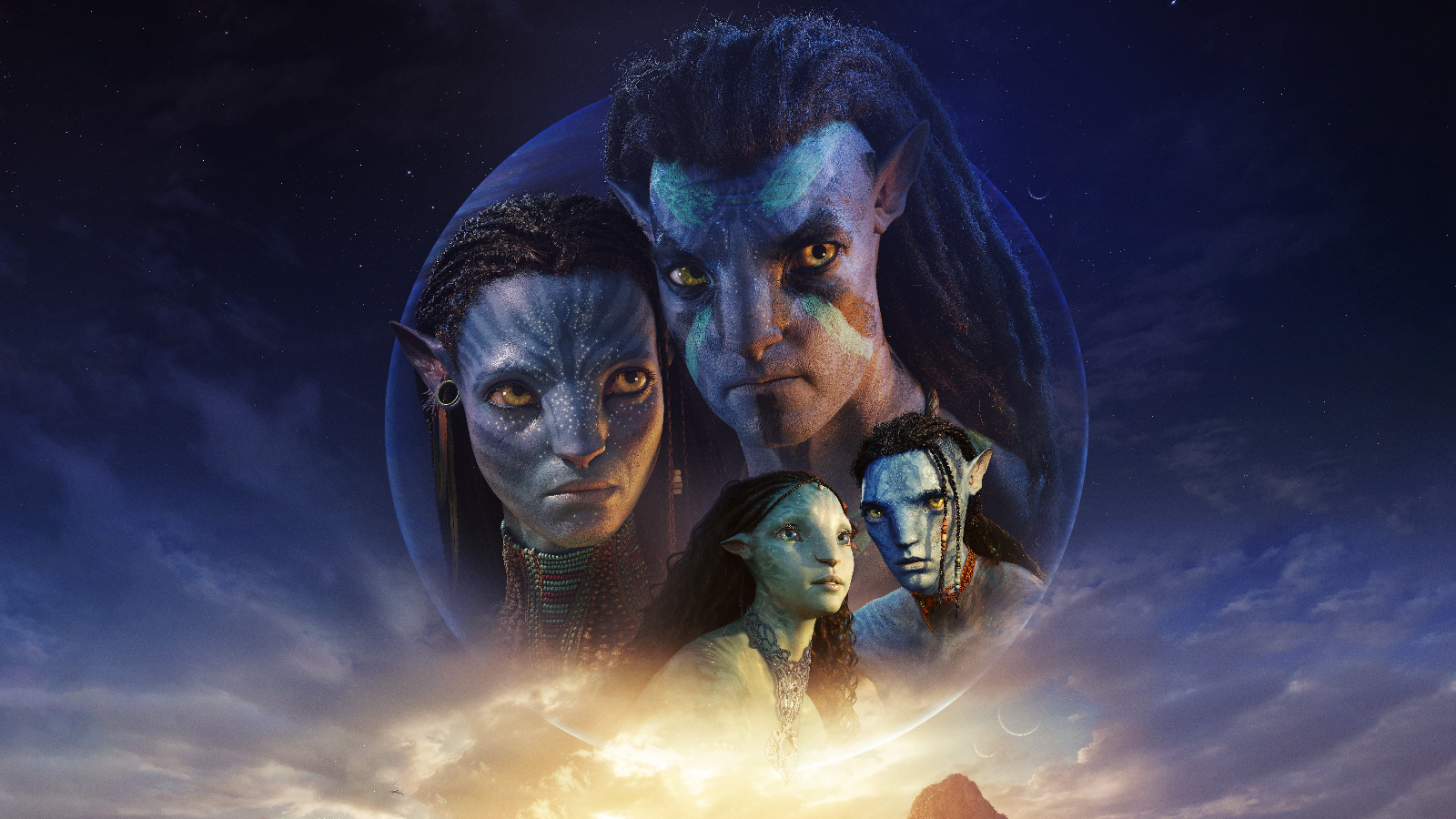
In mid-December, the long-awaited (truly long-awaited) 'Avatar: The Way of Water' was released worldwide — the sequel to the biggest box office hit thirteen years ago. Director James Cameron
Open material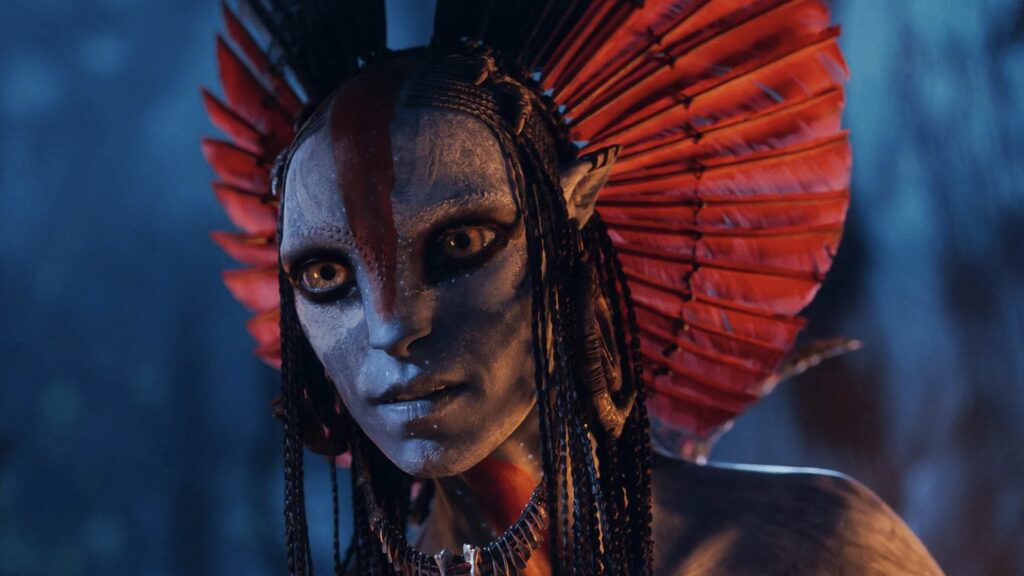
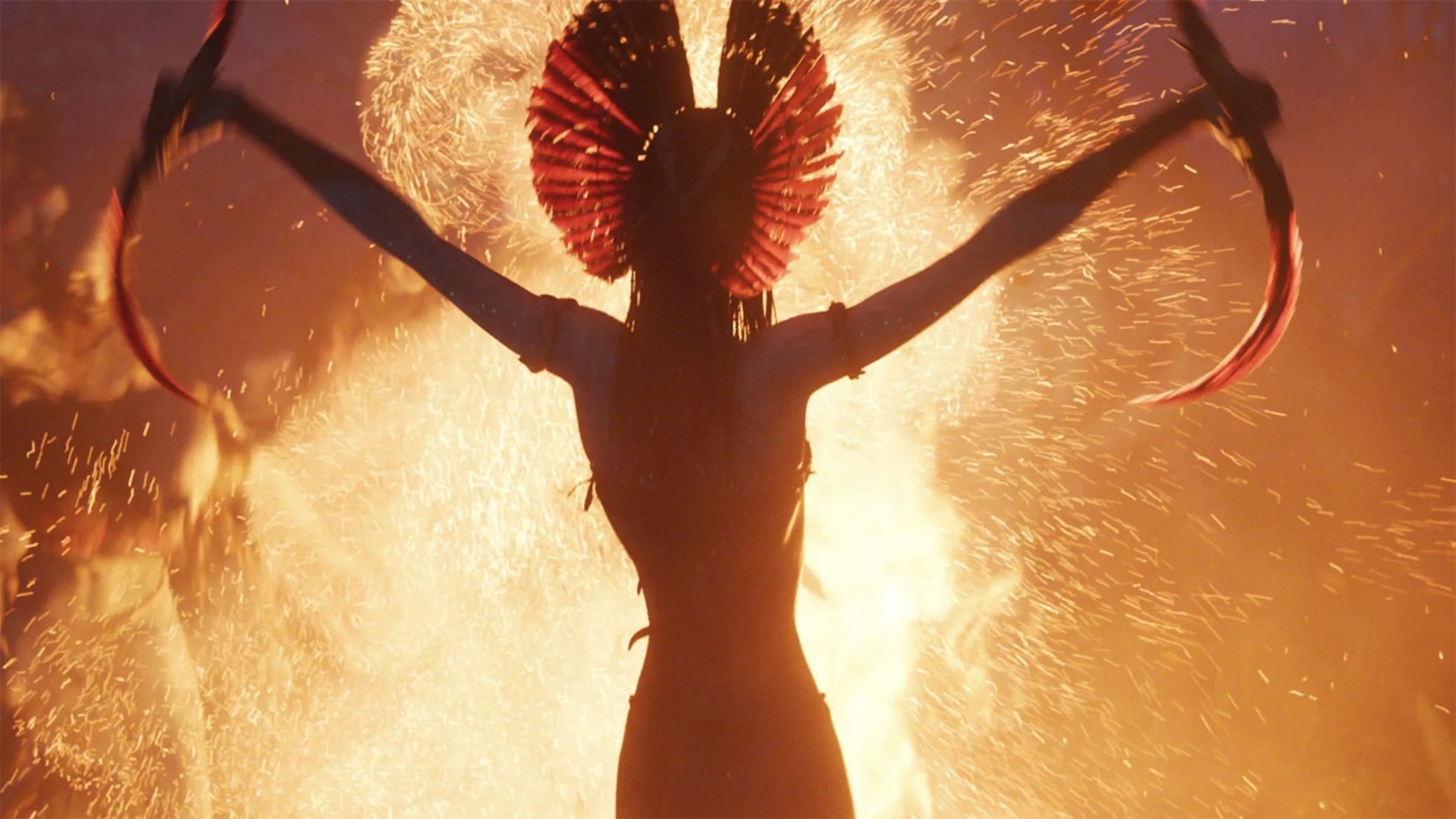
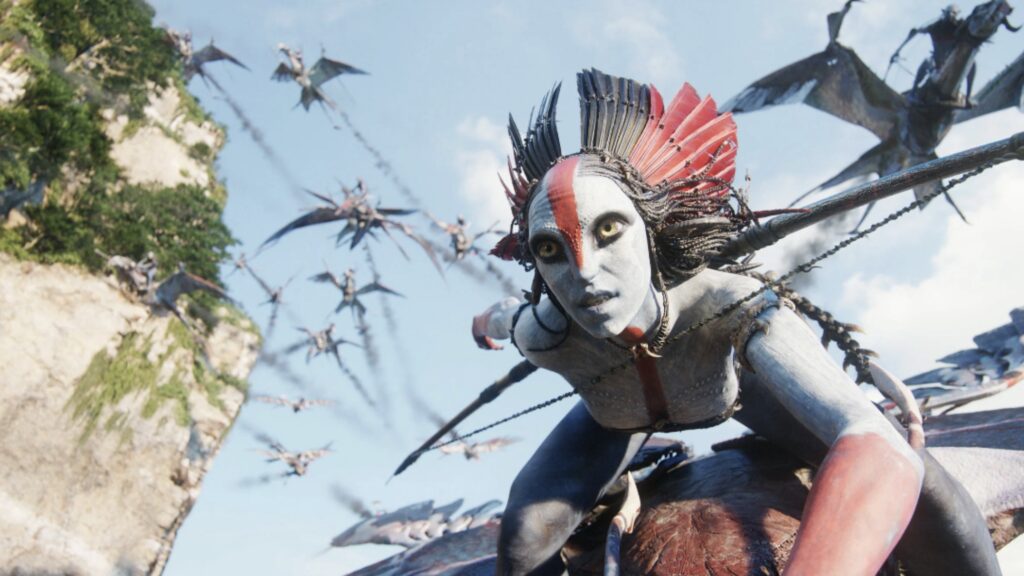
The key difference of 'Fire and Ash' from previous films is that this time the antagonists are not only the colonizers from Earth but also some natives of Pandora. However, if on paper such a break from the mold sounds intriguing, given that 'Avatar' has always set a strictly anti-colonial perspective, in practice, as they say, the tulkun swam there. The fiery villainess Varang is the main find of the third film (especially in tandem with Quaritch!), but she can hardly be called a carefully written character. The entire motivation for the Mangkwan clan's hostility towards other blue-skinned people boils down to the fact that after a terrible fire, they lost faith in Eywa, turned away from her, and began to worship fire.
On the one hand, this explanation aligns with the ecological message of 'Avatar' and James Lovelock's hypothesis of the planet as a superorganism, a supporter of which is precisely his namesake director. On the other hand, from authors who spent years meticulously developing the bizarre ecosystem and way of life of fictional peoples, one expects a more detailed and comprehensive justification. And in general, in contrast to how the Metkayina clan was revealed in 'The Way of Water', not much is known about the fire adepts. The evil Na'vi live in wigwams, cover their bodies with volcanic ash, love ritual dances, raid merchant caravans, and if necessary, sacrifice themselves in battle for their Tsahik, similar to the warriors of the half-life in 'Mad Max'.
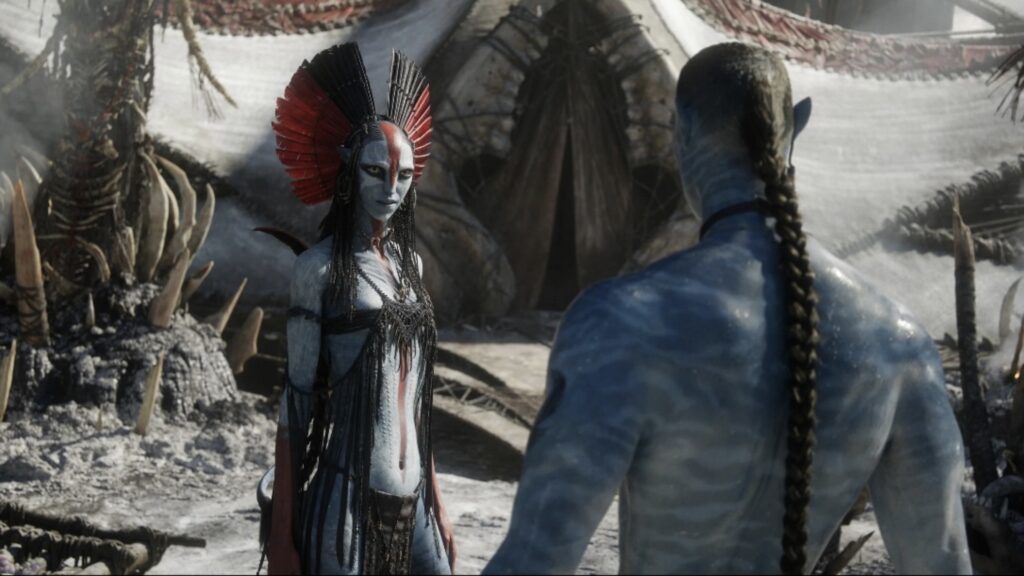
The charm of the first two parts was precisely that viewers, in between battles, were given a chance to catch their breath and explore the amazing world of Pandora (or simply admire it). That is why both the original film and its sequel are well-constructed blockbusters, where expositional and contemplative episodes are as important to the plot as the epic battles between natives and colonizers. In the third film, however, Cameron favors action scenes, technically flawless but too frequent and sometimes overly drawn out. Moreover, the final battle, despite all its grandeur and emotional component, essentially copies the ending of the previous chapter, but with an increase in the number of opposing forces.
However, one should not consider it a precedent that in the second film the screenwriters had the courage to kill Jake and Neytiri's eldest son, because in 'Fire and Ash' all central characters still have a special 'immunity': either vines prevent them from crashing when falling from a great height, or an ally suddenly appears in the form of a compassionate scientist secretly sympathizing with the locals. And such situations, when the main characters are in serious danger or a hair's breadth from death, occur in the film with depressing regularity, as a result of which you stop worrying about their fates.
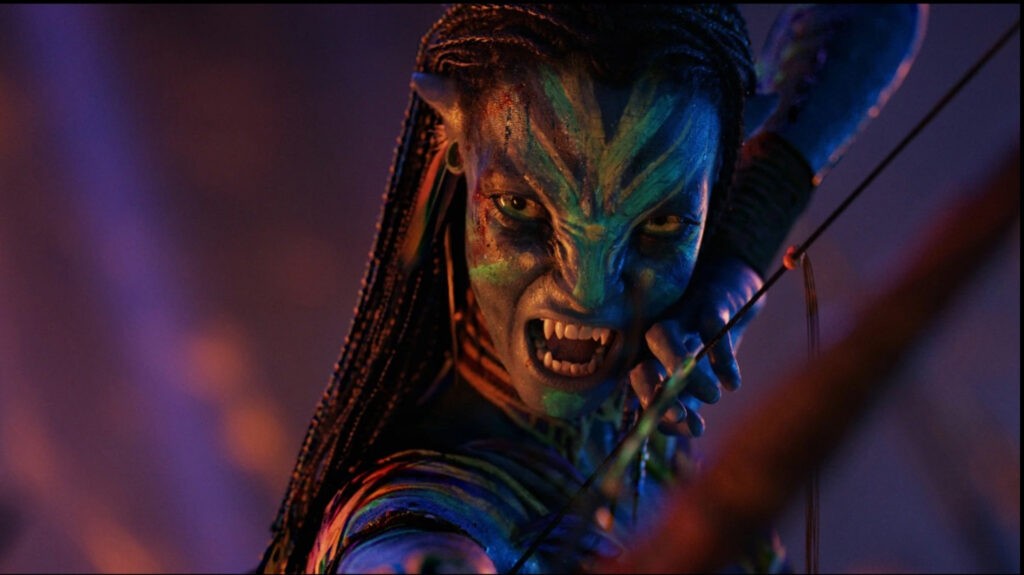
However, the death of Neteyam itself, or rather how it affected the Sully couple, is the cornerstone and semantic center of the entire third 'Avatar'. Each of his relatives experiences the loss in their own way. Lo'ak (Britain Dalton), for example, blames himself for his brother's death, Kiri (Sigourney Weaver) seeks solace in spiritual union with Eywa, while their mother, played by Zoe Saldana (recently the highest-grossing actress in history), goes from all-consuming hatred of humanity to recognizing her own wrongness and true humanism.
The image of Neytiri in the franchise from the very beginning combined the features of a kind of Pandoran Pocahontas, a fearless warrior who fell in love with an alien, while honoring the traditions of her ancestors. Of course, all her anger towards the 'sky people' ricochets onto Spider, whom she stubbornly refuses to recognize as part of her family. In the climactic scene of 'The Way of Water', she even took her adopted son hostage, preceded by a completely wild episode (so wild that it was cut from the theatrical version) where she, in uncontrollable rage, beat an unarmed man to death in front of the boy as he begged for mercy.
The evolutionary trajectories of the characters (not only Neytiri but also Jake and Quaritch, whose relationship dynamics push them toward tactical alliances for the sake of their children and sometimes resemble the interaction between Butcher and Homelander in the third season of 'The Boys') align with the titular ethical stance of 'Fire and Ash', which Lo'ak often articulates in voice-over monologues. The moral of this fable is that revenge is a dead end, and forgiveness and concern for the common good are the only possible alternative. Through speeches and moral changes in the characters, Cameron reminds us that the principle of collective responsibility is also evil! It's good that on Pandora they know this. It's bad that on Earth this truth has ceased to be self-evident...
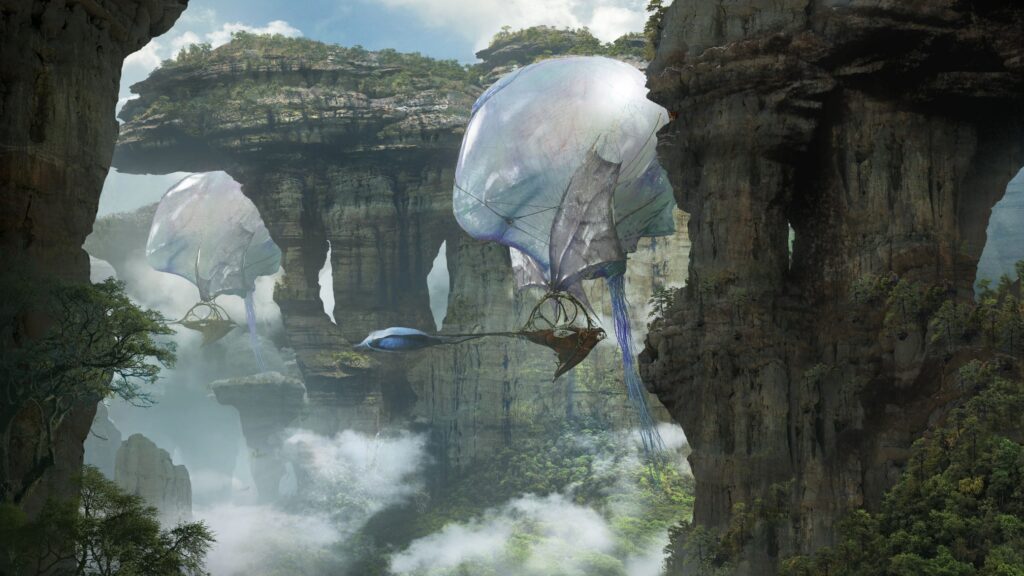
And no matter what anyone says, the third 'Avatar' is still a grandiose attraction, unmatched in scale and spectacle in modern mass cinema. If you compare, for example, with the soulless conveyor-belt products released under the Marvel and DC brands (not counting ), there is clearly a sincere involvement of the creator in the project and his interest in spreading his views. Against the backdrop of the impending and seemingly inevitable invasion of neuro-sludge into the industry, this film risks becoming a monument to a bygone era of blockbusters, when studios splurged on maintaining a large staff of VFX specialists creating truly fantastic worlds!
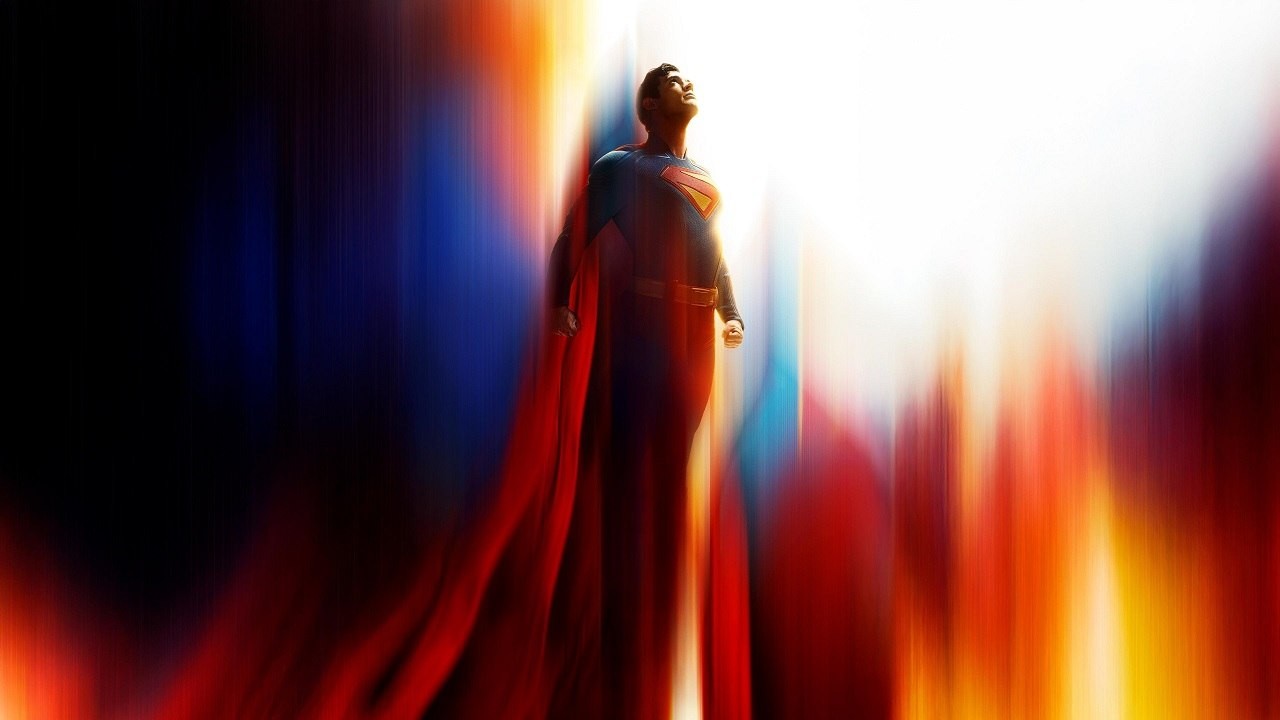
Cinemas around the world are being stormed by 'Superman' — a comic book movie that kicks off the new DC universe. What is the new interpretation of the legendary superhero from the director of 'Guardians of the Ga
Open materialThe new part of Cameron's long-term project has already recouped production and advertising costs, but ultimately earned significantly less than the previous films, which means the fate of the announced sequels is now in question. James, it seems, did not rule out such a development, and therefore deliberately ended the story in such a way that the resolution does not require explanation and does not provide obvious hooks for sequels. However, how can one now get rid of the feeling of understatement, knowing that the creator of this massive epic still definitely has something to say?
Comments
0No comments yet.