
Christophe Gans returned to Silent Hill after 20 years—and it's a disaster. Atmosphere is there, references are there, but in the end we got an expensive fanfic with cheap special effects. A breakdown of why the film won't appeal to either game fans...
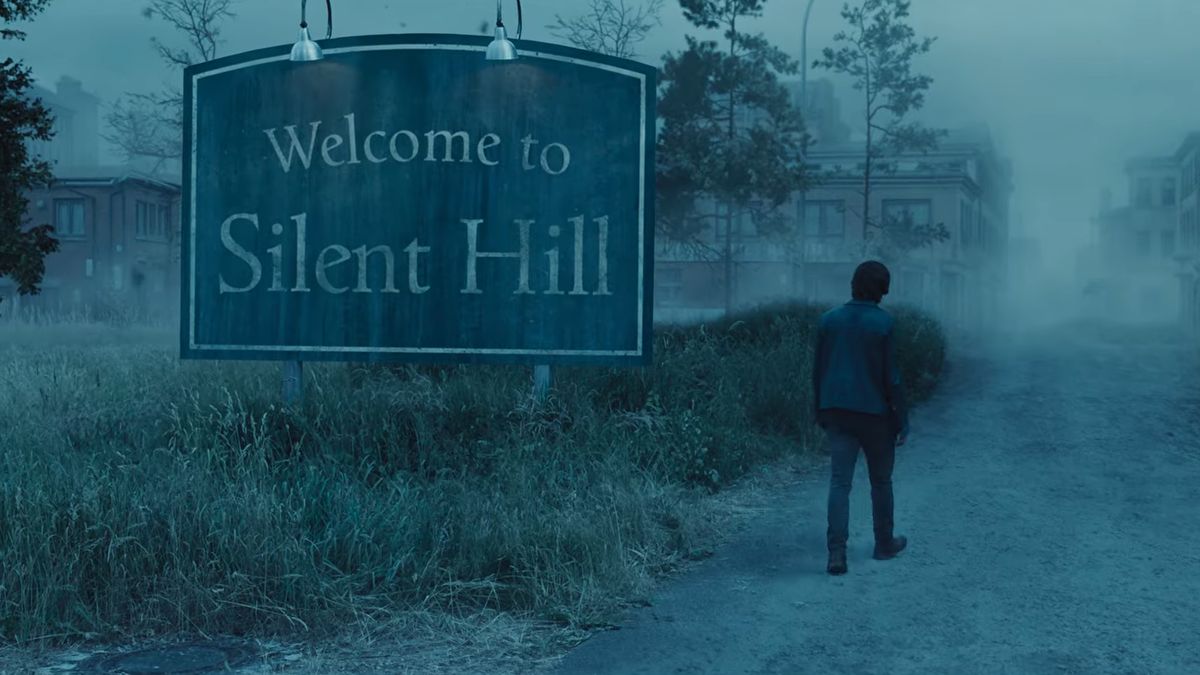
Christophe Gans waited twenty years to return to the foggy depths of Silent Hill—and now, two decades after his original film, the director once again calls us to the cursed town where every corner breathes someone else's pain. Only this time, the magic has somehow hidden in the fog.
James Sunderland (Jeremy Irvine) receives a letter from his deceased beloved Mary and, as befits a character in a psychological horror, immediately heads to Silent Hill—their "special place" where everything was once good. Now the Massachusetts resort town has turned into a nightmare set: the crackling radio warns of approaching monsters, Pyramid Head swings his giant sword, and reality constantly collapses into the Otherworld, where everything is covered in rust and blood. Sounds familiar? Of course—the game Silent Hill 2 is considered a genre benchmark, and Gans clearly tried to recreate every detail.
When Fan Diligence Doesn't Save
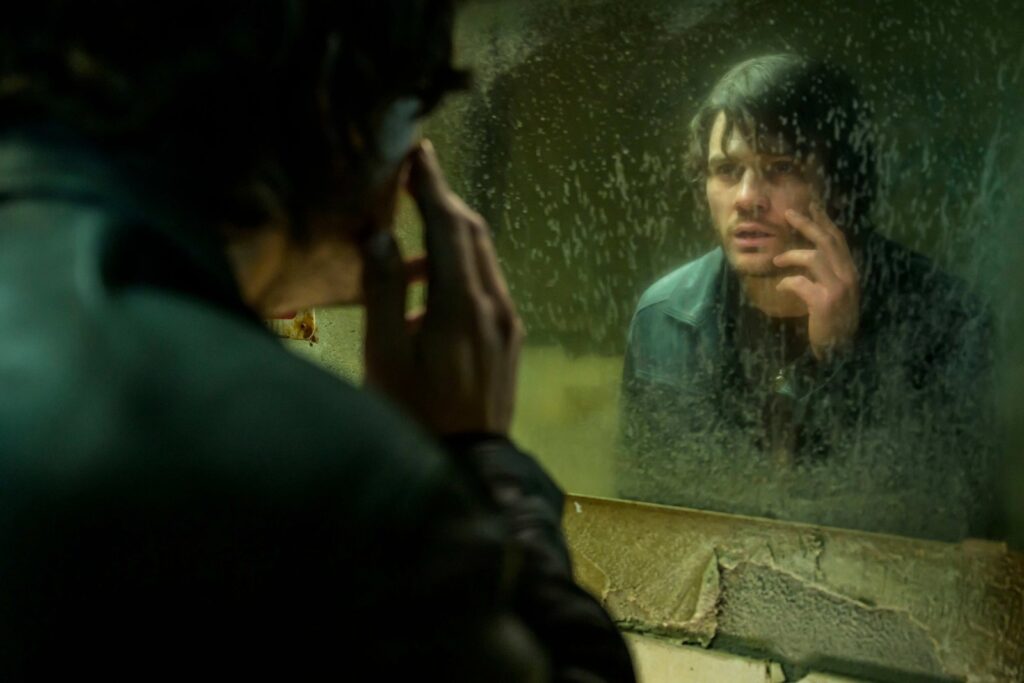
The problem with Return to Silent Hill is that it's not so much an adaptation as a meticulous cosplay. The director seems to have walked through the game's wiki page with a marker, noting: "This needs to be shown, and this, and this too." The result? An hour and a half of screen time packed with references but completely devoid of coherent and even moderately complex dramaturgy.
The film plays like a collection of cutscenes. Mary appears as a dying girl, then a cheerful girlfriend, then a femme fatale (whom the hero doesn't recognize as if she were Superman in glasses)—and the viewer is left to figure out what it all means. Gans seems to have forgotten that cinema is not an interactive entity: when you're wandering through corridors with a gamepad in hand, symbolism works, but in a theater, you need engagement with the story, not deciphering dubious puzzles.
Budget Disaster
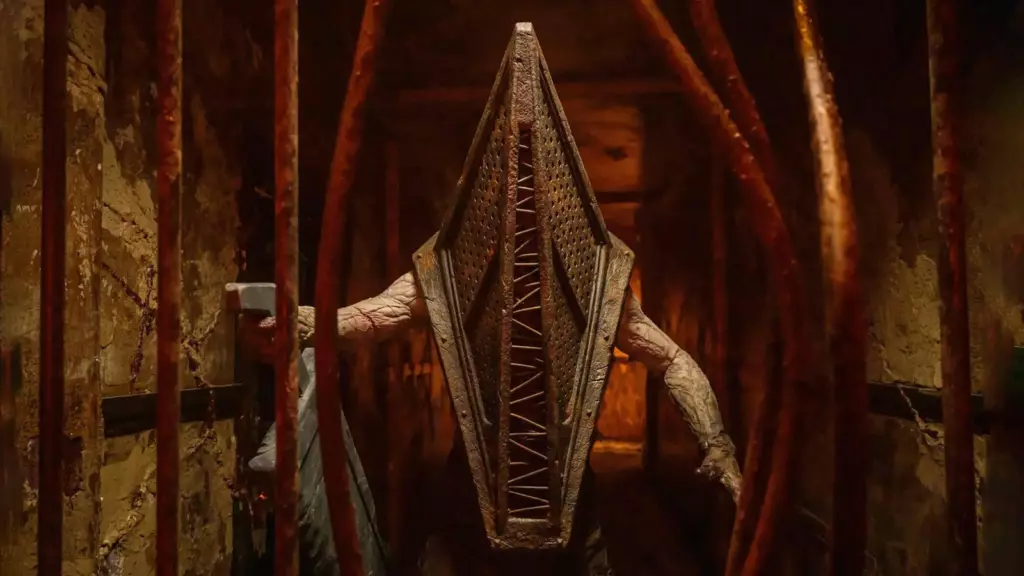
And here's where the saddest part begins. With an estimated budget of $40 million (not too little for a horror film), Return to Silent Hill looks like it was edited in CapCut. The chroma key is so blatant that the actors sometimes resemble digital puppets against a green screen.
Yet the first Silent Hill from 2006 was famous precisely for its baroque visual style and dark atmosphere. There, Gans created a true nightmare on screen, carefully constructing every frame. Here, the impression is that post-production was rushed—and it shows.
Monsters Are There, but Fear Is Not
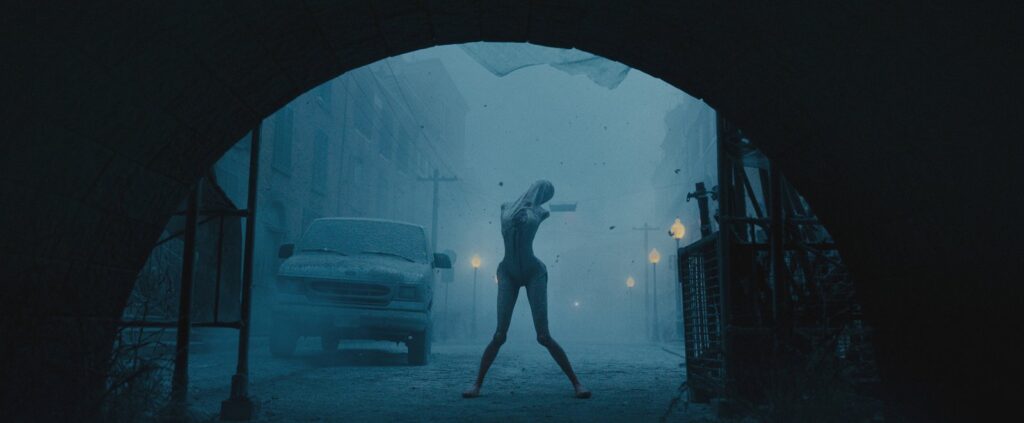
The creature design is indeed impressive: classic creatures on stilettos, giant cockroaches the size of a human skull, and other classic monsters from the game. The problem is that the director hardly ever lets them confront the protagonist. James rushes between locations, monsters appear and disappear, but there's no real horror—that chilling sense of helplessness from the game—to be found.
Moreover, the atmosphere of horror collapses in absurd moments: for example, when James calmly calls his psychotherapist from the Otherworld. Mobile service in hell? Seriously? Such absurdities yank you out of immersion and make you laugh where, logically, you should be getting goosebumps.
The Runtime Problem
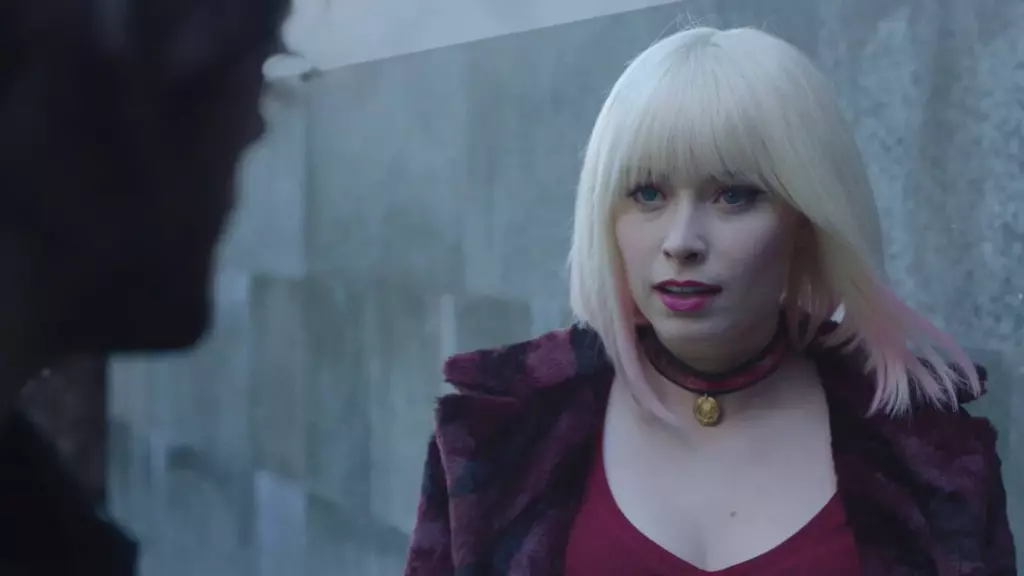
The most obvious thought that comes to mind by the middle of the film: this should have been a miniseries. Silent Hill 2 is a story about guilt, trauma, self-destruction, and the attempt at redemption. For such themes to resonate, you need time—time for the viewer to feel James's inner world, his pain, his denial of reality. Gans tries to cram all this into 96 minutes—and the story simply collapses under the weight of meaning.
The result is a product for no one: game fans will be dissatisfied with the liberties taken and the loss of psychological depth, while casual viewers simply won't understand what's happening on screen or why.
The Bottom Line
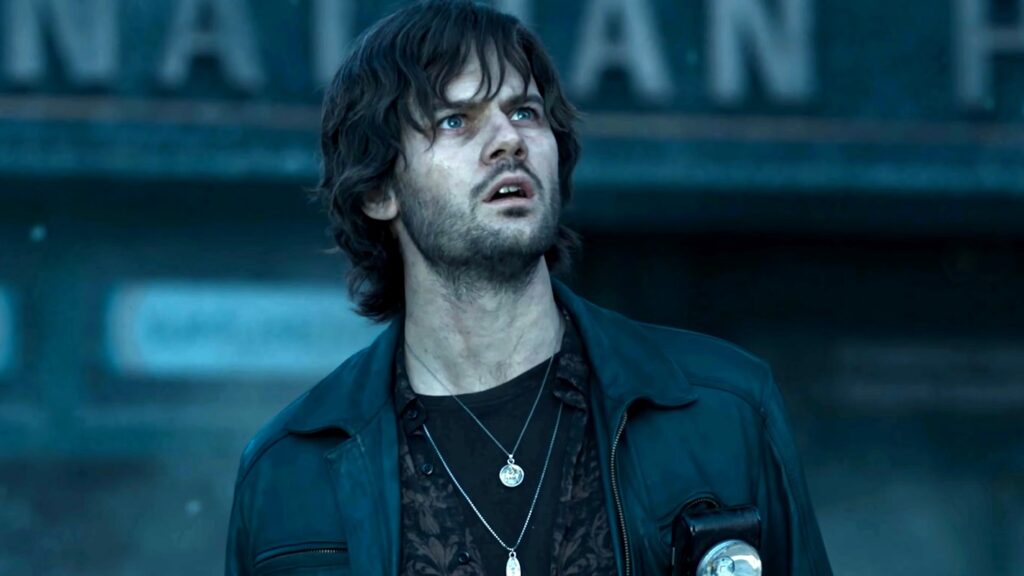
Return to Silent Hill is an example of how love for the source material can backfire. Gans clearly poured his soul into the project, but somewhere along the way he forgot that a good film is not a checklist of references, but a cohesive work with a clear narrative. As a result, we got an expensive fanfic with cheap special effects that works neither as a standalone film nor as a worthy tribute to the game.
If you're a fan of Silent Hill 2, you might be curious to see how Gans interpreted the iconic scenes—but prepare for disappointment. Everyone else should just pass by: this Silent Hill doesn't deserve a return.
Comments
0No comments yet.
Sign in to join the discussion.