
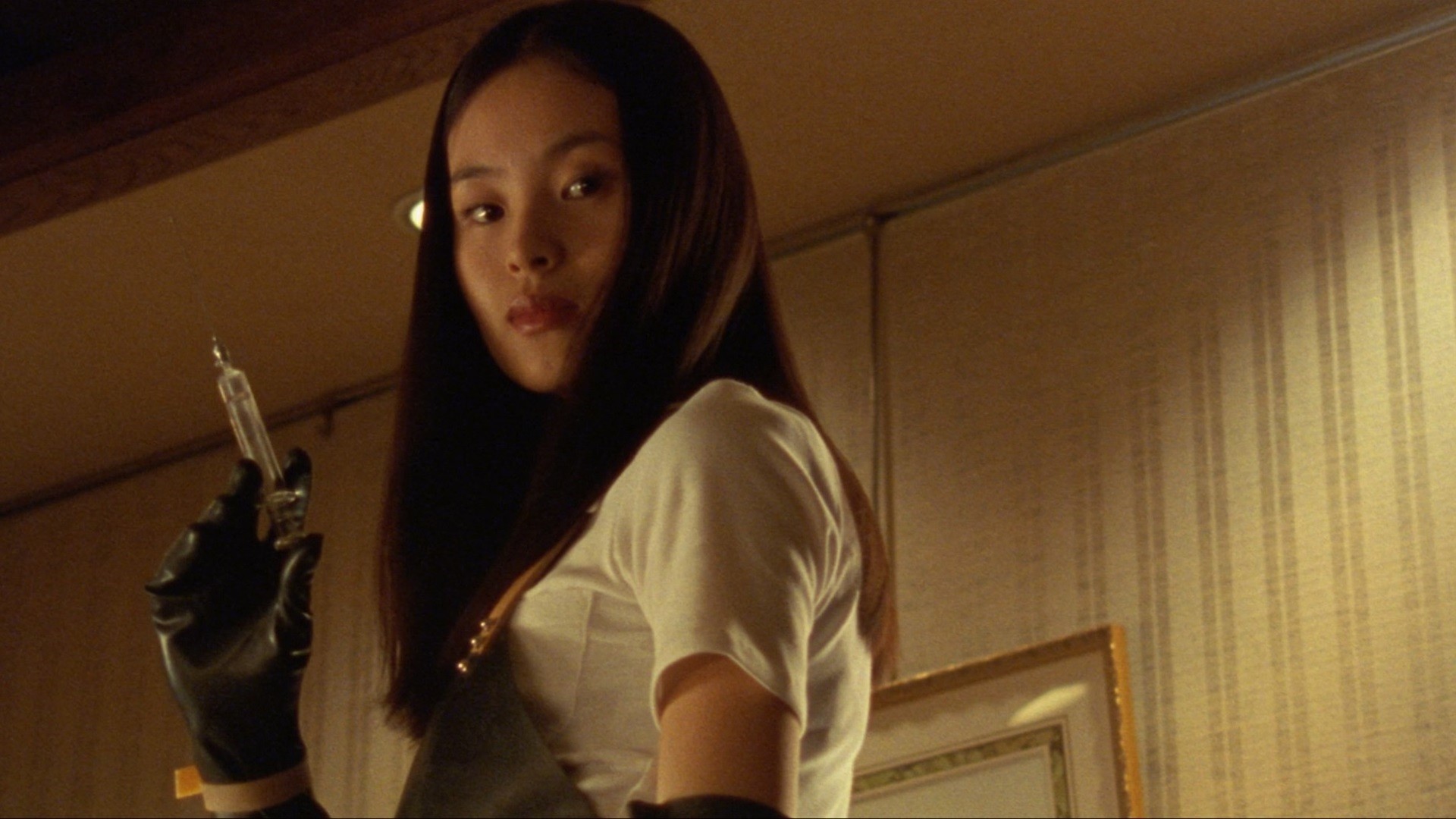
On January 22, the cult Japanese horror film "Audition" hits the big screens, which is more like a psychological thriller with a touch of romance. About why love relationships resemble a horror film in their essence and what J-horror is — in our arti...
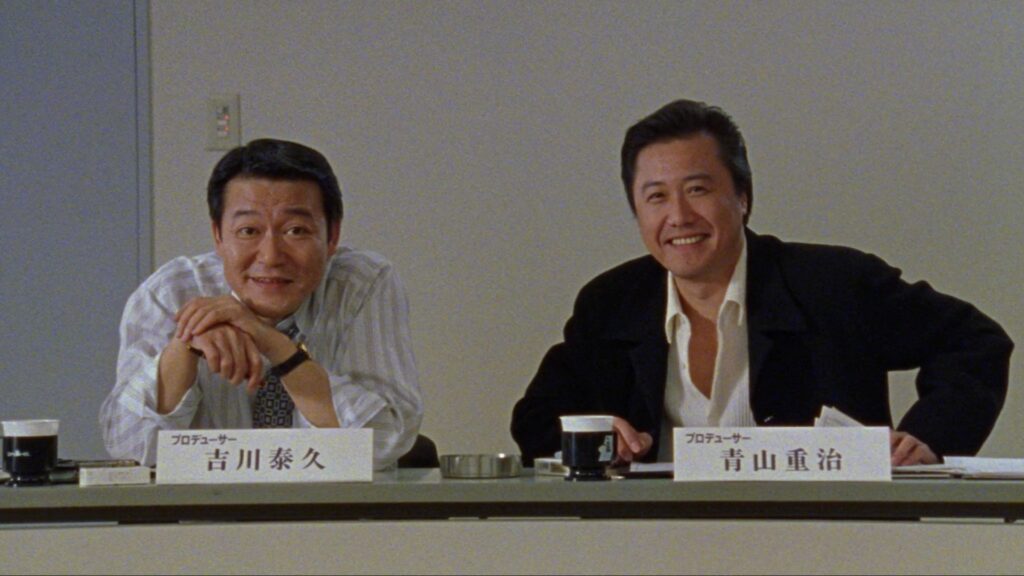
Shigeharu (Ryo Ishibashi), widowed several years ago, has learned to live alone. Each of his days is like the previous one: vague work at a funny 90s computer in a creepy, slatted office, dinner at home with his son, dog, and the inevitable bottle of whiskey, an affair with a colleague. The same days, yellowish-gray, essentially uninteresting, but calm, are disrupted by his grown-up child, who one day calls his father an old man and asks him to get married urgently. The puzzled family man turns to a friend for help, who arranges a pseudo-audition to find a wife for Shigeharu. The audition curdles like blood in the last minute of the film when the man meets Asami (Eihi Shiina) — a femme fatale in Japanese settings.
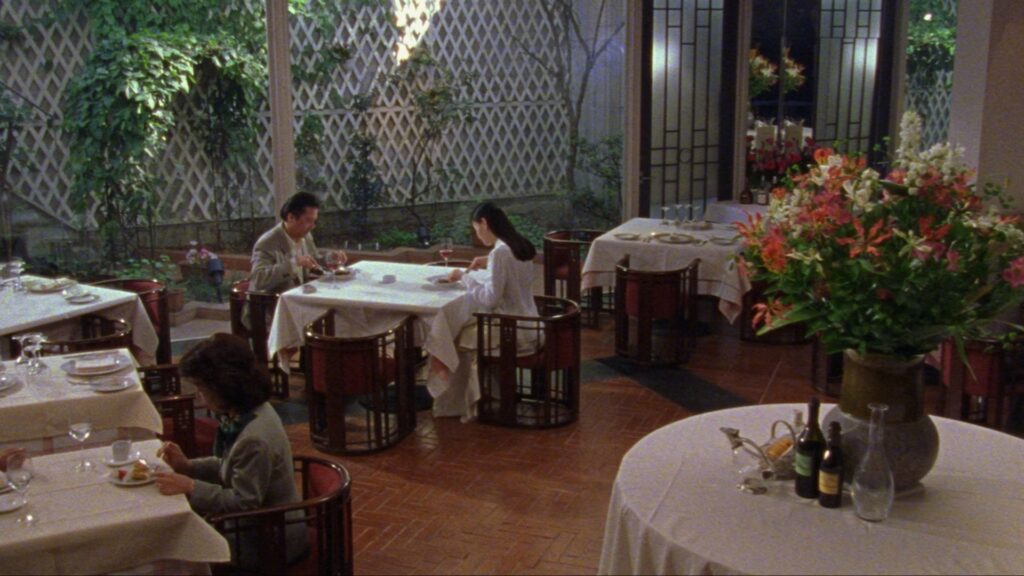
The first hour and a half of the two-hour runtime drags on like slow melodramatic chewing gum. Only occasionally do glimpses of horror peek out from under the romantic, albeit strange, story: the future wife does not please the hero's friend, and the angular plasticity, excessive modesty, and thick smoke of secrets create tension that still does not stop Shigeharu from taking the wrong step. The genre blend carefully embeds dread into everyday life, and you can only close your eyes in the last twenty minutes of the film.
This lulling pace is not only a feature of "Audition" but also a hallmark of J-horror, films focused on the psychological torment of the viewer rather than the monster jumping out from around the corner. The most popular representatives of the genre ("Ring" by Hideo Nakata, "Ju-On: The Grudge" by Takashi Shimizu) were released almost simultaneously with Takashi Miike's film, forming a wave of Japanese horror. "Audition" is the least frightening of them, but the most original: after viewing, a sour aftertaste and a shudder at the sight of needles will linger for a long time.
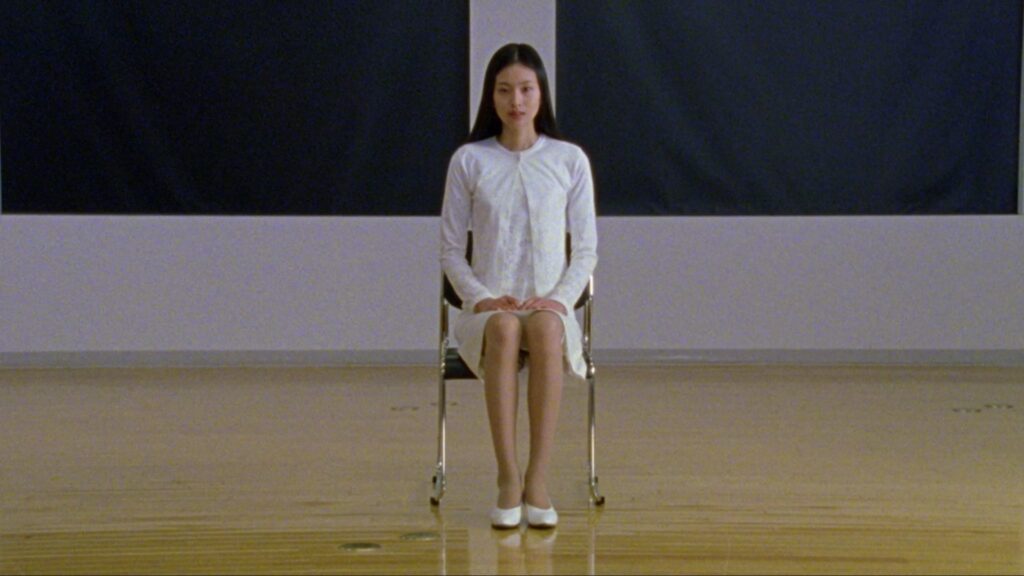
To review the entire filmography of Takashi Miike, you need a lot of patience: over his career, the director has created more than a hundred films. In some, love against a backdrop of crime; in others, body horror against a backdrop of love. But the obsession of the characters with each other, with a hint of darkness, can be discerned in the director's very understanding of this feeling: "The very desire to 'possess another person' is a violent fact. Suppose a person falls in love. That means they desire another person, want to receive a reciprocal feeling, and don't 'desire' and 'want' border on violence, albeit figuratively?"
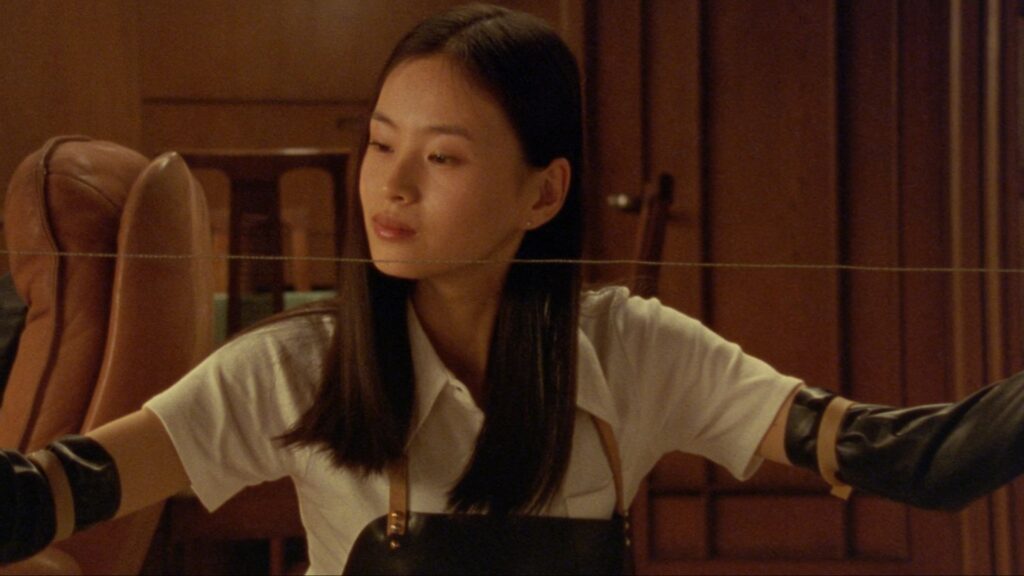
Asami constantly appears and disappears, but only with one goal — to take possession of Shigeharu and carry out an elegant revenge, because "you're all the same." She neurotically desires love and flies into a rage when she realizes that the hero loves not only her but also his son.
Shigeharu also practices violence against the person, which is already evident in the way he poses the question: he needs a wife between twenty and thirty years old, educated and able to play the piano. To keep her at home. He chooses a life partner like whiskey in a store, and a sudden sincere feeling catches him off guard.
Such obsession calls into question the integrity of both characters' personalities, but while Asami has a dark past explaining her neurotic-compulsive desire for love, Shigeharu has no excuses.
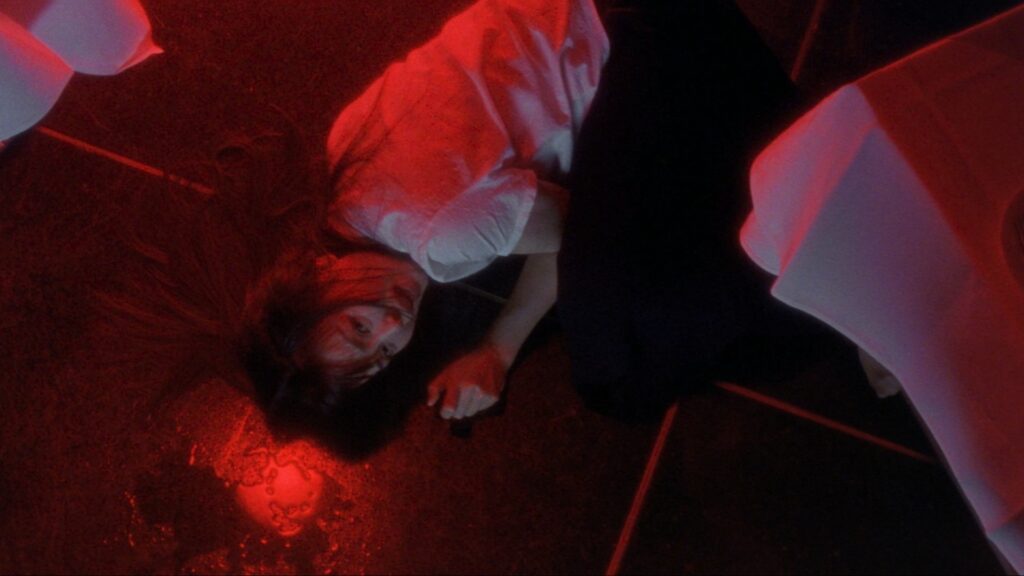
J-horror usually uses mysticism to create greater tension, but "Audition" does not resort to this technique. The scariest thing is already in the person, so suspense is born in Asami's memories, through which the hero freely wanders from time to time, blurring the line between reality, sleep, and vision.
Without turning to the supernatural, Miike breaks the internal reality of the film. The most ominous sign becomes intuition — everyone around internally senses the approaching darkness, but does so over lunch, during a game of tennis, and in other falsely harmless situations. Everyday life is permeated with the expectation of violence, so when it finally arrives, it is felt with a kind of sweetish taste of relief.
Catharsis also comes for Shigeharu. Asami warns that pain will show his true face, and a kaleidoscope of women appears on the screen: from his ex-wife to his son's young girlfriend. The most sinister and dark corners of consciousness are turned inside out under the influence of needles. Whether the hero dreamed of this terrible revenge, whether he is going crazy, whether he invented the frightening details of Asami's biography — it doesn't matter. His image and perception of the world have warped, releasing painful fantasies that were hiding under the costume of a successful office worker and exemplary family man.
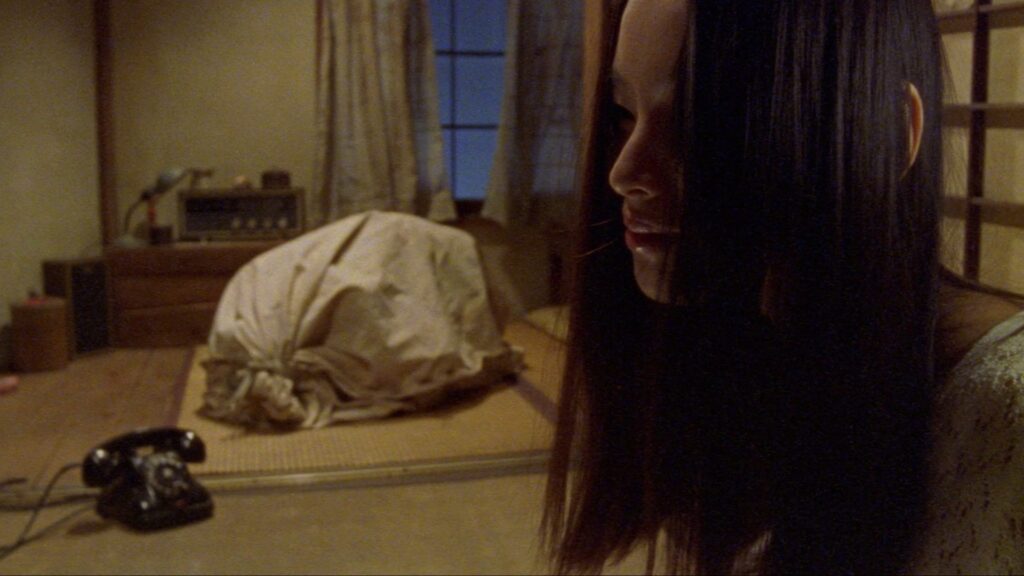
"Audition" smoothly blends two genres, leading the hero through the tearfulness of melodrama to end in brutal body horror. Romance in this context is something terrible and distorted by its very nature, because both the elderly widower and the young stranger want to possess each other. This painful desire turns out to be closely linked to violence, obsession, pain, needles, childhood, inadequacy, and the neurosis of loneliness. Therefore, to love is already, to some extent, horror.
Comments
0No comments yet.
Sign in to join the discussion.