
On January 22, the triumph of last year's Cannes Festival, Bi Gan and his 'Resurrection,' will hit Russian theaters. We tell you about the most subversive premiere of this winter.
June 4, 1989 was an ordinary day. June 4, 1989, Beijing protesters flooded Tiananmen Square. Citizens of the PRC were provoked by the death of CCP Secretary Hu Yaobang and demanded historically missed freedom, elusive democracy, and the urgent abolition of the 'iron rice bowls.' According to official estimates, 241 people were killed in the square's hecatombs, according to independent sources between 7,000 and 10,000. The sacrificial 'bull' fell in the name of Deng Xiaoping – the shadowy but undisputed leader of the country, whose acquired surname literally means 'small bottle.' On the day of the revolution at Tiananmen, protesters smashed tens of thousands of half-liter bottles of Pepsi Cola.
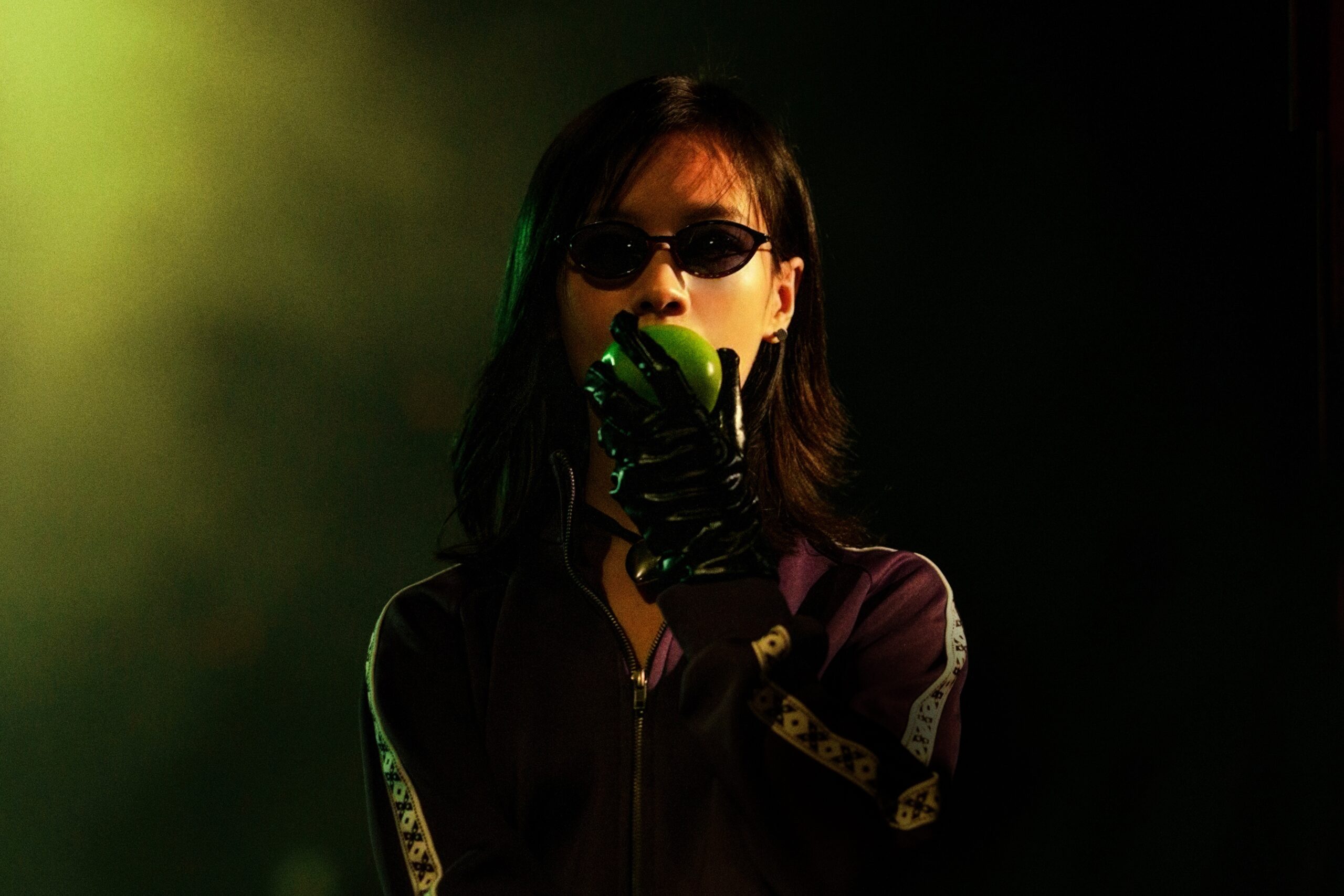
In the latest film by Chinese newcomer Bi Gan, bottles are also smashed. A rebellious beauty, modeled after Faye from 'Chungking Express,' throws glass shards on the floor, and a minute later the camera finds a powerful man in a tunic sipping American soda. An amazing and hardly accidental rhyme of 'Resurrection,' which seems to have a prepared reference for any association. The opening twenty minutes of the film are essentially a rewind of the first two decades of cinema: from 'The Hands of Orlac' to 'The Sprinkler Sprinkled,' from 'Nosferatu' to colorization in the style of Abel Gance or Georges Méliès with titles on aged paper.
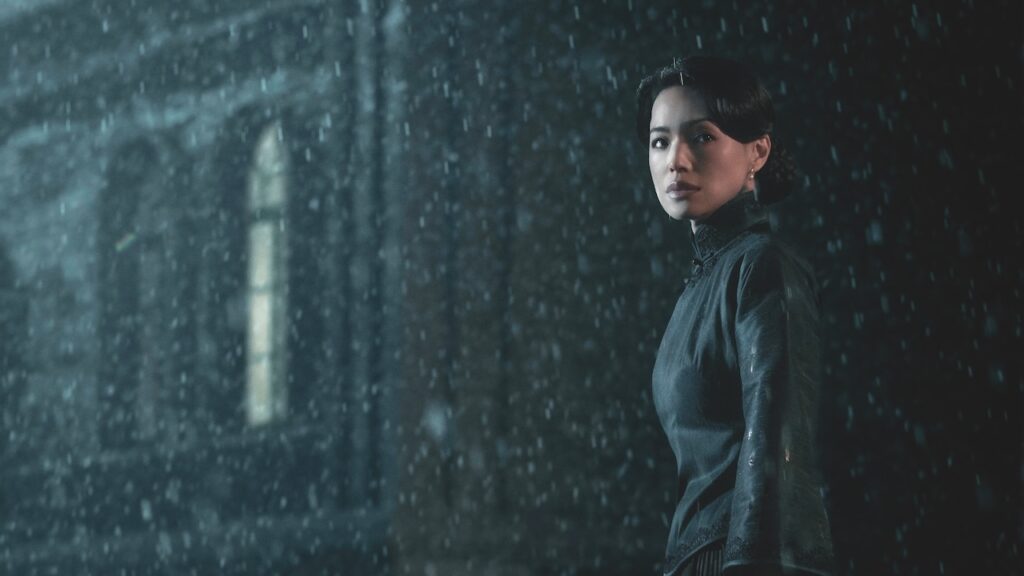
It might seem that Bi Gan intends to mix Chinese folklore and a retelling of European cinema history for an Asian yearning audience, but then he demonstrates the importance of uttering others' words, even if your tongue has long been cut off. 'Find the bitterest stone and strike the aching tooth' – for Bi Gan, 100 years of world cinema howled with bitterness, the caskets of which the director opens slowly and with delight. The delight is mutual, and the viewer of 'Resurrection' has a natural 'if only.' If only the seated Buddha shattered into dozens of shards, if only art outside democracy were less 'emergency,' if only a European thought in a traditional hieroglyph or at least saw the moon in a Chinese pupil, the imprint of that pupil in the viewfinder of a movie camera... And he did see it!
Bi Gan is not exactly the first and only director in China; actually, he is quite young, having made only three feature films and only recently received his first major film festival award. However, he has an advantage: he is different. Great Chinese directors are scattered across 'subsidized' professions and academic specializations: sociologist, historian Zhang Yimou, anthropologist Wang Bing; less prestigious are the disgraced 'non-party' entrepreneur Chen Kaige and chronicler Hou Hsiao-hsien (aside from the 'socially dangerous' pornographer Lou Ye).

We talk about the film 'Caught by the Tides,' a participant in the main competition program of the 2024 Cannes Film Festival, which draws a line under the sixth generation of PRC directors.
Open material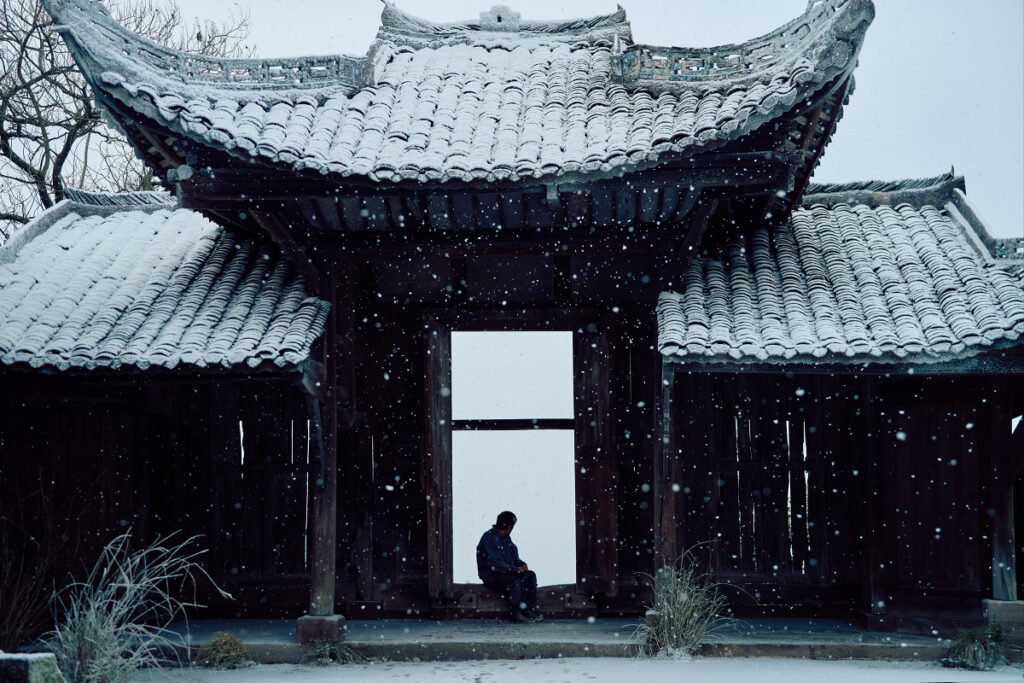
Bi Gan, on the other hand, is like a poet at a conveyor belt or a furnace for smelting iron, a tea ceremony master in the middle of an oil slick, who shoots in authentic settings for the Celestial Empire, knows how to find and defuse national trauma, but entirely serves a craft originating from France, collaborating with producers from Marseille and Lyon – Olivier Père and Charles Gillibert and the French and simultaneously intergalactic indie band M83.
Perhaps it is the contact with the birthplace of cinema that gave the film a snobbish rig: Bi Gan finds it difficult to restrain the material and the desire to show off his knowledge. There are too many donors around, so 'Resurrection' has two hearts, three thyroid glands, and as many large intestines (the Chinese sense of humor always works with elements of the human lower body).
And at the same time, the film is keen to cultivate spectacle, to explore genre, of which Bi Gan has accumulated nearly a dozen. Science fiction basis, noir in midnight tones merged with a Korean thriller, talky pastiche, traces of essayistic style, a buddy movie like Bogdanovich's 'Paper Moon,' religious comedy, zhiguai xiaoshuo (Chinese ghost stories). Where genre is born, new rhythms and techniques are conceived. If 'Resurrection' needs to insert intertitles and spin the diaphragm, it transports the viewer to the first half of the 20th century; if the film wants to give a half-hour scene in one shot, then the cinematic language becomes more technological, and the narrative rushes off to 1999.
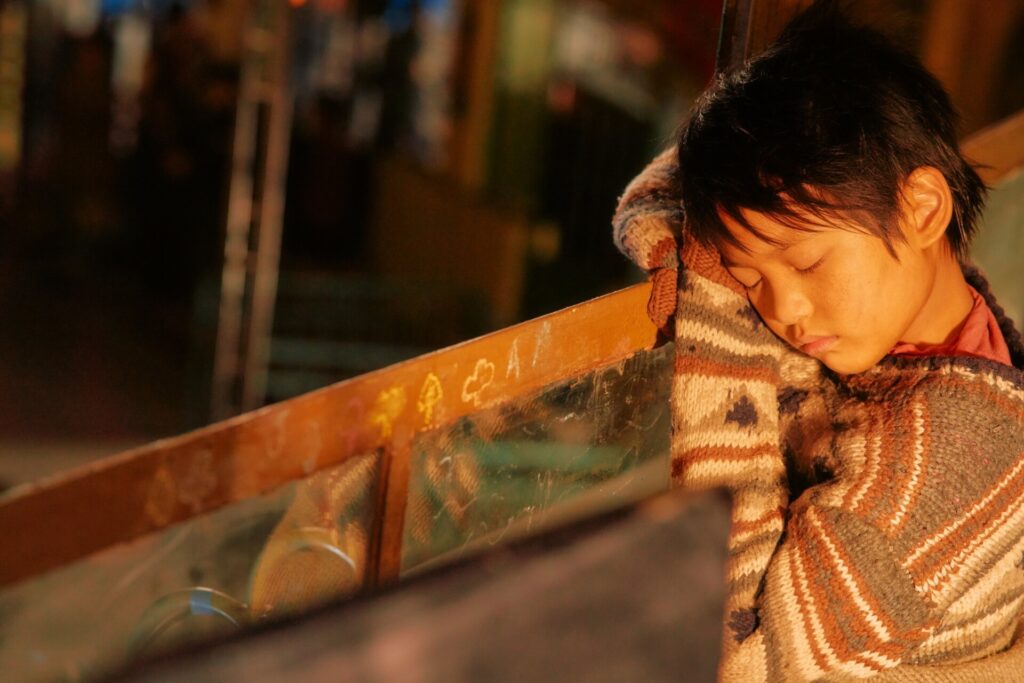
December 31, 1999 was an ordinary day. December 31, 1999, a millennium died, and with it the failed project of a Chinese dreamer. Bi Gan's world is a world of longevity without dreams, a body in bed that has not tasted its own dreams, so its time has come. Let the dreamer douse himself with a hose, pull off the perfect scam, blaspheme, commit murder, become the new Lord of Vengeance, possess the girl in short shorts, and survive despite the shot from the power-lover sipping a carbonated drink.
Bi Gan told the story, choking with impatience, looking back at a broken dial, to fit a hundred years of unlived life into two and a half hours of rich audio-visual light show for himself and for every viewer, because only light completely fills the room.
Comments
0No comments yet.
Sign in to join the discussion.