
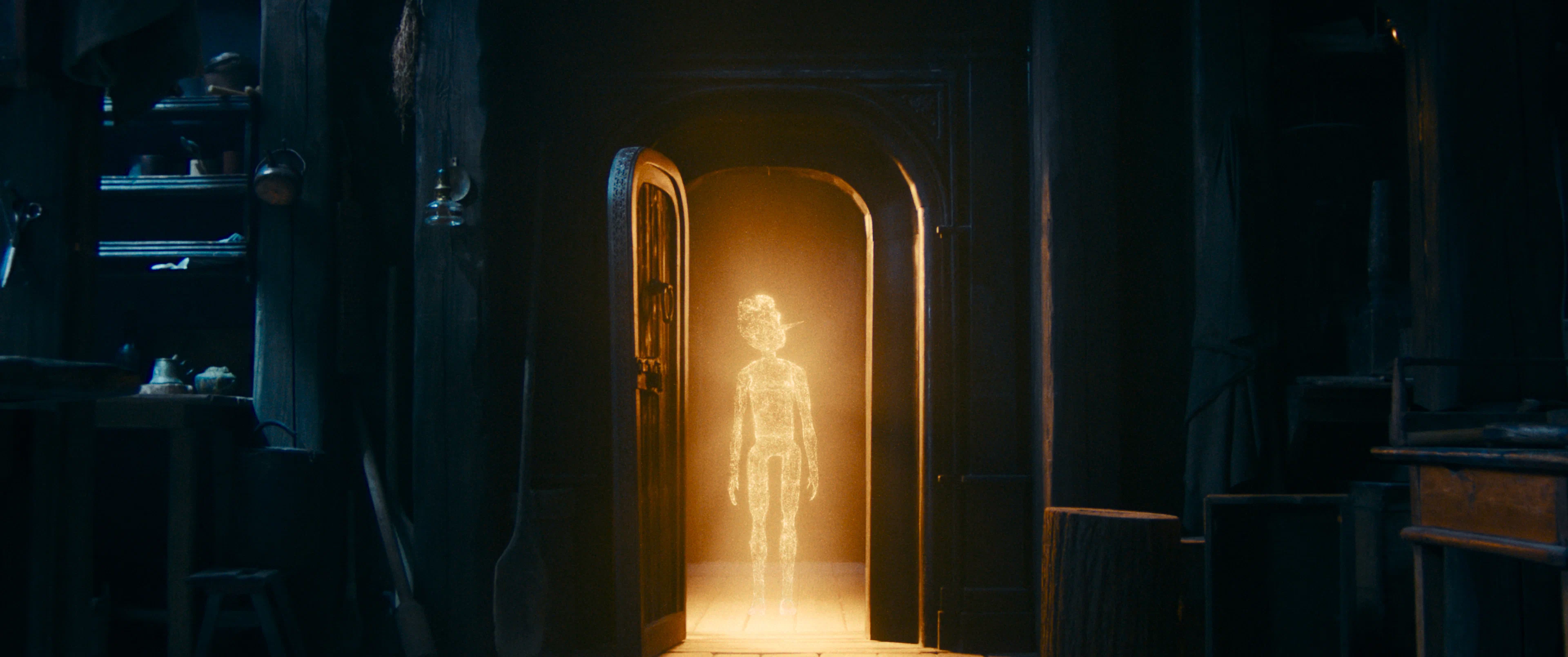
An excited crowd gathers at the cinema hall—children ready to immerse themselves in a fairy tale and share Pinocchio's adventures, and adults warily eyeing the bright movie poster. On it, the characters are all painfully familiar, yet not quite: Pino...
'Pinocchio' positions itself as a fairy tale 'uniting generations.' Not an easy task: parents entering the theater, who absorbed all the morality and philosophy of the Soviet film by Leonid Nechaev, are not sure that the story of the son of good Papa Carlo can be told better. But importantly, Igor Voloshin is not trying to be better—he works for a new audience, only occasionally waltzing towards fans of Soviet classics.
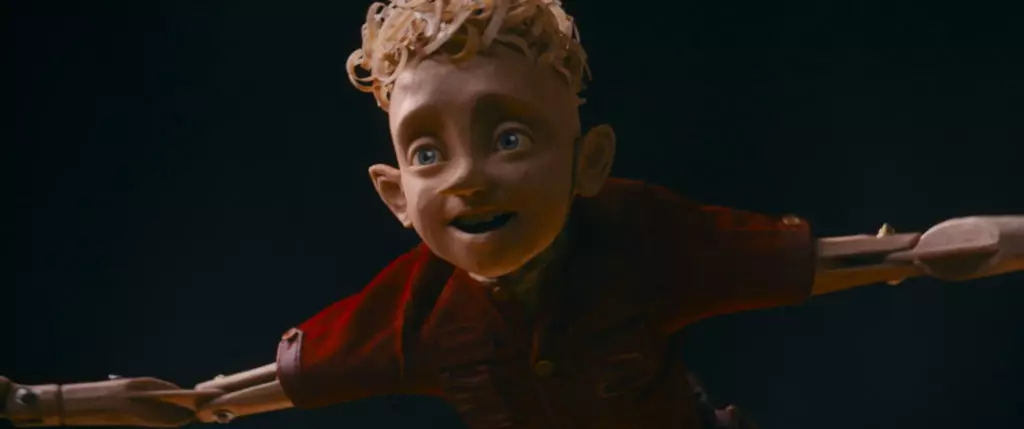
What do we have as the basis of the plot: thanks to good friends the cockroaches (Nikolai Drozdov, Anton Shastun, Vanya Dmitrienko), the poor man Carlo (Alexander Yatsenko) gets the chance to become the father of a very unusual boy. Then—everything as we know: buying an expensive ABC book, trying to enroll in school, and Pinocchio's (Vita Kornienko) desire to see the mysterious theater—commedia dell'arte.
Here the director reveals the secret of the film's main leitmotif: this is not the adventure of artistic Pinocchio, not a story about the Golden Key; it is a journey to oneself, an acknowledgment of one's 'I' and affirmation in the world to which one belongs. To put it mildly, the theme is not at all childish—and obviously, kids won't fully understand it; it is multi-layered, hidden in dialogues and silences of the characters, intended for the adults accompanying children to the cinema.
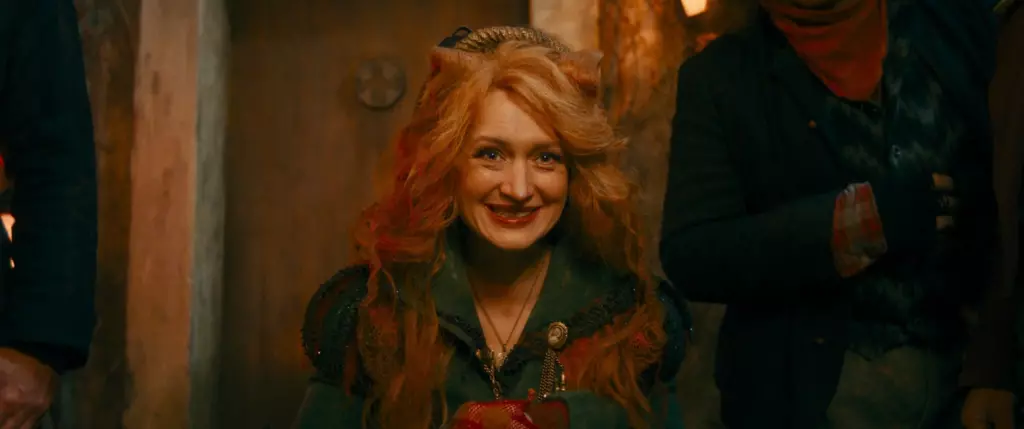
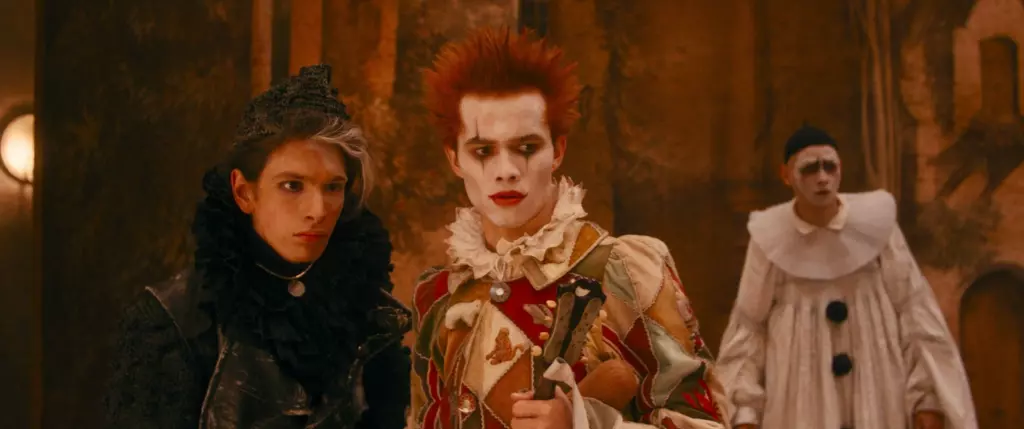
On the basis of these philosophical questions, the entire subsequent plot is built: little space is given to the artists of the Karabas theater (Fyodor Bondarchuk)—characters that were stars in the Soviet film alongside Pinocchio are lost in the shadow of the main protagonist's spiritual quest; critically (!) little time is devoted to Basilio (Alexander Petrov) and Alice (Victoria Isakova), who are spectacular and fantastically good in their mischievous roles; the significance of the turtle Tortilla (Svetlana Nemolyaeva) in Pinocchio's fate is reimagined, and his desire to help his beloved father improve his financial situation is elevated to an absolute—he must find Papa Carlo a better son, a real boy instead of a wooden log.
Such plot twists inevitably lead to a rather dramatic denouement—whether it is appropriate within the framework of the whole story is hard to say: it brings tears, and cannot but bring tears—the eternal theme of fathers and children will touch even the strictest critic. But emotion is primary; then comes the question: is it worth opposing Alexei Tolstoy's hero to the rest of the world, when the author intended him as an unconditional part of the fairy-tale space he created?
It is no coincidence that Igor Voloshin's tactful waltz towards Soviet classics is mentioned: in the new 'Pinocchio' the compositions of Alexei Rybnikov sound, giving nostalgic goosebumps; the costumes of Soviet heroes are reimagined and supplemented by artist Nadezhda Vasilyeva; and in the final scene of the film, a homage to Dima Iosifov (Pinocchio from Nechaev's adaptation) is pleasant to note and remember.
Conclusion
'Pinocchio' made a bold attempt to transfer the characters beloved by many generations of Russian viewers into new philosophical settings—here Malvina, Pierrot, Papa Carlo, and even Karabas-Barabas reason differently, make their moral choices based on convictions that today's viewer is well aware of. The unusually constructed image of Pinocchio (newest technologies + the director's son's appearance + Vita Kornienko's plasticity) is initially a bit frightening, but then infects with its smile and endearing angularity. The attempt to deconstruct the main antagonist Karabas—we are told about his difficult and traumatized childhood—is quite in the spirit of the times. In short, the film is definitely not empty, not parasitic on the theme of nostalgia, and not even mediocre. It is unlikely that Igor Voloshin managed to 'unite generations,' but he certainly created a good fairy tale for the children of his time.
Comments
0No comments yet.
Sign in to join the discussion.