

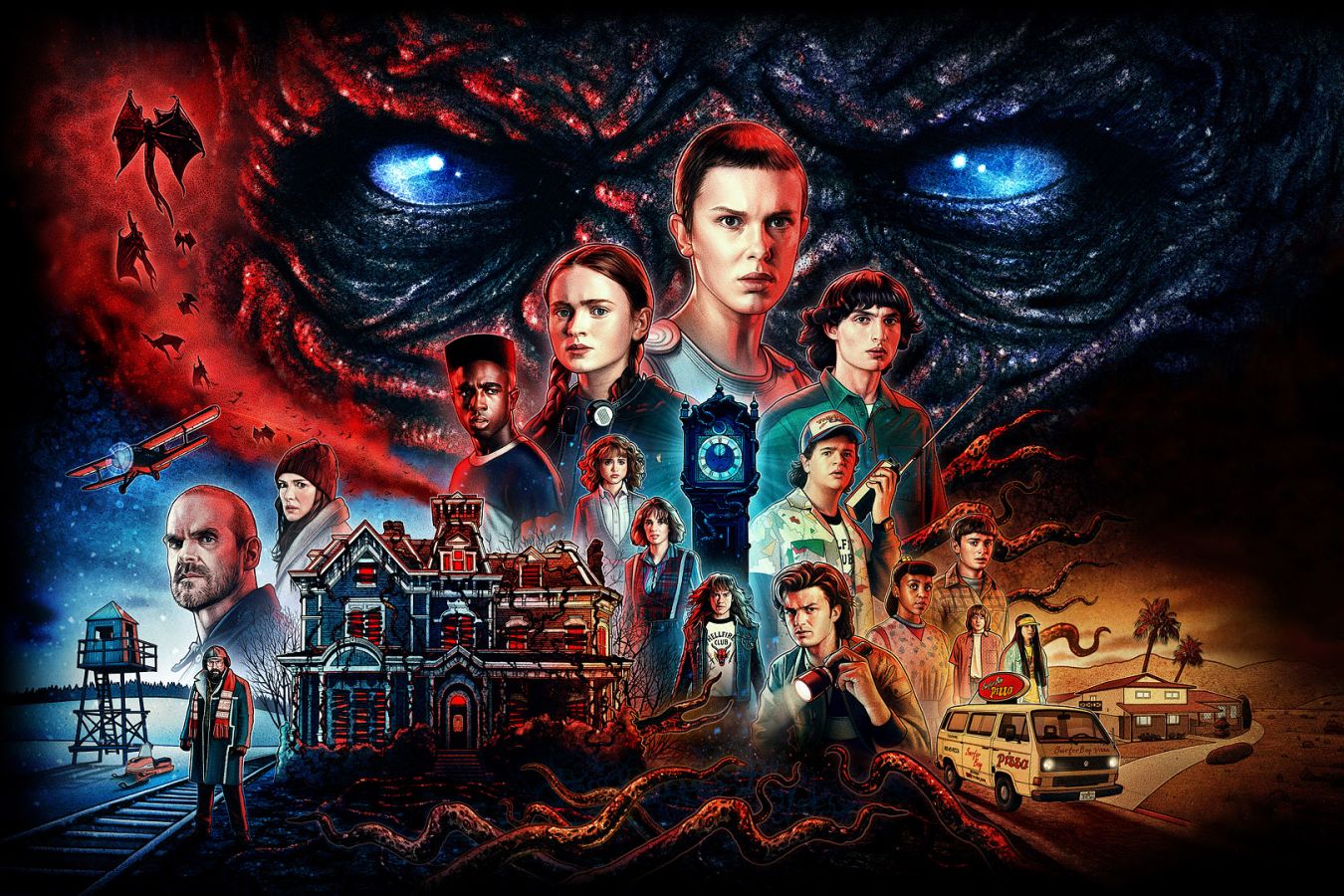
Stranger Things is over. We say goodbye to the series that made us believe in miracles and closely follow the fate of teenagers from a fictional town in a battle with terrifying monsters.
It's only been a couple of days since Netflix closed the portal to Hawkins on New Year's Eve. And you know what? It still hasn't let go. Not because of whether the Duffer brothers closed all the plot holes (spoiler: not all), and not because of the final battle with Vecna, where CGI outweighed live emotions. But because Stranger Things is almost ten years of our lives spent in the company of D&D-playing teenagers who grew up before our eyes and became something more than just characters in a series.
When E.T. Met Stephen King
Remember 2016? Back then, it seemed like nostalgia for the eighties was just a hipster whim, people flipping through vinyl records at flea markets. And then the Duffer brothers did what no one else had managed: they simultaneously resurrected the aesthetic of that era and reincarnated its soul. Bike chases from E.T., King's small-town horror, Carpenter's suspense, and that completely Spielbergian way of seeing the world through the eyes of children for whom the incredible hasn't yet become impossible.
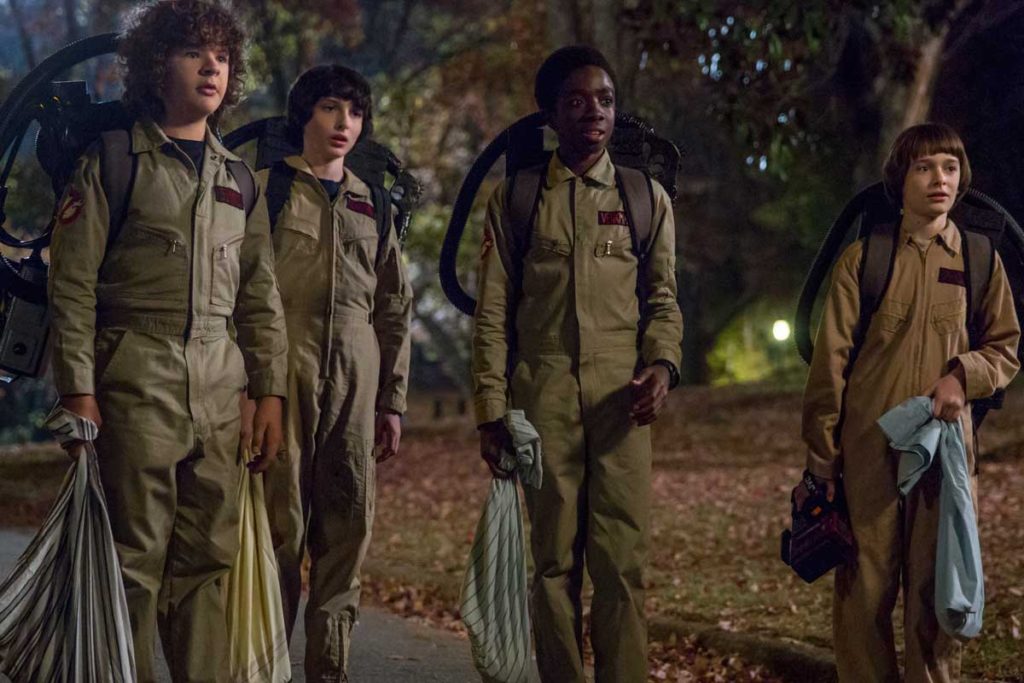
The Duffers didn't parody the eighties; they took what made that era magical for a whole generation—the belief that ordinary kids from a backwater town could save the world, armed with walkie-talkies, slingshots, bikes, and true friendship. No smartphones, no 24/7 parental control. Just you, your friends, and the woods behind the house where anything could be hiding.
Growing Up as Horror
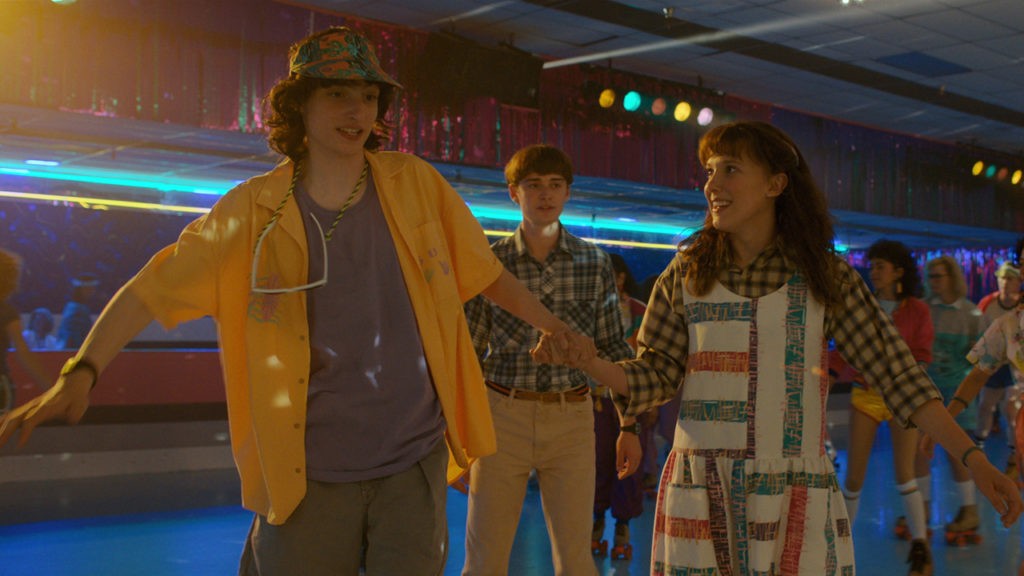
The strangest thing about Stranger Things is watching the actors grow up between seasons. Mike went from a kid with crooked front teeth to a lanky teenager who no longer knows how to talk to Eleven. Max went from a reckless skater girl to a young woman carrying the weight of real trauma. And Will Byers... Poor Will, first kidnapped into the Upside Down, then held by the Mind Flayer, and by the final season he got a 10-minute coming-out scene and a moment of strength with torn demogorgons.
There was a particular cruelty in the series—it didn't spare its heroes. In a world where Netflix usually wraps teen drama in a glossy package, Stranger Things made Max write farewell letters to her friends and literally run from her own depression to Kate Bush. It was a different kind of horror—not about demogorgons, but about how damn scary it is to grow up and lose each other.
The Scene That Defines the Entire Series
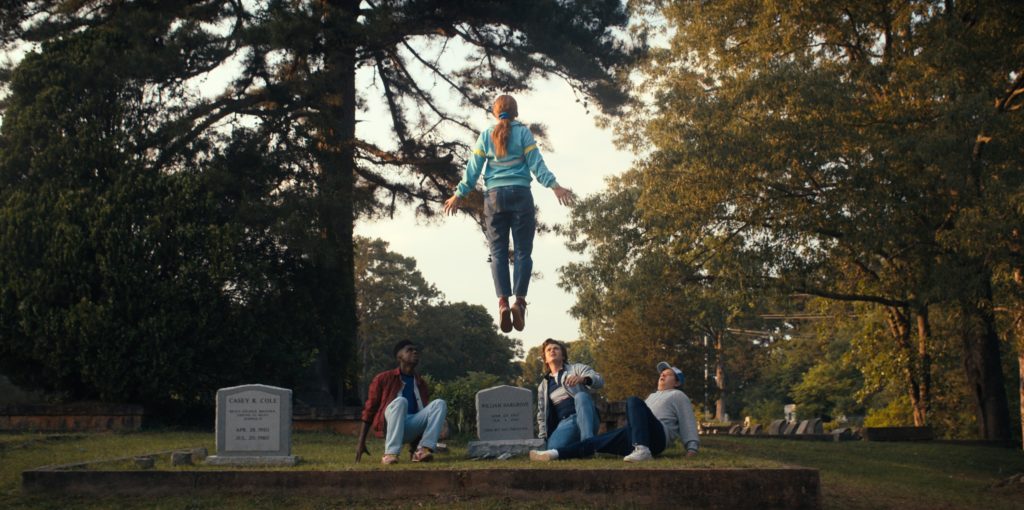
And then came that scene from the fourth episode of the fourth season. You know which one I mean. Max with headphones on, suspended between worlds, while her friends frantically search for the cassette with her favorite song. Kate Bush's "Running Up That Hill"—a 1985 track about the impossibility of understanding each other, about wanting to swap places with a loved one to feel their pain.
The series' music supervisor Nora Felder wrote Bush a whole essay about why this particular song could save Max—not figuratively, but literally. And Bush, known for being picky about the use of her music, agreed. Because she understood: this isn't just a soundtrack; it's an anchor connecting the heroine to reality.
What happened next, the whole internet knows: a forty-year-old song shot to the top of the charts, Sadie Sink delivered the best scene of her still-young career, and millions of viewers suddenly realized they were crying over a series about monsters from a parallel dimension. It was moments like these that set Stranger Things apart from a hundred other nostalgic projects—they knew how to find real human emotions amidst the fantastic chaos.
When CGI Beat the Real
The final season was released in three parts—as if Netflix was stretching out the farewell, unable to let go of its flagship franchise. The first volley came on Thanksgiving, the second on Catholic Christmas, and the grand two-hour finale on New Year's Eve, which was shown in over 500 theaters in the US and Canada (even in Russia, the final season hit theaters!). Netflix servers crashed from the influx of viewers, people sobbed in theaters and screamed at the moment when everyone's favorite Steve Harrington nearly died.
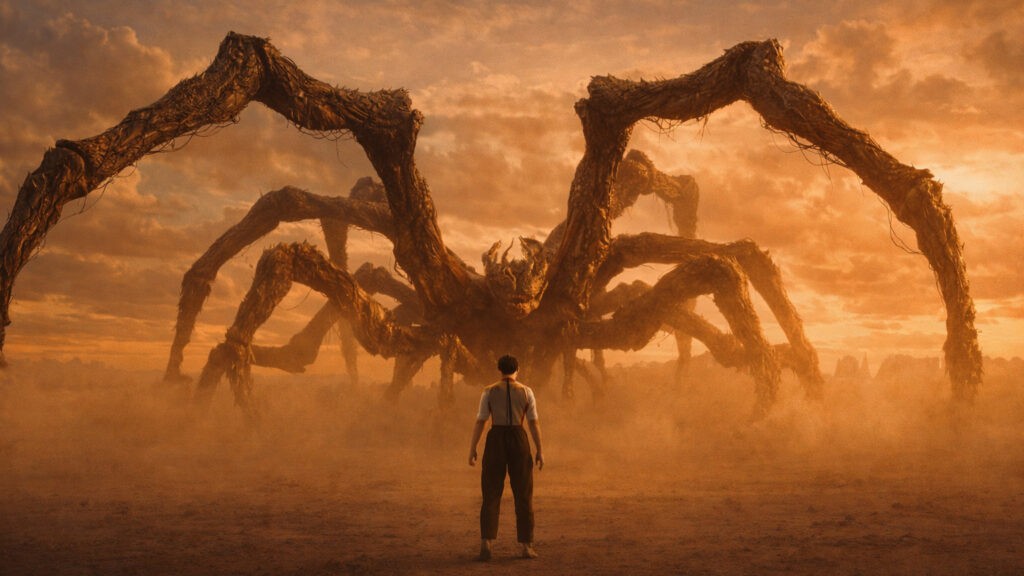
But here's the paradox: the finale was both right and slightly disappointing. The Duffer brothers handled the emotional goodbyes, gave each hero a moment in the spotlight, but drowned in visual effects. Too much time in imaginary worlds, too little in the real Hawkins, where the real magic of the series usually unfolded. Too many empty flyovers, too little action. The involvement of Linda Hamilton in the finale was wasted. And some plot decisions in the seventh episode sparked such a wave of criticism that its IMDb rating dropped to 5.6—the worst in the series' history.
But you know what? That's okay. Perfect endings don't exist. Ask fans of Game of Thrones or Dexter, whose finale has already been redone twice.
What Remains
Stranger Things changed television and streaming—and that's not a pompous statement, but a simple fact. Before it, streaming services were trying to find their formula for success. After it, everyone rushed to revive the eighties. A bunch of imitators came out, but none could replicate the main thing—that strange alchemy of horror, nostalgia, teenage coming-of-age, and genuine love for the cinema of a bygone era.
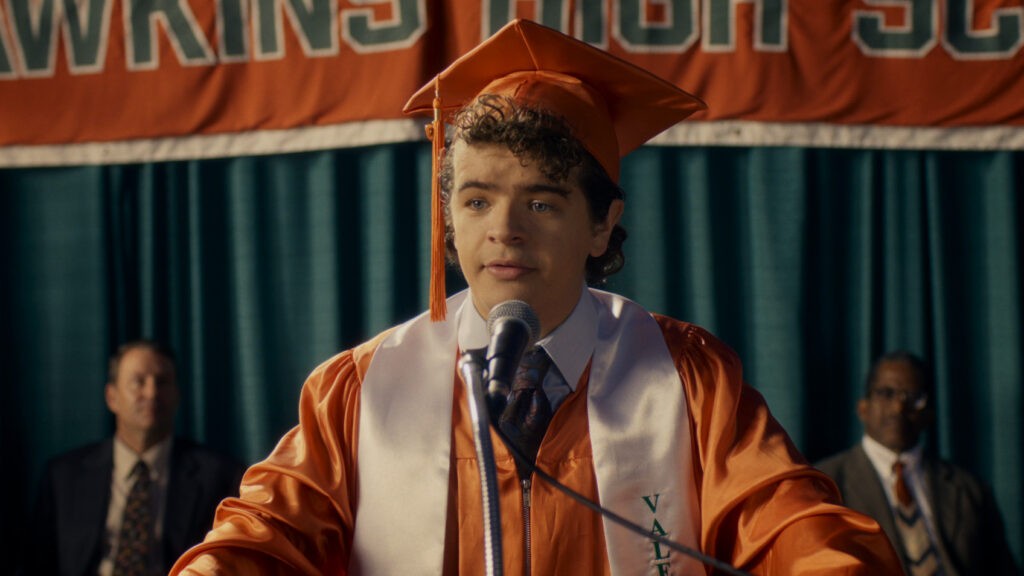
The series brought back the story that the most ordinary people, placed in extraordinary circumstances, are capable of heroism. Without superpowers (well, almost), without special training—just with faith in friends and a willingness to go all the way. It was that same Spielberg and King formula that worked in the eighties and, as it turned out, still works today.
Nine years in the company of these kids. We saw them fall in love, argue, lose loved ones, save the world time and again. We grew up with them—some literally, being teenagers in 2016, others metaphorically, remembering their own eighties, nineties, or zeros, when friendship was everything too. We waited for new seasons, argued about theories, rewatched favorite episodes, played Kate Bush, Metallica, and now David Bowie and Prince on repeat.
Goodbye, Hawkins: I Never Meant to Upset You, I Never Meant to Cause You Pain
On December 31, 2025, the portal closed for good. Somewhere in an alternate reality, these kids are still riding bikes through the empty streets of a small town, still gathering around the D&D table, still believing that friendship is stronger than any monsters from the Upside Down. And we remain here, in a world without Hawkins, but with warm memories of nearly ten years spent in the company of the best group of D&D players ever to appear on screen.
Thank you, Stranger Things. For the nostalgia for an era many of us never experienced. For the tears over the fate of fictional teenagers. For reminding us that the best stories are about the most ordinary people facing the extraordinary. And for Kate Bush, of course. Especially for her.
See you in Hawkins. With new heroes and other stories.
Comments
0No comments yet.
Sign in to join the discussion.