
The winner of the Venice Film Festival "Father Mother Sister Brother" reaches Russian theaters and promises to offer an alternative to domestic fairy tales for lovers of thoughtful and auteur cinema.
On January 1, a new film "Father Mother Sister Brother" will be released in Russian theaters. After a six-year hiatus, America's main indie author, with Buddhist calm, reflects on blood ties and returns to his roots in a new triptych about family values. Did the main poet of the ordinary manage to return to creative form, or is this just a nice gift for fans? We tell in our article.
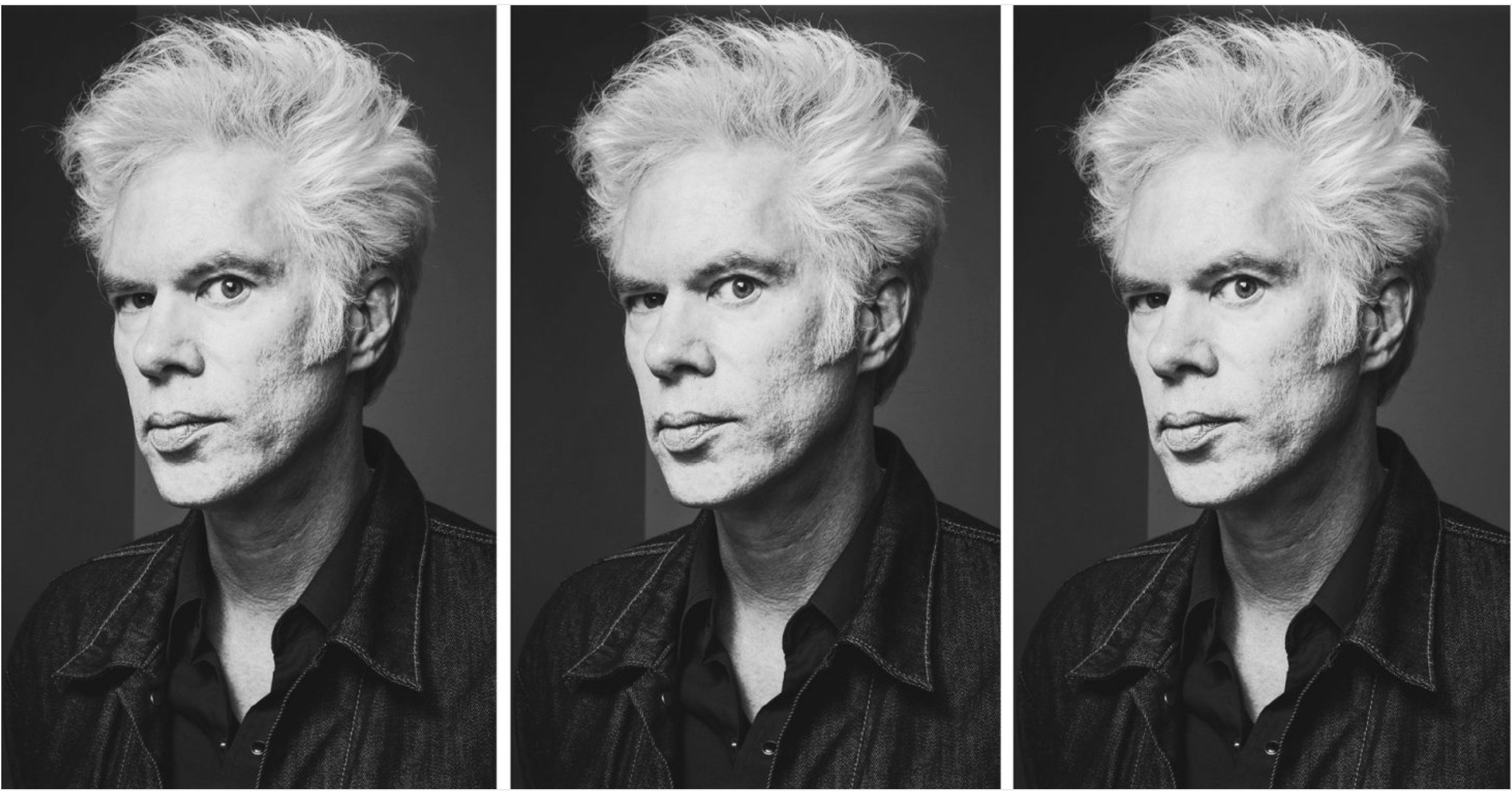
Jim Jarmusch is 68! We remember why this outstanding and unlike any other American director is loved.
Open materialMany, if not all, were waiting for the long-awaited return of the most meditative director. After the frontal, rather snobbish and ponderous black comedy "The Dead Don't Die" with zombie consumers (read: modern humanity) risen from the crypt, it was clear that Jarmusch was a little tired and needed to freshen up from his own clichés and age-related grumbling. The break lasted six years, but clearly did him good. Between tai chi sessions and observing anarchic skaters, the director wrote a script in the best traditions of his early films. "Father Mother Sister Brother" makes us remember why we fell in love with the young gray-haired creator more than twenty years ago.
"Father Mother Sister Brother" was supposed to premiere at the past Cannes, but the management of the main film festival did not deem it necessary to include the film in the main competition, which seriously angered Jarmusch. Out of resentment, he even vowed not to present future projects in France. Venice came to the rescue in the battle for the screen, and by autumn the director had won the Golden Lion, proving that "slow cinema about nothing" can still find a grateful audience.
Jarmusch's new film inherits the traditions of his classic hits, like "Night on Earth" and "Coffee and Cigarettes," and creates a whimsical almanac of three stories about families that are unhappy in their own way, but still stay afloat, even if formally they have become distant relatives.
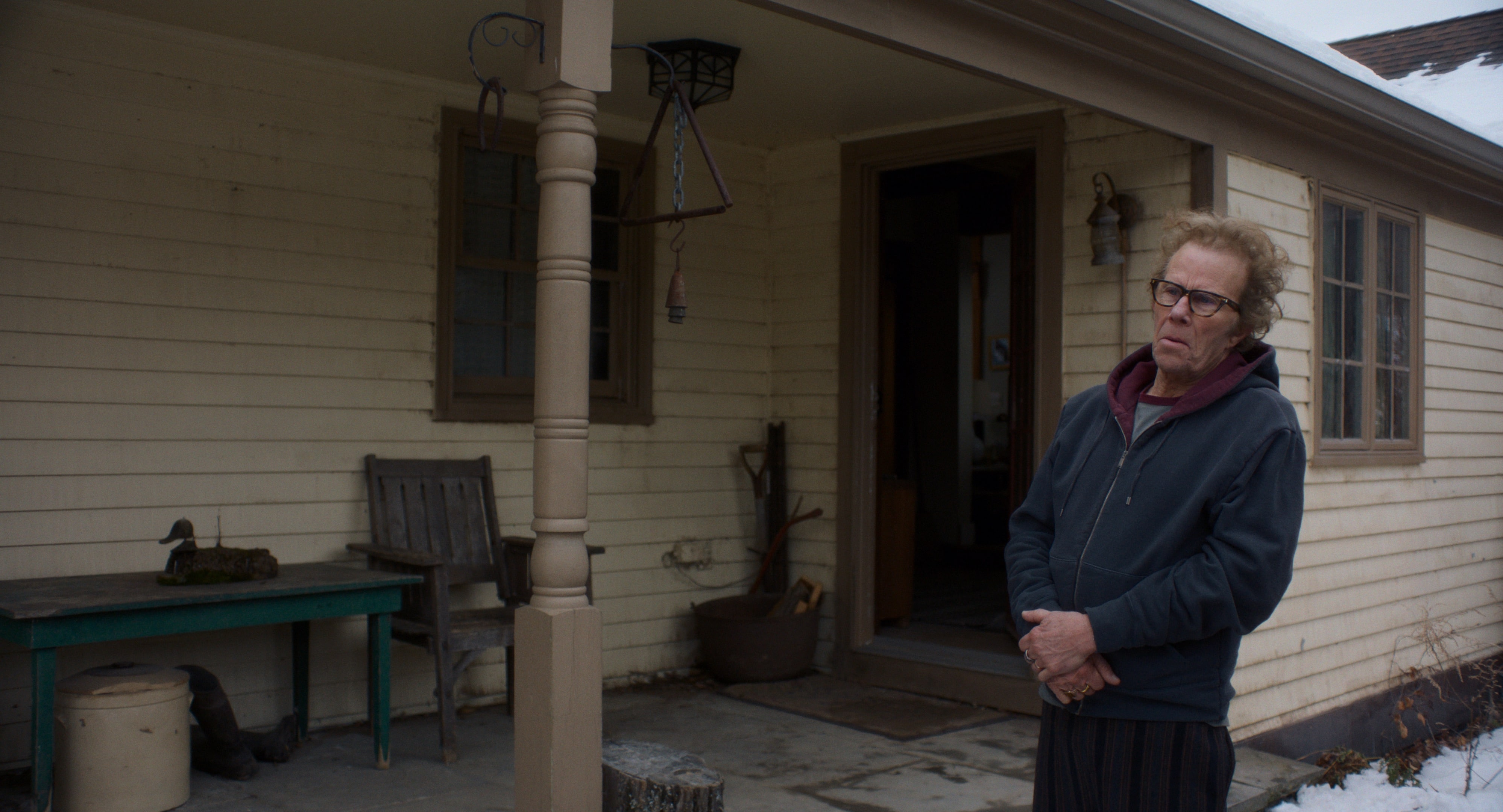
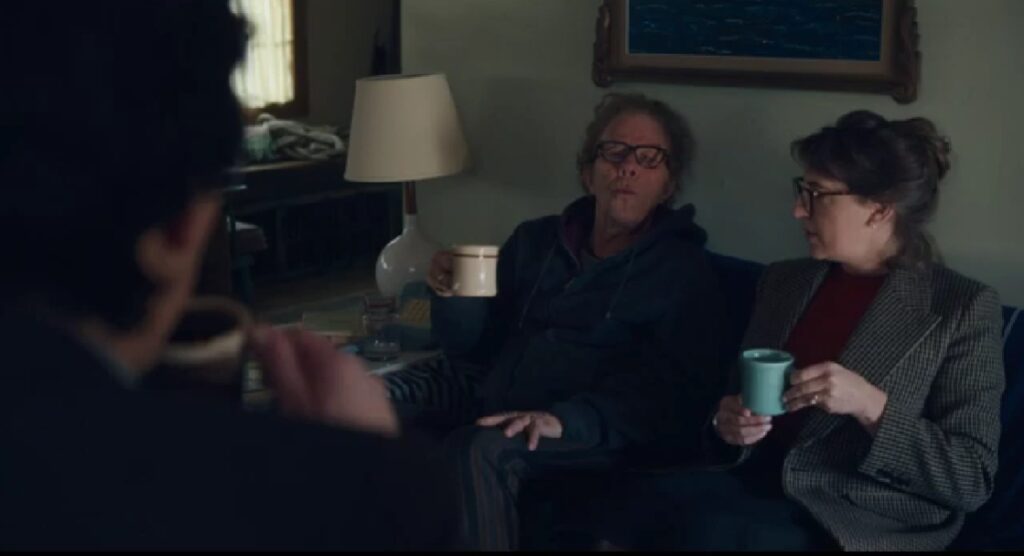
In the first, a brother (neurotic Adam Driver) and sister (scabrous Mayim Bialik) go to visit their negligent, barely making ends meet father (Tom Waits) in a snowy suburb of New Jersey. The long-awaited meeting turns into a cascade of awkwardness. From an absurd conversation ("can you make a toast if there's water in the glass?") to cutting references to "The Shining."
In the second, two sisters — rebellious Vicky Krieps and downtrodden white-collar Cate Blanchett — must once a year attend a prim dinner in Dublin with their high-society mother, author of women's detective novels Charlotte Rampling. English tea time is more like an invitation to execution and does not promise healing of family ties.
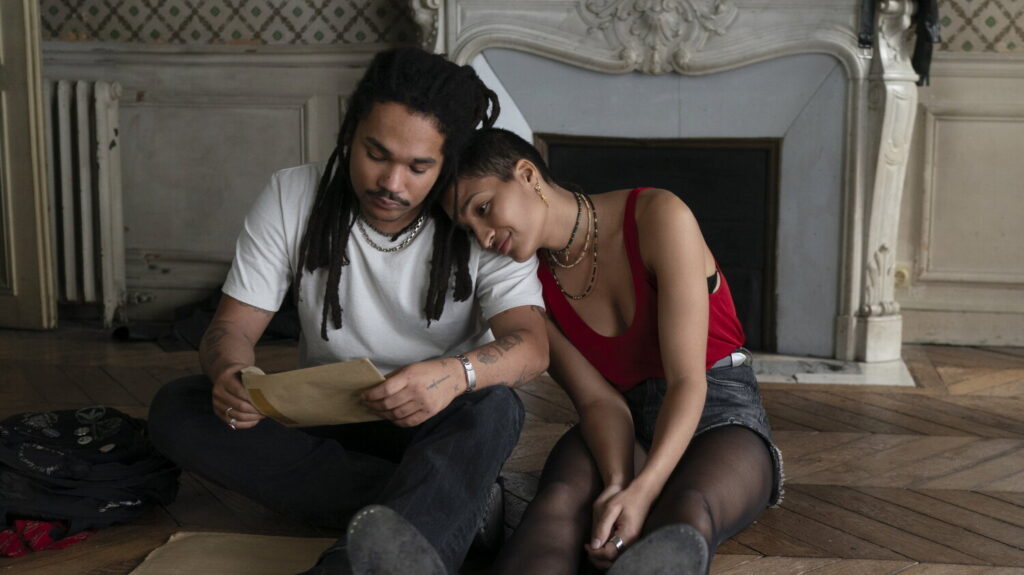
In the third, a brother and sister of mixed blood, Luka Sabbat and India Moore, after the unexpected death of their parents in a plane crash, painstakingly assemble a family album in a Parisian apartment and realize that their ancestors were not who they claimed to be.
Jim Jarmusch has never before touched so closely on scenes from family life. In spirit, it most resembles "Broken Flowers" with an aging Don Juan Bill Murray in search of an unexpected son.
"Father Mother Sister Brother" speaks with the same intonation about family matters and shows forcibly close people for whom reunion is nothing more than a hackneyed and old-fashioned ritual.
The father from the first novella agrees to meetings only to get money. Tom Waits, a close friend and often the alter ego of the director himself, along with Driver and Bialik, try to play family for half an hour, to say at least one honest word, but most conversations are interrupted by painfully long pauses and dead silence. Such a "deep" conversation on screen sometimes drives to hysterical laughter. It is so similar to real life, where sometimes after a long separation we cannot speak with relatives in the same language.
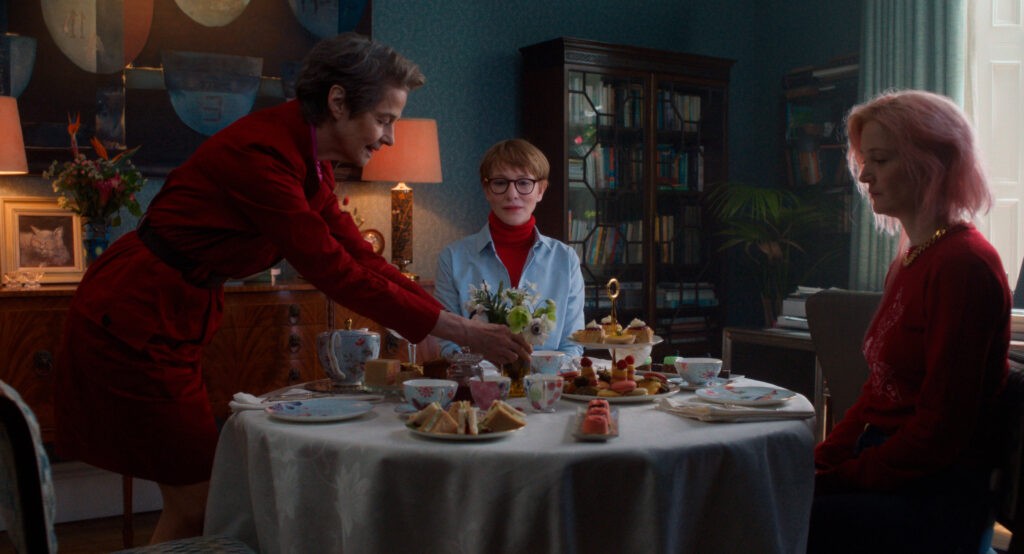
The story of distant-close mother and two daughters from the second story, on the contrary, is almost airless and devoid of humor. The formal dinner is shot in the best traditions of thrillers. Once close people mechanically move cups, automatically take pastries from colorful boxes and have long ceased to understand each other. The thought creeps in that someone will not stand it and interrupt the tea party with a blow of a pastry knife, but that would already be a peculiar, but manifestation of feelings.
Optimism about the possible unification of fathers, mothers and their children is given by the third novella. Lost (even Françoise Lebrun from "The Mother and the Whore" by Eustache appears in the frame), but not disunited brother and sister, sorting through the sentimental values of their parents, do not fall into acute reflection. In this novella, there are also few words and enough pauses, but it works differently. The twins understand each other silently, they are so close. The final part of the triptych gives considerable hope that many of us will be able to find a worthy place for our parental legacy and untie the interfering anchor for a free life.
The director never used bright colors and loud verbal tirades to talk about what excites him. Almost like Chekhov, people drink tea, and families slowly collapse, ties break in an everyday manner. But this is not Bergman's confessional "Autumn Sonata," where the last 35 minutes leave no living space from close people.
Jarmusch, a master of subtle hints and half-tones, has always gravitated more towards the ascetic but precise manner of Japanese classic Yasujirō Ozu. Speaking about the disintegration of the family unit, he, like his Eastern colleague, uses barely noticeable phrases and symbols.
In each of the novellas, there will be a character in red clothing as a symbol of anxiety and danger. Any of the stories will not do without mentioning Uncle Bob ("it's all in the hat" — an English idiom), "Rolexes" (fake or original), conversations about water as a symbol of a gap in relationships, and a group of skaters in slow motion preceding the novellas. Either the spirits of the city, or an image of possible changes in blood ties.
At 72, Jarmusch has finally attained zen. "Father Mother Sister Brother" explores family holes for almost 2 hours, but does not intend to hastily patch them up. Unlike the therapeutic Joachim Trier, the American film poet and visionary invites viewers to find the answer themselves: is it possible to remain a family if all feelings have long been burned out? After all, even the most formal, mechanical rituals are sometimes the last bridge connecting generations in this lonely and crazy, changed world. So they should not be neglected.
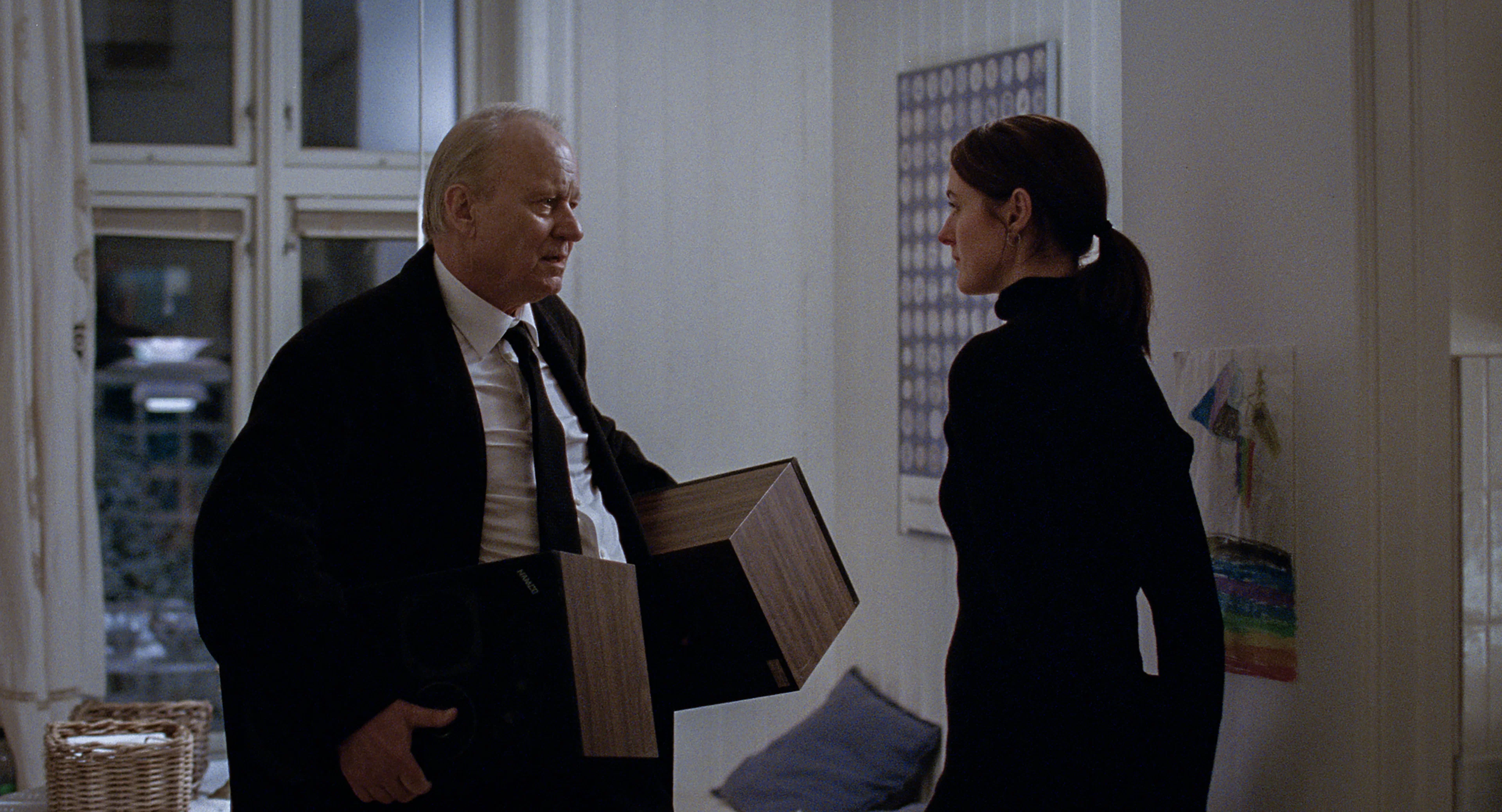
What if the strongest traumas are hidden not in the past, but in the attempt to start everything from scratch? The answer is given by Joachim Trier in his new film "Sentimental Value."
Open material
Comments
0No comments yet.
Sign in to join the discussion.