

The second season of the popular project about living fairy-tale characters in our reality has ended on Okko. Did moving the heroes to St. Petersburg do them good, what is the visual of the series like in the new episodes, and is it worth watching —...
The second season of the series successfully develops the folklore universe by moving the action from Moscow to St. Petersburg, adding fresh visual and plot accents. This move was needed to expand the mythology, because the Northern capital appears to the viewer as a magical hub with its own evil spirits attracted by Peter I, which means the heroes will have to face not only Baba Yaga and Gorynych.
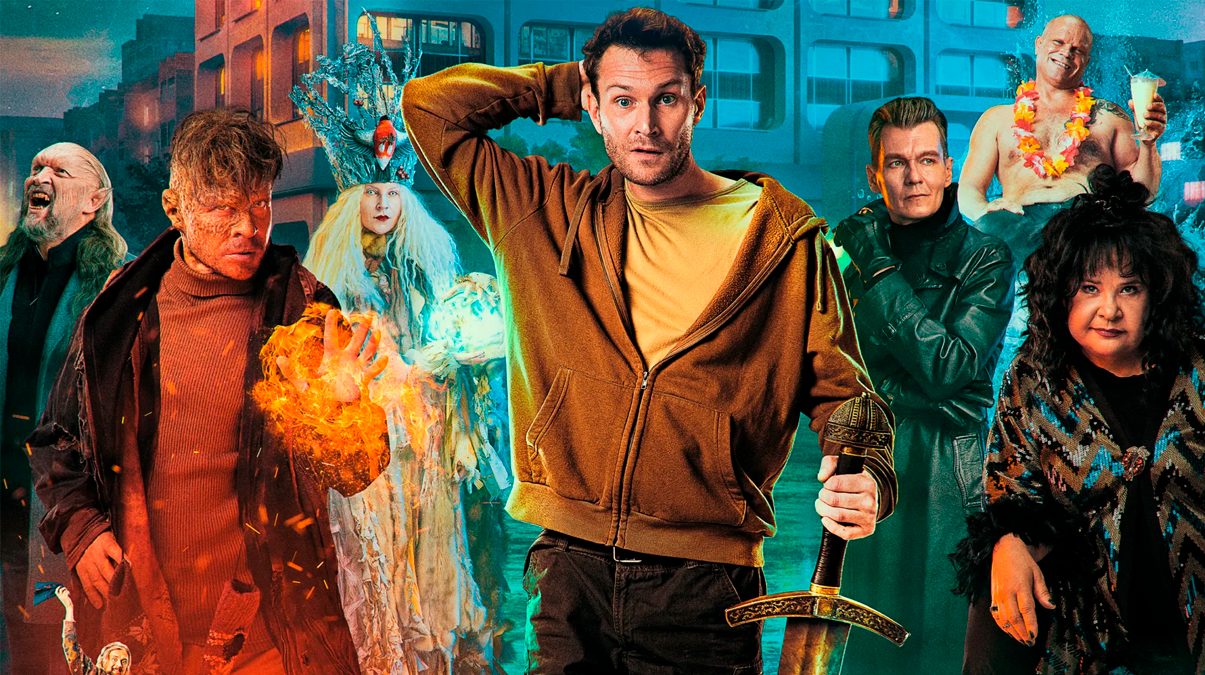
"Magic Precinct" became the most successful original project of Okko. Let's figure out what makes the new series about evil spirits so good.
Open materialMoving the Magic Precinct to St. Petersburg
The team of the Moscow OBSP — Lyokha (Nikolay Naumov), Gnome (Ilya Sobolev), Hare (Andrey Dobrovolsky) and others — arrives in St. Petersburg to investigate the death of local colleagues, including the head of the precinct (Alexander Rebenok). The Moscow TASS building is replaced by an abandoned Palace of Culture on the Moika, and Koschei settles in the Lakhta Center — the "Mordor tower." This move enhances the contrast: Moscow's bustle gives way to St. Petersburg's back alleys, metro catacombs, a troll factory, and even the Pushkin era with rhymed dialogues, adding comedic effect and local color.
Plot and Characters
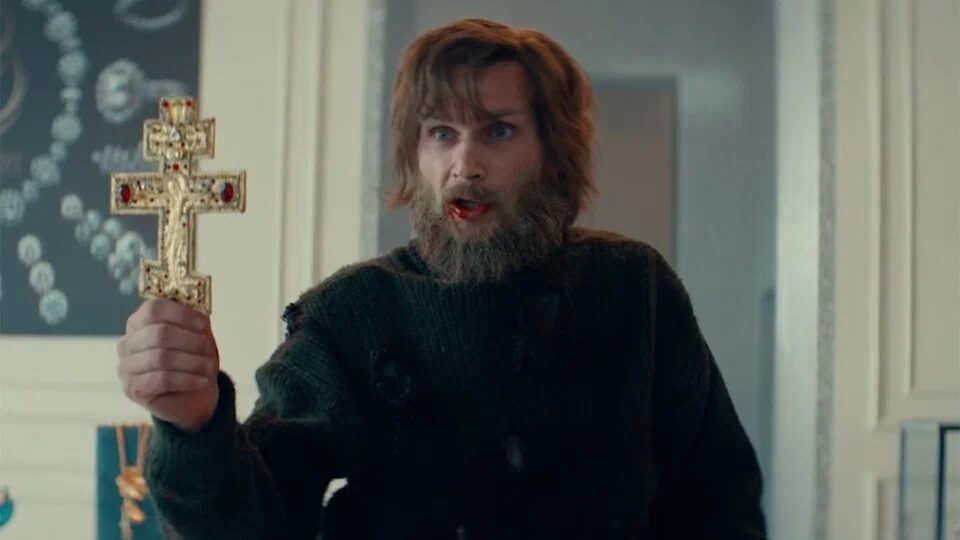
The plot focuses on the search for Vasilisa, whose body has been taken over by Koschei, and encounters with new evil spirits: a talking dog Palych (Anton Lapenko), Merlin (Viktor Bychkov), the Mistress of the Copper Mountain (Anna Ukolova), and Danila the Master (Kirill Melekhov). The global expansion of mythology is impressive — from a kombucha terrorist to Pushkin's curse. The characters evolve: Lyokha remains a truth-teller, but the St. Petersburg adaptation reveals new facets in him. The main character remembers that he needs to save his niece only closer to the season finale. Meanwhile, other side stories are revealed more systematically. Thus we learn both the backstory of Koschei (Evgeny Tkachuk) and get subtle references to the actors' real lives through their characters (see the joke about "young aspiring actor Nikita," who in the first season played the hero of Filipp Yankovsky).
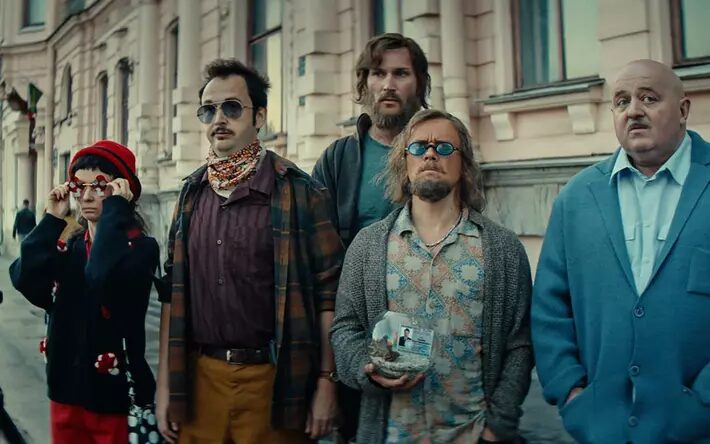
The second season of "Magic Precinct" deepens the characters of fairy-tale figures, adding personal arcs and tragedy, while new heroes appear as more cunning and absurd adaptations of folklore. Koschei evolves from a digital avatar to physically taking over Vasilisa's body, becoming more vulnerable and vengeful, and the Gnome loses the ability to swear, turning into an ordinary man with romantic failures. New characters, like Merlin or Dog Palych, acquire modern traits — from cunning to a traumatic past.
Visuals and Atmosphere
St. Petersburg pleases the eye: from industrial zones to the Singer House with the "Malachite Flower" salon. There is a feeling of a real "Northern Venice" with a fairy-tale touch. The new setting enhances the cinematic quality — the city is not a backdrop but a participant in the events, full of references to history and folklore. There are downsides — some flatness and simplified (sometimes too obvious) jokes compared to the first season don't hit as hard.
The second season of "Magic Precinct" is full of jokes about St. Petersburg identity, mocking local stereotypes through the prism of fairy-tale absurdity. Petersburgers are portrayed as refined whiners, intellectuals with a "Northern Venice" complex, and eternal sufferers from the weather.
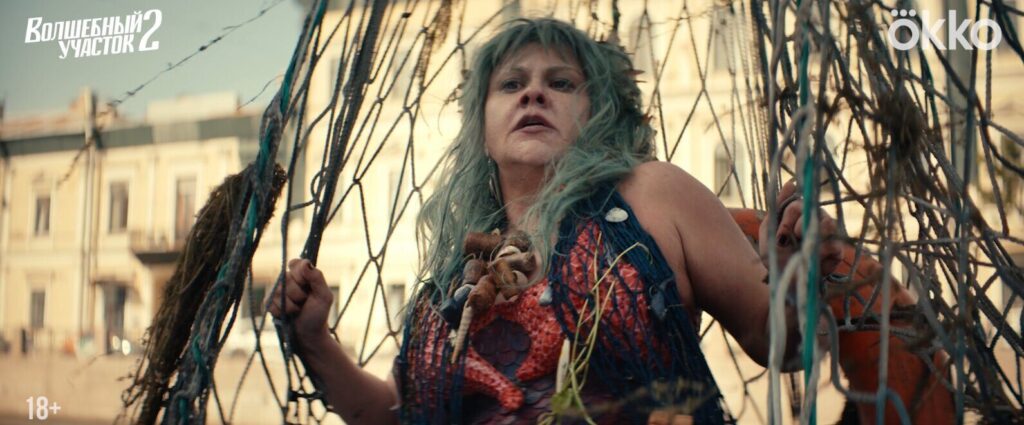
Fairy-tale interpretations turn classic folklore into St. Petersburg absurdity: Peter I appears as a magnet for European evil spirits like Merlin and a creepy Carlson, who "came to build the city but got stuck in communal apartments with a view of the Neva"; a troll factory in the subway; and Pushkin's curse forces heroes to rhyme dialogues in the spirit of "true Petersburgers — suffering poets."
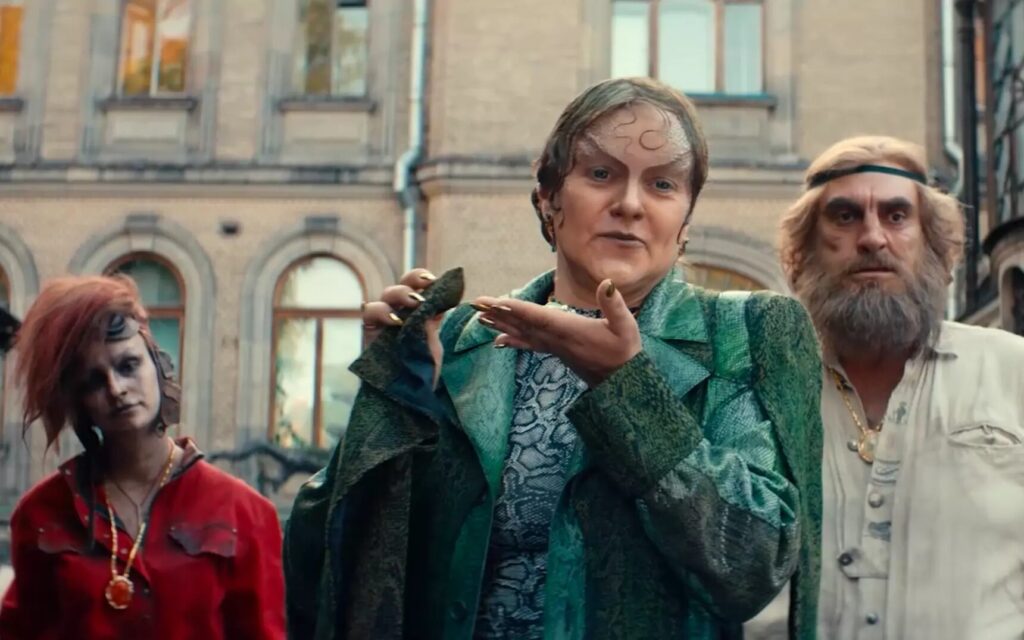
But most importantly, the second season of "Magic Precinct" loses some of the New Year charm of the first, where the winter atmosphere perfectly synchronized with the December release of episodes. The first season took place in winter: snow-covered Moscow, frosty landscapes, and folklore evil spirits in a New Year setting created a cozy, festive mood. Viewers associated the series with winter evenings, gifts, and family viewing, making it a holiday season hit. This shift breaks expectations: viewers expecting a continuation in the snow get summer mysticism, which weakens immersion and makes the season less "festive."
Overall Tone of the Series
The second season of "Magic Precinct" shifts the tone from the provocative, hooligan humor of the first season to a more even, calm, and spectacular narrative with an emphasis on folklore fantasy. While the debut was bold and uncomfortable, with a sharp swearing gnome and a rebellious spirit, the sequel becomes more cautious, losing some of its audacity for the sake of expanding the world and visuals.
The first season stood out with a mix of discomfort and risk — the gnome generated humor through swearing, creating a sense of uniqueness and elitism. In the second, he is turned into a man without swearing, replacing it with synonyms, which makes the jokes simple and less biting. On the other hand, the season significantly gains in scale — special effects have become more impressive, music with Russian motifs enhances the atmosphere, and ideas like the kombucha kaiju or "Pushkin's curse" with rhymes add wit and whimsy. The St. Petersburg setting enhances the fairy-tale quality, balancing humor with epicness, although the romantic lines sometimes tire.
And So the Fairy Tale Ends...?
The second season of "Magic Precinct" confidently maintains the standard of the original, expanding the folklore universe in St. Petersburg settings and offering the audience a more spectacular but less provocative experience. The most attentive viewers can still find references to other projects, for example, to "Cyber Village" or to 1703. The latter pleased the author the most.
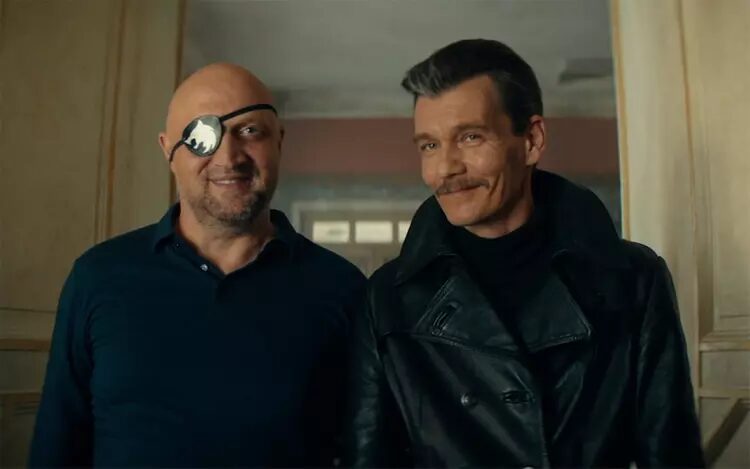
While we wait to see if there will be a renewal for a third season (all hints point to it), viewers have had the opportunity to get to know folklore characters better through the documentary series "Russian Folk. The Whole Truth About Fairy Tales", as well as uncover the secrets of the gnome city in the spin-off "Kaifsk".
Comments
0No comments yet.