
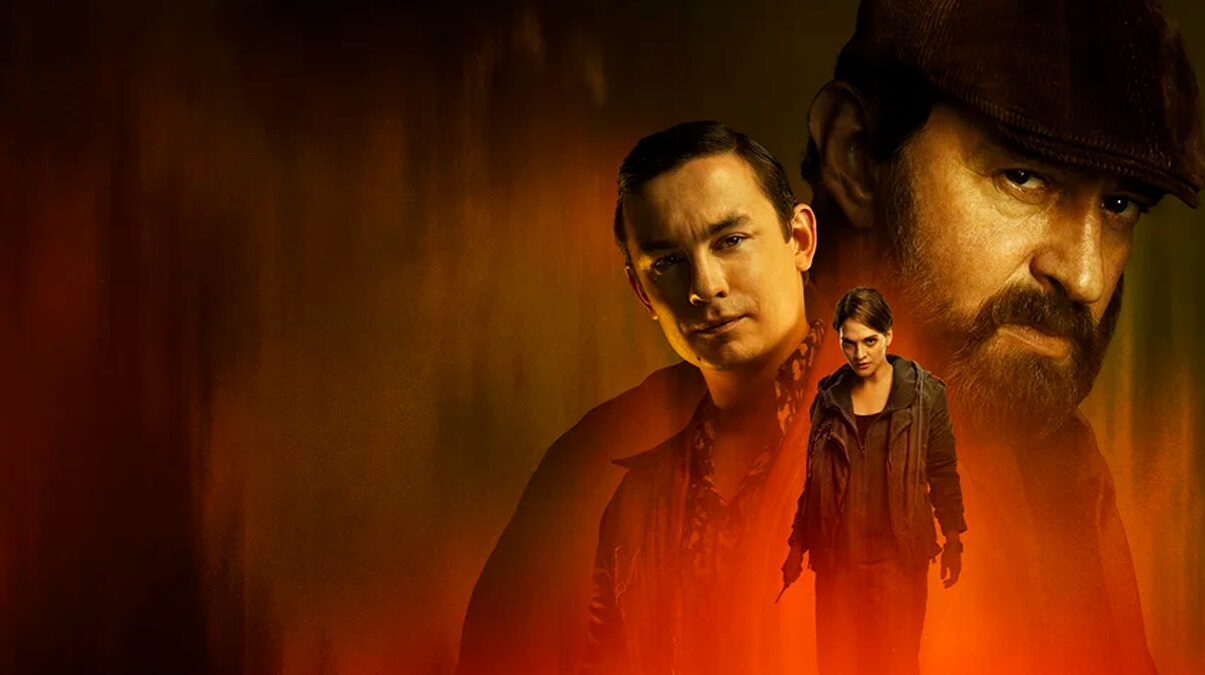
On December 18, the final episodes of the third season of the series 'The Method' were released, in which Yuri Bykov returned, and Meglin got an entire team of sociopaths at his disposal. We tell you what the new season turned out to be.
The third season of the cult true-crime series about Russian maniacs, 'The Method' (2025), has unexpectedly returned to our screens. Ten years after the breakthrough first season and five years after the second, Rodion Meglin (Konstantin Khabensky) assembles a team of "reformed" maniacs in St. Petersburg. The change of location from Moscow's intimate confines to St. Petersburg's grandeur alters not only the visuals but also the essence: from a psychological duel of one man with darkness to a collective "treatment" of evil. The season balances between dynamic action and reflections on the nature of the monster, but not everything is successful.
Plot and Location Change: From Moscow Hell to Petersburg Chaos
The action unfolds in St. Petersburg — "Raschleningrad" (a pun on "dismemberment"), as it's called in the series (and not only there). Meglin, now a mentor with pompous and preaching speeches, leads a squad: the Beast (Nikita Kologrivy), the Stalker (Yegor Kenzhametov), Koda (Lev Zulkarnaev), and newcomer Lera, codename Butterfly (Anna Savranskaya). Each episode is a case involving a maniac (a runner-killer, a hacker-suicidologist, a ritual cannibal). In addition, there is an overarching arc connected to Meglin and Yesenia's (Paulina Andreeva) past. After all, viewers needed an explanation of how a third season could even happen after the second season's finale.
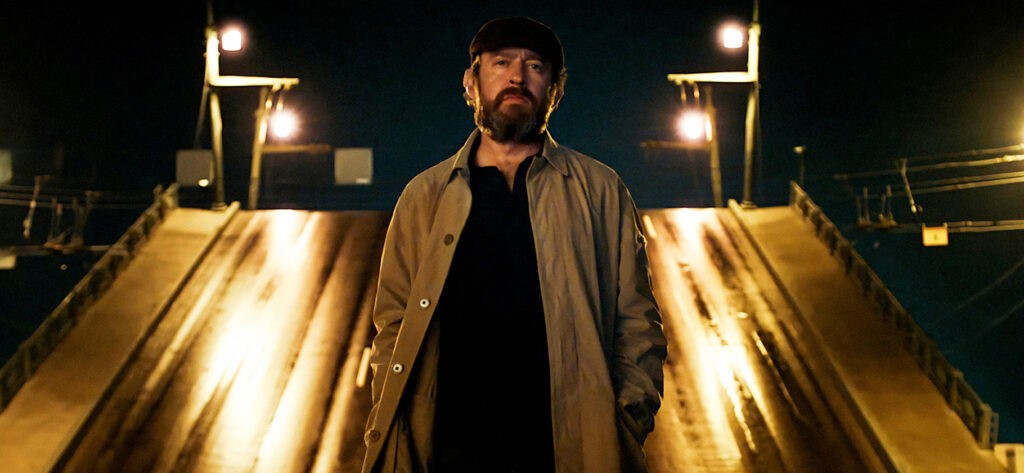
In the first season, Moscow was a labyrinth of stuffy basements and gray outskirts — a metaphor for Meglin's inner hell. St. Petersburg, on the other hand, provides space: headquarters in Baron Stieglitz's mansion on the English Embankment, scenes in Vyborg, at cemeteries, and against the backdrop of the raised Palace Bridge. This refreshes the visuals (crimson-orange tones instead of pale Moscow melancholy) but loses intimacy: the city feels more like a cardboard backdrop for the plot.
From Solitude to a Dysfunctional Family
Rodion Meglin is the season's biggest loss. In the first season, Khabensky created a messianic genius: a lone empath whose supernatural intuition bordered on madness. He was a mirror to the maniacs, battling his own darkness in dialogue-duels. Here, Meglin is a detached guru (only 15 minutes of screen time in the early episodes), delivering monologues about "treating monsters." This is disappointing: fans expected depth but got a caricature of Amanda Waller from 'Suicide Squad.' Even the second part of the series didn't save the situation, despite hopes.
The Beast, played by Nikita Kologrivy, can to some extent be called the star of the season. It feels like the creators placed all bets on him, even embedding references to the cult 'Fight Club' in his image (though the look is not at all "Petersburg"). A former rapist, now Meglin's loyal dog, with charisma and animalistic rage. His dominance overshadows the rest of the team; he tries to add humor and action, but sometimes also evokes a sense of shame from what is seen. After all, in the first season, maniacs were tragic figures; here, they are tools for fights.
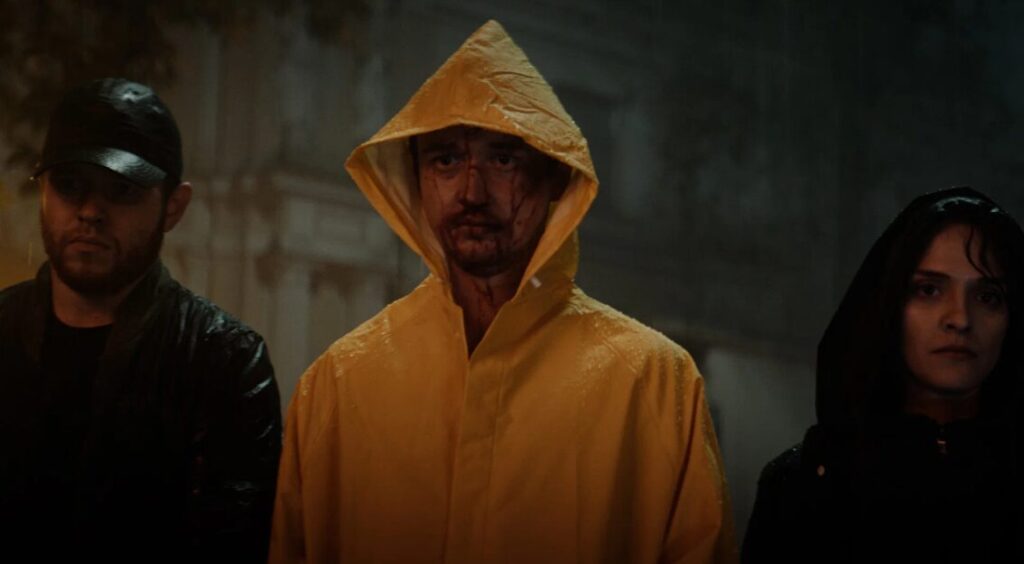
Lera, played by Anna Savranskaya, is a newcomer with psychological trauma and uncontrollable aggression. Her arc of redemption echoes Yesenia's character from the first season. The heroine reflects the theme "the monster is inside everyone," but it feels somewhat derivative. By the way, attempts to conceal the character Yesenia herself due to Andreeva's absence from the cast seem quite mocking towards the viewer.
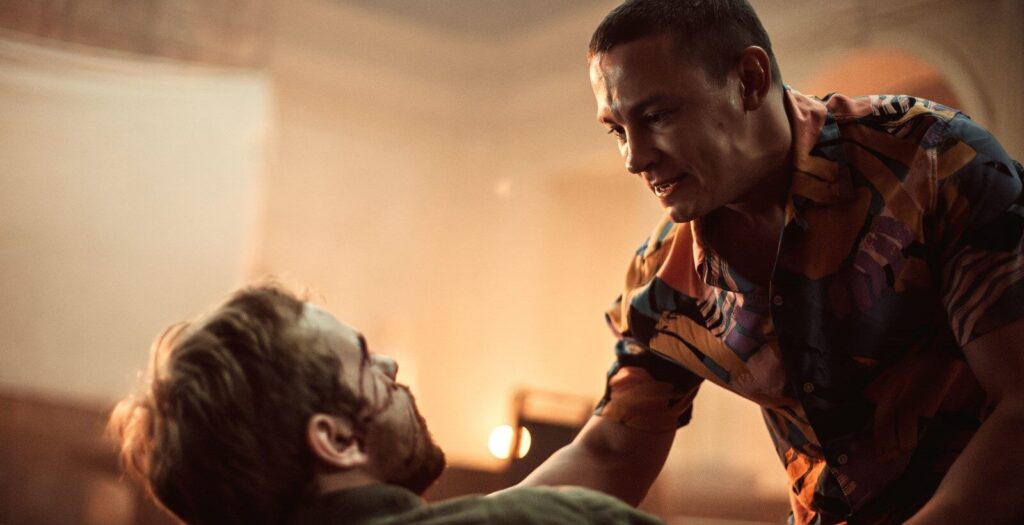
The others — the Stalker (a hacker with sadistic tendencies), Koda (a Shibari maniac), and other team members — are background: their "treatment" through service to Meglin parodies corporate team building, but without the philosophical sharpness that characterized the confrontations with maniacs in the first season. The characters seemed intended to be vivid, deserving more screen time, but the creators didn't allow that, preferring to insert another love line or a sex scene with the Beast.
Redemption vs. the Inevitability of Evil
The first season was a philosophical thriller about the nature of evil: Meglin argued that a monster is born by choice, not fate, through empathy and manipulation. Themes of loneliness, moral relativism, and "who outwits whom" made it a breakthrough for Russian television at the time.
The third season deepens the theme of redemption: maniacs are "cured" through service, Meglin is a new Noah saving animals from the flood. St. Petersburg symbolizes cultural decline (serial murders as a metaphor for the "northern capital in crisis"), and the team represents hope for controlling chaos. But the meanings drown in action: the antagonists are caricatures (theatrical psychopaths without any backstory, whom you don't even want to sympathize with), and the horizontal plot about Lera's past develops slower than the construction of the St. Petersburg metro.
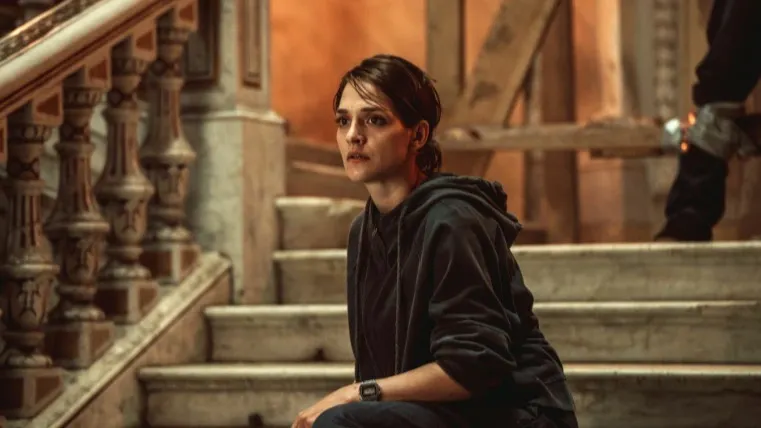
The location change enhances the contrast: Moscow's claustrophobia in the first season reflected internal conflict, while St. Petersburg's scale is collective but external. The new episodes pose the question: can evil be "re-educated"? The answer is ambiguous, as in the original, but without the same psychological depth, and the overly positive notes in Meglin's final sermon at the very end leave a feeling of being cheated. After all, we loved 'The Method' for conveying the idea that it is difficult but possible to escape through the darkest sides of human nature. And in the finale of this season, we are simply told: "Love each other and everything will be fine."
Conclusion
The third 'Method' is a brisk thriller for fans of action and certain cast members, but it doesn't reach the philosophical heights of the first season. If it were a standalone project, one could even enjoy it, but the connection to a beloved franchise spoils the entire impression. This is exactly what I expected last year from the series 'Inside the Killer,' whose soundtrack, by the way, also plays in the series under review.
Watch it if you miss Khabensky, but don't expect a masterpiece like 2015's. Back then, such things shocked us; now, perhaps, we've grown accustomed. And it's worth finding a new method to look into the human soul.
Comments
0No comments yet.
Sign in to join the discussion.