

On December 11, “A Family Affair” hits theaters—a dark and provocative story about how family secrets can become a heavy burden. A brother and sister face a moral dilemma that makes one think about the price of silence and the true nature of growing...
“A Family Affair” debuted at the Toronto festival this year. The film was directed by Alex Winter. His name is primarily associated with acting, especially his iconic role as Bill in the “Bill & Ted's Excellent Adventure” series. However, Winter has also made a name for himself as a documentary filmmaker, focusing on acute social issues of the digital world: “Deep Web,” “Trust Machine: The Story of Blockchain.” “A Family Affair” marks Winter's return to narrative film, but retains his investigative style into human nature.
The film's main theme is marginality and life on the fringes of society. It seems that the most brutal crimes and very strange affairs occur in small towns. The profane place becomes a collective image of “America on the sidelines.” Semi-deserted streets, abandoned houses, dumps—all of this can be found in any fading town. The epicenter of crime is the Robles house. It is here that the children find a corpse that has lain for over thirty years, and instead of going to the police, they decide to keep the secret, continuing the family chain of silence.

The authority of the criminal world became Kaya Scodelario, known from the series and the “Maze Runner” franchise. All men listen to her, which again prompts reflections on the leading female role in modern society, albeit in an ironic vein. Josh Gad is known for comedic roles and the voice of animated characters, such as Olaf from “Frozen.” Noah Robles in his performance becomes a passive accomplice, albeit briefly. Brother and sister juggle leading roles and seem to compete, as in childhood. Who will be braver—time will tell. The director also prepared a role for himself. Alex Winter played Doug, the main freak of the family, who, despite all the madness, utters the film's main moral: Family must stick together and support each other. This idea sounds with enviable regularity over the course of an hour and a half. The film gradually reveals society's vices: concealment, police inaction, theft, blackmail, and so on. It is no coincidence that one of the posters quotes “American Gothic,” Grant Wood's painting, one of the most recognizable (and parodied) in American art. The director scales the problems to a national level, but they remain at the level of statements. Those very vices are created either to motivate the main characters or are simply forgotten over time.

Analyzing one of the best dramedy series of our time and delving into the actions of the second generation characters of Skins.
Open material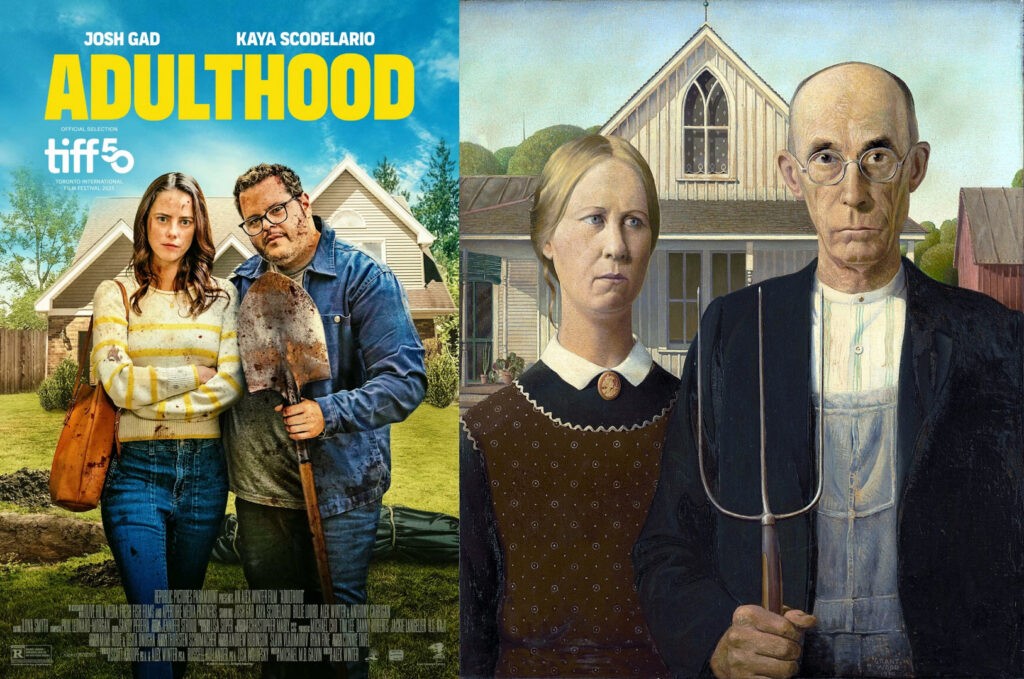
This is a purely emotional thrill ride: if you set aside thoughts of script inconsistencies, what we have is a thriller that constantly jumps from one tense episode to another. Character motivations are not always consistent, and plot twists feel like an accelerator rather than a result of internal dynamics. As a result, rational motivation disappears, enhancing the feeling of underdevelopment.
The storyline revolves around a revealed family secret. The house becomes a symbol of lifelessness and the children's indifference, a place where love has turned into a statement of duty and inertia. This makes it all the more interesting to look into the basement. It is a key visual metaphor. The children's belongings are carelessly scattered in boxes, the dehumidifier is broken, pipes are leaking, dampness and mold literally grow through the past. These are literal “skeletons in the closet.”
The central conflict lies in a moral dilemma: confess to a crime decades later or continue the chain of silence. The skeleton in the basement is a metaphor for a big secret that killed family happiness. If taken figuratively, the discovered corpse could be any secret that grown-up children suddenly uncover. And the viewer is left to simply watch over them. Two characters—two behavior patterns. There is no re-education or “understanding” psychological exegesis here—only a straight road downward.

The artificial image of “naive adults” is important: despite the obvious logic of events, they behave as if they perfectly understand all the risks but deliberately trap themselves. This not only reduces plausibility but also makes them unconscious accomplices in their own downfall. Hence the feeling of fatality and doom.
In the cinema of the last five years, there has been a surge of attention to antihero images. Characters devoid of heroic traits are used by directors and screenwriters as a convenient tool for revealing internal conflict. After all, their negative qualities immediately capture the viewer's attention and create drama that does not require justification or softening of the image. This is the influence of the trend on psychologism, which “A Family Affair” lacks. The viewer has no reason for emotional immersion; character motivations are explained but not developed enough to evoke a strong response.
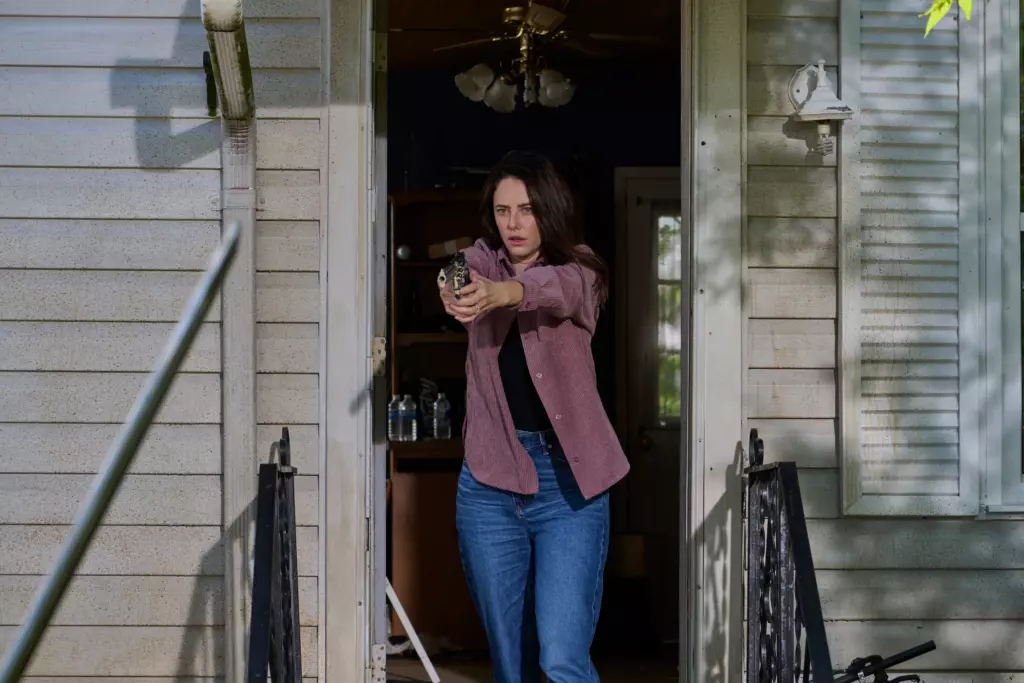
Despite the listed shortcomings, “A Family Affair” is valuable as a provocation. The film forces us to face the dark sides of life that are hidden under the mask of habitual everyday inertia. It is an emotionally charged thriller-ride that invites us to set aside logical questions and immerse ourselves in the atmosphere.
“A Family Affair” is a story about growing up, originally titled “Adulthood.” The main emphasis is on painful and far from heroic maturation, where family has become a source of fear and pain. This film may evoke mixed reactions, but its strength lies precisely in this ambivalence. It reflects an imperfect, sometimes cruel reality in which love is coupled with responsibility, and truth with the price of silence.
Comments
0No comments yet.
Sign in to join the discussion.