
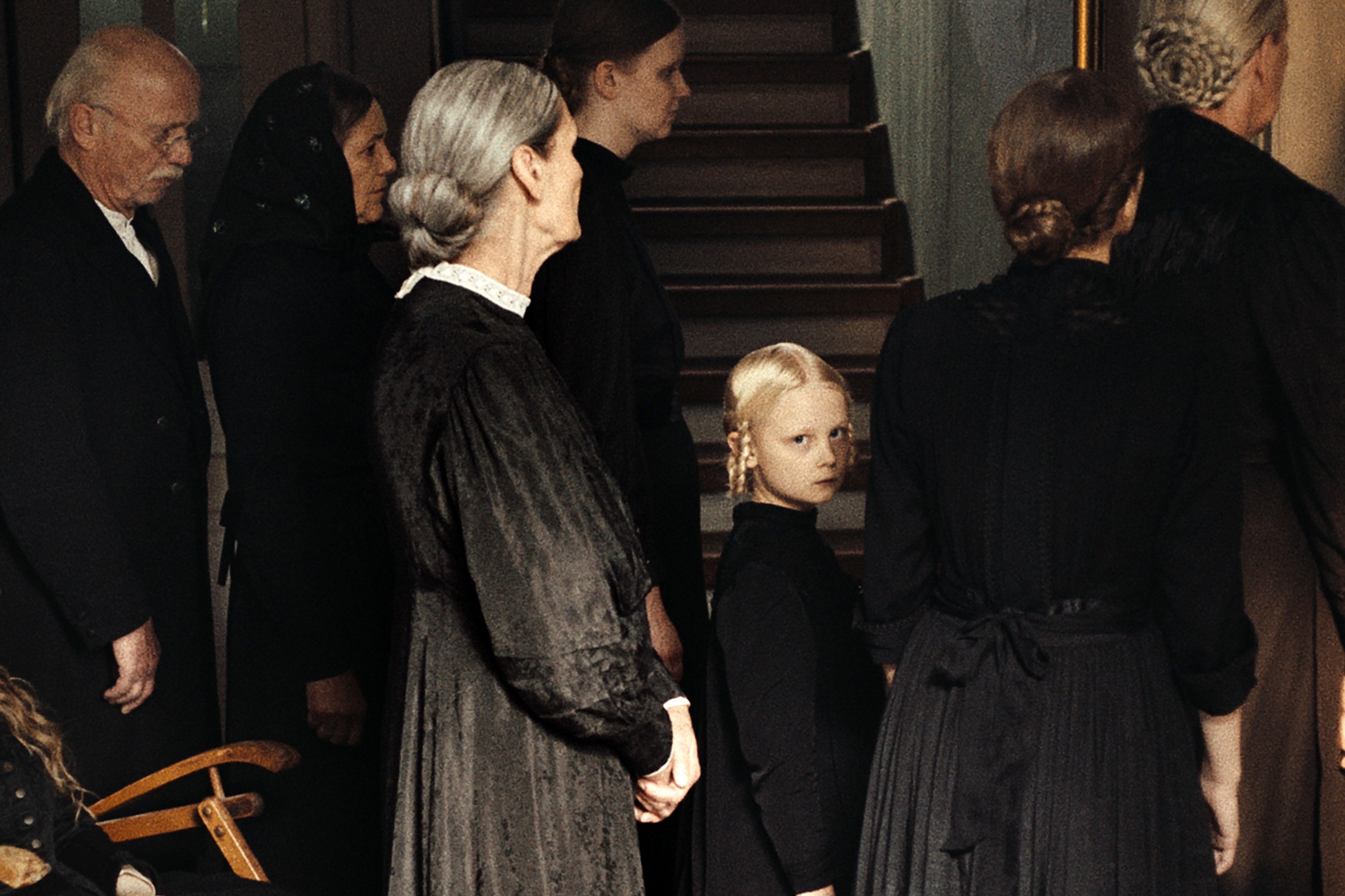
A film that simultaneously fascinates, frightens, and hypnotizes. We explore why exactly "The Sound of Falling" became the most talked-about at Cannes and what domestic audiences will see in it through the efforts of A-One starting December 4.
"The Sound of Falling" is one of the most talked-about films of the 2025 Cannes Film Festival. The debut of Masha Shilinski won the Jury Prize and became Germany's submission for the Oscars, but it sparked serious controversy. Some viewers leave the theater bewildered: the film offers no conventional plot and avoids direct explanations. It works with sensations, memory, and the body, not with a storyline. That is precisely what makes it so hypnotic.
The film tells the story of four girls from different eras, from World War I to the present day, who spend their youth on a farm. However, the narrative covers many family ties. Grandmothers, mothers, sisters, and daughters experience societal pressure regardless of the era. Vulnerability, resistance, and silence intertwine into a dense narrative knot. They do not mention each other directly, but unconsciously continue the chain of childhood trauma, reflections on death, and explorations of corporeality.
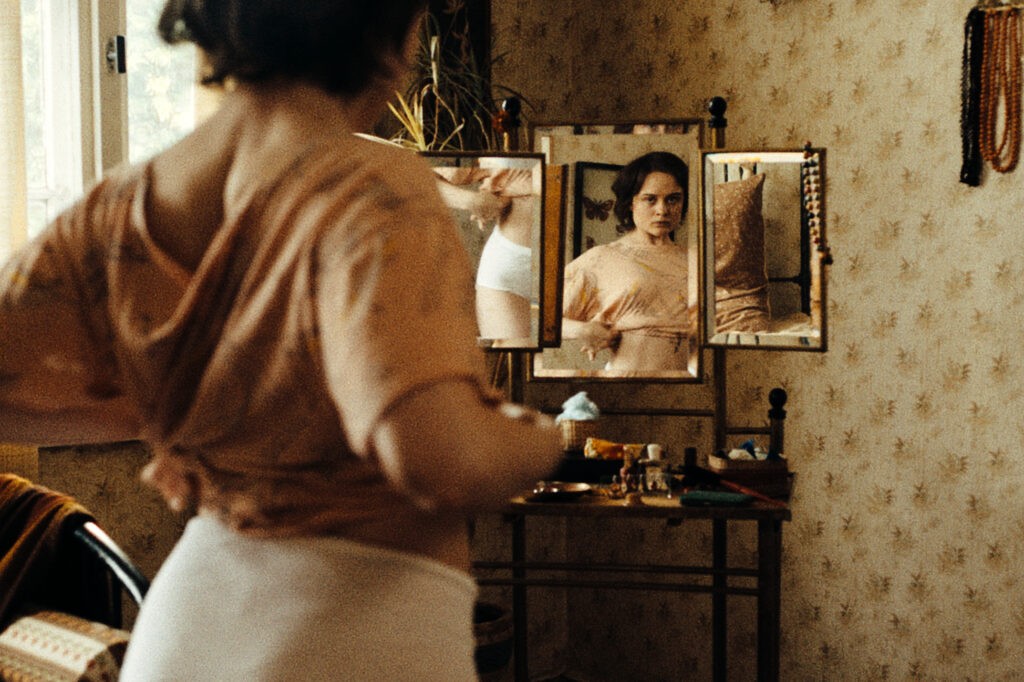
It is often physical sensations that come to the fore. Erika, a heroine from the 1940s, wants to understand how her legless uncle manages to walk on crutches, so she ties a rope around her left leg and hobbles down the corridor. Injuries also arouse curiosity in Alma, a baby one generation older. The girl is actually interested in many things: why her older brother was mutilated, why her grandmother's skin is not as firm, why Alma was named after her deceased sister.
– What happens when you die? – the girl asks in the middle of the night.
– Nothing, – replies her older sister Mia.
"The Sound of Falling" speaks about the suppression of emotions, about the plea of the heart. When the body cannot withstand pressure or a staring gaze, and you wish you could command your heart as you do your hand and foot. Masha Shilinski shows how corporeality becomes an extension of questions that a child cannot yet formulate. Curiosity here is not physiological but existential, and the body is the only available language through which a child tries to understand the world.
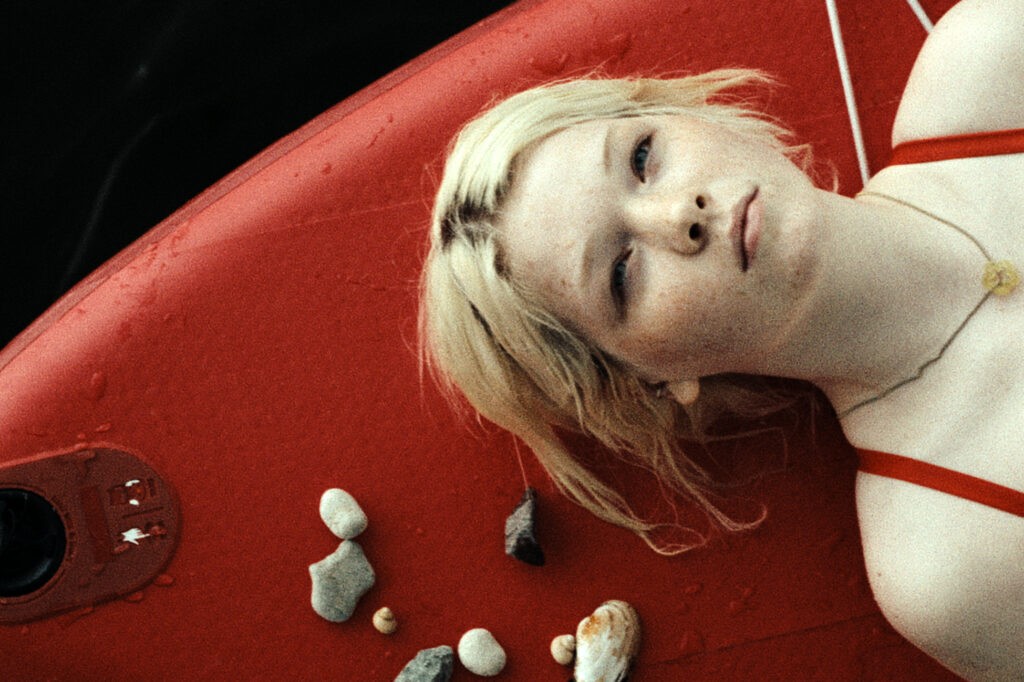
The viewer feels like a wandering ghost, sometimes noticing things the heroines cannot know. For example, that women from generation to generation bite their own hand or laugh inappropriately. These are details that are not passed down with the family's key stories. They are those random traits adopted at an unconscious level.
Moreover, this is a deeply girlish story. Lenka loves the smell of basement dampness, silt on the skin, and nail polish. Sound familiar?
Masha Shilinski deliberately jumps between generations, depriving the viewer of anchors. This enhances the mystical feeling of what is happening and transforms "The Sound of Falling" into two and a half hours of recurring trauma. But this story also has anchors. Dozens of events take place in the same rooms. The farm becomes a symbol of memory space.
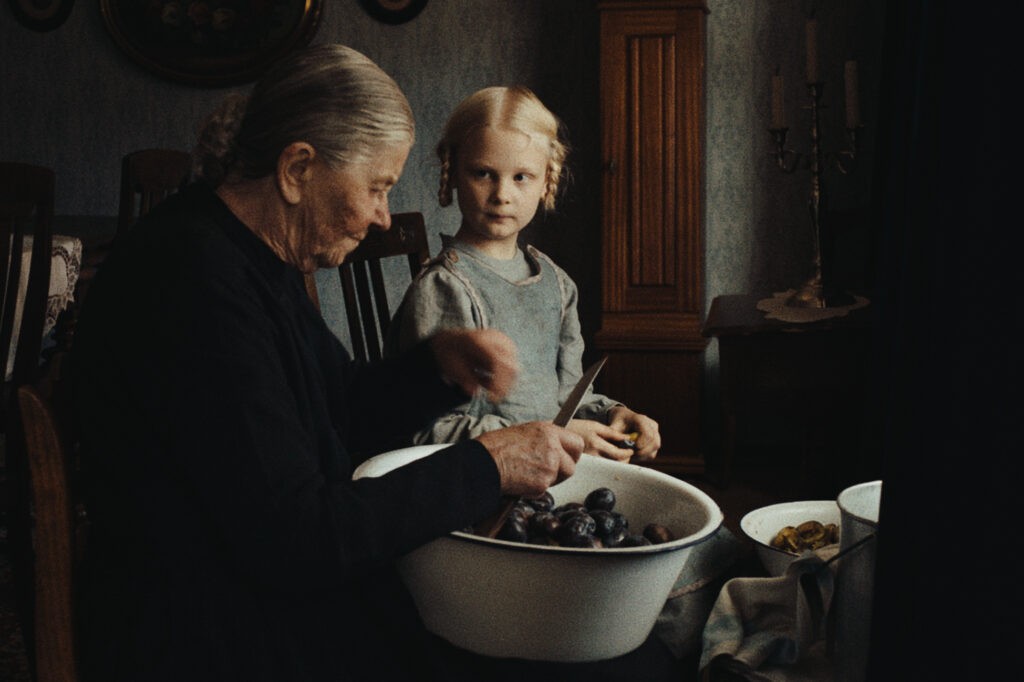
Death also appears in every chapter with an itchy (or buzzing?) persistence. It seeps into all four stories, indirectly through stories or directly. The director paid special attention to funeral rituals and post-mortem photos. Thus, the viewer can trace the attitude toward death over the years. While in our time, the dead are spoken of in a certain way and the body is always handed over to special services, in the 1910s, the dead were photographed alongside the living and bodies were kept in the house for several days.
In addition to a series of symbols, the stories are united by the soundtrack from Swedish singer Anna von Hausswolff. The melodic tune connects the heroines with a thin thread. The lyrics of the composition "Stranger" include the lines: "There is no time, there is no face, there is no me." The lyrical heroine loses her identity, but the stranger convinces her not to be afraid and to follow toward the sun—a metaphor for death and eternal life simultaneously.
Another sound accent is defined by noise. It builds up with a hiss, presses on the eardrums, heightens anxiety, and then abruptly stops. And in the deafening silence, the worst happens.
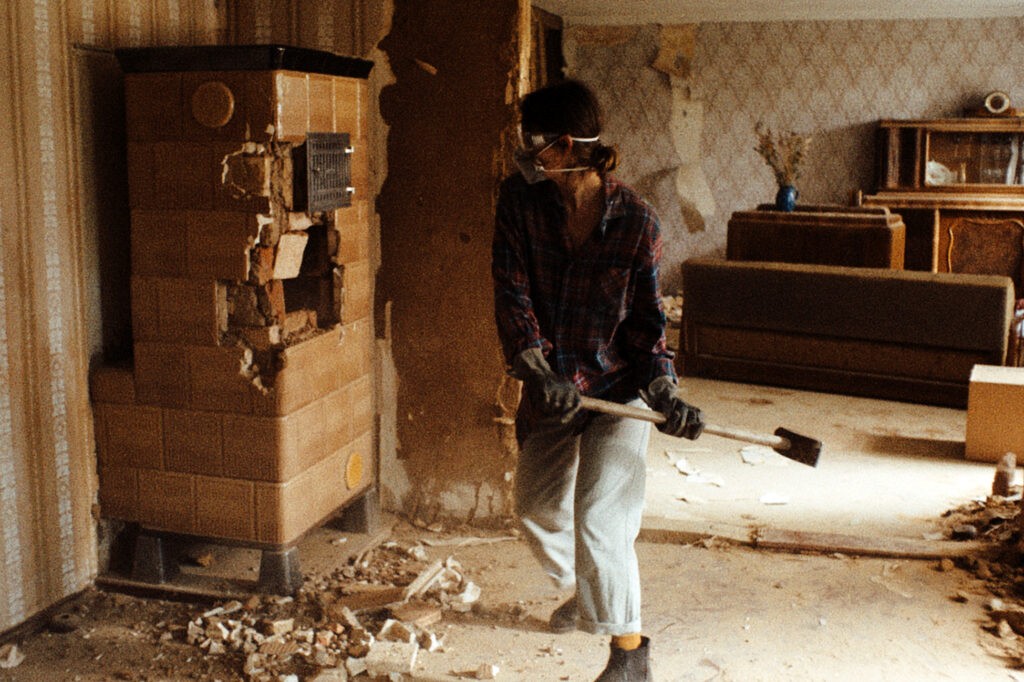
"The Sound of Falling" does not provide an answer to the eternal mystery of the afterlife and does not dictate an attitude toward it. Some girls contemplate death in the process of understanding the world, others believe that a person can reincarnate into a fly, another symbol of death and decay. Everything built is subject to destruction. The dead depart to the afterlife with a Bible, and the rest remains with the family. It can be destroyed, like a stove, or preserved, like a doll.
Despite the variety of eras, the female figures in the film form a single field. This is not a slogan-like "women's story," but a subtle study of how girls from different generations learn to live in a world where adults are also afraid, make mistakes, and remain silent.
The role of the mother here does not belong to one woman: it is a collective figure distributed across all generations—from great-grandmothers to girls who do not yet understand the burden they carry.
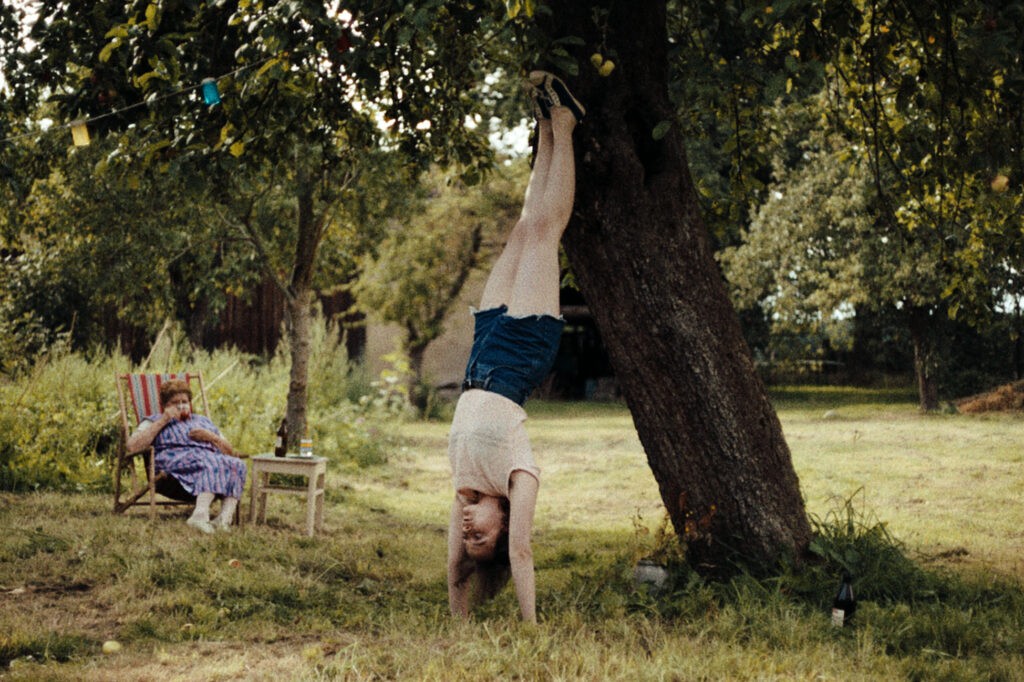
The trend toward nostalgia has become ubiquitous, it is useless to deny. Masha Shilinski turns to the past through film, corporeality, heredity, and memory. Her optics feel like a worn photo in a wooden frame on a grandmother's dresser.
"The Sound of Falling" is about the fact that there are things stronger than time, and pain is merely a form of love. The director carefully assembles a single chant from disparate eras, where each heroine is an echo of another. And when the final noise breaks off, something in the chest freezes. We are not alone in our fears. We are part of an invisible choir that sang long before our birth and will sound after death.
Comments
0No comments yet.
Sign in to join the discussion.