
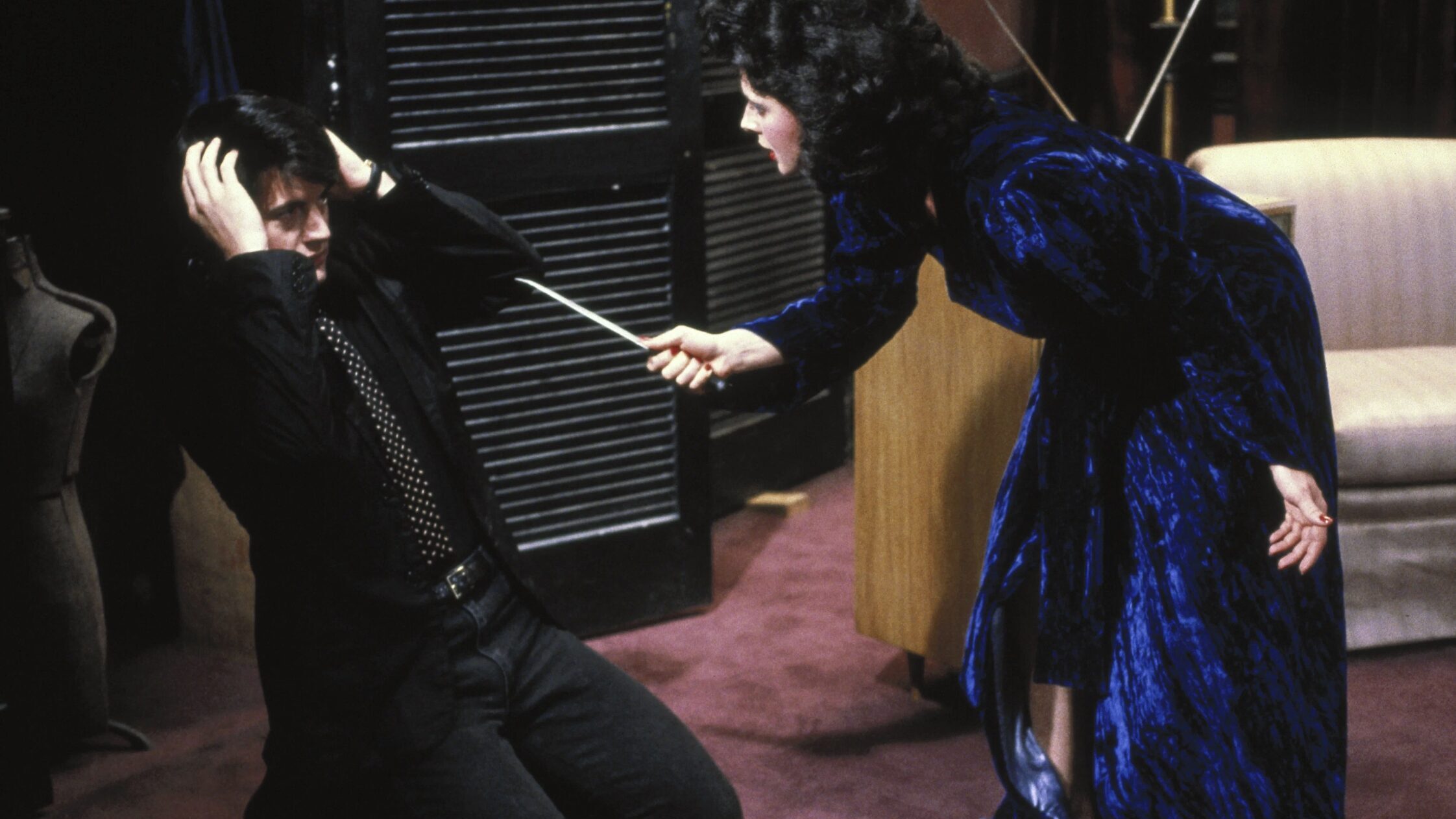
On November 27, the monochrome drama 'The Elephant Man' was re-released — a hypnotic exploration of the essence of human nature in the setting of Victorian England. On this occasion, we recall various theories and concepts of watching David Lynch's f...
Rodney Ascher and 'Wild at Heart'
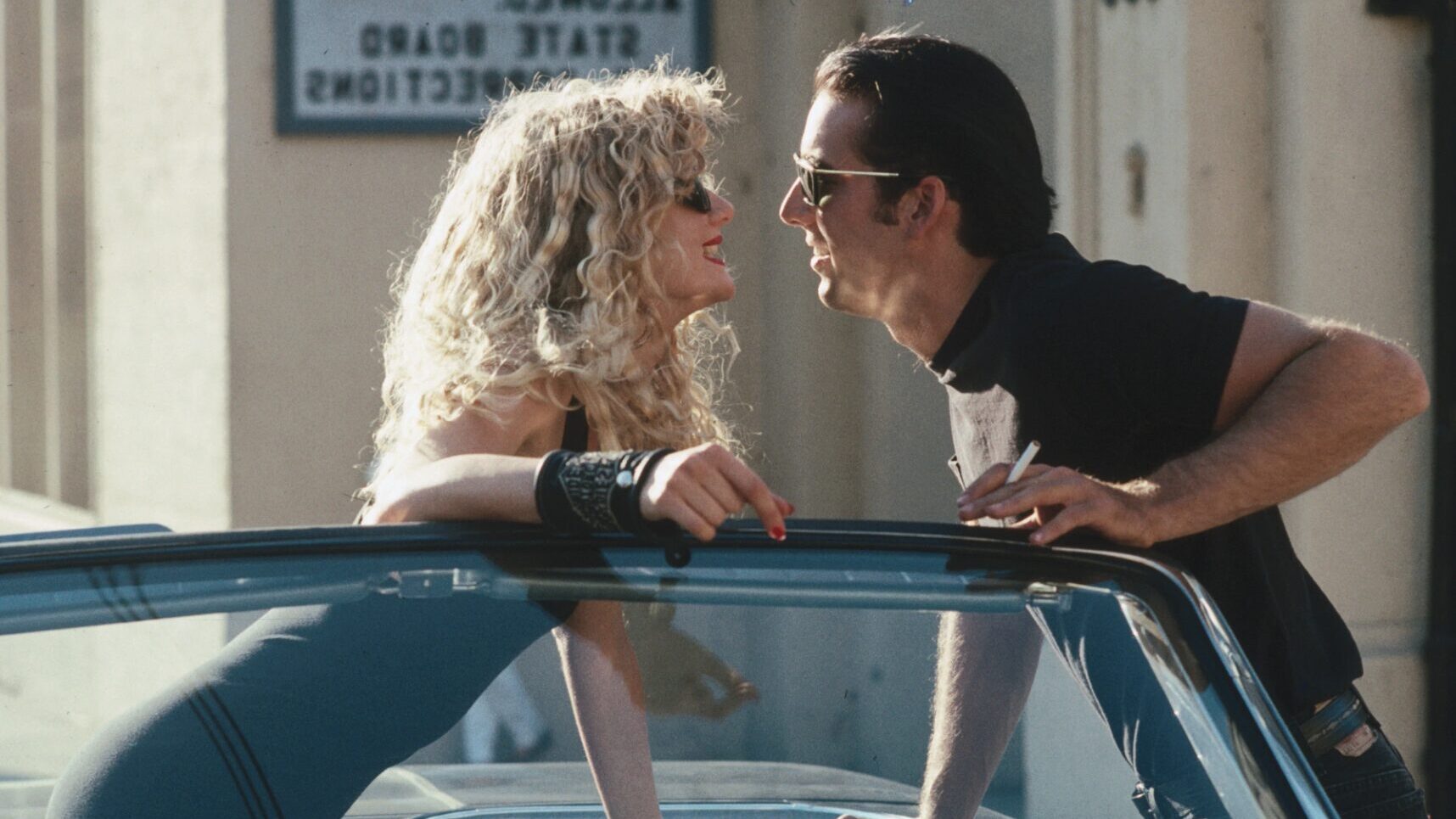
Rodney Ascher is the leading post-post-meta-meta-structuralist of contemporary non-fiction cinema. With his characteristic meticulousness, he and several colleagues dissect the film 'Wild at Heart', comparing it frame by frame with other works by David Lynch, Hollywood classics, and fundamental plots of American culture. The process is conducted by Alexandre O. Philippe, director of the festival hit 'Lynch/Oz' from a couple of years ago.
The starting point is 'The Wizard of Oz', a work that has significantly influenced culture. Ascher finds numerous recurring structures, motifs, and images: Dorothy's red shoes ('Wild at Heart', 'Twin Peaks'), endless movement between worlds ('Lost Highway', 'Twin Peaks', 'Wild at Heart', 'Mulholland Drive'), curtains hiding the wizard ('Blue Velvet', 'Twin Peaks'). In other words, David Lynch's films should be watched while constantly thinking, comparing, searching for involuntary references and quotes. Caution: if you overdo this approach, you might accidentally summon the spirit of Vladimir Propp.
Slavoj Žižek and 'Lost Highway'
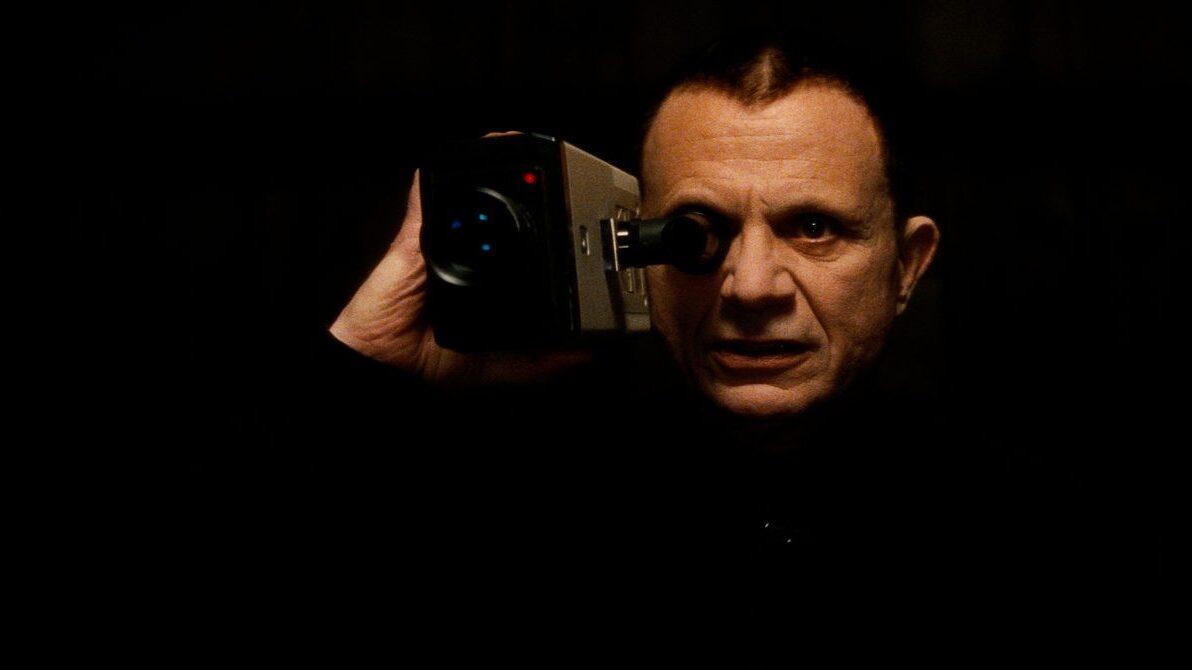
The key idea of 'The Art of the Ridiculous Sublime' is that in the director's works, something absurd and even comical suddenly becomes a reflection of desire, fantasy, and the unconscious, producing an effect of horror. Slavoj Žižek employs the terminology of Jacques Lacan's psychoanalytic theory. For example, a central place in Lynch's filmography is occupied by the 'split subject' (le sujet fendu or Spaltung) — the splitting of the hero's personality, doubling, two subjects in one body (Leland Palmer) or body swapping (Fred Madison).
Žižek views Lynch's films as a demonstration of the mechanics of desire, the full cycle of its 'life': how it is constructed, broken, repeated. In 'Lost Highway', he finds the greatest concentration of the director's core principles. Fred Madison experiences unhealthy impulses of jealousy, which drive the hero to crime. Then a fantasy escape scenario appears, the failure of fantasy, and the return of the real. Žižek looks at David Lynch's filmography from the perspective of psychoanalysis, that is, as a study of unconscious processes, giving them form through art.
Stephan Ghez and 'Twin Peaks'
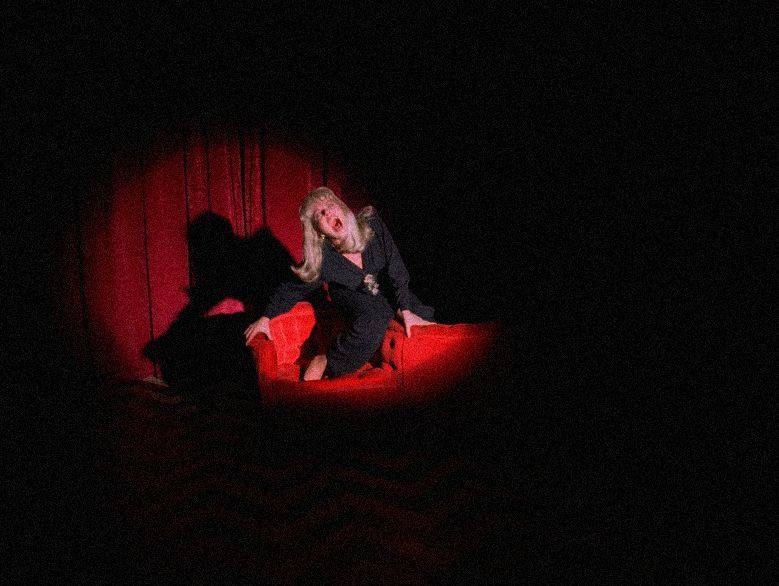
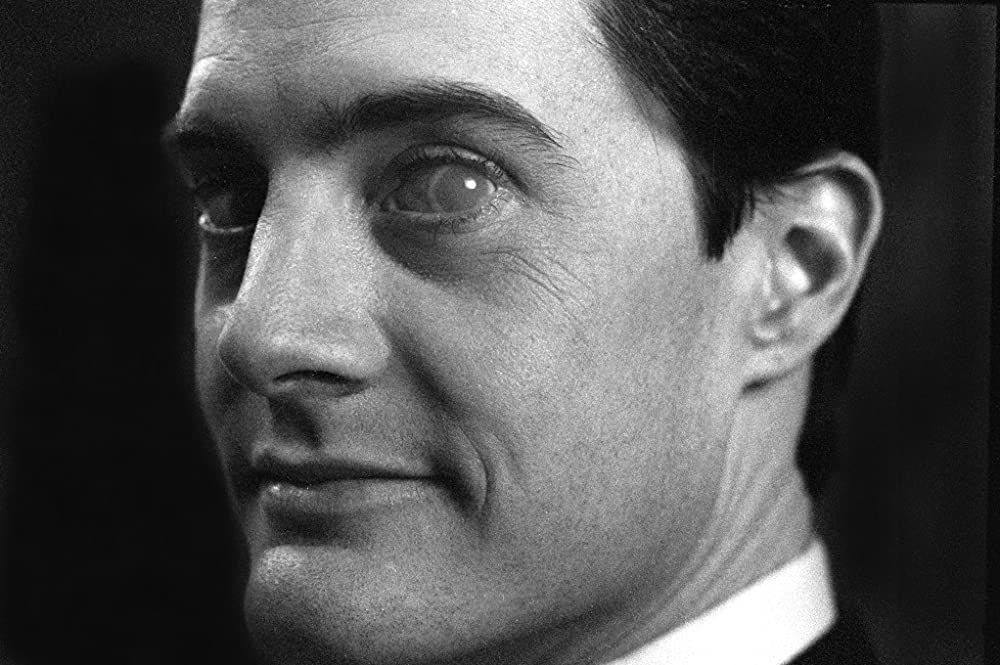
Stephan Ghez forms his interpretation in the non-fiction film 'Welcome to Lynchland'. The director and his interlocutors build a concept based on one basic theory: David Lynch created a complete, autonomous world that exists according to its own laws of psyche and dreams, which differ from reality. Therefore, every viewer, when interacting with his work, is not just engaged in a theme or idea, but enters a territory constructed by David Lynch.
The best illustration of this idea is 'Twin Peaks' — a ritual wrapped in the shell of a detective story: the value is not in the solution (there is none), but in the very state of being in Twin Peaks, a city of collective unconscious, fears, desires, and dreams. Stephan Ghez advocates an approach where the viewer is not an interpreter but a participant, entering 'Lynchland' to experience a variety of feelings, sometimes extremely intimate.
Dennis Lim and David Lynch
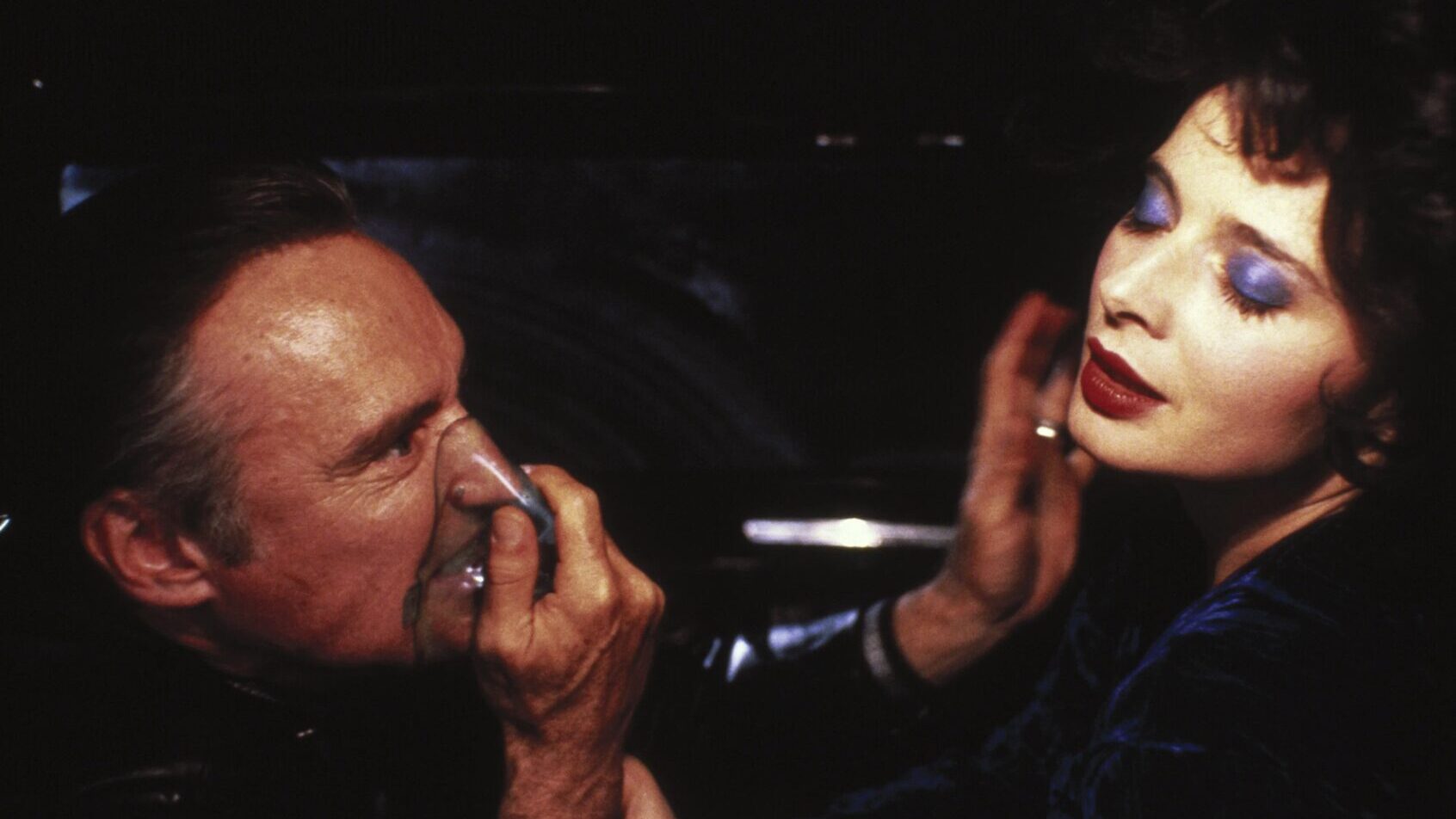
Dennis Lim does not provide his own interpretation of the director's filmography; on the contrary, he emphasizes that Lynch is an artist who resists explanation. In contrast to Rodney Ascher, Lim does not consider it possible to decipher the images and symbols created by Lynch, since his films are not puzzles but experiences. Dreams, pain, music, interiors, dread, doubling — ways to convey mood. All that remains is to accept, relax, and feel.
Lynch's work, according to this approach, affects affectively. Its dreamlike atmosphere is another form of reality, not an equation that can be solved if you sharpen your pencil enough. In tune with this tone, Dennis Lim forms the concept of 'uncanny strangeness' that permeates the director's entire filmography. But this concept does not explain the cinematic language; rather, it emphasizes the instability and fluidity of David Lynch's world. One must plunge into such a whirlpool without thinking, trusting the flow.
David Lynch and the Big Fish
Ideas come to David Lynch in fragments, barely perceptible flashes. They dictate the mood of the future film, but the plot point never became the primary basis; it is always something abstract: 'Blue Velvet', for example, emerged from scarlet lips, green lawns, and the song 'Blue Velvet' performed by Bobby Vinton. After these initial images, Lynch does not rack his brain at night with Dan Harmon's story circle; on the contrary, he looks inward, because everything is already within him, now he just needs to find it.
The formation of the future film occurs intuitively, as the director dives into the streams of his consciousness precisely in meditation. It does not give him the necessary keys and metaphors as if by magic, but becomes a tool for exploring himself. The same happens with watching his films — this experience depends on the viewer themselves, because 'everyone looks, thinks, and feels differently'. This process is always individual and almost sacred: everyone sees in Lynch's film not what they want to see, but what they can see — 'the world is as you are'.
Comments
0No comments yet.