
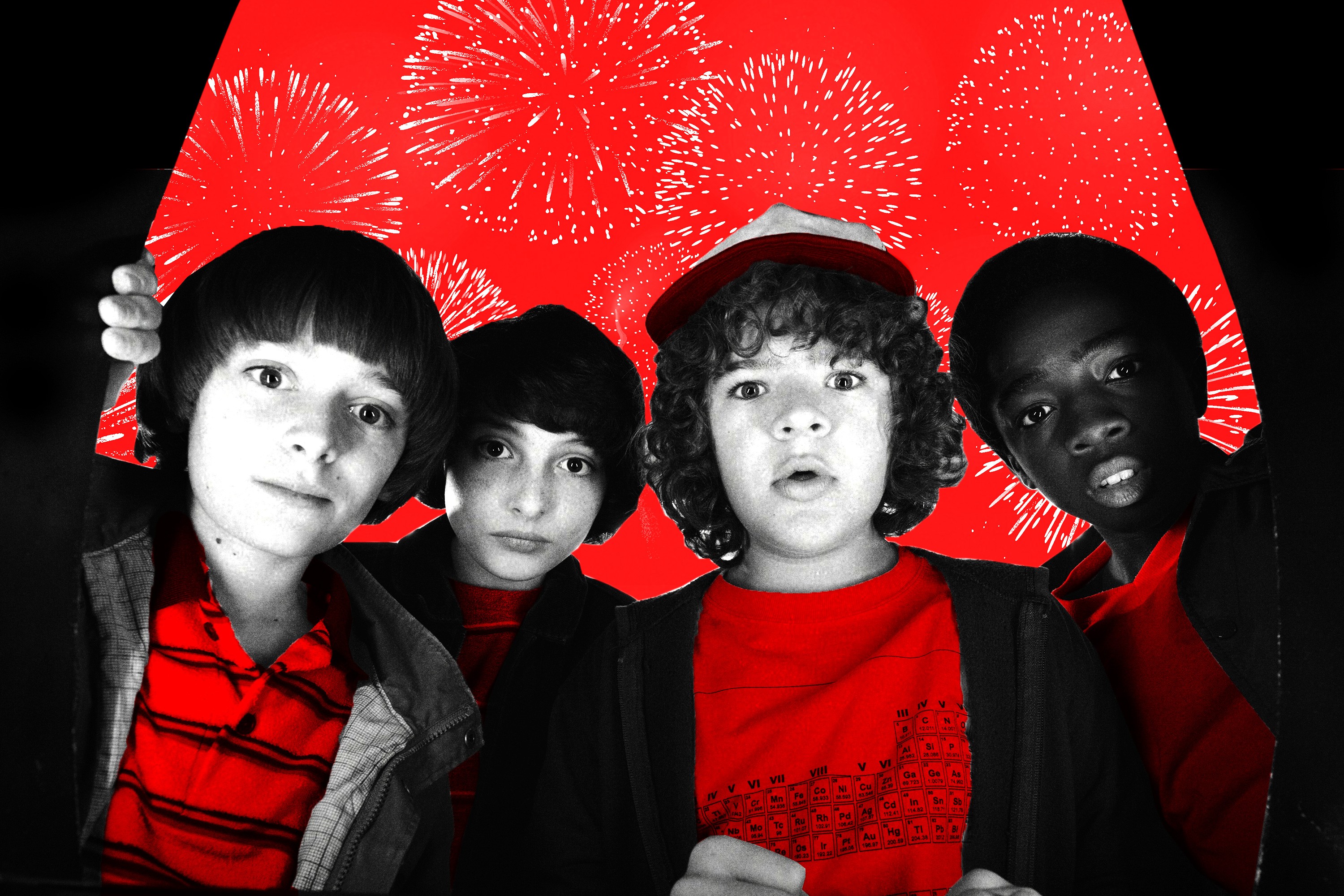
Watching the final episodes of Stranger Things together. Nostalgic for the coziness of the first season. And saying goodbye to Hawkins. Why did Stranger Things become a cultural phenomenon and how was geek culture sold to Zoomers? Let's talk about it...
Stranger Things (better known as Stranger Things) didn't just burst into pop culture; it became a true cultural phenomenon, whose 5th season millions have been waiting for.
Let's be honest: this is one of the few mainstream series of the last decade whose finale generated as much collective anticipation as Game of Thrones did in its time.
And now, whenever kids on bikes appear anywhere on screen, our first association is a scene from Hawkins. The series by the Duffer Brothers didn't just achieve record viewership on Netflix; it created its own world, and most importantly, its own cultural language.
Yes, the plot was sometimes rough, character actions not always logical, and the finale almost predictable. But that doesn't negate the main fact: the audience waited, and they will rewatch it. Rewatch it for that unique atmosphere that gives us nostalgia and memories.
How did this series change pop culture, the geek community, the film industry, and social media trends? Let's reminisce together.
And if you want to recall the plot and read about preparations for filming season 5, follow this link.
How to Sell Vintage to Zoomers
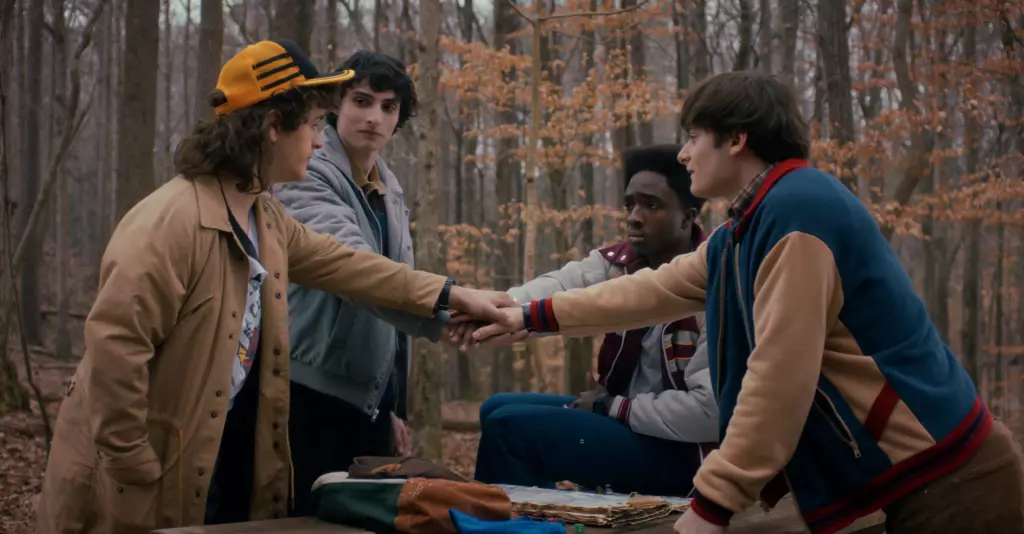
The success of Stranger Things (whose first season premiered back in 2016) is based on a subtle, almost magical work with affective memory. It's when you don't recall an event as a plot, but relive the feeling associated with it. And surprisingly, the creators managed to appeal both to those familiar with 80s culture and to the younger generation, who perceive this era more as stylish vintage.
But the series didn't just become a mishmash or homage. In each season, the authors left a kind of "love letter," where elements of past pop culture (record players, walkie-talkies, board games, arcade machines, posters, Spielberg films, music) served as warm memories of carefree childhood. At the same time, they were inspiration and cool aesthetics for Gen Z and millennial audiences.
The result was a perfectly designed cultural bridge.
If I only could, I'd make a deal with God…
One of the most powerful manifestations of the series' influence was the revival of old music hits, which also showed the industry a new model for monetizing back catalogues in the streaming era.
Stranger Things proved that a song embedded in a critical plot point goes viral, regardless of its genre.
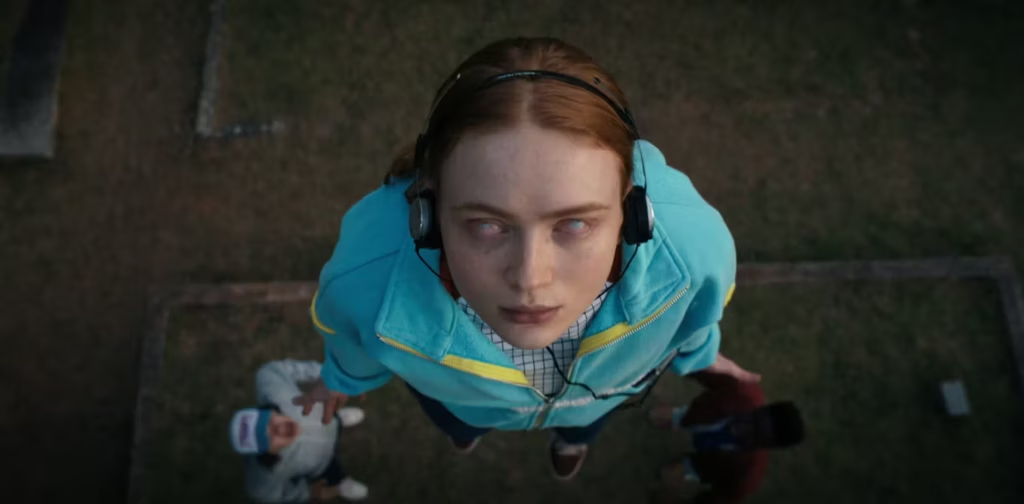
The iconic “Running Up That Hill” (RUTH) by Kate Bush from 1985 got a "second life" after the release of season 4. The track stormed the charts 37 years after its release, surpassing modern hits.
The influence wasn't limited to art rock. The scene where Eddie Munson heroically performs “Master of Puppets” by Metallica in the finale of the same fourth season became the second viral moment. The classic thrash metal anthem also returned to the top of streaming services, garnering millions of views.
And let me predict: if you were woken up in the middle of the night and asked to hum the theme of Stranger Things, you'd do it without fail. The unique synthesizer music by Kyle Dixon and Michael Stein (the band Survive) became the series' calling card.
From Outcasts to Heroes
Geek culture is another area where the series made a significant contribution. At the center of the plot are teenage geeks who love board games, science fiction, and comics. Their positive portrayal itself became iconic. The show became a kind of tribute to all "nerds" and "outcasts," demonstrating that anyone can be a hero. This message noticeably influenced attitudes toward the geek community, even making it mainstream. The actors themselves have repeatedly mentioned this in interviews.
Dungeons & Dragons
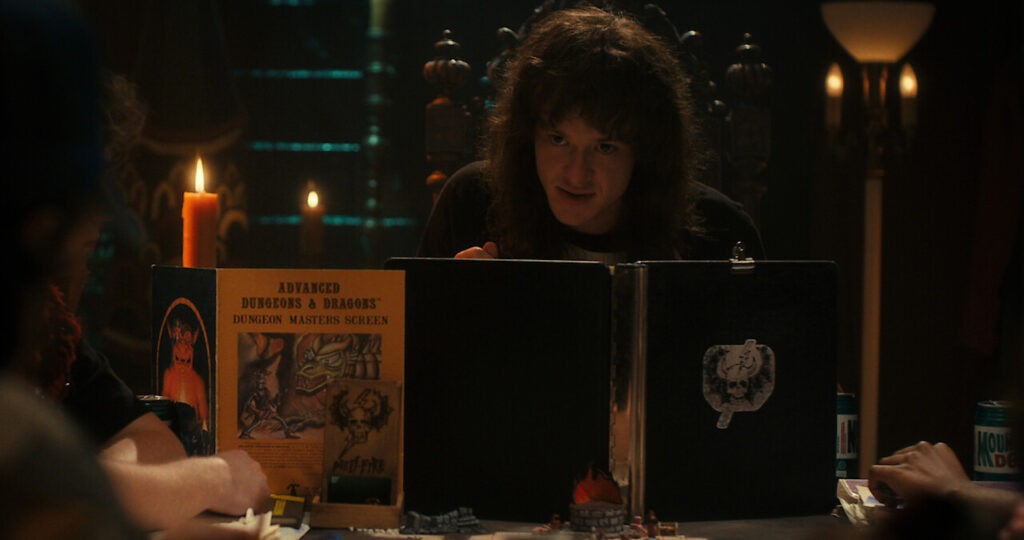
One of the coolest and most positive consequences was the popularization of Dungeons & Dragons (D&D). From the very beginning, the game was integrated into the plot, metaphorically depicting the Upside Down, the Demogorgon, and the heroes.
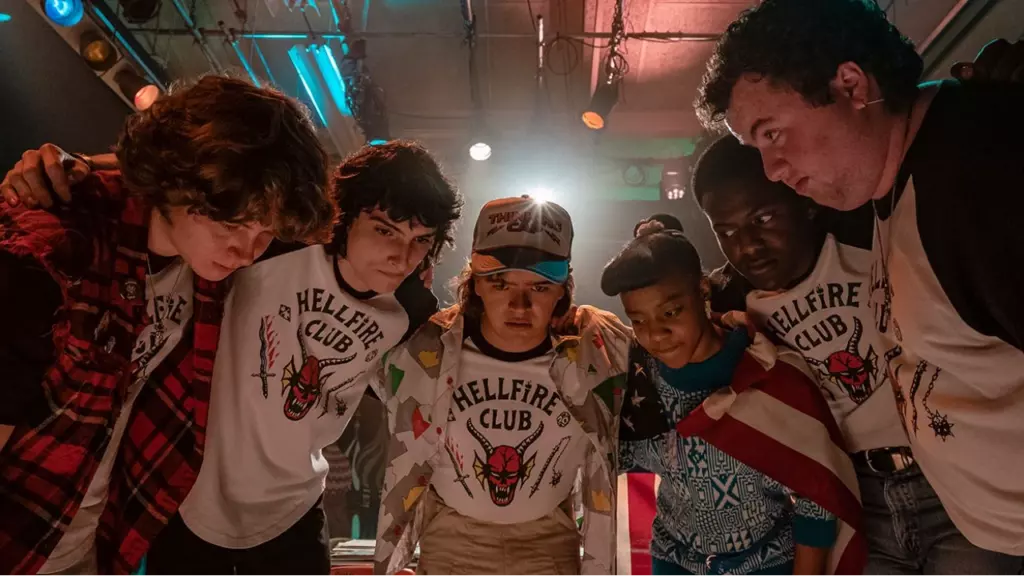
And the Hellfire Club itself finally legitimized the game, presenting it as a symbol of friendship, creativity, and even social protest.
As a result: digging through old news, you can find statistics — Google searches for "how to play Dungeons and Dragons" increased by 600%.
Netflix essentially turned the series into a giant advertisement for the board game, even releasing a special starter set with the logo. In the era of video games and the internet, such a surge of interest in "pen-and-paper" role-playing games is surprising, but true.
On the wave of this success, the popularity of streams and shows where celebrities and bloggers broadcast their sessions of the story-driven board game skyrocketed (hello, Chicken Curry dungeon).
Influence on Hollywood
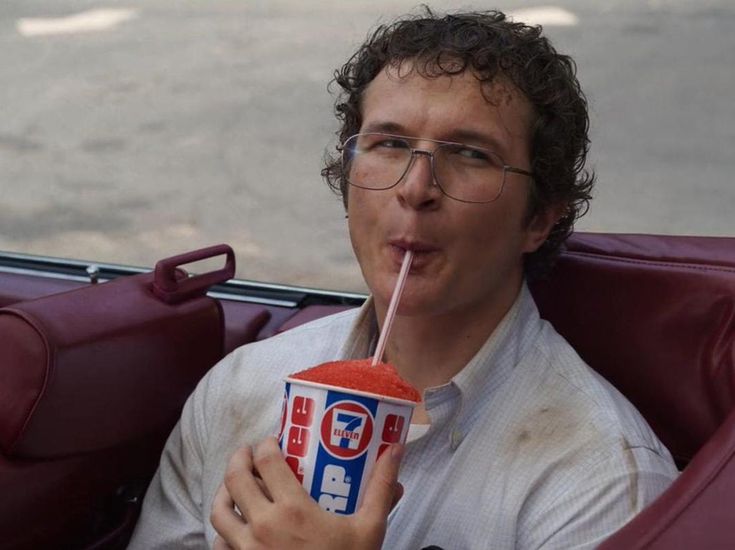
The phenomenal success of the series did not go unnoticed in Hollywood, influencing trends in cinema as well. Studios have now learned: combining nostalgia, the adventure genre with teenagers, and elements of horror can conquer everyone. And make a lot of money.
After all, Stranger Things created a skillful cinematic hybrid, adeptly combining the style of Spielberg's adventure films (teenage friendship) with elements of Stephen King's horror (monsters and all those government conspiracies).
They boldly inserted recognizable pop culture quotes from other films into the characters' phrases and dialogues, like Jaws, for example. Winning over those who love and champion the classics.
And the most obvious thing — after the series' release, there is a noticeable surge in projects exploiting the same aesthetic: It (2017) moved the action to the 1980s; Paper Girls (2022), Ghostbusters: Afterlife (2021). The latter went all out by casting an actor from Stranger Things. And these are just a few examples; we could go on and on.
FMM: Fashion, Merch, and Memes
The launch of the series coincided with a new trend in content consumption — let's call it binge and continuous. Netflix first hooked everyone on this needle (binge-watching, in fancy terms), and then began splitting seasons into two parts, clearly strategically, to artificially prolong the series' dominance, boost ratings, media buzz, and virality.
The series sparked a global surge of interest in 80s fashion.
Max's hoodie and vintage Hellfire Club t-shirts became instantly recognizable merchandise. Major brands (like Quiksilver, Nike, Converse) actively integrated, creating collections inspired by the aesthetics of Hawkins and the Upside Down. It even reflected on retro brands like Polaroid.
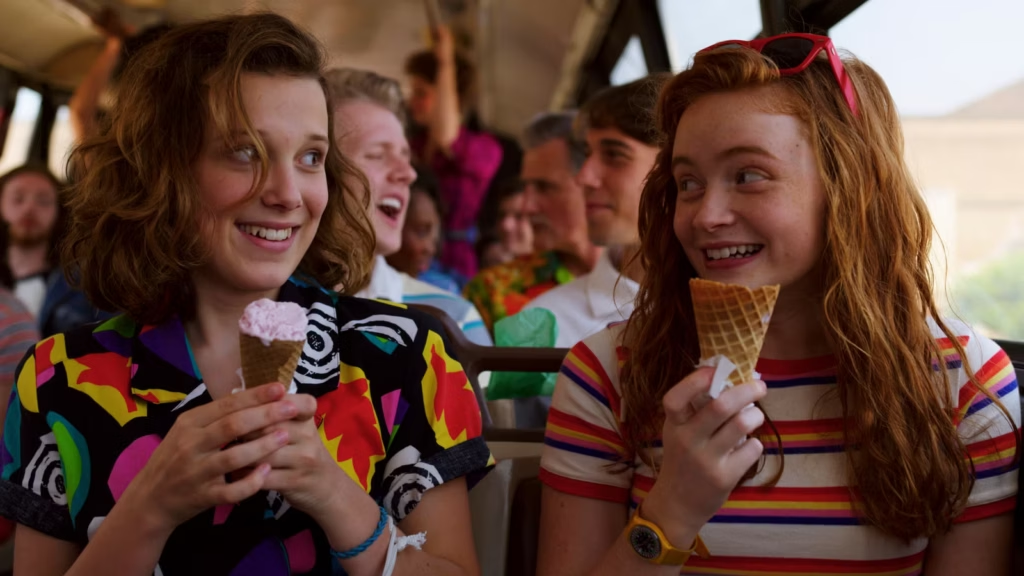
Eleven's favorite waffles (Eggo) instantly became a cult meme. Sales grew at double-digit rates, and the Kellogg's brand released a limited edition with the series' branding.
Marketers still parasitize on the "Stranger Things effect," much like they do on millennials' love for Harry Potter.
And the immortal symbol of the series will, of course, be the Christmas lights. And also our reaction to flickering lights — maybe someone from the Upside Down is trying to contact you.
The series, of course, spawned many viral memes and trends, cementing its presence in internet culture.
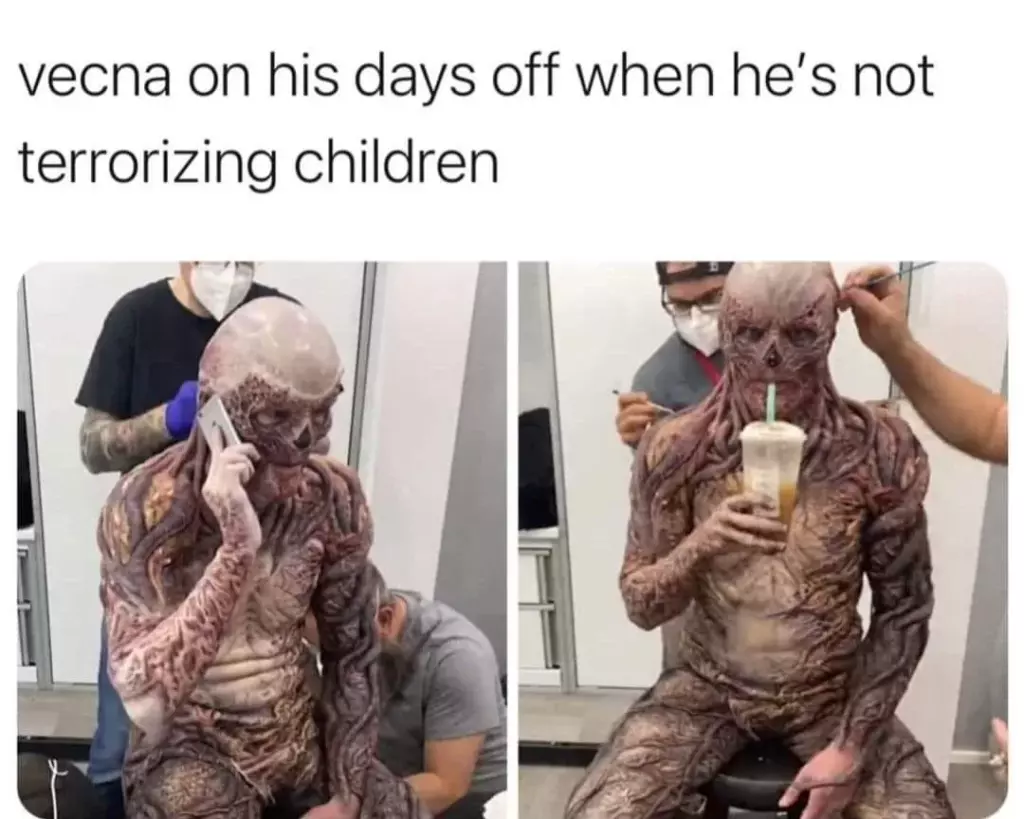
Remember how everyone chose their favorite song that would save them from Vecna? Or hummed "Never Ending Story" on TikTok?
It gave the internet beloved recognizable characters (and Halloween costumes), as well as phrases like “Friends don’t lie” or “Mornings are for coffee and contemplation.”
What is the Legacy?
I can confidently say that Stranger Things will go down in history as a textbook example of hitting the target audience. The series showed how the power of nostalgia, multiplied by quality storytelling, can unite different generations, bring geek culture out of the shadows, and inspire filmmakers to search for their "own Stranger Things."
And yes, the phenomenal success also had its downside. With each season, increasing the budget and ambitions, the series inadvertently faced a problem. What started as an intimate, cozy, and slightly creepy horror about kids in a basement and a small provincial town gradually turned into a global battle to save the world with multi-million dollar special effects and complex, sometimes excessive plot lines.
So critics and viewers rightly note that this escalation often deprives the show of its original charm. We lost the intimate atmosphere, but gained a blockbuster that stands alongside other great cultural phenomena of recent years.
Perhaps this is Netflix's last great pop myth.
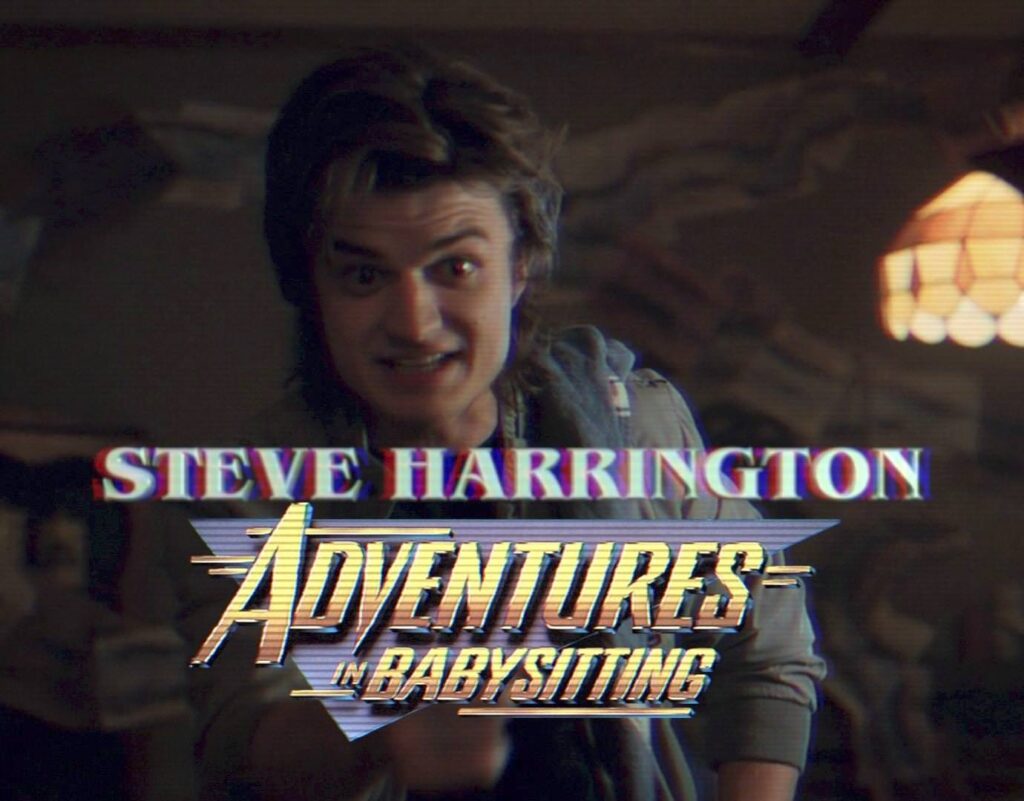
And I'm ready: just let them try to kill Steve Harrington — the author of the material will spam all their social media and write a petition to cancel the finale.
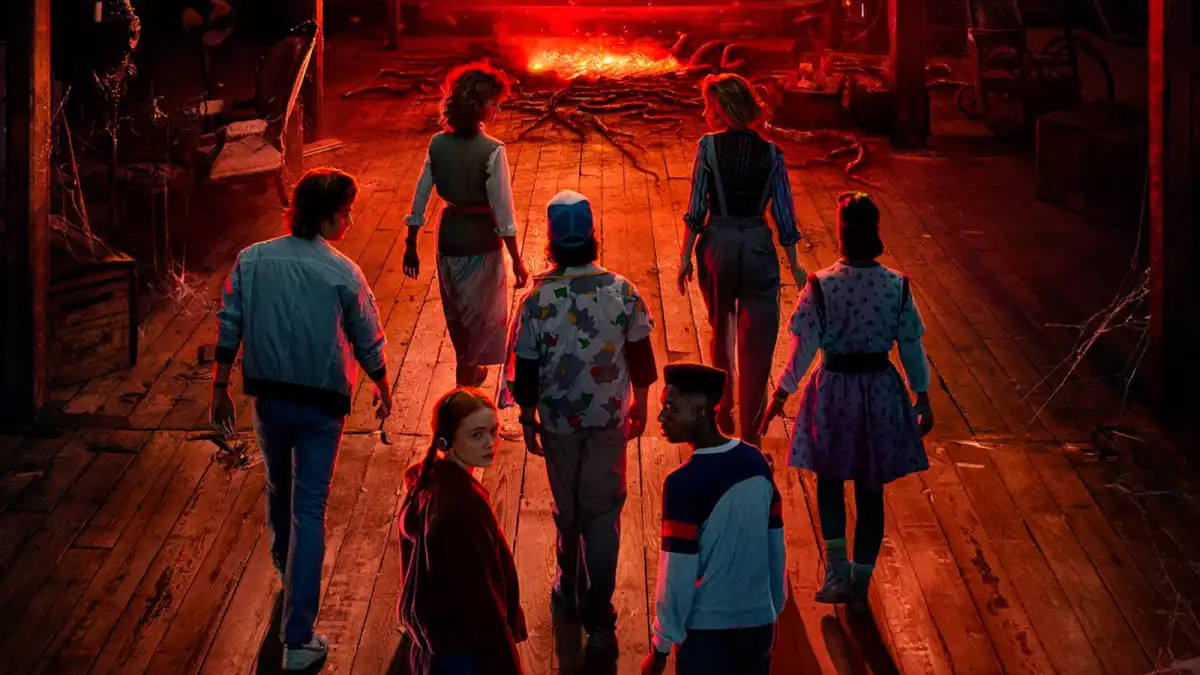
If Steve Harrington dies, we're ready to write a petition to Netflix.
Open material
Comments
0No comments yet.
Sign in to join the discussion.