
Biographical films most often tell stories of success—in career, sports, or life situations. But life is not always about achievements; there is plenty of room for other events. We have compiled a selection of exactly such films, honest and not idoli...
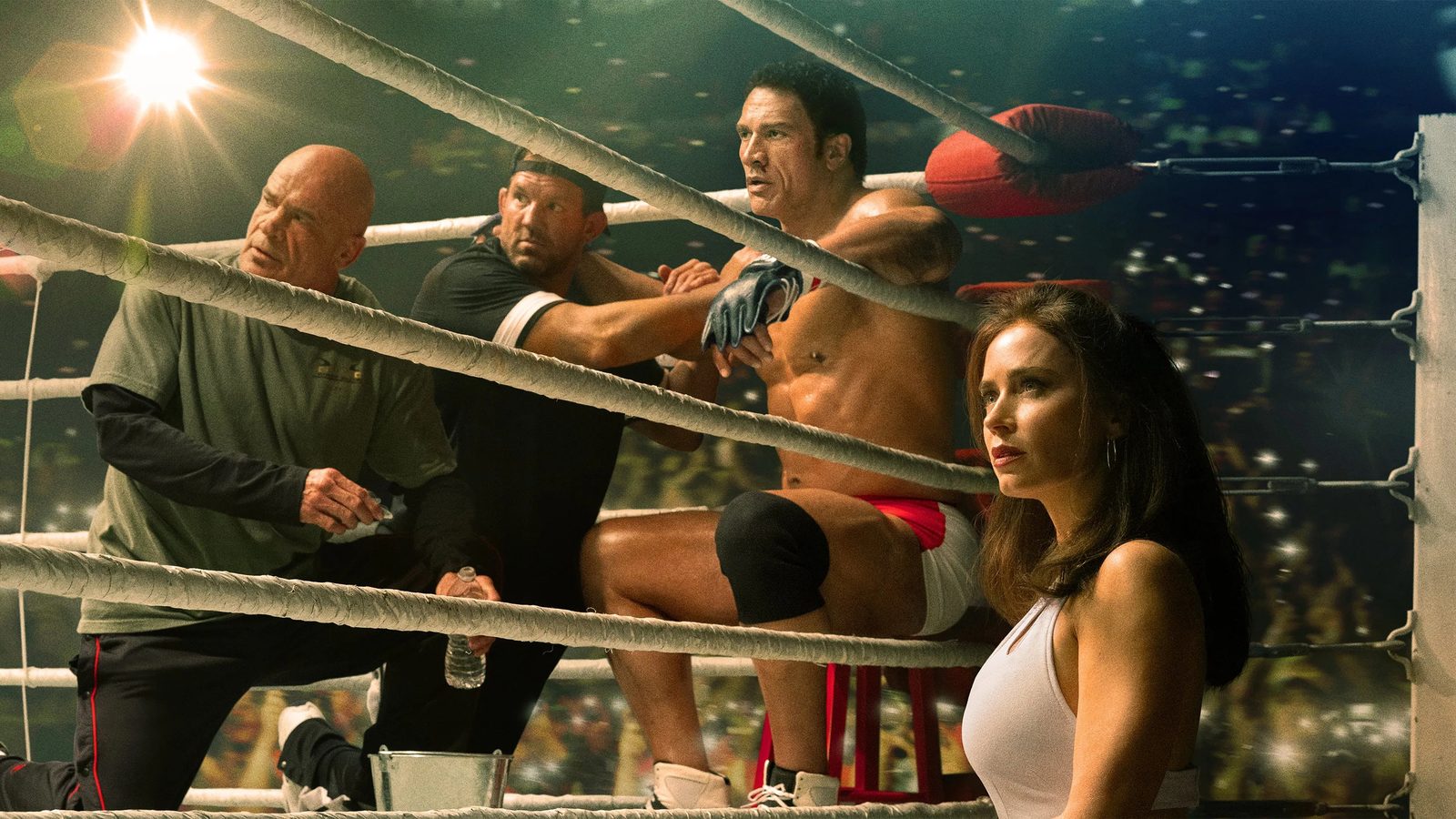
"The Smashing Machine" starring Dwayne Johnson, which recently appeared online, reminded us that real biographical stories rarely fit the "rags to riches" template. The story of Mark Kerr is less a pompous saga of sporting triumph and more a candid account of addiction, inner demons, and the fragility of a person behind the mask of an "invincible machine." Benny Safdie (directing for the first time without his brother) showed not a triumphant UFC champion, but a living person fighting himself much more fiercely than any opponent in the ring or octagon. It is precisely these biopics—honest and unromanticized—that are more often remembered against the backdrop of formulaic films. We have gathered films that do not try to sell the viewer a beautiful fairy tale about success, but focus on individual episodes, moments of weakness, and the humanity of real heroes.
"Ed Wood" (1994)
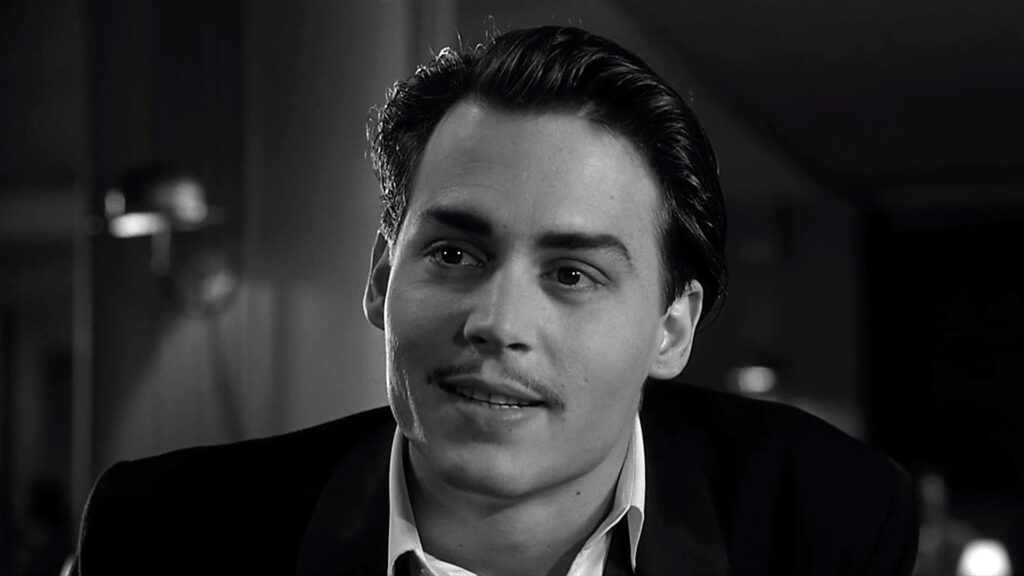
in 1994, he made a tender biopic about the biggest loser in film history. Johnny Depp plays Edward Wood Jr., a director whose name became synonymous with cinematic trash. Instead of mocking his hero, Burton made a film that confesses love for passion and selfless dedication to a craft that everyone else only laughs at.

While Netflix's record-breaking series 'Wednesday' by Tim Burton continues to break records, our team has chosen 10 best projects by the master of gothic and unconventional cinema.
Open materialThe film covers only six years of Wood's life—from his debut "Glen or Glenda" to the legendary "Plan 9 from Outer Space." There is no story of ascending to Olympus, only endless attempts to find a meager budget for another dubious project.
The film flopped at the box office and didn't even recoup its modest $18 million budget, but today it is perhaps Burton's most personal work.
"127 Hours" (2010)

Danny Boyle turned one man's nightmare into a minimalist thriller about willpower. The story of climber Aron Ralston, who spent 127 hours trapped in a canyon with his arm pinned by a boulder, is a claustrophobic journey to the edge of human capability. The film focuses on one short episode that turned the hero's life upside down.
Boyle and James Franco do not try to heroize Ralston—rather, they show how recklessness and overconfidence can turn into mortal danger. The viewer gets 93 minutes of psychological pressure, where the main conflict unfolds inside the man's head.
The director spent over four years securing the rights to adapt this story, and the result is poignant—a film about how survival requires sacrifices, and those sacrifices can be monstrous.
"Capote" (2005)
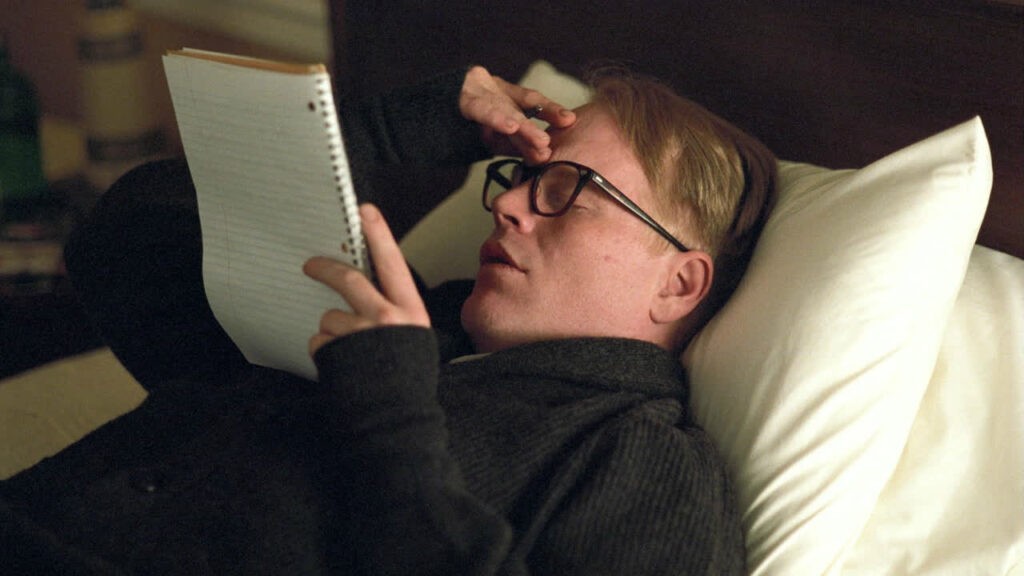
One could easily make a traditional story of triumph about Truman Capote. However, Bennett Miller instead created a portrait of a man who sold his soul for a literary masterpiece. The film covers just four years—from the moment Capote read about a brutal murder of a family in Kansas to the publication of "In Cold Blood."
Philip Seymour Hoffman, who won an Oscar for this role, shows the writer as a manipulator who uses death row inmate Perry Smith for his book. Capote even secretly hopes for the criminal's execution to finally finish the novel and gain recognition, while outwardly playing the role of his only friend.
This is a biopic about the dangerous closeness between an artist and his material, about how creative obsession turns a person into a monster. Miller does not try to justify or condemn Capote—he simply shows the price sometimes paid for creating a great work.
"I'm Not There" (2007)
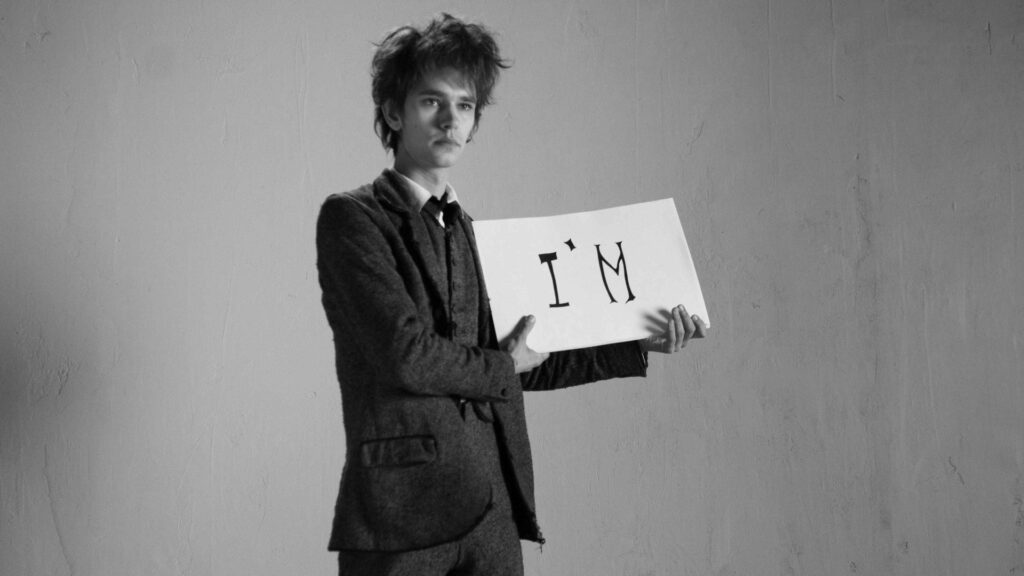
Todd Haynes decided that one actor was not enough to contain the personality of Bob Dylan within the framework of a traditional biopic, and made a film where the musician is played by six different people, including Cate Blanchett. The director abandoned linear storytelling and focused on individual facets of Dylan's character, turning the biography into a kaleidoscope of images and metaphors.
There is no attempt to trace the path from childhood to triumph—only fragments that form a portrait of a multifaceted personality. Haynes approaches biography as a puzzle where facts are less important than the feeling of complexity and contradiction of a real person.
The film covers the period of Dylan's formation, but does so in such an unconventional way that the viewer gets a whole poetic reflection on the nature of talent.
"Blonde" (2022)

Andrew Dominik created a film about Marilyn Monroe that sparked a storm of outrage precisely because it abandoned biographical accuracy in favor of psychological truth.
The director takes real markers of the actress's life—marriages to Joe DiMaggio and Arthur Miller, career rise, miscarriage—but transforms them into a hallucinatory stream of images. This is more the story of the girl Norma Jeane, who could not bear her own ambitions and the weight of the image she created, than a chronicle of the legendary actress's success.
Dominik deliberately blurs the line between document and fiction, focusing on internal drama rather than external events. The film shows the slow destruction of a personality under the pressure of fame, which is strikingly different from most biographical films.
"The Social Network" (2010)
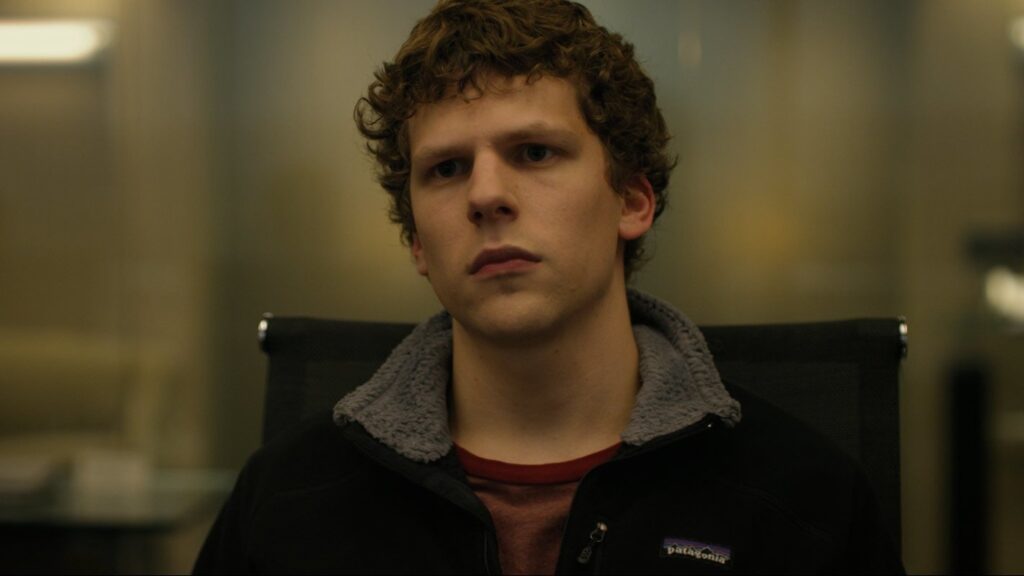
David Fincher created a biopic that Quentin Tarantino called the best film of the past decade, but it is not a story of a media magnate's triumph. The film shows just one year in the life of Mark Zuckerberg—the period from 2003 to 2004, when a Harvard student created Facebook after breaking up with his girlfriend.
Fincher makes a brilliant move: the ups and downs of Facebook are merely a backdrop for a Shakespearean story about the breakdown of friendship, betrayal, and loneliness. Jesse Eisenberg plays an irritable prodigy who destroys all relationships around him for success. At the center of the film is a paradox: a site created to connect people is built on betrayal, and a man with millions of followers constantly refreshes the page of that same ex-girlfriend.
Screenwriter Aaron Sorkin (whose influence here is perhaps even greater than Fincher's) wrote not an inspiring fairy tale about entrepreneurship, but a harsh parable about the price one must pay for a place at the top.
"Never Look Away" (2018)

Florian Henckel von Donnersmarck made a film about artist Gerhard Richter without even naming him. The director focused on the early stage of his career, the atmosphere of the Düsseldorf School of Arts, where young artists search for their style and try to invent something new.
The film shows the routine of creative search, periods of doubt, and the first uncertain works—all that usually remains off-screen in traditional biopics.
Von Donnersmarck does not seek to canonize Richter; instead, he shows the process of becoming an artist as a series of trials and errors. The viewer sees a confused student who does not yet understand who he will become.
"Mrs. Lowry & Son" (2019)
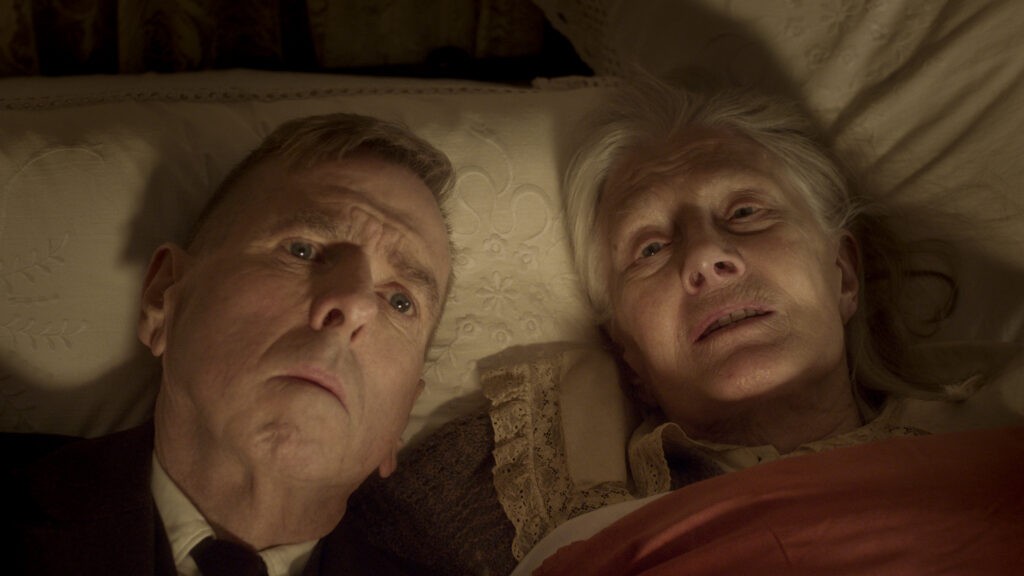
The film about British painter Laurence Stephen Lowry focuses on his relationship with his aging mother, not on his creative achievements. The film shows a man who simply had no time for his own life: by day he collected rent for a real estate company, in the evening he cared for his mother, and at night he painted.
Lowry never married, never started a family—his entire life was devoted to caring for a sick parent and nighttime creativity. Therefore, this is more a story about the sacrifices and compromises an artist makes for the chance to create than a biopic.
The director deliberately avoids pathos, showing the everyday routine of a man whose life was far from the romantic image of a free artist.
"Mr. Turner" (2014)
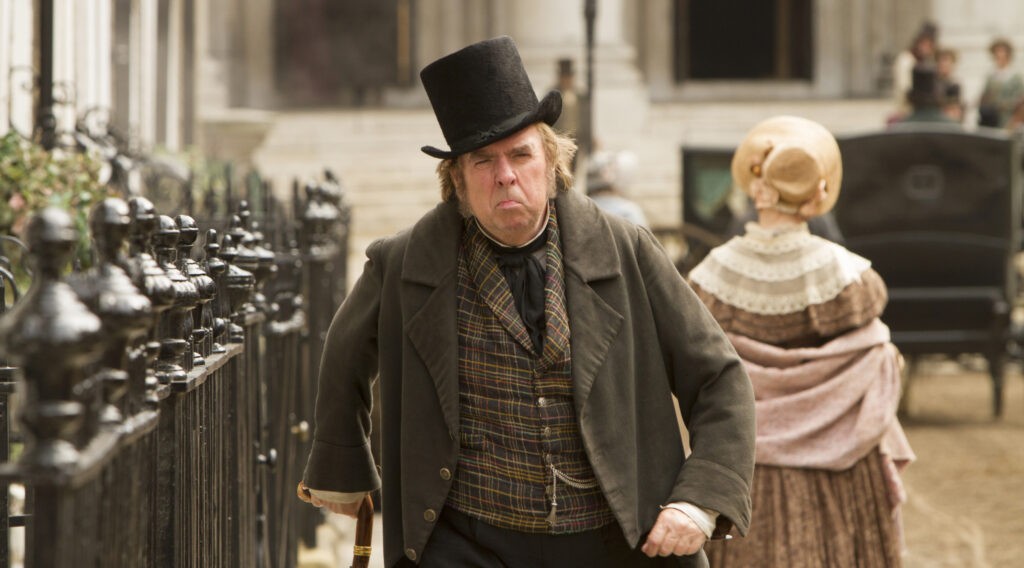
Mike Leigh made a portrait of eccentric British painter J.M.W. Turner, who did not fit into the academic painting of his time. The film focuses on the last years of the master's life, when the academy mocked his work and rare sales barely allowed him to survive.
Leigh shows Turner as a complex, contradictory figure—a talented artist with a striking vision of the world, who nevertheless remained socially maladjusted and set in his ways.
There is no story of the genius's recognition here—only the daily struggle of a man who sees the world differently than everyone else and pays for it with loneliness.
"Roofman" (2025)
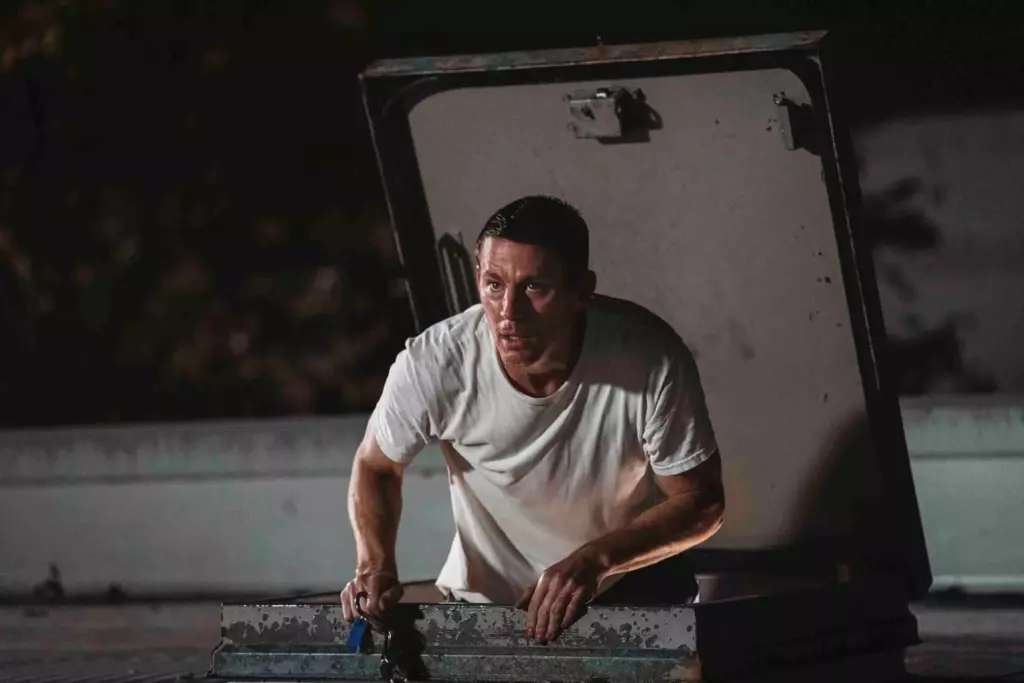
Derek Cianfrance made a tragicomedy about the most absurd fugitive in American crime history. Channing Tatum plays Jeffrey Manchester, a former U.S. Army Ranger who robbed over 60 McDonald's restaurants by entering through holes in the roofs. Sentenced to 45 years in prison, he escapes and secretly lives in a Toys "R" Us store for six months, only going out at night.
The film never romanticizes the criminal and his successful escape attempts—rather, it shows an infantile man trying to compensate for failed fatherhood with gifts and stolen money. Cianfrance focuses on a specific episode in 2004, when Manchester set up a home in a supermarket and started a romance with a saleswoman named Lee, without telling her about his criminal past.
This is a story about an attempt to build a normal life in abnormal circumstances—an attempt that was doomed from the start. The film hardly resorts to artistic fiction, because Manchester's real story itself is striking in its absurdity.
All these films share one thing: they refuse to mythologize their heroes. Instead of triumphant arcs and inspiring speeches, the viewer gets fragments of real lives—with all their failures, weaknesses, and moments of doubt. "The Smashing Machine" with its candid account of a UFC champion's drug addiction fits perfectly into this tradition. Such biopics do not give simple answers or offer ready-made formulas for success, but they show real people behind public masks.
Comments
0No comments yet.
Sign in to join the discussion.