
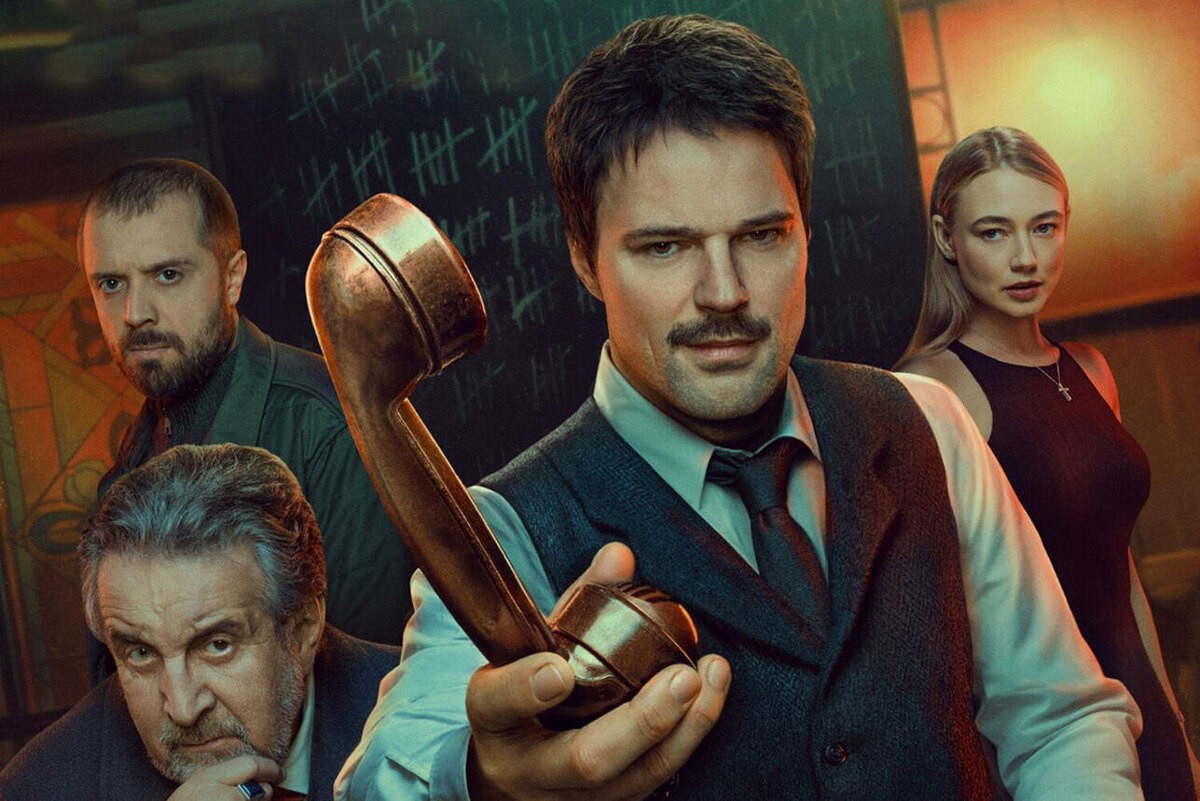
After several years of anticipation, the series 'The One Call Bar' was released on the KION platform, featuring one of the best roles in Danila Kozlovsky's career. We tell you more about the project itself, its themes, and characters.
It so happens that the author of the article describes projects with Danila Kozlovsky later than others, not succumbing to the general wave of reviews, having thought through and gathered all thoughts. This was the case with , and it happened with the series 'The One Call Bar' . We waited for the project, and now its analysis is ready.

At the beginning of the year, Danila Kozlovsky's new project 'Karamora' was released. We didn't talk about it right away, but gave ourselves some time to comprehend what was happening on screen. As a result, we can say
Open materialThe material contains spoilers.
A Bar Not for Everyone, but for Each
'The One Call Bar' is a series permeated with a mystical atmosphere, deep philosophical reflections, and dramatic power that captivates the viewer from the first minutes. At the center of the plot is a mysterious bar where, in a very short time, you can contact the dead, but you have to pay a high price for this opportunity — to play a dangerous Russian roulette where each call carries a deadly risk. This series is a metaphor for human fears, guilt, and regrets, as well as their struggle for redemption and forgiveness.
'The One Call Bar' immerses the viewer in a world of illusion and superstition, where the boundaries between life and death blur, and reality becomes a projection of the characters' mental suffering. The bar, which is both a real place and a symbol of people's inner world, appears in different corners of the city, remaining inaccessible to most and evoking a sense of magical mystery. The atmosphere inside the bar is rich and gloomy: retro details and vintage items evoke nostalgia and a sense of the transience of time.
Analysis of Characters and Their Psychological Motives
The main character is investigator Andrei Morozov (Alexander Ilyin Jr.), driven by an irrepressible desire to find his missing son. He confronts inner demons associated with loss and guilt, and is presented as a man mired in his own suffering, seeking solace and truth, and his path is an attempt to reconcile with the past through visual and spiritual chaos.
Morozov is a typical person faced with mysticism, where rationality and logic do not always work: despite his professional approach, he finds himself drawn into the world of the irrational and dangerous bar, which appears and disappears in different places in the city. In the first episodes, we seem to observe a cruel game of cat and mouse, where our hero loses time after time.
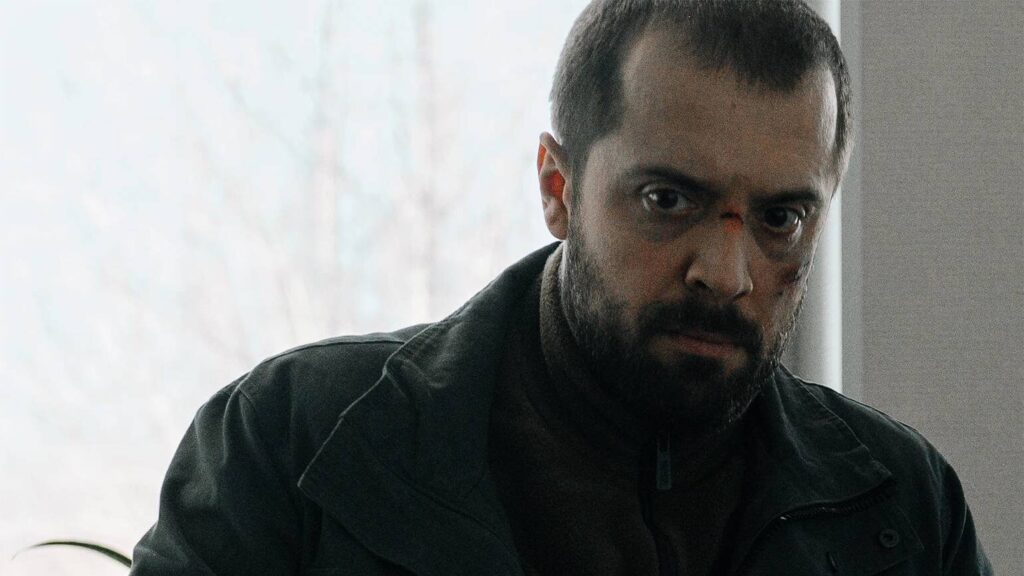
Morozov's internal conflict is connected not only with the search for his son, but also with feelings of guilt and inability to protect his loved ones. His obsession with finding Vitya is both a manifestation of fatherly love, especially considering that Vitya is not his biological son, and a painful process of self-discovery, during which he confronts his own fears and doubts. An important feature of the hero is his gradual immersion into the mystical sphere, when rational methods of investigation begin to lose to a place where the laws of the familiar world cease to operate. This turns Morozov into a character with a deep psychological portrait, balancing between faith and skepticism.
Bartender Zhenya (Danila Kozlovsky) is a key figure whose image recalls the eternal struggle with fate, sins, and redemption. As the plot develops, Zhenya is revealed as a complex character, divided between the desire to free himself from the past and the need to stay in the bar, which has become both a prison and a place of redemption for him. His motivation is the search for a balance between the necessity of punishment and the hope for forgiveness. Through interaction with other characters and forced internal dialogues, he gradually realizes that past life and mistakes cannot be erased, but can become the foundation for inner transformation.
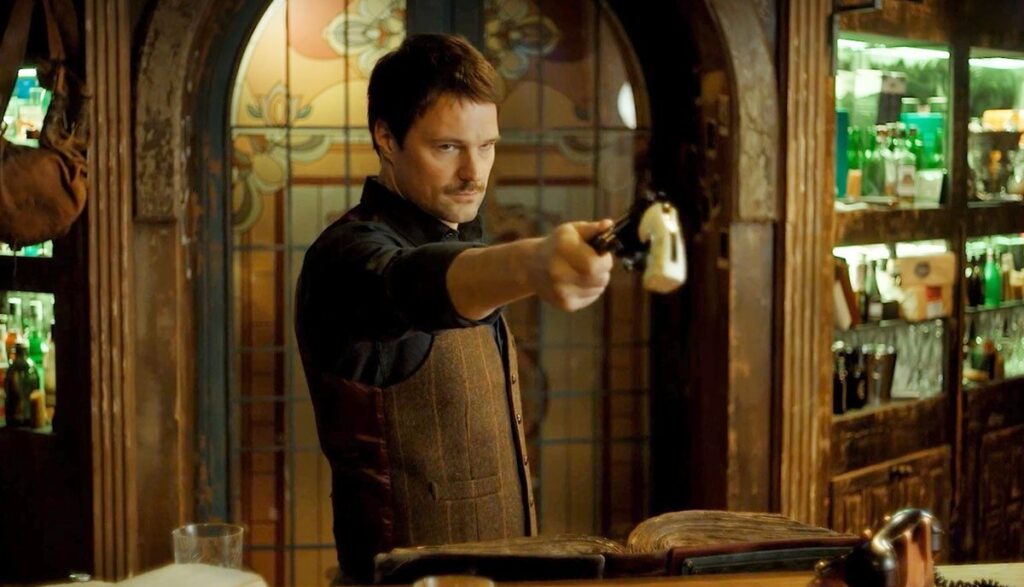
His final act — voluntary death to save another victim — symbolizes spiritual liberation and an act of atonement for his mistakes. His character is revealed through the inability to escape the past and a deep understanding of human nature, which seems to balance between good and evil, redemption and refusal of responsibility.
And to be honest, it was in this role that I wanted to see Kozlovsky for a long time. After a series of pompous and narcissistic images. Some sketches of such freedom in terms of acting had already begun to appear in , and here a real outburst happened. Watching how the hero laughs at his own jokes, collapses onto the bar counter and then falls off it is a pleasure. And the finale without a masterful and trademark hysteria makes one admire the talent.
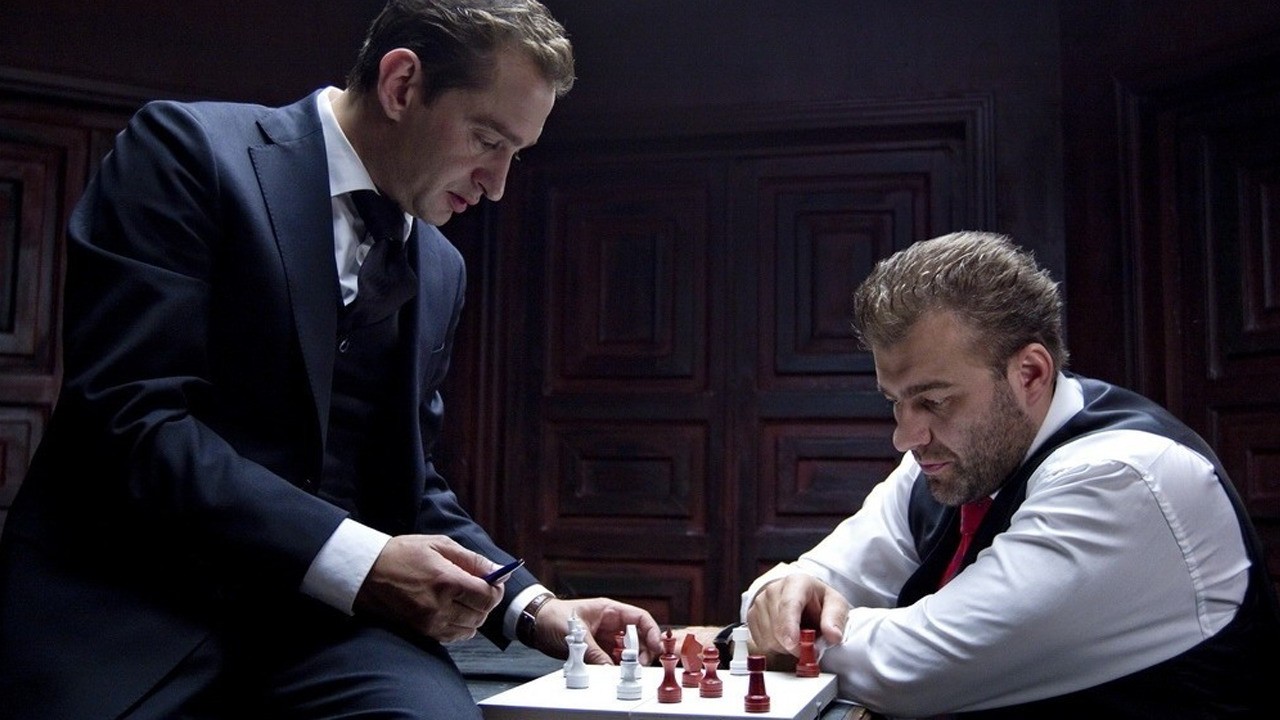
At the end of 2022, the series '13 Clinical' was released about a special Russian hospital where people seek not the most obvious help. The project was successful and was renewed for a second se
Open material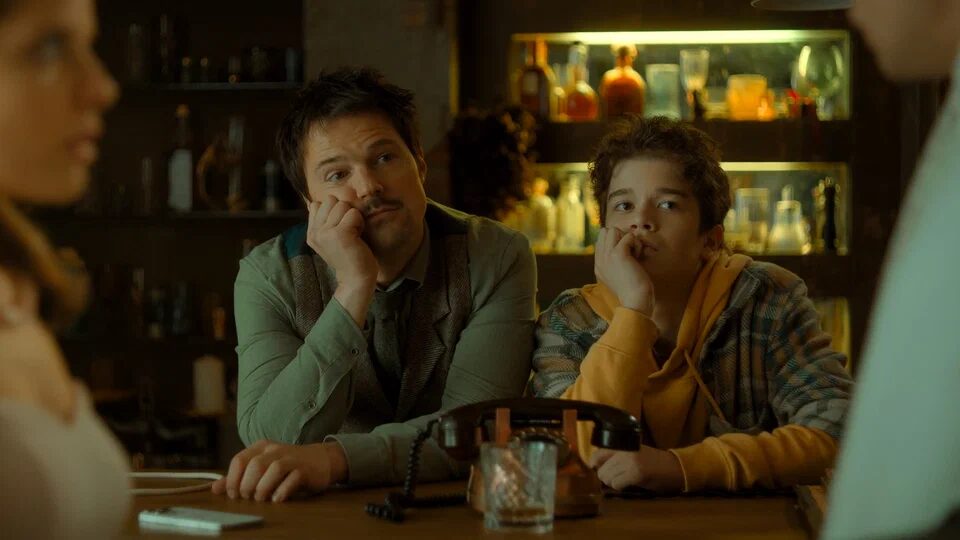
The boy Vitya, played by Kai Getz, is the bartender's assistant. Vitya becomes involved in the mystical events of the bar after his mother falls into a coma. The call was not completed because the mother was in a borderline state, and Vitya remains in the bar, observing other visitors and their fates, not daring to leave the establishment.
Vitya is a witness and participant in the mysterious processes unfolding around the bar. His internal conflict is connected with finding himself in this unstable space where reality and mysticism are closely intertwined. This character shows the innocence and at the same time fragility of human nature facing harsh life trials. Through Vitya, the series explores the theme of growing up, choice, and responsibility for one's actions towards oneself and others.
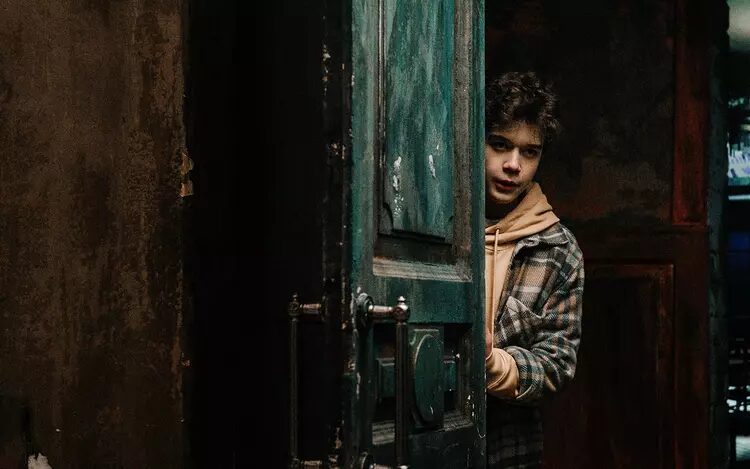
Getz noted in an interview that he was attracted to the script precisely because the character faces an extreme moral dilemma — to live or die, and this struggle fills the role with drama and depth. On set, the actor felt a peculiar tension, which enhances the perception of the mystical nature of the series and the psychological burden on the characters.
Other characters are archetypes of suffering: victims seeking forgiveness; people in search of meaning and consolation; those who involuntarily or consciously carry the burden of their mistakes. Their stories intertwine in the series, creating a multifaceted psychological kaleidoscope where each character is a reflection of a person's internal struggle with their own demons.
Artistic and Philosophical Accents
The main themes of the series are forgiveness, redemption, fear of death, and the uncontrollability of fate. The creators do not give unambiguous answers, but rather provoke the viewer to think, raising the question of how we live and how we struggle with our past. At the center is the idea that true liberation comes through acknowledging vulnerability and the ability to sincerely say words of love and forgiveness, without fear of exposure or pain.
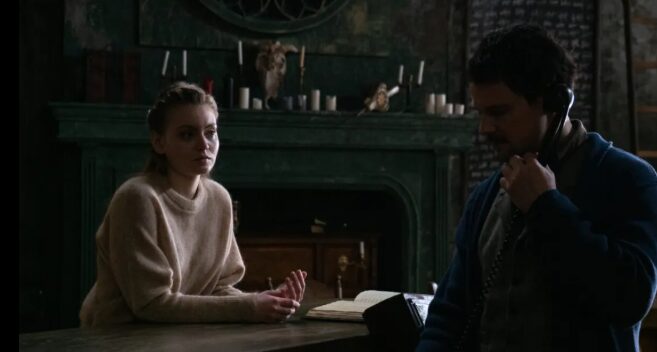
The visitors in the series 'The One Call Bar' serve as living philosophical allegories through which the main themes and ideas of the series are revealed. The bar itself is both a mystical place and a symbol of an internal state in which people find themselves trapped in their memories and feelings of guilt, unable to live in the present and let go of the past. The bar becomes a space for dialogues with the departed, where everyone tries to find forgiveness and free themselves from the weight of their internal 'prison' past. The bar is an allegory of that place inside us where we confront ourselves alone, and it is here that personal transformation, awakening, and the opportunity to find freedom occur.
Most visitors come to the bar with a heavy emotional burden: they not only want to talk to the dead, but seek answers to tormenting questions — who is to blame, could they have saved, will they be forgiven. These requests turn into key philosophical leitmotifs — the futility of trying to control fate and the need to accept one's own vulnerability and mortality. In the words of one character — 'there is no life in the past, only death' — the impossibility of escaping one's inner demons is shown, illustrating the isolation and helplessness of the characters.
The creators of the series explore how non-constructive guilt plunges a person into an emotional dead end, preventing them from living and developing, turning them into a prisoner of memories. The path to true liberation is the recognition of one's helplessness before fate and the search for forgiveness not through mysticism, but through personal work on oneself — conscious acceptance and self-forgiveness.
The final message of the series 'The One Call Bar' is a deep reflection on human nature, fears, mistakes, and the path to inner liberation. The combination of a vivid atmosphere, strong characters, and philosophical motifs makes the series not just an entertainment product, but a work that encourages reflection on the themes of life and death.
Comments
0No comments yet.
Sign in to join the discussion.