
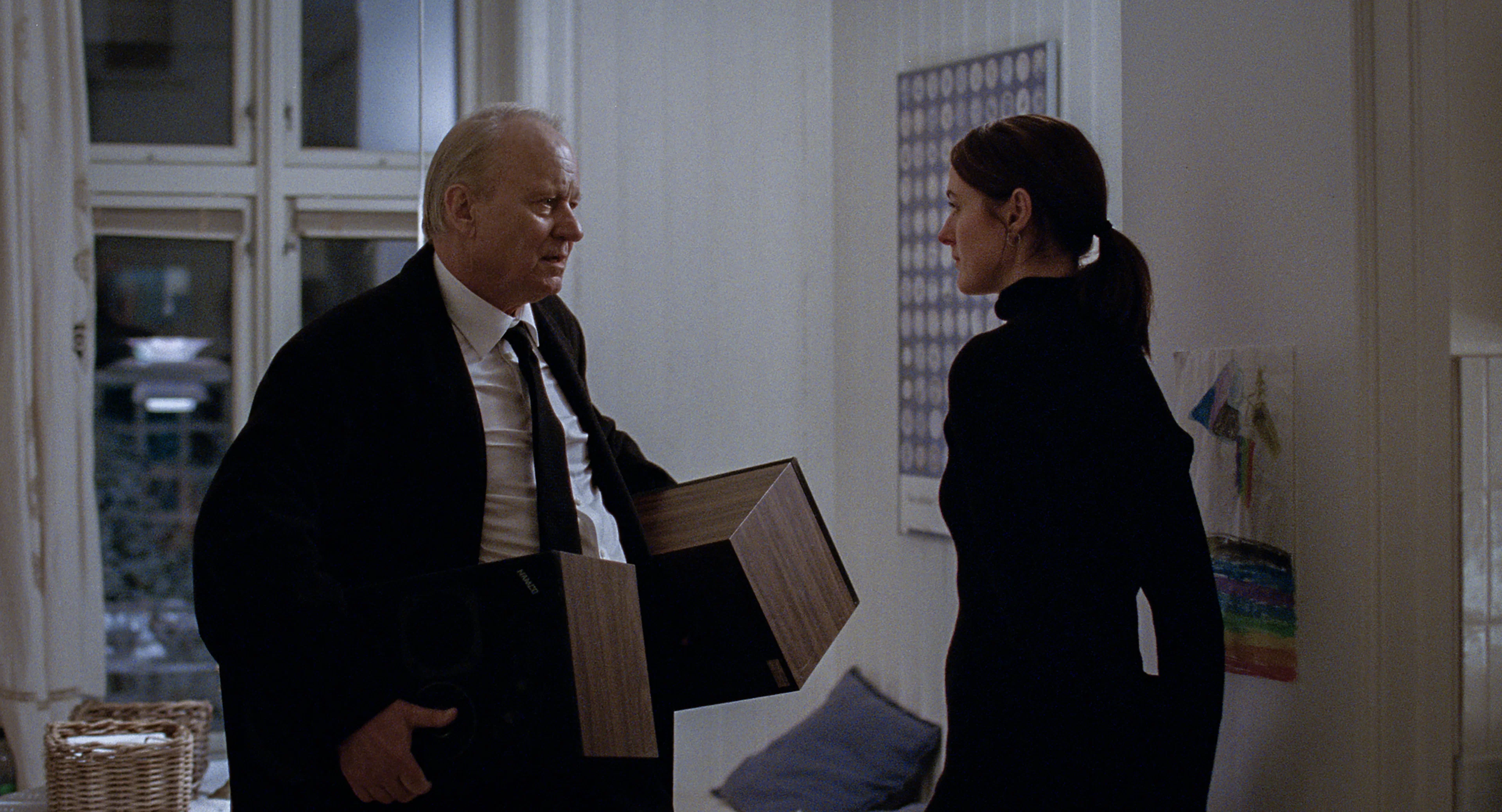
What if the deepest traumas are hidden not in the past, but in the attempt to start everything from scratch? Joachim Trier provides an answer in his new film 'Sentimental Value.'
Starting November 20, ‘Sentimental Value’ hits Russian theaters — an intimate drama about family, creativity, and the inheritance of pain. Sometimes playful, but mostly confessional, it reveals the conflicting relationships between a father and his daughters. What about this family reunion story captivated the Cannes jury?
The film's focus is the house, or rather, what happens inside it. The family nest, whose walls hold memories of World War II and local family dramas, serves as a powerful material anchor. Each new generation, in an attempt to start with a clean slate, clears the space down to white walls, but inevitably confronts the ghosts of the past. Joachim Trier consciously takes a risk. After the triumph of , teeming with doubts and nuances, the director subverts viewer expectations and bets on simple, honest emotions. ‘Sincerity is the new punk,’ he declares at the Cannes Film Festival press conference, and he is right. Early viewers have already noted the film's therapeutic tone. ‘Sentimental Value’ deliberately presses on the protagonists' pain points: suppressed grievances, doubts, childhood traumas.
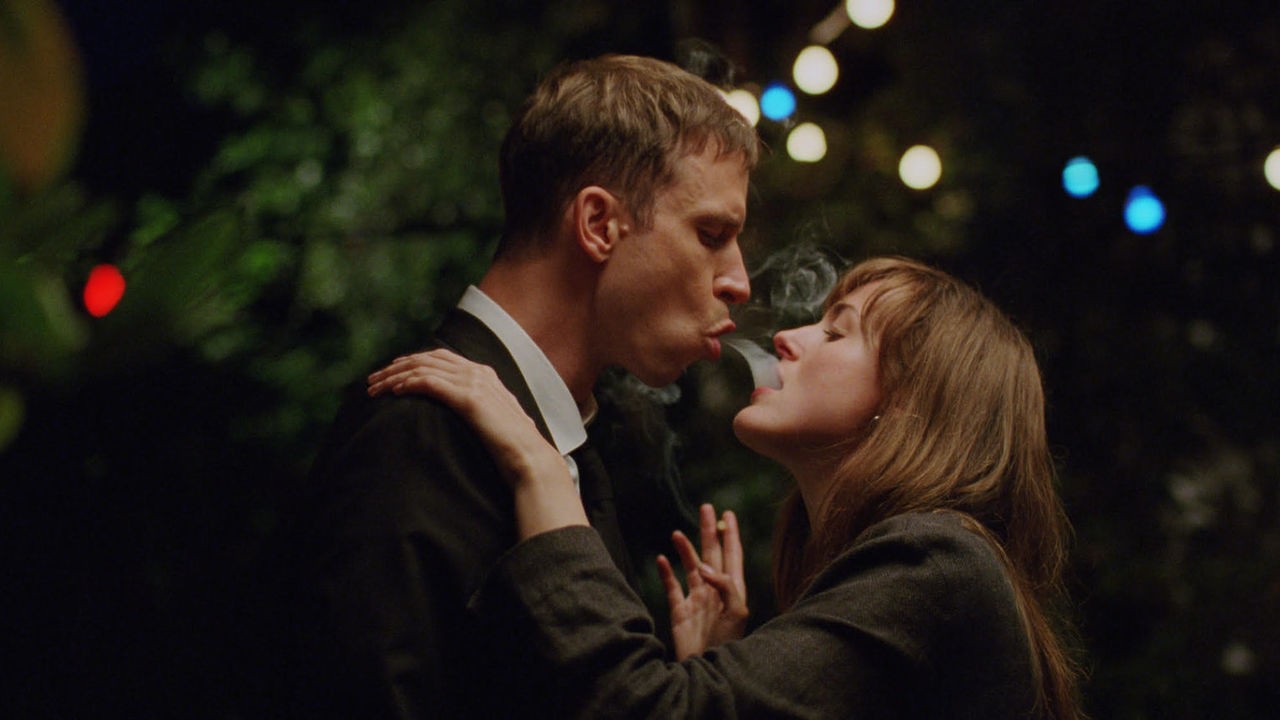
A new film by Norwegian director Joachim Trier, 'The Worst Person in the World,' has been released in Russian theaters. A profound drama, a serious coming-of-age novel masquerading at first glance
Open material
The narrative centers on Nora, an actress experiencing a crisis in every aspect of her life. She is also the daughter of renowned director Gustav Borg, who returns to filmmaking after a long hiatus and wants to cast her as the lead in his new film. But there's a catch: they can barely spend an hour without arguing. The family members' behavior is equally destructive and paradoxically similar. Nora tries to forgive her father, point out all his traumas, and accuse him of indifference. The multifaceted role is played by Renate Reinsve, one of Trier's favorite actresses, for whom the role was written specifically.
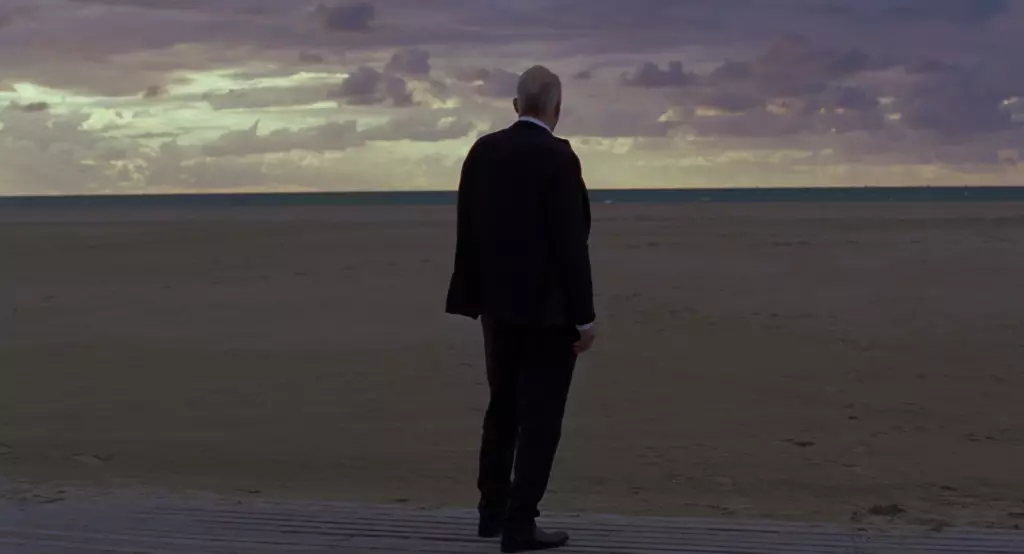
All fathers have feelings, but not all have the privilege to express them. The figure of Gustav Borg, embodied by Stellan Skarsgård, becomes the quintessence of the director-creator who blurs the line between his own personality and his cinematic alter ego. The question of the creator, his absolute freedom, and his inextricable connection to his own art reaches its ultimate expression here. Trier does not force the actors to experience unfamiliar feelings but immerses them in circumstances that may feel familiar. Skarsgård, according to the director, was the only one he saw in this role. At least because Skarsgård is familiar with creative disagreements with children—all six of his children became actors. Ultimately, it's hard to imagine anyone else in this role: his weary vanity and bewildered tenderness are evident from the first frame.
The younger daughter, Agnes, surprisingly grows up relatively 'normal.' Observing family dramas, she creates a family without repeating parental patterns. She becomes the support that her sister and father desperately need. Perhaps this is due to her biblical name, from the folk etymology linking Agnes to the Latin word 'agnus' (lamb), meaning purity and holiness.
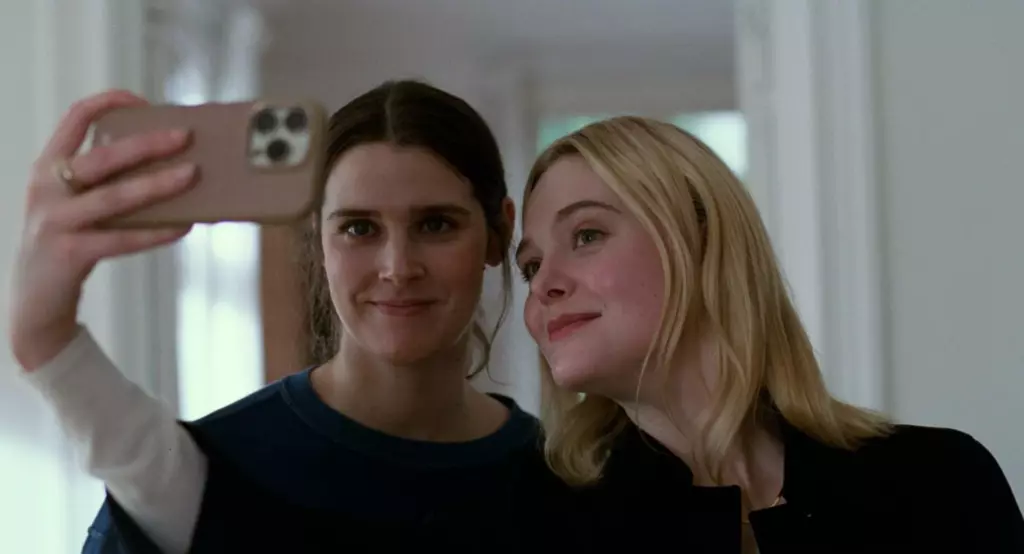
In the same vein, one can consider the character of Rachel Kemp, played by Elle Fanning. Like the actress herself, who came to Norway for the first time for filming, her character becomes a double, a metaphorical reflection of internal conflicts, deepening the theme of identity search and one's place in the family saga.
The episodes alternate with black cuts, space for instant reflection on what has been seen. The mutual influence of family members on each other is reminded by references to the work of Ingmar Bergman. A monochrome scene, duplicating 'Persona,' where portraits of the father and daughters replace each other. This is a marker of the cyclical nature of pain, the unconscious repetition of family patterns. Also, Gustav Borg, the director in 'Sentimental Value,' echoes Isak Borg from 'Wild Strawberries.'
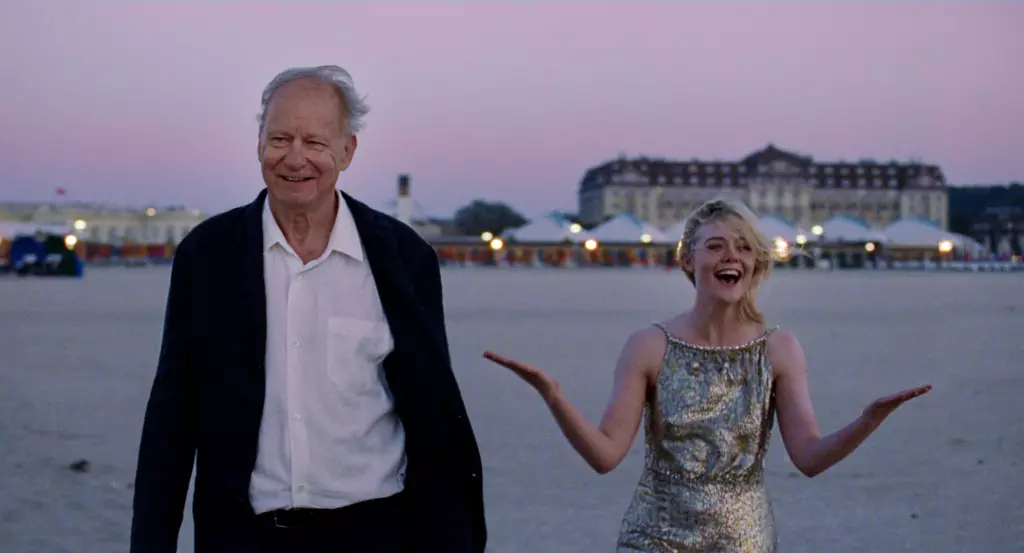
Trier works in the realm of feelings, striving for an honest humanistic conversation about attachment and loss. A tender but caustic, empathy-evoking, contemplative film with a therapeutic effect.
This is a film about the healing power of art. Here, the sentimental value of things becomes a way of processing trauma. Joachim Trier engages the viewer in a humanistic dialogue about memories, responsibility, and artistic duty. He proves that the act of creation can serve as both a refuge and a battlefield, a place where pain takes shape.
'Sentimental Value' boldly experiments, but does so in the realm of pure emotionality. For a viewer ready for intimacy and slow immersion, the film will prove a deep and honest experience. Ultimately, it is a film of judgment and consolation. It does not provide definitive answers but gently asks questions about what is truly valuable to us.
The new film by Norwegian director Joachim Trier, 'Sentimental Value,' was released in wide release in Russian theaters on November 20 thanks to film distribution company A-One.
Comments
0No comments yet.
Sign in to join the discussion.