
Guillermo del Toro has finally made his Frankenstein — a film he dreamed of for over thirty years. And once again, it combines his unique, fairy-tale gothic visual language and his unwavering passion for monsters. However, the interest lies not in horrors and villains, but in that creation which serves as a mirror reflecting the deepest and most frightening aspects of the human soul.
His Frankenstein is a true aesthetic, religious, and meaningful adventure through the classic novel by Mary Shelley.
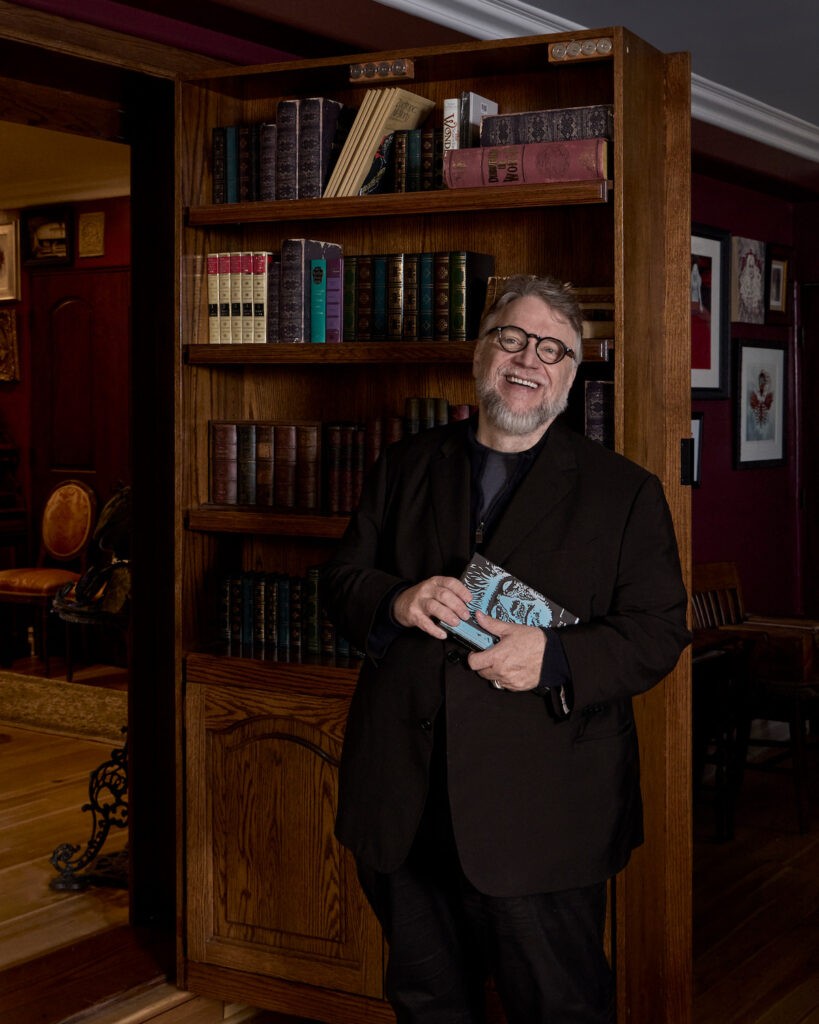
So forgive me if I didn't release a review right away: I watch such films first to enjoy them, then rewatch carefully and in detail, listen to all interviews, and wait for discussions. Today I'd like to share these details with you, as well as how Guillermo del Toro reads books.
What is this new take on an old story? How to rethink the myth of the creator and his creation? Where every color, line, fabric, and reflection carries meaning? Let's figure out how it was constructed. But let's agree that The Creature is the Creature, not a monster or a beast.
Let's Start Watching the Film
The story begins in 1857: Captain Andersen (Lars Mikkelsen) rescues Victor Frankenstein (Oscar Isaac), who is being hunted by the Creature (Jacob Elordi).
Together with the half-mad and exhausted Victor Frankenstein, we return to the past through flashbacks and learn that his story began with a loss — his mother's death in childbirth was a shocking moment, and his pain then turned into an obsession: to conquer death and outwit nature itself.
And it seemed an hour or an hour and a half had passed, and we were still watching Victor, when suddenly the perspective shifts — the screen time is taken over by the Creature. And this is one of the few adaptations where the author equalizes the positions of the creator and his creation. And this is not just an artistic device, but a gesture of the director's humanism:
"It's important to me that both are heard. That the Creature has a voice."
Let's Start Understanding the Differences from the Book
In Shelley's work, most of the narrative comes from the perspective of Victor Frankenstein — it is his confession of guilt and loss. And it partly shaped the reader's sympathy, who could easily justify his actions.
In the film, we see two truths. But for del Toro, unlike the writer, the answer to the question of purpose is different. In the novel, the Creature seeks recognition and a mate; in the film, it seeks forgiveness, and it also has thoughts and feelings. And it wants not just to be heard, but rather to be accepted. Such a shift turns the film from a gothic tragedy into a moral parable about compassion.
Yes, another director who pokes us with morality, but we live in such times.
If the Creature from the book, after a series of numerous and brutal murders, had run to Victor and asked for a "mate," we would hardly feel compassion, right? And even Elordi's cute face wouldn't save it.
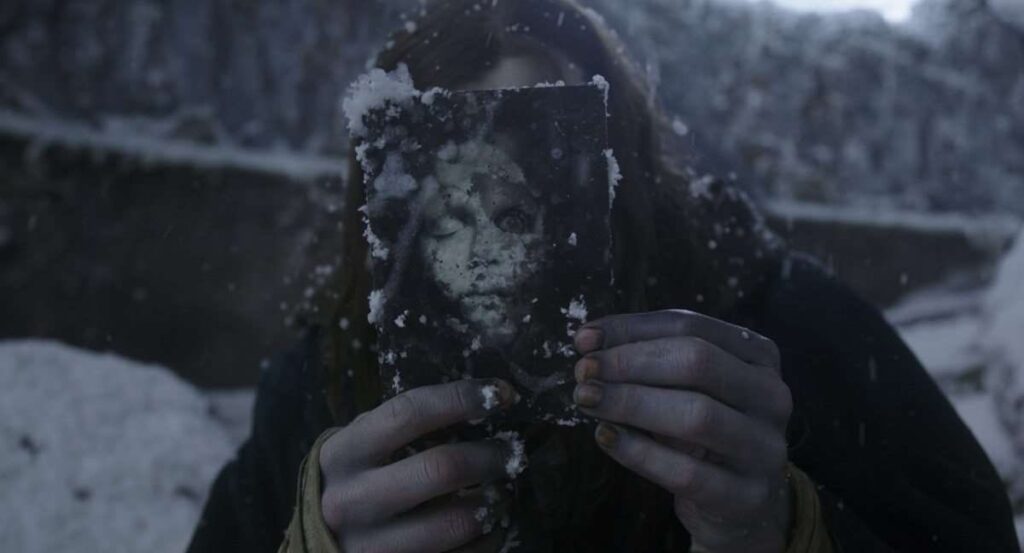
So, we moved away from the tragedy of retribution in Shelley's novel, where the Creature, rejected by its creator and society, takes revenge and commits terrible crimes. And Victor himself, having lost everything, chases it to his death in the Arctic ice. And we approached the tragedy of forgiveness. Del Toro depicted the Creature as a "newborn human" — pure, innocent, clumsy. Until the world itself responds to it with cruelty.
Key Difference — Shifting the Events in Time.
Now the action is moved from the end of the 18th — beginning of the 19th century to the mid-1850s, during the Crimean War. And this decision gives Victor a "legal" flow of bodies for experiments and makes the Creature literally "born of war." Now it bears the imprint of violence and death, becoming a symbol of war victims.
While visually we see a fusion of Victorian gothic with the industrial era, ideologically it opens up new topics for discussion: new life is now presented as raw material for progress and material of civilization, unlike Shelley's novel, where the Creature's body was more a metaphor for sin.
Rethinking Victor Frankenstein
In del Toro's interpretation, the image of Victor Frankenstein has become significantly darker, and the hero himself more withdrawn. In the original novel, the young scientist was quite sociable, had a close friend Henry Clerval, and regularly shared his philosophical thoughts and dreams with him. In the adaptation, Victor is a loner, isolated from the world and completely consumed by his own manic idea.
Key changes also affected his family. Victor's father (Leopold) is presented not just as a parent, but as a cruel mentor, doctor, and unquestionable authority figure. This figure forms a deep childhood trauma and fuels Victor's obsession with "conquering death" — proof that he can surpass his despotic father.
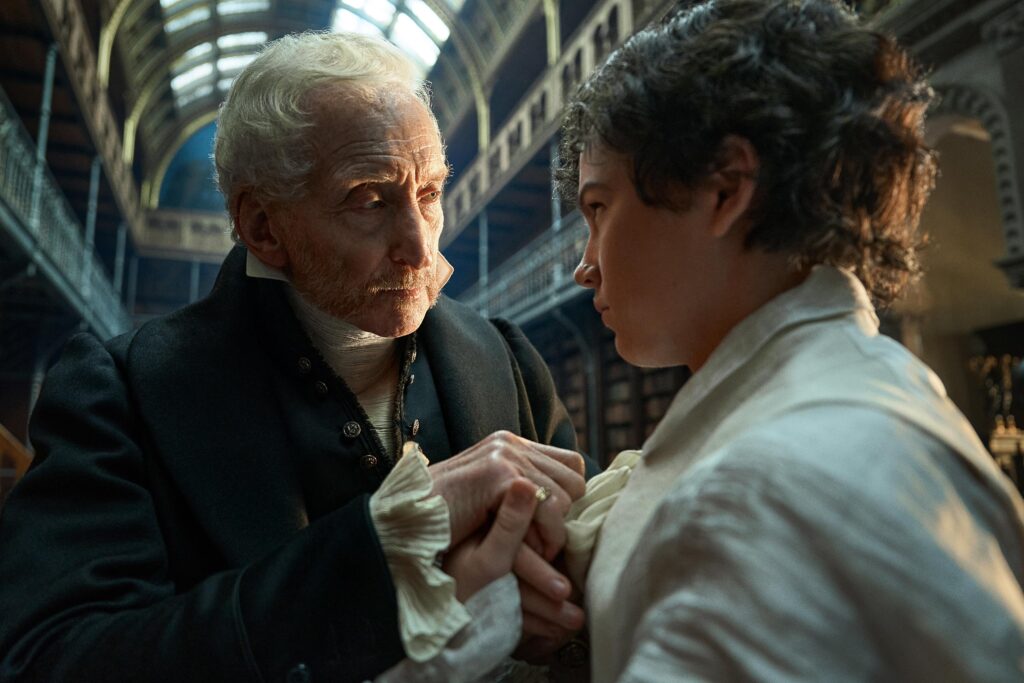
Thus del Toro lightly rewrites the entire Frankenstein family tree to show how personal pain and trauma become the basis for an idea bordering on divine intervention.
Victor's brother in the film is now older, and (importantly for the chronology of tragedies) he does not die in childhood at the hands of the Creature, as in the novel. This shift changes the dynamics of subsequent tragic events.
Victor's mother also passes away differently, but her death remains that original impulse (or sin) that pushes Victor toward his monstrous experiment.
And Victor's main tragedy lies not in the very act of creating a living being, but in how quickly and ruthlessly he rejected his creation, thereby condemning it to suffering and loneliness.
What Was the Creature Like?
Short answer: scary and cruel.
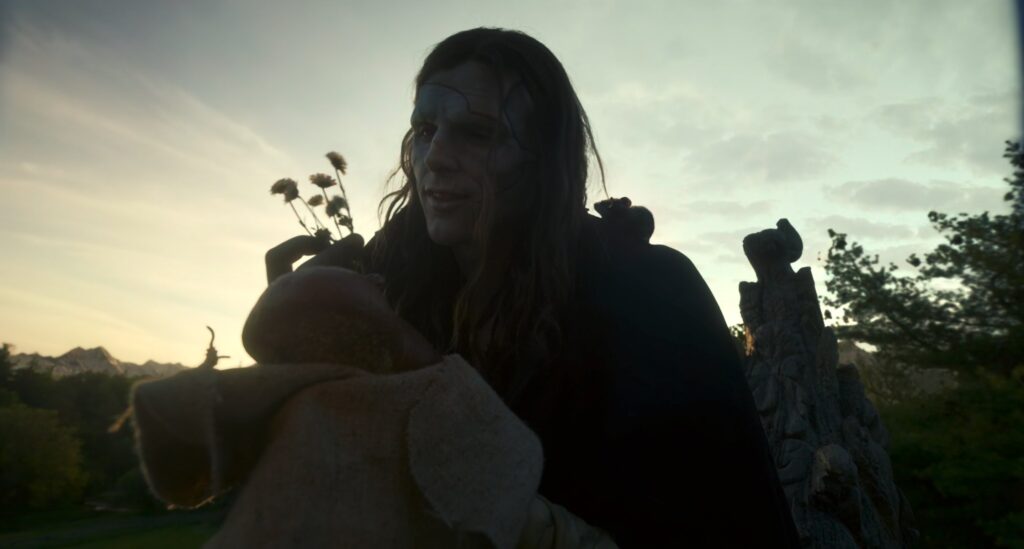
Unlike the novel, where the Creature commits a series of deliberate and cold-blooded murders (Victor's brother, Clerval, Elizabeth), in this adaptation violence becomes not an end in itself, but a tragic consequence of circumstances. All deaths occur either accidentally or in self-defense. The most radical shift: Elizabeth dies from a shot by Victor himself. This new perspective completely changes the moral structure of the story, allowing the viewer to empathize with the Creature rather than its creator.
Del Toro presents the Creature as a newborn human in both a literal and symbolic sense. He introduces a new element absent from the book: a regeneration process that ensures immortality. However, this property quickly becomes not a blessing but a curse, bringing eternal loneliness and suffering.
Let's return to the plot.
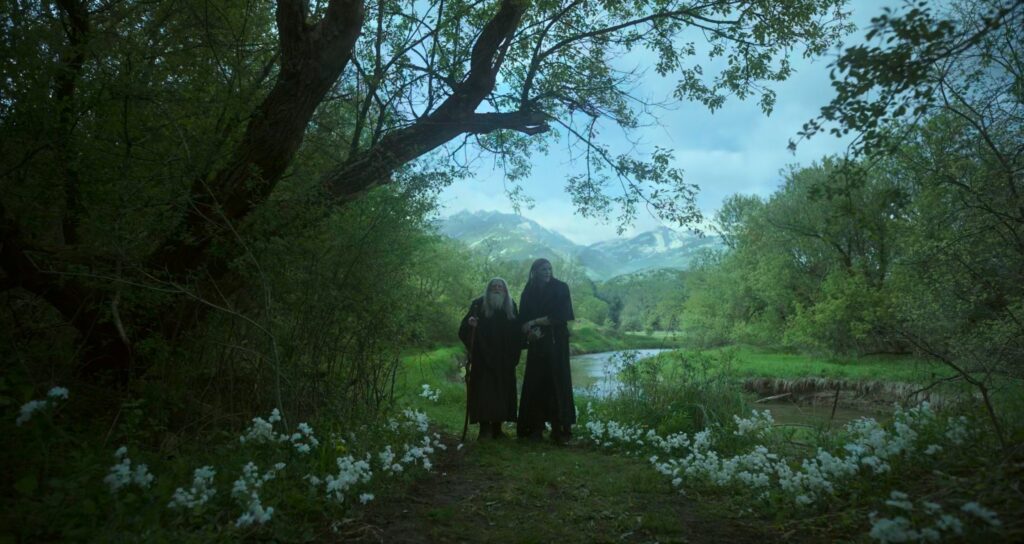
After escaping the laboratory, the Creature finds shelter and peace in the home of an elderly blind man (David Bradley). This episode almost frame-by-frame reproduces one of the key scenes from the novel. The old man becomes a guide for the Creature to humanity and knowledge. It is here that the hero first reads Percy Bysshe Shelley's poem "Ozymandias" — a powerful metaphor for the transience of power and imperial pride, which sets the tone for the film. Here he also experiences his period of enlightenment.
This period is enhanced by biblical motifs. The old man tells the story of Adam and Eve, and the Creature realizes itself as a fallen son — exiled from paradise for its nature and attempt to understand the world. In this interpretation, Victor appears as God who rejected his creation, and the Creature becomes a human seeking love but punished for its very existence.
Heinrich Harländer: A New Antagonist
Heinrich Harländer (played by the brilliant Christoph Waltz) is a completely new character in the plot: an arms dealer and the main sponsor of the entire experiment. Del Toro introduces this figure to answer the question that always remained open in Mary Shelley's book: who (and with what money) allowed Victor to conduct his monstrous experiments?
Harländer represents the figure of an industrial "benefactor" who provides Victor with unlimited resources but dictates his own terms. He is driven not by scientific curiosity or humanism, but solely by his own profit. The moment the Creature comes to life, Harländer does not feel awe but sees it as his property.
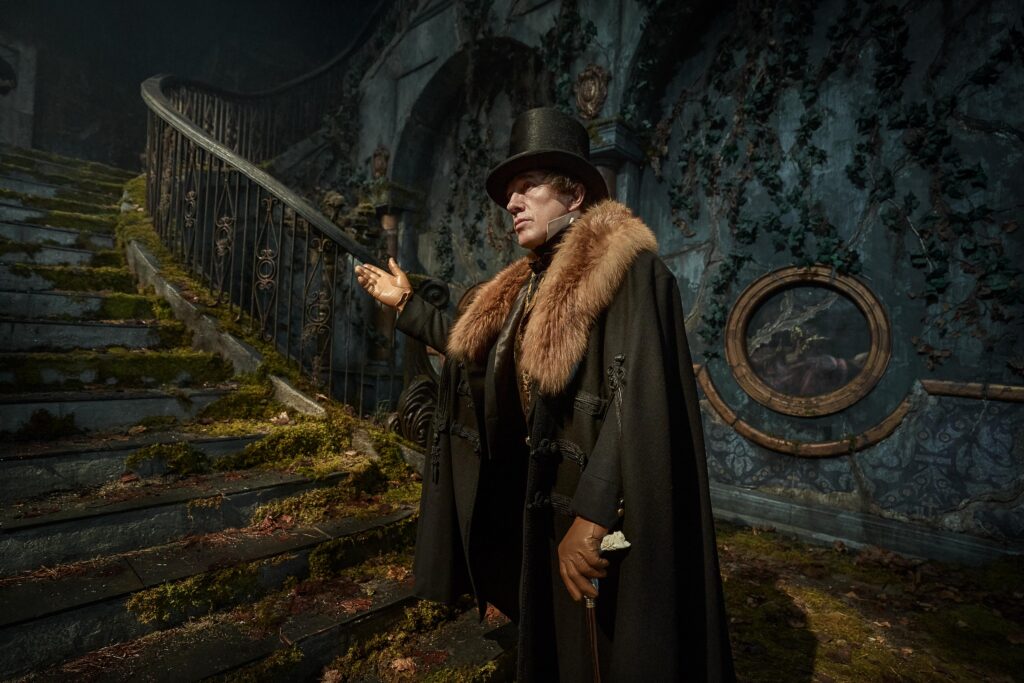
Guillermo del Toro formulated this idea as follows:
"He who sponsors life does so at the expense of death."
Therefore, Harländer is not just a businessman; he embodies the entire industry that thrives on war. He does not steal the sacred fire from the gods, like the mythological Prometheus, but buys it at an auction.
"The investors of the modern Prometheus are the same people who finance weapons, films, and gods."
Harländer is the embodiment of a system capable of monetizing any discovery — be it electricity, art, or life itself. In this context, his demand for a brain transplant does not seem like madness but becomes simple, pragmatic market logic.
In the classic novel, all guilt and pride lay with Victor, who imagined himself God. In del Toro's version, this pride is divided between Victor and his sponsor.
And so we complete drawing the philosophical triangle, where: Victor — the Creator (ego and loss), Creature — the Creation (empathy and forgiveness), Harländer — the Investor (control and exploitation).
This structure, according to the director, helps to comprehend the main question:
"Frankenstein is a story about who owns the soul: the creator, the created, or the buyer."
That is why the final scene, where Victor dies before the Creature, can be interpreted as a moral victory of art and humanity over the market and capital. Harländer, thus, is a key new element of the film's philosophy, uniting science, war, art, and capital.
Elizabeth as the Voice of Humanity
In del Toro's version, Elizabeth is essentially a new character, whose prototype is the writer Mary Shelley herself. She is given significantly more attention than in the book (where she was simply Victor's fiancée and dies fairly quickly). Elizabeth becomes the voice of humanity and the only person capable of seeing the Creature not as a monster, but as an innocent being (admittedly, the blind old man could only hear it).
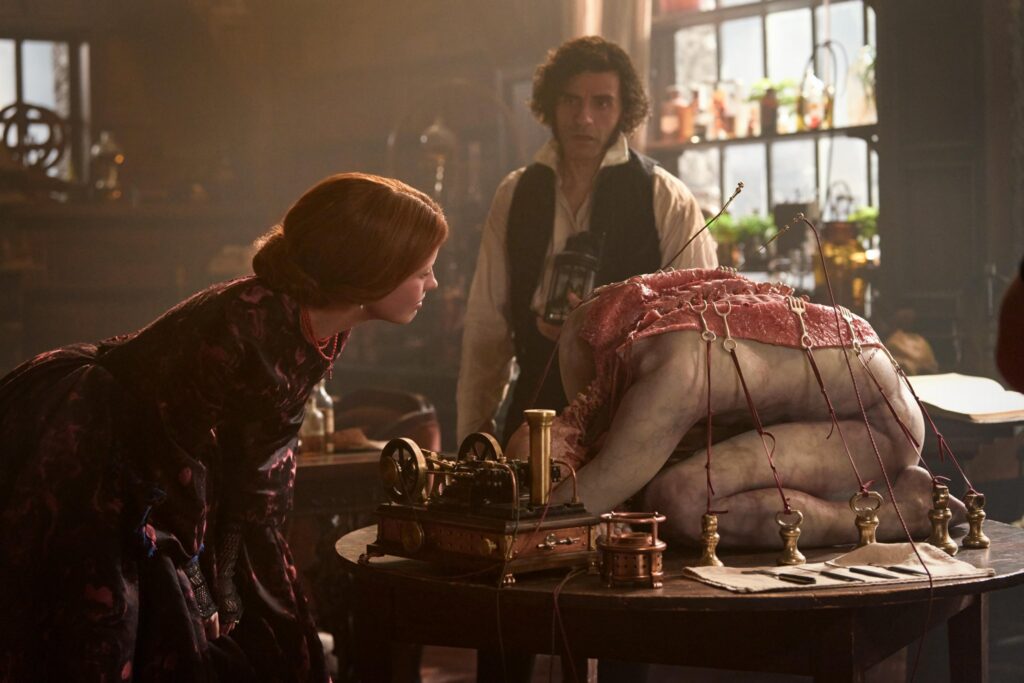
Elizabeth is not a passive fiancée, but an independent and intellectual character (which is surprising for their time). She is presented as an entomologist, sharp-tongued, pondering the nature of life and asking uncomfortable questions that men avoid. This mirrors Victor's actions, but not from the perspective of power and the desire to subdue death, but from curiosity about life.
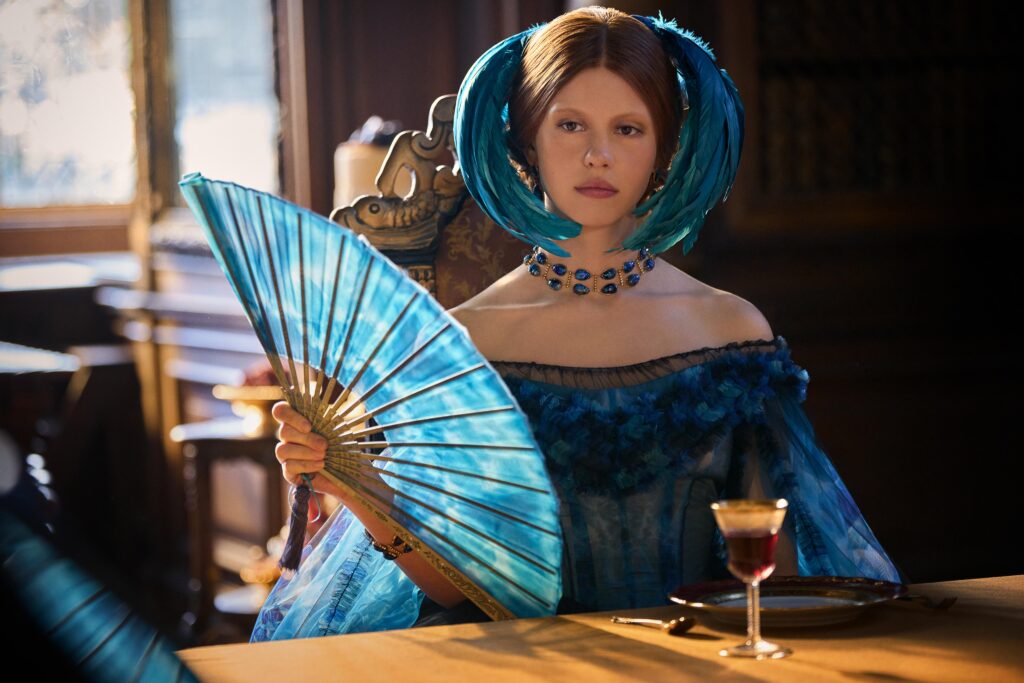
This departure from the traditional image is emphasized by the quote:
"She is not an 'angel in the house,' she is a mind in the field [of activity]."
("Angel in the House" is an established cultural term from the Victorian era, denoting the ideal, passive, domestic woman).
Actress Mia Goth played two roles: Victor's mother and Elizabeth. This authorial dualism is not accidental: both heroines embody the sacred and natural principle. Through them, del Toro builds a closed cycle: the mother gives life, and Elizabeth gives it meaning. For the Creature, captivated by her kindness and beauty, Elizabeth becomes a symbol of divinity or an angel.

In the film, Elizabeth is also clearly associated with water ("Aqua est vita. Water is life") — an element that is natural creation. Victor, on the other hand, represents fire and electricity. Their opposition is like a struggle between the natural and the artificial, between compassion and power.
Elizabeth, in essence, becomes the moral conscience of the film. This is expressed in her line:
"Men destroy what they cannot love. You call it progress."
The phrase sounds like a direct condemnation of science devoid of heart and reflects Mary Shelley's philosophy.
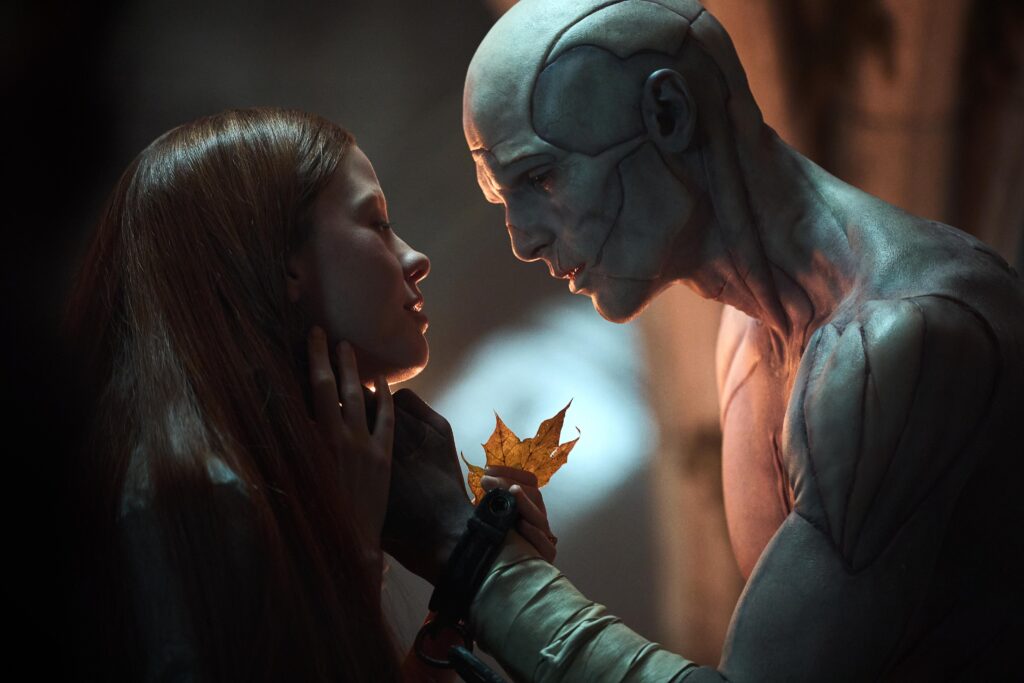
As in the original, Elizabeth dies, but in del Toro's version, her death is not just helplessness, but a sacrifice and purification. In the finale, her body is illuminated by the same light as at the Creature's birth, and life now belongs to the woman (the natural principle).
"Elizabeth is the compass that prevents Frankenstein from losing his humanity," shares the director.
Production and Language of the Film
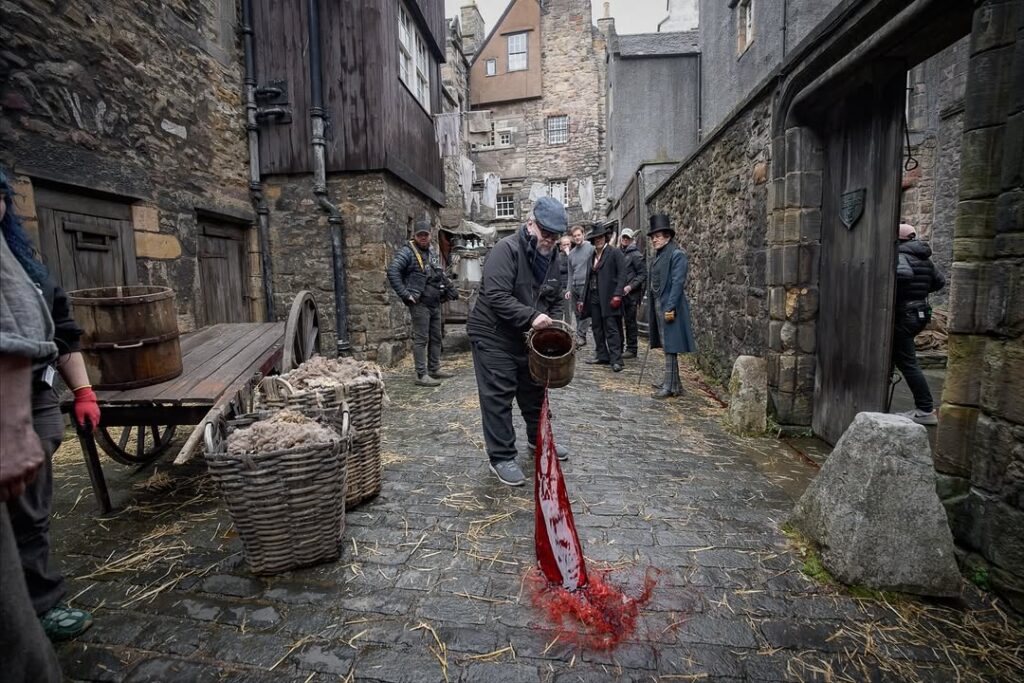
I think del Toro, as a master of "Victorian" aesthetics, deliberately filled the film with familiar images reminiscent of his previous works (Crimson Peak): ghostly corridors, round stained glass windows, the contrast of red (blood) and white (snow), as well as bulky rusty mechanisms and the estate.
Production designer Tamara Deverell (who worked on Nightmare Alley) created Frankenstein's laboratory as a mix of medical and mad. This space is built on contrast: huge pipes and gears coexist with glass vessels, needles, and pieces of flesh, all bathed in unsettling lighting.
One of the main differences of this adaptation from many others is the preservation of the novel's narrative structure. The beginning and end of the story unfold on a ship (and the ship is real, not CGI), and the narrative includes both Victor's story and the transition to the Creature's own story.
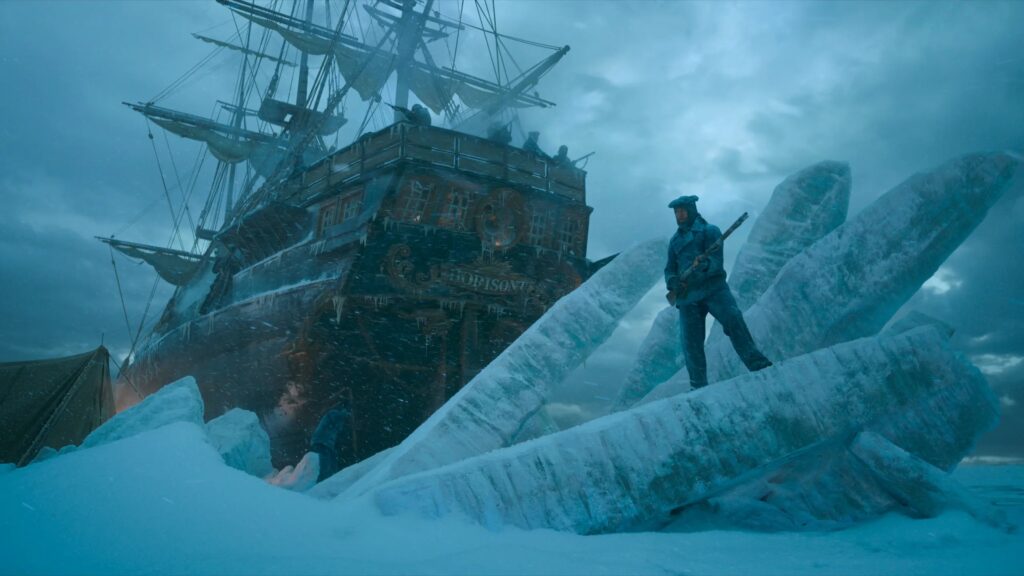
The director explains this decision as follows:
"The circle closes when the Creature takes control of the ship — that is liberation."
Of course, it did not avoid the clichés surrounding the process of creating the monster: the film includes a scene with lightning and the reanimation itself. However, del Toro here does not simply follow tradition but turns it into a full-fledged visual opera. This is a significant divergence from the original, where Mary Shelley deliberately avoided specifics (there were no classic lightning bolts!), devoting only a few vague paragraphs to the process itself.
As many critics rightly noted, the film is not a horror or "scary story." Before us is primarily a parable about what it means to be human. Del Toro himself calls his work "a message of mercy."
Oh, Those Red Gloves of Victor, Right?
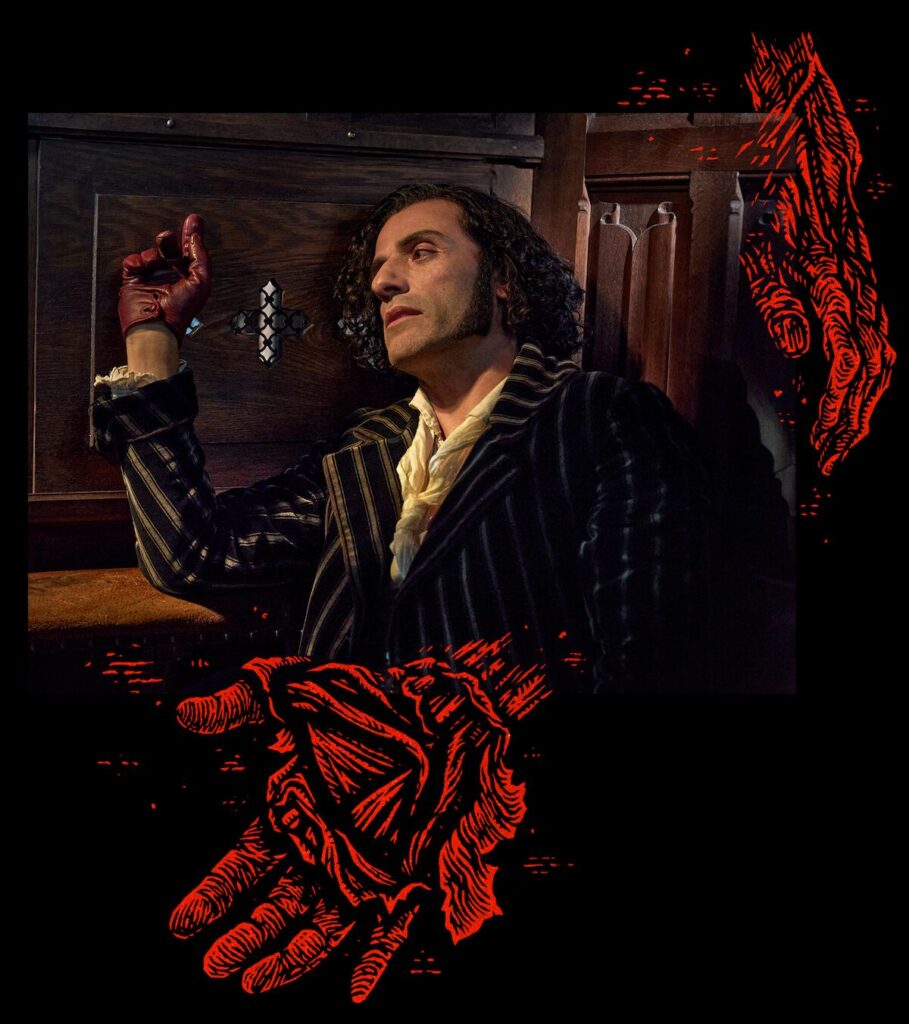
In the film, color acts as an independent language through which the director reveals internal conflicts and moral states.
The entire palette is built around two main colors — red and blue (aquamarine), which symbolize the opposition of two elements and ideas:
Red — fire, blood, and flesh; pride, sin, and violence.
Blue — water, ice, mirrors; compassion, creation, purification.
The color red accompanies Victor from the first scenes. His red gloves are not just an accessory, but a direct mark, symbolizing "hands that give life and kill." Although Victor strives to keep them outwardly clean, they are metaphorically up to the elbows in the blood of his monstrous deeds. Red also connects Victor to his trauma: his mother's dresses, bonnets, and costume elements are in this very color.
Elizabeth also wears a red detail — a necklace with a red cross. In her case, this element carries a Christian metaphor, symbolizing passion, faith, sacrifice, and crucifixion.
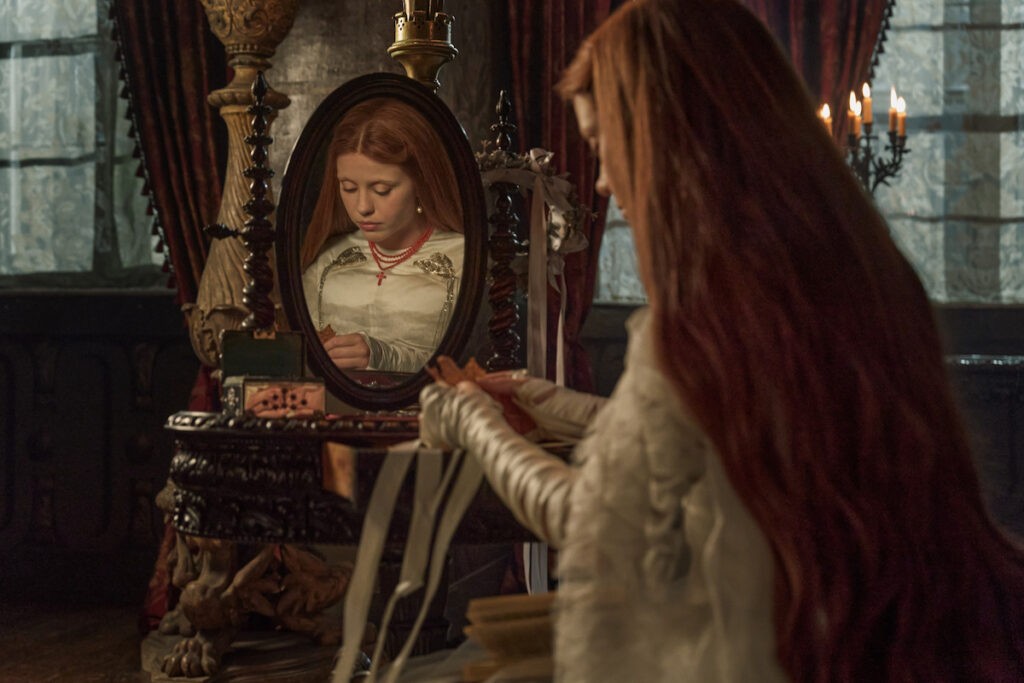
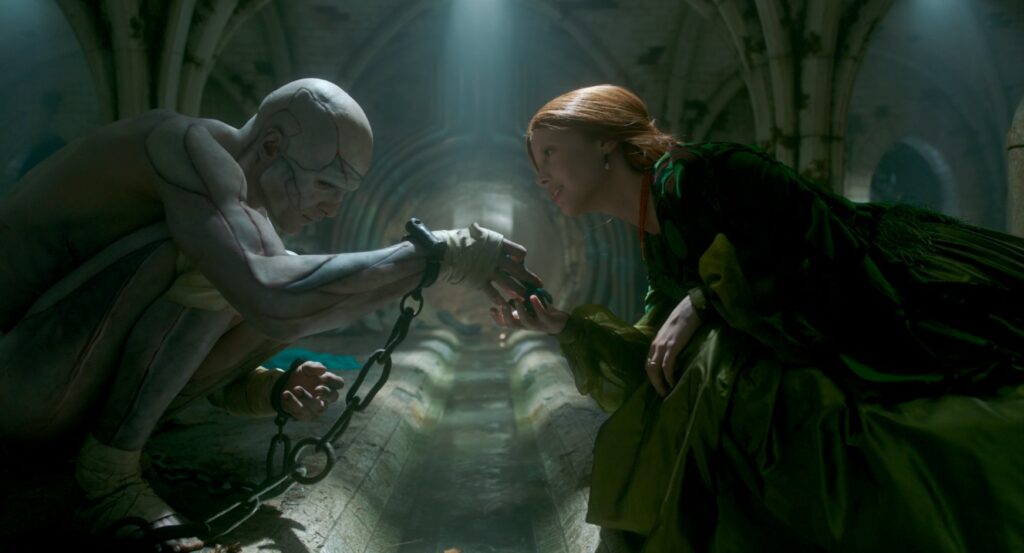
Scenes involving Elizabeth and the Creature are colored in turquoise and aquamarine tones. In these episodes, elements associated with water are always present: rain, drains, reflections, a lake, snow. Water acts as a cleansing element that literally washes away blood, restoring the primacy of nature. Blue then transitions to white (the color of snow), which in the finale symbolizes redemption and purification.
What Are You Wearing, Madam?
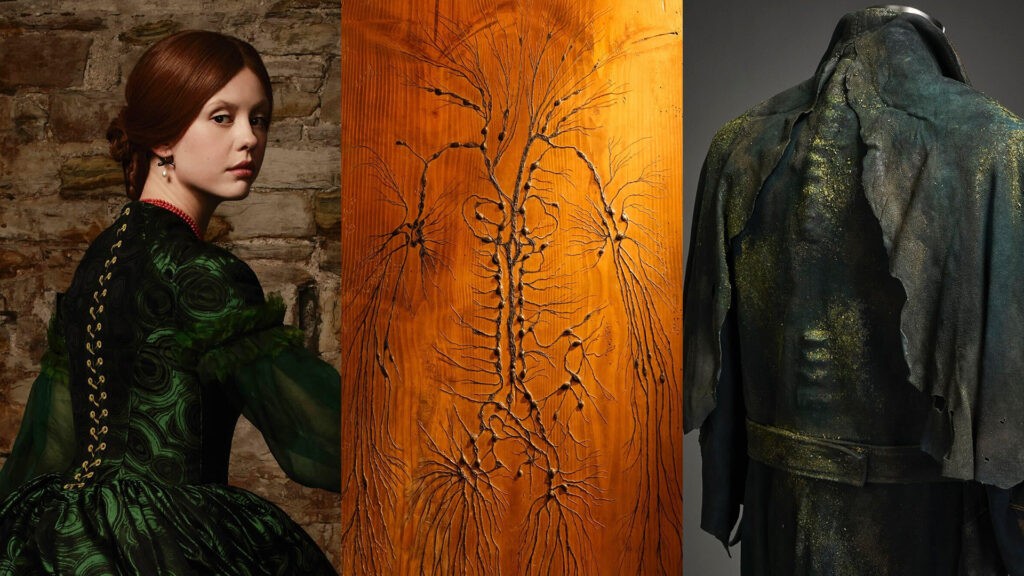
Special attention in the film deserves the work of costume designer Kate Hawley. Her visual masterpieces accompany the entire film, where every material, texture, and shape carries deep meaning.
As Hawley herself noted:
"Where anatomy, color, and spine converge, the theology of nature appears."
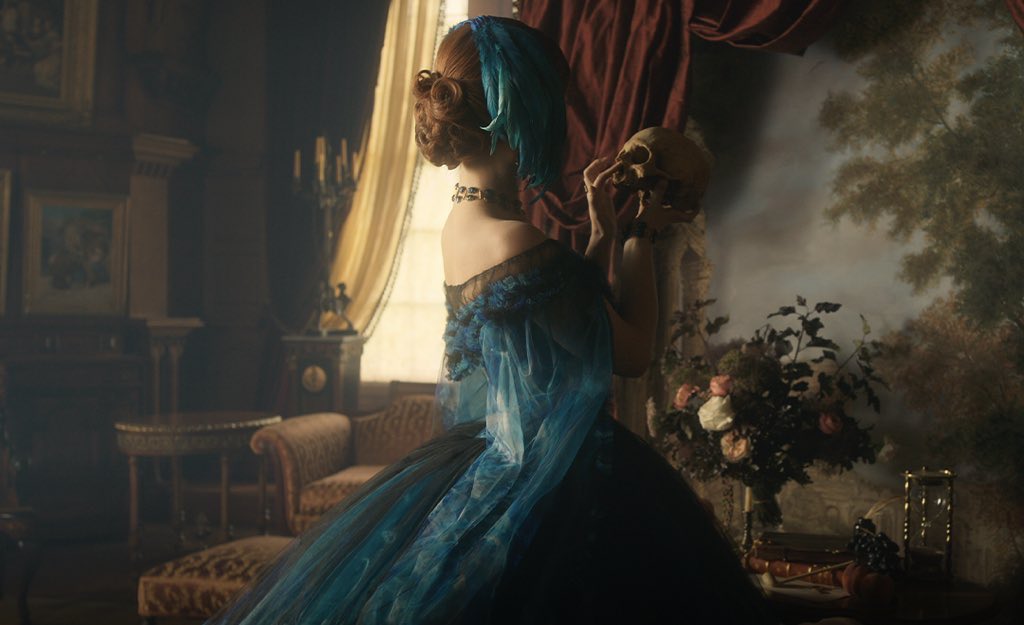
Elizabeth's dresses are attributed to the style of "Catholic Gothic" — a mix of spiritual symbolism, scientific medical precision, and church aesthetics.
It is impossible to overlook the entomological theme and botany that accompany all costumes. Fabric patterns resemble insect wings and veins. Cut lines may refer to the shape of chitin. Translucent capes imitate butterfly wings.
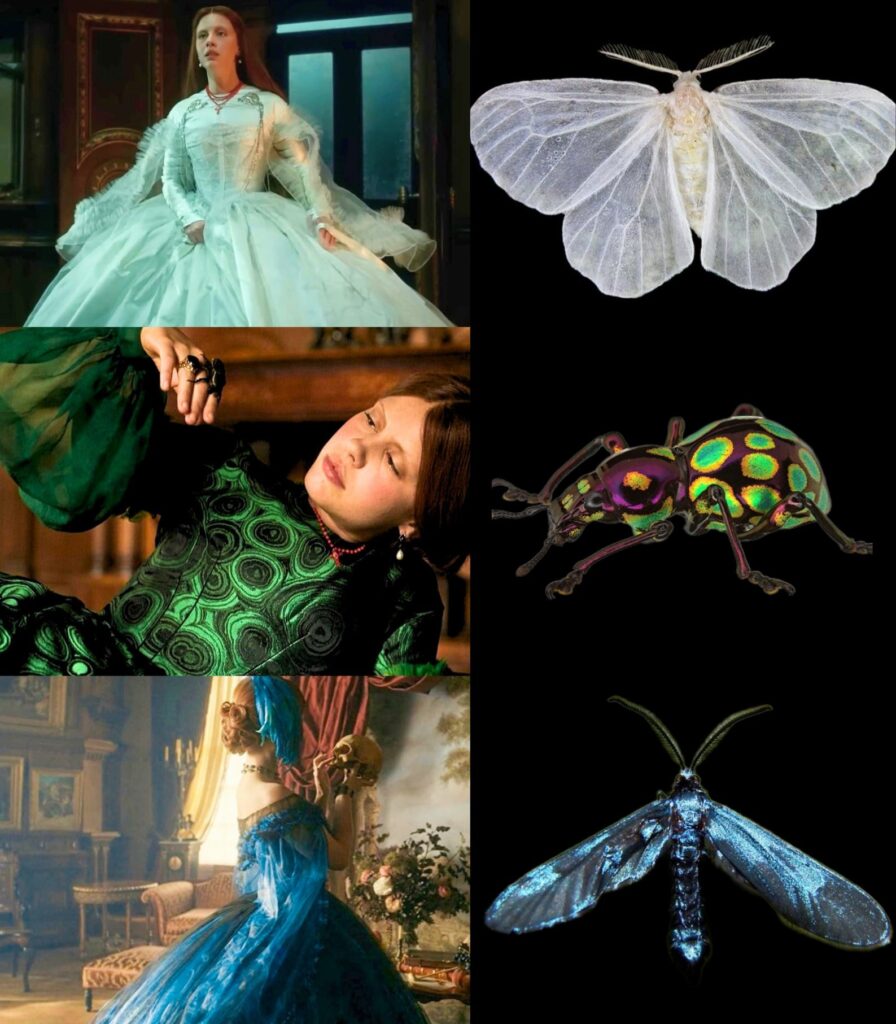
Thus, the heroine's clothing becomes an extension of her hobby and a reflection of her love for life in all its forms. Additional sacredness to the image is given by bonnets and headdresses resembling a halo (again religious iconography).
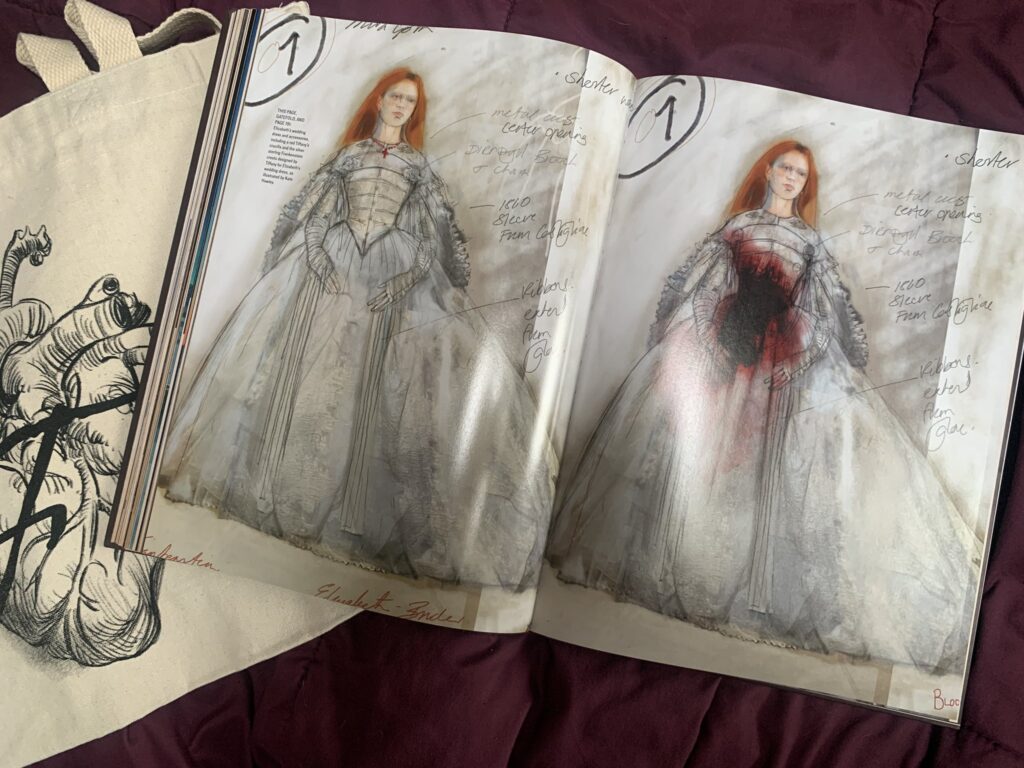
The main masterpiece was the wedding dress. Traditionally white, symbolizing purity, in Del Toro's hands becomes a symbol of sacrifice and rebirth. It also clearly resembles bandages and stitches, directly referencing the image of the Creature, as if linking the fates of the creator, creation, and his bride.
"Her dress is like bandages, but in them is holiness, not suffering."
Another dress was inspired (unexpectedly!) by an MRI, and the thin fibers repeat the pattern of neural connections and vessels. So the outfit literally looks like veins.
Well, talking about accessories would take too long. It is worth mentioning that after the film's premiere, the historical cinematic collaboration between del Toro and Tiffany & Co. was marked by an entire exhibition.
Attention, Before You Are Visual Quotes
Crosses, Crosses Everywhere, and Religious Images
The scene of the Creature's reanimation is filled with powerful religious symbolism. First of all, the lift-frame used to raise the body literally has the shape of a cross. This involuntarily evokes associations with a mechanical crucifixion and the image of a "dark messiah."
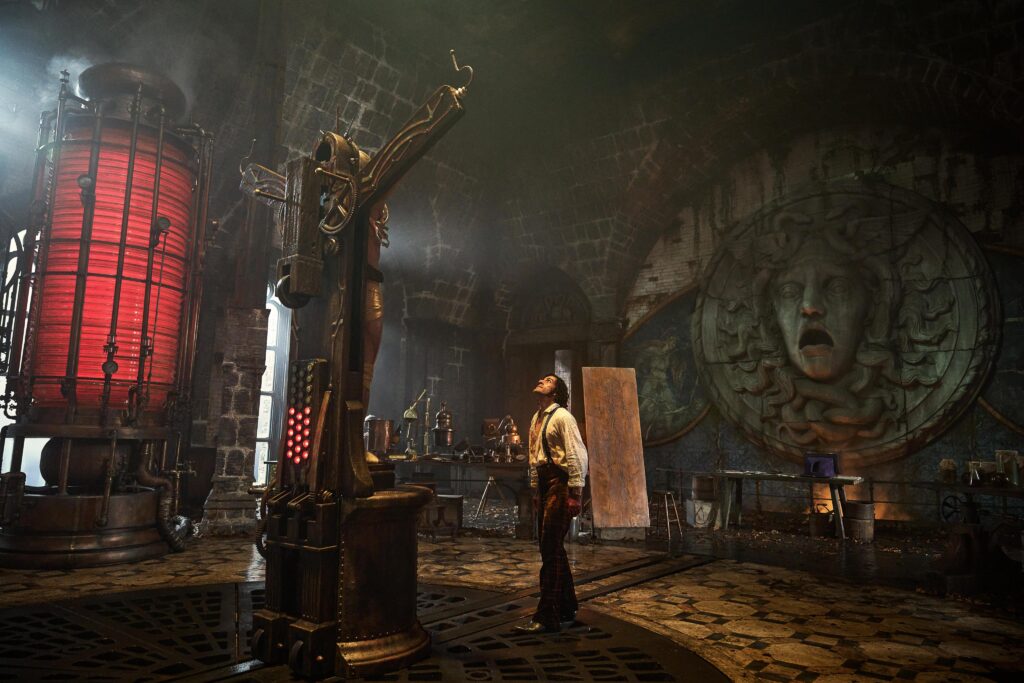
The Creature's body lying on the frame takes the pose of Christ — arms outstretched, face turned to the sky. Victor raises it, as if performing an act of anti-Christian ascension. In this distorted iconography, electricity replaces divine light, and lightning becomes a symbol of distorted grace or cursed interference in the natural order.
"The altar on which science sacrifices humanity for knowledge."
Circles, Circles Everywhere
Throughout the film, an attentive viewer (or fan of the director) may notice the dominance of circular motifs. This, by the way, is a characteristic visual signature of Guillermo del Toro, who actively used this symbolism in works such as Crimson Peak and The Shape of Water.
Circles are everywhere in the film: the round windows of the laboratory, the rings of mechanisms, the portholes of the ship, spiral staircases, the ship's wheel, and even circles on the water in reflections.
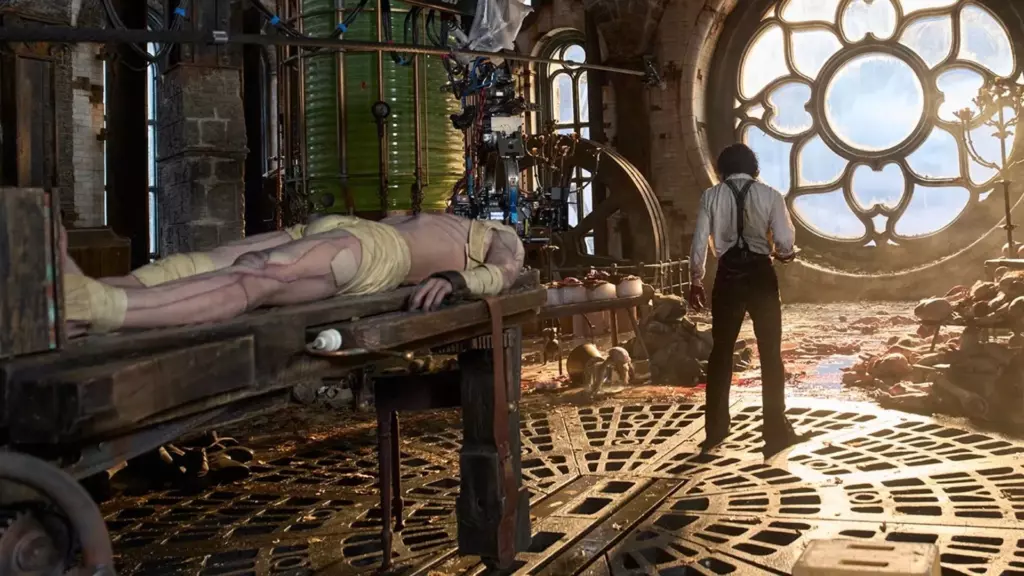
These elements work as a visual metaphor for a closed cycle (birth-death-rebirth) and the inevitability of fate or obsession. They emphasize that the characters — especially Victor, trapped in his mania, and the Creature, trapped in its immortality.
Head of Medusa
On board the ship and in the laboratory, a detail dominates that cannot be missed: a giant head of Medusa. This element goes beyond simple interior decoration (again symbols — these symbols everywhere).
Medusa in this context embodies the pride of the modern Prometheus (Victor), frozen on the border of life and death. Del Toro deliberately returns to the ancient subtext, using the image of a monster that people feared not because it was evil, but because it was a reflection of their own sins and inability to accept otherness.
Modern Prometheus, Christian Iconography, and Paintings
The theme of the "Modern Prometheus," featured in the subtitle of the original novel, receives a literal and visually rich embodiment in the film.
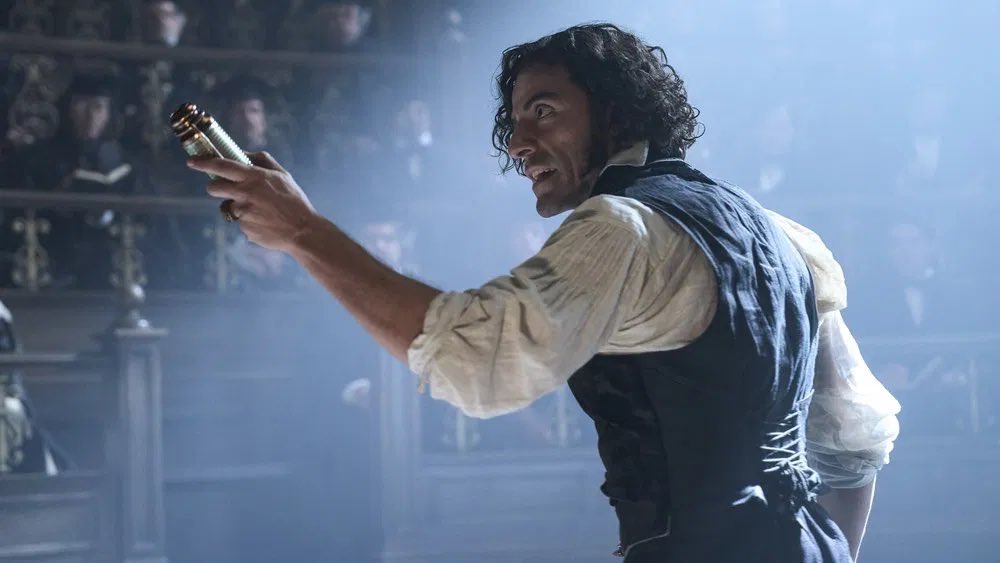
The director deliberately combines the ancient myth of Prometheus (who brought fire to people and was punished for it) with Christian images, turning Victor's experiment into a scene of blasphemous resurrection.
The scar on the Creature's side clearly resembles the wound inflicted by the spear on Christ. This image symbolizes "false resurrection of the flesh without spirit."
As del Toro himself explained:
"He rises not to God, but into the void where God is absent."
Victor not only steals divine fire (knowledge) but also attempts to imitate the sacred act of creation, resulting in a being marked by suffering but devoid of redemption.
Not tired yet? Let's move on to divine meanings.
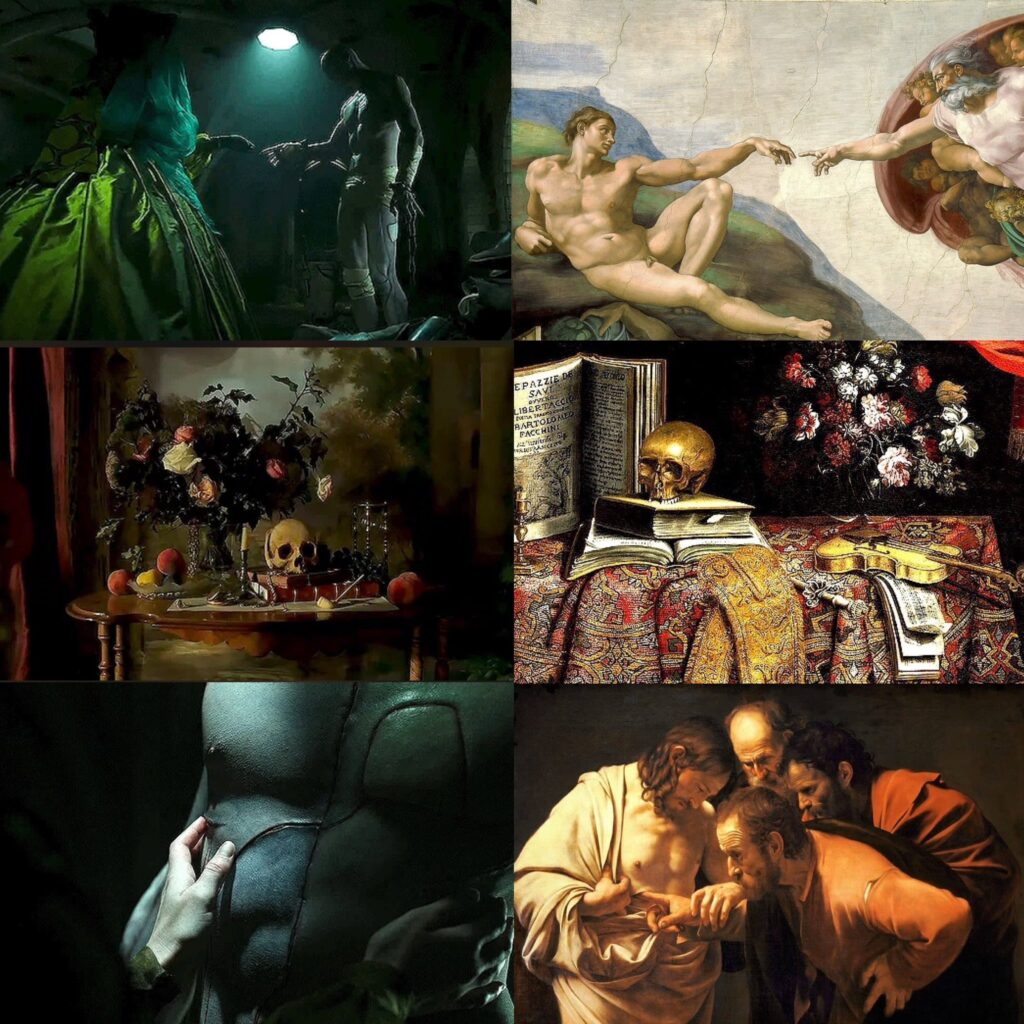
Elizabeth's Touch and "The Creation of Adam"
One of the most poetic scenes is Elizabeth's touch of the Creature. The composition of the frame repeats Michelangelo's famous fresco: a woman reaches out to the creature, as God does to man. But in del Toro's version, humanity gives birth to God, not the other way around.
Angel Statue and the Theme of Childhood
The statue of an angel with a crack on its forehead is another hidden symbol. Its damage repeats the scar on the Creature's head. Victor unconsciously recreates the guardian angel from his childhood. This motif once again shows that his drive for creation is not rational but traumatic.
Luke, I Am Your Father
The theme of "father and son" here is given straight for a classic psychological analysis. It manifests first in the despotic relationship between Victor and his father Leopold (I still think the original name Alphonse Frankenstein sounds cooler), and then between Victor and his "son," the Creature.
This connection is emphasized even on a linguistic level. When Victor first sees the animated creation, he says: "Do you see the sun?" which in English pronunciation is similar to "Do you see the son?" This is a subtle hint that the creator addresses his creation as his legacy. Light (the sun) is one of the most important symbols of the film, representing birth and understanding. However, the creator points his "son" to the light that he himself could never comprehend.
And my hint to readers: watch films in the original language.
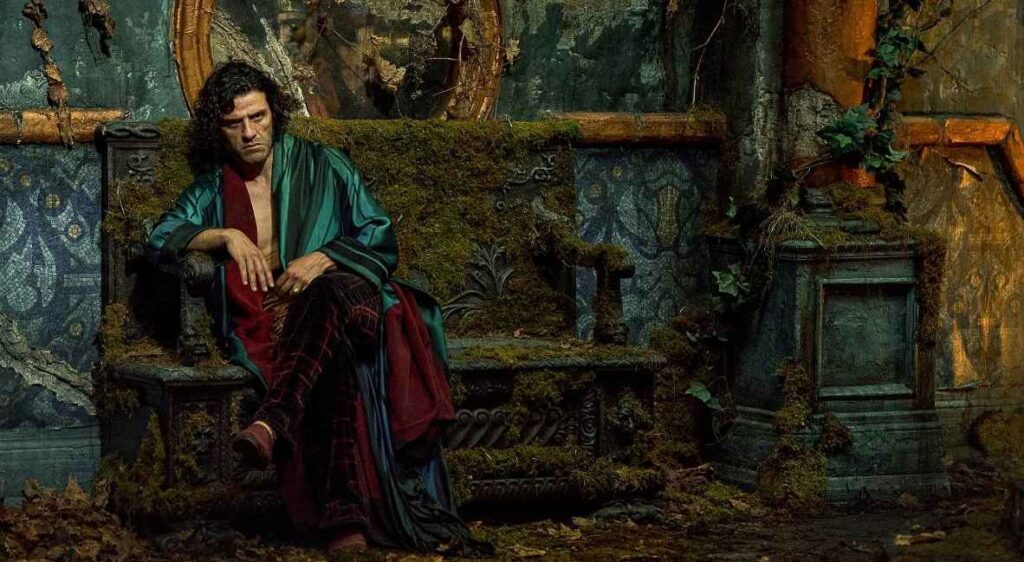
Only in the film does the theme of generational trauma clearly emerge. Victor unconsciously copies the cruelty and coldness of his father and passes this pattern on to his creation. He punishes the Creature for what he himself could not or did not want to teach it, condemning it to the loneliness and pain he once experienced himself.
Therefore, the finale acquires deep meaning (though where else deeper): when the Creature raises its head towards the sun, it symbolizes not death, but the birth of a soul — an act of true resurrection achieved not thanks to, but despite Victor's distorted act of creation. This is the moment when the Creature breaks the vicious cycle of trauma, completing its journey to humanity.
Finale — Catharsis
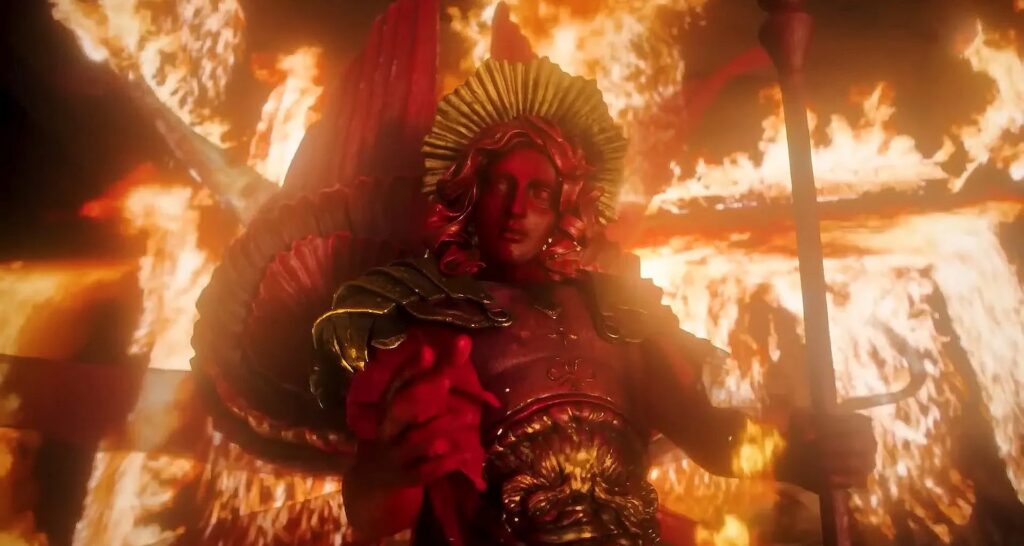
In Mary Shelley's novel, the finale follows the logic of punishment: Victor dies, and the Creature, completing the cycle of tragedy, promises to burn itself, thereby restoring moral balance.
Guillermo del Toro radically changes this narrative, turning the ending into a scene of redemption. Unlike the book, where the characters never meet, in the film Victor and the Creature manage to talk before the creator's death. And the final word is given to the Creature:
"I forgive you."
In the same scene, the sailor (whose image in the book, by the way, is more detailed, as a man sacrificing years of his life for ambition) makes his choice in favor of compassion rather than insane progress.
Thus, the film Frankenstein concludes the two-century history of the character as a story not about pride and punishment, but about forgiveness.
And in a world where people tend to create machines instead of believing in miracles, the director returns a human heart and mercy to this myth. While simultaneously condemning artificial intelligence in interviews :)
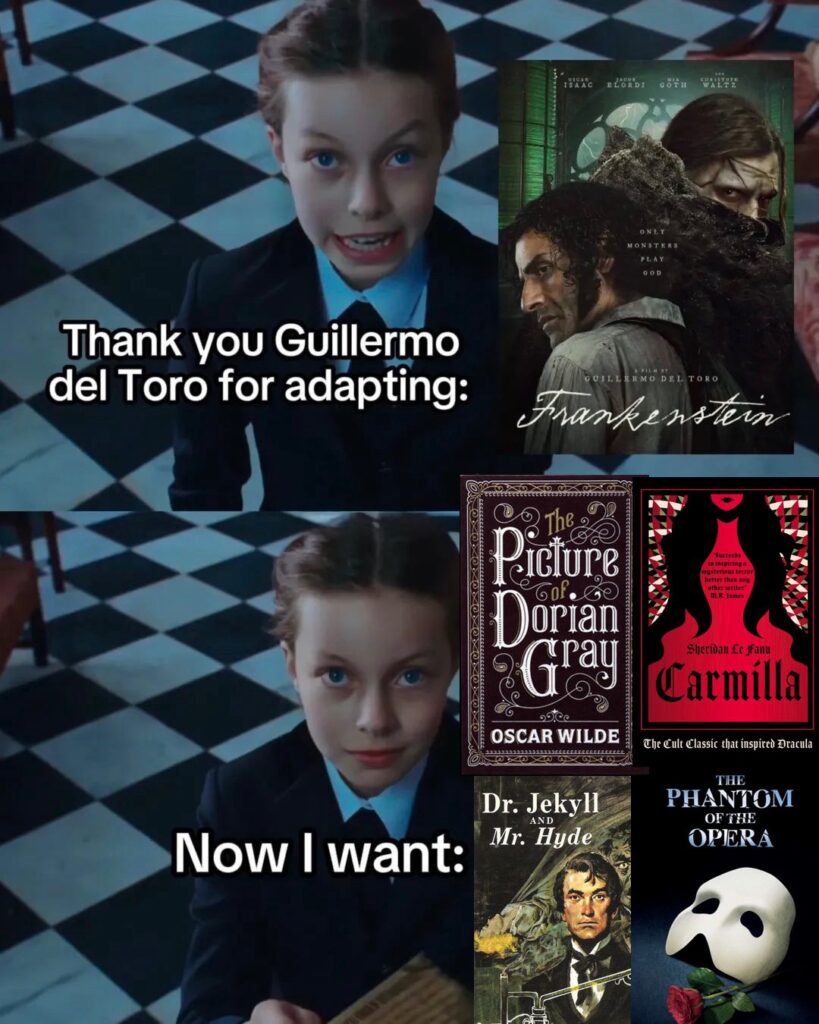
You have read this review to the end — you are forgiven, my children.
Comments
0No comments yet.
Sign in to join the discussion.