
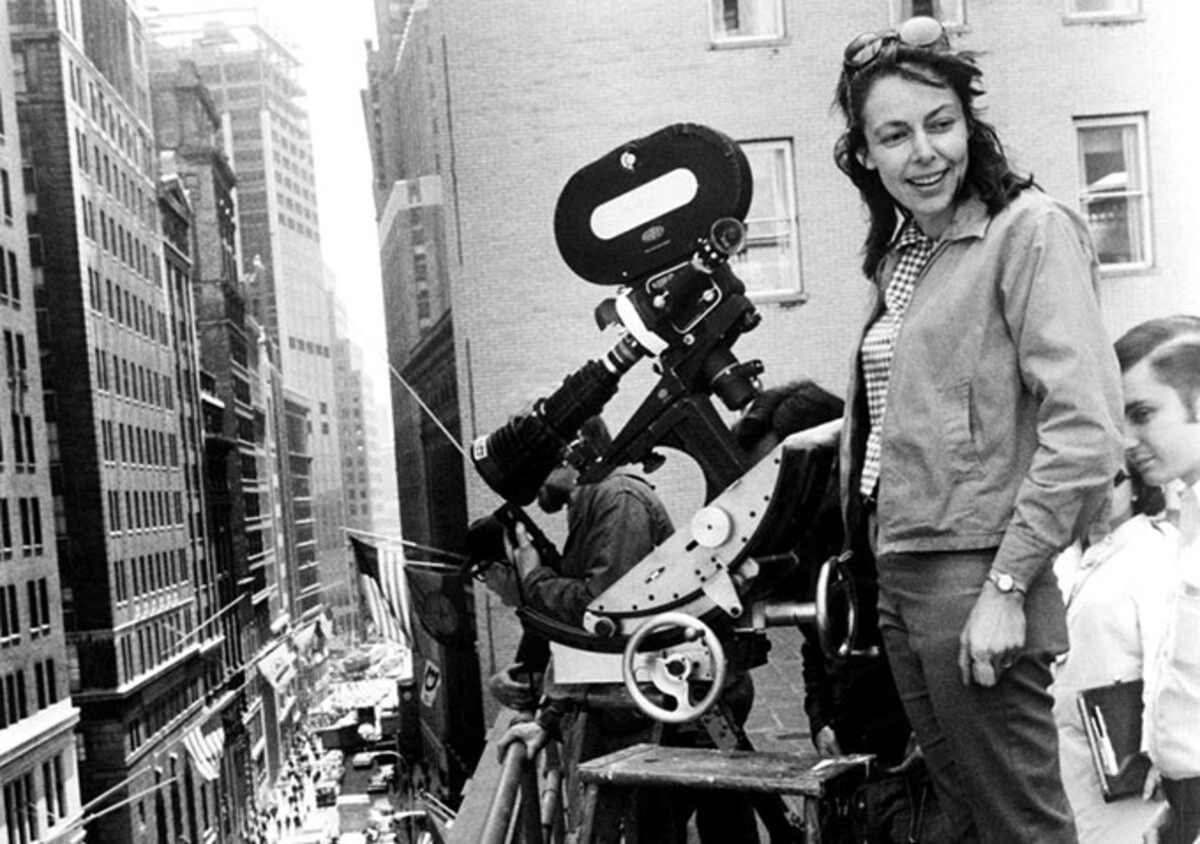
Elaine May was the first to refuse to play by the usual rules and paved the way for many modern female directors. This article is about the author of only 4 films that once and for all changed the idea of auteur women's cinema.
In less than 20 years of her career, Elaine May managed to question the dignity of male Hollywood, break the canons of American humor, and make a film that angered audiences and critics alike.
«May-Nichols»
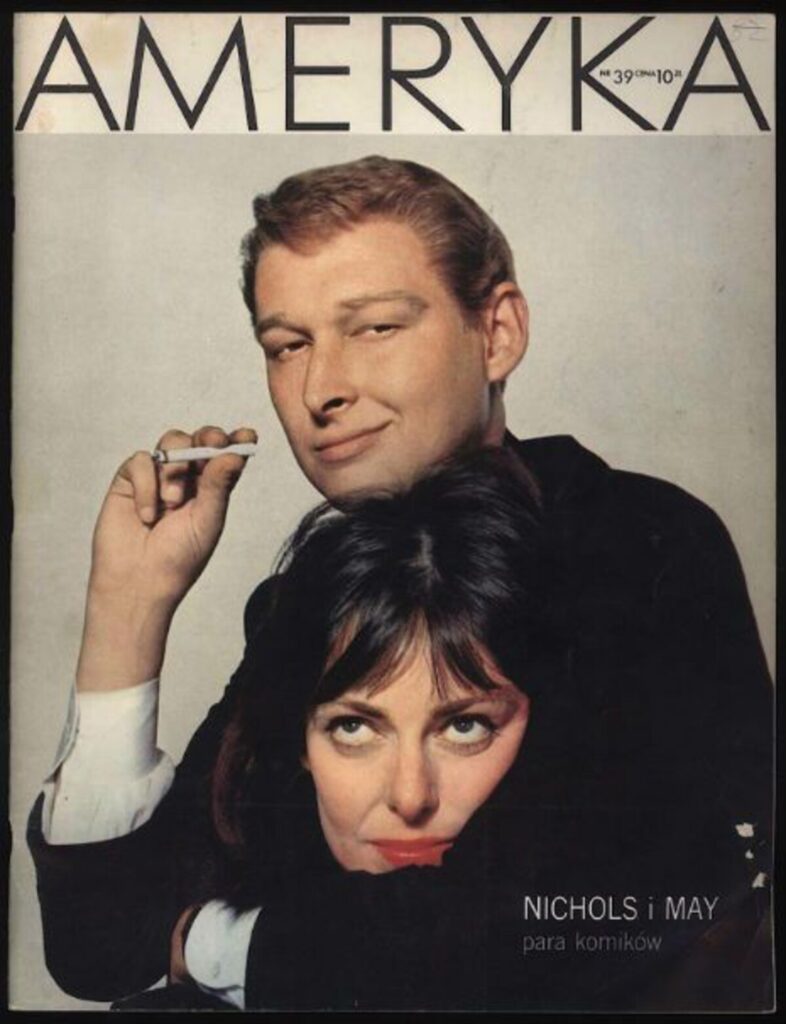
Elaine May, née Berlin, was born in Los Angeles to a theater director in 1932. So say many sources. But is it true? Elaine May's biography is a feature film in its purest form. Both in the number of memorable images and events, and in the level of fiction.
It must be said that Miss May herself is a rather secretive person, rarely giving even short interviews. The last big conversation with her took place in 1967 during the promotion of the film «Luv», in which she played one of the roles.
Everything said later, as the director would later admit, was a planned lie aimed at gullible journalists. But one thing is known for sure: it was the Compass Players and a meeting with Mike Nichols during her studies.
Their acquaintance already resembled a comedy sketch. Young Nichols was rehearsing a role in the Swedish play about the fall of man, «Miss Julie,» on the university stage and was overacting in every way.
Out of the corner of his eye, he noticed a girl in the audience who openly expressed contempt for his acting skills. This reaction surprised him greatly, and he became interested in May. That evening he met her at the station, reading a newspaper. Nichols pretended to be a spy and started an improvised conversation with her. May immediately picked up on the common wave and began actively playing along with her companion. They continued their improvisation non-stop all the way to the door of her apartment. Soon this student joke would sink Puritan America.
The duo «May-Nichols» in the 60s had the popularity level of the Beatles and the effect of an atomic bomb. Their performances were watched by several million people hungry for change. While physical comedy by Jerry Lewis and Bing Crosby ruled the comedy arena, young comedians were not afraid to break taboos and rewrite the rules. In their sketches, they spoke for the first time about the sex life of teenagers afraid of relationships, mothers who do not let their sons grow up, and the topic of infidelity between husbands and wives.
In addition, honing their comedic skills, during live concerts they could ask the audience for a life situation and, juggling literary background, play it out in the style from Tolstoy to Ibsen. There were no boundaries for them.
The sharpness of the material and the improvisational power of their performances were so powerful that some of them won Grammys for Best Comedy Album. And future titans of the stage, such as Robin Williams, Steve Martin and David Letterman, did not hide the influence of May and Nichols on their careers.
But already in 1961, the comedy duo cracked and the group disbanded. The main reason was creative fatigue. Nichols was increasingly drawn to serious directing, so he went to overthrow the Hays Code in «The Graduate», while May went into the shadows for 10 years and wrote plays for the theater stage, only to return in the 70s in a different role.
«A New Leaf»
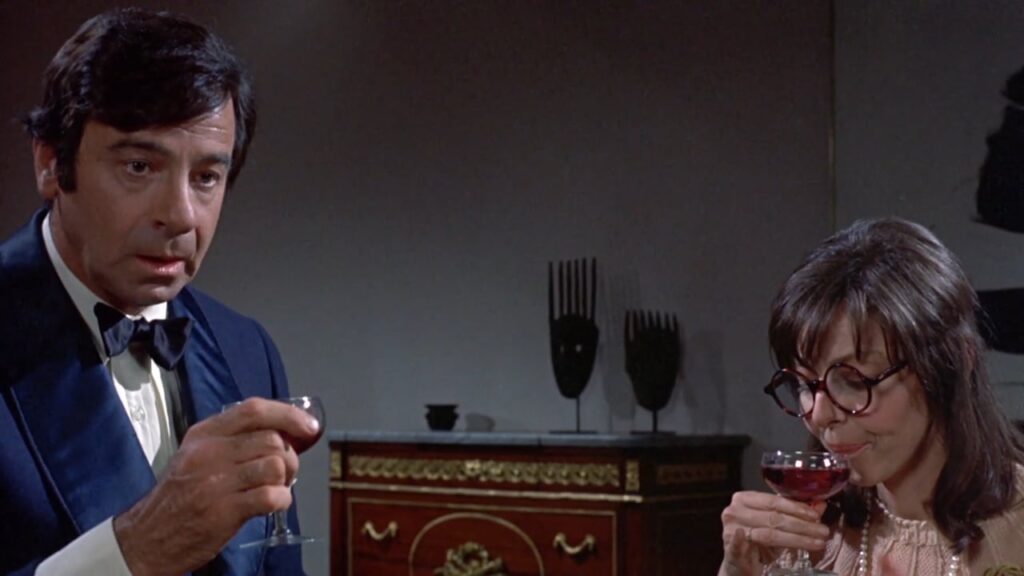
«A New Leaf» — Elaine's first independent film as a director — was extremely revolutionary in its plot for a typical rom-com. If before her, films of this genre featured two dissimilar people who eventually become a couple, May caustically and cynically distorted their differences into outright grotesque.
The main character Henry, an elderly boy with a silver spoon in his mouth, one day loses his steamships, airplanes, and cars due to extravagance. To stay afloat, he is forced into a sham marriage, and then to send his bride to the next world for the inheritance.
But the betrothed, besides a substantial dowry, turns out to have an insatiable passion for botany and natural clumsiness, both physical and in financial matters. Unexpectedly, the elaborate enrichment plan turns into «bringing up baby».
Already in her debut, May begins to deconstruct the male world. She does not skimp on showing the stronger sex as spoiled children, and therefore casts Walter Matthau — a recognized comedy giant, the eternal grumpy old man of American cinema and a member of the legendary duo with Jack Lemmon.
His Henry Graham is a relic of patriarchy, mourning the sold car fleet and turning to crime to maintain the image of an unrepentant playboy. He is ridiculous and frankly pathetic in his ways of trying to kill his little wife, whom neither poison nor drowning can take. But he is not devoid of care.
The «little wife», in turn, is played by Elaine herself, and with all her comedic strength. This is physical humor in its purest form. Henrietta is amazingly absurd and crystal-clear clumsy. One 5-minute evening silent scene of putting on a Greek nightgown is worth many other representatives of the genre. And how she filigree, one after another, breaks the china in front of high society! You can watch this endlessly.
In «A New Leaf», May, like a talented breeder, very precisely crosses different elements. Black comedy here intertwines with the rom-com and creates a paradoxical case where the thirst for profit and deep egoism give birth to a true high feeling without unnecessary sentimentality.
«A New Leaf» is not only a spectacular debut, but also the first chapter of Elaine's fierce struggle with Hollywood producers. She fought them without a truce for all 20 years of her career. With this persistence and defense of her authorial positions, she resembles another wayward great director. Orson Welles, after the release of the cult «Touch of Evil», entered into a long-term confrontation with Hollywood due to the alteration of the film by the producer's scissors and its assignment to category «B». Only 40 years later was «Touch of Evil» released in the author's version. But May's films in their original version were never shown.
For the first time, serious men in suits, among whom was the great and terrible Robert Evans, producer of «The Godfather», cut the film's runtime exactly in half. They reduced the 3-hour version to the familiar hour and a half. And they removed the brutal murders of secondary characters and explicit scenes of misogyny. May's dark and uncompromising view was lightened. Upon learning of the «losses», Elaine wanted to remove her name from the credits, but the studio did not allow this idea to come to life.
«The Heartbreak Kid»
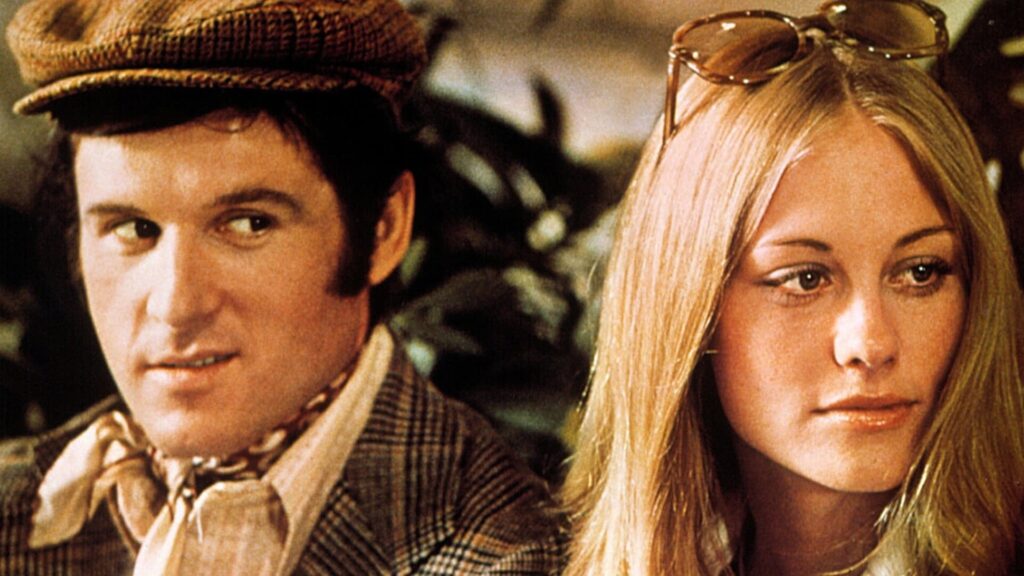
«The Heartbreak Kid», according to famous critic Jonathan Rosenbaum, is one of the best films of 1972. This film is an illustration of the famous phrase by Bulgakov: «Be careful what you wish for, it might come true».
Young New York Jew Lenny hastily marries an ordinary girl, Lila. They go on a honeymoon to a southern town, where Lenny meets Kelly, a young student vacationing at the resort. For the remaining hour and a half, the hero regrets his first choice and tries to win the affections of his new flame, who is not as simple as she seems.
«The Heartbreak Kid» is Elaine's most venomous and pitiless film. It is hard to call this work simply an exemplary anti-rom-com. Yes, there are purely genre scenes here, like the sunburned wife and her bad singing that drives the hero crazy. Or the moment when Lila eats a chocolate bar in the middle of the night and gets on Lenny's nerves. But this is shown so cynically that the laughter is rather nervous — from the fear that this is how it happens in life. Elaine chronicles the disintegration of an early marriage. Infatuation becomes routine, and the fairy tale becomes the heavy prose of life. Miss May acts uncompromisingly and adds naturalistic features of the works of John Cassavetes.
The scene in the seaside restaurant, when Lenny dumps Lila, is shot with a documentary camera, and all the bitterness and resentment of the heroine are shown as in life — detached and mundane. After watching, you will not be able to look at pecan pie calmly, I assure you.
In the series of portraits of men of varying degrees of depravity and baseness in May's films, Lenny confidently takes first place. This is largely due to Charles Grodin. His character does not consider a woman a human being; she is small change. Therefore, breaking the life of his first wife, he switches his attention to Kelly and at the end already leads her down the aisle. But he himself does not particularly desire marriage. He wants another trophy, a toy, a souvenir, but not a life partner and a family hearth. It is no coincidence that before the credits, he sits on the couch, in the pose of Rodin's Thinker, and is already thinking about the possibilities of annulling the new marriage. Lenny napalms everything he touches in an attempt to patch up an existential hole.
In 2007, the Farrelly brothers, recognized masters of borderline humor, cobbled together a remake called «The Heartbreak Kid». Casting another New York Jew, Stiller, in the lead role, they swapped the film's events, added a bag of vulgarities, and slapped on a banal happy ending instead of a philosophical finale. Even sophisticated producers had not treated May so cruelly.
«Mikey and Nicky»
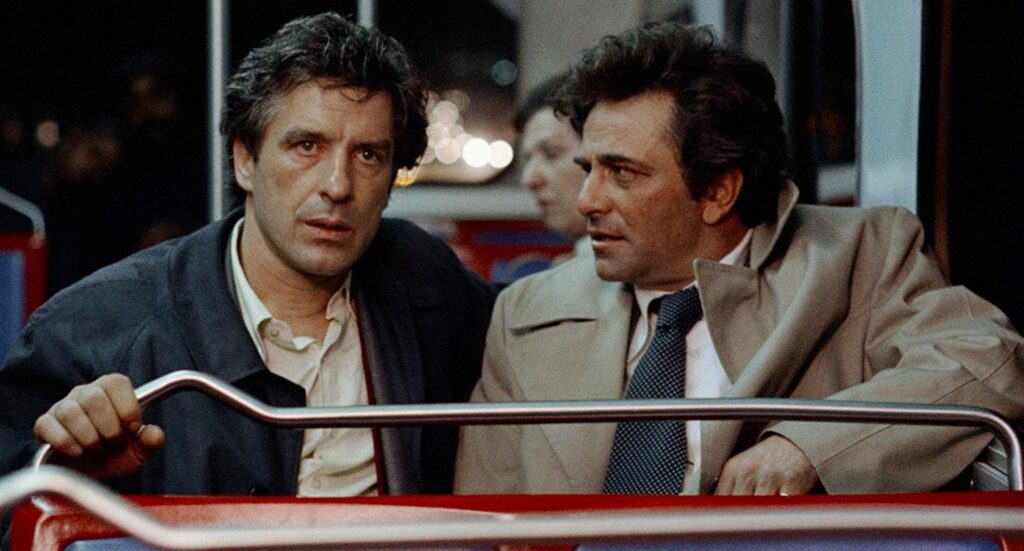
«Mikey and Nicky» is called one of the best films by Cassavetes, not directed by him. In this crime drama, Elaine May methodically sucks the air out of the screen, fills the entire space of the film with grayness, the greasy light of night lamps, and, like an X-ray, highlights the deep crisis of male relationships.
Having fleeced a mafia boss of a substantial sum, small-time crook Nicky hides from retribution and falls into wild paranoia in a Chicago hotel. His company is unexpectedly brightened by the arrival of Mikey, a childhood friend and former partner in crime. Together they embark on an odyssey through the night city, unaware that one of them is obliged to kill the other before dawn.
«Mikey and Nicky» is May's most personal film. Its plot is partly autobiographical and taken from Elaine's childhood. When she lived with her family in Chicago, their neighbors were a mother with two gangster sons. One of them did not receive much attention from his relative, while the other was a favorite with a very problematic character. And one day he robbed the head of a gang. Upon learning this, the gangsters called the woman's house and told her to send the culprit for retribution. The loving mother made a «Sophie's choice» and sent the other son to be torn apart.
«Mikey and Nicky» is May's best film in many respects. Here the director methodically and thoroughly exposes the ins and outs of male relationships and delivers a disappointing verdict: friendship does not exist. And the entire strength of relationships is based on frankly low things: mutual lies, open sexism, humiliation of women's rights, whether it be a wife or a mistress, and outright meanness towards each other.
Helping to convey this idea more clearly to the audience is the phenomenal duo of John Cassavetes and Peter Falk. True old friends in real life simply tear the boundaries of the frame with their furious energy. Cassavetes most accurately conveys the huntedness and moral ambiguity of his hero. His Nicky raves for half the film, tirelessly runs from fate, gets into fights, and does everything to be hated. Falk, the nationwide detective Columbo, first paints the hero with simple strokes. He gives time to build up, so that in the middle of the film, on an empty night street, he delivers a monologue of Shakespearean proportions and shows the full gradation of pent-up resentment and anger towards Nicky.
«Mikey and Nicky», besides the acting performances, surprises with its cinematic beauty. Chicago on screen absorbs the atmosphere of piercing loss and inner hell from Cassavetes' «Husbands». An absolutely unceremonious documentary camera in the best traditions of the «New Hollywood».
The heroes, as if following Dante, flee through the city and end up on a jerky, half-empty night bus. They laugh and talk, but the feeling is that the next station is the underworld, and there are no stops before it.
«Mikey and Nicky» is the record holder for the escalation of the armed conflict between May and the producers. And this story deserves a separate film: overspending of film stock, and there, mind you, about 1.4 million feet of celluloid were used. To understand the scale of the disaster: the production of the epochal saga «Gone with the Wind», which lasted 4 hours, used 3 times less film.
This happened due to May's uncontrollable freedom of improvisation. She simply forbade the cameramen to turn off the camera, even if the actors left the frame. «They might come back,» the director repeated. The set resembled a sacred ritual.
After such antics, the studio confiscated the footage and decided to finish the film themselves, but Elaine saw no obstacles when it came to the creative process, so she stole the film and «held it hostage» for a whole year so that no one could destroy the author's vision. The result was obvious: a forgotten gem of the 70s, which is not inferior in intensity of passion to Lumet's «Dog Day Afternoon», and May's retreat into the shadows for 10 years to work as a script doctor on many famous projects: from «Labyrinth» to «Tootsie».
«Ishtar»
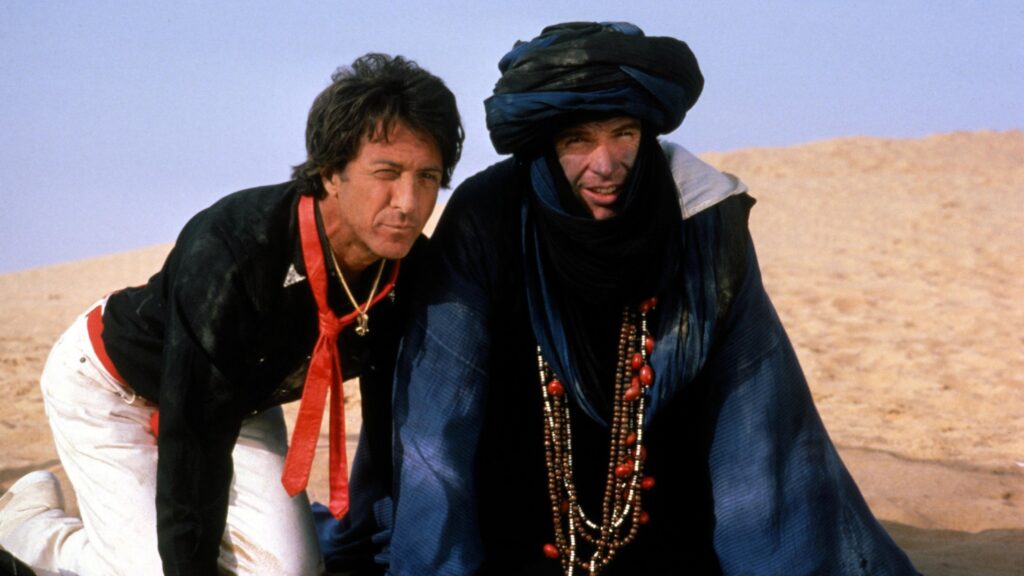
«Ishtar» is May's most controversial and unfairly maligned film. Even «Heaven's Gate» by Michael Cimino, which finally buried the «New Hollywood» with its uncontrollable freedom of vision on set, was not so heavily criticized by everyone.
After the release of «Ishtar», everyone was outraged: ordinary viewers who expected to see a comedy action film (about $40 million was spent on production), and renowned critics like Ebert and Siskel. They left no stone unturned from May's film. And this is probably the greatest conspiracy since Watergate.
According to the plot, two voiceless singers, who see themselves as the new Simon and Garfunkel, out of desperation come to the eastern state of Ishtar to at least slightly fill their pockets. But life makes its own adjustments, and the two charming eccentrics mistakenly become messiahs from an ancient legend who must put an end to the bloody regime of Ishtar.
This film is an amazing precedent of a mixture of golden age Hollywood comedy and sharp social satire that has not aged at all. A kind of «Dumb and Dumber» with notes of «Dr. Strangelove».
The film is full of physical humor and gags from the works of the famous trio of the Marx Brothers. Take, for example, the episode with a conversation in front of a blind camel at the market, or the scene in the desert when the starving «singers» mistake a flock of vultures running on the sand for a long-awaited oasis.
In «Ishtar», May compares American politics to running a show business. Two egocentric fools trying to promote their work and record an original album, despite everything, clearly echoes the American politics of those years, when the patriarchal top of the US government wanted to forcibly grant freedom to the inhabitants of Afghanistan and Iraq.
Besides its fierce comedic power, the film boasts a brilliant cinematic duo. Hoffman and Beatty, playing two talentless inseparables in «Ishtar», enjoy the opportunity to finally shed their past acting personas. Warren, known to the viewer as a first-class ladies' man, embodies here the image of a two-meter loser, while Dustin, a neurotic and the main player of outsider roles, plays an alpha male with the telling nickname «Hawk».
Their characters are so charming and spontaneous in their stupidity that they often deliver legendary lines like: «Many people lacked the courage at age 40 to admit that he is a loser and life has passed him by, but you told everything to go to hell and did it». It should be noted that Beatty says this phrase to Hoffman when the latter is preparing to jump from the wall of his house. Or: «Gaddafi? Is that far?» during recruitment. Strangely, these pearls never became classics.
«Ishtar» was shot by Vittorio Storaro himself, the maestro of light who gave the look to «The Conformist» and «Apocalypse Now». Thanks to his vision, in some places the film resembles «Lawrence of Arabia» by David Lean: picturesque shots of the endless desert and silhouettes of two travelers on a camel. With the light hand of Storaro and May, one of the scenes turns into the best parody of the same «Lawrence of Arabia», paying homage to the famous episode with Peter O'Toole and a burning match turning into a solar disk.
So why did «Ishtar» become a byword in American cinema and force May to abandon directing? Did the CIA personally do everything to ensure that Elaine never approached the director's chair again?
Of course not.
Everything is much scarier and more mundane. The most perceptive woman in America was let down by producer David Puttnam, who could not stand inflated budgets and Hoffman and Beatty. He did everything to sink the film even before its release.
Various anonymous letters appeared about May's supposedly strange behavior. It was said that she forced the leveling of sand dunes for a scene, filmed on a mined territory, and tormented a blind camel for authentic acting. In addition, the media, even before the release of «Ishtar» on big screens, presented it as a summer megablockbuster. This provoked different expectations among the public.
The subversive activity was a resounding success. Patriarchal Hollywood sent the «upstart» to a well-deserved retirement, and the female perspective in cinema was again pushed aside.
«A New Film?»

May is now 93, and after «Ishtar» she has not directed a single film, except for a documentary about Mike Nichols from the «American Masters» series, but that does not count. It is more of a TV work.
More and more often, the media announces news about a possible fifth film by Miss May, «Crackpot». The lead role is to be played by Dakota Johnson. The snag is that May's age is quite advanced for solo directing. Therefore, for backup, a shadow director is definitely needed who can finish the film in case of unforeseen circumstances.
Elaine May is a unique example of creative determination, an original caustic-sarcastic vision of relationships, and the courage to undermine the foundations of a patriarchal corporation, even at the cost of her own career. The male world has never been as fragile and weak as under the lens of this fearless director and the first woman to shake Hollywood.
Comments
0No comments yet.
Sign in to join the discussion.