
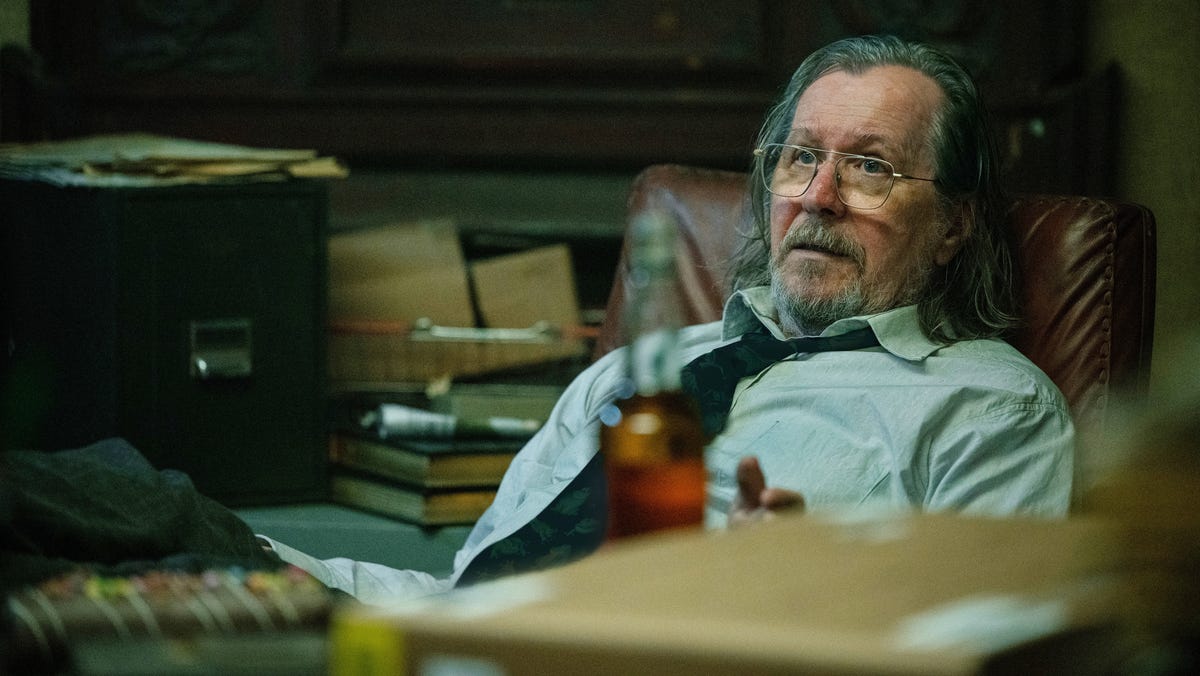
The fifth season of 'Slow Horses' has concluded. About why we want this show to last forever — in our review.
In the new — fifth in three years! — season of Slough House, the MI5 department where failed spies are sent for incompetence, once again saves Britain. Yet none of the department's employees derive any obvious joy — or obvious benefit — from this activity. Moreover, this season, like the last, they are mostly sad and try to cope with personal grief against the backdrop of the era's political upheavals. It doesn't go well.
River Cartwright (<strong>Jack Lowden</strong>), the protagonist whose personal growth (if you can call it that!) we've been watching since the first season, cannot come to terms with the fact that his newly found father is the Darth Vader of the spy world (a 'Luke, I am your father' revelation was <a href="https://tambur.pub/b/post/17604">last season</a>), and his beloved grandfather is gradually losing his memory. He trains intensively, trying to replace happiness with masculinity; it mostly comes off as awkward and strange, and in terms of professionalism, River remains himself and doesn't exactly catch stars (or deaths) from the sky.
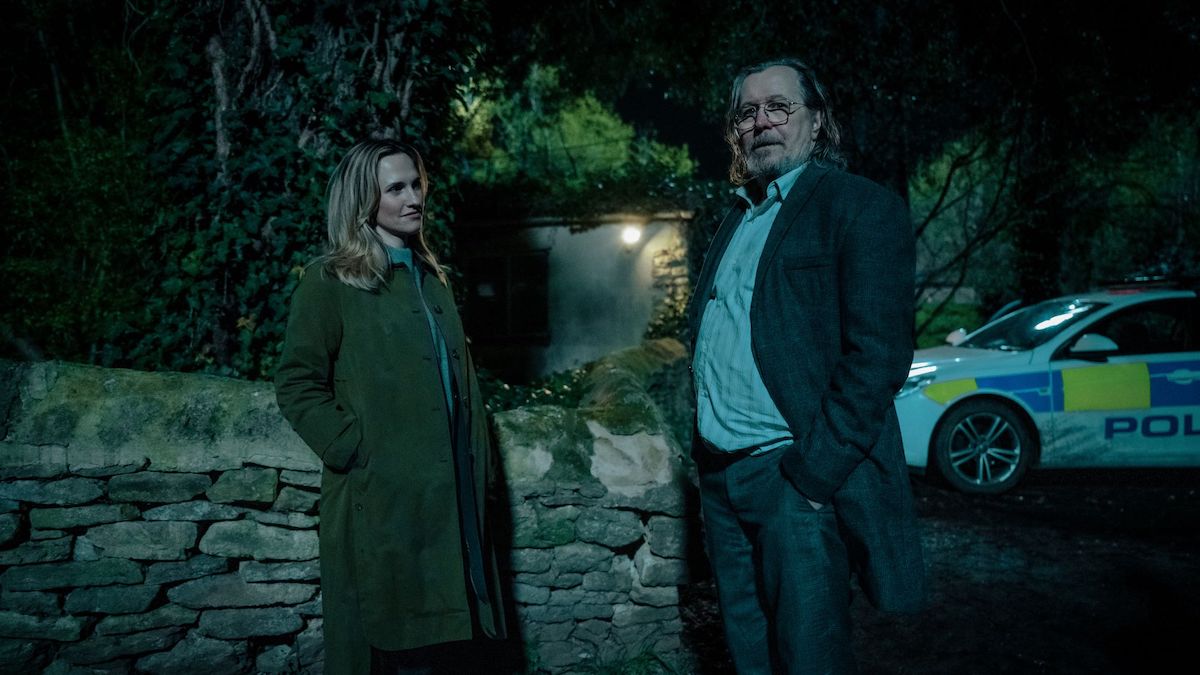
The fourth season of 'Slow Horses' has ended. About why the show about how Gary Oldman and his hapless subordinates save Britain out of boredom is still not to be missed,
Open materialJackson Lamb (Gary Oldman, surprisingly melancholic this season), the head of Slough House, continues to want only one thing — to be left alone. A Cold War veteran and intelligence legend, he hasn't lost his skills and is still the most professional spy in London — an old horse, so to speak, that doesn't spoil the furrow — but for Lamb to get up from his beloved office chair, something extraordinary must happen.
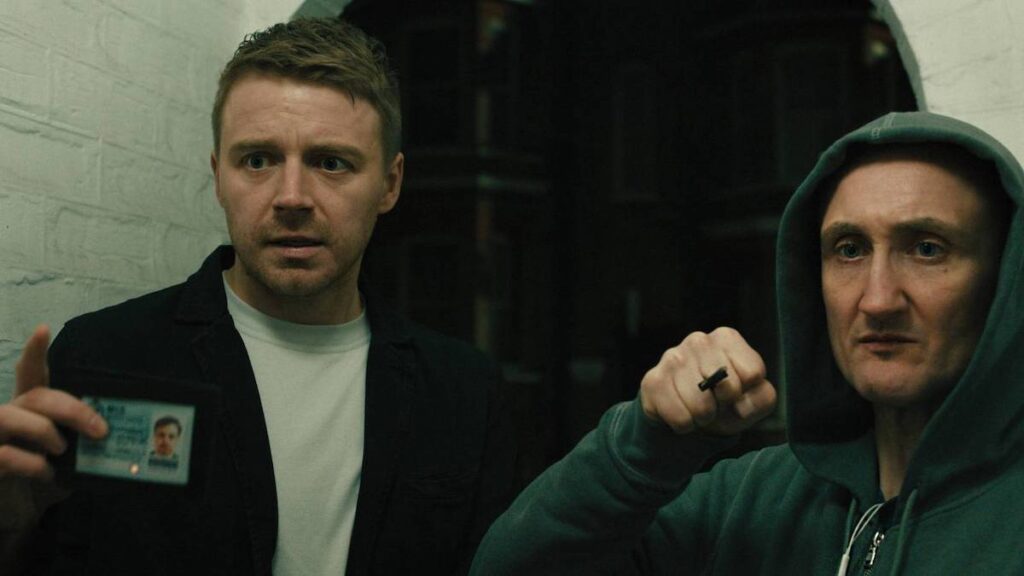
In the very first episode of the new season, we see how high the bar is. Neither an assassination attempt on Roddy Ho, Slough House's IT guy, nor a terrorist attack in London on the eve of the mayoral election can distract Lamb from, let's say, his work routine. That is, from morning wine, an English breakfast, a solid afternoon nap, and the good tradition of passing gas that kills, if not all living things within range, then at least any desire to remain alive.
Only the news that Roddy Ho has a girlfriend makes Lamb leave the office. Moreover, first, she's alive, and second, she's beautiful. Last season, recall, Roddy had a romance with a chatbot, so the scene where he dances with a girl in a club makes River think someone spiked his beer, and viewers think 'Slow Horses' has switched genres to science fiction.
Everything, of course, is explained more simply, and it quickly becomes clear that the girl is just pretending to be in love, and in reality, it's a complex scheme to destabilize the political situation in the United Kingdom. Yes, within the series, this is both more likely and easier to imagine than Roddy having a personal life. For that matter, than any of the surviving agents from the past four seasons of Slough House having a personal life.
The rest of the season, the 'Slow Horses' spend in their usual race against ever-increasing viewer expectations (and they surprise at every turn!), and the series' characters, combining in unexpected ways, in an equally familiar race against a superior opponent. This time, the opponent is slightly less interesting than usual, but the pattern remains: the motives of Britain's enemies again stem from its past, rich in various skeletons.
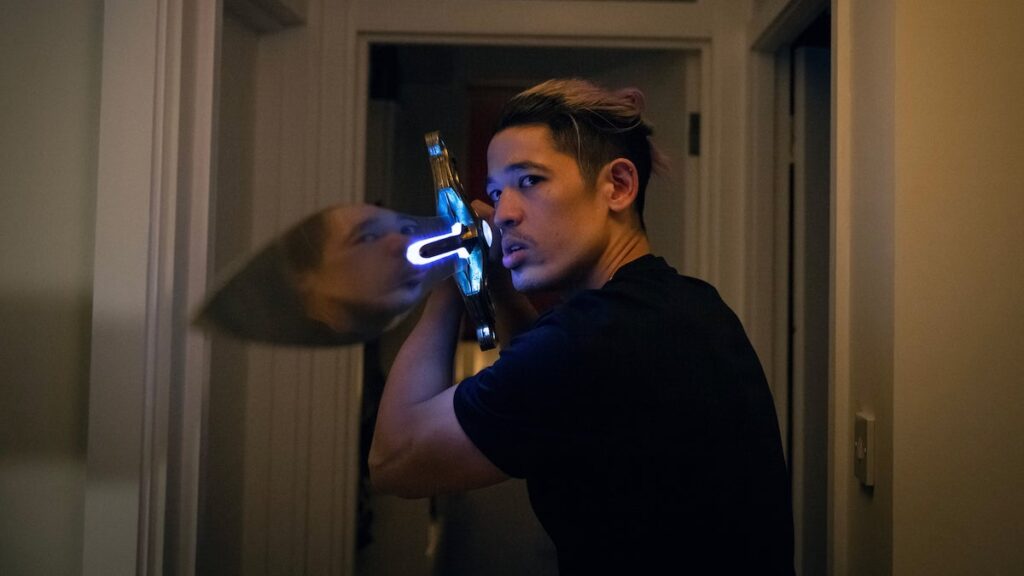
From favorite artists' records, you always expect their new album to be really good and able to impress even without prior acquaintance with the artist. The same hopes are usually associated with new seasons of favorite series, though with each subsequent one — with less and less belief in the possibility of such happiness. The fifth season of 'Slow Horses' exceeds any expectations in this regard — it's truly good television, without any discounts on how much we all love the first four seasons.
First and foremost, it's a gripping spy thriller, of which there are few these days. Every move Gary Oldman makes as Lamb is riveting. 'How did he even get there?' asks Diana Taverner (Kristin Scott Thomas), the eternal deputy head of MI5, on behalf of all viewers, when Lamb once again outplays her people. Her colleague's puzzled admiration fairly accurately reflects the standard viewer reaction. But it's not just Lamb — there are fewer Slough House agents now, and there's enough screen time to develop all of them.
The star of the season, of course, is Christopher Chung as Roddy — the level of self-deception his character achieves is enviable. As is his inimitable ability to look like an idiot in any situation. Even during interrogation in the dungeons of the secret services. His colleagues, however, also delight: as before, they demonstrate an amazing combination of complete incompetence and the ability to do the right thing in critical moments. But now they are also learning to work together; at first just to tolerate each other, and gradually even to act as a team.
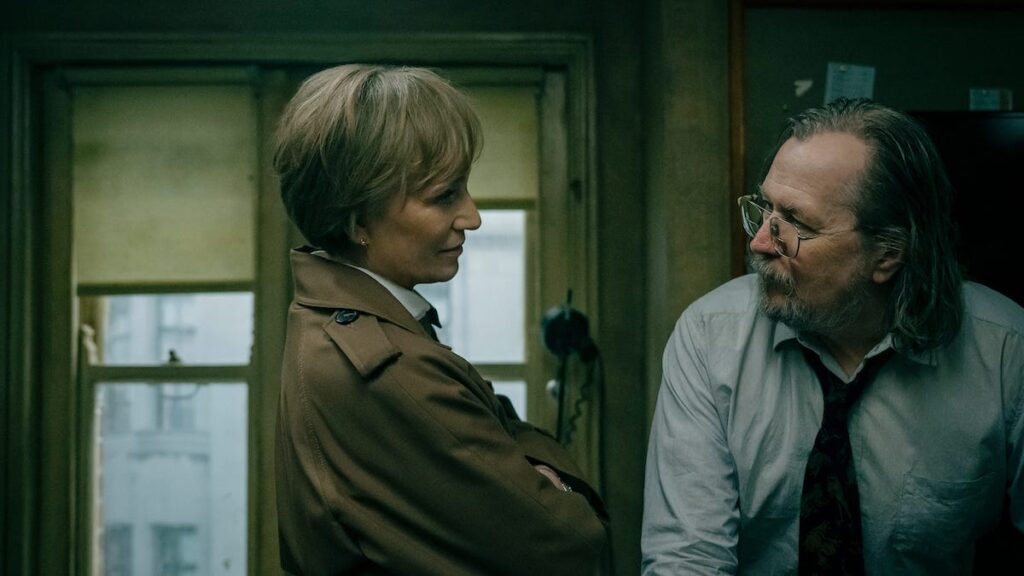
The creators, however, do not seek to explain every step of the characters or moralistically wink at moments of their growth. They generally skillfully avoid the trend of pop psychology and, without putting on too serious a face, give viewers space for reflection and, most importantly, freedom in terms of conclusions.
Some will see in the new season a continuation of the series' classic critique of modern bureaucracy and its monstrous inefficiency. Thus, Diana Taverner, the last bastion of professionalism at MI5 headquarters, experiences in this season new combinations of self-pity and contempt for her superiors, two very relevant emotions. Others will pay attention to the commentary on the ever-increasing polarization of political forces. For example, the candidates in the London mayoral election, against which the action unfolds, have nothing in common except the fact that you don't feel like voting for any of them. The brilliant fourth episode is in a sense dedicated to the idea of the interchangeability of right-wing and left-wing populism.
The central line of the season, however, is more about confronting the past. All characters, one way or another, have to face their mistakes — remember them, acknowledge them, or, conversely, try to renounce them (unsuccessfully). The creators are rather optimistic: of course, the past is frightening, it can destroy, break, strike back, but it can also save (like River's grandfather, the great Jonathan Pryce!) or make one stronger.
The very concept of Slough House makes one think of the past as a sum of mistakes — you don't end up there for heroic deeds, so to speak — but Lamb's agents are not reduced to their failures. Nor, for that matter, is Lamb himself. When in the season finale we learn a little more about his tragic past, we see not only the echo of an old war but also a man who managed to move on — albeit along a very peculiar trajectory. We are promised at least two more seasons of this movement, but we wish it would never end.
Comments
0No comments yet.