

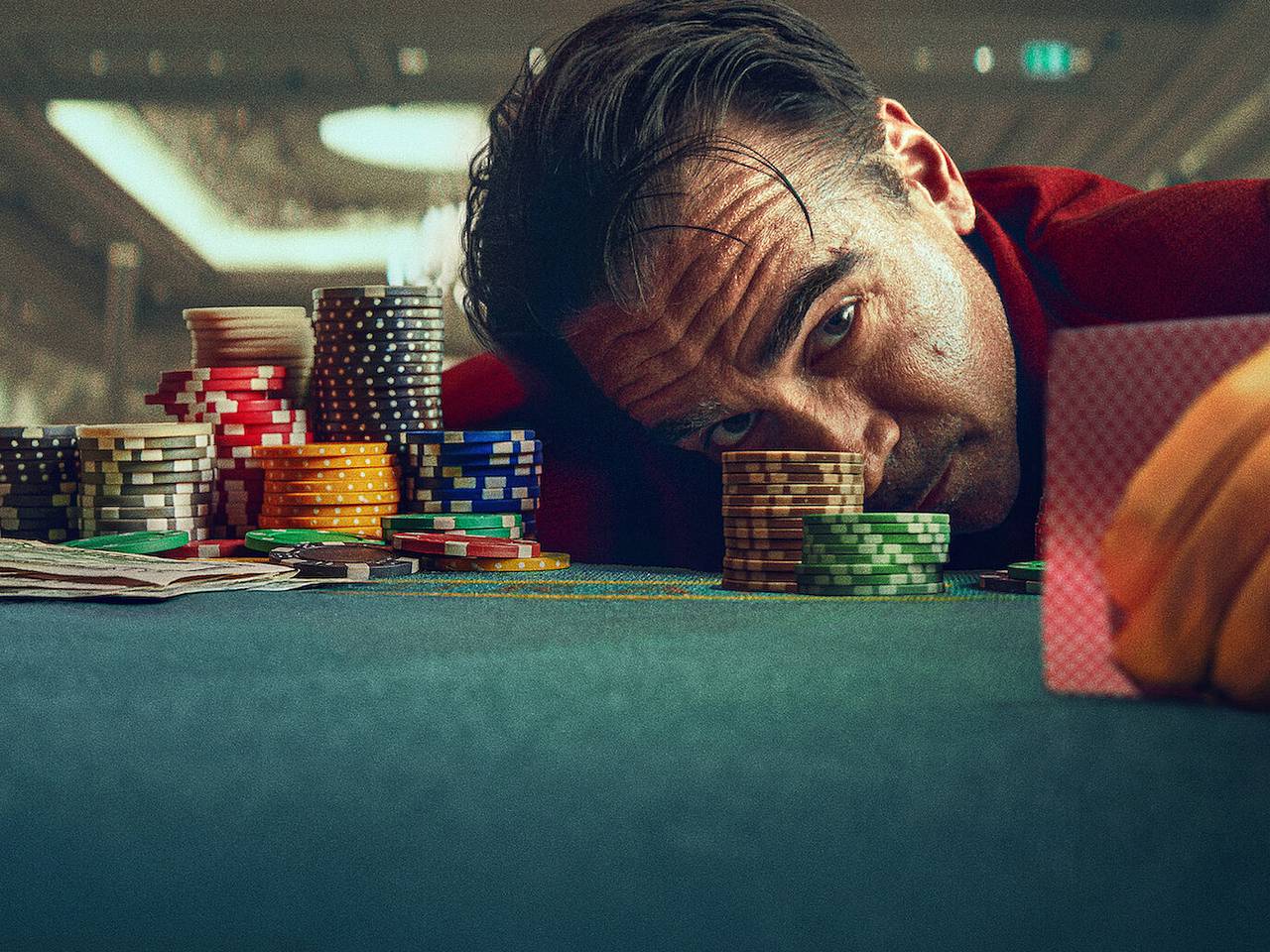
Edward Berger and Colin Farrell went to Macau to shoot 'The Ballad of a Small Player' — but the film never understood whether it was a drama or absurdity.
After the Oscar-winning triumph of All Quiet on the Western Front and the enthusiastic responses to Conclave, Edward Berger decided to take a risk — and ventured into the neon abyss of Macau with Colin Farrell and Tilda Swinton. The result is The Ballad of a Small Player — a film stuck somewhere between a surreal comedy of absurdity and a dark drama of self-destruction, never quite committing to either.
An Irish con artist posing as Lord Doyle (Farrell) burns his last money at a luxury hotel in Macau. Cristal champagne, lobsters, limousines — all of it is no longer affordable for a gambler banned from most local casinos. Debts pile up, and a private detective, Cynthia (Swinton), looms in the background, determined to recover nearly a million pounds that Doyle once swindled from a wealthy old woman. One last chance remains: a mysterious casino employee, Dao Ming (Chen Fala), who lends to desperate gamblers and suddenly disappears. Doyle teeters on the edge of reality, wondering: what of all this is actually real?
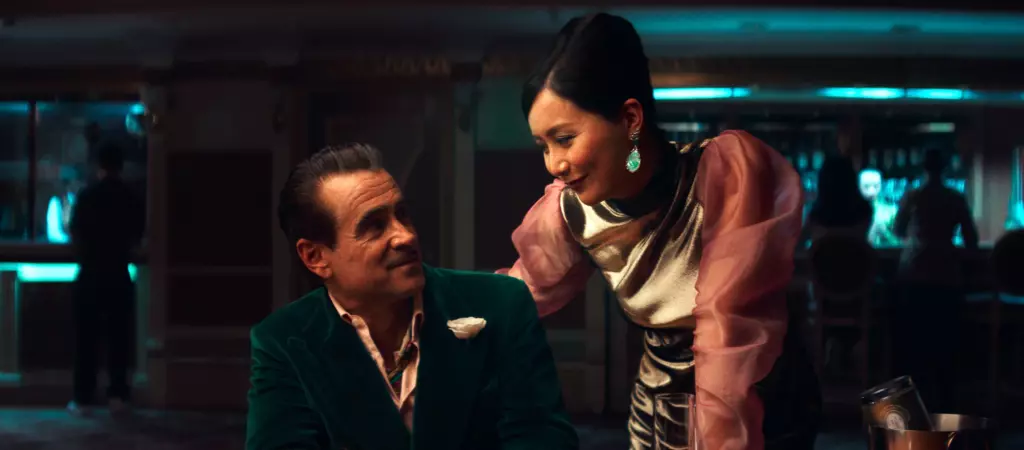
The Ballad of a Small Player, released on Netflix, suffers from creative schizophrenia. Berger clearly wanted to make something in the vein of a surreal thriller, where the line between reality and hallucinations is blurred to the point of indistinguishability. The problem is that the film cannot decide where it is heading.
On one hand, there is grotesquerie: Doyle gorges on delicacies he cannot even truly taste (reminiscent of Dennis Quaid's character in ), and audiences at the Telluride screening groaned in sympathy when he again bet his winnings. On the other hand, there are attempts at a serious drama about addiction, which never gains the necessary emotional depth, despite Farrell's expressive performance, which draws inspiration literally from thin air. The result is neither fish nor fowl: not enough madness for absurdity, not enough tragedy for drama.

"The Substance", which won the Best Screenplay award at the 2024 Cannes Film Festival, was released in Russian theaters on September 19. In this article, we discuss the nature of fear in this film
Open material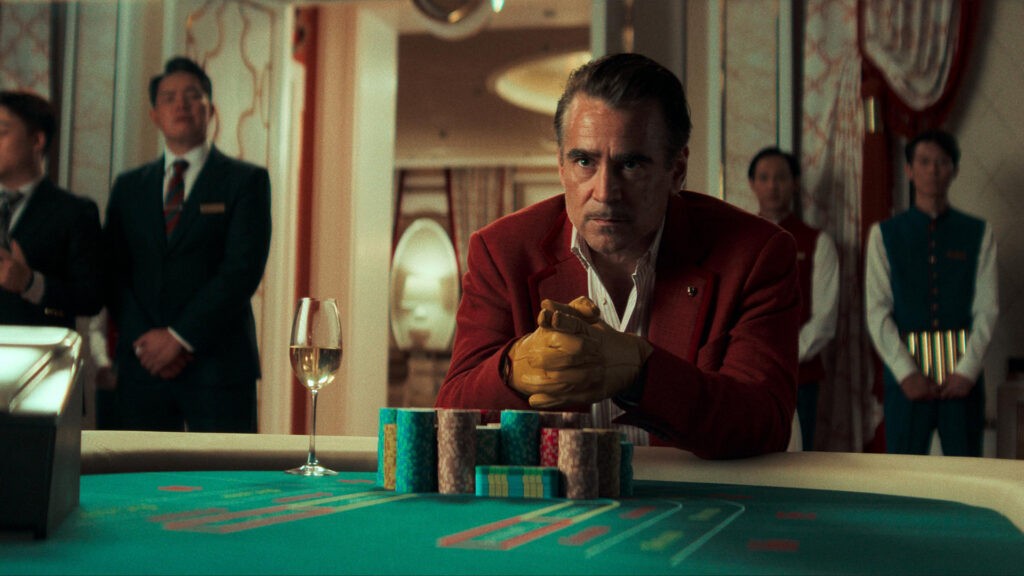
Cinematographer James Friend, who had previously worked with Berger, created a visual style that resembles a pop opera more than a psychological thriller. Macau appears stereotypically extravagant and simultaneously stifling, with fountains, bright colors, and music that creates sensory overload.
The problem is that all this colorfulness and neon opulence does not serve the story. The camera follows Farrell closely, striving to capture his sweat, laughter, and tears, but the visual aesthetic distracts rather than enhances the drama. Neon flashes, fountains spray, and you try to understand: why did the desire to shoot beautifully outweigh the authors' artistic taste? In the end, the visual luxury turns out to be empty — just like Doyle himself, who exists in a world of possibilities but is utterly hollow inside.
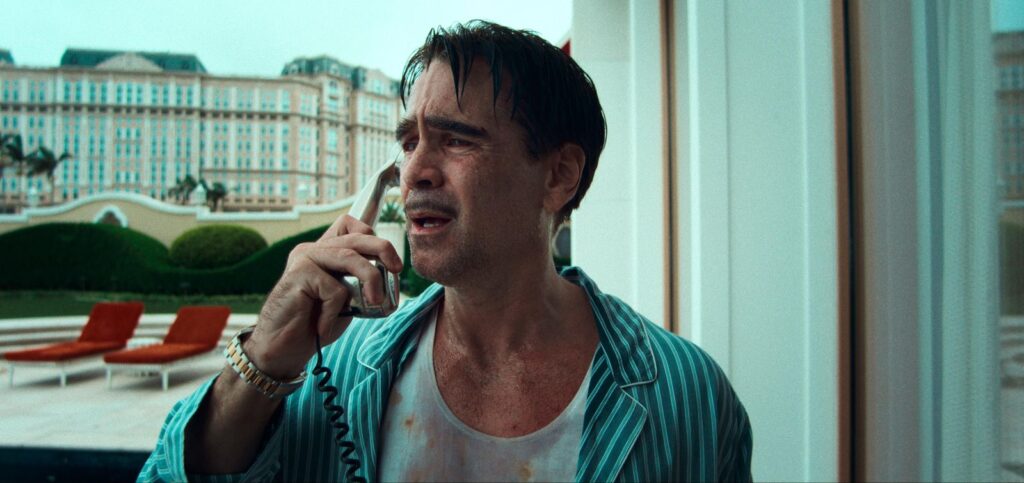
If anything saves The Ballad from complete failure, it is Colin Farrell. His Doyle — pathetic, sweaty, desperate — evokes both sympathy and a desire to shake him thoroughly. Farrell demonstrates impeccable comedic timing and manages to maintain the character's humanity, despite his constant downward spiral. This is one of the actor's best film performances in recent years, not overshadowed even by his Emmy-nominated role as the Penguin.
He literally carries the film on his shoulders, making the audience root for a character who clearly does not deserve it. Swinton and Chen Fala are also good in their roles, but they get little screen time, and the purpose of their characters' presence on screen is even less.
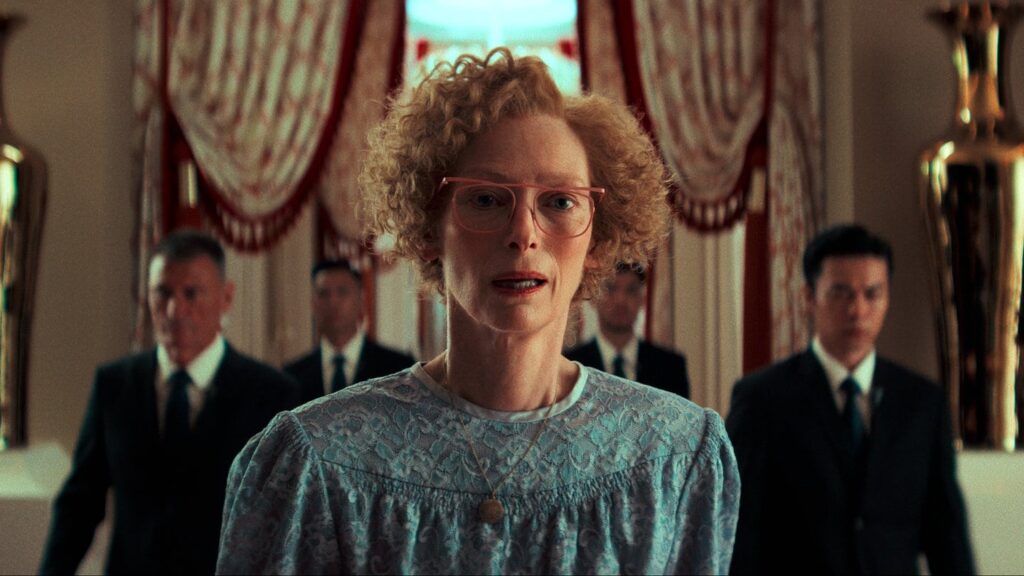
The Ballad of a Small Player looks impressive, but behind the bright wrapper, there is almost nothing. Berger clearly wanted to create something significant — a peculiar blend of The Swimmer with Burt Lancaster, Leaving Las Vegas with Nicolas Cage, and The Gambler with James Caan. Instead, the result is a film that could not decide what it wants to be: a surreal parable or a harsh drama about gambling addiction. The screenplay by Rowan Joffe, based on the novel by Lawrence Osborne, seems to stumble between these two poles, losing both the sharpness of absurdity and dramatic power along the way. If you are a Farrell fan — watch it for his performance. But better yet, rewatch Conclave. It is a much more cohesive and powerful film.
Comments
0No comments yet.
Sign in to join the discussion.