
From 'Sinners' to 'True Detective' — a selection of 15 films and TV series in the Southern Gothic style.
Southern Gothic is an aesthetic of decay, where beneath the scorching sun of Dixie hide America's darkest secrets. These are stories of cursed families, religious fanatics, and ghosts of the past that refuse to leave the living in peace. Instead of castles, there are dilapidated mansions; instead of vampires (though they appear too), there are local sheriffs; and the real monsters wear human faces and quote the Bible.
If you're tired of sterile thrillers and want to immerse yourself in an atmosphere where every frame is saturated with the humid air of the bayou and something very sinister lurks in every shadow—this selection is for you. We've gathered 15 projects that prove: the scariest things in America happen not in megacities, but where the pavement ends and the real South begins.
1. True Detective (Season 1, 2014)
Director: Cary Fukunaga
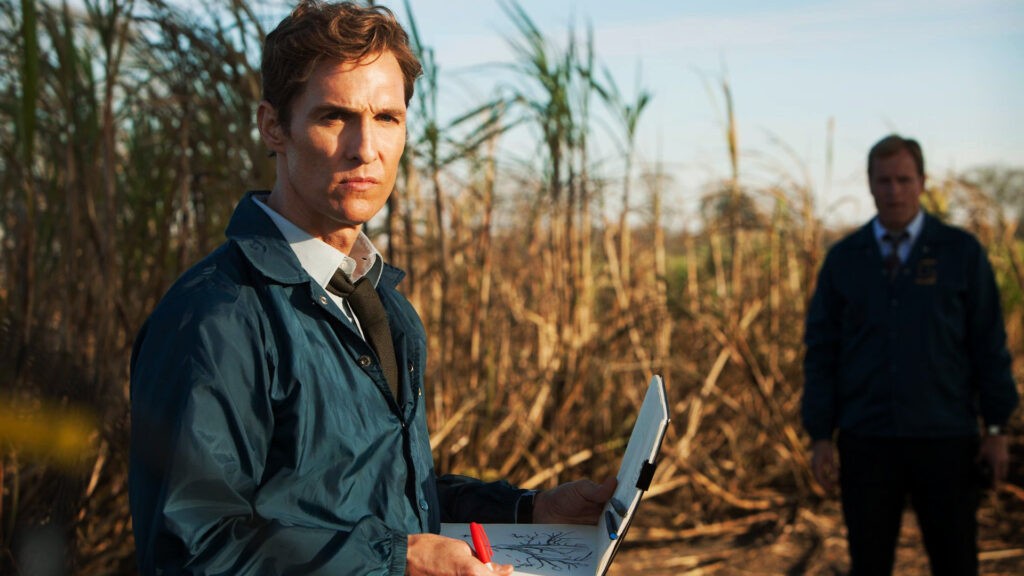
Louisiana, 1995. Detectives Rust Cohle and Marty Hart investigate the ritual murder of a young woman in the swamps, and this investigation will span seventeen years of their lives. Matthew McConaughey as Cohle creates the image of a philosophizing nihilist who sees in this case something more than just a crime—a whole system of evil permeating the very foundations of Southern society. Voodoo, Christian cults, corruption, and family secrets intertwine into such a knot that it's sometimes unclear what's scarier: the supernatural or the all-too-human ugliness.
The first season of True Detective is a textbook on Southern Gothic for anyone who wants to understand what this genre is about. Fukunaga shoots the Louisiana swamps as a separate character: every tree, every remote church, every roadside bar exudes an atmosphere of total decay. The series balances between detective and metaphysical horror, and Cohle's monologues about the nature of time and evil sound like the speeches of a mad preacher. It's dark, gripping, and utterly hypnotic—exactly what we love Southern Gothic for.
2. The Night of the Hunter (1955)
Director: Charles Laughton
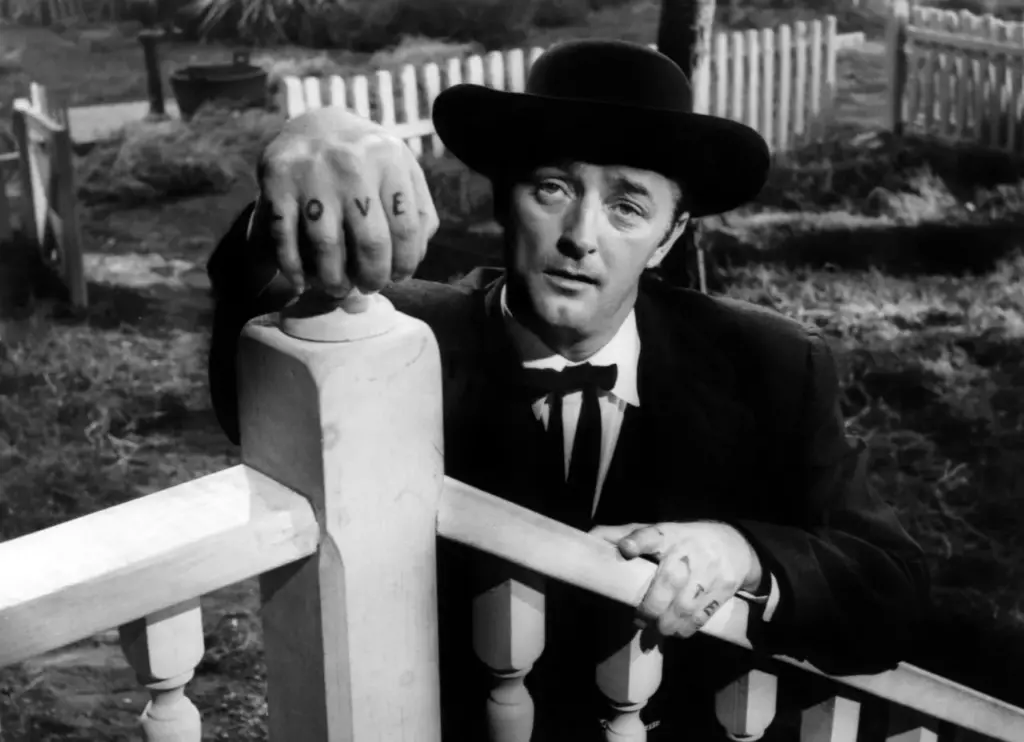
Preacher Harry Powell, with the tattoos "LOVE" and "HATE" on his knuckles, is one of the most terrifying characters in film history. Robert Mitchum plays a serial killer who marries widows for money, hiding behind religiosity and quotes from the Holy Scripture. Learning in prison about hidden money, he sets out to hunt two children of a deceased robber, and this hunt turns into a real nightmare. The action takes place in West Virginia during the Great Depression, where poverty and despair make people easy prey for charismatic psychopaths.
The Night of the Hunter is the only film directed by the great actor Charles Laughton, and what a film it is! Expressionist cinematography, play of light and shadow, almost fairy-tale stylization—all this creates an atmosphere where reality intertwines with biblical allusions and childhood fears. The film flopped at the box office in 1955, but today it is recognized as one of the greatest examples of Southern Gothic. Mitchum portrayed evil so convincingly that his preacher still keeps viewers awake seventy years after the premiere.
3. Sharp Objects (2018)
Director: Jean-Marc Vallée
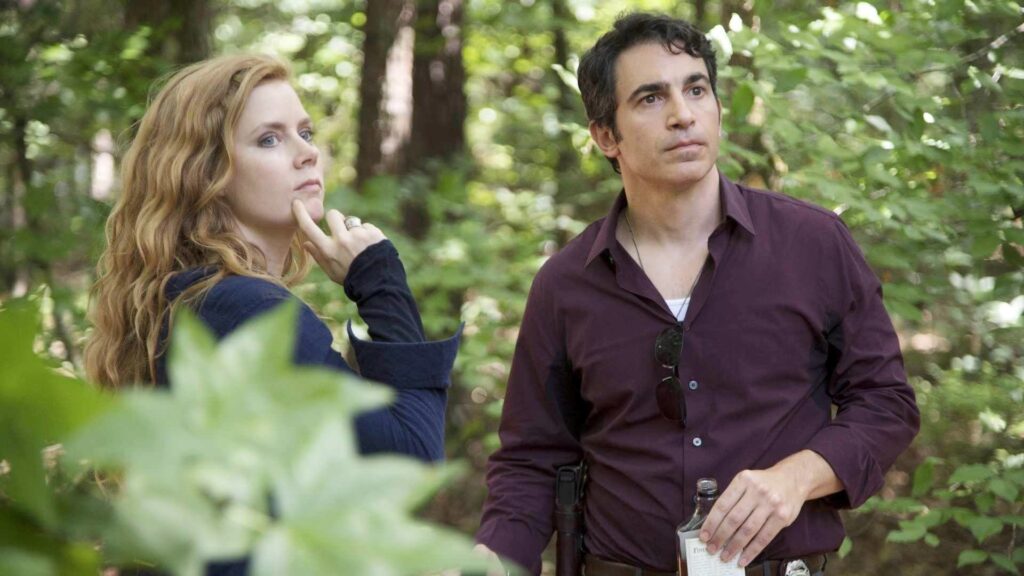
Camille Preaker, a journalist with a baggage of mental issues, returns to her hometown of Wind Gap, Missouri, to write about the murder of two teenage girls. Amy Adams embodies a woman literally covered in scars of the past—Camille used to carve words into her skin with a razor, turning her body into a diary of pain. Returning home becomes a dive into toxic relationships with her mother (brilliant Patricia Clarkson) and memories of her dead sister. The murder investigation becomes an investigation of her own trauma, and the small Southern town reveals itself as a breeding ground of poisonous secrets.
Jean-Marc Vallée, who had already proven his mastery in Big Little Lies, directed another visually stunning thriller where flashbacks weave into the present almost imperceptibly, reflecting the fragmented consciousness of the protagonist. The series based on Gillian Flynn's novel is eight episodes of pure Southern discomfort: it's stuffy, sticky, everyone is too close in this town where everyone knows everyone. Sharp Objects proves that the deepest wounds are inflicted not by strangers but by the closest people, and Southern Gothic is the perfect genre for talking about family trauma.
4. True Blood (2008–2014)
Creator: Alan Ball
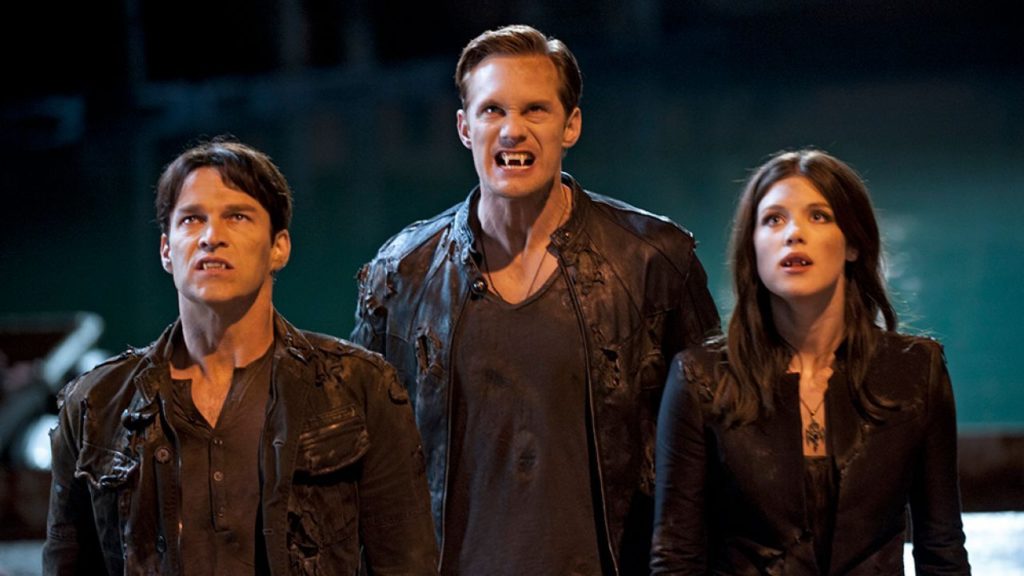
The small town of Bon Temps in Louisiana, where telepathic waitress Sookie Stackhouse works at a roadside bar, becomes the epicenter of a new reality: vampires have "come out of the coffin" and demand equality, and the synthetic blood "True Blood" allows them not to hunt humans. But in practice, it's more complicated—ancient bloodsuckers are in no hurry to give up old habits, and Southerners greet the undead's "coming out" with the same enthusiasm with which they once greeted the civil rights movement. Anna Paquin as Sookie is a Southern girl who has always considered herself a freak because of her ability to read minds, until she falls in love with vampire Bill Compton—a gentleman who remembers the Civil War not from textbooks.
Seven seasons of True Blood are Southern Gothic drenched in blood, sex, and black humor in the best HBO traditions. Alan Ball, creator of Six Feet Under, turns vampire mythology into a satire of provincial America, where the most perverted practices hide beneath religious fundamentalism. The series is unashamed of its B-movie aesthetic, mixing voodoo, werewolves, maenads, and other creatures with social drama about discrimination. Spanish moss, cemeteries, swamps, dilapidated churches—visually, it's the quintessence of Louisiana Gothic. True Blood proved that vampires can be both pale aristocrats in castles and inhabitants of trailer parks who listen to the blues and deal with problems by Southern law.
5. Winter's Bone (2010)
Director: Debra Granik
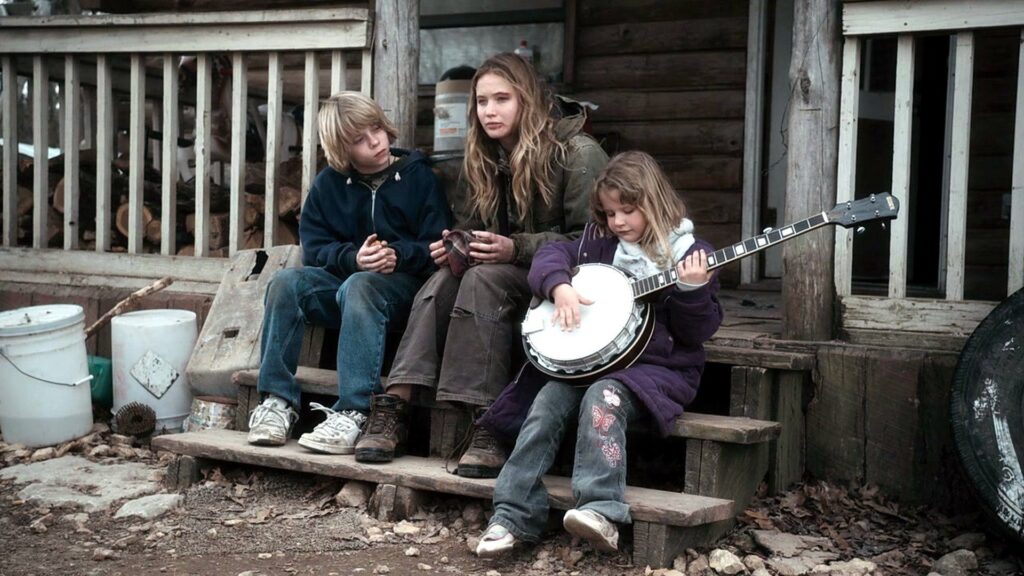
Seventeen-year-old Ree Dolly lives in poverty in the Ozark Mountains of Missouri, caring for her mentally ill mother and younger siblings. When it turns out that her father, a local drug dealer, has disappeared, leaving the house as collateral, the girl has a week to find him—dead or alive. Jennifer Lawrence plays a teenager with a steel spine inside. She is ready to confront the entire clan of local criminals to save her family. This is a journey through the nooks and crannies of the Ozark drug economy, where its own laws rule and silence is the main virtue.
Winter's Bone is Appalachian Gothic (technically a subgenre of Southern Gothic) in all its glory: snow-covered forests, dilapidated houses, faces etched by hard life, and an atmosphere of constant threat. Granik films poverty without sentimentality but with respect for the characters. The film was a breakthrough for the young Lawrence and won numerous awards at film festivals. It's not classic Southern Gothic with mansions and ghosts, but it shows the modern South as it is: harsh, cruel, and a place where survival requires inhuman willpower.
6. Midnight in the Garden of Good and Evil (1997)
Director: Clint Eastwood
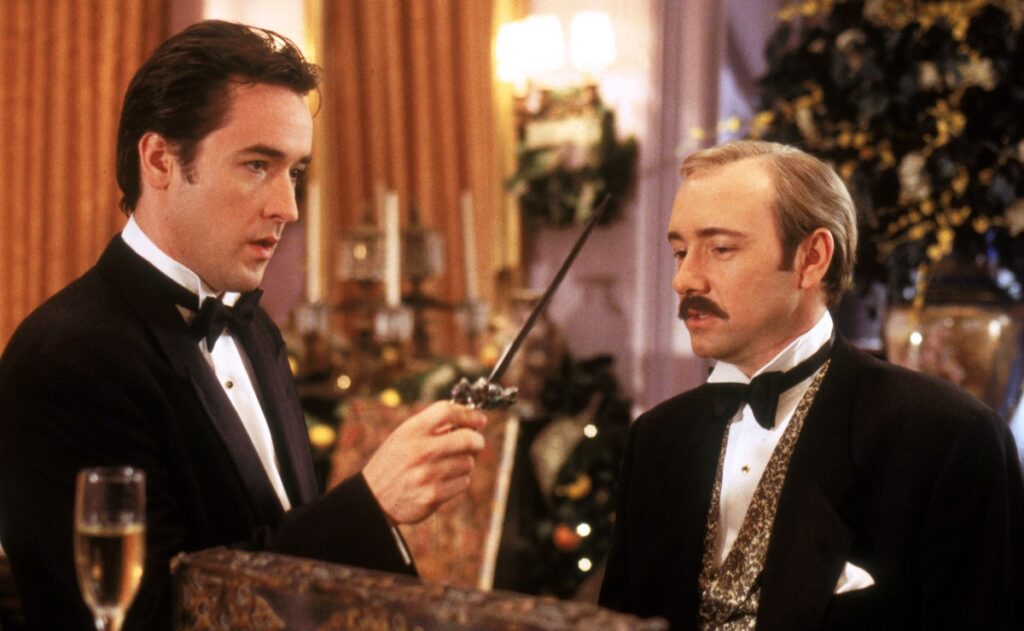
A journalist from New York comes to Savannah, Georgia, to write an article about the Christmas party of local antiques dealer Jim Williams, but instead of a society chronicle, he gets a crime story. Williams (Kevin Spacey) is accused of murdering his young lover, and a trial begins that stretches for years. John Cusack as the reporter becomes our guide through the eccentric world of Savannah, where live drag queen comedians, voodoo priestesses, eccentrics with flies on leashes, and other colorful characters. The city here is the main character, with its atmosphere of decadence and secrets.
Eastwood adapts the bestseller by John Berendt, creating a leisurely, atmospheric film about how the South hides secrets behind a mask of hospitality and good manners. Savannah is filmed so that every building seems a keeper of centuries-old secrets, and the Spanish moss hanging from the trees creates a feeling that time flows differently here. The film balances between courtroom drama and an exploration of Southern culture with its stratification, double standards, and charm of decay. This is Southern Gothic in a softer, almost nostalgic version, but no less mesmerizing.
7. Beasts of the Southern Wild (2012)
Director: Benh Zeitlin
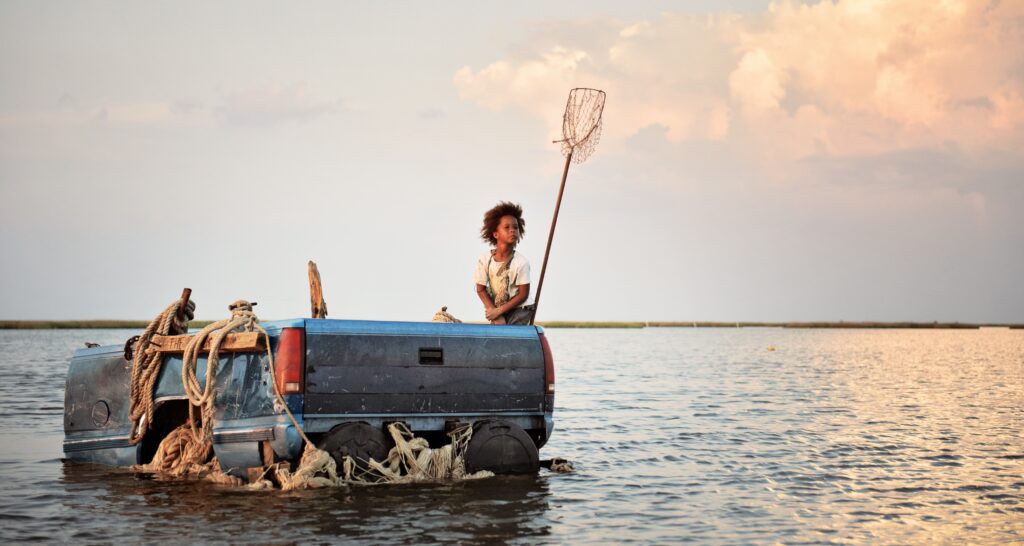
Six-year-old Hushpuppy lives with her sick father in a community called "The Bathtub"—a flood-prone area in the Mississippi Delta, cut off from civilization by a levee. When a hurricane approaches and her father begins to die, the girl believes that the melting ice will release prehistoric aurochs that will come to destroy the world. Quvenzhané Wallis played an incredible child trying to understand the universe and her place in it while everything she loves crumbles around her. "The Bathtub" is a utopia of the poor, a place where people live on the margins of the American dream but consider their lives the most real.
Zeitlin's debut is magical realism mixed with social drama and Southern Gothic. The film is shot from a child's perspective, so reality intertwines with fantasy: fictional beasts become as real as the flood. Visually, the film is stunning—it's mud, water, rust, but filmed so that it looks almost beautiful. Beasts of the Southern Wild won the Grand Jury Prize at Sundance and received Oscar nominations, proving that Southern Gothic can tell not only about the past but also about the present—about people society has written off but who stubbornly continue to exist on their own terms.
8. Cape Fear (1991)
Director: Martin Scorsese
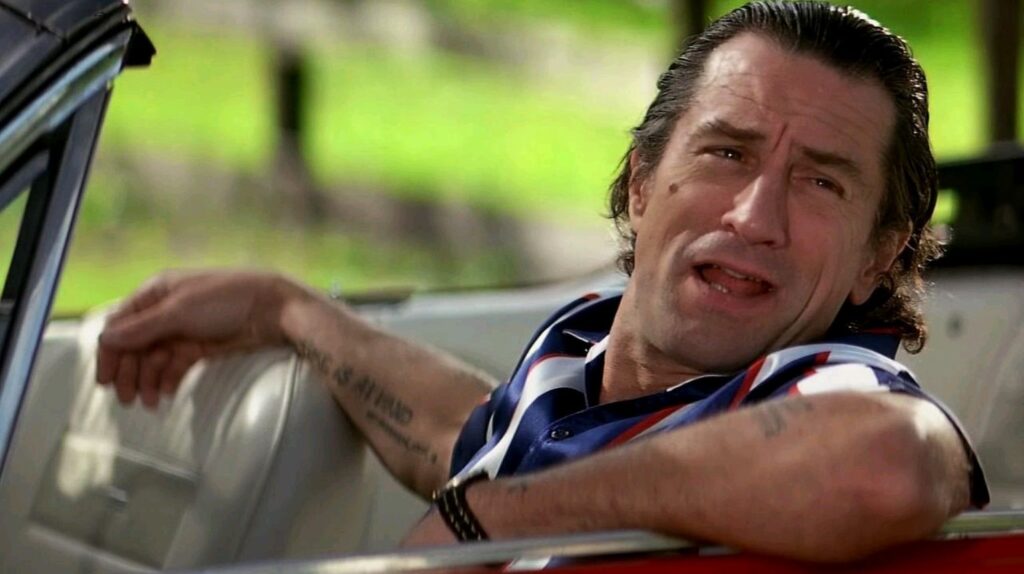
Max Cady is released from prison after fourteen years and intends to take revenge on his lawyer Sam Bowden, who, Cady believes, deliberately botched his defense. Robert De Niro portrays an absolute psychopath who has trained not only his body but also his mind, studying law and the Bible in prison. He methodically destroys the Bowden family's life, and the horror is that formally he does not break the law. Nick Nolte as the lawyer plays a far from perfect man—he cheated on his wife, he did set up his client. According to Scorsese, there are no unequivocally good heroes in the world, only different shades of gray.
The remake of the 1962 film surpasses the original in intensity and brutality. Scorsese moves the action to Florida, but the atmosphere remains deeply Southern: humidity, the river along which the family tries to escape from the pursuer, a house on stilts. De Niro is frightening not only physically—his Cady is smart, charismatic, and, what is especially creepy, sincerely believes in his righteousness, quoting Scripture between tortures. Cape Fear is Southern Gothic and a revenge thriller where the real monster is indistinguishable from an ordinary person.
9. Sling Blade (1996)
Director: Billy Bob Thornton
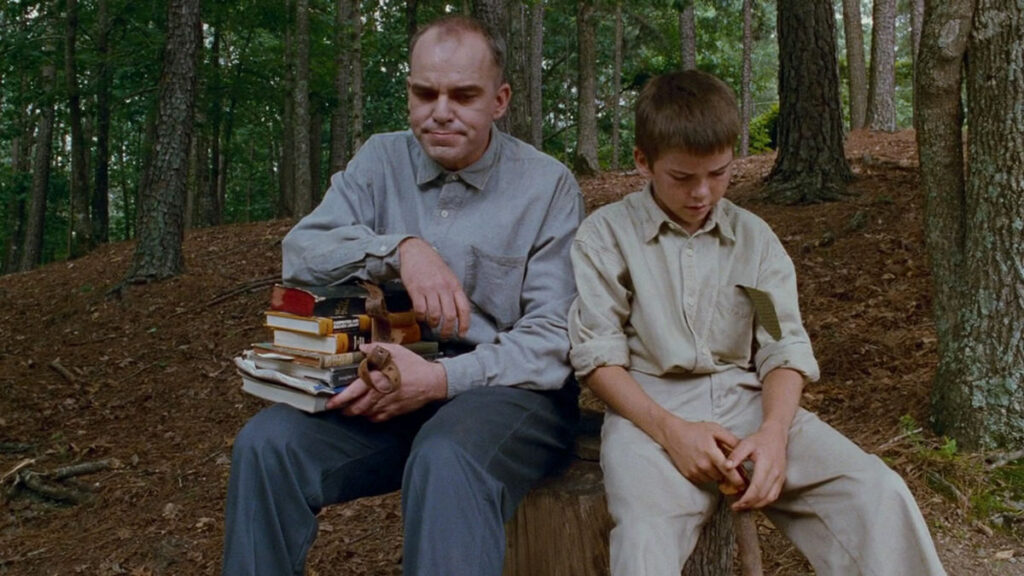
Karl Childers spent twenty-five years in a mental hospital for killing his mother and her lover when he was twelve. Now he is released, deemed harmless, and returns to his hometown in Arkansas. Billy Bob Thornton wrote the script, directed the film, and played the lead role, creating an unforgettable image of a man with developmental delays who speaks in a monotone and sees the world in very simple categories. Karl gets a job as a mechanic, befriends a boy named Frank and his mother, but when an aggressive boyfriend of the mother enters their lives, Karl realizes history may repeat itself.
Sling Blade is Southern Gothic filmed with great sympathy for its characters. Thornton does not make Karl either a monster or a saint—he is just a man who once committed a terrible act and is now trying to live with it. Arkansas is shown without embellishment: poverty, alcoholism, domestic violence. The film was shot in 24 days on a minimal budget but won an Oscar for Best Adapted Screenplay and a nomination for Best Actor.
10. Lovecraft Country (2020)
Creator: Misha Green
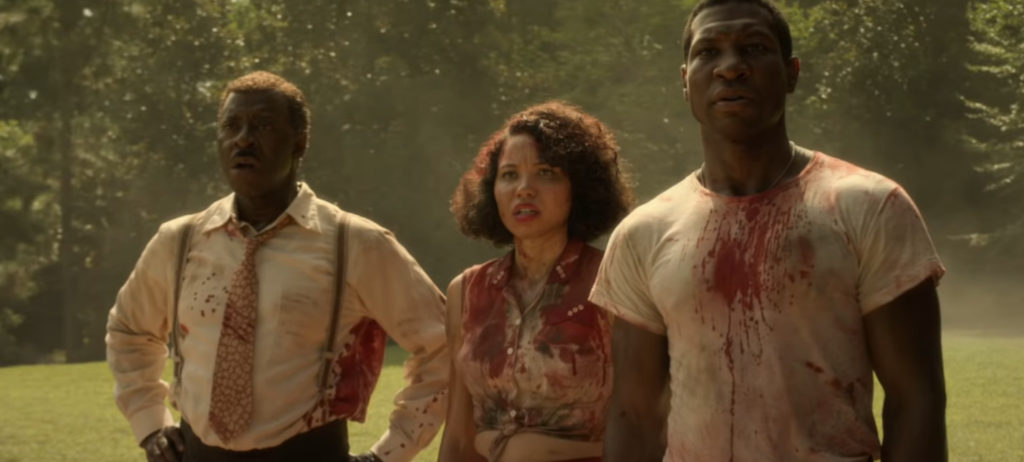
The 1950s, the era of Jim Crow laws. Atticus Freeman sets out to find his missing father along with his friend Letitia and uncle George, and this trip turns into a journey through America where real racial terror intertwines with Lovecraftian horrors. Jurnee Smollett and Jonathan Majors play heroes for whom white racists are scarier than any monsters, although there are plenty of monsters here too. The HBO series is based on the novel by Matt Ruff and produced by Jordan Peele, which already says a lot. Each episode is a separate story with elements of horror, sci-fi, and social drama.
Lovecraft Country reimagines the legacy of the writer known for his racism, using his own motifs to talk about the real horrors experienced by African Americans. The series is visually luxurious, the soundtrack intertwines soul, blues, and contemporary music, and the acting is impeccable. This is Southern Gothic that is not afraid to say that the scariest cults are not fictional "Sons of Adam" but real racist organizations. HBO canceled the project after the first season, which was a huge disappointment for fans, but even ten episodes are a full-fledged statement about how the genre can work with a painful past.
11. The Skeleton Key (2005)
Director: Iain Softley
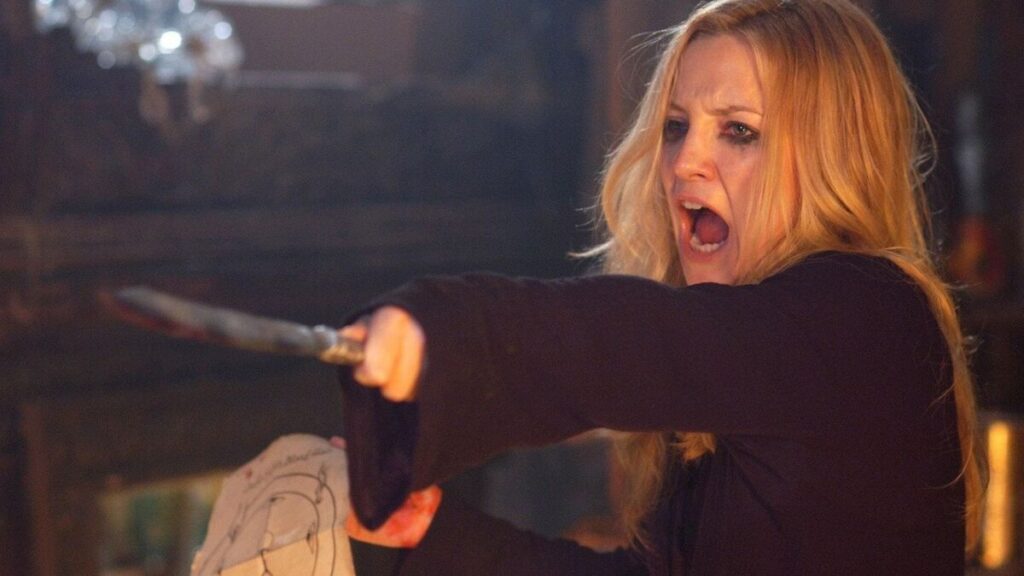
Caroline, a hospice nurse from New Orleans, takes a job caring for a paralyzed old man in a plantation mansion in Terrebonne Parish, deep in the Louisiana swamps. Kate Hudson plays a rational girl who doesn't believe in superstitions, but after receiving a key that opens every door in the house, she discovers in the attic room the paraphernalia of hoodoo—African American folk magic. The owner's wife (Gena Rowlands) tells a creepy story about two black servant sorcerers who were lynched ninety years ago, and since then their spirits have haunted the house. The more Caroline digs into the mansion's past, the more clearly she understands: hoodoo works for those who believe in it, and she has already begun to believe.
The Skeleton Key is an atmospheric horror that uses Southern Gothic in its pure form: an old plantation, mirrors covered to ward off evil spirits, brick dust on thresholds, swamps populated by ghosts of the slaveholding past. Director Iain Softley films Louisiana as a place where history never dies and the sins of ancestors are inherited along with real estate. The film slowly builds atmosphere, playing on the contrast between the heroine's skepticism and the world around her, where magic is as real as the humidity in the air.
12. Eve's Bayou (1997)
Director: Kasi Lemmons
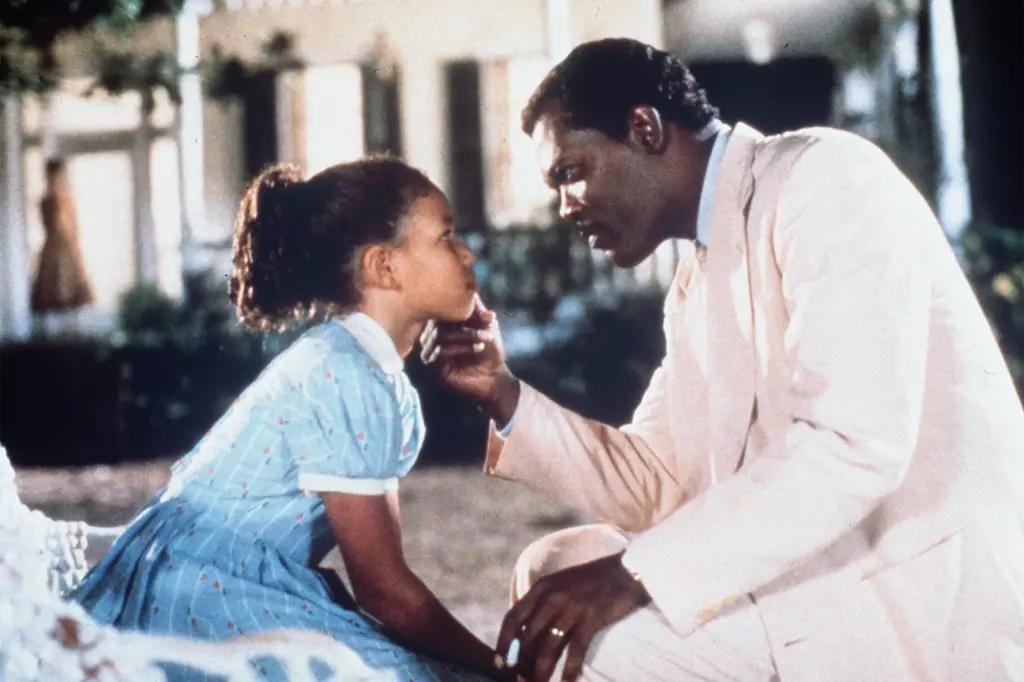
Louisiana, 1962. Ten-year-old Eve Batiste lives in a wealthy African American family in the bayou. Her father Louis (Samuel L. Jackson) is a respected doctor and an incorrigible womanizer, her mother Roz is a beauty, her older sister Cisely is daddy's favorite. When Eve witnesses her father's infidelity, it sets off a chain of events that will destroy the family. Aunt Mozelle (Debbi Morgan) has the gift of clairvoyance and reads cards, and Eve herself begins to see the future. The story is told through the eyes of a girl for whom the line between reality and mysticism is very thin.
The directorial debut of Kasi Lemmons became one of the most successful independent films of 1997 and was named the best film of the year by Roger Ebert. Eve's Bayou is Southern Gothic told from an African American perspective, where voodoo and Creole culture are an organic part of life. Visually, the film is luxurious: bayous, old mansions, the atmosphere of humid summer. Young Jurnee Smollett (future star of Lovecraft Country) plays Eve with such conviction that you believe every emotion. This is a story about how a child's perception can be more dangerous than any curse, and about how sometimes wishes come true in the most terrible way.
13. The Beguiled (2017)
Director: Sofia Coppola
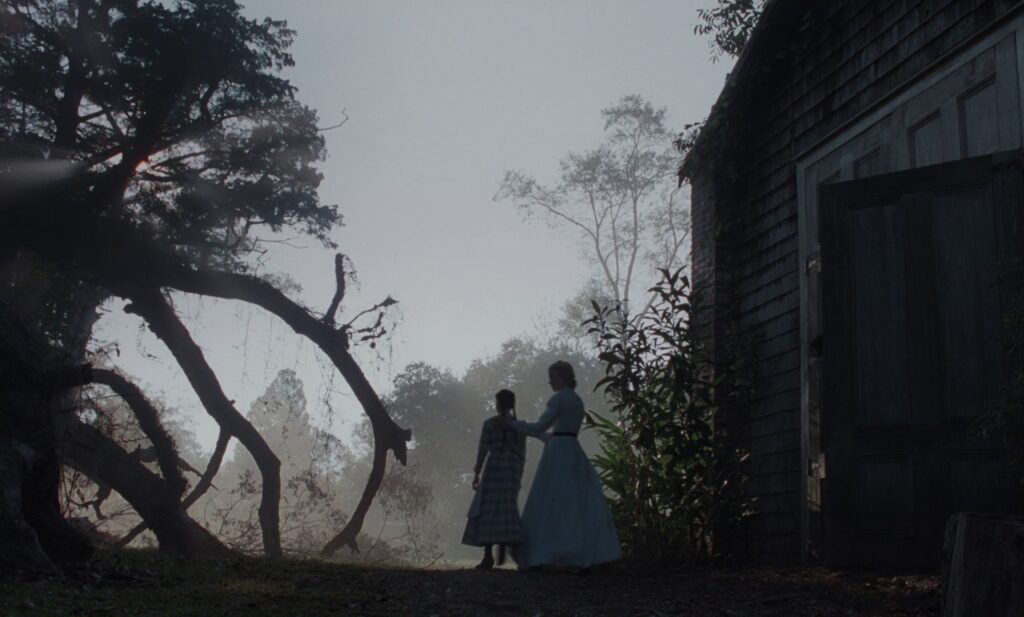
1864, Virginia, Civil War. In a girls' boarding school cut off from the world by war, only the headmistress Miss Martha (Nicole Kidman), teacher Edwina (Kirsten Dunst), and a few students remain. When one of the girls finds a wounded Union soldier, Corporal McBurney (Colin Farrell), in the woods, the women take him into the house. The presence of a man in this closed world awakens long-suppressed desires, jealousy, and rivalry. Each inhabitant of the mansion sees something different in the soldier—a savior, a lover, a threat—and the atmosphere becomes increasingly oppressive as hospitality turns into revenge.
Sofia Coppola adapts the novel by Thomas Cullinan, creating a visually luxurious thriller set on a Louisiana plantation (the same one where Beyoncé's Lemonade was filmed). This is Southern Gothic from a female perspective: closed space, fading beauty of the Old South, sexual tension under a mask of propriety, violence covered by politeness. Coppola won the Best Director award at Cannes, and deservedly so—she shoots every frame like a living painting, where fog in the forest, lace, candelabras, and white nightgowns create the atmosphere of a Gothic novel. The film proves that Southern Gothic works not only with ghosts of the past but also with ghosts of one's own desires, which are sometimes scarier than any evil spirits.
14. Sinners (2025)
Director: Ryan Coogler
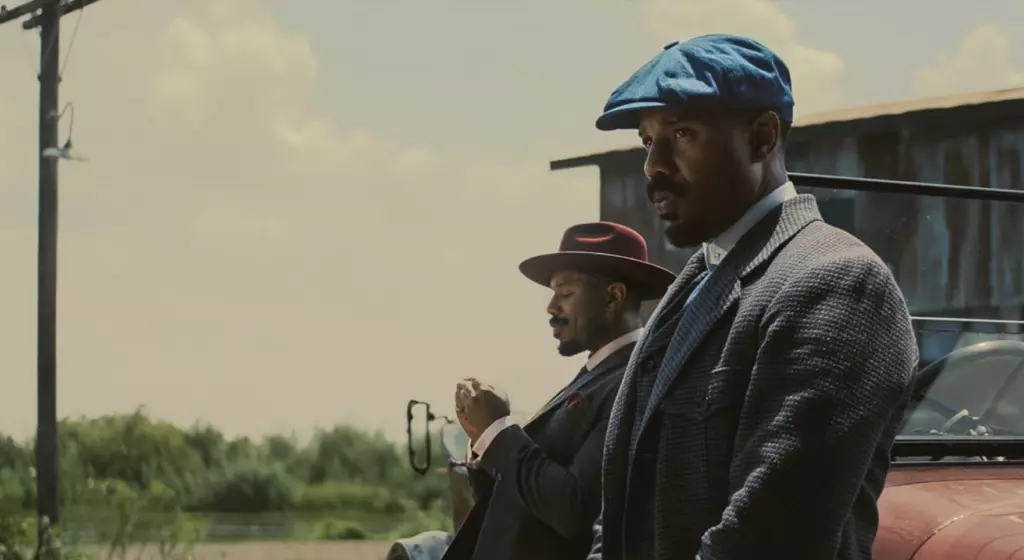
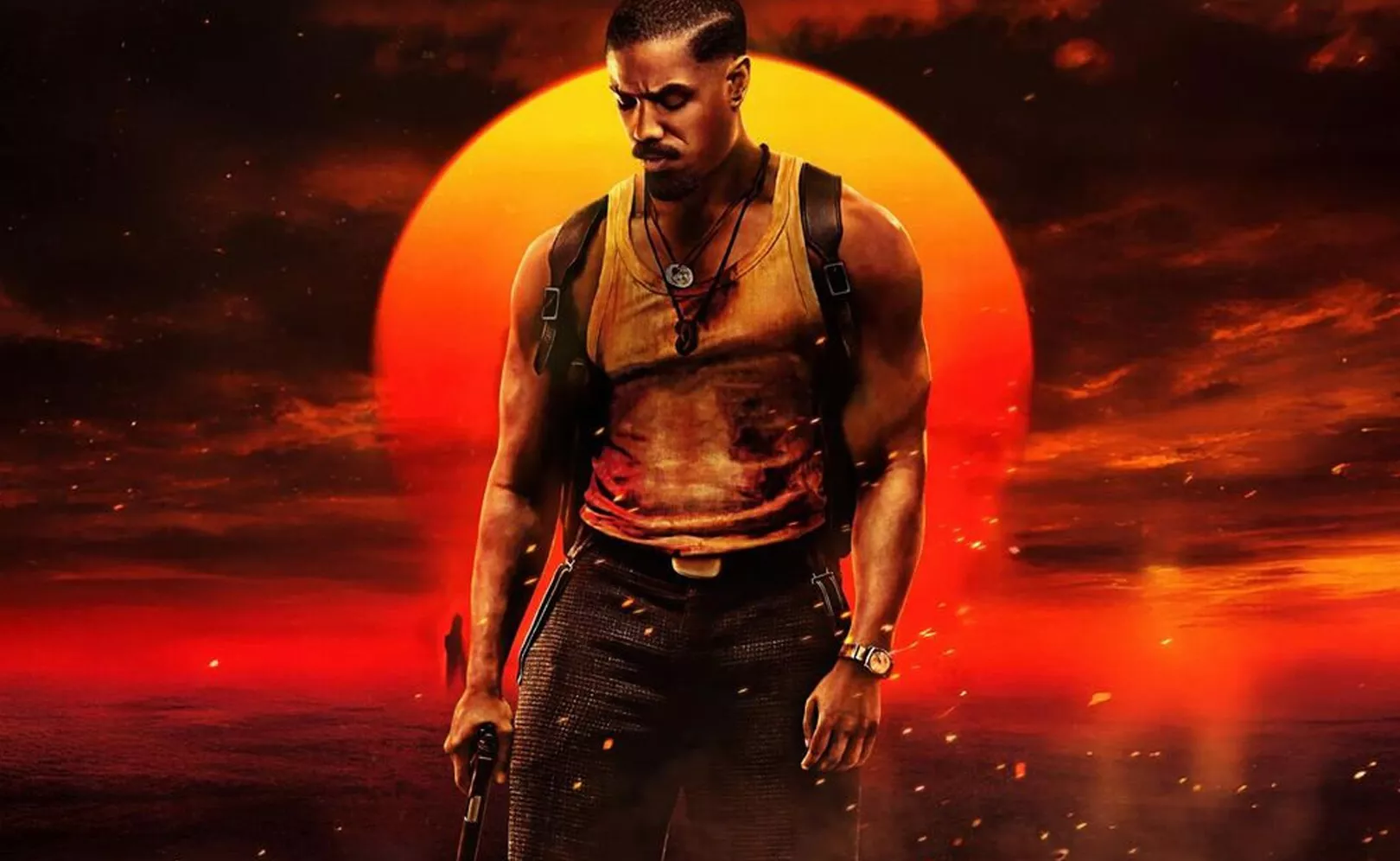
The latest work by the director of 'Black Panther' and 'Creed' has become iconic for the Southern Gothic genre due to its commercial success (over $350 million). The action takes place in the 1930s, during the Great Depression. Michael B. Jordan plays twin brothers who return to their hometown in the South and encounter supernatural evil. Coogler blends vampires, blues, racial segregation, and social drama. The film pays homage to the legacy of 'From Dusk Till Dawn' and classic Southern Gothic, but with a modern sensitivity to racial issues.
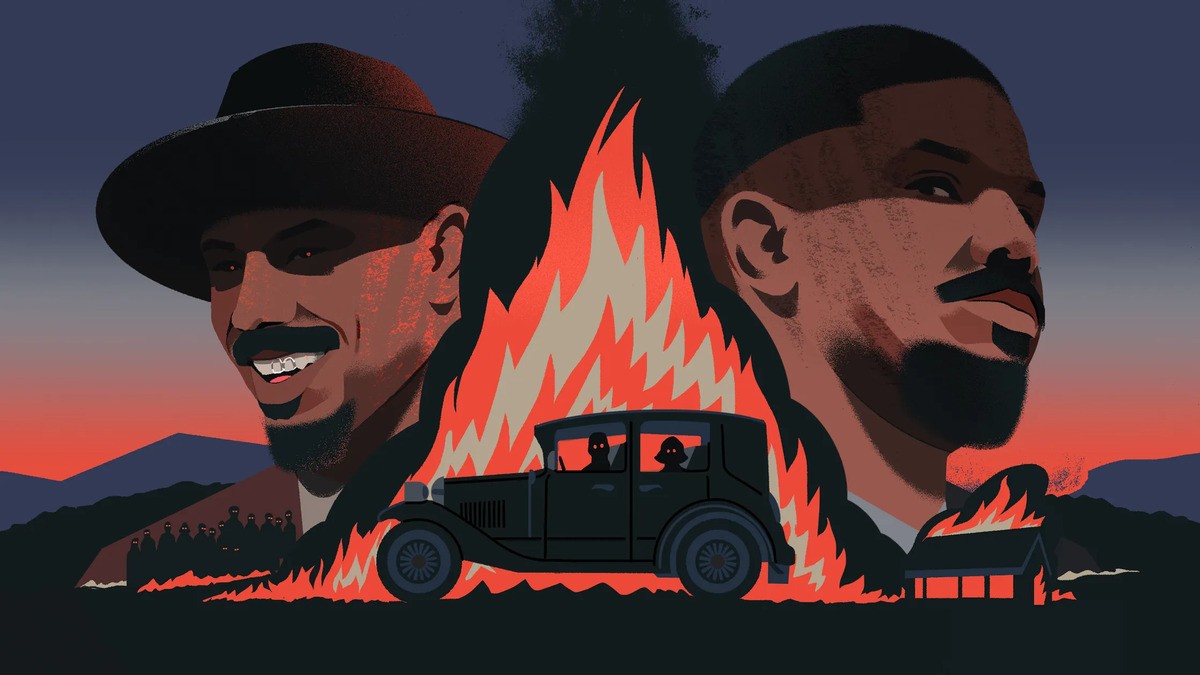
Sinners, which conquered the Western box office, is now available digitally. We tell how Ryan Coogler, freed from the shackles of the Marvel Cinematic Universe, makes a bold leap into auteur cinema.
Open materialThe film was a box office success and an important cultural event of the year. Coogler is one of the most talented directors of his generation, and his turn to Southern Gothic seems an organic continuation of the themes he explored in previous works. Sinners became his attempt to rethink the genre through the lens of the African American experience.
15. A Streetcar Named Desire (1951)
Director: Elia Kazan
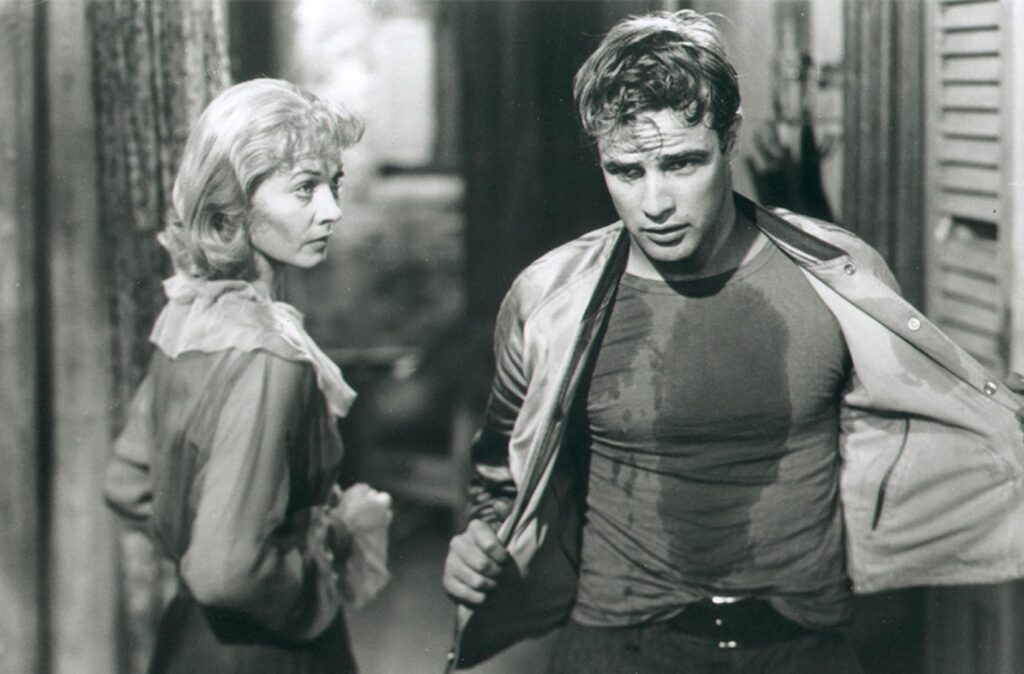
One cannot talk about Southern Gothic in cinema without mentioning the classic. Blanche DuBois arrives in New Orleans to her sister Stella and her husband Stanley Kowalski after losing the family estate. Vivien Leigh creates the image of a fading Southern belle living in illusions about her aristocratic past, while Marlon Brando as the brutish Stanley embodies the new America that leaves no room for the old world. The apartment in a working-class neighborhood becomes the arena of a brutal clash between past and present, fantasy and reality. The adaptation of Tennessee Williams' play became the benchmark of Southern Gothic on the big screen.
A Streetcar Named Desire is the foundation on which the entire subsequent tradition of the genre in cinema was built. The decline of the Southern aristocracy, mental disorder, sexuality as a curse, the humid, stuffy atmosphere of New Orleans—it's all here. Leigh won an Oscar for her role, which became iconic: her Blanche is a symbol of an entire culture that did not survive the war and modernity. Kazan directs so that theatricality does not interfere with cinematic quality, and Williams' dialogues sound like poetry. If you want to understand where the roots of Southern Gothic come from—start here.
Instead of a Conclusion
Southern Gothic in cinema is an honest conversation about the dark side of the American dream, about the price paid for respectability, about monsters that hide not in swamps but in one's own families. From black-and-white classics of the 1950s to modern series, the genre proves its vitality because the problems it raises have not gone away. Racism, poverty, domestic violence, religious hypocrisy—all this is still relevant, and Southern Gothic continues to be the ideal language for talking about uncomfortable truths.
So pour yourself some bourbon, turn on the air conditioner (Southern heat is a mandatory element of immersion), and embark on a journey through the darkest corners of America. Just don't be surprised if after watching you want to move somewhere far from swamps, haunted mansions, and towns where everyone knows all your secrets. However, you can't run from yourself—that's exactly what Southern Gothic is about.
Comments
0No comments yet.
Sign in to join the discussion.