
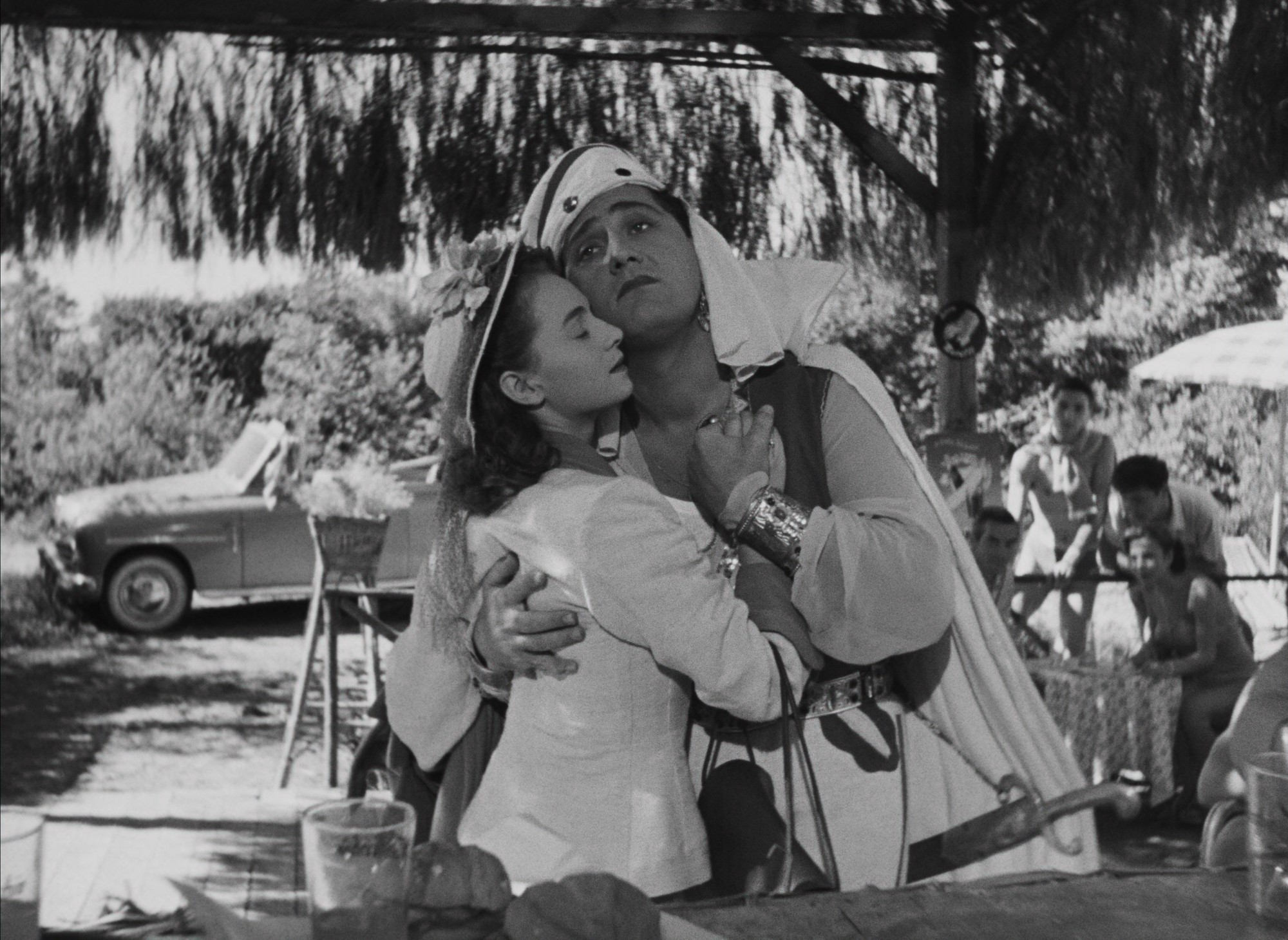
Did you enjoy Godard's Contempt? Check out 5 more best films about the behind-the-scenes of the film industry: from Fellini's comedy to Clint Eastwood's magnum opus.
On October 30, Jean-Luc Godard's Contempt will storm into theaters for the first time. The French rebel and avant-gardist fiercely criticizes the film industry, comparing it to a factory that processes talent into raw material for the studio system. If you're already familiar with this classic, it's time to check out other films that dot the i's and cross the t's on the topic of filmmaking.
The film industry has always been a juicy target for directors' fierce and sharp commentary. Under the authorial microscope have fallen both faded stars willing to return to the land of dreams at any cost and the entire Hollywood 'zoo in all its diversity.' Our exposé list includes innocent illusions about movie heroes and the consequences of the hell of studio censorship.
The White Sheik (dir. Federico Fellini)
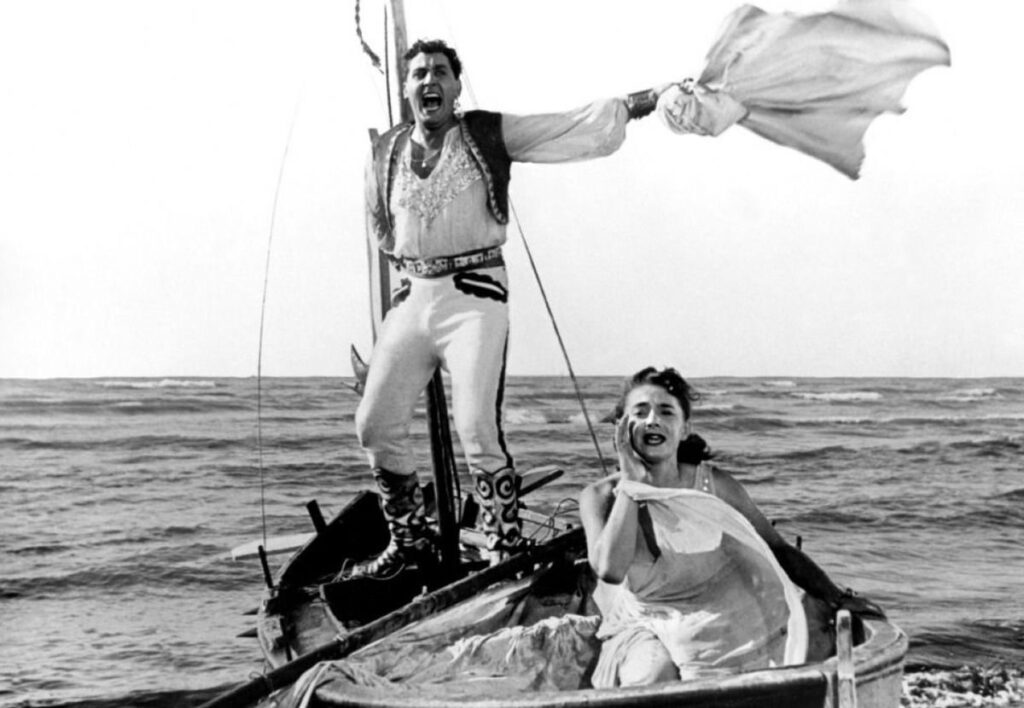
A newlywed couple arrives in Rome for the first time. He is a stately pragmatist, she is a flighty dreamer. Together, they must succumb to the deception of the ancient city and lose their illusions about cinema once and for all.
Fellini's The White Sheik is interesting not only for its mockery of the institution of marriage and the influence of this thoroughly vaudevillian comedy on the director's later work, up to Nights of Cabiria and La Strada—masterpieces of neorealism—but also for its gentle and precise critique of the cult of personality surrounding actors, whom audiences sometimes consider immortal and sinless beings.
The main heroine, meeting her idol in front of the cameras for the first time, never ceases to admire his dashing demeanor, feigned courage, and honeyed words.
As soon as the formidable wife of the 'white sheik' appears on the horizon, everything falls into place. Behind the snow-white image of a dashing and indomitable hero hides a cowardly deceiver, a carouser and libertine who has broken more than one innocent heart in his dissolute life. And now the disillusioned heroine stands by the river, about to jump.
Fellini shows with gusto and lightness how destructive dreams and fantasies about a screen hero can be for a person. He makes it clear without moralizing that many illusions of the film industry can replace real life and do so irrevocably.
Film About Film (dir. Valery Rubinchik)

A once-promising author, now a second-rate director of gangster films, in a godforsaken sanatorium, indulges in painful dreams about films by Fellini and Tarkovsky, and tries to survive in the conditions of modern film production.
Unrecognized classic of Russian cinema Valery Rubinchik, together with outstanding screenwriter Anatoly Grebnev, in the setting of an abandoned filmmakers' house, create a bitter tragicomedy about the domestic film industry and its main problems.
Gathering a first-rate cast—from past star Valery Nikolaev to luminaries Tatyana Lavrova and Stanislav Lyubshin—they write the case history of the new century of cinema, doing so insightfully and boldly.
From old trinkets of the past century, like a string of affairs on the set, to real everyday evil—producer power. Here, it denies itself nothing and can easily change the declared thriller genre to a melodrama, and then even cobble together a musical from the created chaos. As they say, if you're going to die, die with music.
Rubinchik and Grebnev sadly watch that cinema go by, and with all irony, and sometimes tart satire, leave no living space from the new rules of the game.
Living in Oblivion (dir. Tom DiCillo)
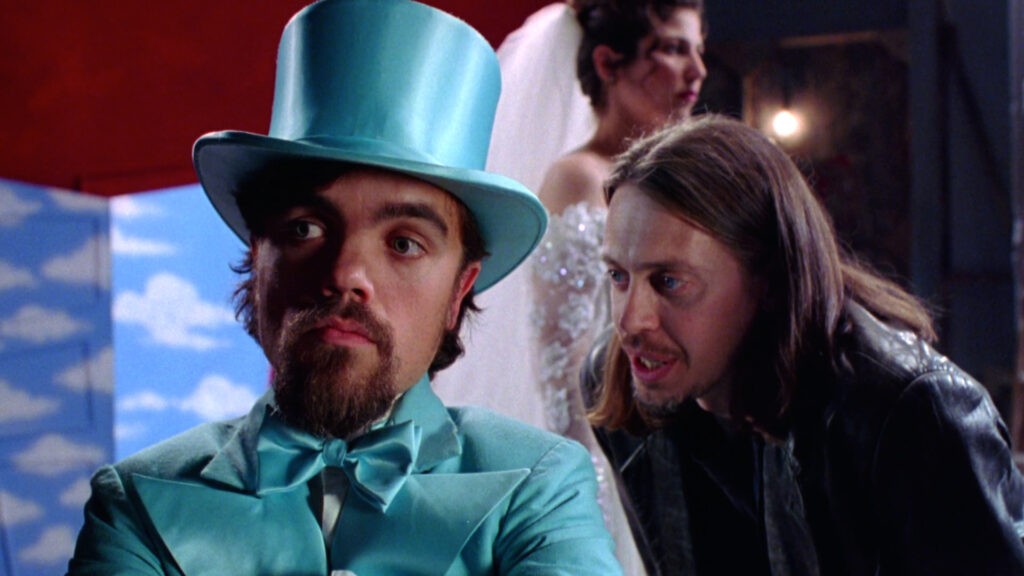
Neurasthenic Steve Buscemi as an eccentric director, together with a group of independent American filmmakers, tries to shoot a new indie film. Every time something goes wrong, and the already difficult process turns into a mad carnival of all shades of real studio life.
Tom DiCillo, a former cinematographer, adopted his absurd style. In <em>Living in Oblivion</em>, he deconstructs with youthful fervor the dream of many aspiring film lovers, future conquerors of Sundance and Cannes.

Jim Jarmusch turns 68! Remembering why we love this outstanding and unlike any other American director.
Open materialWhat in dreams seemed like great magic, an act of incredible miracle, appears on screen as an apocalypse in miniature and hell on earth. DiCillo is not shy about depicting film life without embellishment, so a microphone that falls into frame and a phone ring while the camera is rolling coexist with actor hysterics of various registers and adulteries of all kinds.
Living in Oblivion is the truth of 24 frames per second with all that entails. The director's eye does not miss the details of the field conditions of the lives of a thousand free artists shooting their films for eternal art.
One day, even a door from Lynch's films will appear to prove the thesis: 'Cinema is a dream.' At a temperature of 42 without antipyretics, but isn't that the main pleasure?
Sullivan's Travels (dir. Preston Sturges)
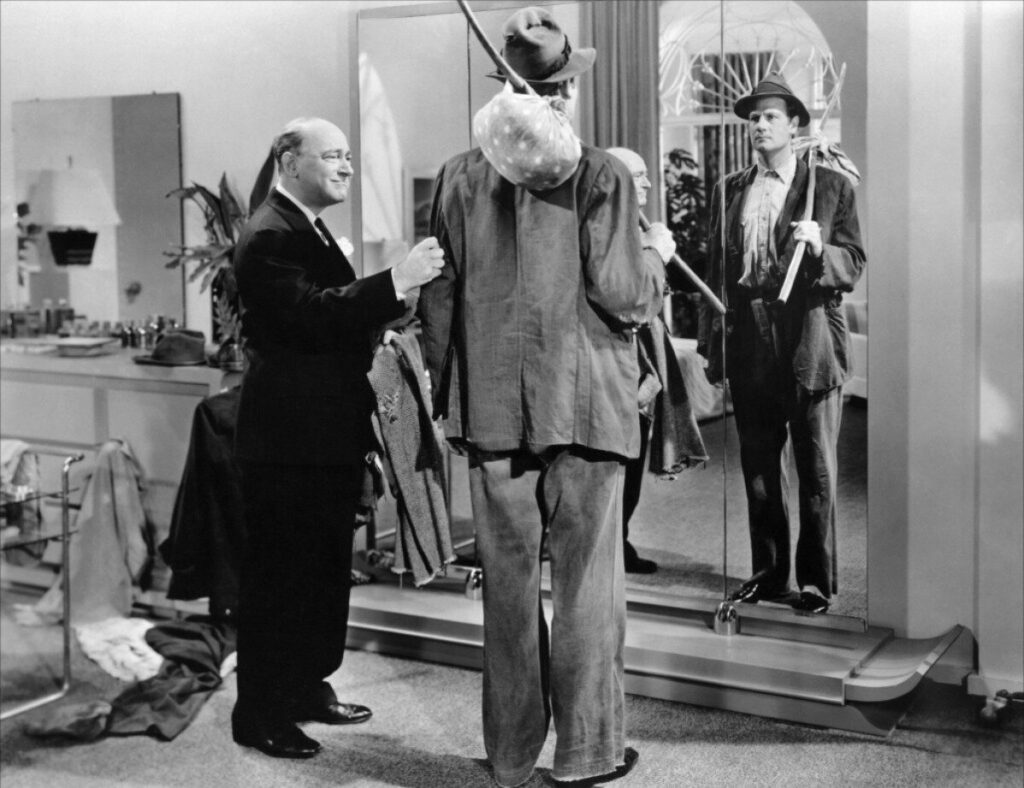
A cult comedy by the slightly forgotten classic of Hollywood's Golden Age, Preston Sturges, about a successful studio director John Sullivan, who one day decides to make a socially conscious drama about the lives of the poor. Packing a hobo's belongings, he sets off on a journey to understand the life of the poor.
Sullivan's Travels is a satire that remains undimmed half a century after its release, astonishingly accurately showing the huge gap between creators' ideas about the wanderings of tramps and the real life of the actual poor. After all, putting on a battered hat, a dirty shirt, and torn shoes does not mean becoming homeless.
This is confirmed by numerous scenes where the fake wanderer Sullivan 'mysteriously' returns to Hollywood. Sturges also sharply mocks the 'good intentions' of wealthy artists who want to create a tragic canvas about the existence of the poor, but do not realize that people cut off from wealth and a well-fed life actually just want to laugh heartily, to forget themselves for a few minutes under the rays of art.
Sturges, over the course of an hour and a half, calls on the film industry not to pretend that they understand life better than those who know poverty firsthand.
White Hunter Black Heart (dir. Clint Eastwood)
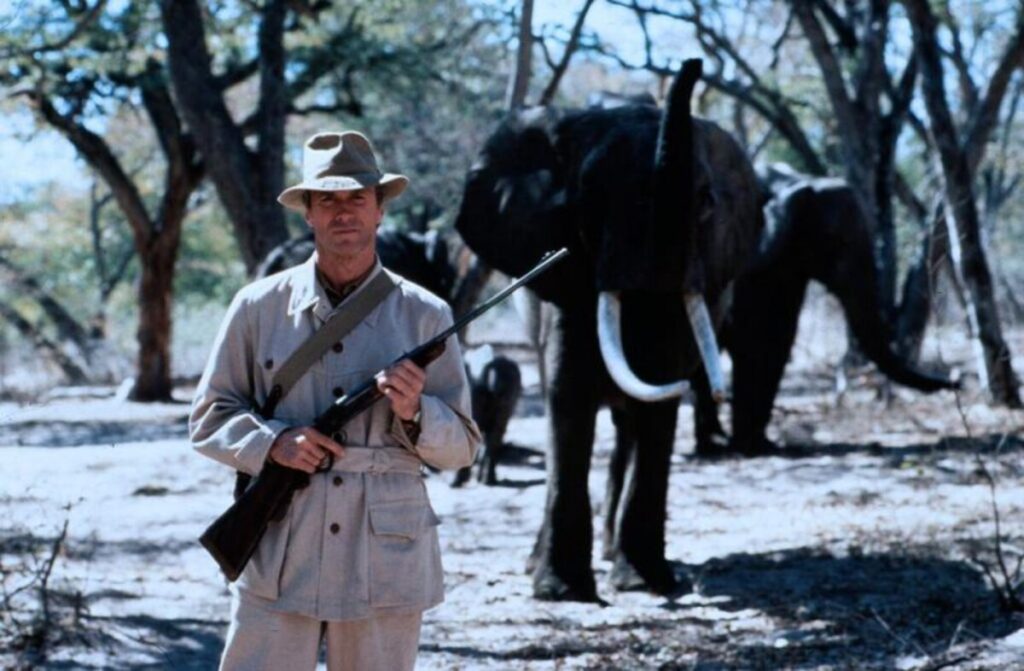
Clint Eastwood, armed with an impenetrable gaze, a condescending manner toward others, and a cigar in the corner of his mouth, embodies the true story of the alienation of the outstanding American director John Huston during the filming of the iconic The African Queen.
At first glance, this is an adventure film about a reckless, uncontrollable director ready to sabotage expensive shoots on the most distant continent for the chance to hunt majestic African elephants.
But behind such an adventurous plot lies a subtle and caustic critique of the entire Hollywood film industry, which, with its sometimes unbearable demands and pervasive power of censorship, drives even the most talented and independent to megalomania and obsession like Captain Ahab. This pushes them to more than just an ordinary crime, the consequences of which will be felt by all.
Comments
0No comments yet.
Sign in to join the discussion.