

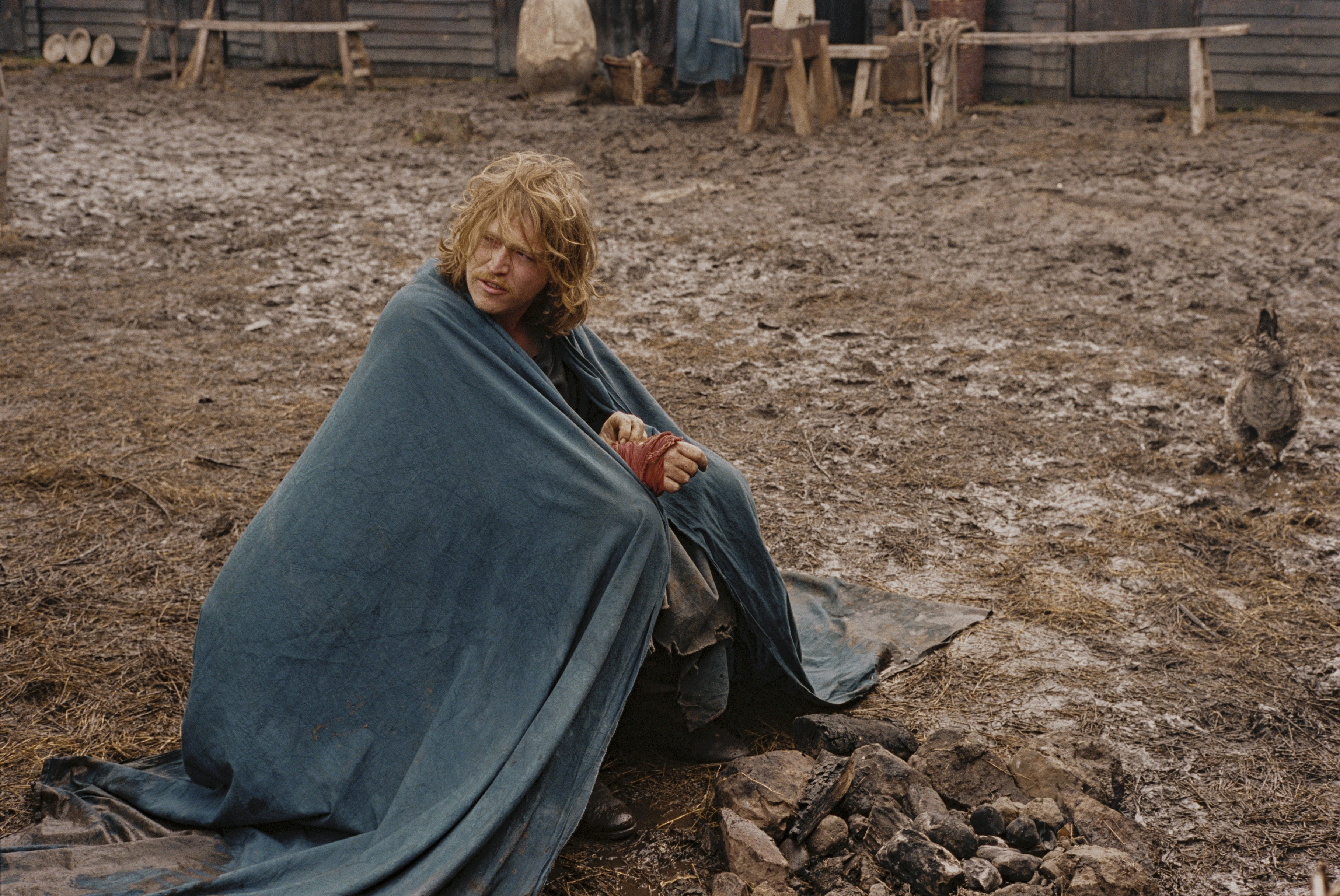
On October 16, "Harvest" — a contemplative and beautiful arthouse horror about the destruction of a village — hits Russian theaters. The project had every chance to become a strong film, but it devolves into boring contemplation without emotion or te...
Athena Rachel Tsangari's film "Harvest" looks like it was made specifically for arthouse festivals: grainy film, fog, a medieval Scottish village after the enclosure laws and on the eve of harvest. Everything hints at a thoughtful drama with elements where social conflict intertwines with the mysticism of dying traditions. But somewhere between the beautiful shots and ambitious ideas, the film loses the main thing — living people and reasons to care about them.
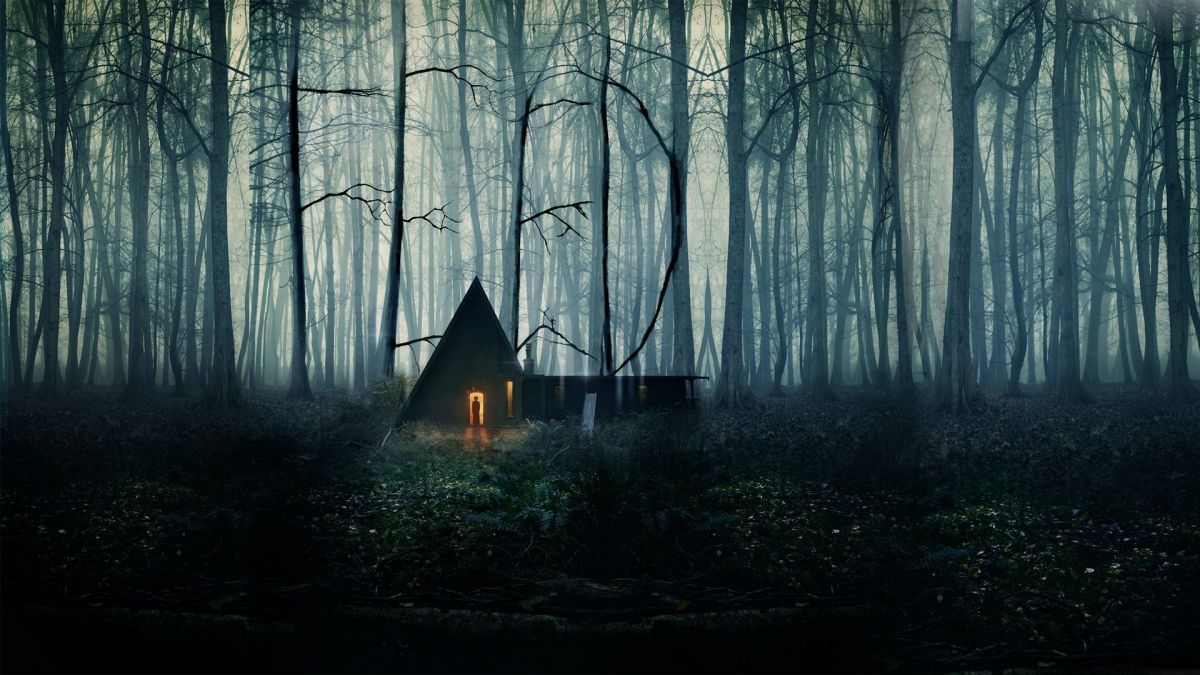
Folk horror is becoming an increasingly popular subgenre of horror films. Of course, using folklore elements is not a new idea, but the scale of its development in the 21st century is pleasantly surprising
Open materialThe story unfolds in a nameless village where the traditional way of life is cracking at the seams. Walter Thirsk (Caleb Landry Jones) is a young farmer with an internal conflict the size of an ocean — trying to maintain his friendship with the influential landowner Charles Kent (Harry Melling) while also keeping the community from collapsing. Capitalism is advancing, lands are being taken away, people are rebelling. It would seem — here is the material for a powerful drama. But the director seems afraid to show real emotions, preferring long shots of fields and thoughtful gazes into nowhere.
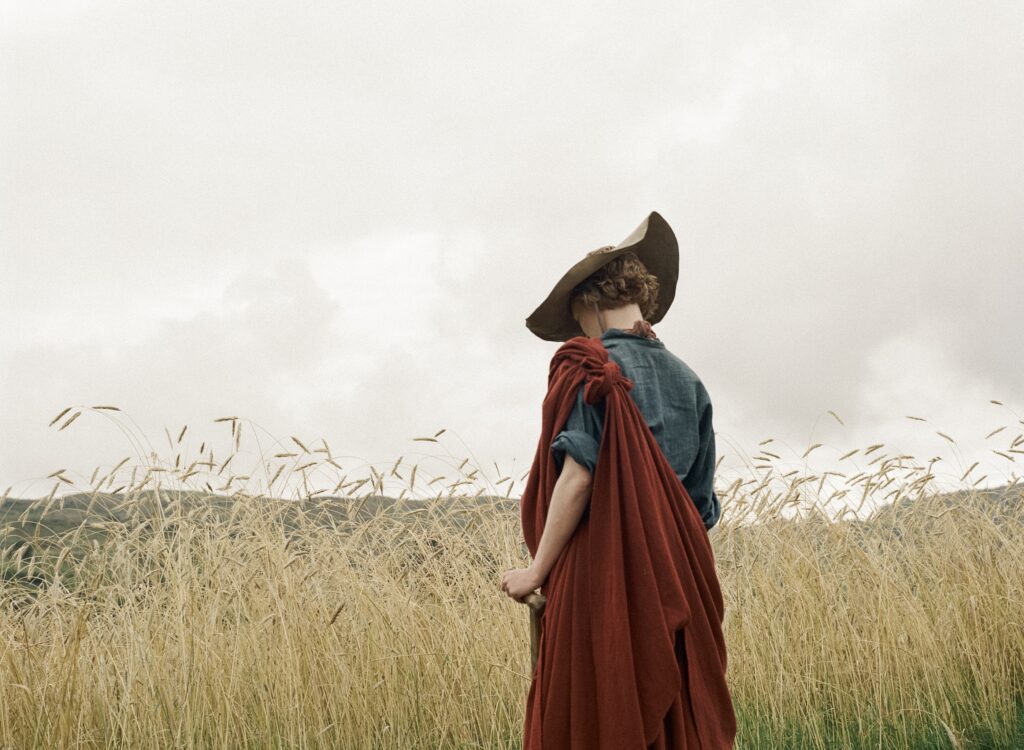
Yes, "Harvest" is beautifully shot — thanks to 16mm film and cinematographer Sean Price Williams, who is clearly in love with British pastorals. Misty dawns, golden fields, weathered faces of peasants — all of this works for the first fifteen minutes. And then you realize: behind this visual luxury, there is nothing. The director got so carried away with aesthetics that she forgot about content. Watching "Harvest" is like going to a Michelin-starred restaurant where they spend an hour arranging plates and utensils, and then serve you tom yum without shrimp and rice.
Caleb Landry Jones as Walter tries his best, but the script gives him no chance. His character (obviously) is supposed to be complex, torn by contradictions, but instead we see a man who just sadly stares into the distance.
The other characters are even worse. They are like props: they appear, say a couple of lines, and disappear, leaving no trace in memory. When disaster strikes the village, you shrug because you never understood who these people are and why you should care.
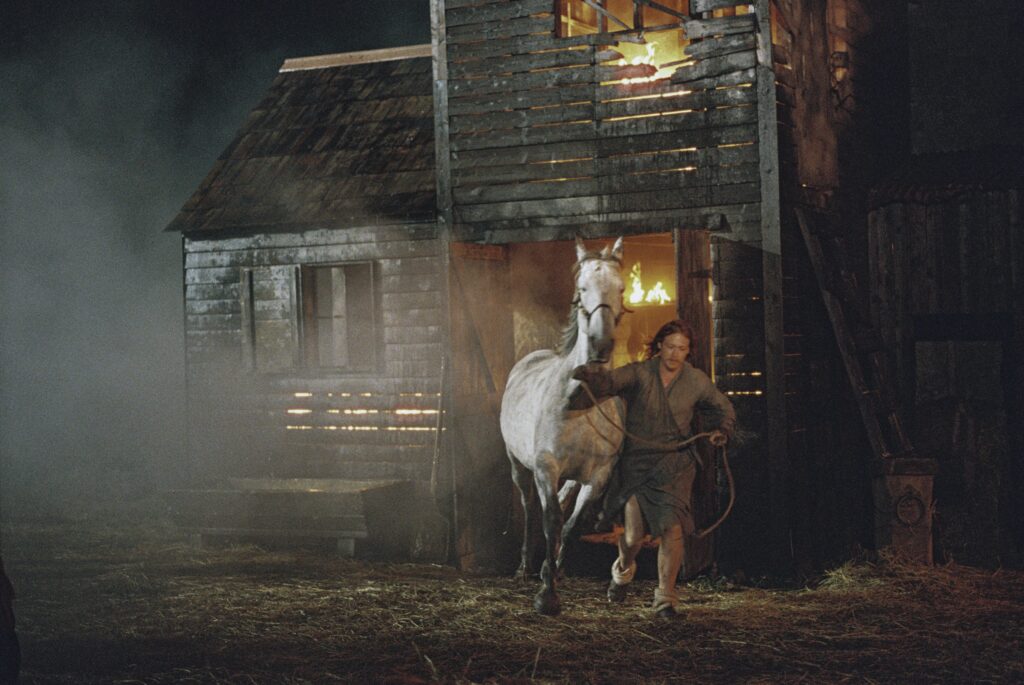
"Harvest" is the kind of film where a slow pace is meant to create atmosphere and tension, and the setting is meant to complement the picture and frighten (as, for example, in the outstanding "Midsommar"). The problem is that here the conflict does not build, the drama does not generate emotions, the climax passes you by. You sit and wait for something to happen, but nothing does (except a set of strange situations to which the characters react as if it's all perfectly normal). This is not meditative cinema in the vein of Terrence Malick (at his best), where every frame is a philosophical statement. It's just a drawn-out story that could have been told in an hour but was stretched to two.
The film tries to talk about important things: the destruction of communal life, the injustice of capitalism, the loss of traditions. But it's all presented so sluggishly and detachedly that you want to yawn or smash your head against a rock (oops, spoiler!). Instead of showing the pain and rage of people losing everything, the director prefers contemplation and understatement. As a result, an important theme dissolves into endless panoramas of fields.
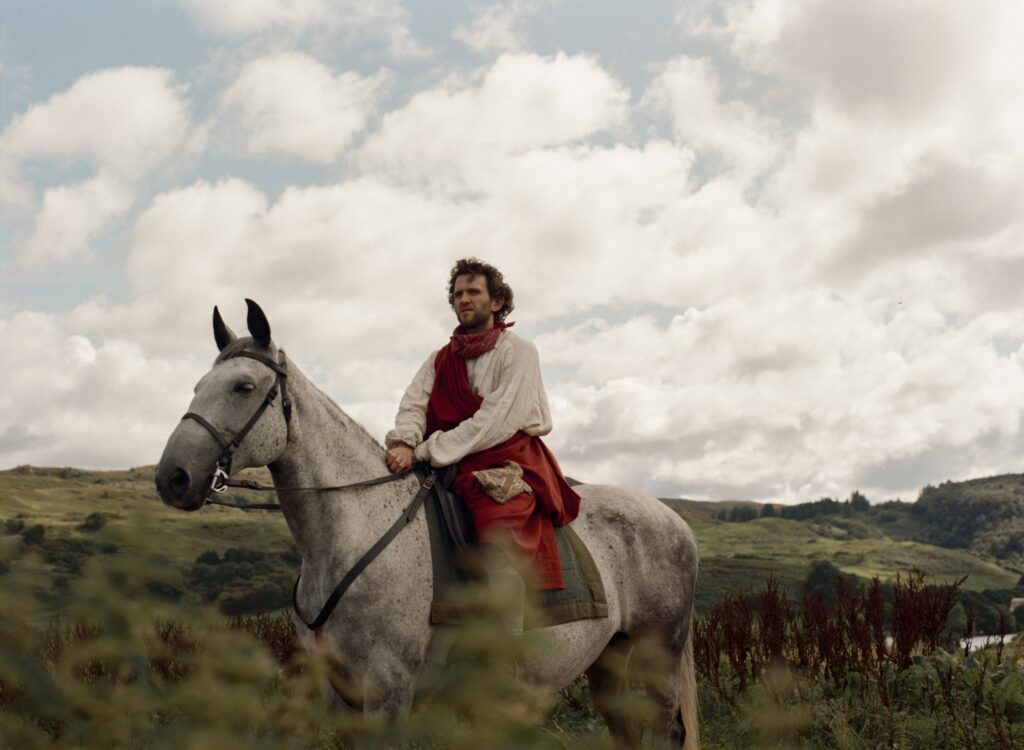
"Harvest" is a film for those willing to endure two hours of beautiful boredom for a few atmospheric shots. If you're looking for a real drama with living characters and a gripping conflict — pass it by. If you want a folk horror in the vein of "The Wicker Man" with tension and creeping chills — even less your thing. This is cinema for a narrow circle of connoisseurs who will forgive any sluggishness of plot for the right aesthetic. Everyone else would be better off spending time on something where beauty does not replace meaning.
Comments
0No comments yet.
Sign in to join the discussion.