
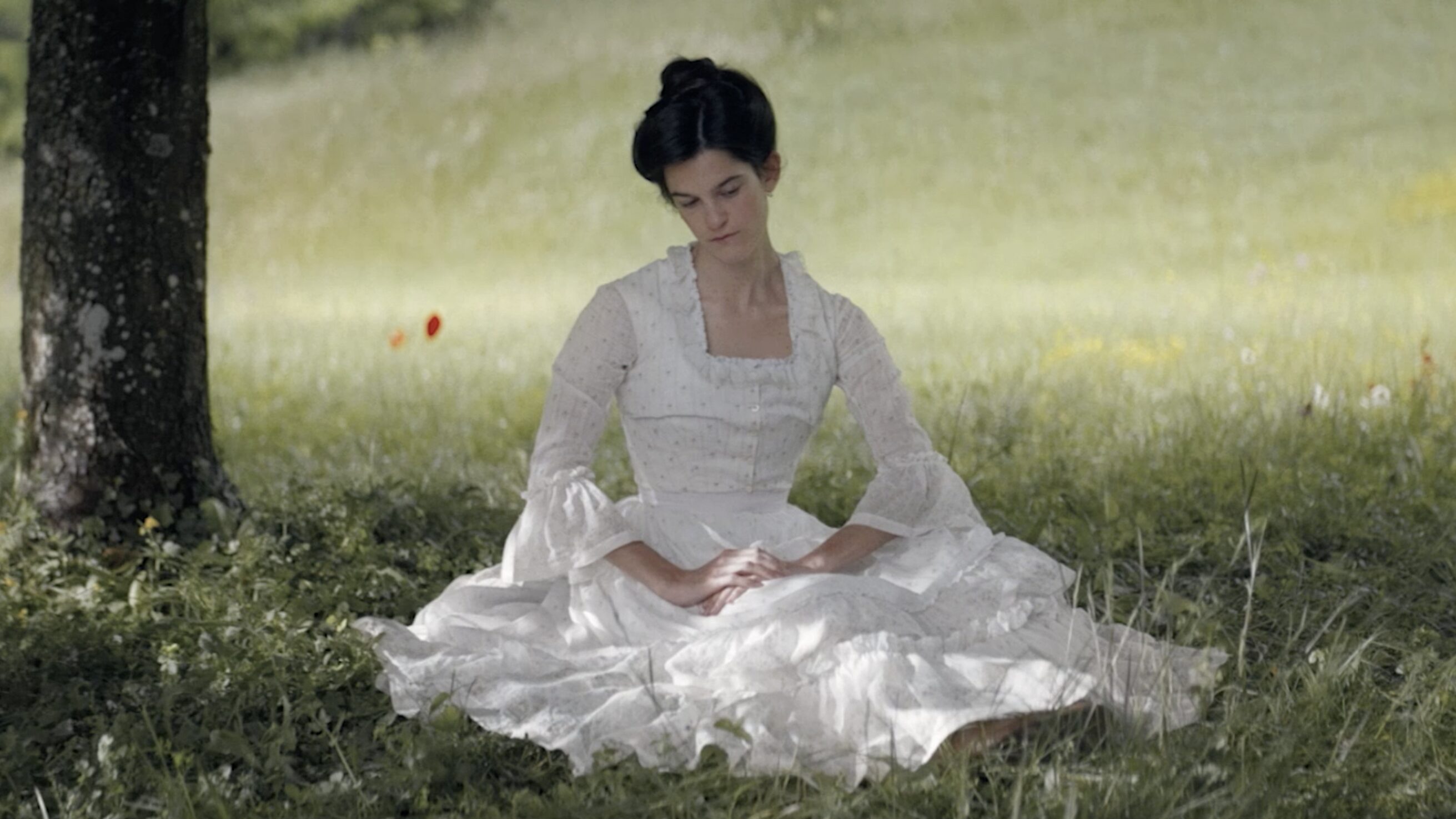
In theaters, a message from the Cannes Film Festival — Cédric Klapisch's "The Colors of Time." About love, art, Paris, and what color modernity really is — in our article.
Time is created by death. Needing bodies and things,
it seeks their properties in raw vegetables.
Joseph Brodsky, "The End of a Beautiful Era"
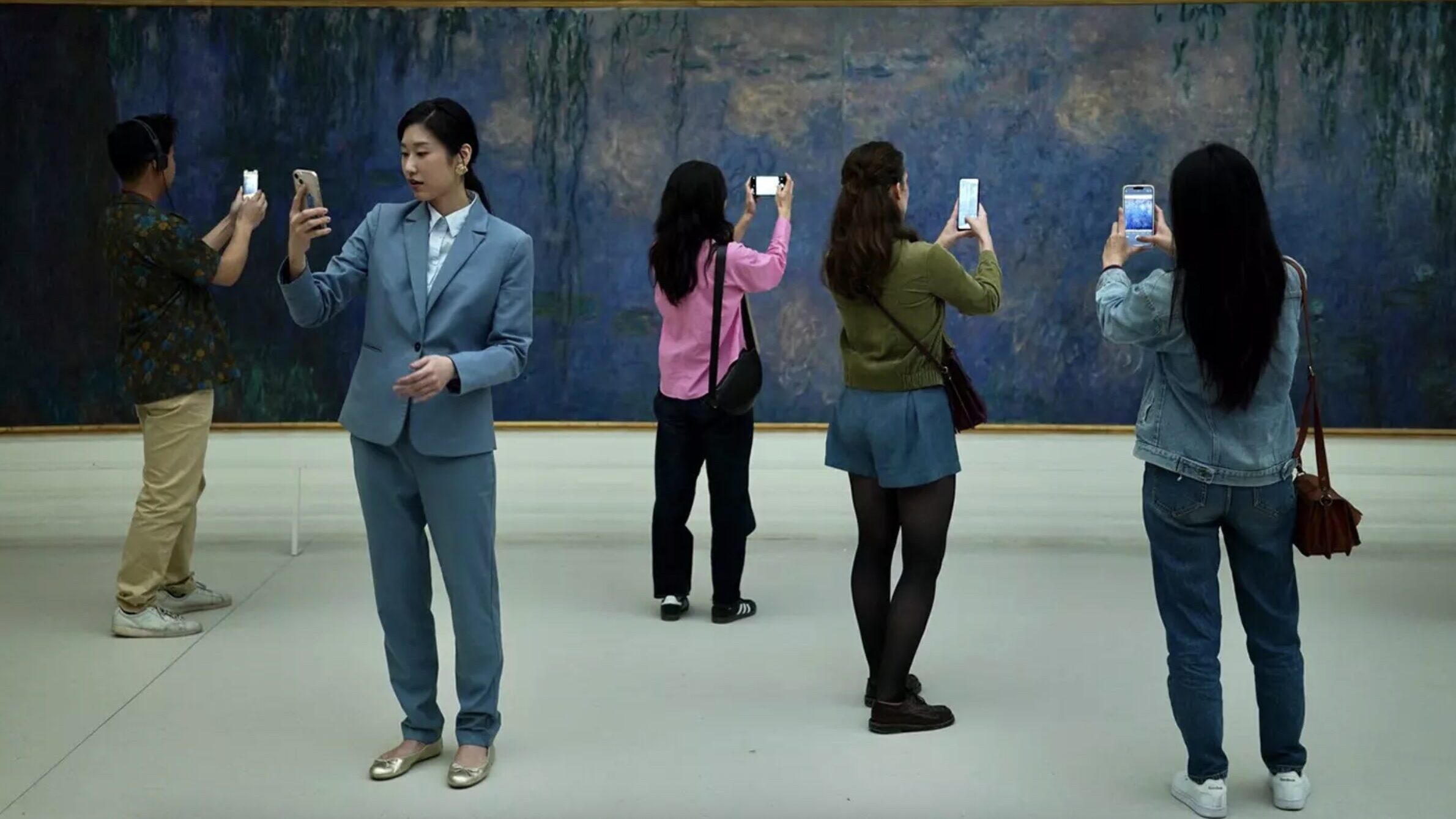
The last flowering of Impressionism, the final surge in the acute sensation of chaos outside and pain inside — the "Water Lilies" cycle by Claude Monet. His beloved wife had died, his son was soon to go to the front, his vision was clouded by cataracts, France was in the throes of World War I, Europe in the decline of the "Beautiful Era." But Monet tries to cope with the crisis. He buys a two-story house in Giverny near Paris and meticulously designs his garden, which he will paint for the next twenty years.
Now, against the backdrop of Monet's "Water Lilies," a girl changes outfits and poses for content creator Seb (Abraham Wapler). The dress doesn't match the emerald-blue hues, so please change the color of this painting behind her. It might seem that Cédric Klapisch is either rolling his eyes or throwing up his hands, lamenting the uncertainty of the colors of our time, which can change on screen in seconds. They mimic styles and eras with the (post)modern ease we've grown accustomed to. But it's not enough to simply show the form of modernity; Klapisch tries to find the interconnection of eras. And he chooses for this the most prosaic yet most touching metaphor — the family tree.
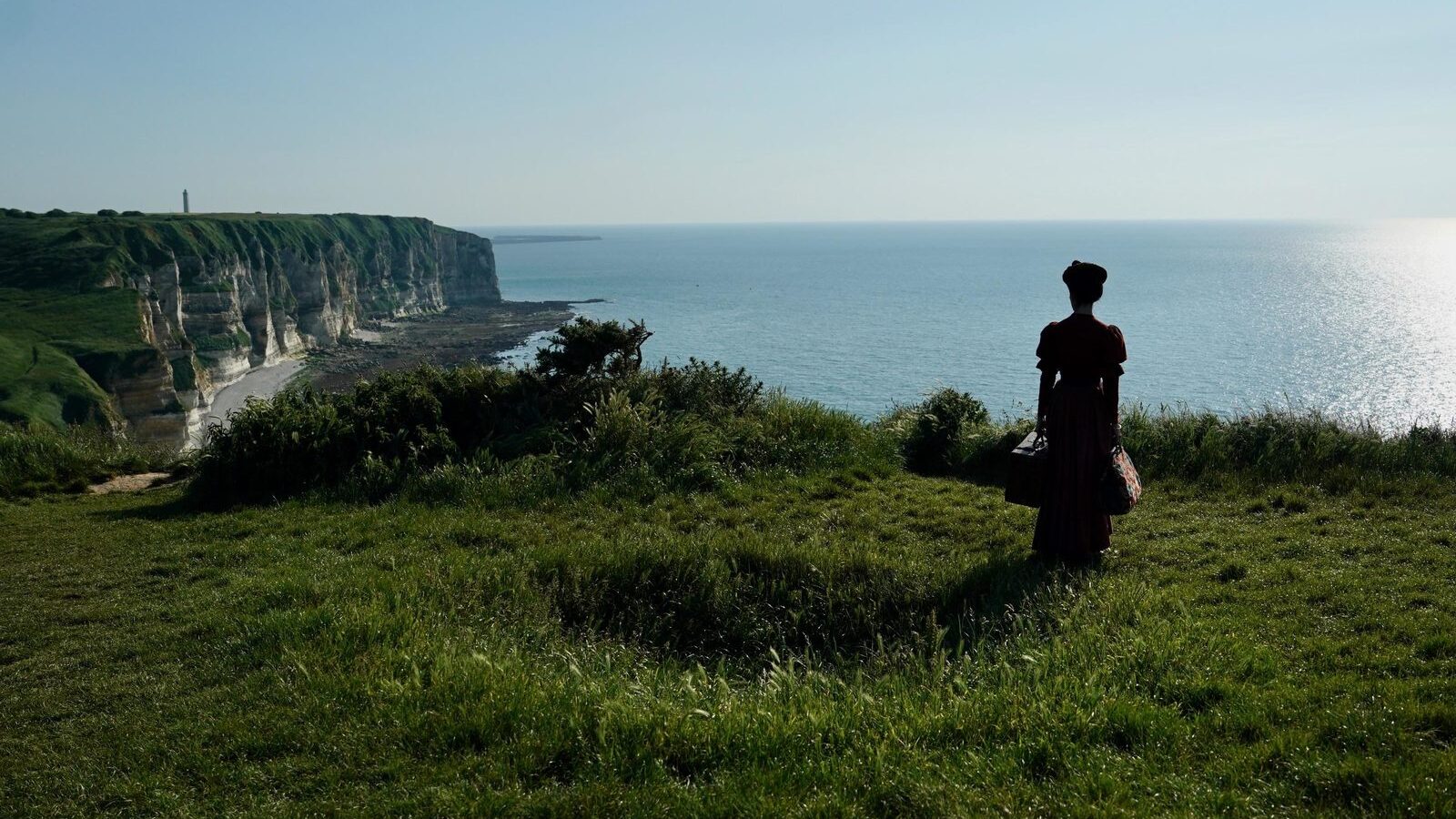
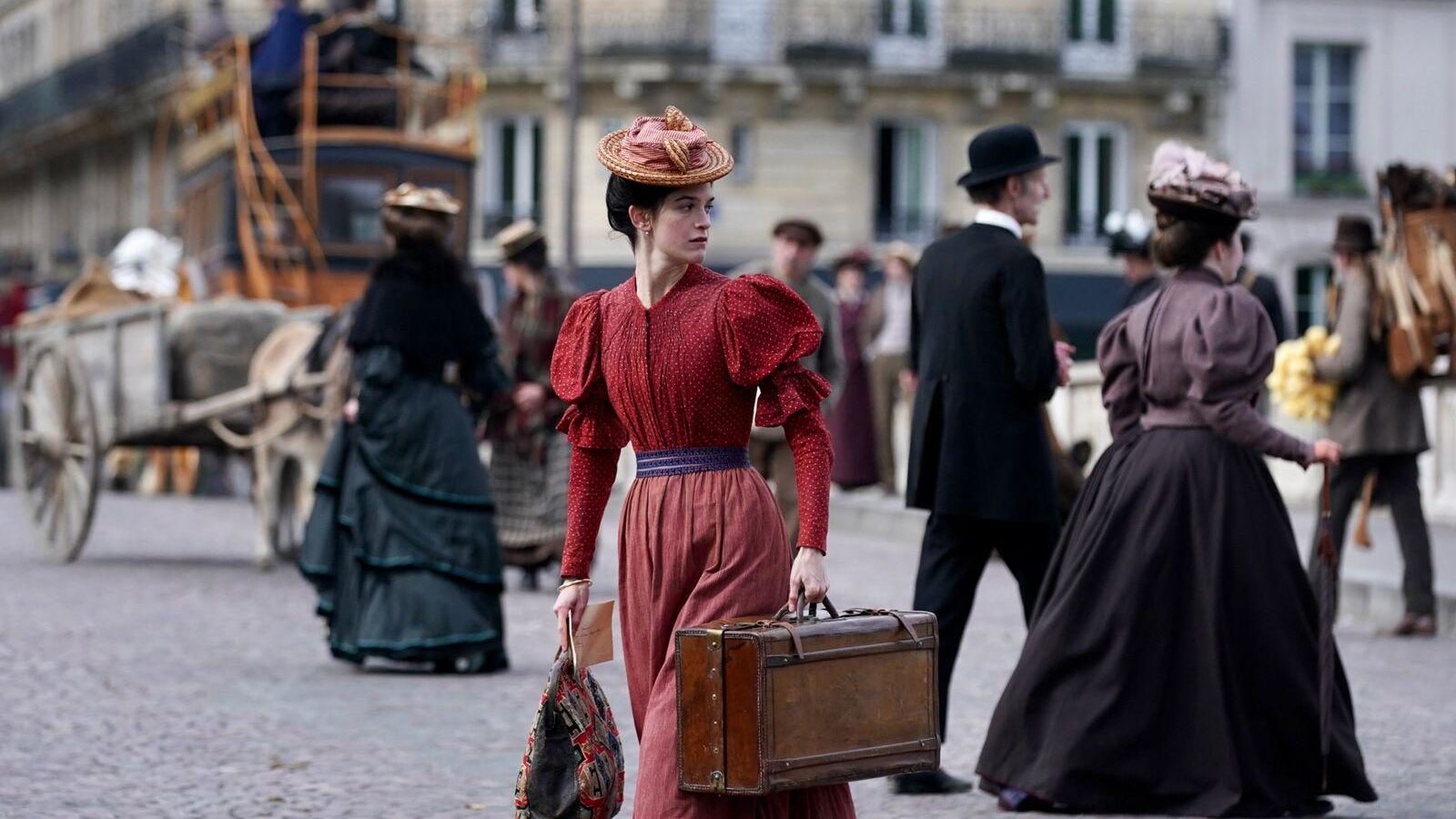
In "The Colors of Time," there are three eras: the present, embodied in the figure of Seb; the last century, embodied in Adèle (Suzanne Lindon); and the mid-19th century, embodied in her mother. And while Adèle leaves her Norman idyll to find a family in Paris, the heirs flock to the family nest before its sale in the modern world. They must give consent to the demolition of the country house, which, as it turns out, not only hinders the authorities from building a new monstrosity of modernization (with a parking lot) but also holds memories.
All twenty people are descendants of Adèle, a simple girl who a hundred years ago also loved, felt, and searched for herself. And faded into oblivion. With all her loves, feelings, and searches. Now nothing is known about her, but four of her numerous heirs decide to fix that. They begin to investigate the material remnants of her life, trying to reconstruct not only Adèle Vermillard herself but also her world.
Among the family members sorting through the sparse artifacts of the past century is also Adèle's double — Seb, just as young, inexperienced, and desperately torn between two worlds. He is called by the trendy term "content creator," but he himself hasn't yet decided whether he can lay his soul on the altar of modernity. After meetings with his girlfriend, the one who suggested yellowing the "Water Lilies," he gazes at a seemingly timeless girl singing with an acoustic guitar against the backdrop of Paris.
Vermillard also had a similar fateful decision, and she too chose between technological progress and the eternal lyricism of the soul, only in her case between photography and painting in the persons of her two young neighbors: Lucien and Anatole. She made her choice, of course, in favor of painting. Whether this was a natural course of events or a habit of the Vermillard family, we may never know. After all, Adèle's mother also once decided to stay with a young artist painting the dawn in a gray-blue haze.
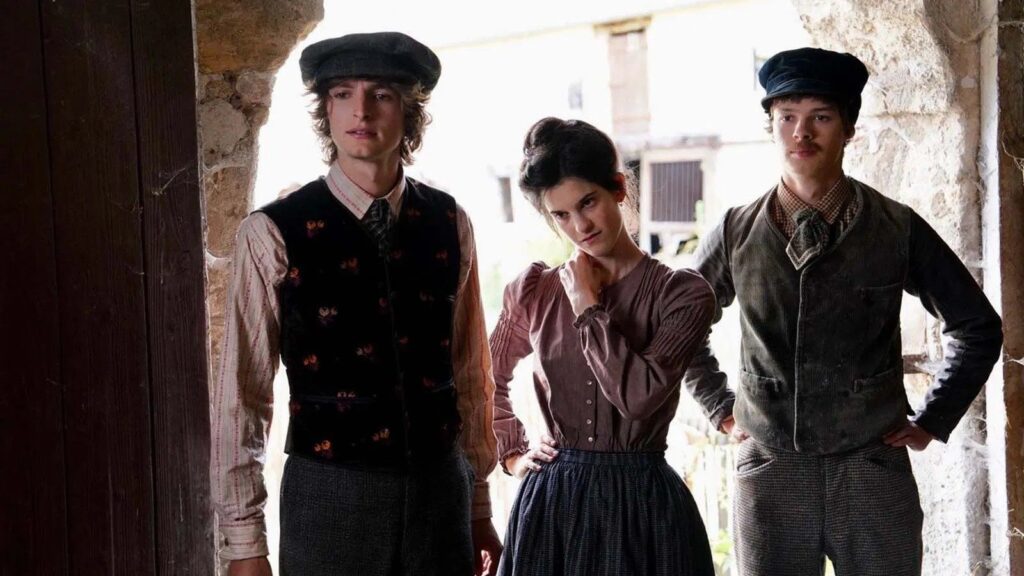
"The Colors of Time" dissects eras in search of continuity between them. And, like any self-respecting person, Cédric Klapisch finds the connection, of course, in love and art. But it's no coincidence that all his doppelgänger characters are not artists. They are merely observers. The artistic process does not depend on them, because one can read about the interconnection of geniuses in scholarly articles, listen to it in public lectures, in conversations among art history students over lunch.
The director makes the idea of eternal repetition more mundane. More relatable. His characters are ordinary people; their era influences their world but does not entirely shape it. This tone is also conveyed through a contemporary approach that pays increasing attention to the world of things, objects surrounding people. Small decorations that hold immense feelings.
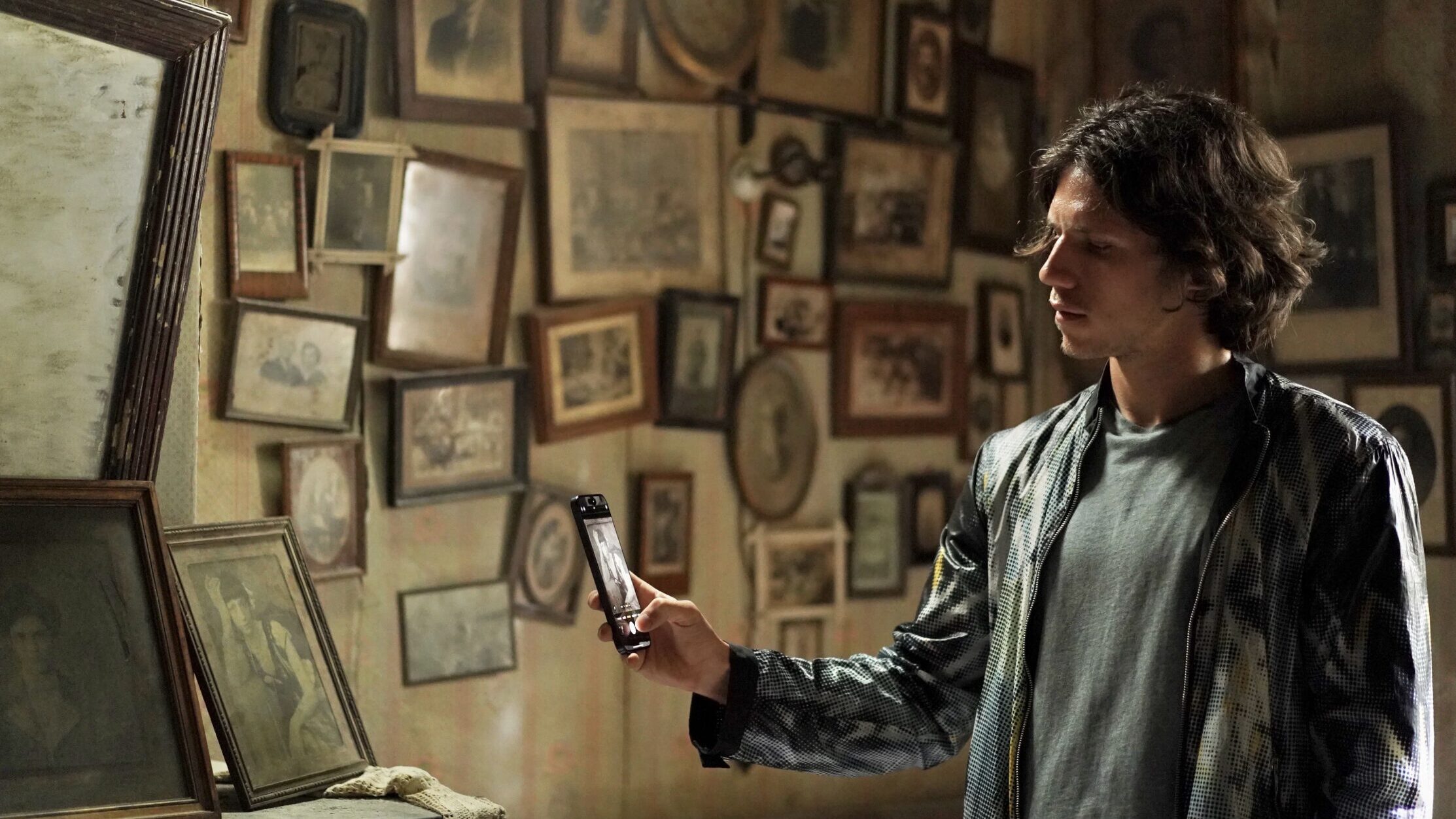
A piece of canvas with illegible monochrome strokes seems uninteresting until its story is told. For Seb, it's a strange trinket of his great-great-great-grandmother; for Adèle, a way to find her father; for her mother, one of the last memories with her beloved; for the world, part of the birth of Impressionism. Although the latter interests Klapisch to a lesser extent.
In addition to love and art, the category of eternity in "The Colors of Time" also includes place. In the rhythm of editing cuts between eras, there is no comparison. On the contrary, the monumentality, the immutability of Paris is emphasized. The streets may have different content, but the soul is always the same. In the triad of love — art — Paris, only Godard or Bertolucci is missing, but Cédric Klapisch teaches us to focus on the small parts within the decor of the global whole.
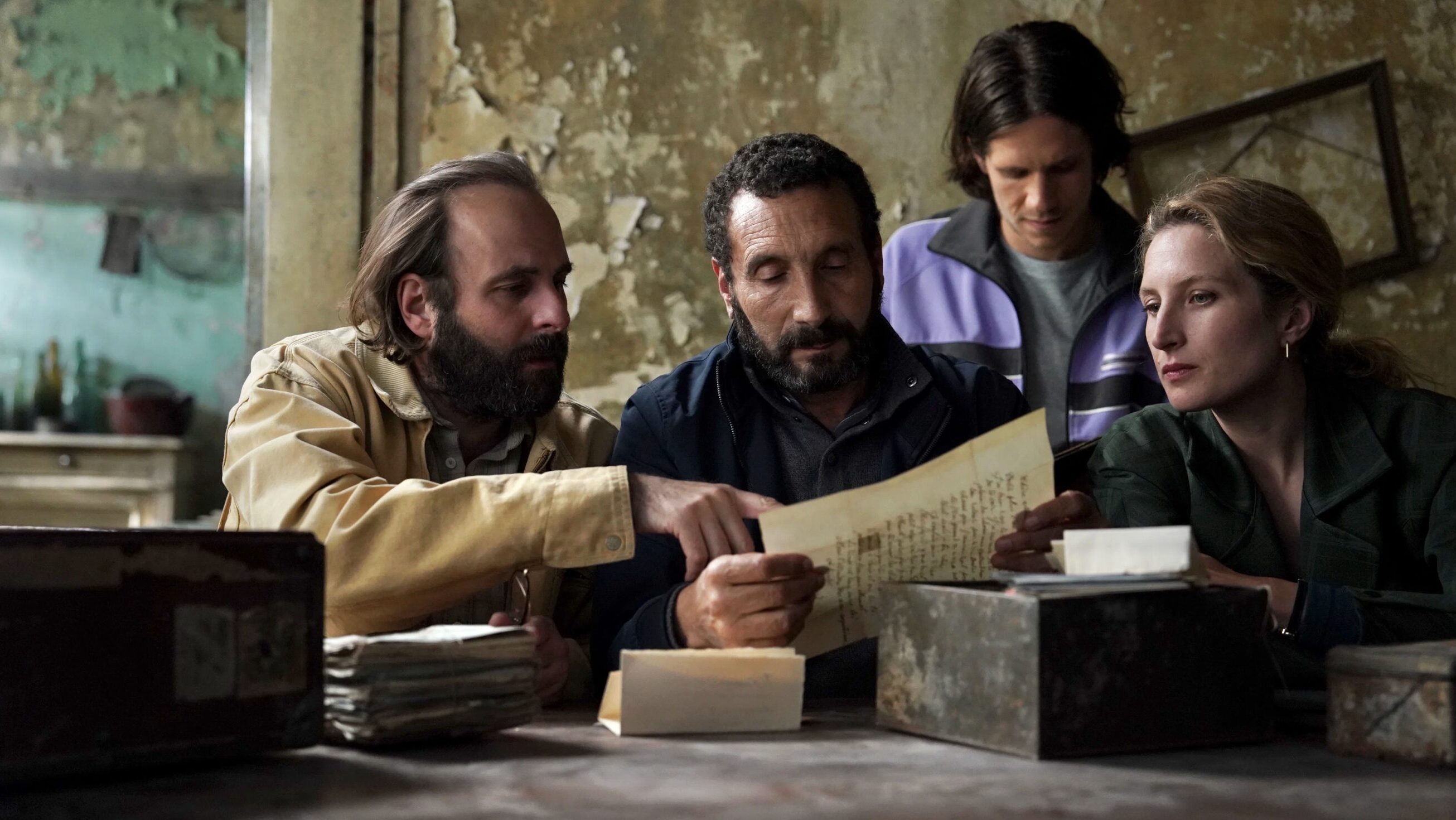
"The Colors of Time" uses love lines as a foundation, but the film's coordinate system is much broader. The romantic part reveals the continuity of eras, and centuries are connected by people. Therefore, colors and shades are shaped by the weight of everything that came before, everything repeated and experienced over generations — everything touching, everything precious, everything timid, everything youthfully foolish, everything dear to the heart, everything eternal. Everything human. And this can be any color. Even yellow.
Comments
0No comments yet.
Sign in to join the discussion.