

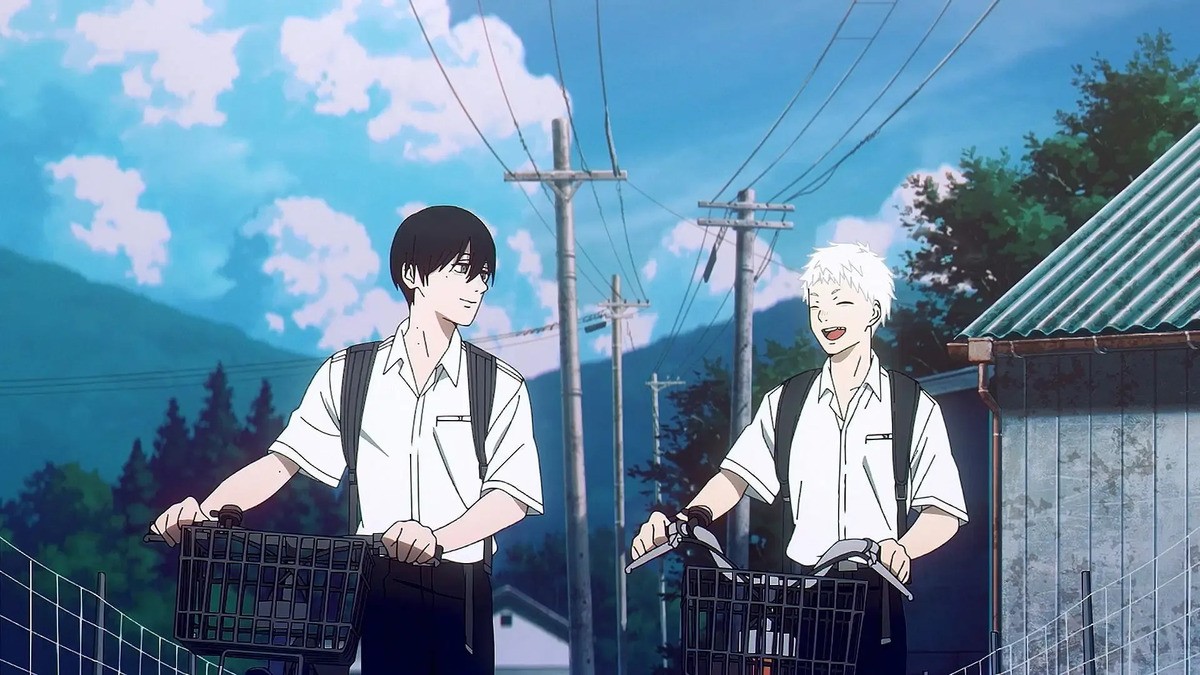
On September 28, the first season of the anime series "The Summer Hikaru Died," which started in July this year, concluded. How the title combines a carefree summer atmosphere and oppressive horror—in our article.
Yoshiki and Hikaru are childhood friends who grew up in a small Japanese village. Long evening walks, bike rides, and endless conversations about nothing — all of this ends one day because Hikaru disappears in the forest. How he ended up there, why he went out in such weather, and what happened to him is unknown. The main thing is that the boy is found, battered but alive.
Life gradually returns to normal, and the villagers slowly forget about the incident. But not Yoshiki, who finds his friend's behavior strange. Six months later, he gathers the courage to tell Hikaru that he doesn't think he's the real one. It turns out that a mysterious entity is hiding inside the boy's body, skillfully mimicking the behavior and appearance of the student.
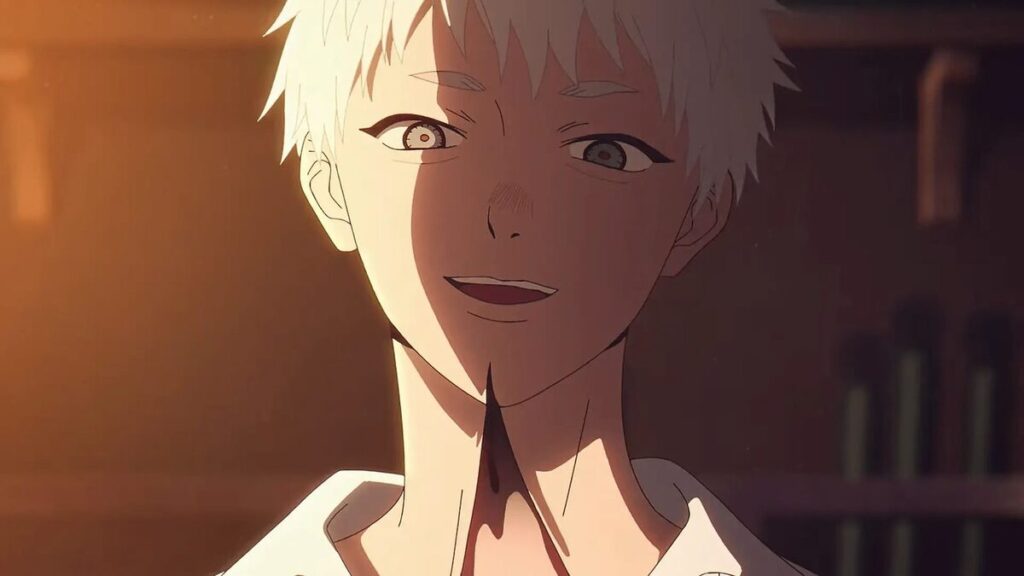
"The Summer Hikaru Died" is an adaptation of the manga by Ren Mokumoku. The author first conceived the story while preparing for high school entrance exams. She began posting her initial drawings on social media in 2021. Around the same time, the editorial team at Young Ace Up approached her with an offer of publication.
For the mangaka, "The Summer the Light Went Out" was her first full-scale work. Before that, she had only produced a one-shot titled "The Point" (2021). But even in that, ideas that would become the foundation for "The Summer" were already present. In both works, the author explores themes of friendship and how far one can go for a loved one.
At first glance, you wouldn't say that "The Summer Hikaru Died" is a horror title. There are no typical jump scares or a tense atmosphere built through mysterious music with ominous violins. The first thing we see after Hikaru's disappearance scene is the two friends eating ice cream on a hot summer day and chatting casually. And it will be like this almost all the time. No clichéd attributes. It scares in a completely different way.
Usually, anime is associated with long series and hyper-emotional characters who can't contain their feelings (and that's not even mentioning hentai). However,
Open materialPeople are afraid of the dark because of the monsters that might be lurking inside, afraid of the night, thunderstorms, or loud noises. All those things that can strongly impress our minds, which don't mind adding frightening attributes within themselves. But terrible events have no specific patterns. A murder can happen during the day, and a bank robbery can occur in the morning. "The Summer Hikaru Died" makes you feel uncomfortable because events that knock our lives off track can happen on a completely ordinary day.
A parade of premieres from Netflix, including the return of "Happy Gilmore." Potentially the biggest blockbuster of the year from Apple TV+. Star-studded action comedies from Amazon Prime Video. In our
Open materialThe characters stroll through the village, eat ice cream, and cicadas sing in the background. A peaceful picture of everyday life. But at that moment, a woman might run out to meet them, point at Hikaru, and declare that he is universal evil. Or the image might "glitch" in the middle of a casual conversation. Such scenes are not uncommon; the title is completely saturated with them. And when the viewer gets used to the idea that they can be scared even in such a setting, the cicadas start singing louder, the sun shines brighter, and it becomes so stuffy outside that it's hard to breathe. As if the atmosphere around begins to press with its kindness.
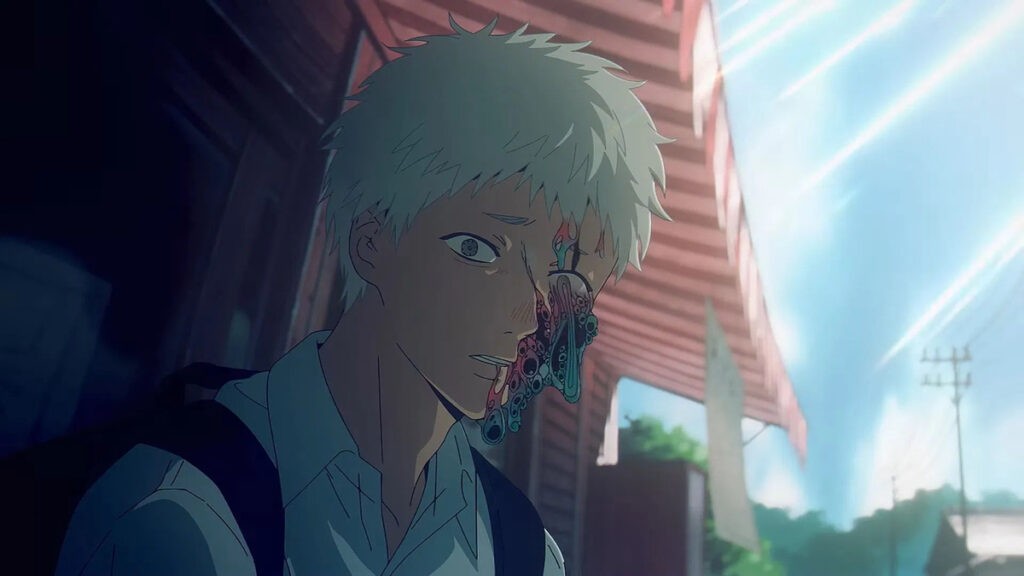
The core of the plot of "The Summer Hikaru Died" is the transformation of the hero into a monster and the friends' attempts to learn more and fix the situation. But at the same time, the theme of losing a loved one and trying to accept what happened comes to the forefront. For Yoshiki, Hikaru was his best friend since childhood, his only stability and support. From the first day Hikaru returned after his disappearance, Yoshiki knew that the friend before him was no longer the same; it was someone else, but who—that was the question.
It is precisely because of this strong attachment that the hero did not want to acknowledge the loss for six whole months. He tried to accept the "new" Hikaru, to believe in the theater playing out before him, but he couldn't. Yoshiki suppressed the background voice that kept screaming that the past could not be brought back. And no matter how much he pretended, Hikaru would not be there. But no matter how strong the voice was, it never became an argument for the character.
Simply put, "The Summer Hikaru Died" is not a story about monsters, but about the internal fracture of a person who cannot accept the loss of a close friend. And about the loneliness that cannot be overcome until one lets go of the past. But can one give up the past if it literally rises from the dead and sits across from you?
Adding to this is the duality of the title. In Japanese, the word "hikaru" also means "light." So for Yoshiki, the light of life literally goes out when his friend dies. Thus, the anime acquires a second title: "The Summer the Light Went Out."
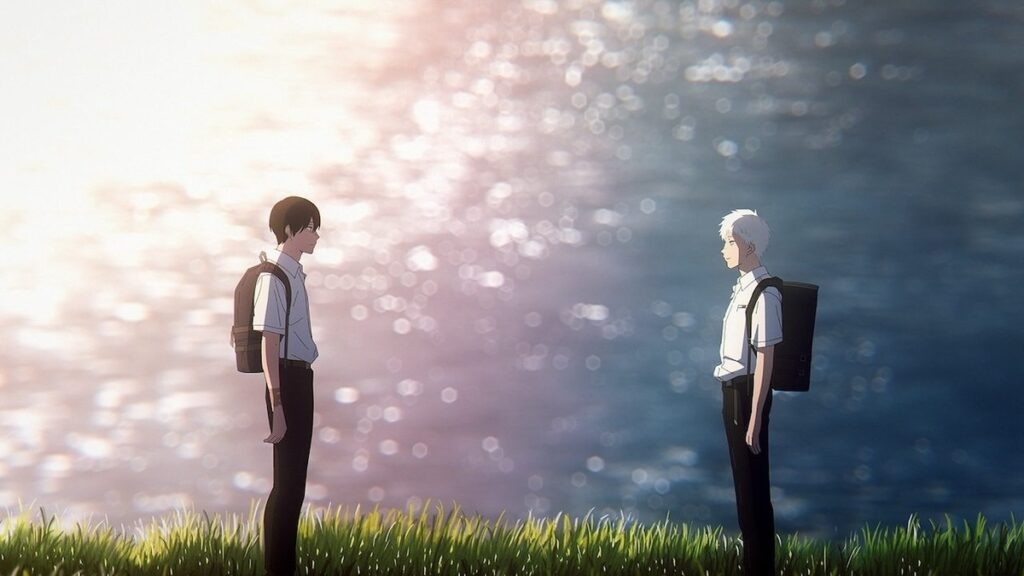
And if for one hero the situation of disappearance and personality change becomes a fracture, for the "new" Hikaru it is an opportunity to feel human in the literal sense. The creature living in the character's body receives not only the appearance but also the memories of the student. And instead of wreaking universal horror, it learns to be alive. Like a child taking its first steps. The "new" Hikaru learns to interact with people and begins to experience feelings.
At first, these feelings are merely memories of the previous owner of the body, but by the end, as the monster admits, it felt its own. It began to understand what love, awe, and attachment are. In the end, the "new" Hikaru becomes able to define its identity, to understand what it personally likes, not what the previous owner liked. Whether it's tastes in food or the desire to spend time on homework.
Therefore, besides the problem of loss and loneliness, "The Summer Hikaru Died" raises questions of self-awareness. Even if through the lens of a monster. But if translated into human realities, it is more akin to when you communicate with someone for a long time and no longer understand whether your tastes are truly yours or they were unconsciously imposed and became "yours."
The title's strangeness is enhanced not only by its unique setting but also by its visuals. The studio meticulously approached the adaptation of the manga to the screen. The atmosphere of the sweltering summer is conveyed so that you can feel all the warmth even on the snowiest winter day. In scenes of emotional tension, the drawing turns into sketches, and at times the image seems to glitch. To all this, we can add unexpected inserts with photographs of a chicken dish. By the way, they appear at an extremely tender moment, thereby throwing the viewer off, as if reminding them that what's on screen is not a kind story about friendship, but still a psychological horror.
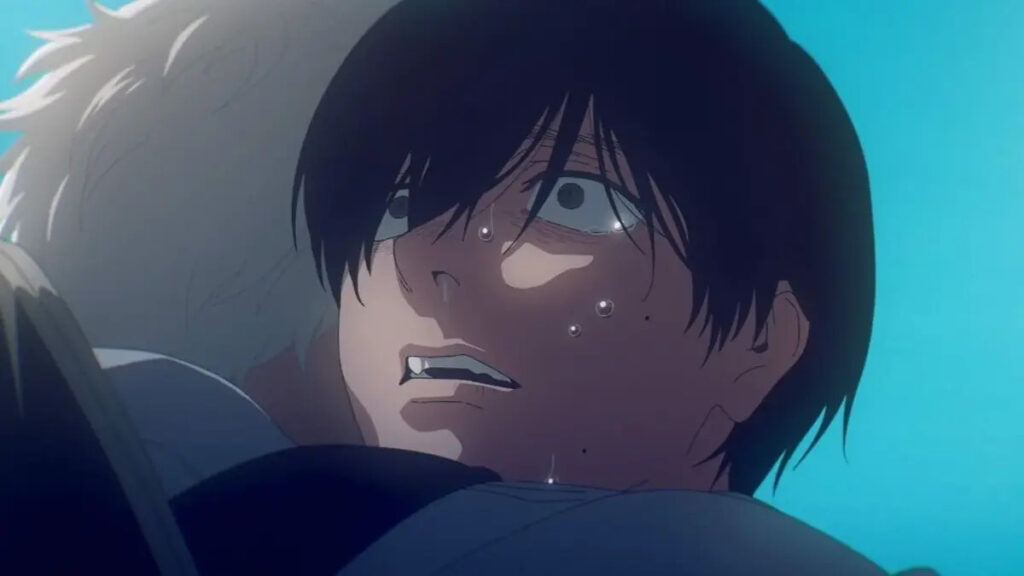
"The Summer Hikaru Died" has become one of the brightest titles of this year's summer season. So, if you want to immerse yourself in the atmosphere of a sweltering summer but don't feel like being bored by a drawn-out slice of life, this series will be an excellent choice. It will both tickle your nerves and let you soak in the drama.
Comments
0No comments yet.
Sign in to join the discussion.