

AppleTV+ has released Spike Lee's new film "High and Low," in which Denzel Washington plays a trendy music producer whose son is kidnapped. Why the new film by the American director deserves a chance, we explain in our review.
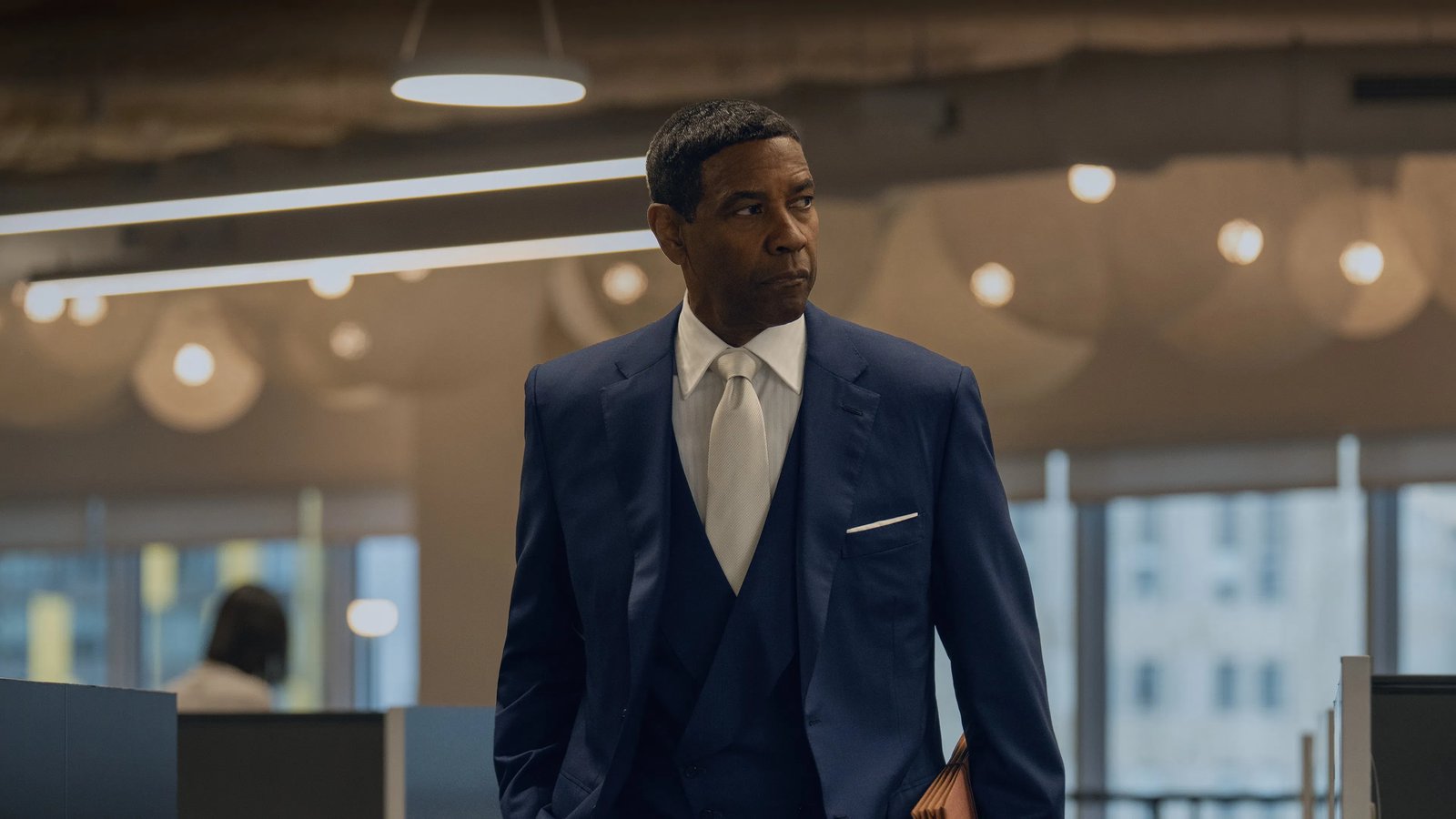
Street thugs kidnap the son of New York music producer David King (Denzel Washington) and demand no less than $17 million. The star father scrambles to find the money (though one call to the bank or selling a few trinkets would suffice), but it turns out the kidnappers made a mistake and grabbed the wrong person. The victim is the son of David's friend, who also worked as his driver (Jeffrey Wright). Then the producer unexpectedly backs out, saying, why should I pay when it's not my offspring in captivity? Especially since King has a major deal at stake, every cent counts, and failure would mean losing everything.
Spike Lee this time closely examines the lives of New York's music industry bourgeoisie instead of his usual street explorations. Luxurious penthouses, gold iPhones, gold headphones, the protagonist's "golden ears" played by the still vigorous, despite his advanced age, Denzel Washington. Premium cars, a velvet voice reciting hip-hop off-screen, and languid gazes into a future where nothing will change for the protagonist. Everything will remain exactly the same. In short – expensive, rich.
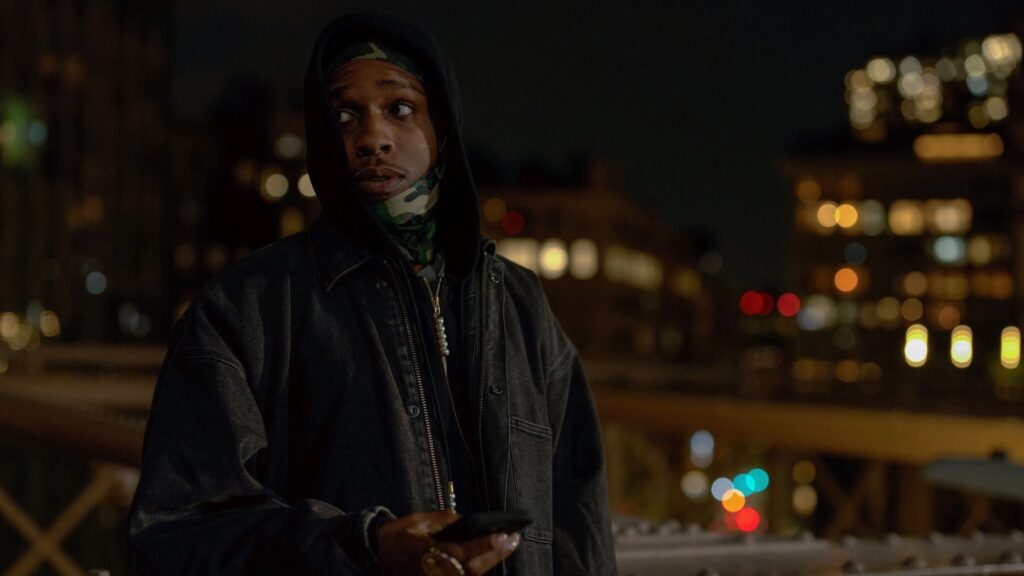
It is against this flawless gloss that what appears to be a moral dilemma about a difficult choice, in Spike Lee's hands, actually turns into a crime comedy reminiscent of the Coen brothers or Guy Ritchie. Though this comparison probably only favors the latter. At the same time, it's hard to say the film is a complete failure. It at least has enough energy and drive to remain a film that won't ruin an evening spent on it. Spike Lee doesn't seem to aim for more.
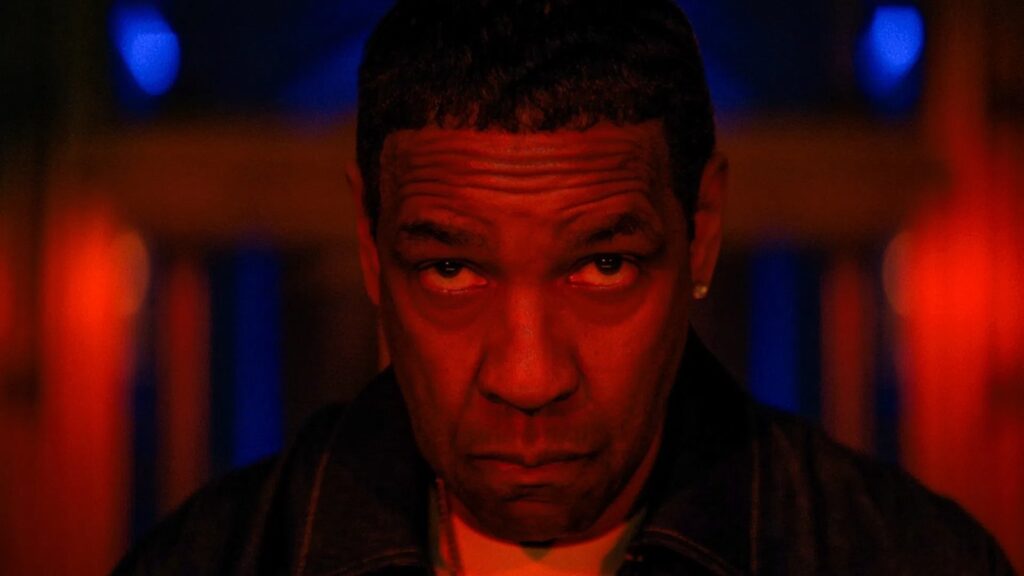
The main fiddle in this mishmash of scenes adorned with gold leaf is undoubtedly played by Denzel Washington, who has switched on masterful transformation mode. His face is a blockbuster in itself: everything is clear, transparent, readable without translation. Sometimes his gaze is funny, sometimes it sends chills. And yes, he delivers one episode after another as freshly as if "Training Day" came out last Thursday, not twenty-four years ago.

The film certainly has its flaws. From oddities in the script, a strange action finale, to painfully pompous dialogues that seem taken from a school essay. Spike Lee doesn't stand on ceremony with the central plot, quickly setting aside ethical dilemmas, and the scene of the protagonist's heavy deliberation before a difficult choice in his luxurious office takes at most 5–6 minutes. After that, the director goes all out: the police turn into useless extras, and King, thanks to his unique hearing, tracks down the criminal himself, leading to an implausible chase culminating in a fight on the roof of a speeding train.
Imagining such a thing in reality is, of course, difficult, but Spike Lee relies entirely on his main star, and he fully justifies that trust, becoming a fulcrum for the gradually swaying structure of the film. In Spike Lee's logic, this is the case where the hero and his diamond cufflinks can tell a story better than any script. With these deliberately introduced, almost artificial "imperfections," the director seems to have sought to convey something important to the viewer.
Perhaps he invited us to look away from the glitter of the Hollywood conveyor belt and appreciate his authorial scale, distort the familiar cinematic language, mock the colorful tinsel of genres. Sarcasm about editing. Point out the absurdity and artificiality of what is happening on screen. As if to say: don't look for anything here, just let the image and emotions pass through you, without filtering with irony or prejudice.
Such creative gestures say a lot about both the author and his intent. And the conclusion here is simple: Spike Lee largely remains true to himself and reminds us that true cinematic art, even in its deliberate "imperfection," is still priceless. "High and Low" does not claim to be a masterpiece, but it honestly reflects its time: with its gloss, cracks, social chasms, and eternal questions about the price of humanity when it seems everything can be bought.
Comments
0No comments yet.
Sign in to join the discussion.