
The film “Exit 8” turns an ordinary underground passage into a real nightmare. We tell you about a minimalist Japanese horror that frightens not with monsters, but with an endless corridor and questions of self-reflection.
From time to time, cinema offers us something that knocks us out of our comfort zone, forcing us to stare at the screen without blinking. The Japanese horror “Exit 8” is exactly that kind of film. Minimalist, intimate, yet gripping to the point of terror, like some trendy TikTok melody, but instead of irritation, it delivers a sense of anxiety and makes you look deep inside yourself.
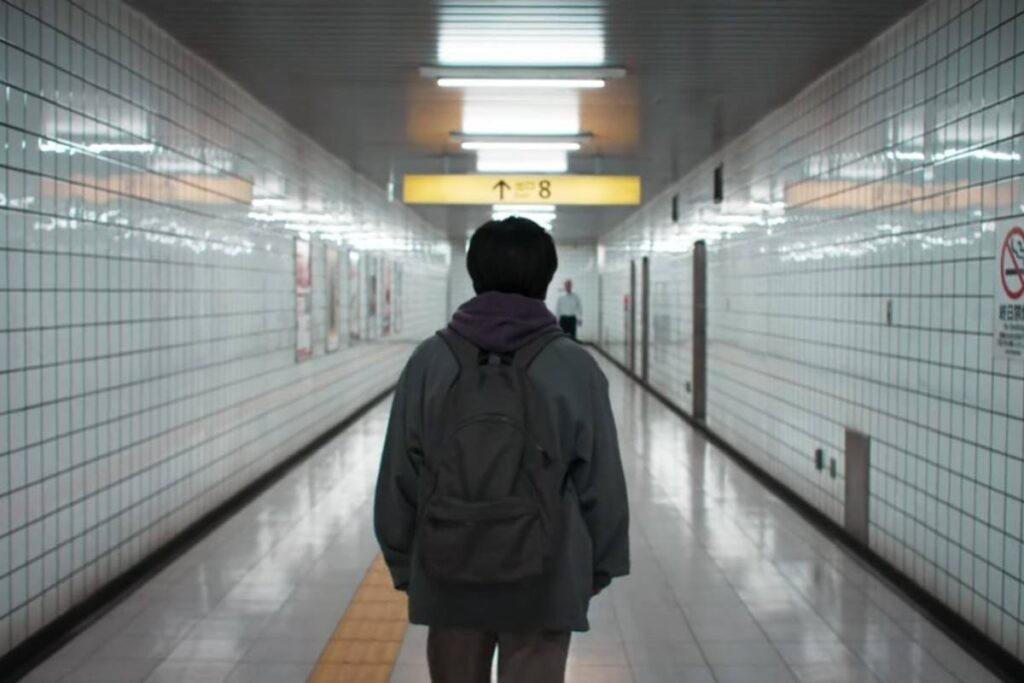
The plot is simple to describe—and that’s its charm. The protagonist gets stuck in an underground passage that looks like an ordinary subway station, complete with signs, advertisements, and random passersby. But there’s a catch: no matter which way he goes, he ends up in the same place. The corridor is literally a loop. This is where the character’s personal hell begins, set against bright lights, the sound of ventilation, and monotonous walls that are painfully identical. A classic trap of the mind, but delivered with Japanese precision in detail.
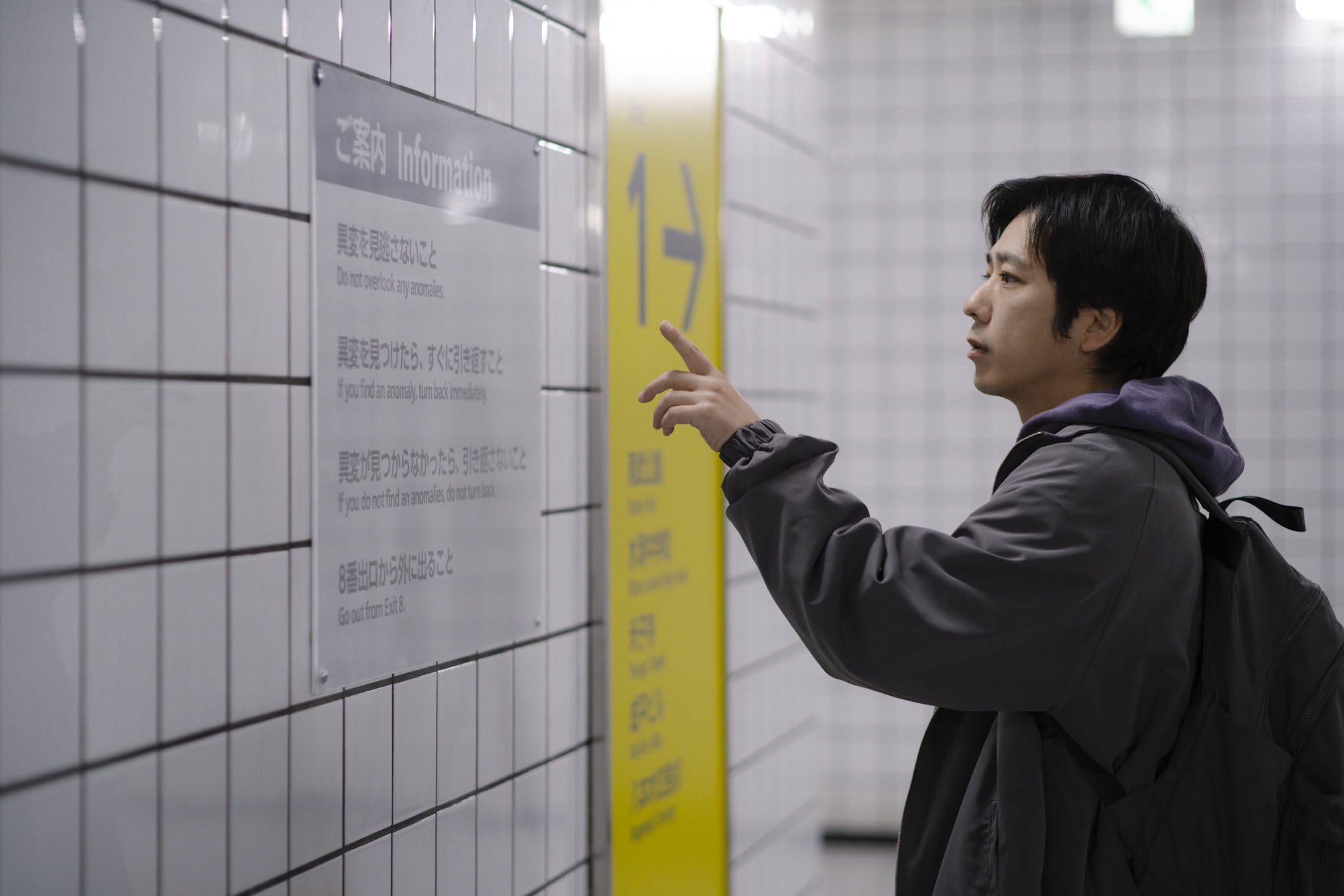
The film’s special feature is that it doesn’t rely on jump scares or special effects; instead, it plays on the accumulation of tension. Here, each new “circle” of the hero is an event. Every sign in “Exit 8” seems slightly more suspicious than before. The viewer quickly becomes an accomplice in the paranoia: you too start examining the walls, trying to find the catch, waiting for that “anomaly” that one of the signs warns the hero about.
Why does this approach work? Because of the recognizability of the space. Many city dwellers have at least once walked through a subway corridor where everything looks the same and caught themselves thinking, “What if I take a wrong turn and get lost?” The film takes this everyday fear and inflates it to the size of a nightmare. And if you have subway phobia, this will be a real test.
Secondly, director Genki Kawamura compensates for the low budget with atmosphere—simple filming techniques create the feeling of a continuous shot, while simultaneously evoking anxiety. When the viewer begins to expect horrors in the most ordinary details, it becomes far more frightening than any monster.
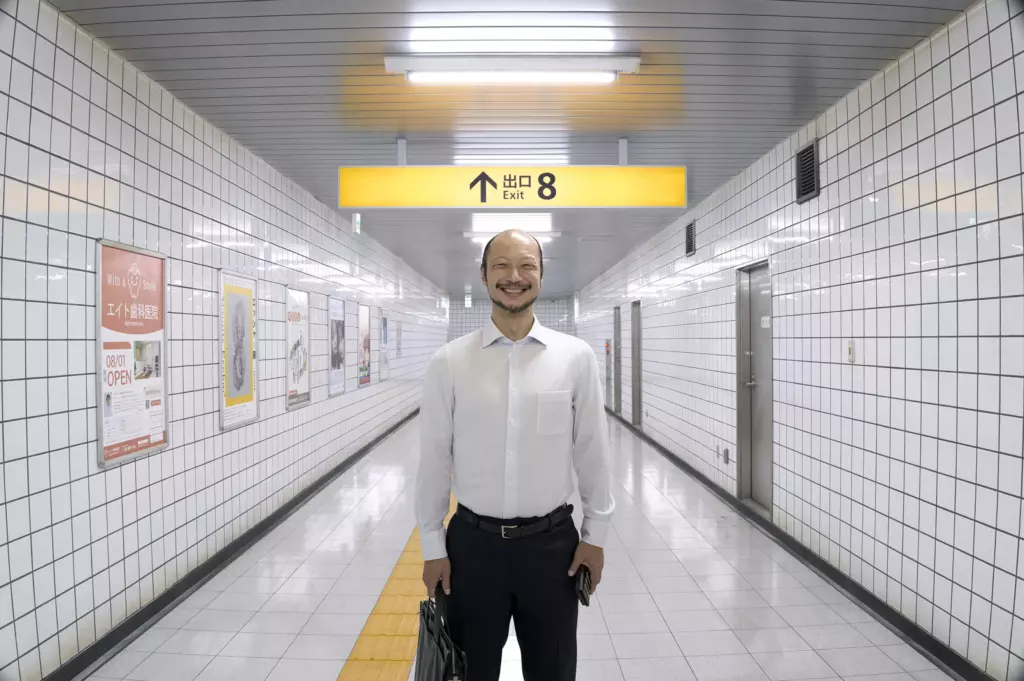
Thirdly, the film uses the same effect as urban legends or “creepypastas” about liminal spaces. Clean, empty corridors, perfectly symmetrical surfaces, cold lights—all of this hits the brain bypassing logic. It’s not the fear of a specific creature, but the fear of hopelessness, of the very fact of “being stuck.”
At the same time, the format of the film, based on the video game of the same name, is both its strength and weakness. Minimalism creates maximum anxiety, but it doesn’t work for every viewer. Some may find the film overly repetitive and that nothing “really” happens. If you expect dynamics, gory scenes from classic horrors, or unpredictable plot twists, Kawamura’s work may disappoint.
“Exit 8” is a film that frightens not with obvious horrors, but with the feeling of the endlessness of routine, and also makes you think about what the mind is capable of in moments of critically important life decisions. This film is more about experience than story, and if this approach resonates with you, then it’s worth walking this corridor alongside the hero. Just keep an eye out—the exit isn’t always where the arrows promise.
“Exit 8” in theaters from August 28.
Comments
0No comments yet.
Sign in to join the discussion.